Apple may delay the base iPhone 18 until 2027, and that might be a good thing
Breaking traditions might actually be just what Apple needs going forward.
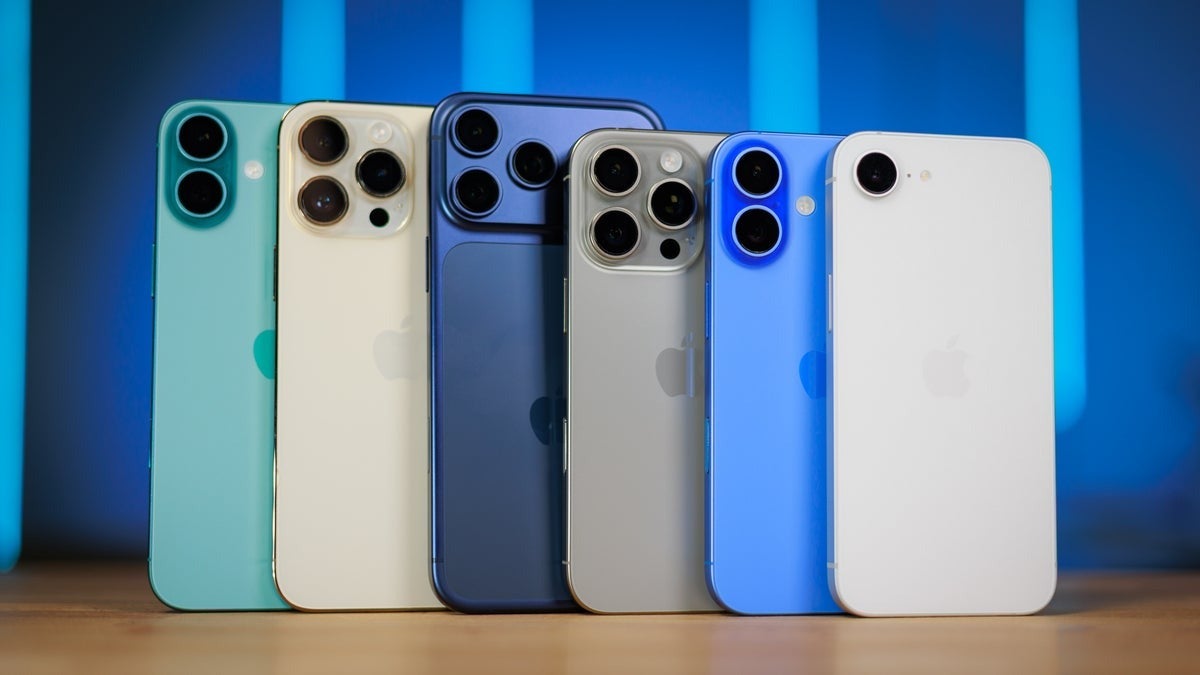
Phone manufacturers tend to stick to a generally predictable schedule when it comes to releasing a new generation of their main product lineup. Apple, in particular, has been consistently sticking to fall, typically launching the latest iPhone models in September, including the base and Pro models.
However, according to multiple reports, Apple is preparing to split its iPhone launches into two separate cycles for the iPhone 18 series, potentially delaying the standard iPhone 18 until 2027.
An unprecedented iPhone launch cycle
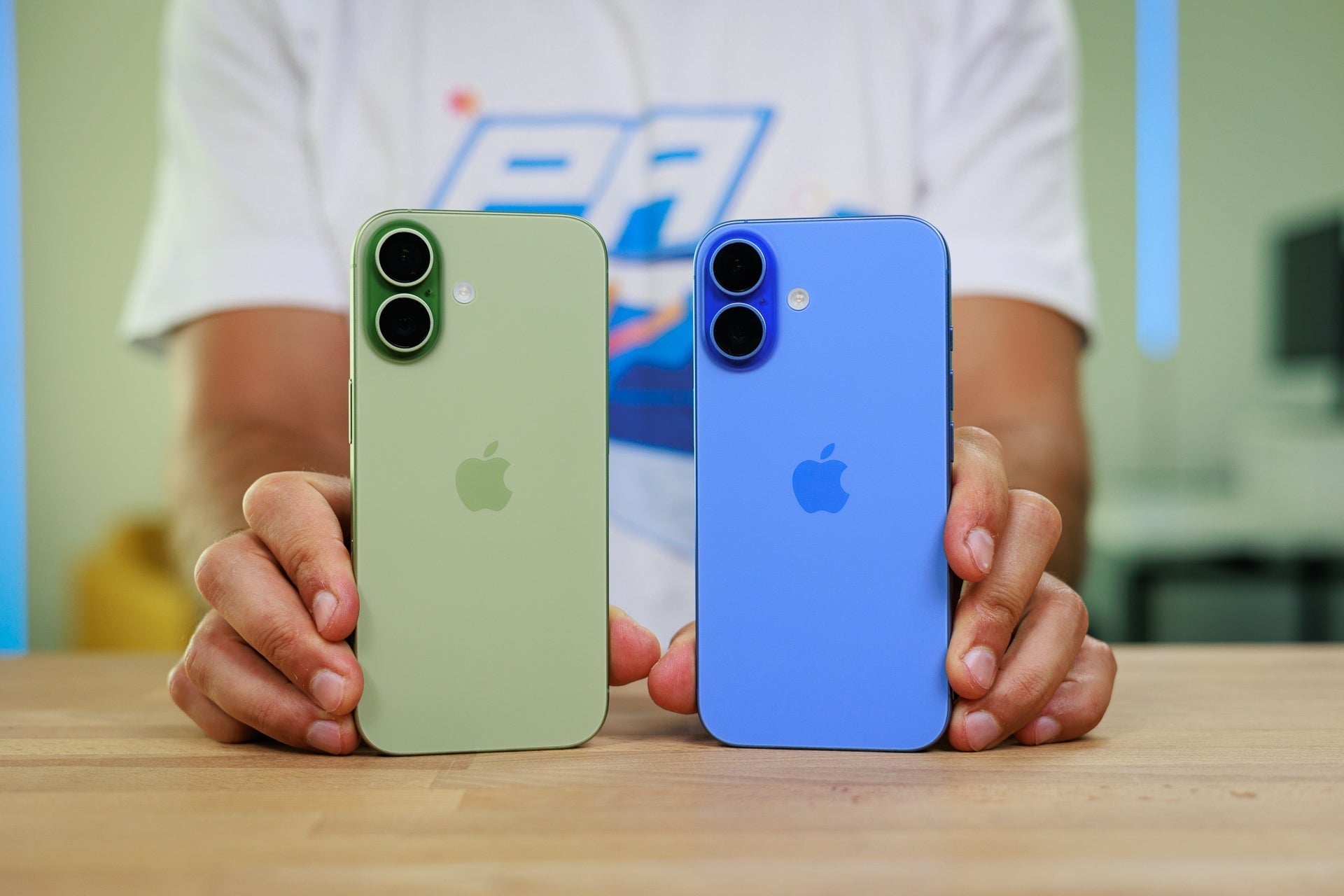
Image credit — PhoneArena
The reputable industry analyst Ming-Chi Kuo says Apple plans to divide its iPhone launches between fall and spring. He states that, based on this strategy, Apple will release the iPhone 18 Pro and iPhone 18 Pro Max in fall of 2026, as is tradition, but the regular iPhone 18 would not arrive alongside them.
Instead, the base iPhone 18 is now expected to launch in the spring of 2027. That would mean that the iPhone 17 would remain Apple’s newest standard model for roughly a year and a half, which would be an unprecedented gap in Apple’s release history.
How do you feel about Apple splitting iPhone launches into two yearly cycles?
100 Votes
Smart move to reduce launch clutter
24%
Makes sense, but confusing for buyers
15%
Bad idea, iPhones should launch together
35%
Don’t care as long as upgrades are good
26%
Why Apple may be changing its strategy

There have been other reports claiming the same, suggesting the shift is closely tied to Apple’s expanding lineup. In 2026, Apple is expected to have a wide portfolio of devices, including the standard iPhone, two Pro models, the iPhone Air, the budget “e” model, and its first-ever foldable iPhone.
With so many devices competing for attention, launching everything at once could hurt individual models. The iPhone Air, for example, is already struggling enough to threaten the existence of any future updates to the series. A staggered schedule would give each phone more room to stand out.
What the rumored release timeline looks like
If the leaks are accurate, Apple’s upcoming iPhone roadmap could look like this:
- Spring 2026: iPhone 17e
- Fall 2026:iPhone 18 Pro, iPhone 18 Pro Max, foldable iPhone, iPhone Air 2
- Spring 2027:iPhone 18, iPhone 18e
- Fall 2027: iPhone 19 Pro, iPhone 19 Pro Max, second-generation foldable iPhone, iPhone Air 3
This approach would also give Apple two major iPhone moments each year instead of one.
Competition and logistics also play a role
There’s another strategic angle worth considering. Unlike Apple, Android manufacturers don’t limit flagship launches to a single season. New high-end phones arrive throughout the year, keeping attention on the platform well beyond just a single quarter.
Samsung is a good example. It launches the Galaxy S series early in the year, then follows up with flagship foldables mid-year. By spreading out iPhone releases, Apple could keep itself in the spotlight more consistently instead of relying on one annual launch window.
Apple hasn’t confirmed any of this yet. Still, with several analysts and publications pointing in the same direction, the idea of skipping a standard iPhone 18 in 2026 is starting to feel increasingly plausible.
Read more:
- Galaxy S26, iPhone 18 to arrive months later than expected: is this the new normal?


Popular stories




Latest News






Things that are NOT allowed:
To help keep our community safe and free from spam, we apply temporary limits to newly created accounts: