Editorials · Reviewer Insight
The assassination of the Rational iPhone: Why the 17 Plus was too dangerous to exist
Why risk it all with the non-starter iPhone Air? Was this just a mistake or was the iPhone 17 Plus simply too good to exist?
This article may contain personal views and opinion from the author.
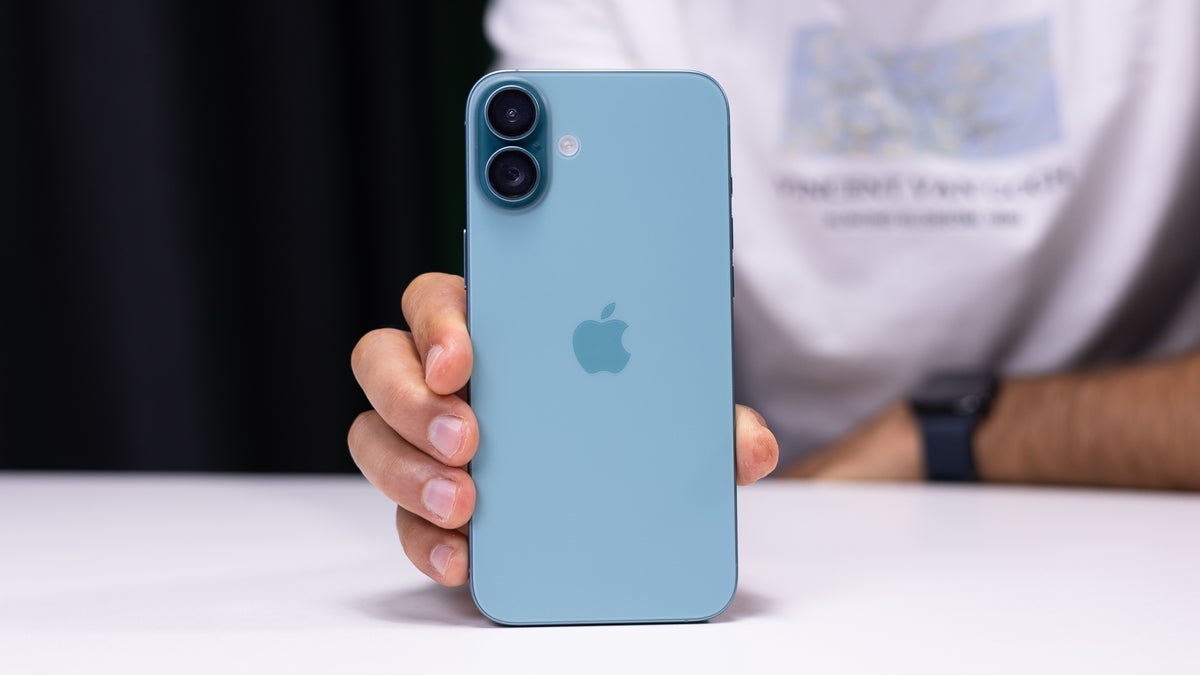
The more I think about it, the more I start to believe this: Apple didn't kill the iPhone 17 Plus because it was a bad phone — they killed it because it was going to be too good.
Imagine an iPhone 17 Plus with a 120Hz ProMotion screen and 256GB of base storage at a price of $900. Why buy a Pro Max when you can get 90% of the experience at $300 less?
So Apple scrapped the iPhone 17 Plus and replaced it with a deliberately handicapped new model, the iPhone Air. And I'm saying this despite actually loving the iPhone Air idea, but I just realize that I'm in the small niche of users who really value a super thin and lightweight phone. Objectively, I realize an iPhone 17 Plus would have been a massive hit.
The iPhone 17 Plus Paradox: Too Much Value for Apple's Bottom Line
Most people don't follow the evolution of budget phones that close, so let me bring you up to speed with the latest rumors in just a few words — innovation there has practically stopped.
Yep, that's the update. The rumored $500 Google Pixel 10a? Absolutely nothing new is expected in that upcoming phone, not even a new chipset or a camera upgrade in sight. The anticipated Galaxy A57? Yet another snooze fest, with no change in performance or camera features, basically the same phone as last year's model.
Why am I saying this? Well, one big reason: it's not that companies don't have anything new to offer in their more affordable phones, it's that every new feature there risks narrowing the gap with flagships, and that is bad news for tech companies bottom lines.
The Conspiracy
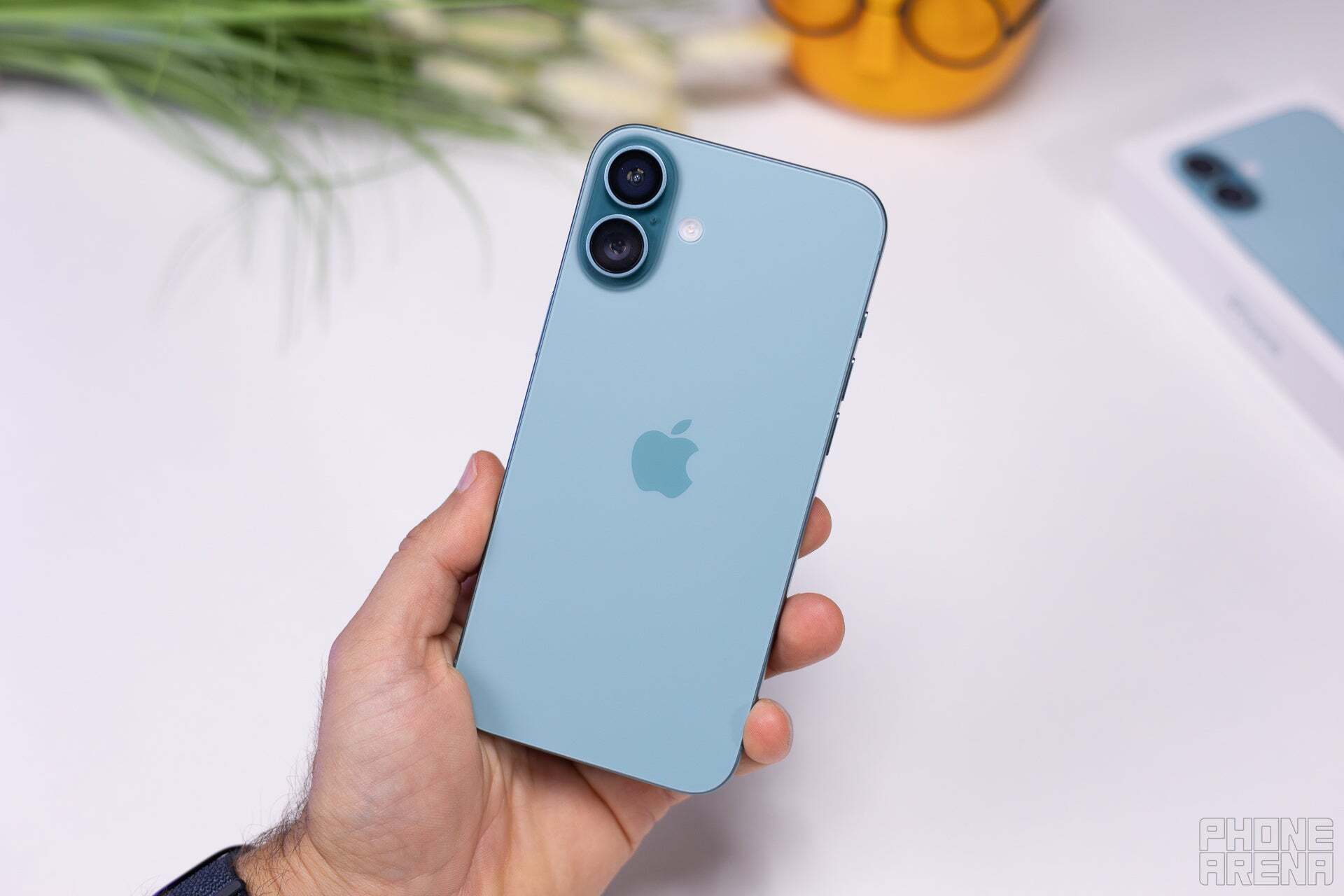
The iPhone 16 Plus was the last one in the Plus family
And that's precisely where the iPhone 17 Plus question comes up. Why kill it right now, when the most anticipated features like the ProMotion screen and double the storage finally arrive to the base model?
Apple pivoted to the Plus idea after the spectacular flop of the iPhone Mini series. It launched three Plus models: the iPhone 14 Plus, 15 Plus and 16 Plus, all sharing some very appealing quality like a big screen and big battery, but also some common disadvantages like a slow 60Hz display and lack of telephoto cameras.
Sure, the Plus was never a best seller, but it also wasn't an underperformer like the iPhone Mini series. And I don't think anyone at Apple seriously thought the iPhone Air would be a long-term play.
The most logical explanation here is that Apple realized that once the Plus got ProMotion (as it was bound to judging from the regular iPhone 17 launch), a huge chunk of Pro Max buyers would realize they don't actually need that telephoto lens all that much. That was not an acceptable outcome.
Discontinuing the iPhone 17 Plus is not just a coincidence, it was a cold, calculated assassination of a product that threatened Apple's most profitable margin. They killed the Plus to keep the 120Hz "large screen" experience behind a $1,200 paywall.
The iPhone Air sabotage
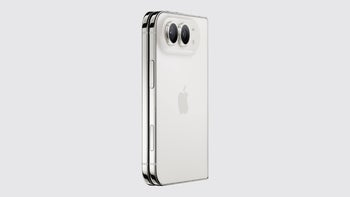
And then just look at the iPhone Air and the long list of compromises it brings with it: a single camera (in 2026!), a pathetic single loudspeaker, no fast charging, questionable battery life. That's a total smoke screen.
The iPhone Air could never replace the Plus series.
By making their new large-screen iPhone "super thin", but sub-par in terms of camera and battery, Apple ensures that anyone who wants a functional big phone would buy the expensive Pro Max. They traded the "Plus" (a great all-rounder) for a "niche luxury" that doesn't compete with the flagship.
If you want a big screen, you now have two non-ideal choices: a deliberately broken Air or the overpriced Pro Max. There is no longer a sane middle ground.
Apple has been doing this with Pro iPhones for a while
This type of move to protect the margins is not something new for Apple. After all, Apple is the company that discontinues its last year's Pro flagship the moment it starts selling the new one.
This is a cleverly calculated move of price politics and supply chain logistics that results in people always having to buy the latest Pro Max at its maximum price. It doesn't help that you won't find any meaningful discounts for an iPhone.
The sad reality: phones are getting pricier
With fewer flagship phones in the $800 to $1000 range, Apple has effectively removed the middle ground.
Want a big, capable phone? Pay $1,200 or settle for compromise. And that's exactly how they want it.


Popular stories




Latest News



Things that are NOT allowed:
To help keep our community safe and free from spam, we apply temporary limits to newly created accounts: