The best Android phones in 2026
We may earn a commission if you make a purchase from the links on this page.
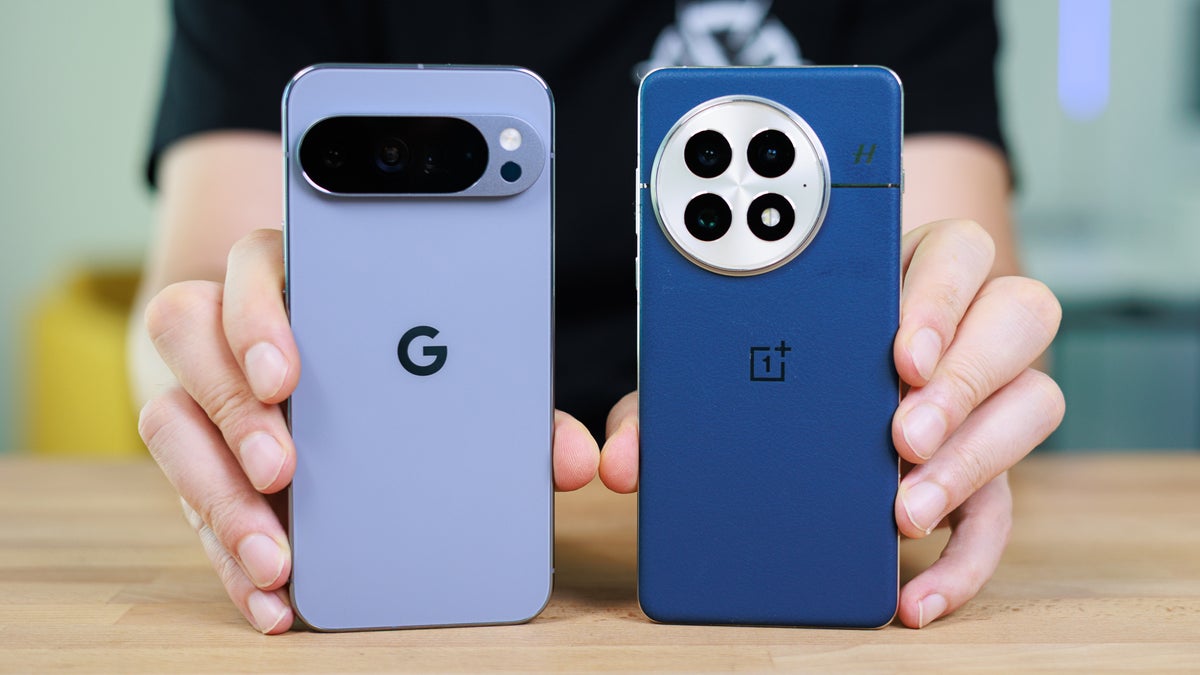
The world of Android smartphones is big, rich in variety, and open to almost any budget out there. From basic, dependable smartphones to cutting-edge foldable devices of the future, anyone looking for the best Android smartphone is spoiled for choice.
Which is the best Android smartphone available right now, though? Is it the obvious choice, the Samsung Galaxy S26 Ultra? Or maybe the Pixel 10 series devices have something to offer that’s not immediately obvious? What about OnePlus, Honor, and Motorola? There might be a dark horse somewhere on the Android plains, offering outstanding bang for your buck.
I made a comprehensive list to help you find the best Android phone for your specific needs. PhoneArena has a very thorough testing procedure in place, and the phone rating widget considers various aspects of the smartphone experience, so rest assured that this list is as objective as it gets.
But fret not, under each entry, I elaborate on the score and explain why you should consider every model, what its strong and weak sides are, and also throw in some alternatives.
Which is the best Android smartphone available right now, though? Is it the obvious choice, the Samsung Galaxy S26 Ultra? Or maybe the Pixel 10 series devices have something to offer that’s not immediately obvious? What about OnePlus, Honor, and Motorola? There might be a dark horse somewhere on the Android plains, offering outstanding bang for your buck.
But fret not, under each entry, I elaborate on the score and explain why you should consider every model, what its strong and weak sides are, and also throw in some alternatives.
Jump to:
Best Android phone
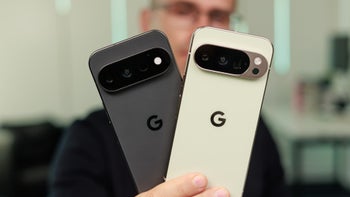
Google Pixel 10 Pro XL
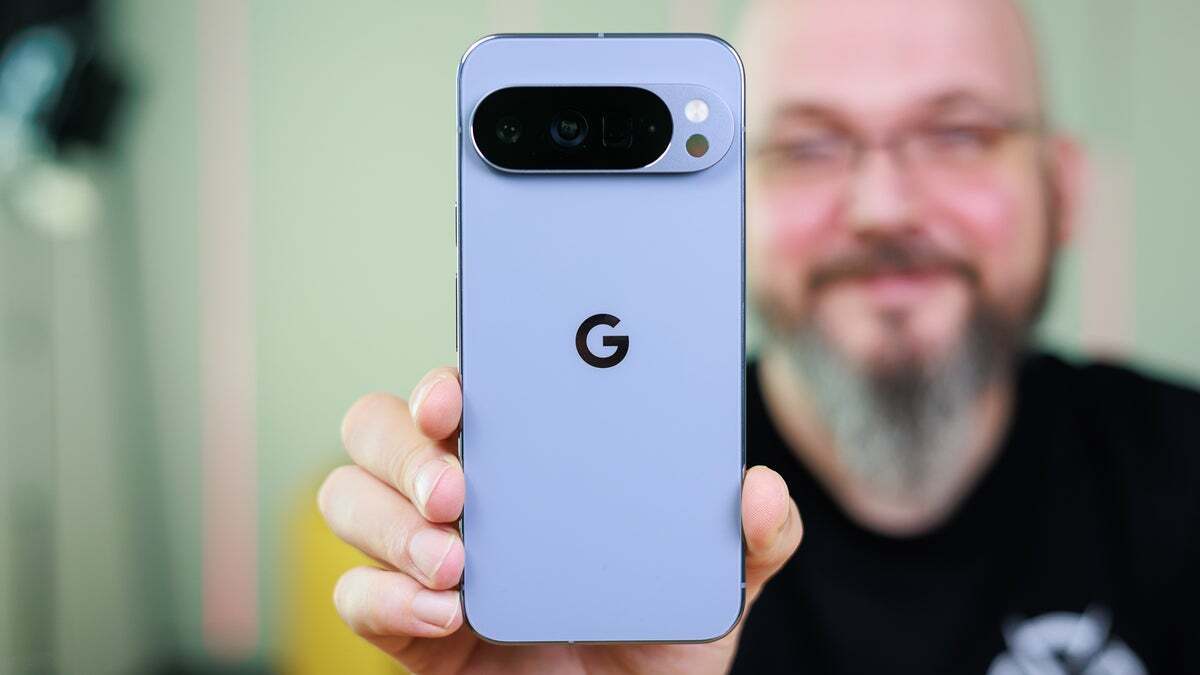
I was tempted to put the Galaxy S25 Ultra here, but given its price tag, it belongs to the Premium Android category. The Pixel 10 Pro XL, on the other hand, costs $100 less and offers one of the best packages.
Why I Picked It?
The smartphone game these days is played on the software field, and the Pixel 10 Pro XL has a lot to offer. The camera system includes enhanced computational photography capabilities, leveraging AI to deliver even more stunning photos in various lighting conditions.
There are new AI tricks onboard thanks to Gemini Nano, and Gemini Live, and last but not least, you're getting seven years of software updates. When it comes to software tricks and AI, the Google Pixel 10 Pro XL is your best bet.
If you like to be on the forefront of AI and don't mind sacrificing some raw power in exchange, this flagship will serve you well for the (seven) years to come. Couple all this with a stylish design and seven years of major OS updates, and you have a real winner.
Who's It For?
People who want a high-end Android phone with a big screen, a long support cycle and lots of AI magic on board, should consider the Pixel 10 Pro XL. If you don't like Samsung's OneUI or the Galaxy S25 Ultra is too expensive for you, the Pixel 10 Pro XL should be the obvious choice.
You can check out our Google Pixel 10 Pro XL review for a deep dive.
Key Google Pixel 10 Pro XL specs
- Screen: 6.8-inch, 120Hz, QHD+ OLED screen
- Processor: Google Tensor G5 chipset
- Camera: 50MP main, 48MP ultrawide, 48MP 5x telephoto, 42MP front
- Versions: 16/256GB, 16/512GB or 16GB/1TB.
- Battery and Charging: 5200 mAh, 45W wired, 25W wireless
Best Budget Android Phone
CMF Phone 2 Pro
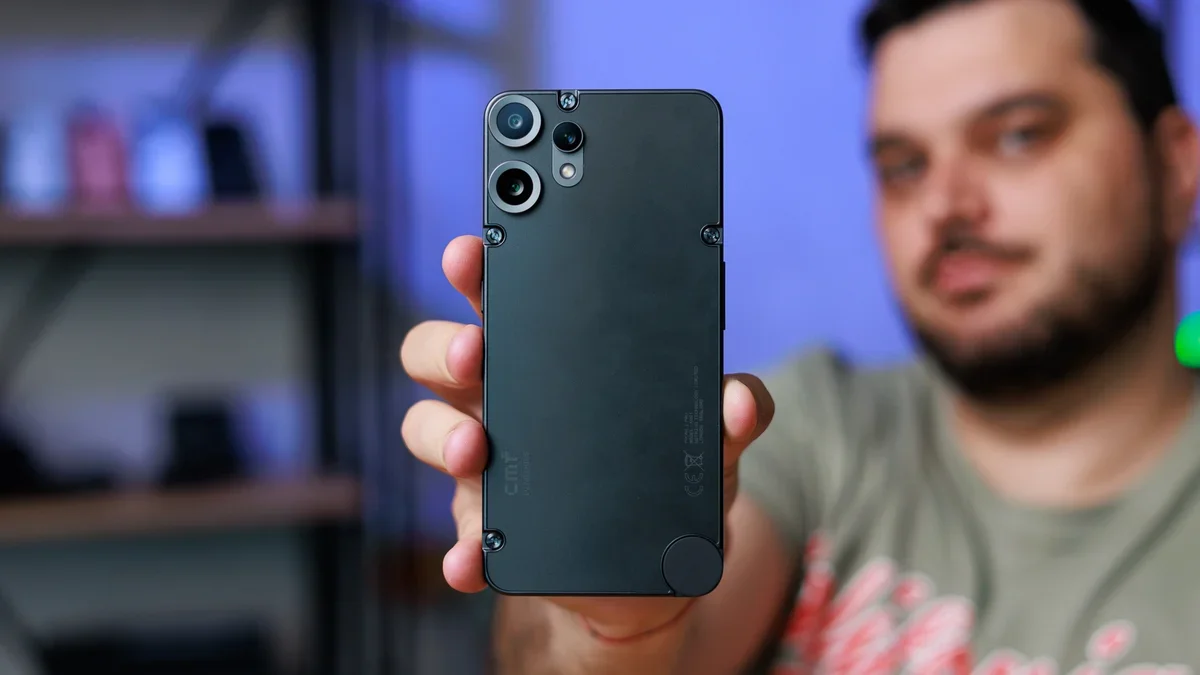
Nothing took the budget smartphone market with a storm launching the original CMF Phone. Now we have the successor, and it's better than ever. The CMF Phone 2 Pro boasts an impressive specs sheet for its modes sub-$300 price.
Why I Picked It?
There are many reasons why I thing the CMF Phone 2 Pro is the perfect budget phone. From its unmistakable and fresh design, to the great package you're getting for your hard-earned $279.
Let's recap the great specs. The CMF Phone 2 Pro features a 6.8-inch OLED screen that can go up to 120Hz, the Dimensity chipset feels snappy and smooth, and you're getting a triple camera system with a telephoto. I tested the phone and the overall package was punching way above its weight.
Who's It For?
People on a budget should consider the CMF Phone 2 Pro, if the alternatives from Samsung and Motorola don't feel tempting. Nothing's budget child offers more punch for less money, compared to its more popular rivals, and you should absolutely give it a try.
Key CMF Phone 2 Pro specs:
Screen: 6.8-inch, 120Hz, FHD+ OLED screen
Processor: MediaTek Dimensity 7300
Camera: 50MP main, 8MP ultrawide, 50MP 2x telephoto, 16MP front
Versions: 8/128, 8/256
Battery and Charging: 5000 mAh, 33W wired
Processor: MediaTek Dimensity 7300
Camera: 50MP main, 8MP ultrawide, 50MP 2x telephoto, 16MP front
Versions: 8/128, 8/256
Battery and Charging: 5000 mAh, 33W wired
Samsung Galaxy S26 Ultra
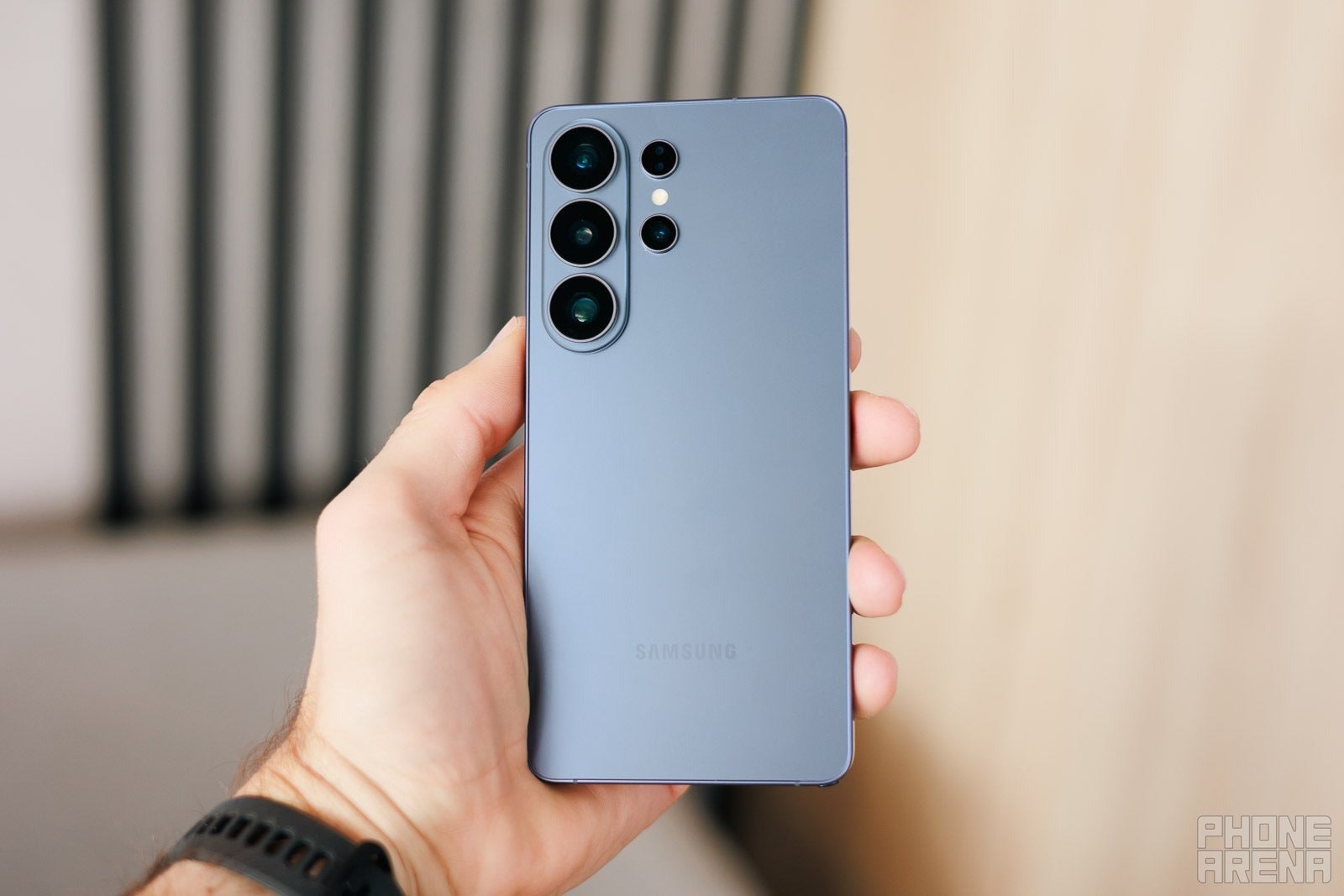
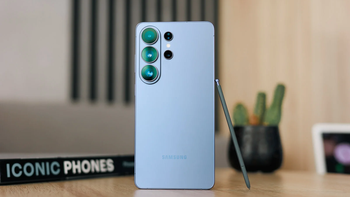
The Galaxy S26 Ultra doesn’t reinvent Samsung’s flagship formula, but it does refine it in a few important ways. It is faster, charges much quicker than before, and remains one of the most feature-complete Android phones you can buy.
Why I Picked It?
The short answer is the Galaxy S26 Ultra offers the best all-around premium Android package. Now for the longer one.
Samsung has kept the familiar Ultra identity intact, but there are some meaningful upgrades this year. The new Snapdragon 8 Elite Gen 5 is a beast, finally reaching parity with Apple’s latest chips in single-core performance while pulling ahead in multi-core workloads. In our tests, the S26 Ultra scored 3,753 points in Geekbench 6 single-core and 11,259 in multi-core, which is a notable jump over the previous model.
Gaming performance is also much stronger in that initial burst of speed. The GPU gets a huge uplift compared to the S25 Ultra, even if sustained performance still ends up closer to the iPhone 17 Pro Max once thermal throttling kicks in.
Samsung also made the phone slightly thinner and lighter, which is genuinely nice in the hand. It now switches back to aluminum instead of titanium, and while that might not sound exciting on paper, the result is a phone that feels a bit less hefty without losing its premium character. The anti-reflective Gorilla Armor coating remains one of the best things about the Ultra display, and the new Privacy Display feature is clever, even if it feels more niche than essential.
The camera system is mostly familiar, but Samsung did improve the optics. The main 200 MP camera now has a brighter f/1.4 aperture, and the 5x telephoto also gets a brighter lens. In real use, that helps the S26 Ultra take cleaner night photos and slightly better low-light video, even if the overall camera score remains close to the previous generation.
Charging is one of the biggest upgrades. The S26 Ultra now supports 60W wired charging and reaches a full charge in just 49 minutes, a huge improvement over the S25 Ultra. That helps offset the fact that Samsung once again kept the battery at 5,000 mAh, which is starting to look outdated next to rivals pushing far larger cells.
Samsung has kept the familiar Ultra identity intact, but there are some meaningful upgrades this year. The new Snapdragon 8 Elite Gen 5 is a beast, finally reaching parity with Apple’s latest chips in single-core performance while pulling ahead in multi-core workloads. In our tests, the S26 Ultra scored 3,753 points in Geekbench 6 single-core and 11,259 in multi-core, which is a notable jump over the previous model.
Gaming performance is also much stronger in that initial burst of speed. The GPU gets a huge uplift compared to the S25 Ultra, even if sustained performance still ends up closer to the iPhone 17 Pro Max once thermal throttling kicks in.
Samsung also made the phone slightly thinner and lighter, which is genuinely nice in the hand. It now switches back to aluminum instead of titanium, and while that might not sound exciting on paper, the result is a phone that feels a bit less hefty without losing its premium character. The anti-reflective Gorilla Armor coating remains one of the best things about the Ultra display, and the new Privacy Display feature is clever, even if it feels more niche than essential.
The camera system is mostly familiar, but Samsung did improve the optics. The main 200 MP camera now has a brighter f/1.4 aperture, and the 5x telephoto also gets a brighter lens. In real use, that helps the S26 Ultra take cleaner night photos and slightly better low-light video, even if the overall camera score remains close to the previous generation.
Charging is one of the biggest upgrades. The S26 Ultra now supports 60W wired charging and reaches a full charge in just 49 minutes, a huge improvement over the S25 Ultra. That helps offset the fact that Samsung once again kept the battery at 5,000 mAh, which is starting to look outdated next to rivals pushing far larger cells.
Who's It For?
The Galaxy S26 Ultra is for people who want the most complete premium Android phone and are prepared to pay flagship money for it.
It has one of the best displays on the market, a very versatile camera system, excellent software support, strong AI features, and top-tier performance. It is also still the obvious choice if you care about the S Pen or simply want the safest premium Android recommendation.
If your priorities are cutting-edge camera hardware or the very best battery life, there are now rivals that push further in those areas. But if you want the best premium all-rounder, the Galaxy S26 Ultra is still the phone to beat.
It has one of the best displays on the market, a very versatile camera system, excellent software support, strong AI features, and top-tier performance. It is also still the obvious choice if you care about the S Pen or simply want the safest premium Android recommendation.
If your priorities are cutting-edge camera hardware or the very best battery life, there are now rivals that push further in those areas. But if you want the best premium all-rounder, the Galaxy S26 Ultra is still the phone to beat.
Be sure to check out our full Galaxy S26 Ultra review.
Key Galaxy S26 Ultra specs:
- Screen: 6.9-inch Dynamic AMOLED 2X, 1440 x 3120 pixels, 120Hz refresh rate
- Processor: Qualcomm Snapdragon 8 Elite Gen 5 (all regions)
- Camera: 200MP main, 50MP ultrawide, 10MP 3x telephoto, 50MP 5x periscope, 12MP front
- Versions: 12/256GB, 12/512GB, 16GB/1TB
- Battery and Charging: 5000mAh, 60W wired, 15W wireless
Also read:
Best Android Foldable Phone
Samsung Galaxy Z Fold 7
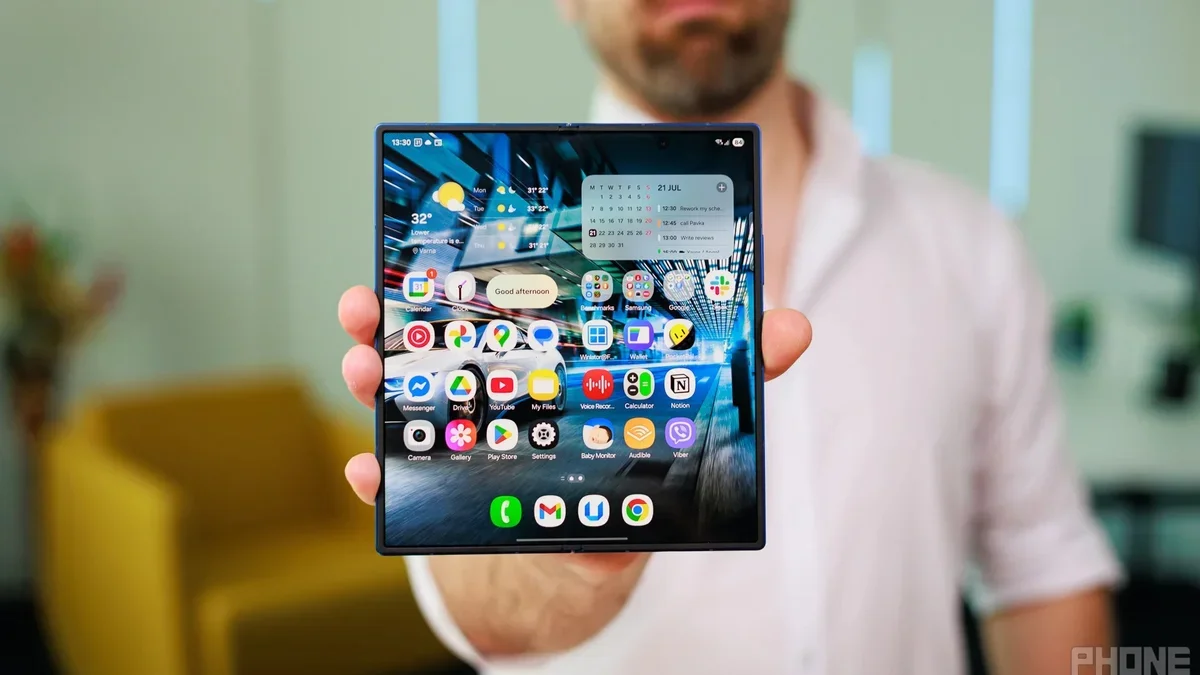
Samsung has finally caught up with the competition when it comes to foldable phones. Which is kind of ironic, given the fact that Samsung was the first company to launch a mainstream foldable (if we don't count the Royole FlexPai peculiarity).
Why I Picked It?
The Galaxy Z Fold 7 is the perfect foldable. It's also one of the thinnest on the market (if not THE thinnest, the jury's still out on this one), and when we talk about foldables, the thickness matters.
The Z Fold 7 is not only ultra-thin and light, stylish and modern, but also very powerful, thanks to the Snapdragon 8 Elite and the "for Galaxy" treatment. The phone improves on some key fronts compared to its predecessor.
The main camera is now the same 200MP as the one on the Galaxy S25 Ultra, the cover screen now features a much more usable 21:9 aspect ratio and both screens are super-bright. There are a lot of useful AI and software features on board, and you get the same seven years of support as with other Samsung flagships.
The only disadvantage of the Galaxy Z Fold 7 in my opinion is its price. Seven generations into the foldable game and still this model costs $2000. But if you're ready to swallow that particular pill, it's the best foldable available on the market.
Who's It For?
The Galaxy Z Fold 7 is the perfect foldable and if you're already inside Samsung's ecosystem, you'll feel at home. But even if you rock another brand, or an iPhone even, but want to get a foldable, and the best one at that, no matter the price, the Galaxy Z Fold 7 is your best bet.
Key Samsung Galaxy Z Fold 7 specs:
Screen: 8-inch, 120Hz, QHD+ flexible OLED screen, 6.5-inch cover screen
Processor: Qualcomm Snapdragon 8 Elite
Camera: 200MP main, 12MP ultrawide, 10MP 3x telephoto, 10MP front
Versions: 12/256, 12/512GB, 12/1TB
Battery and Charging: 4400 mAh, 25W wired, 15W wireless
Processor: Qualcomm Snapdragon 8 Elite
Camera: 200MP main, 12MP ultrawide, 10MP 3x telephoto, 10MP front
Versions: 12/256, 12/512GB, 12/1TB
Battery and Charging: 4400 mAh, 25W wired, 15W wireless
Best Android Flip Phone
Motorola Razr Ultra (2025)
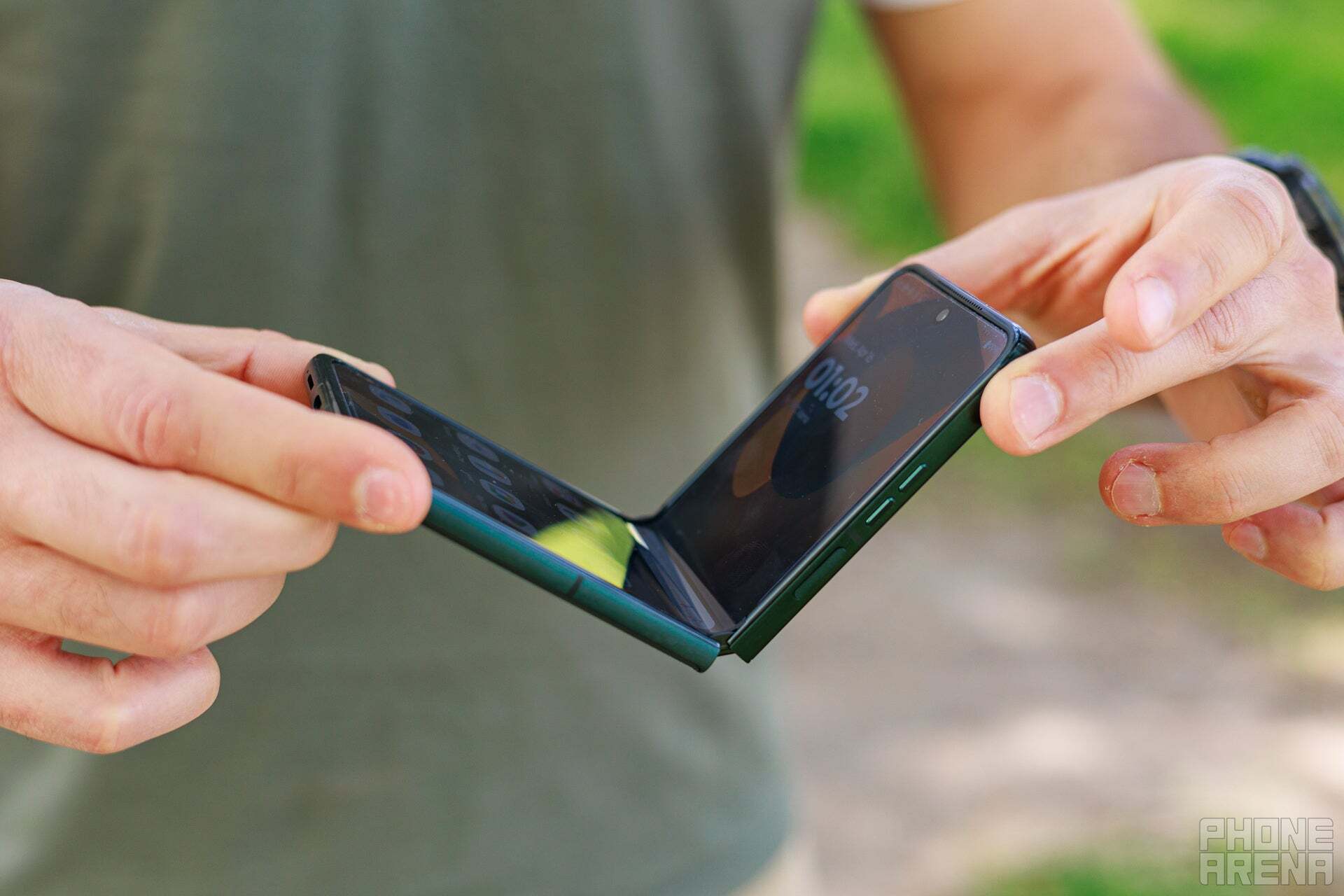
Motorola tried bringing back the iconic Razr brand in 2019, but it had a rough start. Things started improving in 2022 when the company made some design changes, and now, the latest Razr phones are offering a functional, usable cover screen, a compact form factor, and great pricing. And here is the latest iteration of the Razr.
Why I Picked It?
The Razr Ultra (2025) comes with some nice upgrades: a sleeker design, faster charging, a capable camera system, better sound system, and the best Qualcomm chip available. This time around the price reflect all the positive changes and it's well above $1000 ($1,299 to be precise), but it's more than worth it.
The battery life is also pretty good for a flip phone, and the real competition here comes from the Galaxy Z Flip 7. It's down to personal preference in the end, but Motorola has finally made a really competitive flagship flip phone. I really enjoyed using it and it felt like the perfect flip phone.
Who's It For?
Fans of the flip form factor will find the Motorola Razr Ultra (2025) absolutely great. From the super-useful cover screen, to the powerful chipset, this is the best flip phone on the market. If you're willing to pay a little extra, the Razr Ultra will bring you a lot of joy.
Key Motorola Razr Ultra (2025) specs:
- Screen: 7-inch flexible OLED, 4-inch cover screen 165Hz refresh rate
- Processor: Qualcomm Snapdragon 8 Elite
- Camera: 50MP main, 50MP 2x telephoto
- Versions: RAM: 16GB
- Battery and Charging: 4,700mAh, 68W wired, 30W wireless
Read More: Motorola Razr Ultra (2025) Review
Best Midrange Android Phone
Google Pixel 10a
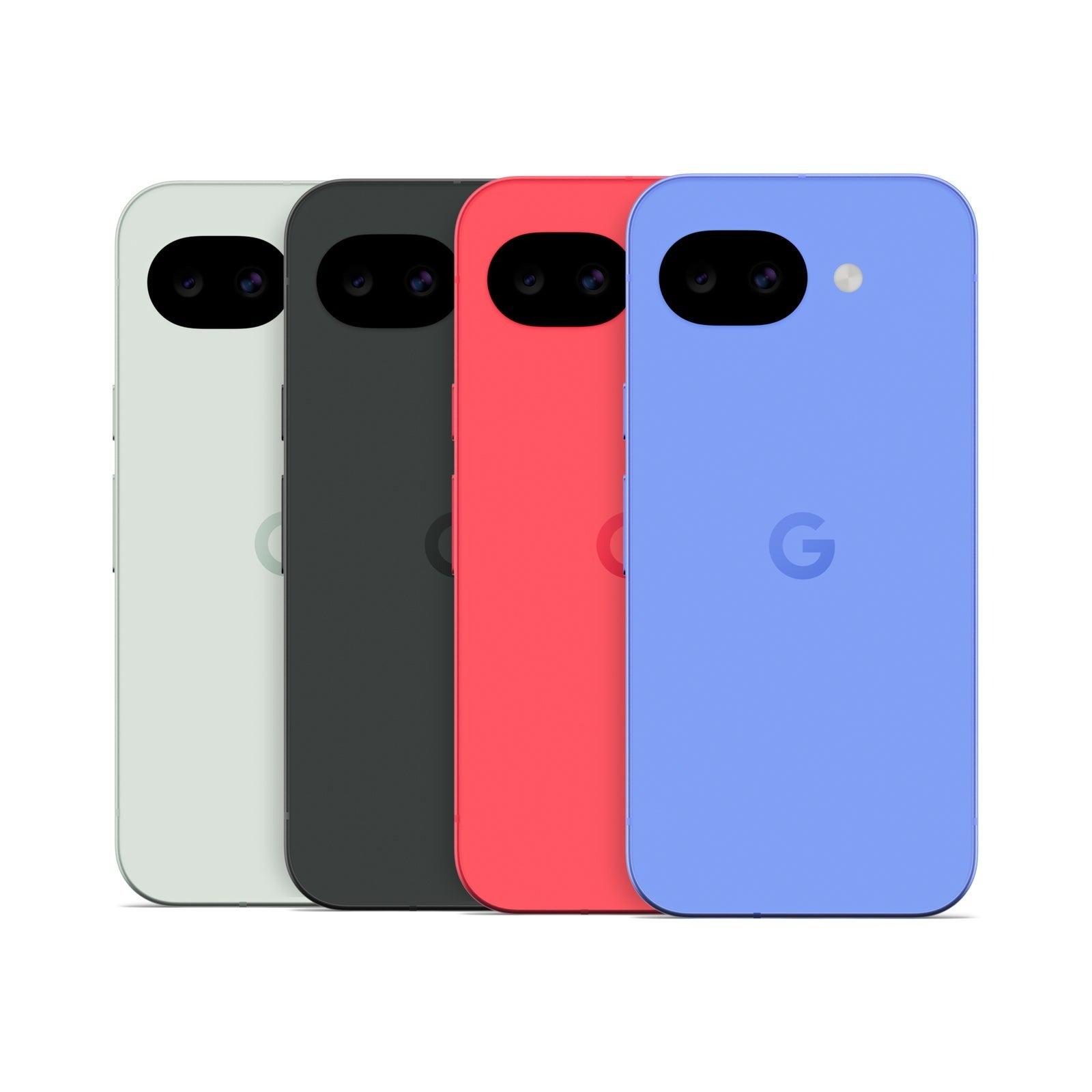
Google struck a chord with the Pixel A-series, which has been very successful over the years. The idea of a budget phone with Google bells and whistles on board clearly resonates with people. The Pixel 10a keeps that formula going, even if it is a more iterative update than some might have hoped for.
Why I Picked It?
Simply put, the Pixel 10a still offers some of the best value on the Android scene. For $499, you get Android 16 out of the box, seven years of software support, a bright 120Hz OLED screen, solid battery life, and a camera system that remains one of the strongest at this price.
This is not a huge leap over the Pixel 9a, though. Google kept the same Tensor G4 chip, the same 8GB of RAM, and largely the same camera setup. But it also kept the price the same, and in this market that matters a lot. Instead of raising the cost, Google chose to refine the phone around the edges.
You now get a completely flat back with a flush camera design, slightly faster wired and wireless charging, Satellite SOS support, Gorilla Glass 7i, and Android 16 from day one. The 5,100mAh battery is still here too, and battery life remains one of the phone’s biggest strengths.
The downside is that this is not the Pixel to get if you care deeply about raw performance or on-device AI. The Tensor G4 is fine for daily use, but it’s not new, and the 8GB of RAM means some more advanced local AI features are still off the table.
This is not a huge leap over the Pixel 9a, though. Google kept the same Tensor G4 chip, the same 8GB of RAM, and largely the same camera setup. But it also kept the price the same, and in this market that matters a lot. Instead of raising the cost, Google chose to refine the phone around the edges.
The downside is that this is not the Pixel to get if you care deeply about raw performance or on-device AI. The Tensor G4 is fine for daily use, but it’s not new, and the 8GB of RAM means some more advanced local AI features are still off the table.
Who's It For?
The Pixel 10a is ideal for people who want a clean Android phone with a long support cycle and a very good camera without paying flagship money.
It’s also a great fit for someone who wants a dependable daily phone at $500 and does not care too much about benchmark numbers or flashy hardware upgrades. If you want the best balance of software, cameras, battery life, and price in the midrange segment, the Pixel 10a remains one of the easiest recommendations.
It’s also a great fit for someone who wants a dependable daily phone at $500 and does not care too much about benchmark numbers or flashy hardware upgrades. If you want the best balance of software, cameras, battery life, and price in the midrange segment, the Pixel 10a remains one of the easiest recommendations.
Key Google Pixel 10a specs
- 6.3-inch Actua pOLED display, 120Hz, up to 3000 nits peak brightness
- Google Tensor G4 chipset
- 8 GB LPDDR5x RAM
- 128 GB/256 GB UFS 3.1 storage
- 48MP main camera + 13MP ultrawide
- 5,100mAh battery
- 23W wired charging, 10W wireless charging
- Seven years of major OS updates
Best Alternative to Google and Samsung
Honor Magic 8 Pro
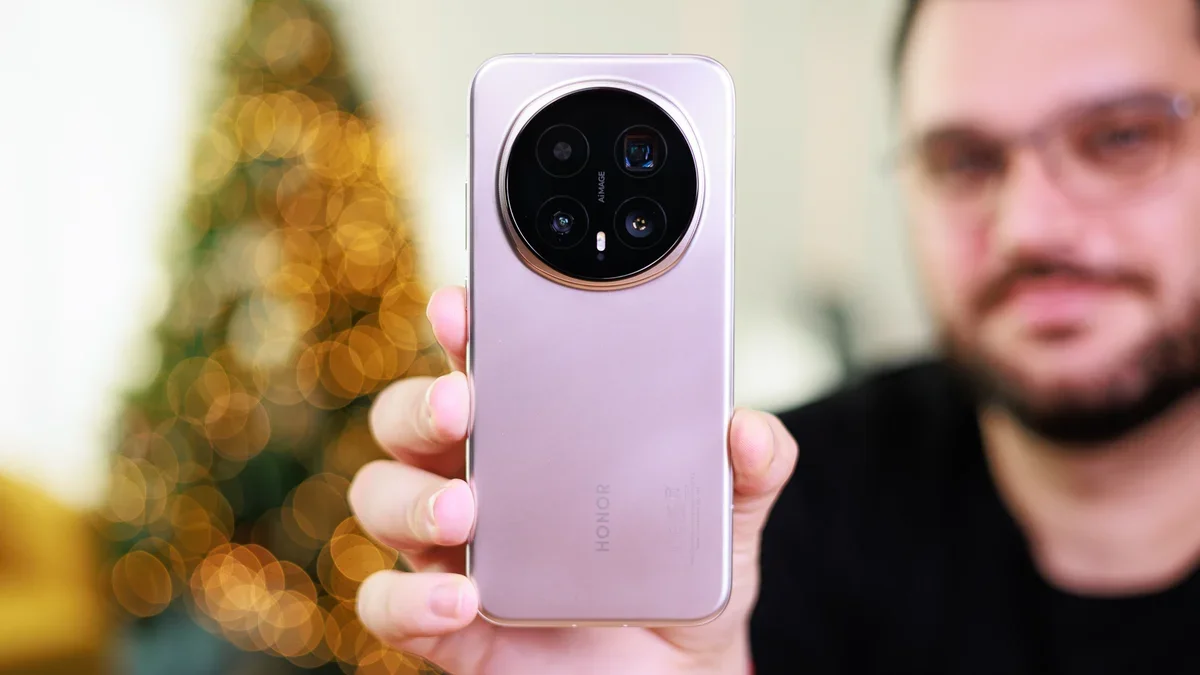
The Honor Magic 8 Pro is the latest addition to Honor's flagship portfolio. It managed to keep the innovation wheel spinning with some cool new features, such as a fourth-generation silicon-carbon battery, new UI look, a brand-new camera, the brightest display on the market, and more.
Why I Picked It?
The Honor Magic 8 Pro is a proper flagship phone and its composite review score proves it. The phone outscores all models from the Galaxy S25 series, plus some of the latest iPhone 17 models.
As I already mentioned, the Honor Magic 8 Pro comes with the brightest OLED display (at the moment), features a more compact design compared to its predecessor, and its new 200 MP telephoto camera is just great.
Honor also slapped a ton of AI magic on top of the new transparent UI look, and when you factor in the super-fast charging, and the top silicon, you end up with a clear winner and an alternative to your usual flagship phones. The only drawback is the price and availability.
Who's It For?
Anyone who wants to get a taste of what other brands are doing outside the big three - Samsung, Apple, and Google - should at least try to get the Honor Magic 8 Pro. I know it could be hard to get this model in the States, but globally it's more than a viable alternative.
Key Honor Magic 8 Pro specs:
- Screen: 6.71-inch AMOLED, 1256 x 2808 pixels, 1-120Hz refresh rate
- Processor: Qualcomm Snapdragon 8 Elite Gen 5
- Camera: 50MP main, 50MP ultrawide, 200MP 3.7x telephoto, 50MP front-facing
- Versions: 12/256GB, 16/512GB
- Battery and Charging: 6270mAh (Europe), 7,100mAh (global), 7,200mAh (China) 100W wired (Global), 80W wireless
Best Small Android Phone
Samsung Galaxy S26
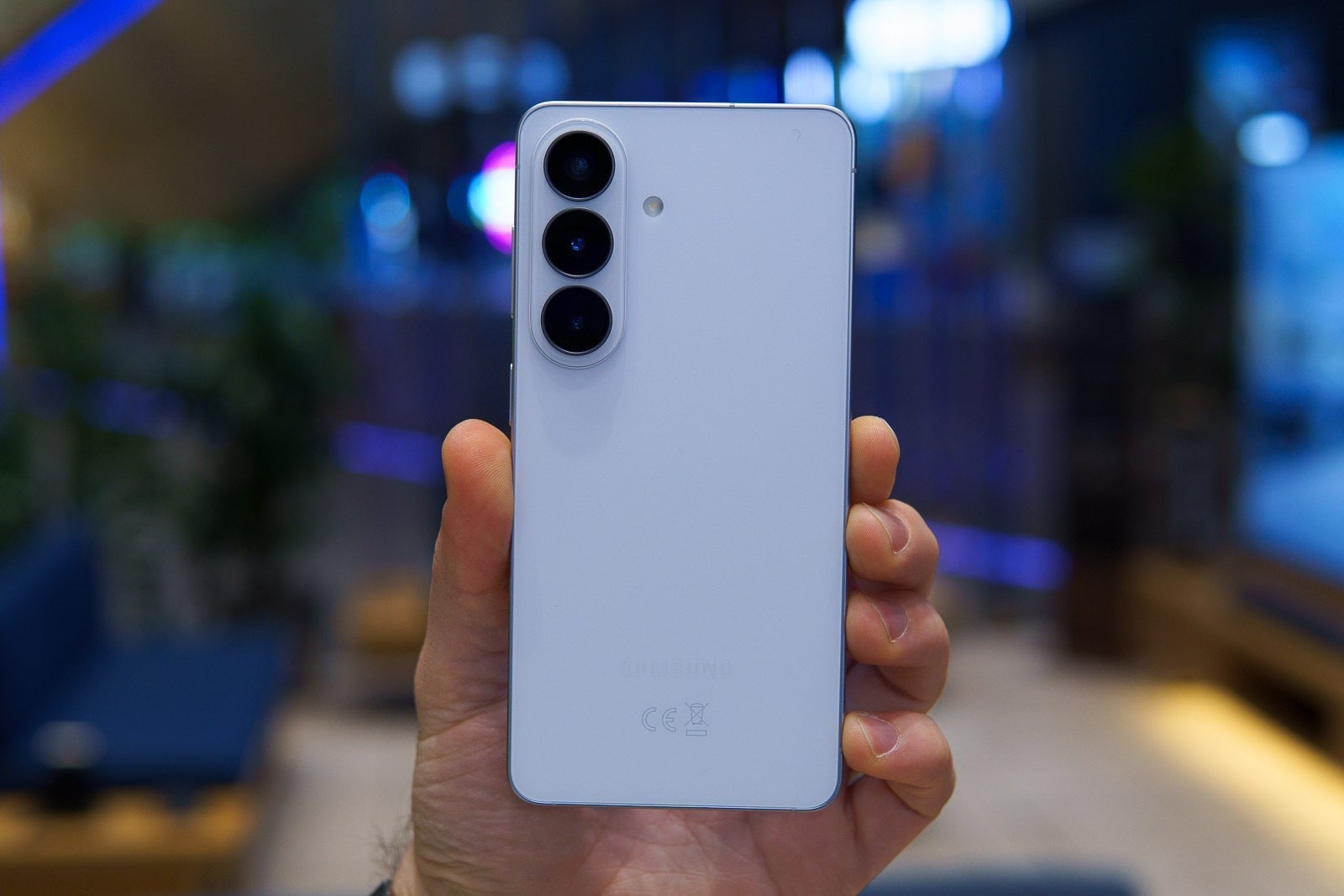
The Galaxy S26 is now the most compact Android flagship you can get. It continues Samsung’s small-phone formula without changing too much, which is exactly what many people looking for a compact flagship will want.
Why I Picked It?
The Galaxy S26 remains one of the very few truly compact flagship Android phones on the market. Phones in this category are becoming increasingly rare, and Samsung continues to be the brand that keeps this niche alive.
Just like its predecessor, the appeal here is obvious: you get flagship-grade performance, a bright AMOLED display, Galaxy AI features, and a triple-camera system in a body that is easy to use with one hand. That last part matters more and more as most other Android flagships keep getting larger and heavier.
Samsung has also kept one of the key advantages of the small Galaxy alive: unlike most compact rivals, it still includes a dedicated telephoto camera. That makes it a more versatile small phone for photography than most alternatives, which usually settle for only a main and ultrawide setup.
Of course, there is still one unavoidable compromise and that is battery size. Physics is physics, and smaller phones simply do not have the same room for a huge cell. The Galaxy S26 is still a one-day phone, not a battery champion. But if compactness is your top priority, that’s a compromise worth making.
Just like its predecessor, the appeal here is obvious: you get flagship-grade performance, a bright AMOLED display, Galaxy AI features, and a triple-camera system in a body that is easy to use with one hand. That last part matters more and more as most other Android flagships keep getting larger and heavier.
Samsung has also kept one of the key advantages of the small Galaxy alive: unlike most compact rivals, it still includes a dedicated telephoto camera. That makes it a more versatile small phone for photography than most alternatives, which usually settle for only a main and ultrawide setup.
Who's It For?
If you want the smallest proper Android flagship, the Galaxy S26 is the right choice.
There really are not many modern alternatives left if you want top-tier specs in a compact body. So if you miss the era of smaller flagships and want something easy to pocket and comfortable to use with one hand, the Galaxy S26 is the obvious pick.
There really are not many modern alternatives left if you want top-tier specs in a compact body. So if you miss the era of smaller flagships and want something easy to pocket and comfortable to use with one hand, the Galaxy S26 is the obvious pick.
Key Galaxy S26 specs:
- Screen: 6.2-inch Super AMOLED 120Hz
- Processor: Snapdragon 8 Elite Gen 5 (US and select other regions)
- Camera: Triple camera system with dedicated telephoto
- Versions: 12GB/128GB, 12GB/256GB, 12GB/512GB
- Battery and Charging: 4,300mAh battery
Best Phone for Photography
Xiaomi 15 Ultra
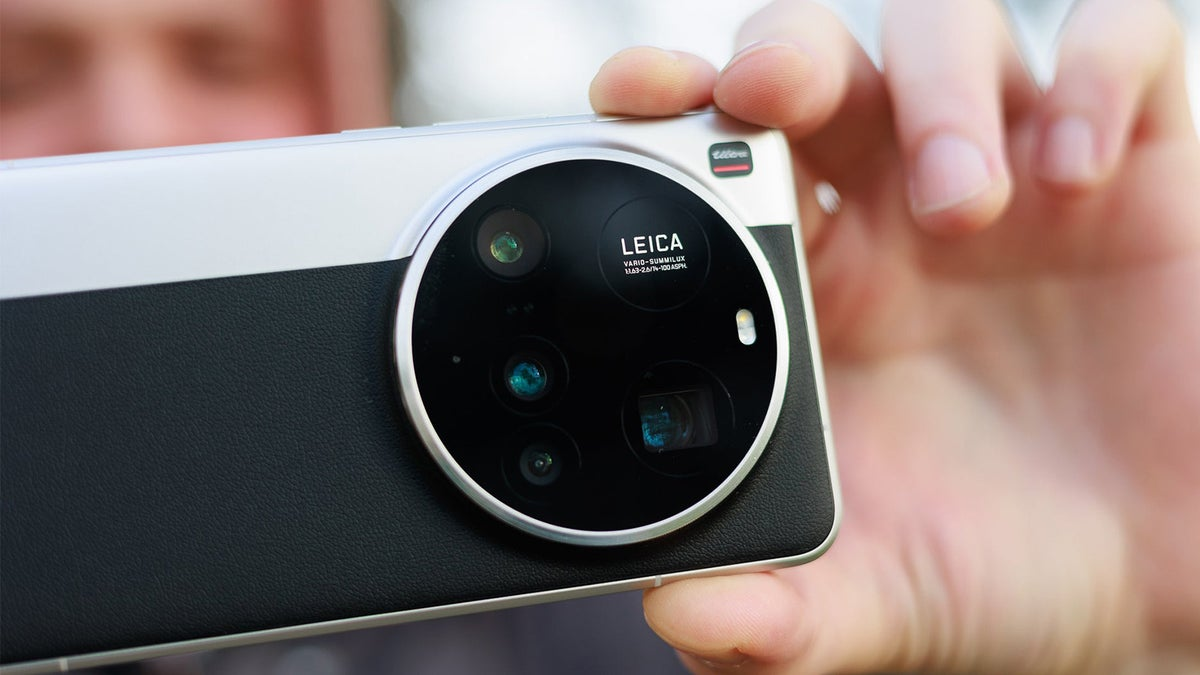
Smartphone photography is blooming and there are many phones to choose from if you don't want to carry your regular camera around. My personal favorite is the Xiaomi 15 Ultra, a camera phone that not only offers a big 1-inch sensor, but with the optional Camera Kit you can turn it into a point-and-shoot camera!
Why I Picked It?
Simply put - because of the camera performance. The 50MP camera with a massive 1-inch Sony LYT-900 sensor is just great, and there's also a 200MP periscope zoom camera on board. This isn't just empty specs, the Xiaomi 15 Ultra scored 158 in PhoneArena's camera benchmark, currently the best result.
Even for me - a layman when it comes to photography - the Xiaomi 15 Ultra was able to deliver some stunning frames. It's not just a camera phone, though. There's a phone attached to the camera, as my colleague writes in the Xiaomi 15 Ultra review. And it's a capable phone at that.
Who's It For?
Photography enthusiasts will love the Xiaomi 15 Ultra. Granted, it's not cheap, but it's still cheaper than a separate camera + a smartphone. The only issue is you have to put in some effort to get one, but it's more than worth it.
Key Xiaomi 15 Ultra specs:
- Screen: 6.73-inch OLED 1-120Hz
- Processor: Snapdragon 8 Elite with 12GB RAM
- Camera: 50MP 1-inch main camera, 200MP 4.3x, 50MP 3x, 50MP ultrawide
- Versions: 16GB/512GB, 16GB/1TB
- Battery and Charging: 6000mAh battery, 90W wired, 80W wireless
Best Android Phone for Gaming
RedMagic 11 Pro
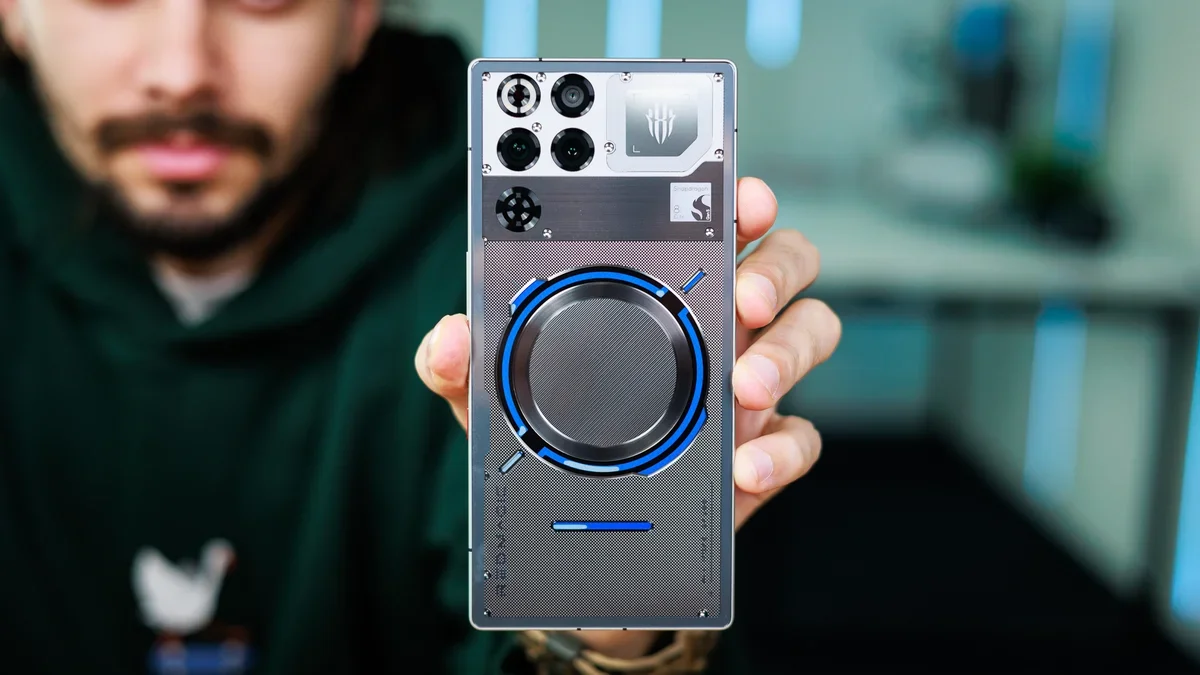
Gaming phones are a special Android niche, and event though Asus had a significant chunk of that market with its Republic of Gamers brand, there are now emerging brands that offer better and more exciting models. The RedMagic 11 Pro is one such phone with its amazing active cooling system, which includes and actual water pump and a 24,000 RPM fan.
Why I Picked It?
Asus has decided to quit the smartphone business, at least for the time being, so there's a vacuum to be filled. And RedMagic is more than capable of filling that vacuum. The latest RedMagic 11 Pro model is the first phone to feature liquid cooling with a server-grade fluoride liquid solution.
The phone also features a bold transparent back design, the camera system is flush with the body under one big chunk of glass, and the front camera is hidden under the display. The RedMagic 11 Pro comes with a huge 7,500 mAh silicon-carbon battery, the latest Snapdragon chipset, capacitive triggers for gaming, and some RGB lighting, although much more stylish and understated than on other gaming phones.
The only area where this phone falls short is the camera system. I know gaming phones aren't supposed to step on the toes of camera phones, but we should at least get some decent cameras on these devices. The main camera of the RedMagic 11 Pro is quite decent, but the ultrawide is just not on par even with upper midrange phones.
Who's It For?
This one's obviously tailored for gamers, but everyone can enjoy the 2-day battery life and the cool design. I was rocking the RedMagic 11 Pro as a daily driver for a couple of months and the experience was just great.
RedMagic 11 Pro key specs:
- Screen: 6.85-inch, 1216 x 2688 pixels, 144Hz, OLED screen
- Processor: Qualcomm Snapdragon 8 Elite Gen 5
- Camera: 50MP main, 50MP ultrawide, 16MP front
- Versions: 12/256GB to 24GB/1TB.
- Battery and Charging: 7,500 mAh, 80W wired, 80W wireless
Factors to Consider When Choosing an Android Phone
Among the usual factors such as the processor inside, the screen size and brightness, and the battery capacity, when choosing an Android phone it's very important to get the longest support available.
Unlike iPhones, Android phones offer different UI and user experience depending on the brand, and also different support cycles. Google and Samsung offer the longest support - seven years for their flagship phones, and six years in the case of the Galaxy A series.
How PhoneArena Rates Android phones
The most important metric here is the phone rating. This composite score takes into account 12 different aspects of the smartphone experience, such as Battery Life, Photo Quality, Design, Performance, etc. The ratings are on a scale from 0 to 10, and the weight of each category in the final score is different, for example, battery life is more important than design, and so on.
There's also a metric called "Price Class Average" which takes into account the price of devices with similar specs, positioned in the same market space. This gives you a quick comparison of how a specific model compares to the average in its class, and gives more context to the score. Bear in mind that you won't find a lot of 9s and 10s on this list. We completely overhauled our rating system to be future proof and also be able to detect subtle differences and segregate phone models better.
Currently, the best Android smartphones hover around the 7.5 mark, which gives enough space for future models to evolve and get better. If you want to delve deeper into the ratings, there are sub-categories such as our Battery Score, and our Camera Score both of which go into more detail and break the score into even finer segments.
What Size Android Phone Is Right for You?
If you wonder what size Android phone is the right one for you, there's no clear answer to this question. Phones have grown in size in the past couple of years, and now we consider 6.1-6.3-inch phones "compact." Check out my Best Small Phones pick if you like small phones.
The middle ground lies somewhere between 6.3 and 6.5 inches. There are some options there, and then there are the 6.5-6.9-inch big-screen phones. The Galaxy S26 Ultra falls into this category.
Finally, if you want the biggest screen available on an Android phone, your best bet is a foldable. The Galaxy Z Fold 7 comes with a huge 8-inch main screen, which borders a tablet device.
The middle ground lies somewhere between 6.3 and 6.5 inches. There are some options there, and then there are the 6.5-6.9-inch big-screen phones. The Galaxy S26 Ultra falls into this category.
Finally, if you want the biggest screen available on an Android phone, your best bet is a foldable. The Galaxy Z Fold 7 comes with a huge 8-inch main screen, which borders a tablet device.
Which Is the Best Android Version?
The best Android version is usually the latest available. In this case it's Android 16. Google started rolling out Android 16 first to Pixel phones on June 11. Now the operating system is available on most Android flagships.
What about the Chinese Android smartphones?
Smartphones from the Far East usually bring a lot of innovation to the table. That's because Chinese brands have aggressive strategies for taking that sweet market share, and these strategies involve risk.
There are some downsides to the idea of getting a Chinese phone. Well, for once, the "getting part" can be tricky, as most of these brands aren't available in the US. If you still want to give it a try, be sure to check out the Best Chinese Android phones article.


Popular stories

Latest News

Things that are NOT allowed:
To help keep our community safe and free from spam, we apply temporary limits to newly created accounts: