Samsung abandoned this feature, now it’s bringing it back? And Apple is also taking it?
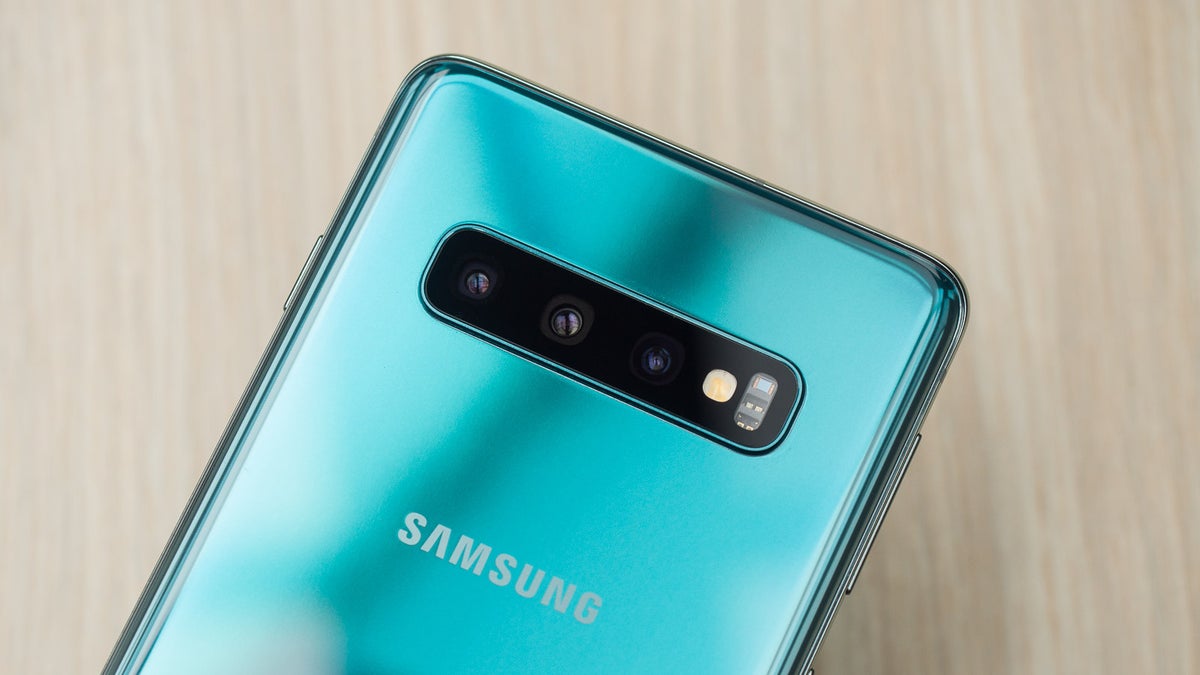
Samsung’s old Galaxy S9 and Galaxy S10 flagships used to have a camera feature that was unique on smartphones, but often found on “big” cameras.
That was the variable aperture on the main camera. The ability to go from F1.5 or F2.4 (or let the phone automatically do it). It was quite rudimentary, only offering the user to switch between two fixed steps, but still unprecedented at the time.
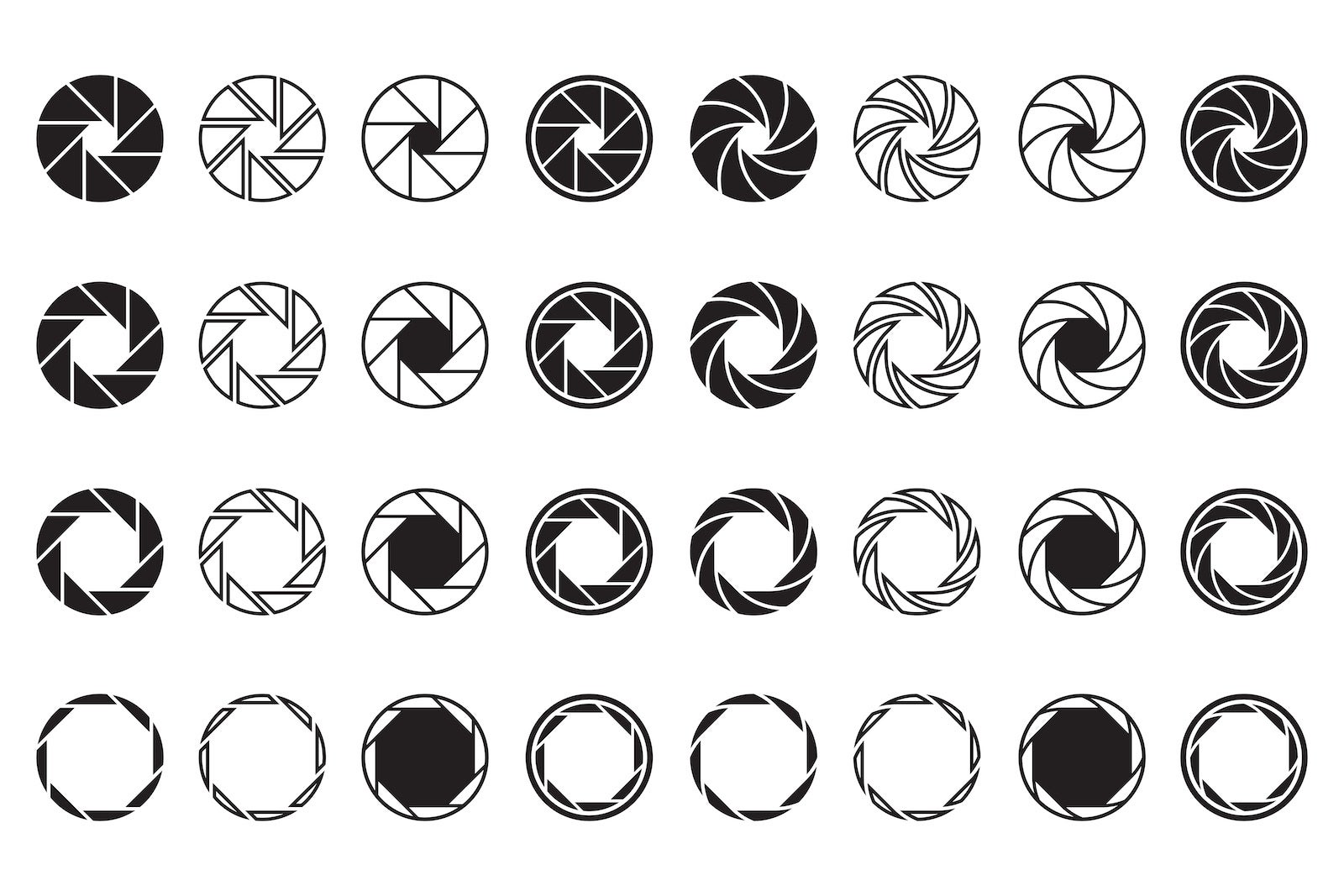
To explain what aperture is quickly — it’s the mechanical “pupil” that stands between the camera’s lens and the sensor underneath. Open it wide (F1.5) and more light floods in, plus your subject blurs beautifully. Close it down (F2.4) and the background sharpens, but you need good lighting.
Anyone who has dabbled with a DSLR camera is aware that adjusting your F-stop is an integral part of getting the right exposure with less sensor noise, but also achieving proper subject isolation for a mesmerizing portrait.
Why did Samsung abandon the variable aperture tech?
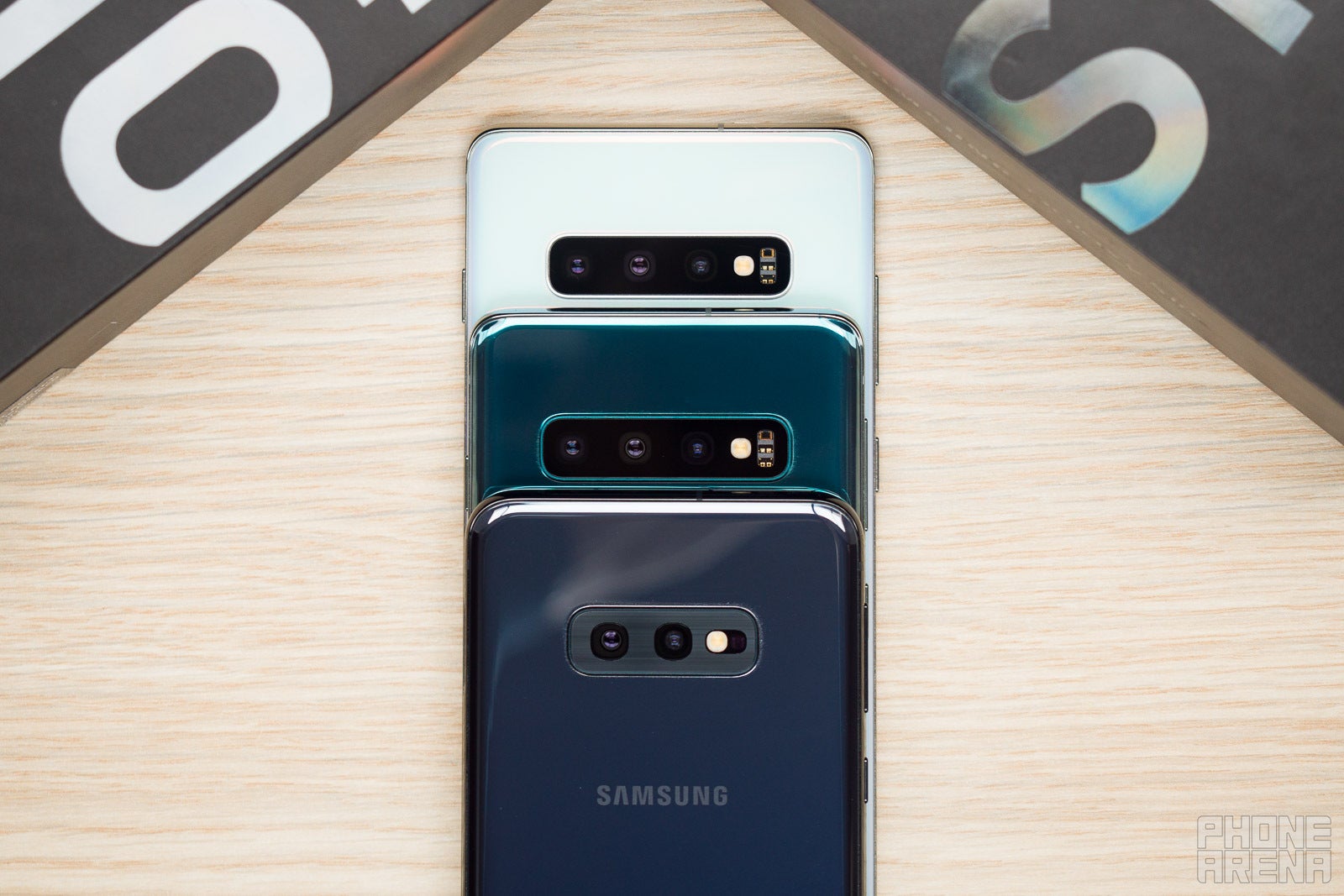
The Galaxy S10 family | Image by PhoneArena
Computational photography was still in its growth phase, sensors were smaller, and most users barely noticed the difference. That’s because it truly was barely there.
Recommended For You
The feature faded away not because it failed, but because software brute force was cheaper, easier, and more marketable. Night Mode, HDR stacking, and AI sharpening delivered visible results with fewer moving parts.
Apple’s never really fond of being the “first” to something, but always fond of “getting it right”. If the next iPhone is truly getting a variable aperture, this time around, the feature may be fleshed out and ready to shine.
What do we need for variable aperture to make a difference on phone cameras?
The camera aperture | Image by pch.vector on Freepik
Aperture values (F-stops) are ratios, not fixed measurements of hole size. You get the F-stop by dividing the lens’ focal length by the aperture opening.
Therefore, an F1.5 aperture on a smartphone is much, much smaller than an F1.5 on a big DSLR with a long lens.
The entire mechanical system of a smartphone’s camera is working against natural bokeh, because the small sensor and small lens are designed in a way to keep most things in focus and collect a lot of light. If you want to widen the aperture to a point where you get a creamy blur like on a full frame camera, you’d need to have an opening to the tune of F0.5, which is physically impossible.
So, is it still impossible?
Recent developments in smartphone camera tech have given us the 1-inch sensor. While it’s still not ideal, at an inch size, you can start getting some natural blur when playing with the aperture.
Typically, you can find a 1-inch sensor on the higher-end point-and-shoot cameras, so if you have experience with those, you may have a better understanding of how it works out.
If rumors are to be believed, the Galaxy S26 Ultra will have a 200 MP sensor, about 1/1.3” big, and the iPhone 18 Pro will rock a 48 MP, 1/1.28” one. About three quarters the way to that 1-inch size that will start to make a difference.
But aperture is not just about bokeh
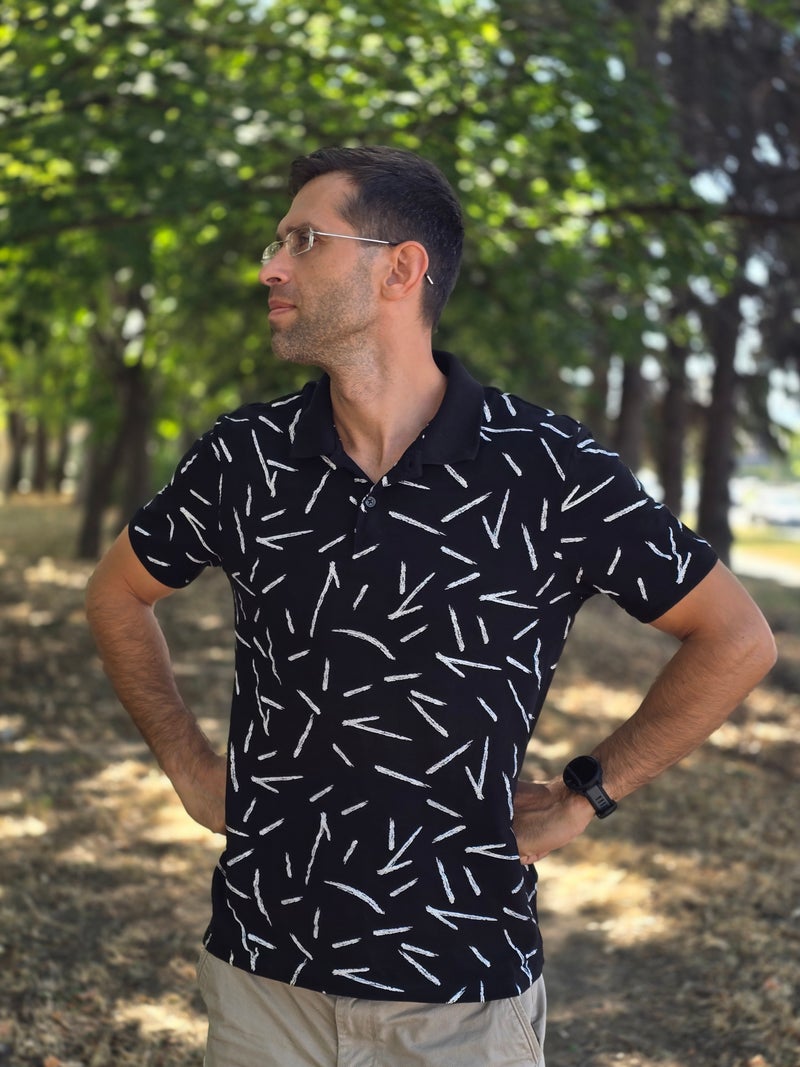
A phone's Portrait Mode simulates an open aperture | Image by PhoneArena
A soft background is nice and all, but aperture access also allows photographers to express their intent better.
Closing aperture up can sharpen an image, control lens apparitions, affect diffraction. Those are all things that the AI cleans up for us in post-processing. Hence, you can’t shake off that “smartphone photo” effect, even when using fully pro controls or 3rd party apps.
If the tech giants are cooking up a true variable aperture — and not one that just jumps between two levels, but a continuous adjustment — it’d be nice to see a Pro Mode that sheds the little “beautifying tricks” that phones play on us (and our photos).
The renewed interest in variable apertures may signal that the manufacturers are now feeling comfortable with their ability to deliver on that front. Or… it’ll just be a very big word for the marketing departments to play with.
Don’t you dare make it auto only, Apple
Apple loves to lock its high-end tech behind automatic algorithms that decide for you.
You want a portrait? OK, the iPhone will automatically open that aperture up. You want a landscape shot? Let’s clamp that bad boy down.
While yes, this should always work like that in auto mode, the true beauty of a variable aperture will shine when we actually have control over it.
I am pretty sure that Samsung will allow this in the Pro Mode of its Camera app. But Apple should, too.
We’ve been here before. Samsung’s Galaxy S9 and S10 offered a dual-aperture system, switching mechanically between two fixed values. It was clever, but also constrained.
A step towards the future
All in all, this one new feature won’t instantly turn phones into DSLR-replacers. But it’s a pretty important step (if done right) in replacing at least high-end point-and-shoots for people that take their photography a little more seriously than “smartphone level”.
Free Galaxy A17 5G with Straight Talk
Get a free Galaxy A17 with Straight Talk. To claim this deal, you need to pair the phone with activation on a Silver Unlimited Plan or higher. This tier costs $45 per month. Offer valid through 01/10/27 while supplies last online.
Preslav, a member of the PhoneArena team since 2014, is a mobile technology enthusiast with a penchant for integrating tech into his hobbies and work. Whether it's writing articles on an iPad Pro, recording band rehearsals with multiple phones, or exploring the potential of mobile gaming through services like GeForce Now and Steam Link, Preslav's approach is hands-on and innovative. His balanced perspective allows him to appreciate both Android and iOS ecosystems, focusing on performance, camera quality, and user experience over brand loyalty.
A discussion is a place, where people can voice their opinion, no matter if it
is positive, neutral or negative. However, when posting, one must stay true to the topic, and not just share some
random thoughts, which are not directly related to the matter.
Things that are NOT allowed:
Off-topic talk - you must stick to the subject of discussion
Offensive, hate speech - if you want to say something, say it politely
Spam/Advertisements - these posts are deleted
Multiple accounts - one person can have only one account
Impersonations and offensive nicknames - these accounts get banned
To help keep our community safe and free from spam, we apply temporary limits to newly created accounts:
New accounts created within the last 24 hours may experience restrictions on how frequently they can
post or comment.
These limits are in place as a precaution and will automatically lift.
Moderation is done by humans. We try to be as objective as possible and moderate with zero bias. If you think a
post should be moderated - please, report it.
Have a question about the rules or why you have been moderated/limited/banned? Please,
contact us.





Things that are NOT allowed:
To help keep our community safe and free from spam, we apply temporary limits to newly created accounts: