Sony Xperia T3 Review
Introduction
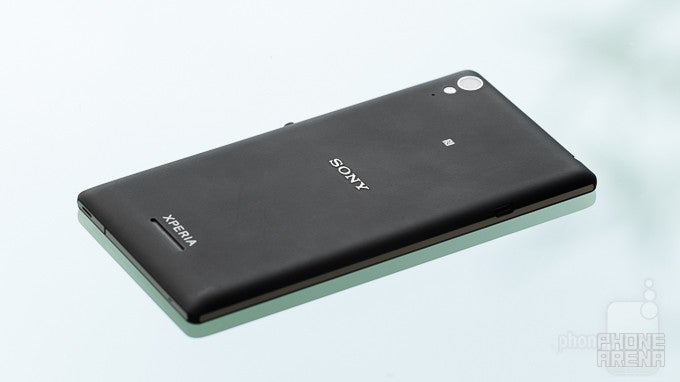
Sony's latest addition to its T-series, the T3, is a 5.3” midranger that is one of the slimmest handsets a brand-name maker has ever done - at 7mm girth, it is ready for a modeling carrier. As with most Sony middle-of-the-road Xperias these days, the phone is outfitted with a modest quad-core Snapdragon 400 chip from Qualcomm and 1GB of RAM, along with an 8-megapixel Exmor RS sensor. Sony puts its design chops front and center with the T3, though, aiming to justify a $400 USD price tag, so let's see if it can succeed in the cutthroat world of Android midrangers...
In the box:
- Wall charger
- microUSB cable
- In-ear stereo headphones
- Warranty and information leaflets
Design
This one's a looker, with a 7mm steel frame, soft touch back, and a comfortable grip.
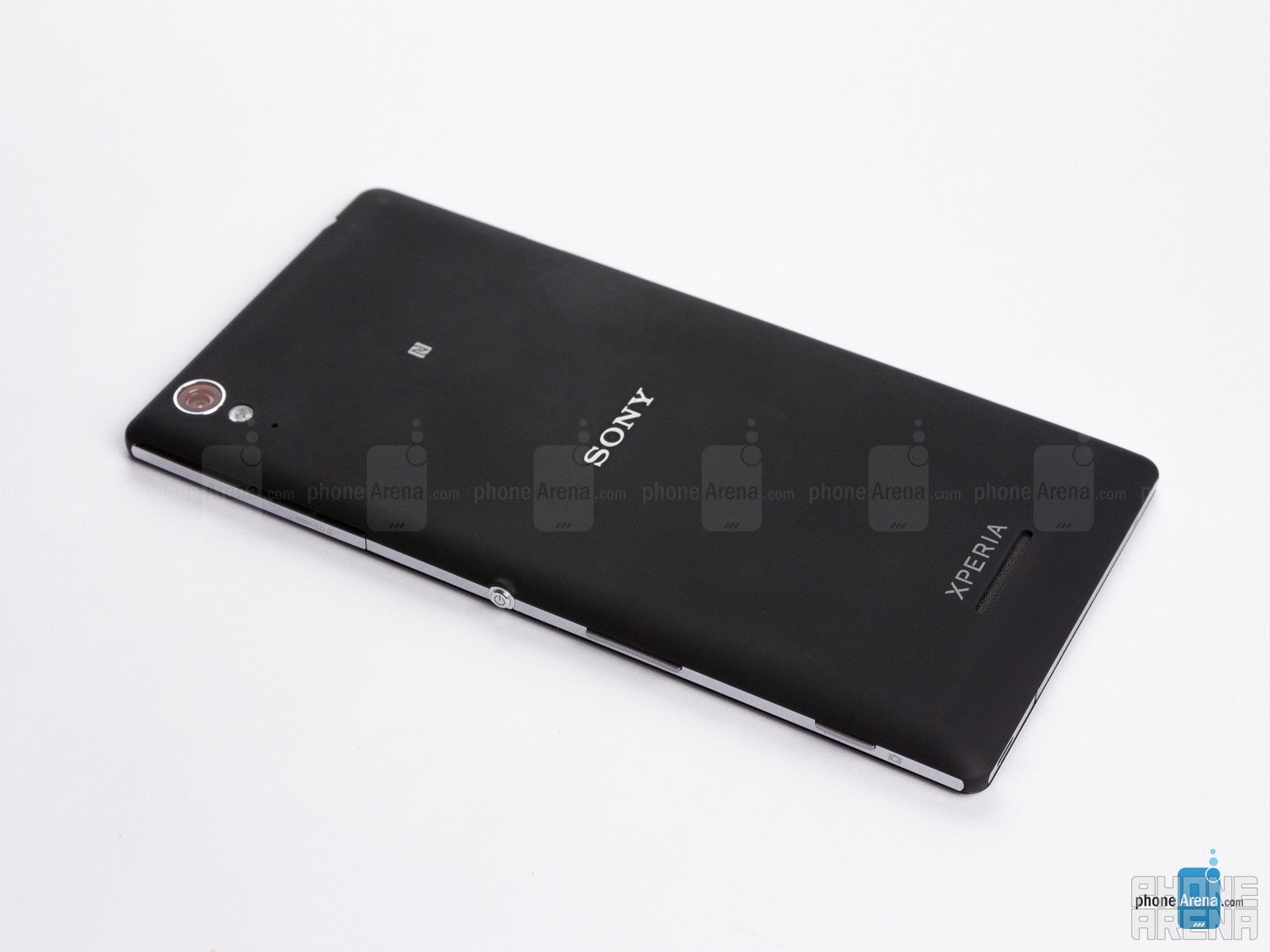
Sony's OmniBalance design language stays true to its core in the Xperia T3, with the signature metal power/lock key on the side, and a clear-cut rectangular form. This fashion statement of a phone is built around a metal frame that rims it from all sides, and has a grippy soft-touch rear with sloping edges that makes it very comfortable to hold. Despite its slim profile, the phone feels very sturdy and solid in the hand, thanks to the rigid metal framing.
The power/lock key on the side, as well as the metal volume rocker, and the dedicated shutter key beneath it, are very solid, too, and with a nice clicky feeling to them. About the only gripe we have with the design, are the all-too-thick bezels, which make this 5.3” handset larger than the 5.5” LG G3, for instance.

5.93 x 3.03 x 0.28 inches
150.7 x 77 x 7 mm
5.22 oz (148 g)

5.45 x 2.79 x 0.35 inches
138.5 x 70.9 x 8.9 mm
5.04 oz (143 g)

5.38 x 2.75 x 0.31 inches
136.6 x 69.8 x 7.9 mm
4.59 oz (130 g)

5.78 x 2.89 x 0.32 inches
146.8 x 73.3 x 8.2 mm
5.75 oz (163 g)

5.93 x 3.03 x 0.28 inches
150.7 x 77 x 7 mm
5.22 oz (148 g)

5.45 x 2.79 x 0.35 inches
138.5 x 70.9 x 8.9 mm
5.04 oz (143 g)

5.38 x 2.75 x 0.31 inches
136.6 x 69.8 x 7.9 mm
4.59 oz (130 g)

5.78 x 2.89 x 0.32 inches
146.8 x 73.3 x 8.2 mm
5.75 oz (163 g)
Compare these and other phones using our Size Comparison tool.
Display
Sony, please work harder on screen reflectance and viewing angles.
Sony outfitted the Z3 with a relatively large, 5.3” panel with 720x1280 pixels of resolution, returning a decent 277ppi pixel density. Granted, not everything looks as detailed as on those 1080p displays, but for the vast majority of tasks this pixel density does the job.
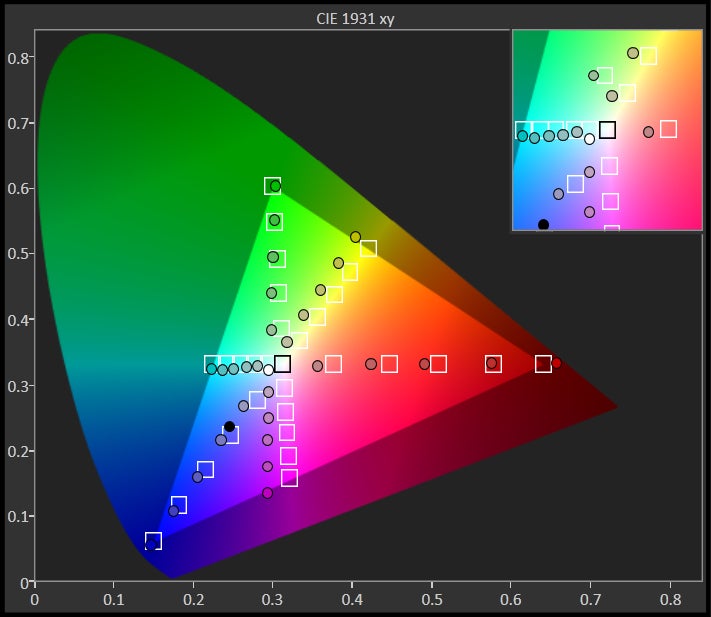
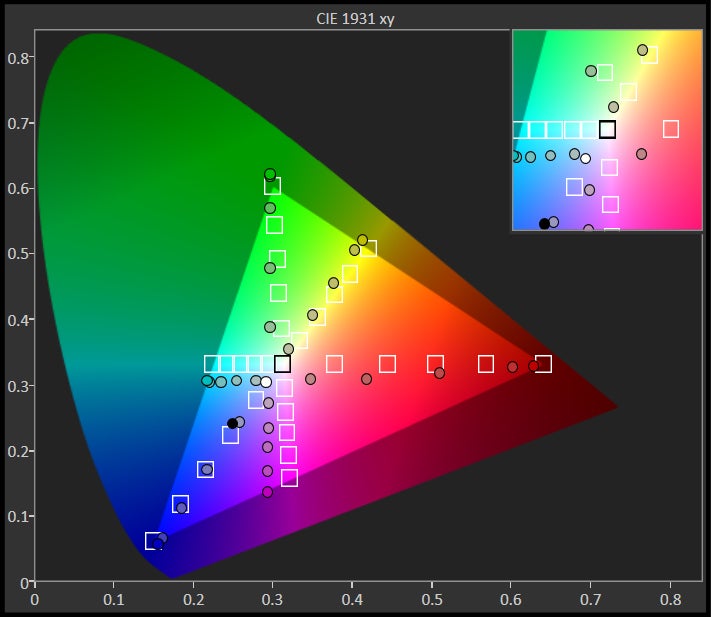
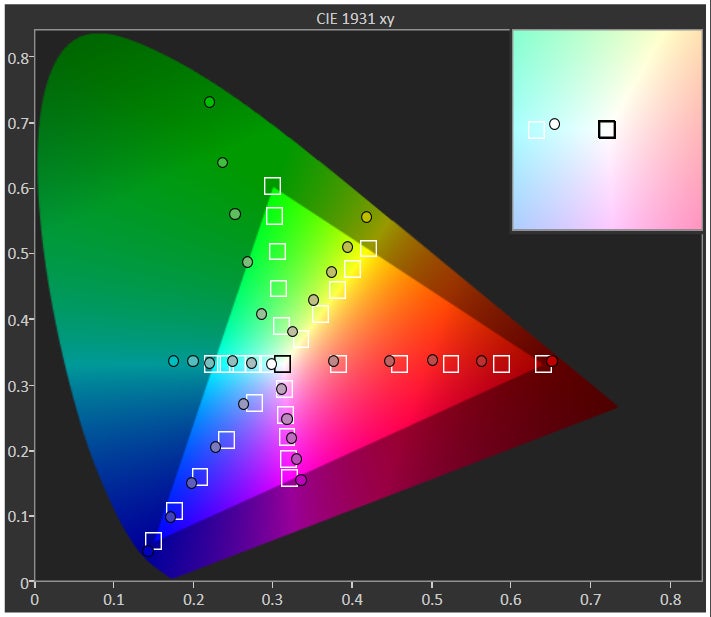
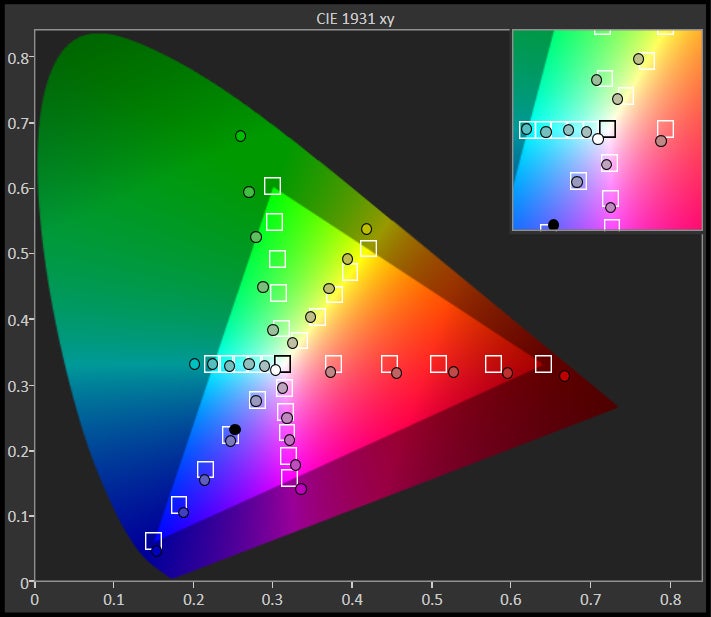
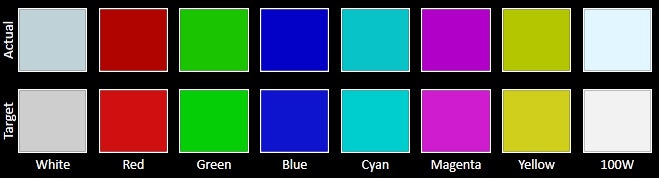
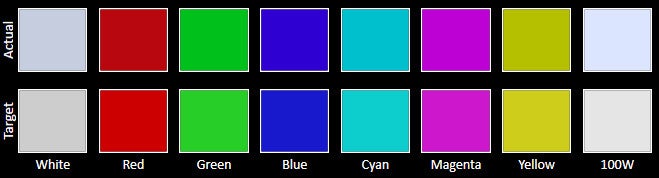
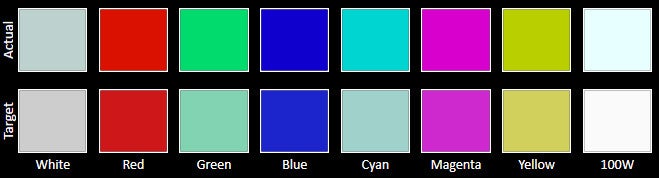
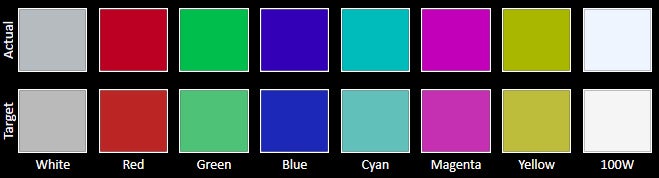
When it comes to screen quality, however, Sony's panel takes a step back, and no amount of X-Reality engines or BRAVIA branding can make for the fact that the display exhibits overly cold colors, returning 7698K temperature, compared to the reference 6500K white point. The screen therefore appears rather blueish, and the color saturation is a bit off, especially with the reds and the blue hues, as you can see in the chart below. The viewing angles are also pretty poor for today's standards, with brightness, contrast and color saturation diminishing greatly with the slightest tilt of the phone, and our measurements fully confirm our observation.
Our biggest gripe with the display is outdoor visibility, though. Despite the excellent peak brightness measurement of 569 nits we measured, which rivals the one on the iPhone 5s, the screen reflectance coating is rather poor. It bounces light back to our eyes with an aplomb, greatly diminishing contrast and visibility outdoors, even when the sun is not shining directly on the screen.




Interface and functionality
Sony's Timescape interface is getting a bit long in the tooth, but is thankfully unobtrusive and simple to use.
In a typical Sony fashion, the Android 4.4 KitKat operating system driving the Xperia T3 has been skinned with the Timescape interface, which has remained unchanged for quite a while now. That's not necessarily a bad thing, especially if you consider Sony's design approach – the overlays are simple, uniform and easy on the eyes. If the default theme is not to your liking, you have some choice in terms of personalization – whether it's different themes, a different wallpaper for your lockscreen, or adding additional quick toggles in the pull-down notification panel.
The Xperia T3 also comes pre-loaded with a few apps, most of which are courtesy of different Sony services. For example, Sony Select is a small, curated apps and themes market, and Socialife News is a news reader with an ultra-simplified, yet rather laggy design. Apps like Music Unlimited, Video Unlimited, and even PlayStation Mobile can also be found on board, and there's even a custom Navigation app courtesy of Garmin present with a free, 60-days trial available.
Processor and memory
The Snapdragon 400 chipset is no beast, yet Xperia T3 treads along nicely still.
It's as if all midrangers have gathered together this year, and vowed allegiance to the quad-core, 1.4 GHz Snapdragon 400 chipset by Qualcomm, and the Xperia T3 is no exception. What can they do – Snapdragon 600 has been discontinued, and going to the 800/801 family would require pretty penny. This chipset, alongside 1GB RAM, actually make the Xperia T3 performance rather acceptable, with barely a lag or stutter in the interface, though heavy 3D games will take their toll on the weakling. The phone ships with 8 GB of storage, 5 GB of which are user-available, and offers a microSD slot for expansion.
Internet and connectivity
Plenty of wireless radios ensure a well-connected handset.
The browsing experience with the built-in Chrome browser on the Xperia T3 is a smooth affair. Even heavier, image-based websites load up quick, and navigating them puts no noticeable toll on the processor.
Connectivity options are plentiful, too. There's LTE, Bluetooth 4.0, 802.11 a, b, g, n, 5GHz Wi-Fi, NFC, DLNA, A-GPS (with Glonass support), and even MHL compatibility for mirroring the T3's screen onto a bigger monitor.
Camera
For pleasant looking photos and fluid video look no further than the Xperia T3.
The 8 MP snapper might not wow you, but it takes pictures with a fine color representation and amount of detail. Granted, the colors are a tad saturated, compared to reality, but not to a unpleasant point. Shooting against a bright source produces photos that are darker than usual, though, even for smartphone standards, and it happens even if there is a piece of cloudy sky in the frame only. Other than that, we have no qualms about the performance of the T3's shooter – it is adequate for the phone's class.
Indoors things turn a bit sadder, as the Xperia T3 introduces noise in the frame, and the pictures come out a tad soft and mushy. The color oversaturation holds as well, but there aren't any glaring white balance mishaps. The LED flash does a pretty average job at illuminating our test scene from about three feet distance, failing to distribute the light evenly to the edges of the captured scene.
Sony Xperia T3 sample images
Sony Xperia T3 Sample Videos
Multimedia
The Xperia T3 can be considered a multimedia consumption specialist, with a fairly large display, and rich codec support.
The usual crop of Sony-themed multimedia apps is what you'll find pre-loaded on the Xperia T3. As per usual, their design is pleasing and uniform, and they often offer some extra functionality you won't find on stock Android. For example, the Gallery is interconnected with Sony's PlayMemories Online service, which allows you to automatically upload photos to its servers and have them sync throughout all your connected devices.
The Walkman music player, for its part, has extras such as ClearAudio+, which automatically enhances sound clarity, not to mention that it's also hooked with Sony's Music Unlimited service (eligible for a free trial). Speaking of music, the thin T3's loudspeaker is of average quality, with bearable strength, and a bit tinny, flat sound.
The stock video player of the T3 played everything we gave it, such as DivX/Xvid/MKV formats, up to 1080p resolution. The player is rather barebones in terms of options, though, so if you want more features, you'd have to hit the Play Store.
Call quality
An earpiece with a hissy attitude, and two great noise-canceling mics form the call quality on the T3.
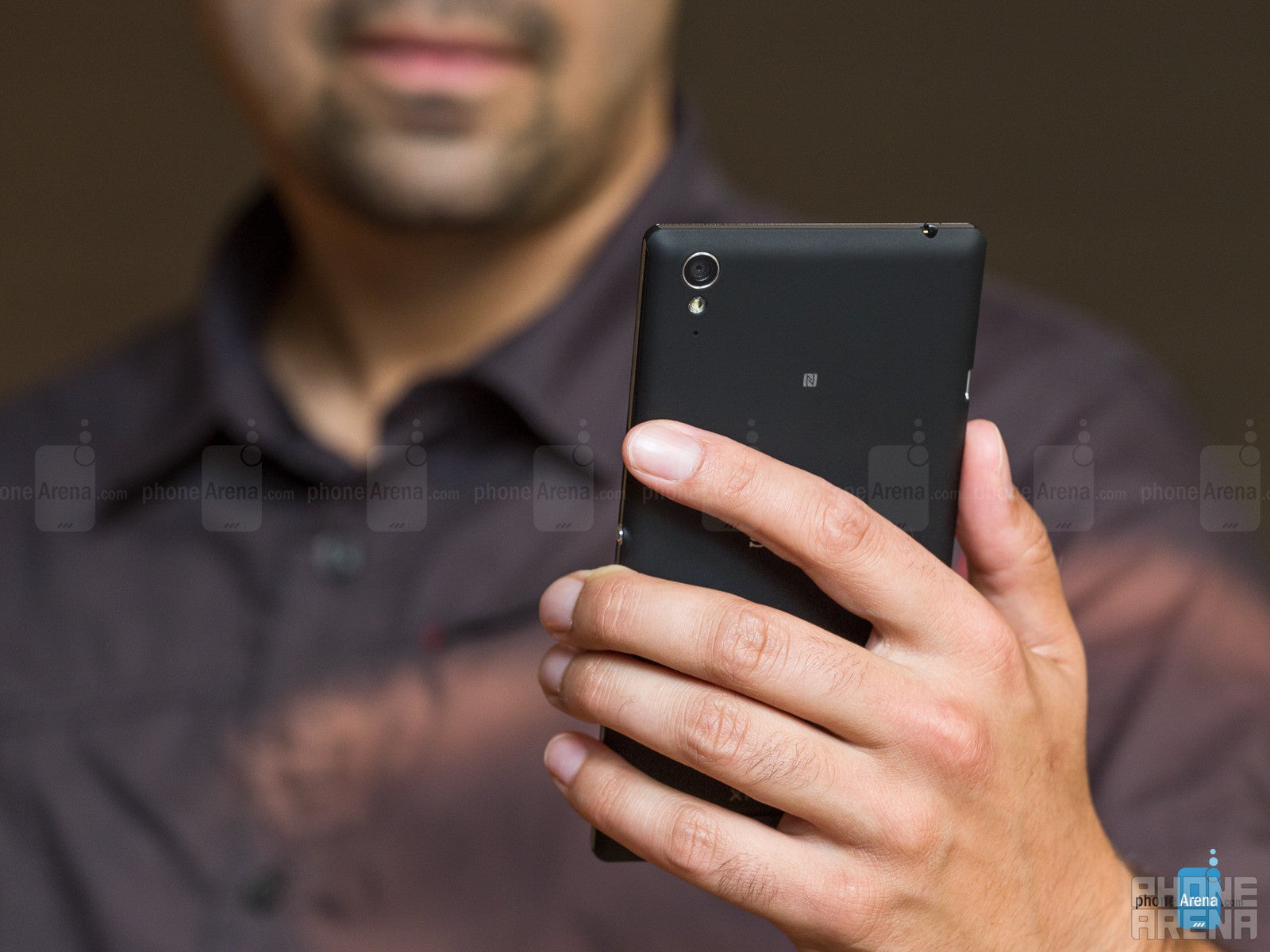
The two noise-canceling microphones, on the other hand, perform really well at weeding the background noise, and relaying our voice loud and clear to the other side.
Battery
Sony does it again! The Xperia T3 joins our elite 8+ hours club of screen-on time, and is currently in the top 10 in our battery life rankings.
Conclusion
Sony has made a well-rounded midranger that shines in terms of design, and performs adequately in most departments. Granted, its screen seems a bit too reflective outdoors, and the earpiece is not up to snuff, but the Xperia T3 offers an ultrathin chassis that is comfortable to hold, and an excellent battery life.
The catwalk star goes for about $400 in the States, or EUR 300 in Europe, which, granted, is a midrange price, and yet would make you pause if you compare it with the competition. For that kind of money you can now get the 32 GB G2, LG's 5.2” flagship from last year, which beats the T3 in almost every aspect, save for the thin design, and the battery life. Samsung's Galaxy S4 is a formidable competitor as well, since it comes with superior specs for the same price. It has a smaller, 5” display, but is way more compact than the T3. You can also take a long, hard look at the Chinese brands, churning phones like Huawei Honor 6, which can be grabbed from Amazon, or Xiaomi Mi4, which is available on Newegg, for instance. Granted, these brands are fairly obscure in the US, but will offer you truly flagship specs, like 5” 1080p displays, Snapdragon 801 procesors, and 13 MP cameras, for the same, or a bit higher tag than what Sony asks for the T3. Don't get us wrong, though – with its thin, yet sturdy chassis, and excellent battery life, the Sony Xperia T3 is still a great midranger – we'd just advise you to wait for the inevitable price drop, so you can save on the buyer's remorse when you compare it with last year's flagships.


Popular stories

Latest News



Things that are NOT allowed:
To help keep our community safe and free from spam, we apply temporary limits to newly created accounts: