LG G5 vs Apple iPhone 6s Plus
Introduction
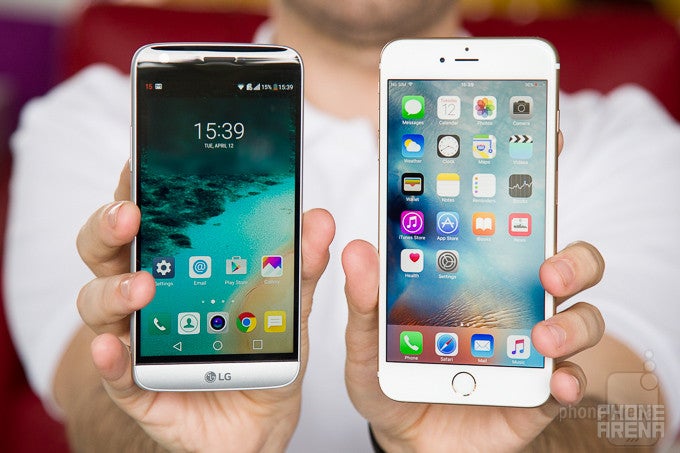
With the G5, LG introduced a thorough overhaul of its high-end line, eschewing plastic construction for a metal coating, and enhanced the novelty factor with a funky modular design that lets you add various attachments to the phone with ease. Add to these an intriguing dual camera unit, and the G5 is unlike anything we've seen from the company so far in its mainstream efforts. This is why we are pitting it against Apple's large-screen effort, the iPhone 6s Plus with its 3D Touch display.
Design
The G5 modular design intrigue is jaded by the construction gaps in comparison with the solid unibody iPhone
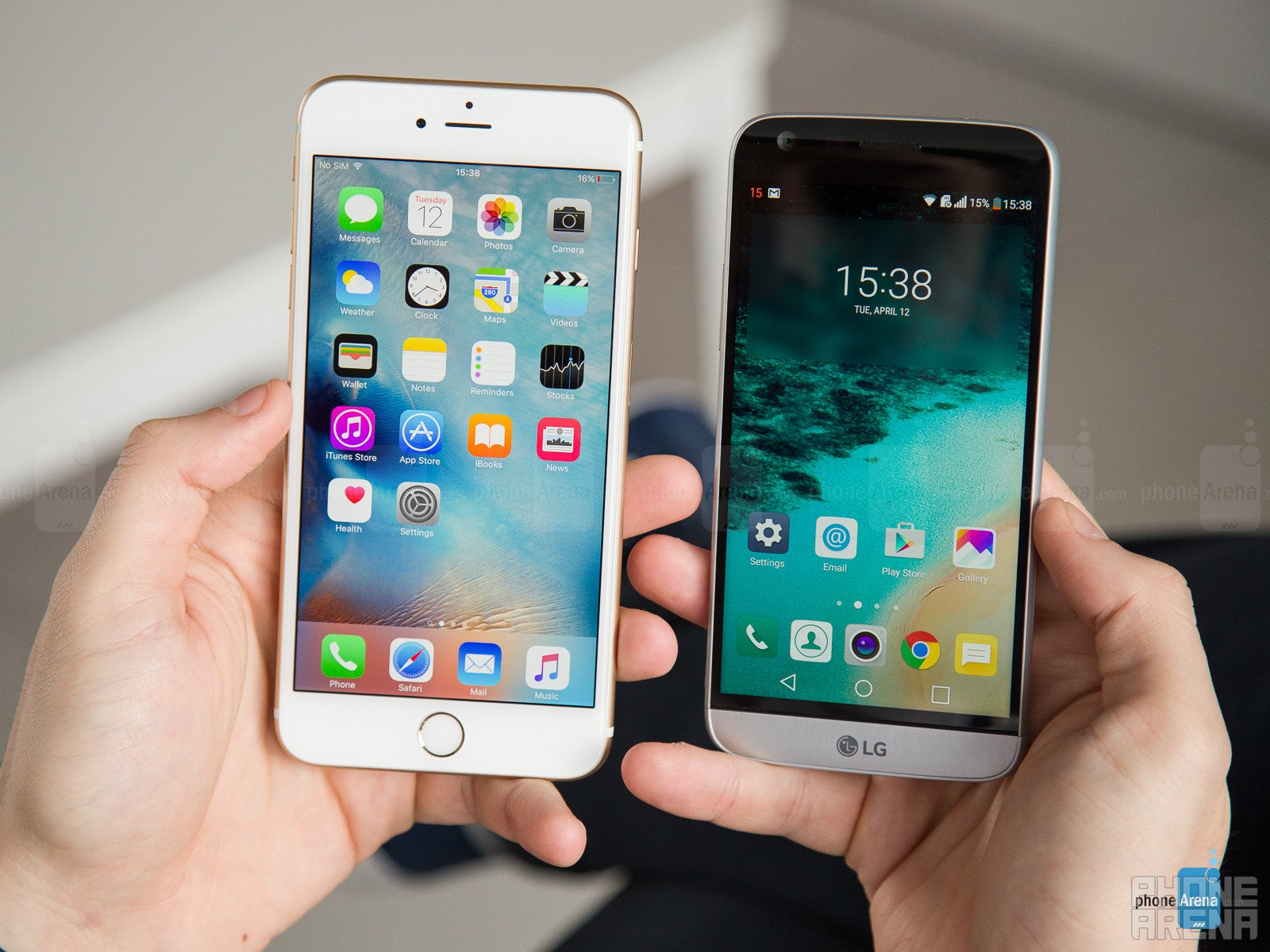
The rounded corners of the LG G5 and iPhone 6s Plus emit a similar ergonomic vibe sitting side by side. That being said, the instantly recognizable iPhone 6s Plus is the larger of the two, so the G5 sits better in the palm and is easier to handle. Well, relatively, as both phones have pretty pathetic screen-to-body ratios, due to the large top and bottom bezels.
The iPhone's all-metal design is interrupted only by the antenna strips on the back, while LG uses a modular concept for the G5 design with a detachable bottom, making it feel flimsier when handled. The detachable half has its virtues, though, like the ability to swap out the battery that comes out with it, or add various media-centric and other accessories that LG calls Friends.

5.88 x 2.91 x 0.29 inches
149.4 x 73.9 x 7.3 mm
5.61 oz (159 g)

6.23 x 3.07 x 0.29 inches
158.2 x 77.9 x 7.3 mm
6.77 oz (192 g)

5.88 x 2.91 x 0.29 inches
149.4 x 73.9 x 7.3 mm
5.61 oz (159 g)

6.23 x 3.07 x 0.29 inches
158.2 x 77.9 x 7.3 mm
6.77 oz (192 g)
See the full LG G5 vs Apple iPhone 6s Plus size comparison or compare them to other phones using our Size Comparison tool.
Display
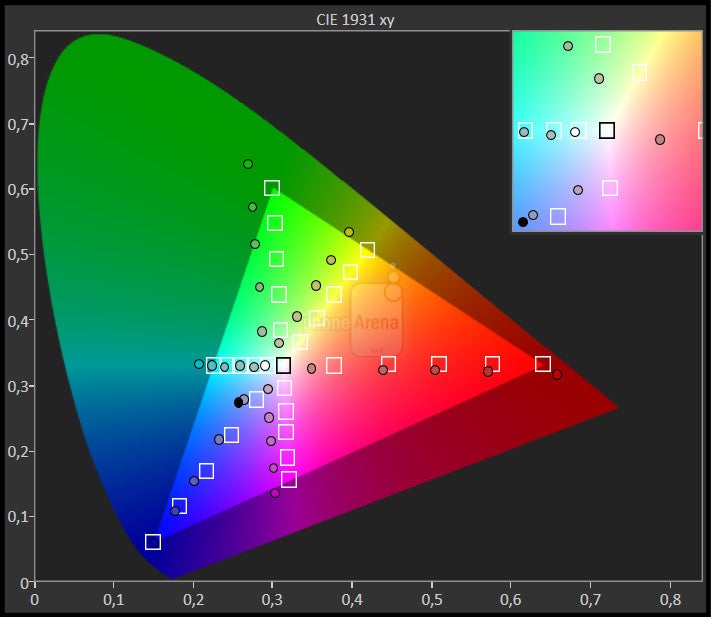
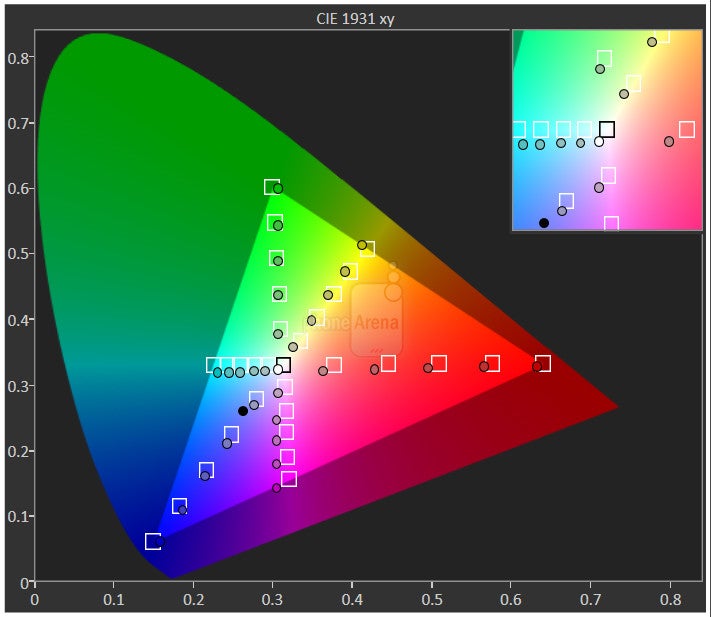
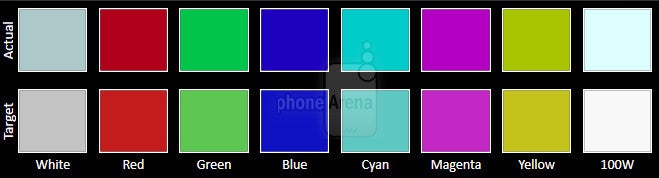
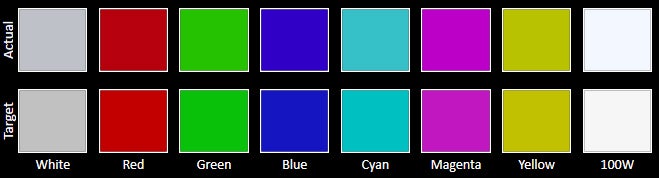
Lacking in color credibility against the iPhone, the G5's display makes up for it in stellar outdoor visibility
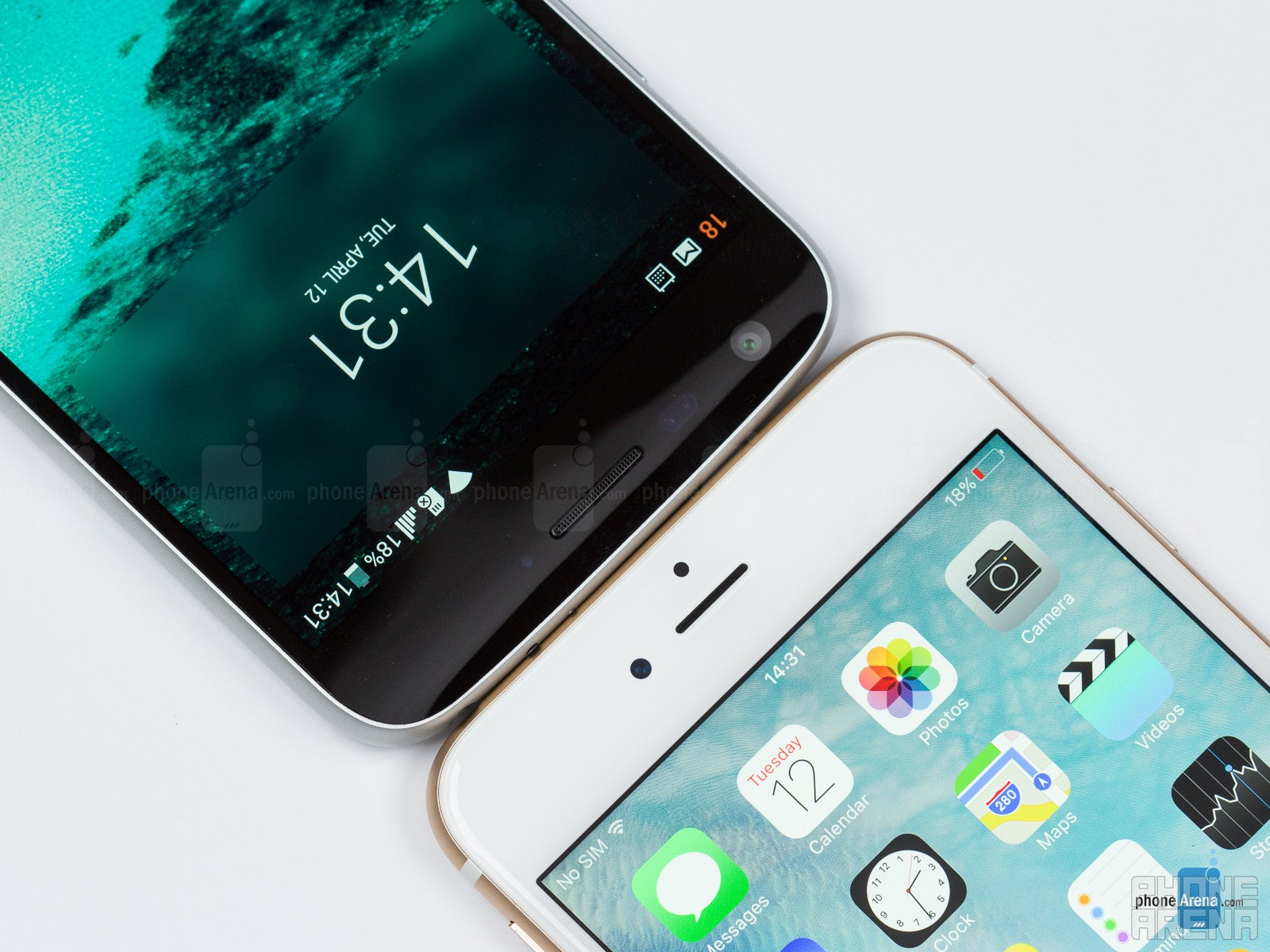
The 5.3” LCD display at the G5's front has a higher pixel count – 1440 x 2560 vs 1080 x 1920 pixels - than the 5.5” iPhone, though for most practical purposes the screen density difference is quite negligible from a normal viewing distance. LG has provided a witty always-on feature that powers up a small section of the screen to display date, hour and pertinent notifications at all times if you are so inclined, though it would take a toll on the battery.


Interface
LG introduced a revamped user interface with the G5 and its latest Android 6.0 Marshmallow build, and now calls it UX 5.0 home screen. Gone are the cartoonish icon shapes and flashy colors, and the whole UI seems more polished and mature.
Besides the new coat of paint, LG has tinkered with the functionality, too. There is no app drawer by default, meaning all your apps will be plastered over your homescreen à la iOS. The Dual window split-screen multitasking has also been nixed, as we have a smaller screen real estate to work with now. The LG Health app has also been updated, and has received a visual and functional overhaul. Perhaps more importantly, however, G5 users will be treated to 100GB of free Google Drive storage for two years, which is neat.
Interface of the LG G5
Apple tends to strive for sense and simplicity when designing its products, and that applies to the iPhone UI experience as well. The iOS 9.x edition that is currently running on the iPhone 6s Plus is clean, streamlined, and easy to get the hang of. Besides, it serves as a gateway to a vast, quality-driven library of games and applications. The 3D Touch functionality of the screen adds a likable new level of app interaction, too.
The iOS 9 experience with the iPhone 6s Plus
Processor and memory
The processors ticking inside the LG G5 and the iPhone 6s Plus are vastly different in terms of architecture, so direct comparison would make no sense. Suffice it to say that both chipsets – the Snapdragon 820 in the G5, and the Apple A9 – are powerful and efficient. Moreover, neither of the two phones would have troubles running any of the latest apps and games.
There are 32GB of storage inside the G5, plus support for a microSD card of up to 200GB, which, however, eschews Android's adoptable storage option, so the phone will always display the internal and added memory as separate entities. The iPhone 6s does not support expandable storage, as it comes with 16, 64, or 128 gigs on board, for a price. The advantage of the G5's approach is that microSD cards are less expensive per gigabyte, though not as fast or as reliable as embedded memory.
Browser and connectivity
As for connectivity – well, the handsets are loaded with network compatibility and support for most Wi-Fi, Bluetooh, GPS or NFC wireless radio standards under the sun. When it comes to 4G LTE, though, the iPhone has the upper hand, as it flaunts a record 23 bands, letting you connect to local 4G networks almost everywhere you go with it.
For wired connectivity Apple uses its proprietary Lightning connector, while LG equipped the G5 with the trendy Type-C one, so now you have to remember to always bring the charging cable with you wherever you travel, as chances someone around you will have a Type-C cable are slim to none.
Camera
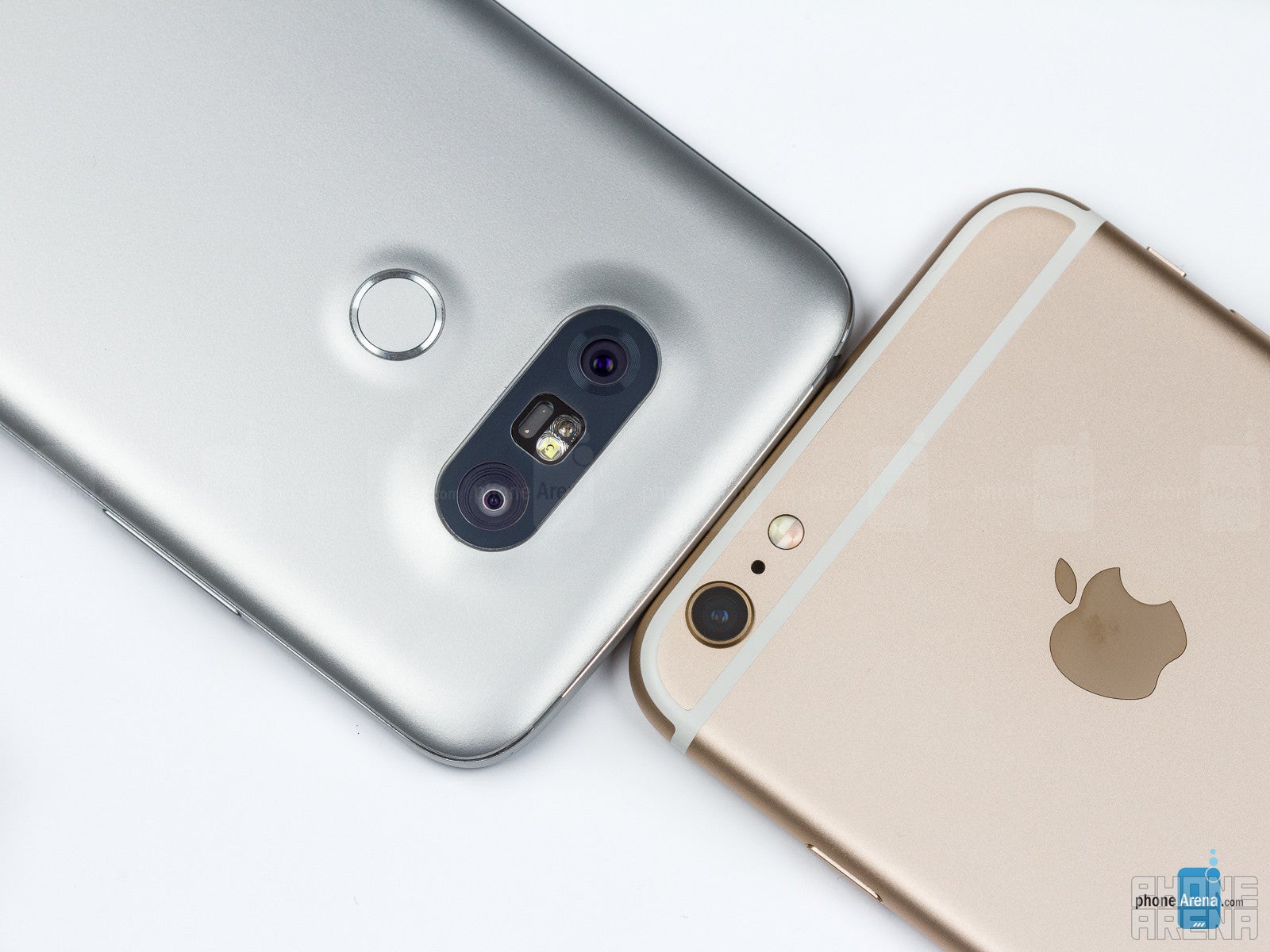
The Dual camera of the G5 intros wide-angle shooting, but has its tradeoffs in low light against the 6s Plus
On the G5, LG uses a unique dual camera setup that employs two lens modules – one with a 16 MP, and one with an 8 MP sensor, against the iPhone 6s Plus 12 MP cam with optical stabilization. Up front, we're still dealing with an 8-megapixel selfie snapper, while the iPhone employs a 5 MP shooter there.
On the camera app side, the G5 sports a clean, outlined iconography, yet gives you a full manual mode, and funky regimes like Snap (Vine-like video capture mode where you can pause/start for up to a minute) and Popout (layers a shot from the main camera on top of a slightly transparent background from the wide-angled one). The iPhone sports a very neat and simple camera interface, too, covering all the basics like HDR or Panorama, and capturing the proverbial Live Photos animation with each shot seamlessly. Speaking of capturing, the 6s Plus is a bit faster to focus and take a snap.
The G5's camera interface sports a clean, outlined iconography
Camera interface of the Apple iPhone 6s Plus
When it comes to quality, we'd say that the phones are on par in good daylight. The G5 delivers very credible color presentation, which jibes well with what's really in front of the lens, while the iPhone goes slightly to the warmer side of the spectrum.
In low-light scenarios, the iPhone also delivered more uniform quality and less noise, while the G5 often produces hues that are too warm, or casts unpredictable color tones over the whole image, struggling with the proper white balance.
LG G5 vs Apple iPhone 6s Plus Camera Samples
In terms of video, both phones can record 4K footage, as well as steady slow-motion ones, so in theory they are at the top of the mobile video game. The phones manage to record excellent clips in almost all situations, with good color presentation, but LG's software definitely inserts more digital noise in the frame. The imagery runs fairly steady, though not without frame skipping, which is more pronounced on the G5's footage. The phones managed to capture a great amount of detail, so not much to complain from on both devices when it comes to video footage.
LG G5 vs Apple iPhone 6s Plus Video Samples
Multimedia
The media apps on both phones do an equally fine job for basic tasks: browsing through photos, watching a video or playing music, but there are still contrasting points to be made for each. Тhe stock photo gallery on the G5 offers some quick editing options like cropping and basic effects, and that's about it. The built-in image editor in Apple's Photos, however, is more powerful, and does an excellent job at managing images. You also have Live Photos that are well integrated in the app.
For videos, LG's player has the upper hand when it comes to supported formats and extra features like adding subtitles, but Apple does more when it comes to editing, as usual. The iMovie app is an extremely capable video editor that handles multiple 4K videos without breaking a sweat, with effects, transitions, text and so on.
Music players
Call quality
Battery
One day or two days of usage – this will be your G5 vs 6s Plus battery life dilemma
On paper, the LG G5 fails to impress, with a removable, but modest 2,800 mAh juicer. As with most other specs, battery capacity can be misleading, but that's not the case according to our custom battery life test. The G5 managed to keep it up for 5 hours and 51 minutes, which is pretty disappointing for today's standards, and means it will probably get you through the proverbial 24 hours of normal usage, but expect everyday charging to be a must. Thankfully, you can always carry a spare battery with you now.
The iPhone 6s Plus carries almost the same battery capacity – 2750 mAh – in a non-removable unit, but fares much better when it comes to battery life. We clocked north of 9 hours of screen-on time in our standardized battery benchmark test, so the phone will easily get you through a day and a half, or even two days with normal usage.
Conclusion
The LG G5 comes with a brand new modular chassis and a dual camera solution that amount to a unique phone amongst this season's flagships. It is smaller and easier to handle than the iPhone 6s Plus, though the craftsmanship leaves something to be desired in comparison.
LG G5
Pros
- Great outdoor visibility
- Intriguing modular design
Apple iPhone 6s Plus
Pros
- Stellar battery life
- 3D Touch input
- Quality software ecosystem


Popular stories


Latest News
Things that are NOT allowed:
To help keep our community safe and free from spam, we apply temporary limits to newly created accounts: