5 things I hate about mobile games and why they're actually good

Dumbed-down mechanics
Mobile games' staple characteristic is the mechanics that are a bit (or a lot) simpler than their console and PC counterparts. Take Super Mario Run for example. It's a simple one-click runner that allows you less control than the original Super Mario Bros for the Nintendo Entertainment System. But it actually makes sense for it to be dumbed-down.
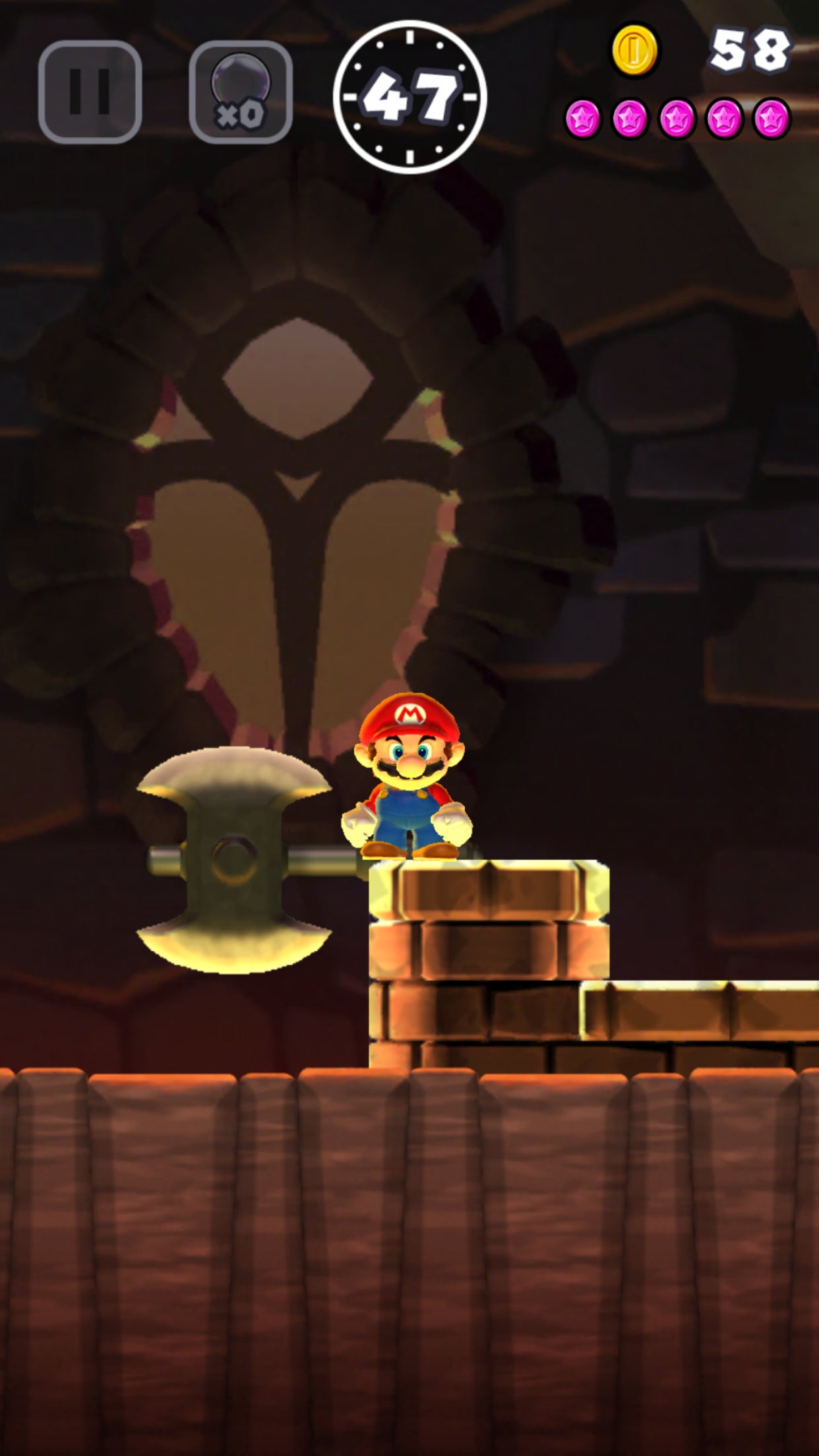
Super Mario Run is a simpler version of the original.
There's another aspect to dumbed-down mechanics. Allow me to explain it by taking Yu-Gi-Oh Duel Links as an example. The game is based on an incredibly complex trading card game, with a steep learning curve. One match could stretch out for quite some time. The dumbed-down mechanics of Duel Links enforces faster duels that you can play on-the-go and that won't drain your battery after just one match.
Therefore, dumbed-down mechanics are actually good for mobile games. They're perfect for the platform, and work well with the way we play games on our phones. And this is why infinite runners are so popular on smartphones, despite my disdain for them.
Limited items and lives
I'm a grown man with a full-time job, a girlfriend and a ton of responsibilities. And I am completely capable of ignoring all of these, just to play “one more turn” when I start playing video games (I'm looking at you Sid Meier's Pirates). And since I can't take my gaming PC to the office for my lunch breaks, I play some games on my phone.
Guess what happens when I have unlimited lives. My lunch break suddenly becomes twice as long as it should be. So, thank you limited lives and items, for making me stop playing after 15 or so minutes. I know that's not their primary reason for existence, but that's one plus of limited lives.
On a side note, I just realized that my superiors will be reading this article. At least they'll know why I take such long lunch breaks.
In-app purchases (if done right)
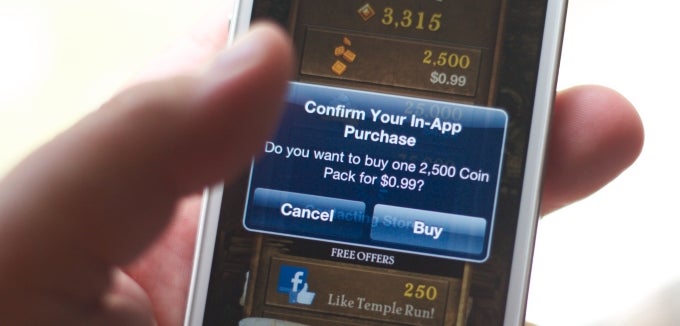
Speaking of limited lives and items, I can't help but to mention in-app purchases too. Now you're probably scrolling back to the title of the article and you're wondering if you read it right. Yes, you did. In-app purchases can be good for everyone if they're done right.
Let's take Pokemon GO for example. The hit AR title relies entirely on IAP for monetization. It's obvious how that's good for the developers, but how is it good for players? Well, the free-to-play model, paired with IAP, allows you to pay what you want for a game.
Don't get me wrong, I still don't like IAP in most games. Especially when the game itself is paid, or it contains ads already. I'd be more than happy if developers could choose just one monetization method and stick with it.
Asynchronous multiplayer
Hey, mobile developers, it's 2017. The technology for real-time multiplayer games over the Internet has been around for approximately 20 years now. Why do we have to deal with asynchronous multiplayer against an AI representation of our friends? Because it makes sense, that's why.
It's as close to the real thing as it gets.
Let's get back to the lunch break situation. Let's assume that mine starts at noon, and my best friend's starts at 1:00 PM. We obviously can't play together in real time, because we have a different schedule throughout the day. And when we get back home from work, we'd prefer to start our Playstations and duke it out in Mortal Kombat or something like that. But we still want to play this awesome mobile game with our friends.What's the solution, then? Asynchronous multiplayer, where our friend is simulated by a piece of code on a faraway server. It's as close to the real thing as it gets. We can still sort of see how they're progressing in the game, and we can also feel like we're competing against them, but the annoying difference in schedules doesn't matter anymore, because we can challenge the AI substitute whenever we want.
Lack of end-game
Infinite runners, how I hate you all. Why do I hate you? Because you're infinite, that's why. What's the point of a game without a win condition?
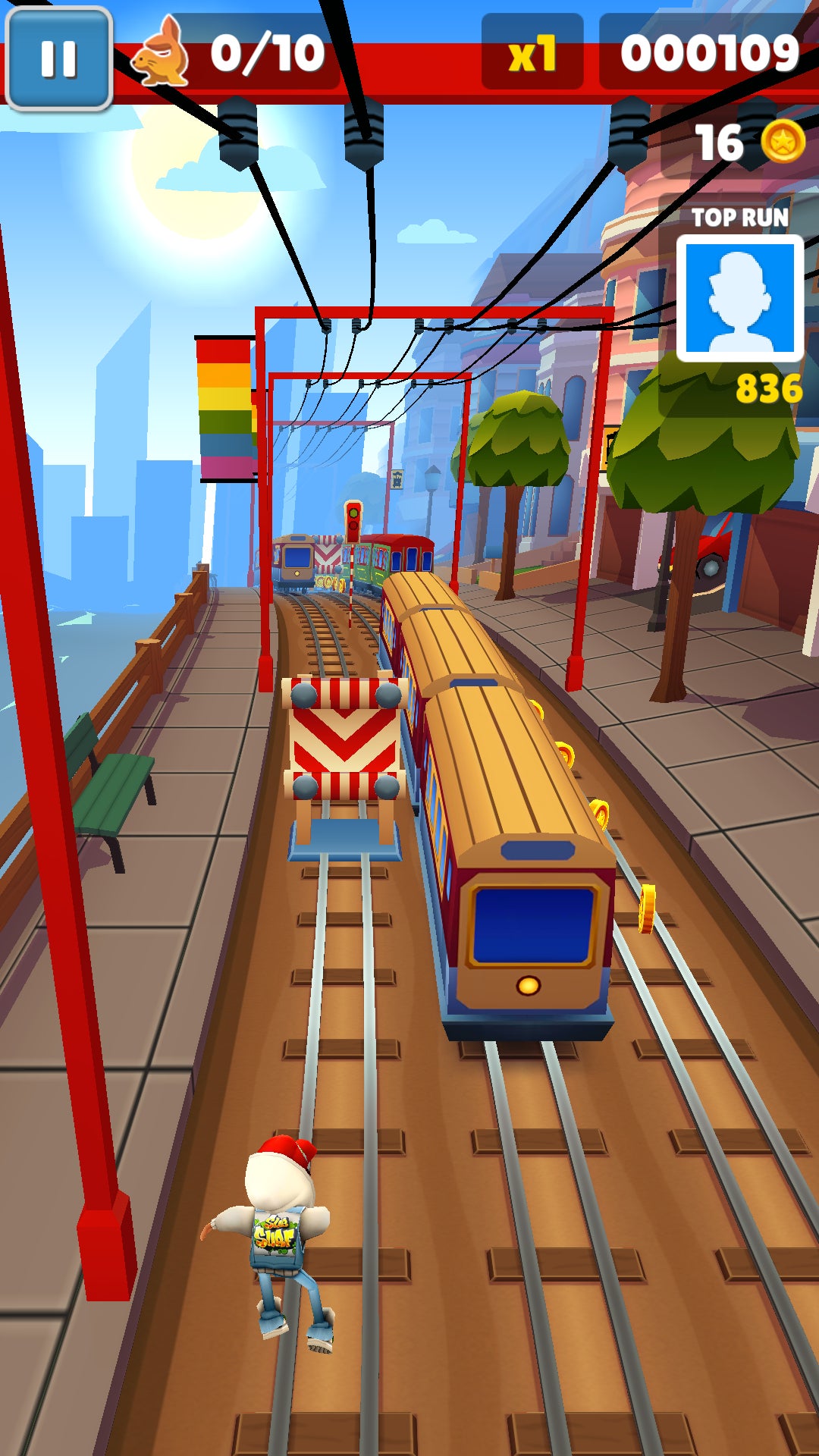
Subway Surfers has been among the top apps for years now.
Back in the 80s infinite games kept people at the arcades, dropping quarters. Now they keep people glued to their phones, seeing ads. It's just a modern twist on a decades-old formula.
Conclusion
There are plenty of reasons to love mobile games, and even more to hate them. But we have to ask ourselves if we're being fair in our hatred. Give me a game stuffed with ads, with little to no content, and pay-to-win microtransactions and I will bash it faster than you can give it a one-star rating on Google Play. But all of the traits of mobile games have their purpose, and developers that truly grasp them can make them enjoyable and beneficial for all of us.

Follow us on Google News








 FCC OKs Cingular\'s purchase of AT&T Wireless
Things that are NOT allowed:
To help keep our community safe and free from spam, we apply temporary limits to newly created accounts: