Samsung Galaxy Z Fold 8 Ultra vs Galaxy Z Fold 6: This time, it's worth upgrading
Here's how the Galaxy Z Fold 8 might compare to the Galaxy Z Fold 6.

We may earn a commission if you make a purchase from the links on this page.
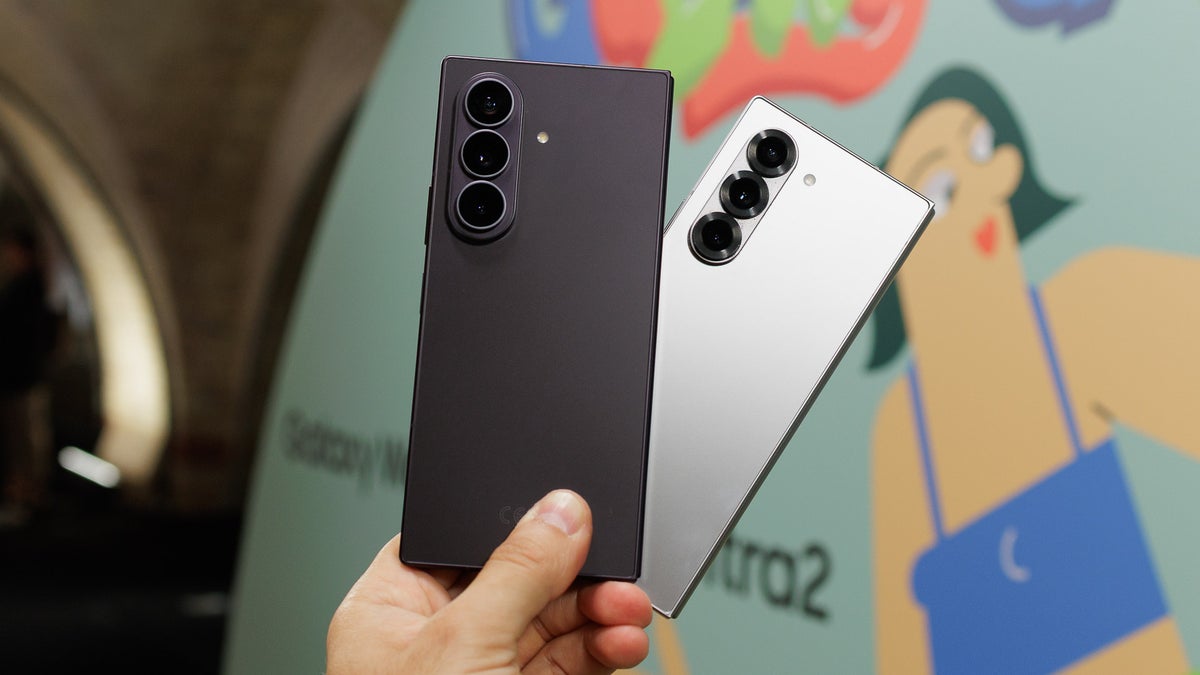
The Galaxy Z Fold 8 Ultra delivers a number of important upgrades. | Image by PhoneArena
The Samsung Galaxy Z Fold 8 Ultra is here, and I can't lie, it's everything that Samsung's foldable lineup needed. Improved performance, a better camera, and a larger battery as well as faster charging are the main improvements that have arrived to the lineup.
And as someone who really likes foldables, I can't help but agree that it's among the better foldables available out there right now, even though the price is a bit tough to swallow.
In another review, I already divulged that despite all the improvements, Galaxy Z Fold 7 users shouldn't upgrade to the Galaxy Z Fold 8 Ultra due to the multiple similarities between the two. But what about the Galaxy Z Fold 6? The older device is already morally old as it utilizes a much older design language that feels quite outdated when directly compared with the Galaxy Z Fold 8 Ultra and even the Galaxy Z Fold 7.
In this review, I will try to answer that question and come up with a verdict on whether you should upgrade or not.
This comparison is based on a couple of days worth of usage and lab testing of the Galaxy Z Fold 8 Ultra. The device was provided by Samsung as a review sample, yet the company had no involvement in the testing process, editorial decisions, or the final verdict.
Most images in this comparison are original photography captured by the PhoneArena team in our studio. Aside from real-world usage, each of these phones goed through our dedicated tests, including our proprietary camera test that takes nearly half a business day to complete, as well as our three battery testing scenarios. The Galaxy Z Fold 6 was tested under the same methods back in the day as well.
Galaxy Z Fold 8 Ultra vs Galaxy Z Fold 6 differences:
| Galaxy Z Fold 8 Ultra | Galaxy Z Fold 6 |
|---|---|
| Non-existent crease on the inner display | Inner display with a visible crease |
| Larger inner screen (8.0-inch) with wider aspect ratio | Smaller 7.6-inch inner display |
| 6.5-inch outer screen | 6.3-inch cover screen |
| 3,000 nits of brightness | 2,600 nits of brightness |
| Snapdragon 8 Elite Gen 5 for Galaxy (3nm) | Snapdragon 8 Gen 3 (4nm) |
| 5,000 mAh battery | Featured a 4,400 mAh battery |
| 45 W wired charging, 20 W wireless charging | 25 W wired charging |
| New 50 MP ultrawide | 12 MP ultrawide |
| One UI 9 with Android 17 | One UI 8.5 with Android 16 |
Table of Contents:
Read more:
Design and Size
Like night and day
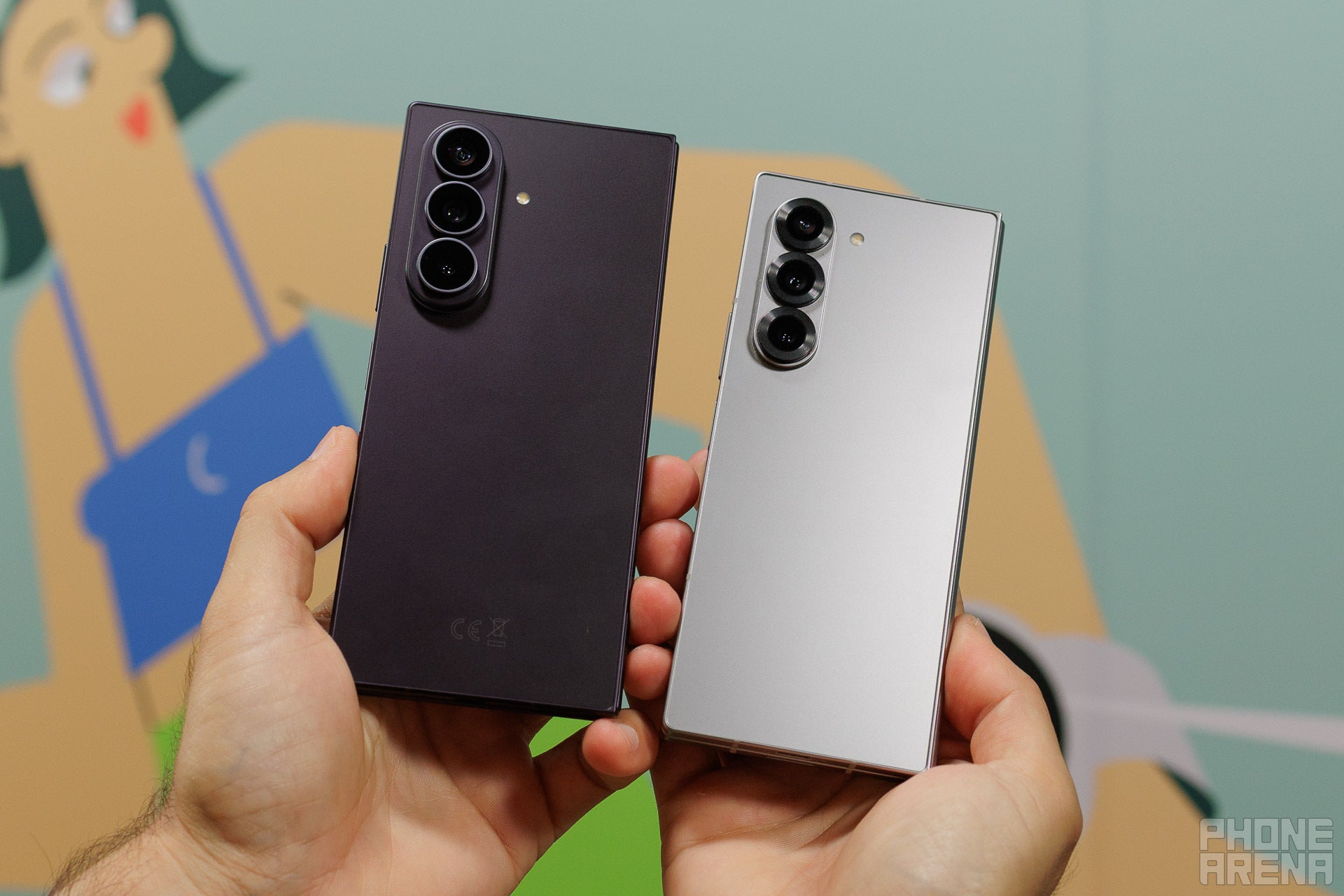
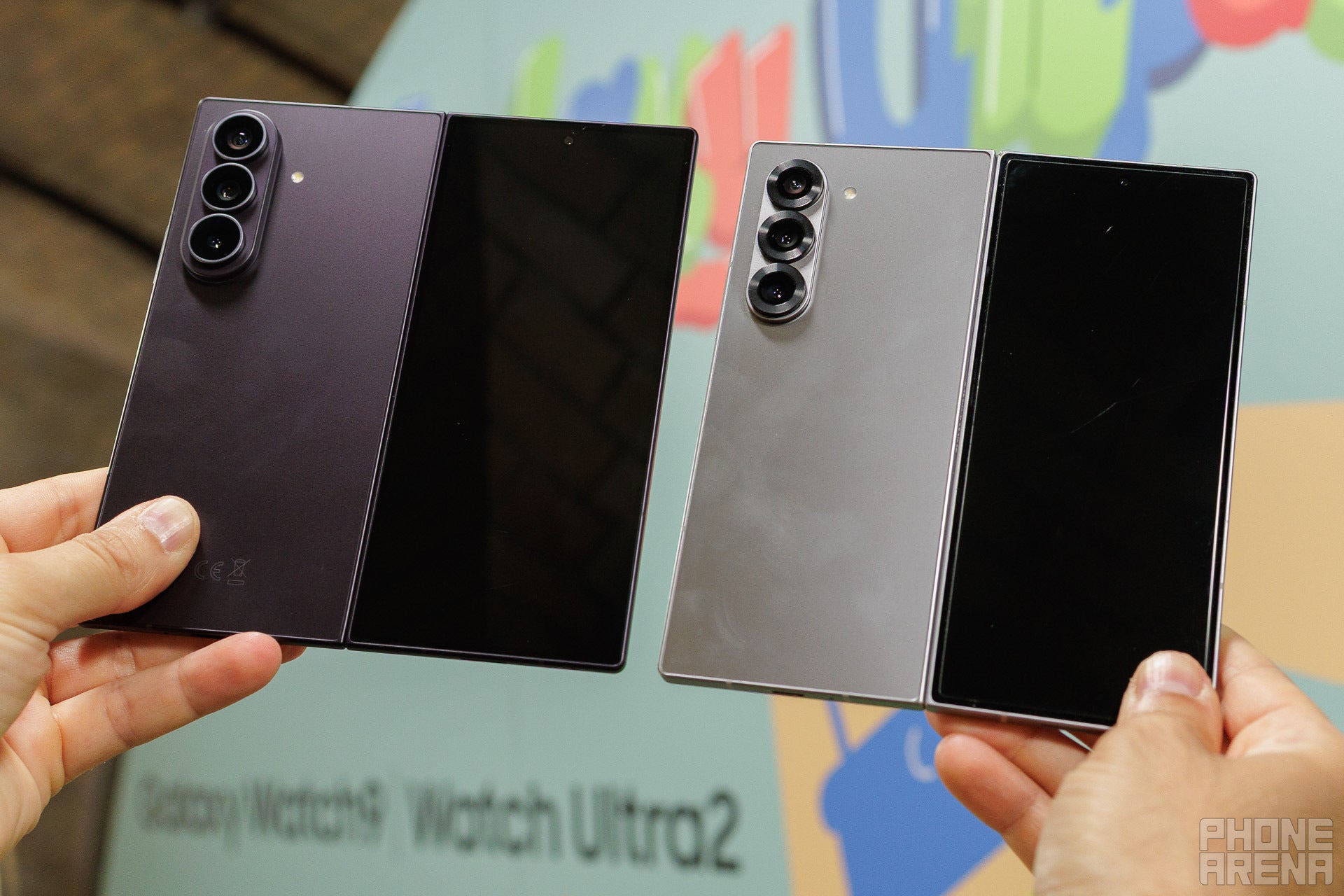
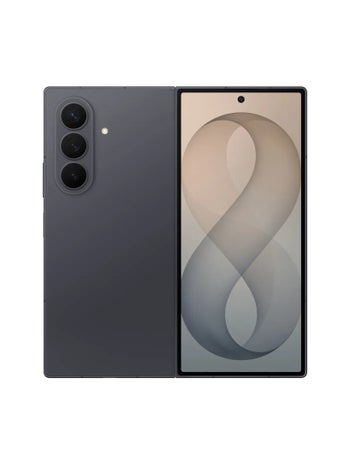
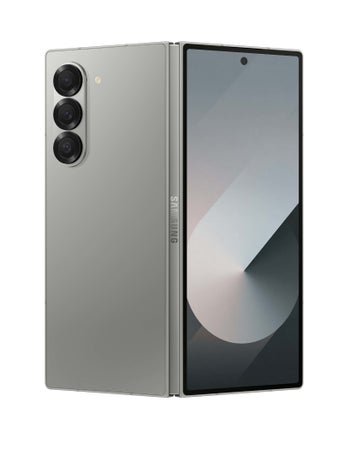
With the Galaxy Z Fold 8 Ultra, Samsung isn't reinventing the wheel, rather perfecting what it delivered with the Galaxy Z Fold 7. It's a super-thin device with a zero wedge, sleek dimensions, and a cover screen that is slightly wider than the one on the Galaxy Z Fold 6.
The Galaxy Z Fold 8 Ultra uses Armor Aluminum and a combination of Gorilla Glass Ceramic and Victus 2 at the rear. The device is 4.1 mm thin when unfolded, with the rest of the dimensions being 158.4 by 143.2 mm.
Meanwhile, the Galaxy Z Fold 6 is thicker, narrower, and has an inner display crease that is much more pronounced in comparison with the newer devices. The Galaxy Z Fold 6 is thicker at 12.1 mm when folded and 5.6 mm when unfolded. It's also shorter and narrower than the Galaxy Z Fold 8 Ultra. The difference in heft is also notable, with the Galaxy Z Fold 6 being 239 grams while the newer foldable is much lighter at just 218 grams.
It's definitely a dated device that doesn't look the part next to the newer foldable, but if the older design language works for you, it's all good.
|
|
| Samsung Galaxy Z Fold 8 Ultra | Samsung Galaxy Z Fold 6 |
| Dimensions | |
|---|---|
| 158.4 x 143.2 x 4.1 mm (~9.19 mm with camera bump) | 153.5 x 132.6 x 5.6 mm (~6.7 mm with camera bump) |
| Weight | |
| 215.0 g | 239.0 g |
See the full
Samsung Galaxy Z Fold 8 Ultra vs Samsung Galaxy Z Fold 6 specs comparison
or compare them to other phones using our
Phone Comparison tool
In terms of colors, the Galaxy Z Fold 8 Ultra comes be available in Violet Shadow, Cream, Graphite, and Violet Green (exclusively online), while the Galaxy Z Fold 6 was available in Silver Shadow, Pink, Navy, Crafted Black, and White. I absolutely like the Violet Green and Violet Shadow colors.
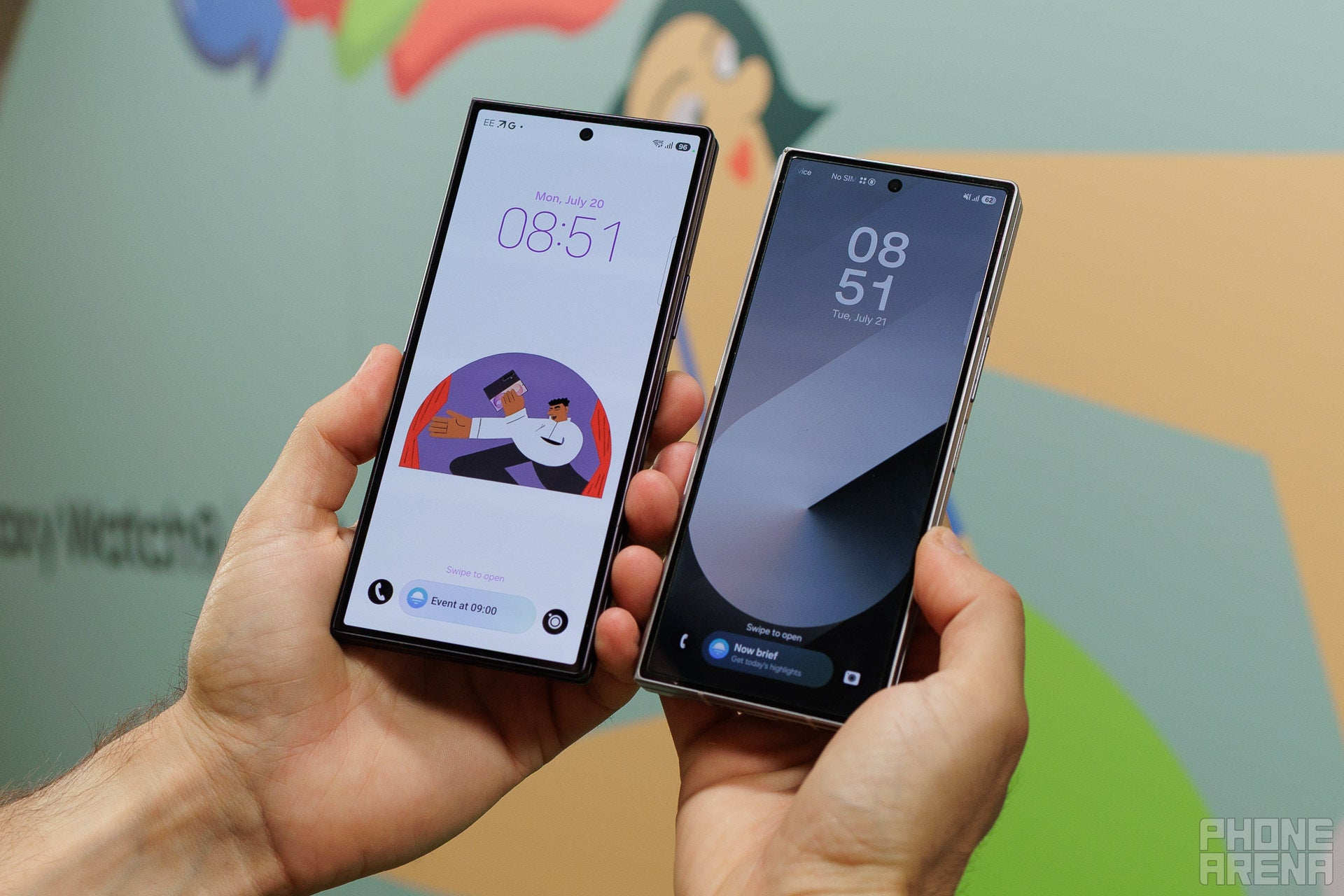
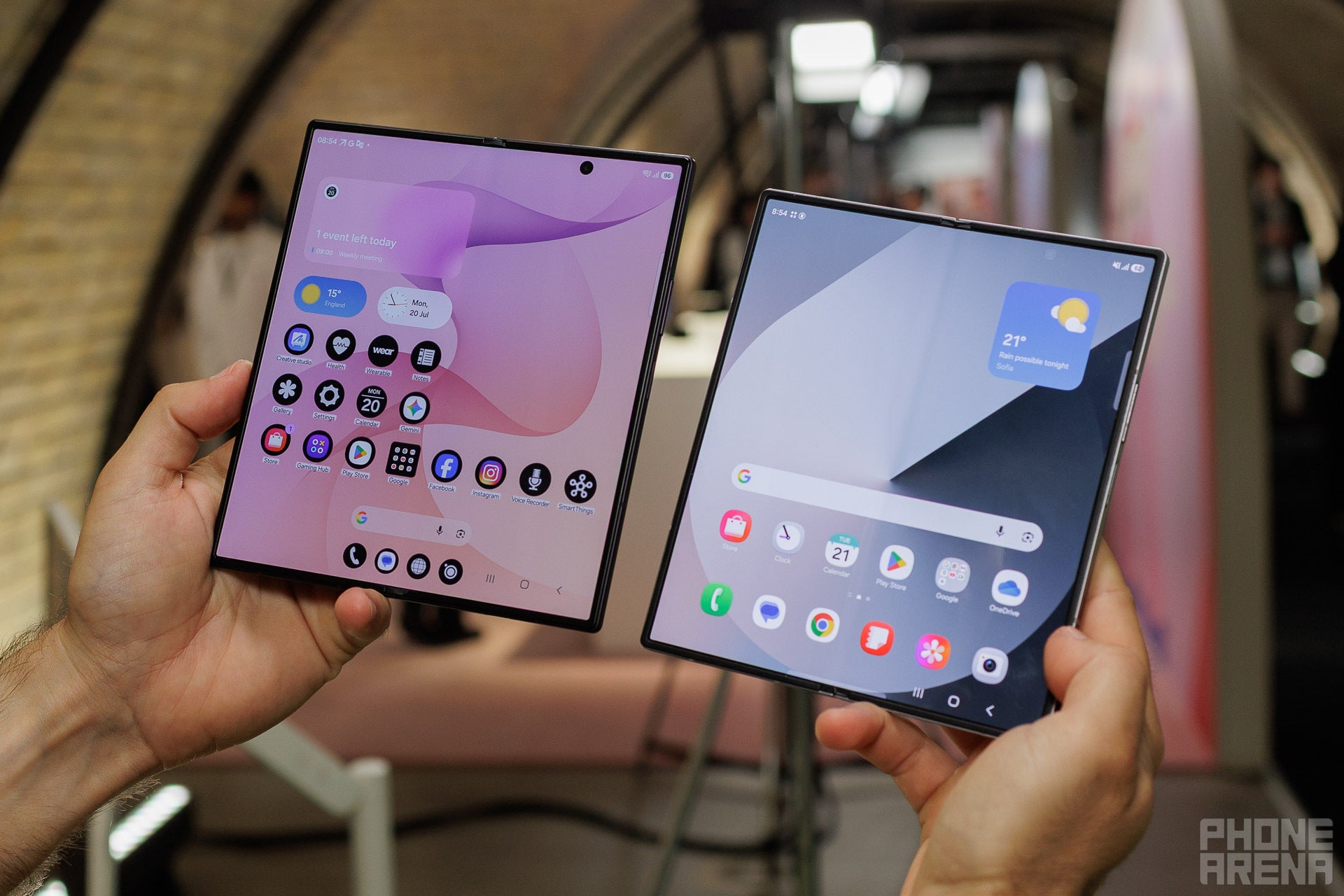
The Galaxy Z Fold 8 comes with the massive 8-inch nearly square inner display as well as the slightly wider 6.5-inch outer display, which is definitely more usable than the narrow one on the Galaxy Z Fold 6. Both of these screens are larger than what the Galaxy Z Fold 6 arrived with––it had a smaller 7.6-inch inner display, as well as a tinier 6.3-inch external one which was awkward to use, so you always have to unfold your phone.
|
|
|
| Samsung Galaxy Z Fold 8 Ultra | Samsung Galaxy Z Fold 6 |
| Size | |
|---|---|
| 8.0-inch | 7.6-inch |
| Type | |
| Dynamic AMOLED, 120Hz | Dynamic AMOLED, 120Hz |
See the full
Samsung Galaxy Z Fold 8 Ultra vs Samsung Galaxy Z Fold 6 specs comparison
or compare them to other phones using our
Phone Comparison tool
The Galaxy Z Fold 8 Ultra hits a peak brightness of 3,000 nits on the inner screen, while the Galaxy Z Fold 6 only achieved 2,500 in our tests, which is still very decent.
One major improvement to the Galaxy Z Fold 8 Ultra is the new Flex Titanium technology inside, which pairs an extremely thin titanium alloy film inside the display and a new titanium plate immediately beneath the display. The end goal? To further improve the shallowness of the display crease, which is supposedly even flatter than the already pretty much perfect one on the Galaxy Z Fold 7.
One major improvement to the Galaxy Z Fold 8 Ultra is the new Flex Titanium technology inside, which pairs an extremely thin titanium alloy film inside the display and a new titanium plate immediately beneath the display. The end goal? To further improve the shallowness of the display crease, which is supposedly even flatter than the already pretty much perfect one on the Galaxy Z Fold 7.
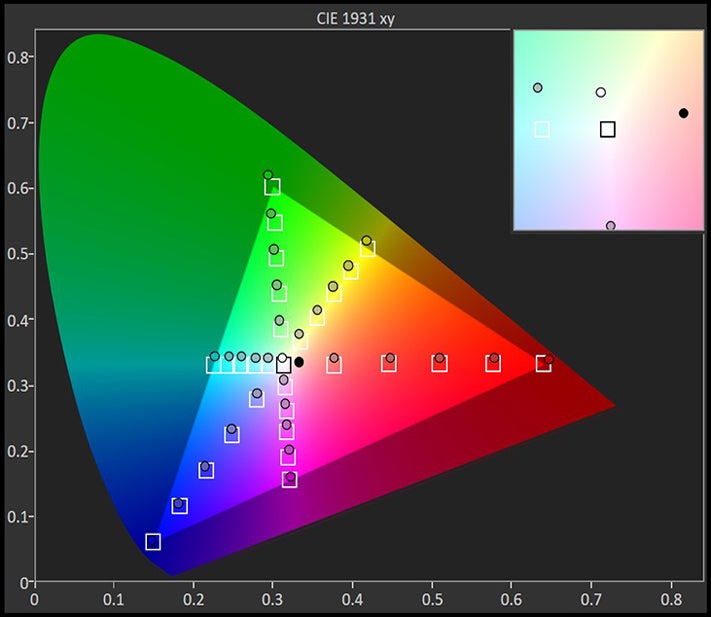
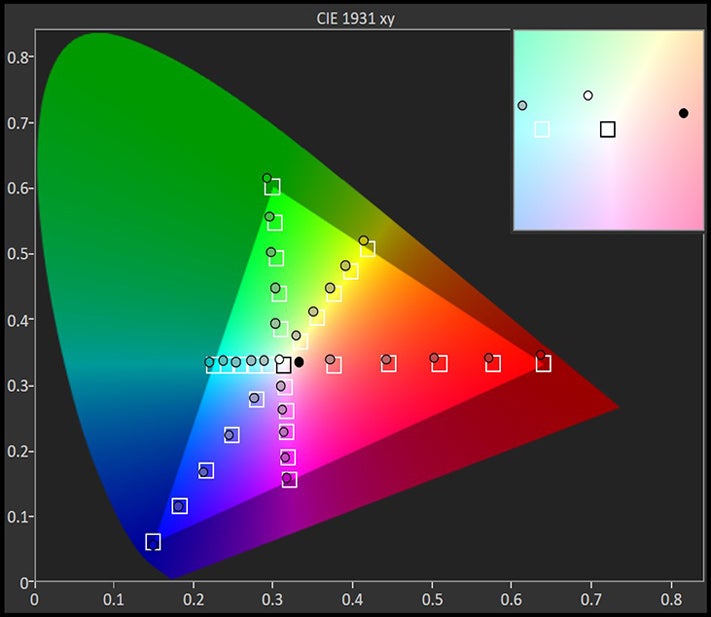
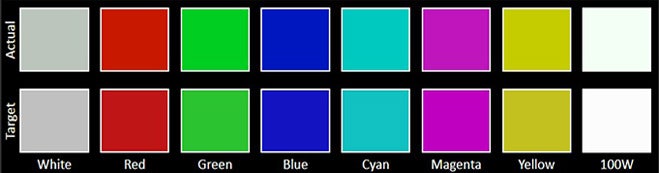
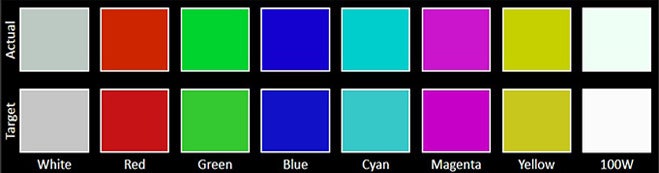


In terms of display properties, I measured a higher peak brightness of 2,883 nits, which trumps the Galaxy Z Fold 6 by a couple of hundred nits. The rest of the properties are in favor of the Z Fold 8 Ultra, which has a much more color-accurate display in the default settings. The main screen also achieves a lower brightness of less than a nit, which could be important if you read or watch TV shows before hitting the hay.
Both devices feature side-positioned fingerprint scanners embedded in their power buttons. I find them to be pretty much perfect and error-free as most other capacitive fingerprint scanners are.
Performance and Software
Two generations apart definitely make a very big difference
The Qualcomm Snapdragon 8 Elite Gen 5 has made it to the Galaxy Z Fold 8 Ultra. Mind you, it is the slightly overclocked "For Galaxy" flavor of the chipset, which performs a bit better than the garden-variety version available to other Android phone manufacturers. The difference isn't that big but definitely gives the newer foldable a slight performance edge.
|
|
|
| Samsung Galaxy Z Fold 8 Ultra | Samsung Galaxy Z Fold 6 |
| System chip | |
|---|---|
| Snapdragon 8 Elite Gen 5 for Galaxy SM8850-1-AD (3 nm) | Snapdragon 8 Gen 3 for Galaxy SM8650-AC (4 nm) |
| Memory | |
| 12GB (LPDDR5X)/256GB (UFS 4.0) 12GB/512GB 16GB/1TB |
12GB (LPDDR5X)/256GB (UFS 4.0) 12GB/512GB 12GB/1024GB |
| OS | |
| Android (17), up to 7 OS updates | Android (15, 14) |
See the full
Samsung Galaxy Z Fold 8 Ultra vs Samsung Galaxy Z Fold 6 specs comparison
or compare them to other phones using our
Phone Comparison tool
Meanwhile, the Galaxy Z Fold 6 is equipped with the Snapdragon 8 Gen 3 for Galaxy, also a slightly improved version at the time. It's an older flagship chip that shows its age when compared with the newer one but is perfectly sufficient for everyday tasks, gaming, and even game emulation thanks to the excellent Qualcomm driver support.
How do these compare in the benchmarks I ran?
It's been just two generations, but the Galaxy Z Fold 8 Ultra is much faster in both the Geekbench 6 single- and multi-core tests. This means the new foldable will have a much bigger performance headroom for pretty much any task you might throw at it. It's also much more future-proof, which is pretty logical to expect.
GPU Performance
In terms of gaming performance, it's the Galaxy Z Fold 8 Ultra all the way. It achieves much higher peak and sustained performance, meaning your gameplay will be smoother and be affected by device overheating that much.
Storage speeds
In terms of memory, the Galaxy Z Fold 8 Ultra arrives with 12 GB of RAM in both 256 GB and 512 GB version, while the 16 GB RAM version is paired with a hefty 1 TB of storage. The situation is the same with the Galaxy Z Fold 6, minus the 1 TB version.
In terms of software, the Galaxy Z Fold 8 Ultra comes with Android 17 and One UI 9, while the Galaxy Z Fold 6 currently runs the latest available One UI version and will eventually receive Android 17 and One UI 9 but at a later date.
New features for the Galaxy Z Fold 8 include additions to Galaxy AI. We get a more proactive Now Nudge feature, which will intelligently suggest maps, calendar invites, and auto-split your current apps when relevant. And thanks to Android 17, the Galaxy Z Fold 8 Ultra scores App Bubbles, which will boost the multi-tasking capabilities of the phone.
Both devices are supported for seven years. The Z Fold 6 will be supported until 2031, while the Z Fold 8 Ultra until 2033.
Camera
Major differences
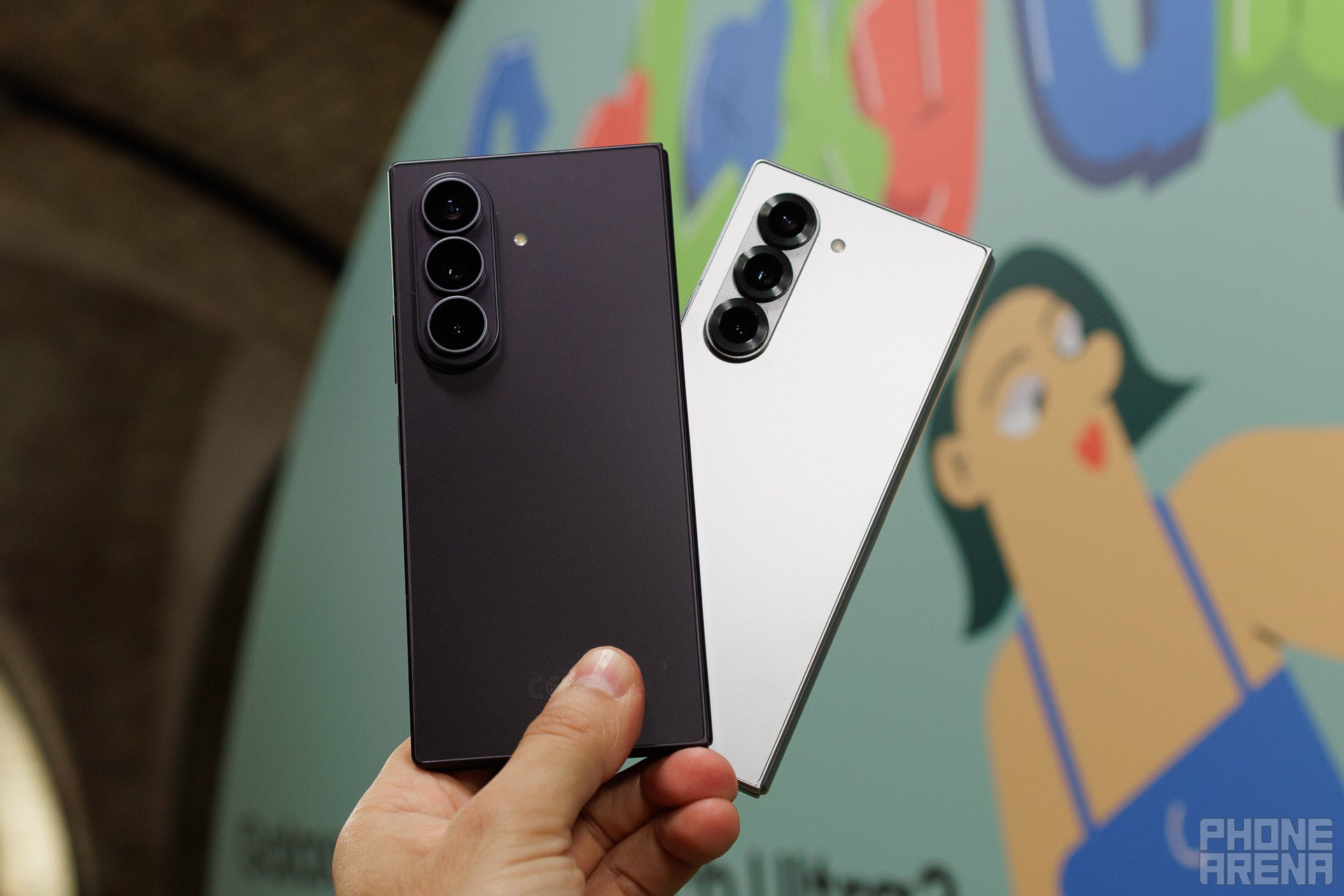
Image by PhoneArena
The Galaxy Z Fold 8 Ultra scores a new 50 MP ultrawide camera that will substitute the 12 MP one, while the telephoto will get a small upgrade from 10 to 12 MP. Those are definitely welcome and will hopefully improve the image quality. The rest of the camera setup remains the same: 200 MP main and a humble 10 MP 3X telephoto. The Galaxy Z Fold 6 relies on a 12 MP ultrawide.
|
|
|
| Samsung Galaxy Z Fold 8 Ultra | Samsung Galaxy Z Fold 6 |
| Main camera | |
|---|---|
| 200 MP (OIS, PDAF) Sensor name: Samsung ISOCELL HP2 Aperture size: F1.7 Focal length: 24 mm Sensor size: 1/1.3" Pixel size: 0.6 μm |
50 MP (OIS, PDAF) Aperture size: F1.8 Focal length: 23 mm Sensor size: 1/1.57" Pixel size: 1.0 μm |
| Second camera | |
| 50 MP (Ultra-wide) Sensor name: Samsung ISOCELL JN3 Aperture size: F1.9 Focal Length: 13 mm Sensor size: 1/2.5" Pixel size: 0.7 μm |
12 MP (Telephoto, OIS, PDAF) Aperture size: F2.2 Focal Length: 12 mm Sensor size: 1/3.2" Pixel size: 1.12 μm |
| Third camera | |
| 10 MP (Telephoto, OIS, PDAF) Sensor name: Samsung S5K3K1 Optical zoom: 3.0x Aperture size: F2.4 Focal Length: 67 mm Sensor size: 1/3.94" Pixel size: 1.0 μm | 10 MP (Telephoto) Optical zoom: 3.0x Aperture size: F2.4 Focal Length: 66 mm Sensor size: 1/3.94" Pixel size: 1.0 μm |
| Front | |
| 10 MP (HDR) | 4 MP (Under-screen, HDR) |
See the full
Samsung Galaxy Z Fold 8 Ultra vs Samsung Galaxy Z Fold 6 specs comparison
or compare them to other phones using our
Phone Comparison tool
In the PhoneArena camera benchmark test that I ran on the Galaxy Z Fold 8 Ultra, it proves to be better than the Galaxy Z Fold 6 in still photography, but not that much better in terms of video recording. Overall, the Galaxy Z Fold 8 Ultra only performs marginally better than the Galaxy Z Fold 6, so don't let the camera be the defining factor of whether you should upgrade or not.
PhoneArena Camera Score:
I want to remind you, however, that cameras aren't the focus of foldable phones, so while more than usable, don't expect the image quality to be the absolute best one out there.
Samsung is bringing a host of mostly software improvements to the Galaxy Z Fold 8 Ultra, like an enhanced ProVisual engine that delivers a more advanced low-light video processing. There's also more flexible 8K video recording and editing, support for Samsung's efficient APV codec, as well as four new cinematic LUTs for on-device color grading of your log video.
Battery Life and Charging
Samsung has given us a massive battery capacity boost
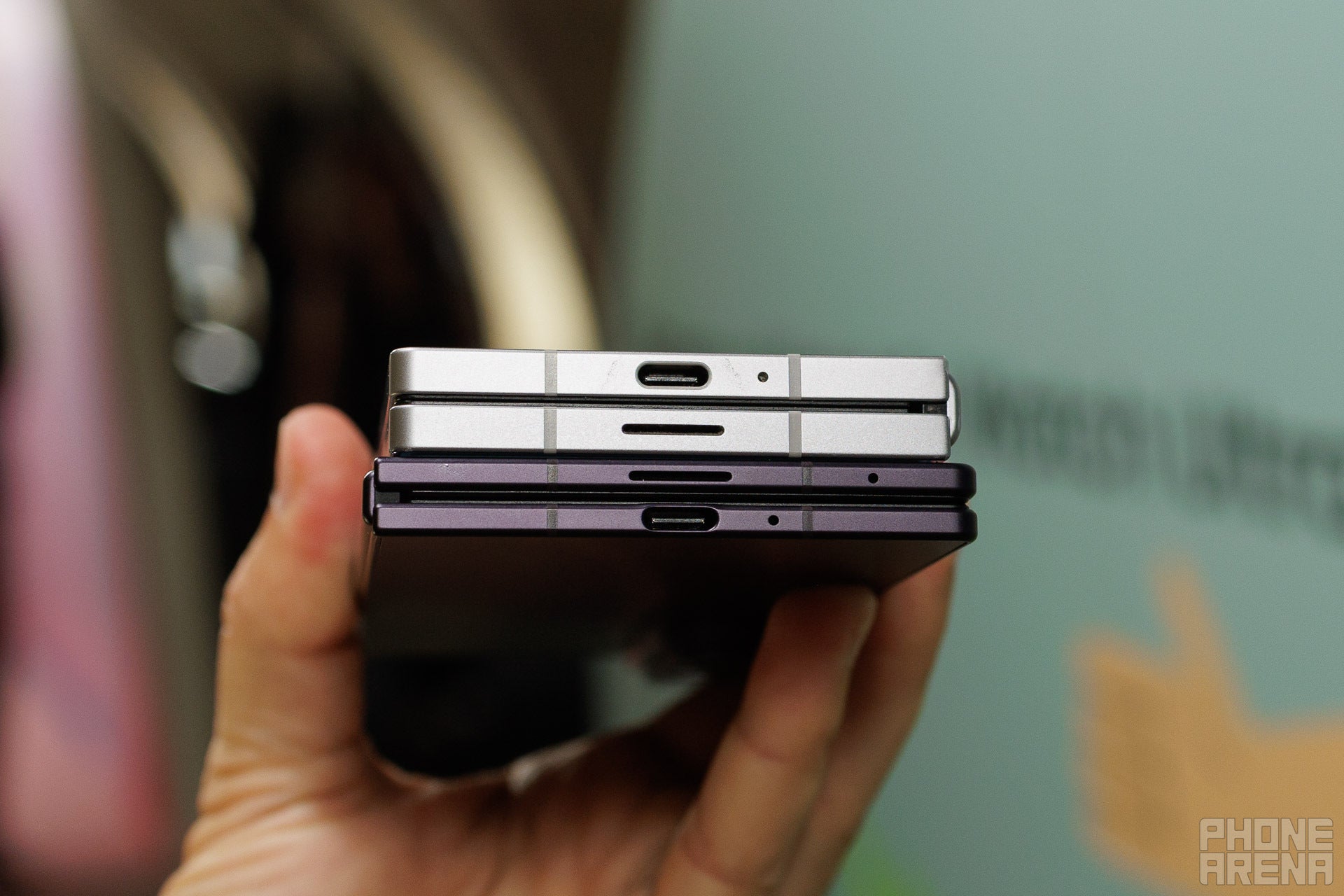
Image by PhoneArena
|
The Galaxy Z Fold 8 Ultra comes with a 5,000 mAh battery, a very welcome upgrade over the 4,400 mAh one inside the Z Fold 7 and the pertinent to this review Galaxy Z Fold 6.
What I find more important here, however, is the fact that Samsung has finally caved in and used silicon-carbon technology, which could be a sign of great things to come for the company's battery capacities in the coming years.
Does this mean the Galaxy S27 Ultra will feature a massive 8,000 mAh silicon-carbon battery? No, but it's some start at least.
PhoneArena Battery and Charging Test Results:
In the battery tests that I ran on the Galaxy Z Fold 8 Ultra, it currently doesn't fare any better than its predecessor. I do hope that Samsung releases a software update prior to the official release of the phone to address the battery life issue.
In terms of charging, we get a big upgrade on the new foldable, 45 W wired and 20 W wireless charging support. For the record, the older phone had 25 W wired charging and 15 W wireless charging.
Specs Comparison
Here's a full specs rundown between the Galaxy Z Fold 8 Ultra and the Galaxy Z Fold 6.
|
|
|
| Samsung Galaxy Z Fold 8 Ultra | Samsung Galaxy Z Fold 6 |
| Dimensions | |
|---|---|
| 158.4 x 143.2 x 4.1 mm (~9.19 mm with camera bump) | 153.5 x 132.6 x 5.6 mm (~6.7 mm with camera bump) |
| Weight | |
| 215.0 g | 239.0 g |
| Size | |
|---|---|
| 8.0-inch | 7.6-inch |
| Type | |
| Dynamic AMOLED, 120Hz | Dynamic AMOLED, 120Hz |
| System chip | |
|---|---|
| Snapdragon 8 Elite Gen 5 for Galaxy SM8850-1-AD (3 nm) | Snapdragon 8 Gen 3 for Galaxy SM8650-AC (4 nm) |
| Memory | |
| 12GB (LPDDR5X)/256GB (UFS 4.0) 12GB/512GB 16GB/1TB |
12GB (LPDDR5X)/256GB (UFS 4.0) 12GB/512GB 12GB/1024GB |
| Type | |
|---|---|
| 5000 mAh | 4400 mAh |
| Charge speed | |
| Wired: 45.0W Wireless: 20.0W |
Wired: 25.0W Wireless: 15.0W |
| Main camera | |
|---|---|
| 200 MP (OIS, PDAF) Sensor name: Samsung ISOCELL HP2 Aperture size: F1.7 Focal length: 24 mm Sensor size: 1/1.3" Pixel size: 0.6 μm |
50 MP (OIS, PDAF) Aperture size: F1.8 Focal length: 23 mm Sensor size: 1/1.57" Pixel size: 1.0 μm |
| Second camera | |
| 50 MP (Ultra-wide) Sensor name: Samsung ISOCELL JN3 Aperture size: F1.9 Focal Length: 13 mm Sensor size: 1/2.5" Pixel size: 0.7 μm |
12 MP (Telephoto, OIS, PDAF) Aperture size: F2.2 Focal Length: 12 mm Sensor size: 1/3.2" Pixel size: 1.12 μm |
| Third camera | |
| 10 MP (Telephoto, OIS, PDAF) Sensor name: Samsung S5K3K1 Optical zoom: 3.0x Aperture size: F2.4 Focal Length: 67 mm Sensor size: 1/3.94" Pixel size: 1.0 μm | 10 MP (Telephoto) Optical zoom: 3.0x Aperture size: F2.4 Focal Length: 66 mm Sensor size: 1/3.94" Pixel size: 1.0 μm |
| Front | |
| 10 MP (HDR) | 4 MP (Under-screen, HDR) |
See the full
Samsung Galaxy Z Fold 8 Ultra vs Samsung Galaxy Z Fold 6 specs comparison
or compare them to other phones using our
Phone Comparison tool
Summary
It's true that the Galaxy Z Fold 6 is not that dated from a certain standpoint. After all, it's merely two years old and by all accounts is still a perfectly viable and usable device.
However, in the past two years, Samsung has introduced a ton of improvements to its foldable phone formula, making the new Galaxy Z Fold 8 Ultra a much more modern device that makes the Galaxy Z Fold 6 feel like yesterday's news.
But should you upgrade? If you enjoy the Galaxy Z Fold 6, then yes, I think that you should trade it in while it still holds value and upgrade to the Galaxy Z Fold 8 Ultra. The new phone embodies all the specifics that you have potentially loved about your device, but better, faster, thinner, and more usable.
At the end of the day, if you like the Galaxy Z Fold 6, then you'll certainly love the Galaxy Z Fold 8 Ultra.


Related Content

Popular stories


Latest News


Things that are NOT allowed:
To help keep our community safe and free from spam, we apply temporary limits to newly created accounts: