Samsung Galaxy Z Fold 8 Ultra vs Galaxy S26 Ultra hands-on: the premium choice
The Z Fold 8 Ultra matches the Galaxy S26 Ultra in weight and battery life, but loses the built-in S Pen. Here’s how Samsung’s ultimate flagships compare.
This year, we get a curveball in the world of foldables. Samsung launched two book-style models — a Galaxy Z Fold 8 and the Galaxy Z Fold 8 Ultra. One to please the people who want that wide-screen experience on a foldable, the second to continue down the path of a productivity-oriented split-screen machine.
The Galaxy Z Fold 8 Ultra is considered the peak Samsung smartphone, commanding a hefty $2,100 price. But if you look past the foldable form factor, the best Samsung bar phone is the Galaxy S26 Ultra. And it has the added benefits of being the camera phone and the S Pen phone.
A lot to unpack here, and it's not an easy decision to make — would you be good with an S26 Ultra, or is it worth jumping in with both feet for that sweet, thin foldable?
Grab the Galaxy Z Fold 8 Ultra for $300 off
$1799
99
$2099
99
$300 off (14%)
For a limited time, Samsung's Galaxy Z Fold 8 Ultra can be yours with a generous $300 price cut, no trade-in required. If those savings don't sound compelling enough, trade in an eligible phone to save up to $800.
The Galaxy Z Fold 8 is Samsung's first foldable phone with a passport design. Right now, you can grab it with an $800 discount when you trade in an eligible device in good condition. Alternatively, you can grab $200 in Samsung Credit, redeemable toward accessories or other Galaxy devices.
The Galaxy S26 Ultra has been announced, bringing a Privacy Screen feature, insanely fast processor, and multiple Galaxy AI enhancements. Right now, you can save up to $720 at the Samsung Store with eligible trade-ins. You also get 15% off the Buds 4 series with your purchase. Alternatively, you can get $150 credit for add-ons, no trade-in required.
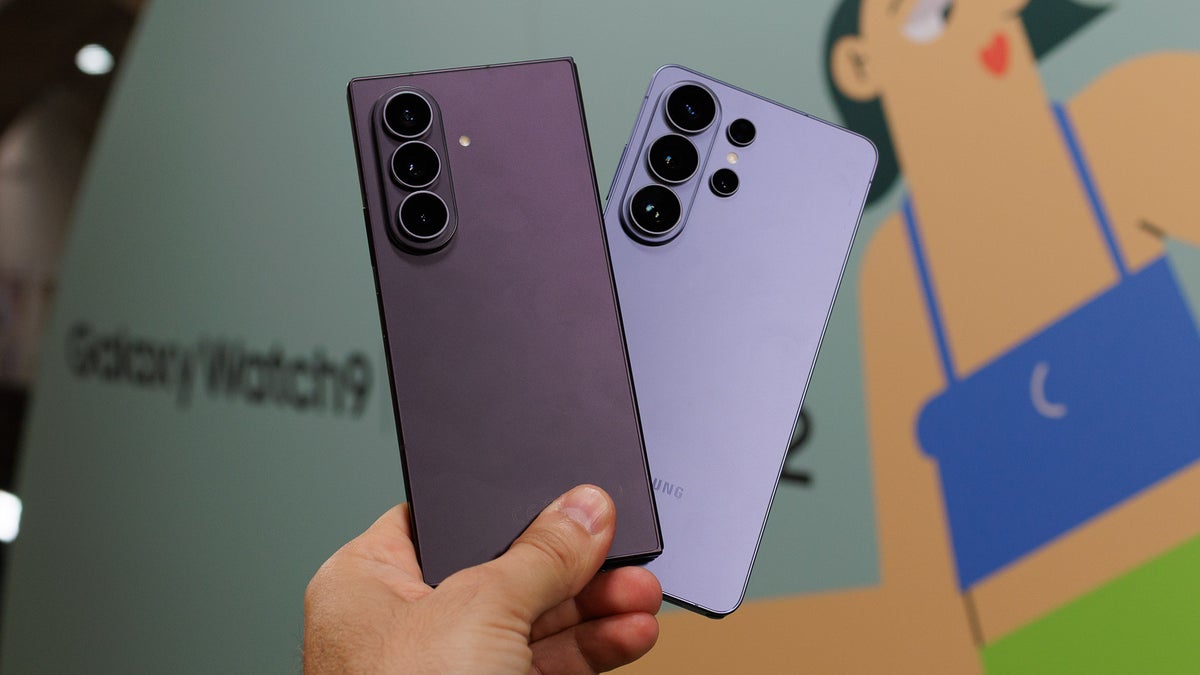
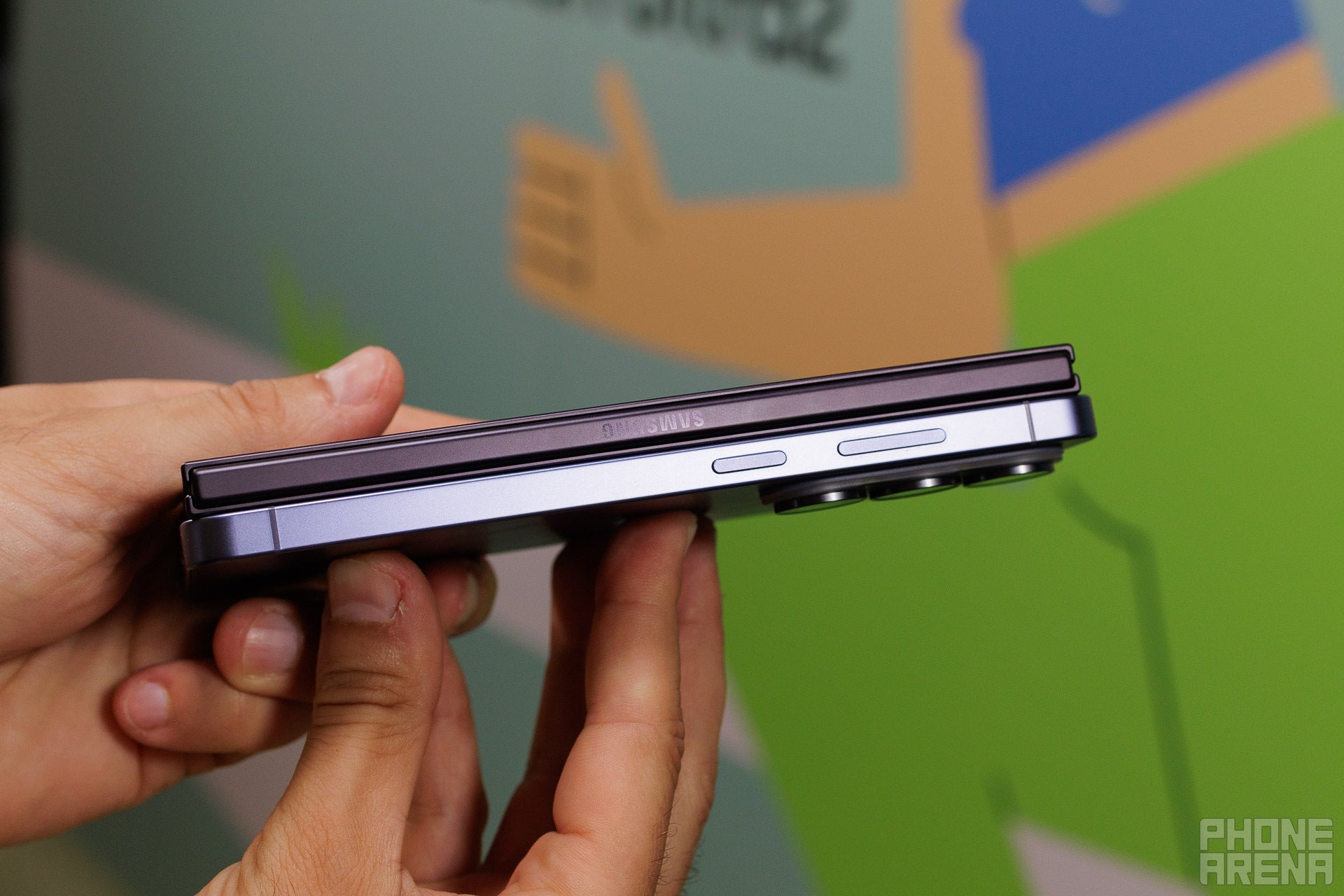
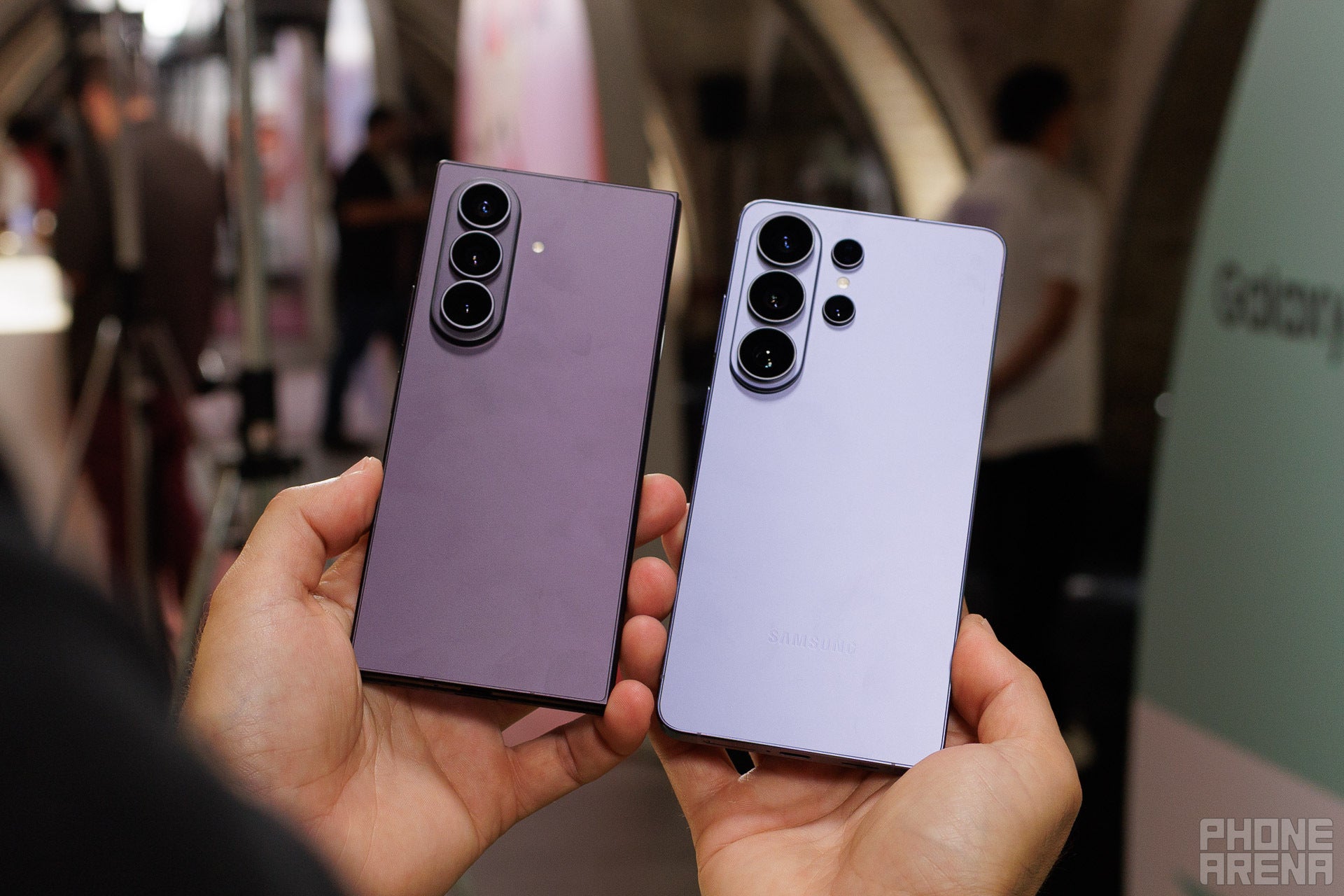
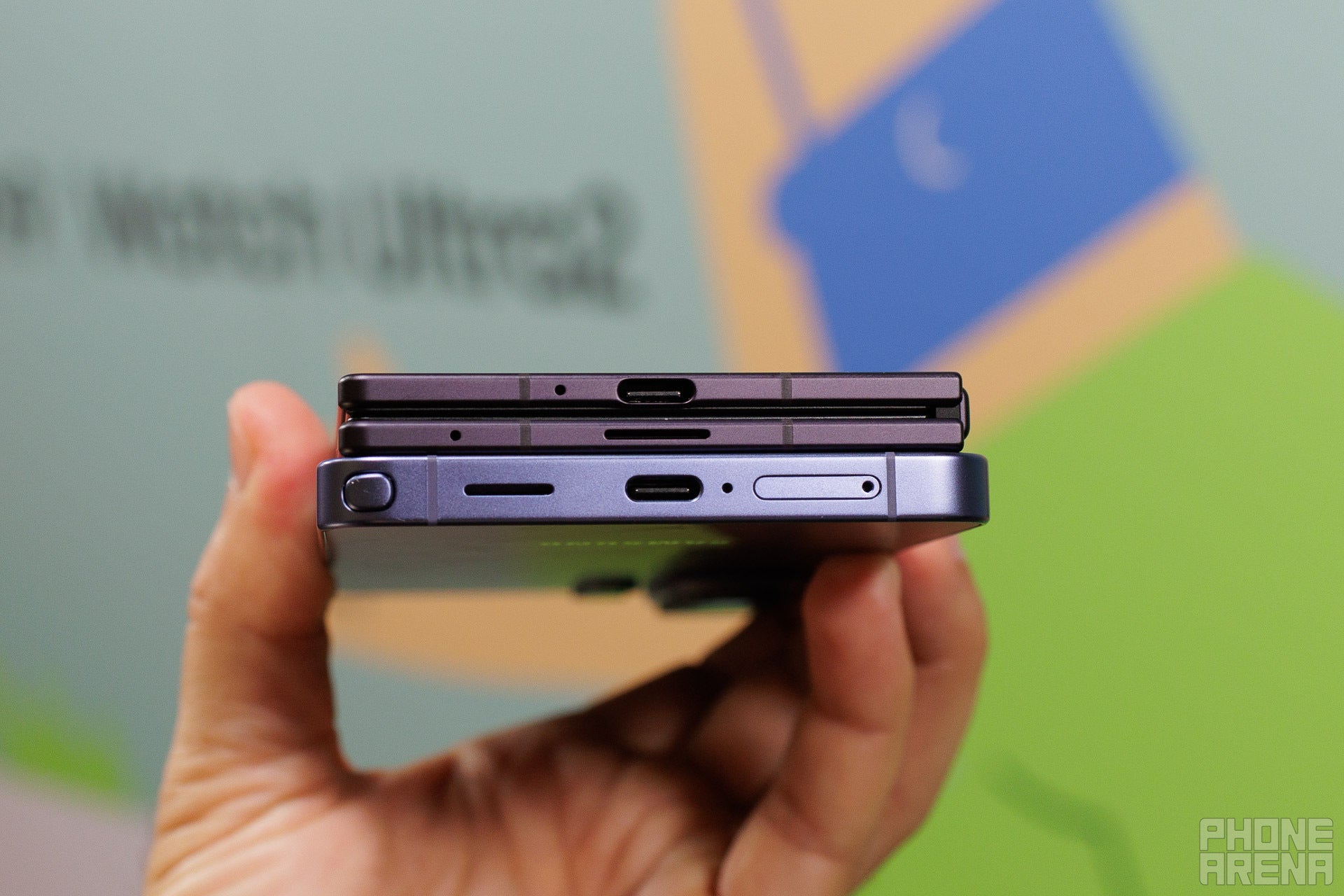
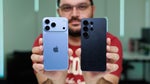
The Galaxy Z Fold 8 Ultra is Samsung's thinnest foldable yet, at 4.1 mm when unfolded. When closed up, it's 8.9 mm, only slightly chunkier than the 7.9 mm Galaxy S26 Ultra. However, it's still perfectly usable as a "regular" smartphone, especially since its external display has the 21:9 aspect ratio that we are now used to.
The good news is that the Z Fold 8 Ultra is not heavy at all. With the new Flex Titanium hinge, Samsung managed to shave its weight down to 215 g — basically the same as a 214 g Galaxy S26 Ultra, and that's wild to experience when holding both devices.
Recommended For You
Almost as thin | Image by PhoneArena
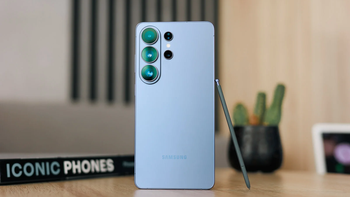
Of course, we do lose something to that thin profile. Since last year, Galaxy Z Folds no longer support an S Pen. So, if you want that pristine stylus experience, the Galaxy S26 Ultra is still the place to go — and it holds an S Pen inside it, like always.
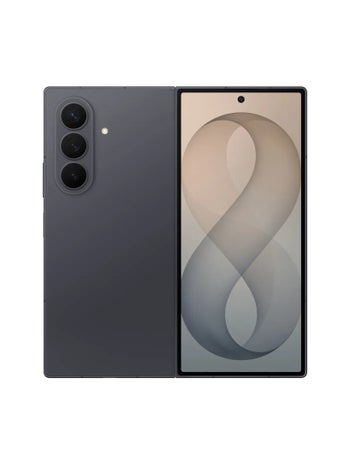
Samsung Galaxy Z Fold 8 Ultra
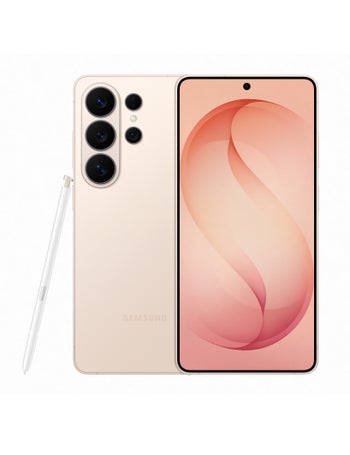
Samsung Galaxy S26 Ultra
Samsung Galaxy Z Fold 8 Ultra
Samsung Galaxy S26 Ultra
Design
Dimensions
158.4 x 143.2 x 4.1 mm (~9.19 mm with camera bump)
163.6 x 78.1 x 7.9 mm (~12.33 mm with camera bump)
For protection against the elements, the Galaxy S26 Ultra wins with its IP68 rating, impervious to dust, debris, and water. The Galaxy Z Fold 8 Ultra will survive splashes and submersion, but can only keep particles away if they are 1 mm in diameter or bigger.
The Galaxy Z Fold 8 Ultra launches in Violet Shadow, Cream, Graphite, and Violet Green exclusively available online. The Galaxy S26 Ultra comes in Cobalt Violet, Sky Blue, Black, White, Silver Shadow, Pink Gold.
Display Differences
Both are good, one just happens to double up
Pretty similar when closed | Image by PhoneArena
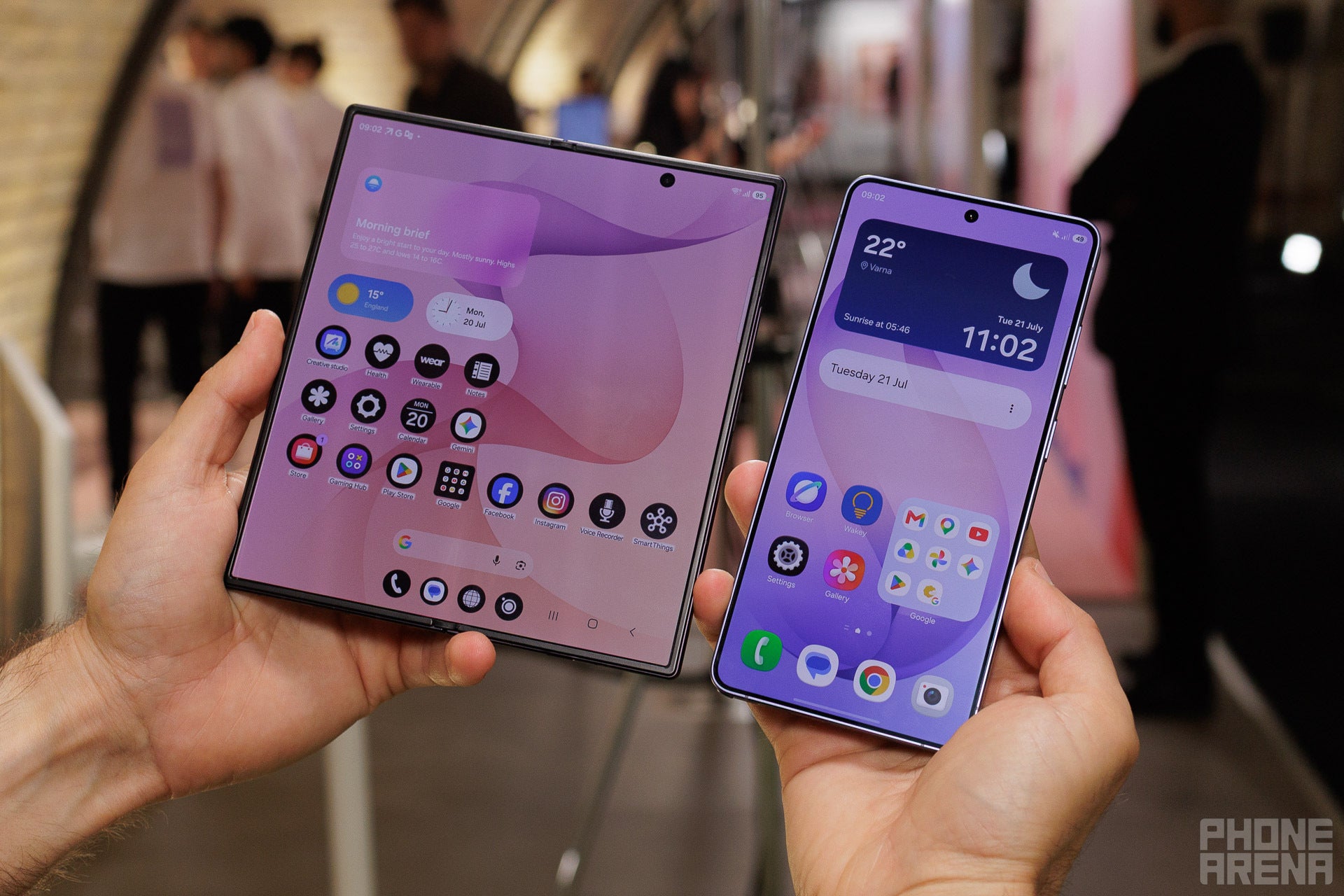
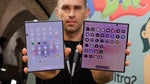
The Galaxy Z Fold 8 Ultra has that huge 8.0-inch internal screen with almost-square aspect ratio that's the star of the show. It's been the subject of many arguments in the past — some say, why do I need a square screen that letterboxes my media, or turns my games square-shaped. Others swear by it as the optimal form factor for multi-tasking, as it opens apps in their natural tall aspect ratio.
Whichever side on that fence you are on, the Galaxy Z Fold 8 Ultra delivers exactly that experience yet again. This time, however, the screen has been buffed to hit 3,000 nits peak and has an anti-glare coating. It's still not as good as the Galaxy S26 Ultra's premium anti-glare treatment, which is literally a part of the Gorilla Armor glass layers. But it's still an upgrade of the the Z Fold 7!
Now, the latter also has an excellent Dynamic AMOLED 2X screen with the "old" peak brightness of 2,600, which is still plenty enough. And we already know that its own anti-glare treatment was basically the best in the business.
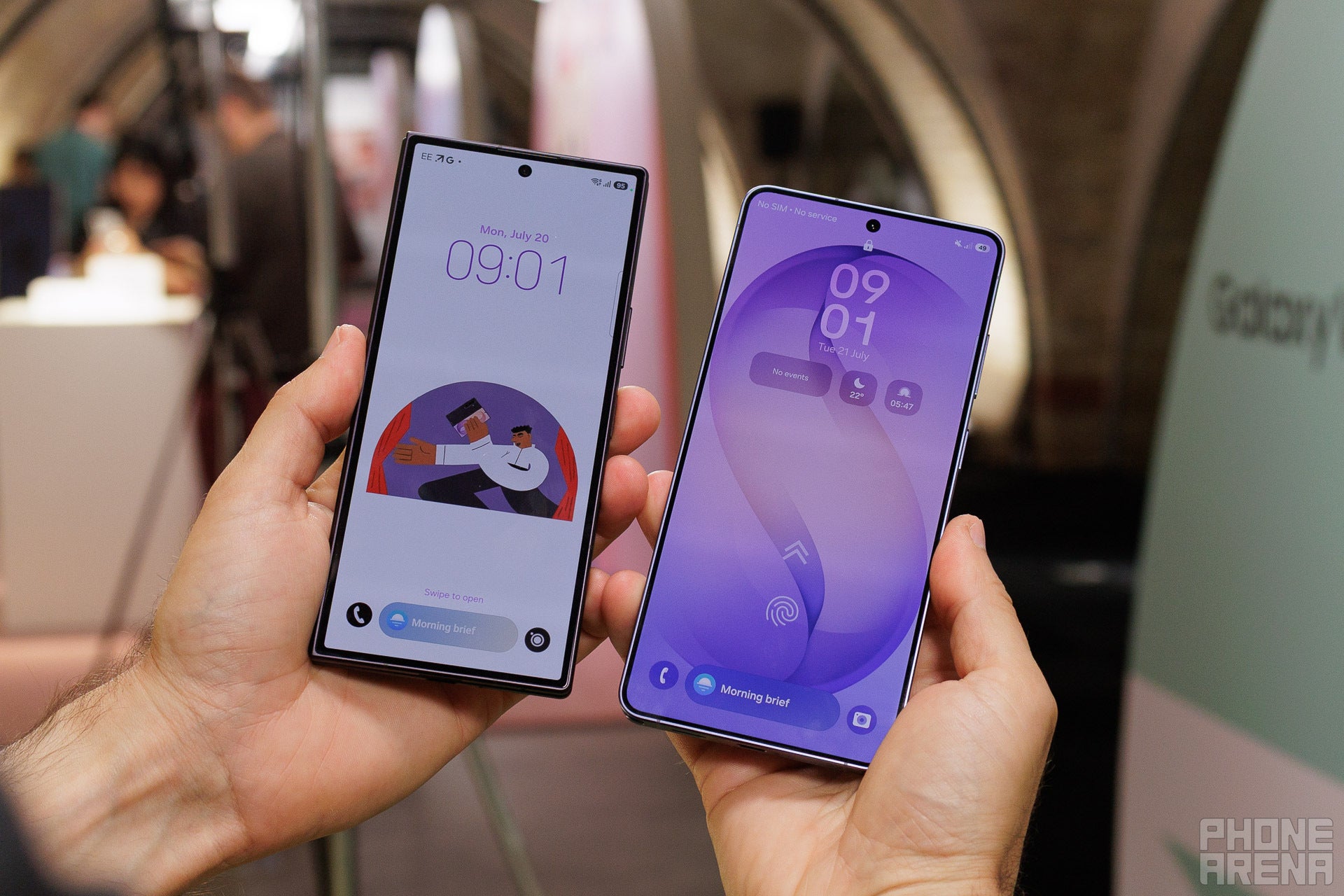
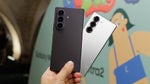
Technically, if we are comparing the devices with the Z Fold closed, there's not much to talk about — the experience is similar. Though the Z Fold's cover screen does not have anti-glare.
Otherwise, you get 120 Hz refresh rates all around, and the same excellent Samsung display colors and punchiness.
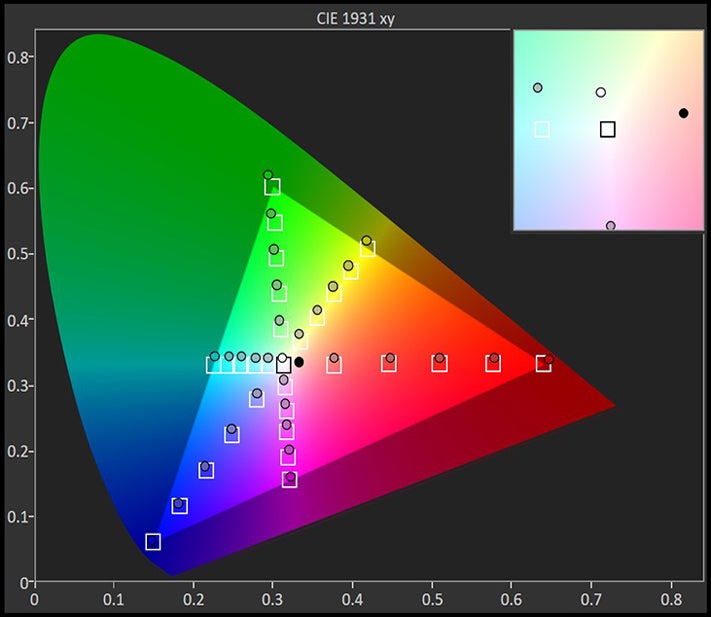
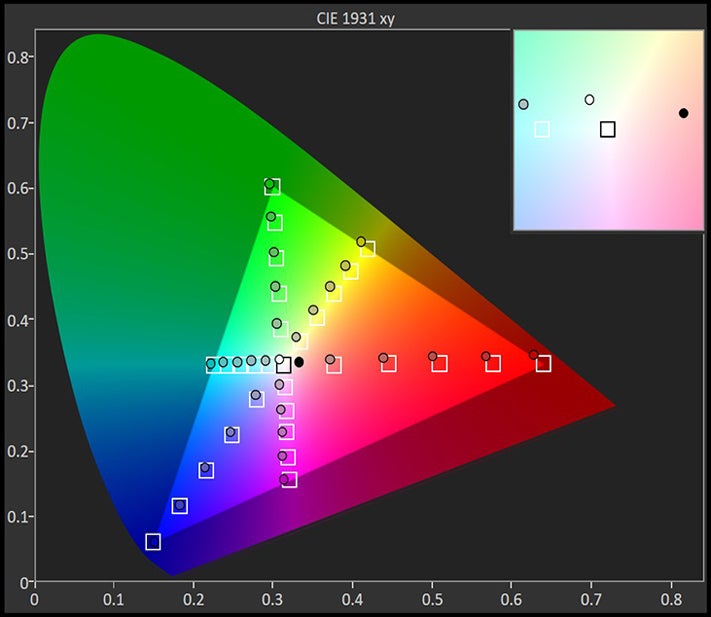
The CIE 1931 xy color gamut chart represents the set(area)of colors that a display can reproduce,with the sRGB colorspace(the highlighted triangle)serving as reference.The chart also provides a visual representation of a display's color accuracy. The small squares across the boundaries of the triangle are the reference points for the various colors, while the small dots are the actual measurements. Ideally, each dot should be positioned on top of its respective square. The 'x:CIE31' and 'y:CIE31' values in the table below the chart indicate the position of each measurement on the chart. 'Y' shows the luminance (in nits) of each measured color, while 'Target Y' is the desired luminance level for that color. Finally, 'ΔE 2000' is the Delta E value of the measured color. Delta E values of below 2 are ideal.
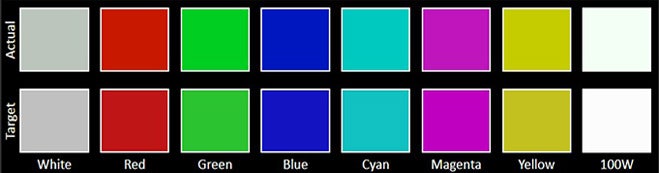
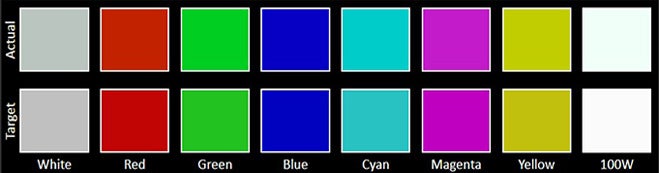
The Color accuracy chart gives an idea of how close a display's measured colors are to their referential values. The first line holds the measured (actual) colors, while the second line holds the reference (target) colors. The closer the actual colors are to the target ones, the better.
The Grayscale accuracy chart shows whether a display has a correct white balance(balance between red,green and blue)across different levels of grey(from dark to bright).The closer the Actual colors are to the Target ones,the better.
All around great specs — super-bright outdoors, yet sub-nit at home when the night lights are off. Samsung's screens rarely disappoing nowadays.
Both devices come with a fingerprint scanner, but differing tech. The Z Fold 8 Ultra has its scanner in the slim power button on the side. The S26 Ultra has an ultrasonic scanner under its screen. Honestly, you can get used to both approaches, but the under-screen one feels fancier.
Performance and Software
For Galaxy optimizations
Let's hope those thermals are on point | Image by PhoneArena
The Qualcomm chipset for this year is the Snapdragon 8 Elite Gen 5, and both the S26 Ultra and Z Fold 8 Ultra come with it. It's also a special edition with the "For Galaxy" moniker, denoting that they two companies have partnered and worked on safely overclocking it a little bit.
This means they can hit 4.74 GHz at turbo speeds, though it remains to be tested whether the Galaxy Z Fold 8 Ultra will throttle faster than the S26 Ultra, or whether it can sustain the same performance.
Samsung Galaxy Z Fold 8 Ultra
Samsung Galaxy S26 Ultra
Samsung Galaxy Z Fold 8 Ultra
Samsung Galaxy S26 Ultra
Hardware
System chip
Snapdragon 8 Elite Gen 5 for GalaxySM8850-1-AD(3 nm)
Snapdragon 8 Elite Gen 5 for GalaxySM8850-1-AD(3 nm)
So, it's time for the ultimate truth — benchmark numbers!
CPU Performance Benchmarks:
Geekbench 6 Single Higher is better
Samsung Galaxy Z Fold 8 Ultra3588
Samsung Galaxy S26 Ultra3753
Geekbench 6 MultiHigher is better
Samsung Galaxy Z Fold 8 Ultra9971
Samsung Galaxy S26 Ultra11259
Geekbench 6: A high single-core score is what makes your phone feel snappy during everyday tasks like opening apps, typing and browsing. The multi-core score matters most when doing heavier work like video editing or gaming.
It's interesting to see how, even though both phones have the same processor, the Galaxy S26 Ultra is able to push it just a little bit further. But then again, maybe we should consider this a win for the Z Fold 8 Ultra — somehow its super-thin build has the thermals that can handle the needs of the Snapdragon 8 Elite Gen 5 for Galaxy. In real life, you won't notice much of a difference here.
GPU Performance
3DMark Extreme(High)Higher is better
Samsung Galaxy Z Fold 8 Ultra6501
Samsung Galaxy S26 Ultra7801
3DMark Extreme(Low)Higher is better
Samsung Galaxy Z Fold 8 Ultra3854
Samsung Galaxy S26 Ultra3741
Wild Life Extreme is a heavy graphics workload used to measure a device's sustained GPU performance and thermal throttling. It uses older mobile rendering techniques and is friendly to older or lower-end mobile devices.
The trend continues with the GPU tests where the Galaxy S26 Ultra is able to hit a higher top score. But notice something else — even though the Z Fold 8 Ultra starts off with a lower top score, it also throttles way less, so both phones meet at their "bottom". 3DMark tests are specifically designed to overpower the phones and force them to throttle sooner or later. This is a real look of what to expect during a prolonged gaming session.
3DMark Steel Nomad Light(High)Higher is better
Samsung Galaxy Z Fold 8 Ultra2550
Samsung Galaxy S26 Ultra2761
3DMark Steel Nomad Light(Low)Higher is better
Samsung Galaxy Z Fold 8 Ultra1428
Samsung Galaxy S26 Ultra1498
Steel Nomad Light Stress Test: Measures your phone's 'gaming stamina' by comparing its peak speed (High) against its throttled speed after it heats up (Low), revealing whether your performance will stay smooth or start lagging during a long session. It loads heavier, more modern effects than Wild Life Extreme and is more in line with current games.
In the more advanced Steel Nomad test, we see the trend repeat itself. This time around, the Galaxy S26 Ultra doesn't even pull that much ahead in the first place. And then, when both phones are warm, they kind of settle on even ground.
3DMark Solar Bay Extreme(High)Higher is better
Samsung Galaxy Z Fold 8 Ultra979
Samsung Galaxy S26 Ultra1245
3DMark Solar Bay Extreme(Low)Higher is better
Samsung Galaxy Z Fold 8 Ultra813
Samsung Galaxy S26 Ultra834
Ray Tracing: The test measures Ray Tracing performance because this advanced technology creates the hyper-realistic reflections and shadows found in next-gen titles like Arena Breakout. Even if you don't play games with ray tracing, a high score here means your phone has a 'best-in-class' cooling system.
And, with Solar Bay, which is extra-heavy and also tests ray tracing performance, the S26 Ultra starts off stronger again. And again, both devices settle around the same speeds when throttled.
Random Read(MB/s)Higher is better
Samsung Galaxy Z Fold 8 Ultra52.04
Samsung Galaxy S26 Ultra92
Random Write(MB/s)Higher is better
Samsung Galaxy Z Fold 8 Ultra71.07
Samsung Galaxy S26 Ultra100.60
Sequential Read(MB/s)Higher is better
Samsung Galaxy Z Fold 8 Ultra2500
Samsung Galaxy S26 Ultra2440
Sequential Write(MB/s)Higher is better
Samsung Galaxy Z Fold 8 Ultra1380
Samsung Galaxy S26 Ultra1430
Storage tests measure how quickly your phone can move data. Random read and write show how fast your phone can find and move thousands of tiny, scattered files. This is the most important metric for an average user because it's what happens when you open an app, check your notifications, or search through your photo gallery. Sequential read and write measure the speed of moving one giant, continuous file. You'll notice this when you are saving a 4K video you just recorded or downloading a massive game update.
Interesting that the Z Fold 8 Ultra hit lower numbers for random read and write. In general, both phones are using UFS 4.0 storage, supposedly the exact same chips. The memory setups are also the same — 256 GB / 512 GB / 1 TB, with these being paired with 12 GB / 12 GB / 16 GB RAM.
The Galaxy Z Fold 8 Ultra launches with Android 17 and One UI 9 out of the box. More advanced agentic AI functions that can now work across 40+ apps, Now Brief has been improved to show you more data including security insights, and Now Nudge is to be more proactive. That said, the Galaxy S26 Ultra should receive the update fairly soon, hopefully. Both of these premium Samsung phones come with a 7-year support commitment.
Camera
Same, if you squint
Photo
Video
Phone
Camera Score
Photo Score
Main (wide)
Ultra Wide
Selfie
Zoom
Samsung Galaxy Z Fold 8 Ultra
143
153
81
22
27
23
Samsung Galaxy S26 Ultra
157
165
86
23
28
28
Phone
Camera Score
Video Score
Main (wide)
Ultra Wide
Selfie
Zoom
Samsung Galaxy Z Fold 8 Ultra
143
138
74
20
25
20
Samsung Galaxy S26 Ultra
157
149
76
22
26
26
Find out more details about photo and video scores for all phones we have tested on our PhoneArena Camera Score page
The Galaxy Z Fold 8 Ultra comes with a 200 MP main camera, 50 MP ultra-wide, and 10 MP 3x zoom camera. Those specs sound exactly the same as on the Galaxy S26 Ultra, though the latter has an added 4th camera — the 5x zoom one, which enables extreme 100x magnification.
Last year, Samsung incorporated that 200 MP main sensor in the Z Fold 7 to bring it a step closer to the S25 Ultra's performance. The keen-eyed among you will have noticed that this year, the ultra-wide camera is the one that gets the 50 MP bump.
It remains to be seen how the Z Fold 8 Ultra's snapper compares to the actual Galaxy S26 Ultra in real life when we get to take them for an expensive spin and our proprietary camera benchmark test.
But Samsung has also been working on the software side of things, upgrading its ProVisual engine and bringing the APV codec to the Fold series. You can also record in cinematic LUTs with on-device color grading. All cool stuff! The S26 Ultra also supports APV and has the ProVisual engine, we just expect that if there are any improvements to them, we'd receive them with an update.
Battery Life and Charging
Samsung joining the Si/C crew
5,000 mAh on both! | Image by PhoneArena
The Galaxy Z Fold 8 Ultra comes with a 5,000 mAh battery in that thin-thin body. How? It's the first time Samsung has utilized the new-ish Silicon-Carbon tech for batteries! Well, the tech itself is not new, but engineers have only recently found effective ways to keep Si/C at bay, since it has the tendency to expand by 300% while charging.
Modern solutions like nano webbing and scaffolding make these batteries stable and while we often see them on overseas phones from Vivo, Xiaomi, etc., this is the first mainstream device to have one in western markets.
The Galaxy S26 Ultra has a 5,000 mAh Li-Ion cell, as its body allows for more room.
Well, Si/C or not, the Galaxy Z Fold 8 Ultra still needs to feed a pretty large main display. So, in general, the Galaxy S26 Ultra still beats it in a marathon. The latter is still slightly faster to charge, but not by much.
Notably, both of these lack magnets inside. So, they are Qi2-ready, if you slap on a case with a magnetic ring, but not fully Qi2-capable on their own.
Specs Comparison
Here's a quick overview of the Galaxy Z Fold 8 Ultra versus the Galaxy S26 Ultraspecs.
Samsung Galaxy Z Fold 8 Ultra
Samsung Galaxy S26 Ultra
Samsung Galaxy Z Fold 8 Ultra
Samsung Galaxy S26 Ultra
Design
Dimensions
158.4 x 143.2 x 4.1 mm (~9.19 mm with camera bump)
163.6 x 78.1 x 7.9 mm (~12.33 mm with camera bump)
Weight
215.0 g
214.0 g
Display
Size
8.0-inch
6.9-inch
Type
Dynamic AMOLED, 120Hz
Dynamic AMOLED, 120Hz
Hardware
System chip
Snapdragon 8 Elite Gen 5 for GalaxySM8850-1-AD(3 nm)
Snapdragon 8 Elite Gen 5 for GalaxySM8850-1-AD(3 nm)
Two very different form factors, but the same beast inside. On paper, the Galaxy Z Fold 8 Ultra just gives you more than the S26 Ultra. The reality is a bit more nuanced. The Galaxy S26 Ultra still has the more powerful overall camera module, the S Pen, guaranteed longer battery life, and technically higher peak performance, but not sustained performance.
The Galaxy Z Fold 8 Ultra upgraded its camera to hit as close to the S26 Ultra as possible, and it offers you a huge canvas to work with. Too bad you can't actually draw on it with a stylus... but oh well. If you want to keep multiple apps open, watch videos on a slightly larger screen, or are addicted to spreadsheets, it has obvious advantages.
Why you can trust PhoneArena
25+Years of Experience
4246Product Reviews
Every product we review or recommend is thoroughly tested by our in-house experts in real-world conditions, following our
review methodology
and
ethics statement
to ensure honest, independent, and data-driven results.
Preslav, a member of the PhoneArena team since 2014, is a mobile technology enthusiast with a penchant for integrating tech into his hobbies and work. Whether it's writing articles on an iPad Pro, recording band rehearsals with multiple phones, or exploring the potential of mobile gaming through services like GeForce Now and Steam Link, Preslav's approach is hands-on and innovative. His balanced perspective allows him to appreciate both Android and iOS ecosystems, focusing on performance, camera quality, and user experience over brand loyalty.
A discussion is a place, where people can voice their opinion, no matter if it
is positive, neutral or negative. However, when posting, one must stay true to the topic, and not just share some
random thoughts, which are not directly related to the matter.
Things that are NOT allowed:
Off-topic talk - you must stick to the subject of discussion
Offensive, hate speech - if you want to say something, say it politely
Spam/Advertisements - these posts are deleted
Multiple accounts - one person can have only one account
Impersonations and offensive nicknames - these accounts get banned
To help keep our community safe and free from spam, we apply temporary limits to newly created accounts:
New accounts created within the last 24 hours may experience restrictions on how frequently they can
post or comment.
These limits are in place as a precaution and will automatically lift.
Moderation is done by humans. We try to be as objective as possible and moderate with zero bias. If you think a
post should be moderated - please, report it.
Have a question about the rules or why you have been moderated/limited/banned? Please,
contact us.









Things that are NOT allowed:
To help keep our community safe and free from spam, we apply temporary limits to newly created accounts: