FCC ignores attempt by AT&T, T-Mobile, and Verizon to keep SpaceX in its lane
The FCC wants to unlock more spectrum and remove regulatory hurdles to bolster D2D satellite services.

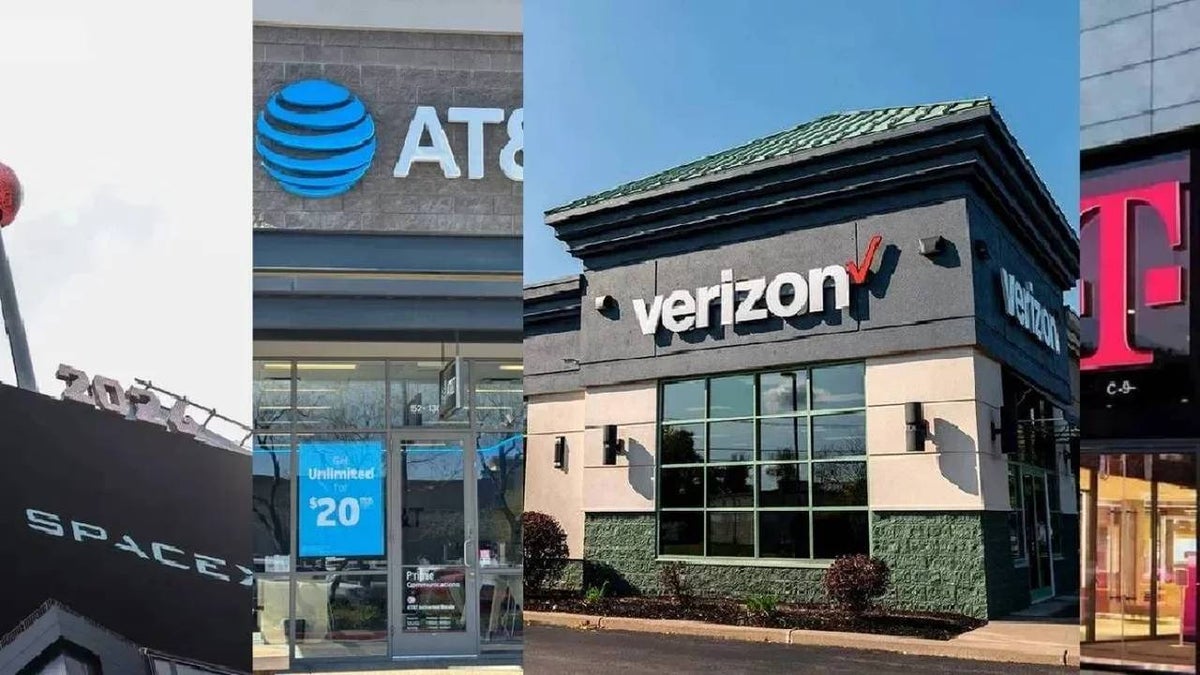
Clear and flexible rules would make satellite players more competitive. | Image by PhoneArena
SpaceX wants Starlink to be more than a satellite broadband provider. As its plan to deploy a cellular network takes shape, the company has been acquiring spectrum and hunting for cell tower deals.
The FCC also plans to do away with rigid rules that force satellite operators to request waivers. It wants to remove geographic restrictions, making it easier for satellite companies to leverage terrestrial spectrum.
The FCC also wants to phase out SCS leasing conditions under which satellite players must strike an agreement with a carrier to access spectrum.
Additionally, technical restrictions may be relaxed to allow wider spectrum usage for D2D services. The Commission is also considering granting exclusive rights for select mobile-satellite service (MSS) bands.
Appropriate standards will also be set for D2D performance.
The FCC called out the wireless industry for spending more on legal fees to "block each other from using spectrum" rather than investing in new services. The FCC envisions a multi-player market with defined rules and spectrum abundance. Keeping in mind the concerns raised by AT&T, T-Mobile, and Verizon, the FCC noted that its final decisions will be guided by engineering data.
Meanwhile, the Federal Communications Commission (FCC) is pushing forward to modernize the regulatory framework for satellite companies like Amazon LEO, Rocket Lab, and SpaceX.
In an apparent attempt to keep their customers from fleeing to new rivals in the connectivity space, AT&T, T-Mobile, and Verizon urged the FCC not to open up the Time-Division Duplex (TDD) band to satellite players and subject them to the same rules that govern terrestrial networks. The FCC, however, seems far more interested in modernizing rules.
The FCC has proposed regulatory changes to eradicate hurdles faced by Direct-to-Device (D2D) players. The FCC is advocating more flexible arrangements to accelerate next-generation connectivity.
The FCC aims to update the Supplemental Coverage Space (SCS) framework to make more spectrum available for D2D services. It has proposed increasing the number of bands that SCS can access from five to 13 and unlocking an additional 482 MHz of spectrum.
In an apparent attempt to keep their customers from fleeing to new rivals in the connectivity space, AT&T, T-Mobile, and Verizon urged the FCC not to open up the Time-Division Duplex (TDD) band to satellite players and subject them to the same rules that govern terrestrial networks. The FCC, however, seems far more interested in modernizing rules.
Making more spectrum available for D2D
The FCC has proposed regulatory changes to eradicate hurdles faced by Direct-to-Device (D2D) players. The FCC is advocating more flexible arrangements to accelerate next-generation connectivity.
For one, we are looking to free up more spectrum for D2D—including through auctions, secondary market transactions, and unlicensed spectrum. For another, we have provided certainty about spectrum rights.
Brendan Carr, FCC chairman, October 2026
What should carriers do to fend off competition from satellite operators?
1 Votes
Getting rid of burdensome requirements
The FCC also plans to do away with rigid rules that force satellite operators to request waivers. It wants to remove geographic restrictions, making it easier for satellite companies to leverage terrestrial spectrum.
Additionally, technical restrictions may be relaxed to allow wider spectrum usage for D2D services. The Commission is also considering granting exclusive rights for select mobile-satellite service (MSS) bands.
Appropriate standards will also be set for D2D performance.
In all of this, we are constantly looking to remove regulatory restrictions that no longer serve a useful purpose.
Brendan Carr, FCC chairman, October 2026
Removing uncertainty
The FCC called out the wireless industry for spending more on legal fees to "block each other from using spectrum" rather than investing in new services. The FCC envisions a multi-player market with defined rules and spectrum abundance. Keeping in mind the concerns raised by AT&T, T-Mobile, and Verizon, the FCC noted that its final decisions will be guided by engineering data.
Rather than investing billions of dollars and building new services, we entered 2025 with companies paying lawyers to file endless rounds of pleadings in an effort to block each other from using spectrum. It was not a recipe for America to lead the world in D2D.
Brendan Carr, FCC chairman, October 2026

Popular stories

Latest News




Things that are NOT allowed:
To help keep our community safe and free from spam, we apply temporary limits to newly created accounts: