Apparently, lawmakers in Wisconsin are looking to ban the use of VPNs. Previously, lawmakers in certain states made it so you had to show your government-issued ID before you could see some content (age verification laws). Now, people use VPNs to bypass it, and certain lawmakers are looking to ban VPNs.
Wisconsin lawmakers targeting VPN use to protect children
A.B. 105/S.B. 130 is a bill that aims to help protect children online. It's related to age verification, and would require websites that show content that could be seen as "sexual" to implement an age verification system and block your access if you're using a VPN.
Surfshark VPN: 88% off 24-month subscription
€61
83
€484
65
€423 off (87%)
Grab the Surfshark One VPN subscription for 24 months, and you can now save 87%. The subscription costs just €2.29/mo, or €61.83 for 27 months. Why 27? Because you're getting three extra months! Don't miss out.
Additionally, the bill expands the definition of content that could be deemed harmful to minors. Potentially, stuff like depictions and discussions of human anatomy, sexuality, and reproduction could also be included under the harmful content banner.
Image Credit - PhoneArena
The bill has passed the State Assembly and is moving through the Senate. If it becomes law, Wisconsin will become the first state where you can't access certain content if you're using a VPN service. Michigan had a similar legislation that was proposed. Meanwhile, in the UK, lawmakers are calling VPNs a "loophole that needs closing."
Recommended For You
VPN: how it works and could such a law help
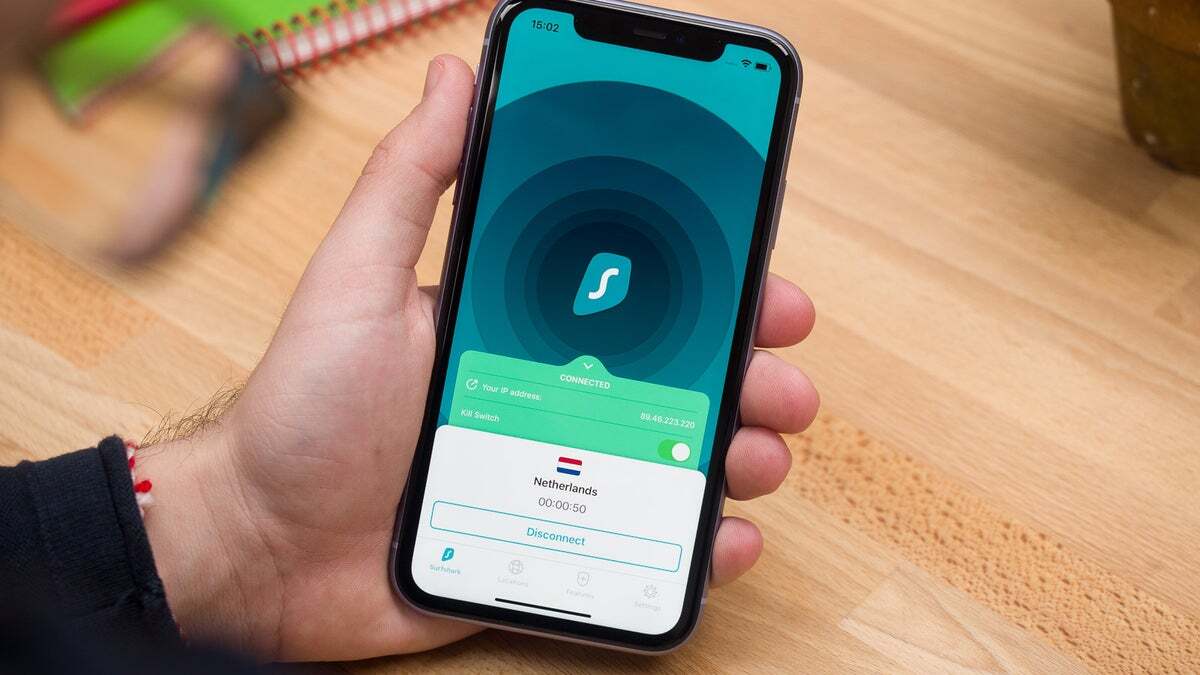
What VPN services do is mask your real location by routing your traffic through a server based somewhere else. When you go to a website using VPN, the website sees your VPN's IP address, not your real one.
However, websites can't tell where the users using the VPN are located. Basically, there's no way of knowing if the user is in Wisconsin or somewhere else entirely.
So what could happen instead is that certain websites may stop working in Wisconsin or block all VPN users. Which, obviously, is far from ideal.
Do you use a VPN to protect your privacy online?
225 Votes
Yes, always
59.56%
Sometimes
32%
No, never
8.44%
In the meantime, almost everyone on the internet uses VPN services nowadays. For example, remote employees for businesses use VPNs, and students need VPNs for school (in order to access certain databases, libraries, or course materials). But that's not all. Activists, journalists, domestic abuse survivors, and other vulnerable people rely on VPNs to ensure their safety.
And last but not least, regular people also want privacy, and maybe not everyone is okay with websites gathering their real location and selling it to advertisers.
Meanwhile, websites can get hacked, and government IDs, biometrics, and all sorts of things required by said websites to give you access to content can get stolen. Unfortunately, that could also be one of the consequences of such a decision.
Maybe lawmakers are taking the wrong approach
The topic of children's safety online and adults' freedom online is a complicated one. Of course, everyone wants children protected from what could be hidden on the internet. However, adults are also entitled to their freedom, and I think it's not a great idea to require official documents to be sent online to random websites out there. Or blocking VPN use.
I just know that hackers can get anything they want from websites, and we've seen countless cases where sensitive data has leaked.
Potentially, the better approach would be investing in the education of children about the dangers online, as well as educating parents on how they can protect their children. In my opinion, blocking VPNs (which is almost equal to blocking a person's right to being private on the internet) is too extreme. Potentially, it won't even work.
The root cause of children getting harmed online needs to be addressed and discussed, instead of forcing adults to allow themselves to be surveilled. Education for children, better tools for parents to ensure their children are as safe as possible online, would be, in my opinion, what we need.
Mint Mobile's 6-month plans now cost $10/mo
$10
/mo
$35
$25 off (71%)
Mint Mobile is celebrating its 10-year anniversary with a special offer on its six-month subscription plans. For a limited time, you can get your preferred tier (6GB, 17GB, 23GB or unlimited) for just $10/mo. That saves you between 50% and 71% on the carrier's mobile plans, making it way easier to recommend.
Iskra Petrova is a news writer at PhoneArena, where she covers mobile tech news and maintains the site’s device hubs with the latest leaked specs, rumors, and official details for upcoming phones. She joined PhoneArena in 2020 after three years in technical support for Microsoft Exchange, giving her practical experience with software infrastructure and troubleshooting. Iskra holds a Master’s Degree in Literature, which helps her translate complex tech details into clear, reader-friendly coverage. She is a daily Apple ecosystem user, while also closely following Sony Xperia’s camera-focused phones and Samsung’s Galaxy Z Flip series.
A discussion is a place, where people can voice their opinion, no matter if it
is positive, neutral or negative. However, when posting, one must stay true to the topic, and not just share some
random thoughts, which are not directly related to the matter.
Things that are NOT allowed:
Off-topic talk - you must stick to the subject of discussion
Offensive, hate speech - if you want to say something, say it politely
Spam/Advertisements - these posts are deleted
Multiple accounts - one person can have only one account
Impersonations and offensive nicknames - these accounts get banned
To help keep our community safe and free from spam, we apply temporary limits to newly created accounts:
New accounts created within the last 24 hours may experience restrictions on how frequently they can
post or comment.
These limits are in place as a precaution and will automatically lift.
Moderation is done by humans. We try to be as objective as possible and moderate with zero bias. If you think a
post should be moderated - please, report it.
Have a question about the rules or why you have been moderated/limited/banned? Please,
contact us.









Things that are NOT allowed:
To help keep our community safe and free from spam, we apply temporary limits to newly created accounts: