The iPhone 18 Pro doesn't need to start a new fire. It just needs to keep the iPhone 17 fire alive until the iPhone 20 – the anniversary job – arrives in 2027.
The phenomenal success of the iPhone 17 family is happening in a very interesting context. While the US' overall smartphone market is declining almost 6% in Q1 2026 (compared to 2025), Apple's smartphone sales grew 1.3% year-over-year at home.
And we're in the middle of the RAMpocalypse storm. Hey, I hope it's the middle; fingers crossed that this isn't only the beginning.
Because of it, both the vanilla Galaxy S26 and the iPhone 17 Pro arrived with a $100 price hike last September. But not even Apple's new $1,099 price drove people off: Apple really hit a gold mine with the iPhone 17 series.
We got meaningful upgrades both on the outside and inside and people responded. We voted with our wallets.
Dreaming about a repetition of that same phenomenon with the iPhone 18 is unreasonable.
The iPhone 18 series is shaping out to be a nice, safe, boring and predictable upgrade over the iPhone 17. There's nothing wrong with that – real upgrades happen once every two years (or more).
But Apple is about to make a mistake if it pours unnecessary upgrades on the iPhone 18 Pro.
Recommended For You
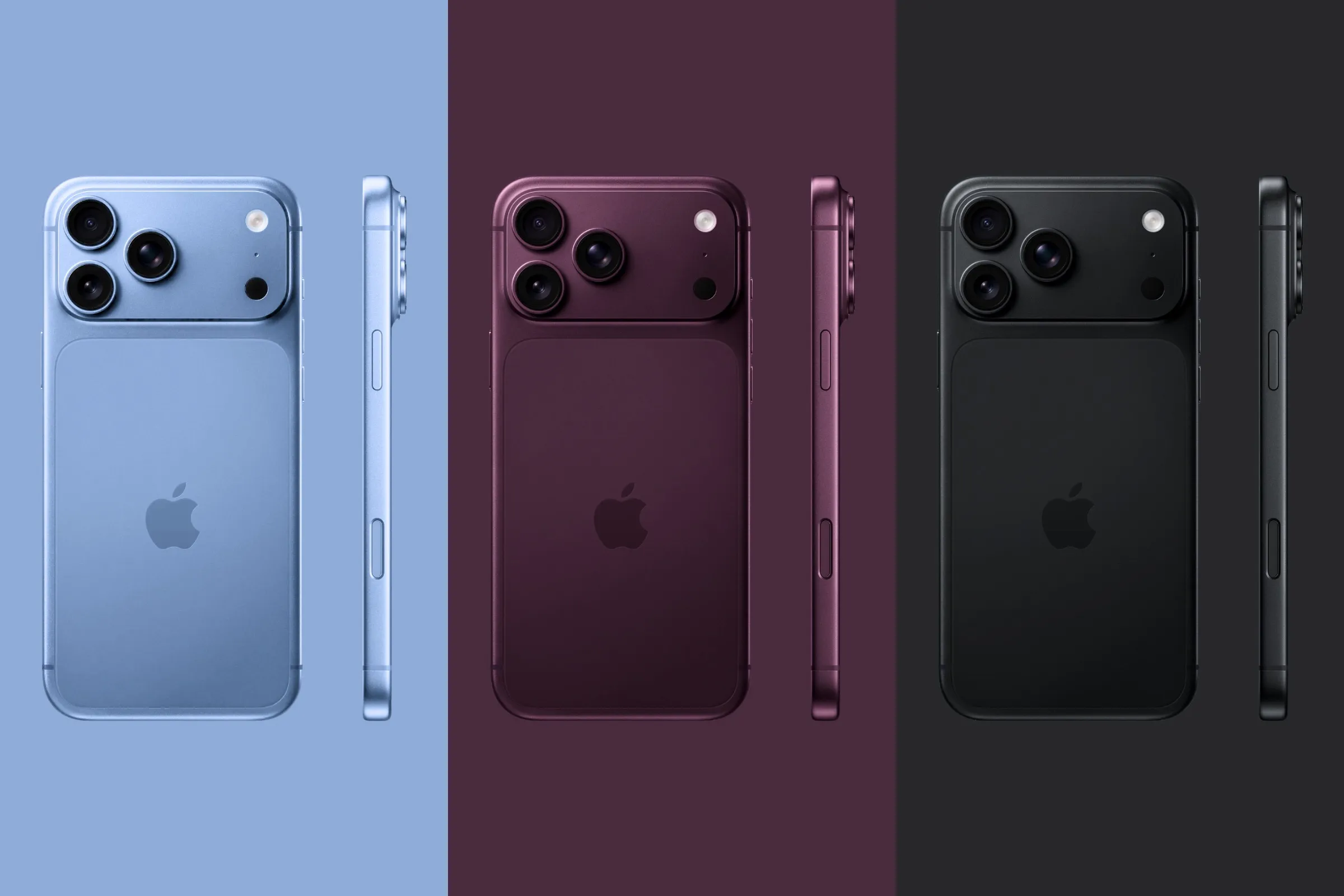
Miss me with that variable aperture!
Unofficial iPhone 18 Pro renders. | Image by Macworld
This, if rumors hold true, could cause prices to go up once again, since a variable aperture requires more hardware.
I hope this doesn't happen and if Apple manages to keep the $1,099 starting price for the iPhone 18 Pro by NOT installing a variable aperture, that'd be great.
Beyond money, there's the actual question of practicality.
A variable aperture is not essential in a smartphone. That's due to the small sensors that are found in Galaxies and iPhones. Yes, even the 1-inch "monster" sensors in Oppo and Xiaomi flagships pale next to full-frame or crop sensors in dedicated cameras.
Small sensors already give the camera a naturally large depth of field (everything is in focus). Even when a smartphone lens is wide open at f/1.8 or f/1.6, the actual focal length is only a few millimeters, which means much of the scene remains in focus.
Closing the aperture to f/2.8 or f/4.0 does increase depth of field, but the difference is often subtle because the image was already relatively sharp from foreground to background. This is very different from a DSLR or mirrorless camera, where a large sensor and longer focal lengths allow aperture changes to dramatically alter the look of an image.
On dedicated cameras, aperture is one of the most important creative controls. Those bokeh-rich (blurred backgrounds) portraits are usually taken with an f/1.4 aperture lens. If you "stop down" the lens to f/8 or f/11, most of the scene appears in focus.
The larger the sensor, the more pronounced these differences become.
Our handsets rely on software tricks to simulate effects that cameras achieve optically. Portrait mode, for example, uses depth maps and software processing to create background blur that would be impossible to achieve naturally with a small sensor and a tiny lens.
Who benefits from a variable aperture?
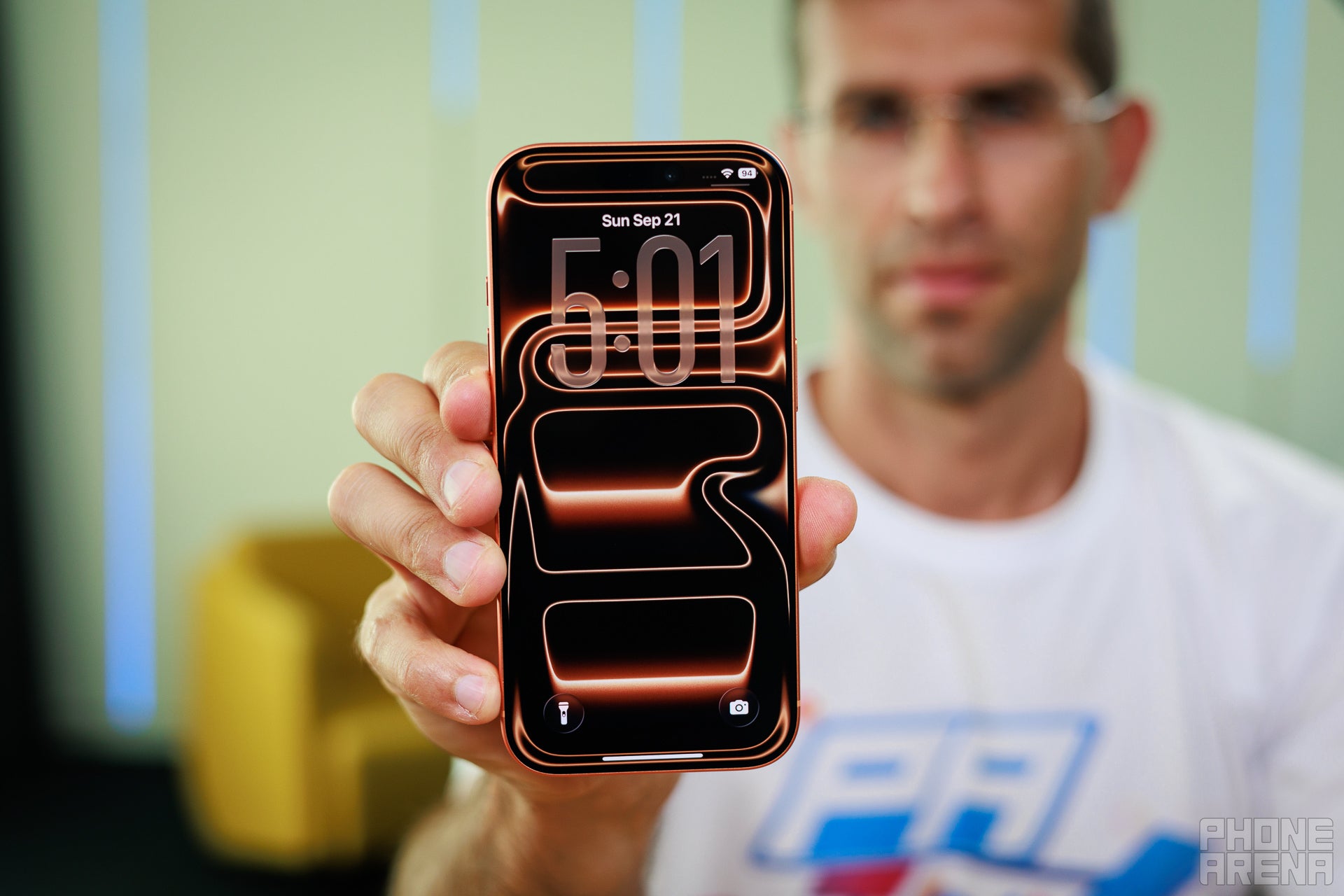
The iPhone 17 Pro doesn't have one… and it's still a hit. | Image by PhoneArena
A variable aperture can be genuinely useful for videographers. Video is typically shot at fixed shutter speeds to maintain natural motion blur, so exposure adjustments can't rely on shutter speed as freely as they can for photography.
In bright conditions, closing the aperture allows the camera to reduce the amount of incoming light. A smaller aperture can also improve edge sharpness and reduce optical imperfections in some lenses.
Why not something else?
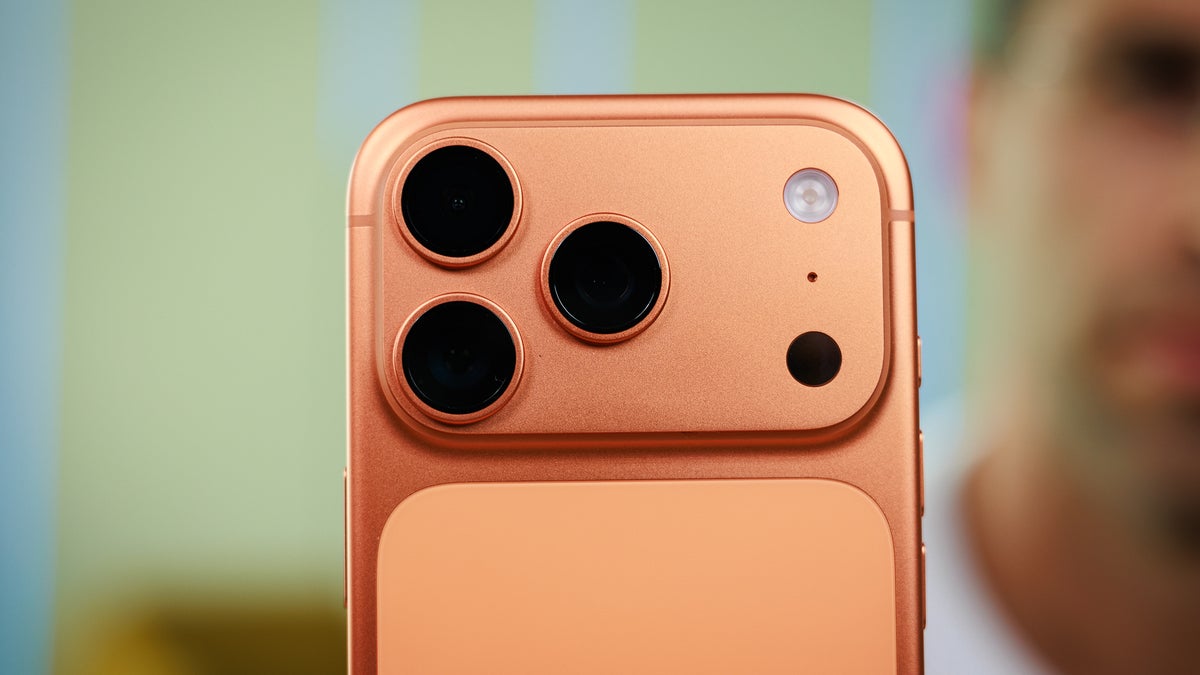
Like, a bigger battery? | Image by PhoneArena
If Apple wants to push the envelope and drive prices up regardless, I think there are better options to choose from instead of the variable aperture (which takes space, adds moving parts and increases complexity).
Why not come up with a 1-inch sensor camera in your iPhone, Apple? Or, a better stabilization system, or simply a larger (fixed) aperture on the telephoto.
Anyway, I just hope Apple doesn't invest in a variable aperture for the iPhone 18 Pro or the iPhone 20. Instead, it could stun us with… a bigger battery? Yeah, that's probably not happening, per the latest rumors.
A man can dream though.
Trade in your old phone for cash at ecoATM!
Recycle your used phone and get instant cash. Find out how at ecoATM!
Sebastian is one of PhoneArena’s senior opinionators. A veteran news writer with almost 20 years of experience in media and technology, he not only covers all the hot news about Galaxies and iPhones, but often provides hot takes on industry trends. He’s fascinated with camera-focused flagships from the likes of Oppo and Vivo, as well as foldable phones.
A discussion is a place, where people can voice their opinion, no matter if it
is positive, neutral or negative. However, when posting, one must stay true to the topic, and not just share some
random thoughts, which are not directly related to the matter.
Things that are NOT allowed:
Off-topic talk - you must stick to the subject of discussion
Offensive, hate speech - if you want to say something, say it politely
Spam/Advertisements - these posts are deleted
Multiple accounts - one person can have only one account
Impersonations and offensive nicknames - these accounts get banned
To help keep our community safe and free from spam, we apply temporary limits to newly created accounts:
New accounts created within the last 24 hours may experience restrictions on how frequently they can
post or comment.
These limits are in place as a precaution and will automatically lift.
Moderation is done by humans. We try to be as objective as possible and moderate with zero bias. If you think a
post should be moderated - please, report it.
Have a question about the rules or why you have been moderated/limited/banned? Please,
contact us.






Things that are NOT allowed:
To help keep our community safe and free from spam, we apply temporary limits to newly created accounts: