Google co-founder reveals when he discovered he wasn't the next Steve Jobs
Sergey Brin, co-founder of Google, was in the middle of launching a new product when he discovered something important.
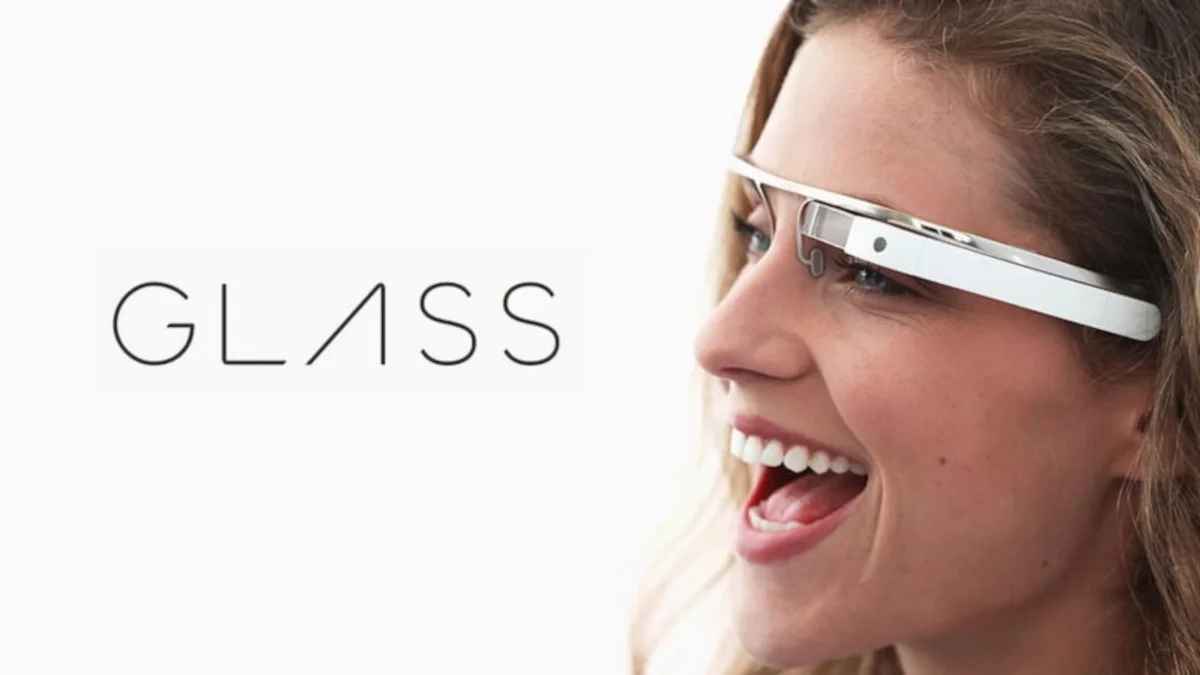
On April 4th, 2012, Google captured the attention of a world that was half a decade into a new mobile reality. That morning, Google released a video showing off its new Project Glass device that came from the tech firm's secret Google X Labs. The video showed how a pair of Augmented Reality glasses, dubbed Google Glass, could help a user navigate, take photos, engage in video chats, schedule appointment, get reminders, and much more. And all of these features can be accessed using verbal commands with icons and images right in front of users' eyes.
The original Google Glass was way overpriced, and users were considered stalkers
Google started developing Google Glass Basecamps where those purchasing Google Glass could get fitted. But several issues prevented Google Glass from becoming the next iPhone. Pricing was one of those issues as Google priced the Explorer pair for $1,500 at a time when the global average for a smartphone was $300 to $350. Then there was the "Glasshole effect." People wearing Google Glass were considered creepy stalkers who could take photos of people without them knowing it. Some bars even banned Glass wearers from entering.
Next year, Google plans on releasing audio-only glasses that will use Gemini as an AI assistant. Recently, Google explained its plans to capture a segment of the mobile market that I expect to see growing rapidly as capabilities expand. As Google explained, the audio-only specs "which use built-in speakers, microphones and cameras to let you chat naturally with Gemini, take photos and get help."
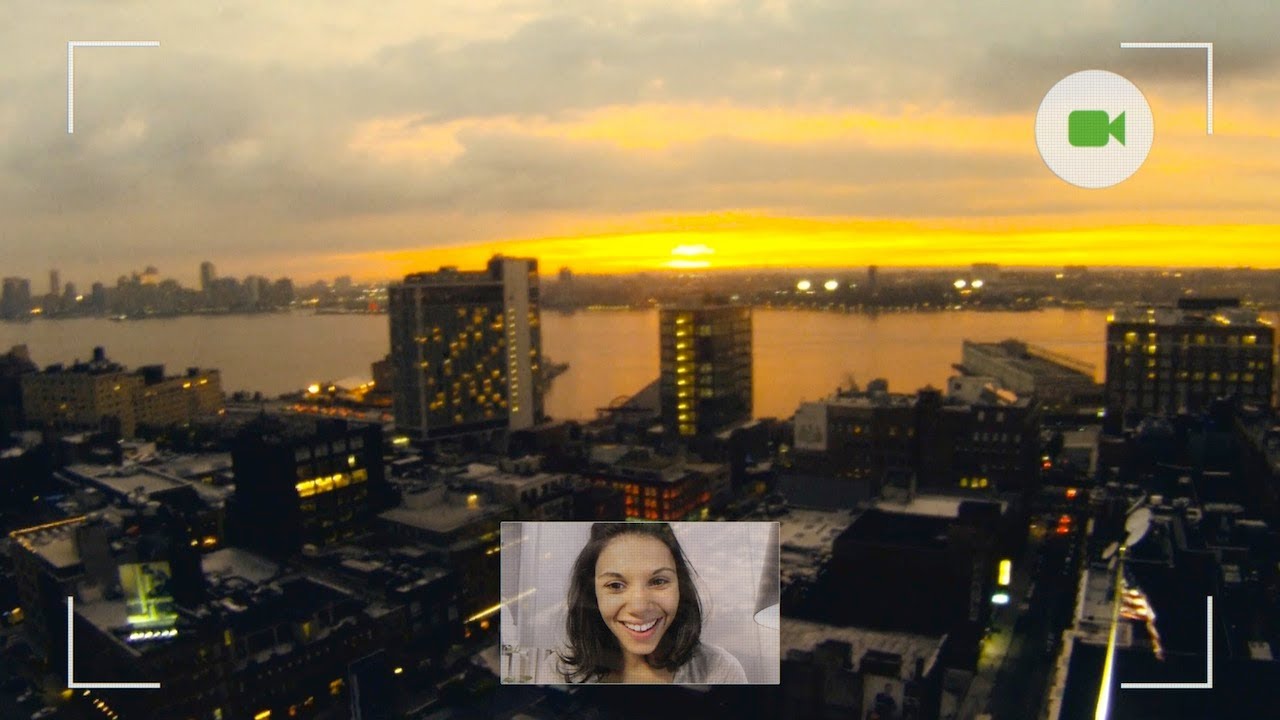

As for the AI display glasses those will add an in-lens display that privately shows you helpful information, right when you need it. That information could include turn-by-turn navigation or language translations. The audio-only glasses are expected to be released next year; the AI display glasses seem to be more in line with the original expectations of Google Glass.
Google co-founder Brin felt that he was the next Steve Jobs
Google co-founder Sergey Brin took some time to discuss what happened with Google Glass and why the device never reached its potential. Brin admitted that at the time that Google Glass was publicly unveiled, he felt like the next Steve Jobs. And while some saw Google Glass as the next logical step after smartphones, this never happened.
Will smart glasses ever replace smartphones?
55 Votes
AR Glasses have a good chance to replace phones.
20%
No way.
38.18%
It's too early to say.
41.82%
Brin spoke with Inc. and had some advice for would-be entrepreneurs. "When you have your cool, new wearable device idea, really fully bake it before you have a cool stunt involving skydiving and airships," Brin said. "That's one tip I would give you. I think I tried to commercialize it too quickly, before, you know, we could make it more, you know, as cost-effectively as we needed to and as polished as we needed to from a consumer standpoint and so forth," Sergey stated. "I sort of, you know, jumped the gun and I thought, 'Oh, I'm the next Steve Jobs, I can make this thing. Ta da.'"
The question about smart glasses that still needs to be answered
By January 2015, the Explorer program was dead. Despite this, some were continuing to hold out hope that smart glasses as a product could still thrive. In 2017, former Piper Jaffray analyst Gene Munster said that Apple's smart glasses would be bigger than the iPhone.
This time around, Google will be able to take advantage of AI, a development that certainly could make the new glasses extremely useful. Faster processors are now available, and battery technology has improved. Despite the ability of Google to build a product that is a big improvement over Google Glass, the large question still looms. Will the product live up to Brin's original expectations, the expectations that had him believing that he was the next Steve Jobs? In other words, will smart glasses ever replace the smartphone as the main device used by the public to share news and communicate with others. The answer to that question is still up in the air.


Popular stories
Latest News
Things that are NOT allowed:
To help keep our community safe and free from spam, we apply temporary limits to newly created accounts: