Editorials · Reviewer Insight
Is Google preparing to win in the next major smartphone evolution?
We are in the post-performance smartphone era. What's next? Google may have a plan
This article may contain personal views and opinion from the author.
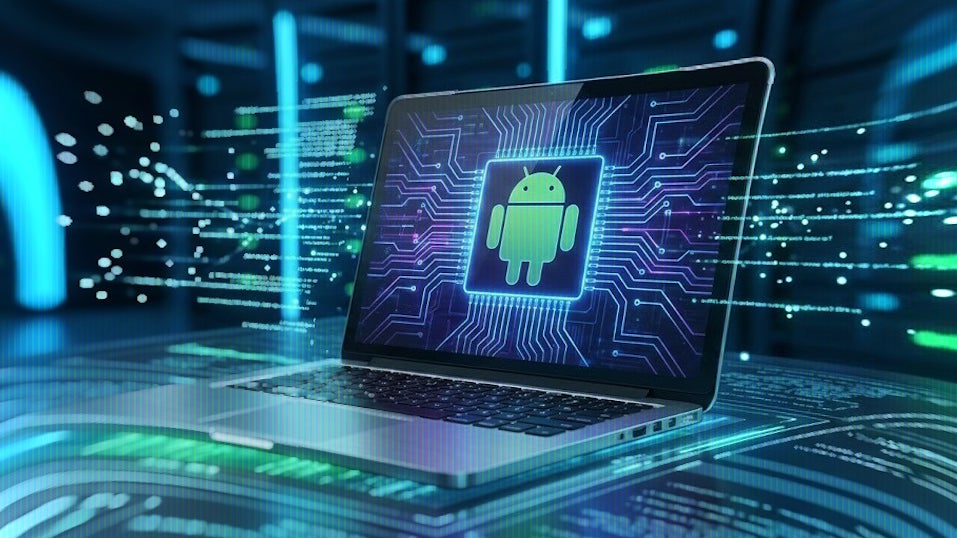
In the future, Android will be everywhere, but it won't be Android | Image by PhoneArena generated via Nano Banana
We are slowly and surely coming up on a post-performance smartphone era. Some might say… we are already in it.
What do I mean? Well, the tech is so good that even midrange phones from two years ago are still very much usable, probably even updated to the latest operating system. Or, at the very least, they are up on security patches.
It is clear that hardware has come to a point where we can have decent processors for far less than the $1k price-tag that flagships flaunt around. Speed in smartphones is more of a commodity than a luxury nowadays. You don’t notice you have it, you only notice when it’s not there.
But there’s another problem on the horizon
It’s a hot topic, we’ve all heard about it, we are sick of talking about it — the current hype and super-investing in AI data centers, which is driving the prices of hardware up. Like way, way up. RAM went up triple, and Samsung Semiconductor literally couldn’t supply enough chips to Samsung Electronics because it had already accepted massive orders for silicon.
Nothing co-founder Carl Pei certainly thinks so
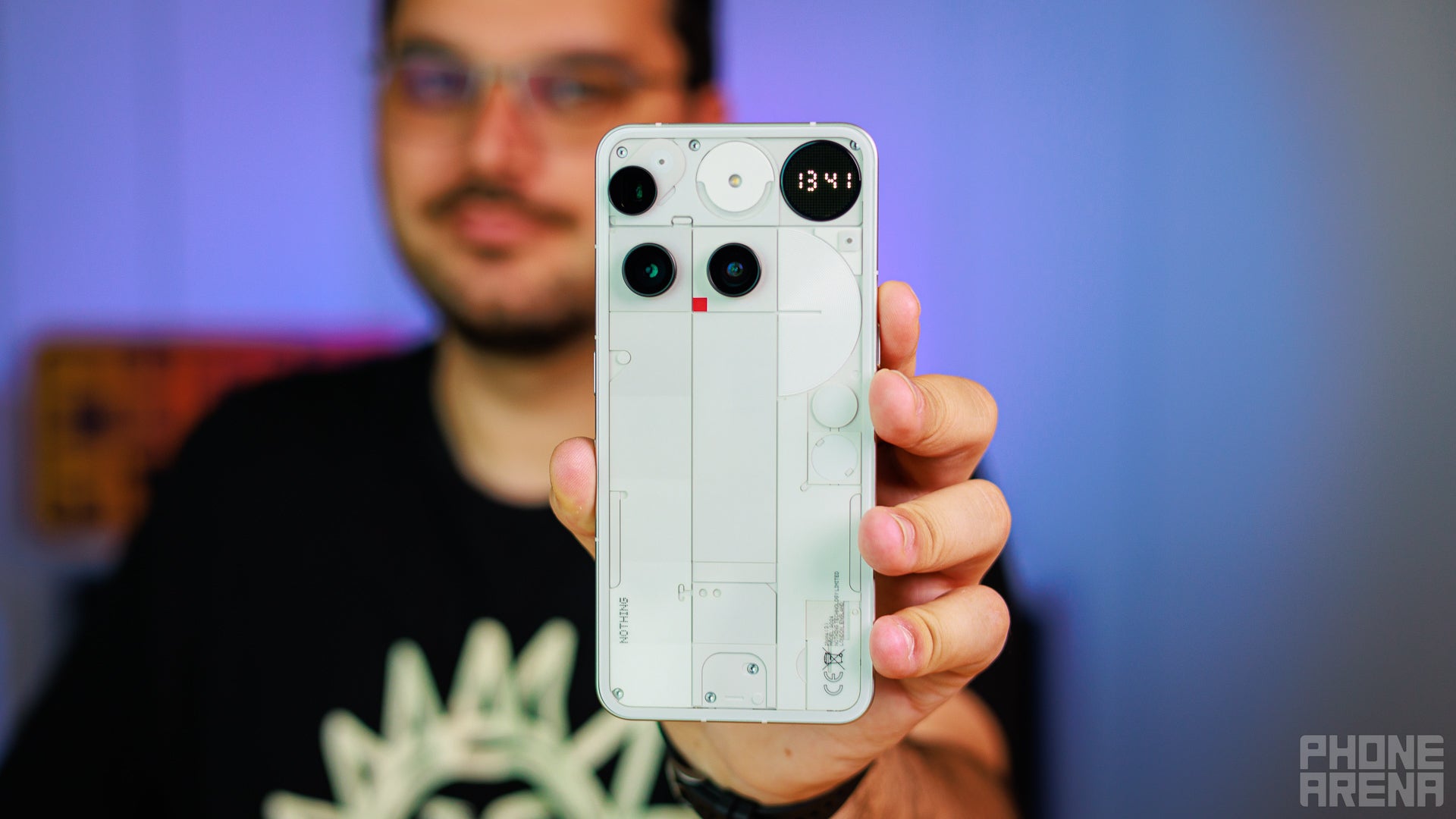
Nothing - out-of-the-box thinking, out-of-the-box phones | Image by PhoneArena
Carl Pei wrote an article on X, specifically about this point — smartphones will either get boring, or go up in price by about 30%.
Or they will have to focus on developing a unique, user-focused experience that sets them apart from the flock.
Sure, you could say Mr. Pei wrote that long post partly as an ad for his current company — Nothing. A company that very notably doesn’t focus on packing top-tier hardware, but focuses on being quirky, unique, and add out-of-the-box, user-oriented features.
I generally agree with what Mr. Pei said — it just so happens I wrote something similar in January, though my take on it was “just buy last year’s phones”.
In a post-specs era, products need to bet on “cohesive identity”
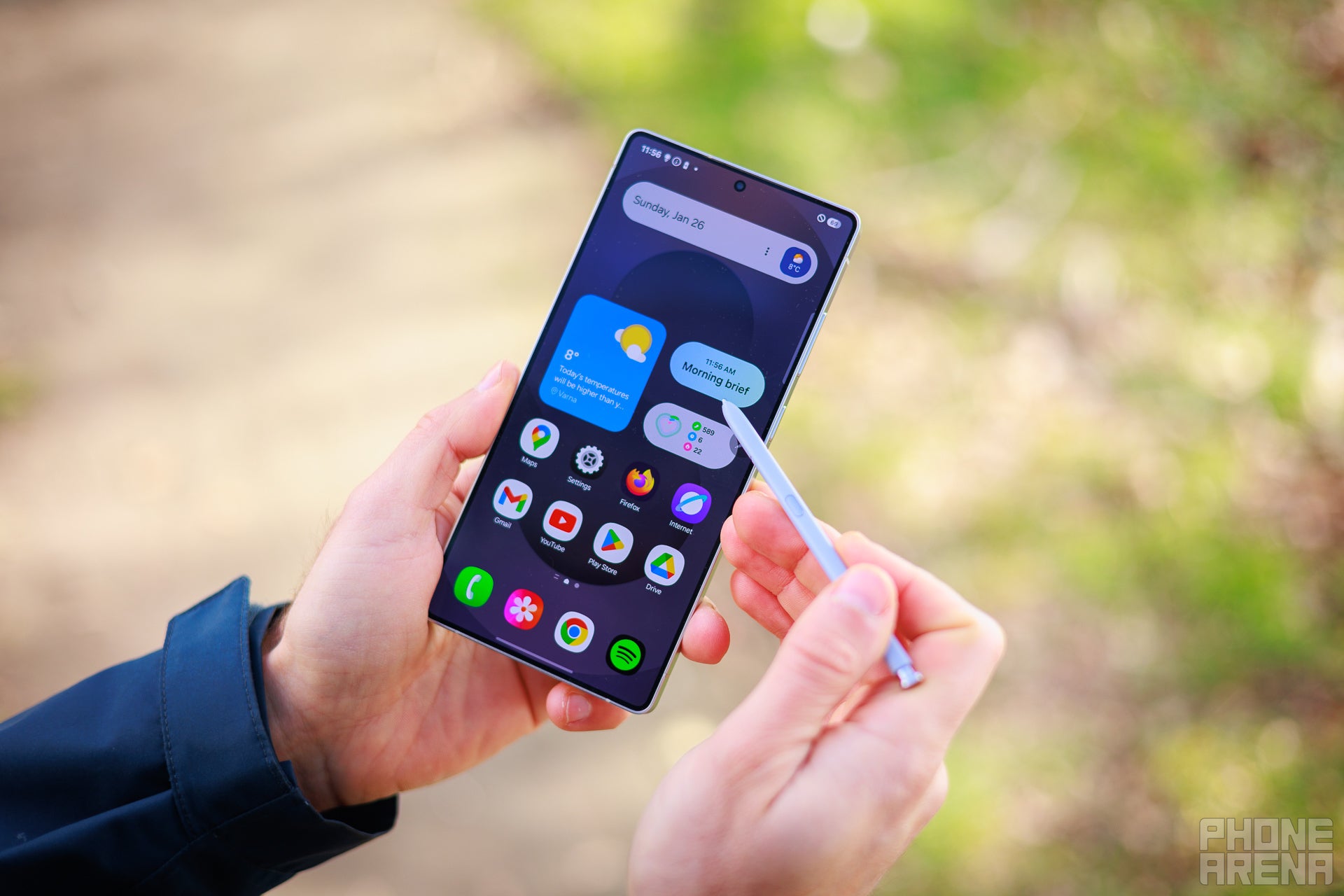
The Galaxy S25 Ultra offers a huge suite of features, but it's not just about the phone | Image by PhoneArena
Looking back at my past couple of years of phone reviews, I am typically pretty content with using any device. But there are the few outliers, where I couldn’t wait to get my SIM card out and on to a “better” phone.
What’s the most common thing about them? Bland, boring, soulless user experience. Sure, you get the basics, you get a working Android OS, but not much else. No shortcuts for ease of use, no extra features to expand productivity, no fun customization, no exclusive apps or functions.
If you think about it, that’s how Apple has had a lockdown on its users for years now. Yeah, tech enthusiasts have waxed poetically about how little RAM an iPhone had, or how its display was this and that, and its bezels were thick, so on and so forth.
But Apple has always put its eggs in the user experience basket. The “It just works” mantra, which annoys people who like to twiddle and adjust things, but keeps most users happy; the ecosystem that gets Macs, iPhones, iPads, and AirPods to work together as a team; the exclusive apps, coded by developers that were enticed by the combination of little hardware variation to code for, and a large captive audience.
Hardware and software as a package
To go back to Carl Pei’s point, he did state that modern digital products need to be designed from the ground up in a way that the hardware and software complement each other. To be fair, this has been Nothing’s mission ever since the company was first conceived.
Obviously, he is on to something.
But what exactly is that package we are looking for? I think I boiled it down to three main core components:
1. At the very top, we need the perfect tactile experience. A phone made with materials that feel nice to the touch, and a finish that complements that. Clicky buttons that are not too shallow, yet not too deep or rattly.
2. Then, we need a software experience that’s more than just a bucket list of “what’s hip right now”. And we do know for a fact that most manufacturers just throw together software features that their competitors revealed a month ago, and then call it a day.
The “better” way to design an ecosystem is not to lock users in through exclusivity and the threat of losing out on features if you leave. It’s to design it so well that users enjoy using it and don’t even want to. I think that even Apple is coming around to this reality, which is why we keep seeing the company “opening up” those walled gardens just a little bit lately.
Is AI the next step in UX improvement?
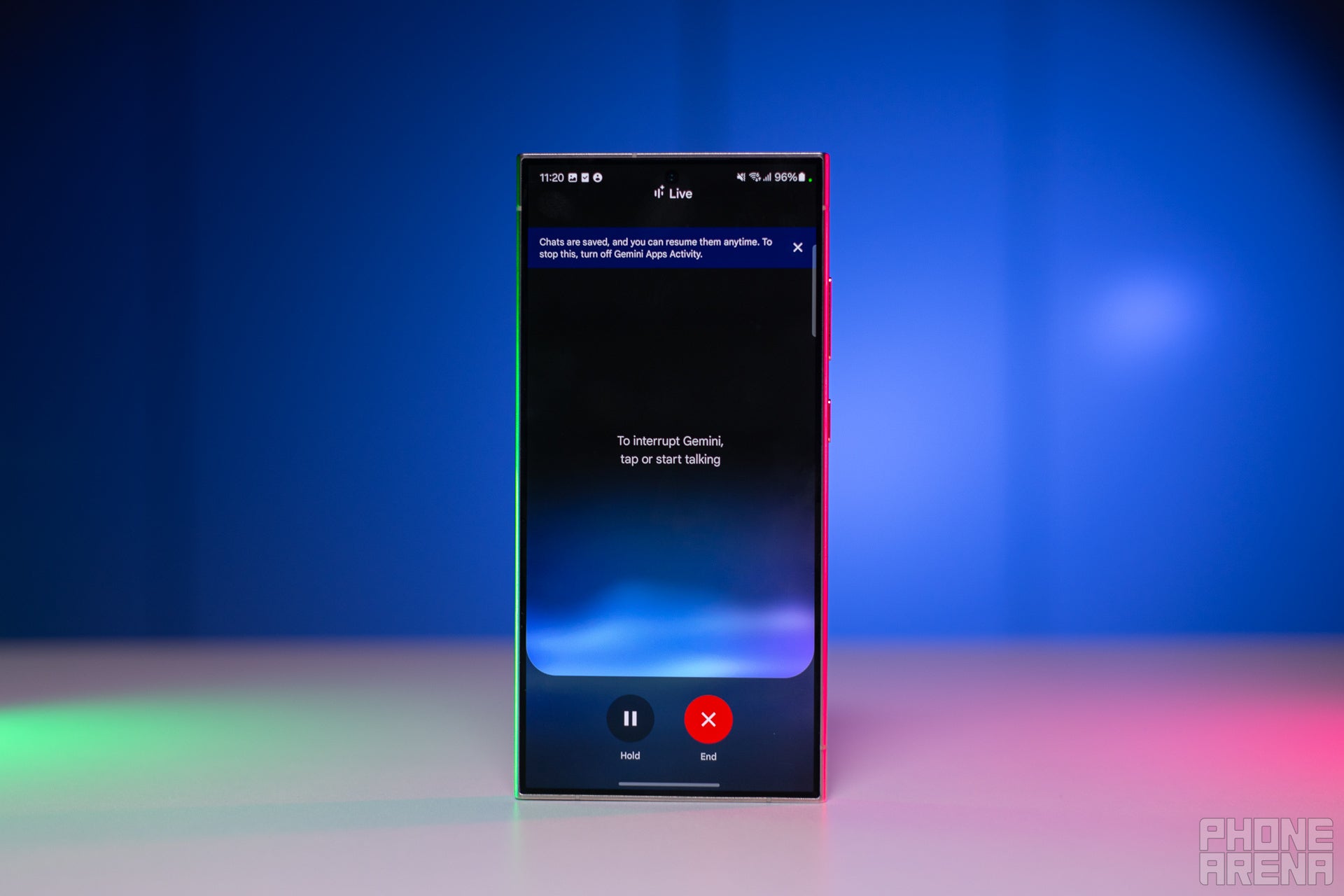
Talk more, tap less | Image by PhoneArena
Everyone is betting hard on that, with developers talking up agentic AI. Tech enthusiasts are envisioning a post-homescreen era, where we won’t even need apps. Just tell your smartphone what you want it to do, and the AI agent will go through multiple apps and services to do it. The phone’s screen will only be used to look at pretty animations while the AI is doing its thing, or binging Netflix, I guess.
Even doubly so, now that hardware is going stale. Phone makers really need to dig in and think out of the box on what types of experiences they can bring to users with the kit they already have.
Few of them seem to be doing that right now.
Google is gearing up to win that next battle
I am currently rocking a Pixel 10, in an attempt to gather long-term experiences and opinions with it for upcoming content. But here’s a spoiler — I’m moving away from it when I am done.
It’s… Android. With creamy colors, plasticky icons, and flat widgets. The phone doesn’t “do much”. The occasional extra AI fluff feature is fun and all, but with such a bare-bones experience, there’s just very little to latch on to as someone who digs into smartphones for a living.
We can kind of get a glimpse of an intra-connected ecosystem with Google’s Magic Cue, which works like Apple Handoff, but smarter. Intelligently suggesting to swap Meet calls between your phone and tablet, based on whether you are on the move or not. And intelligently pulling up a Maps route on your Pixel Watch 4, when you were just looking up a location on your phone.
But getting an unpredictable notification that just happens to be useful every now and again is far from serving user intent.

Android and Chrome OS on all the things | Image generated by PhoneArena via Nano Banana
The bad news? Word is that public release of Aluminium OS has been delayed to 2028 at worst. At best, “Trusted Testers” will get to see it in late 2026.
What will happen to strong Android partners like Samsung when Aluminium OS launches? Sounds like we are in for another exciting ride in the smartphone world, that’s what!


Popular stories

Latest News

Things that are NOT allowed:
To help keep our community safe and free from spam, we apply temporary limits to newly created accounts: