You know what I’ve never heard someone say? “I wish my phone could rephrase my text to my bestie and add some custom-generated emoji on my behalf!”
Yet here we are.
Do you know what I’ve been hearing people complain about over the past seven or so years?
“Man, that camera cutout smack dab in the middle of my screen sure doesn’t look great!”
What if I tell you that it doesn’t have to be this way?
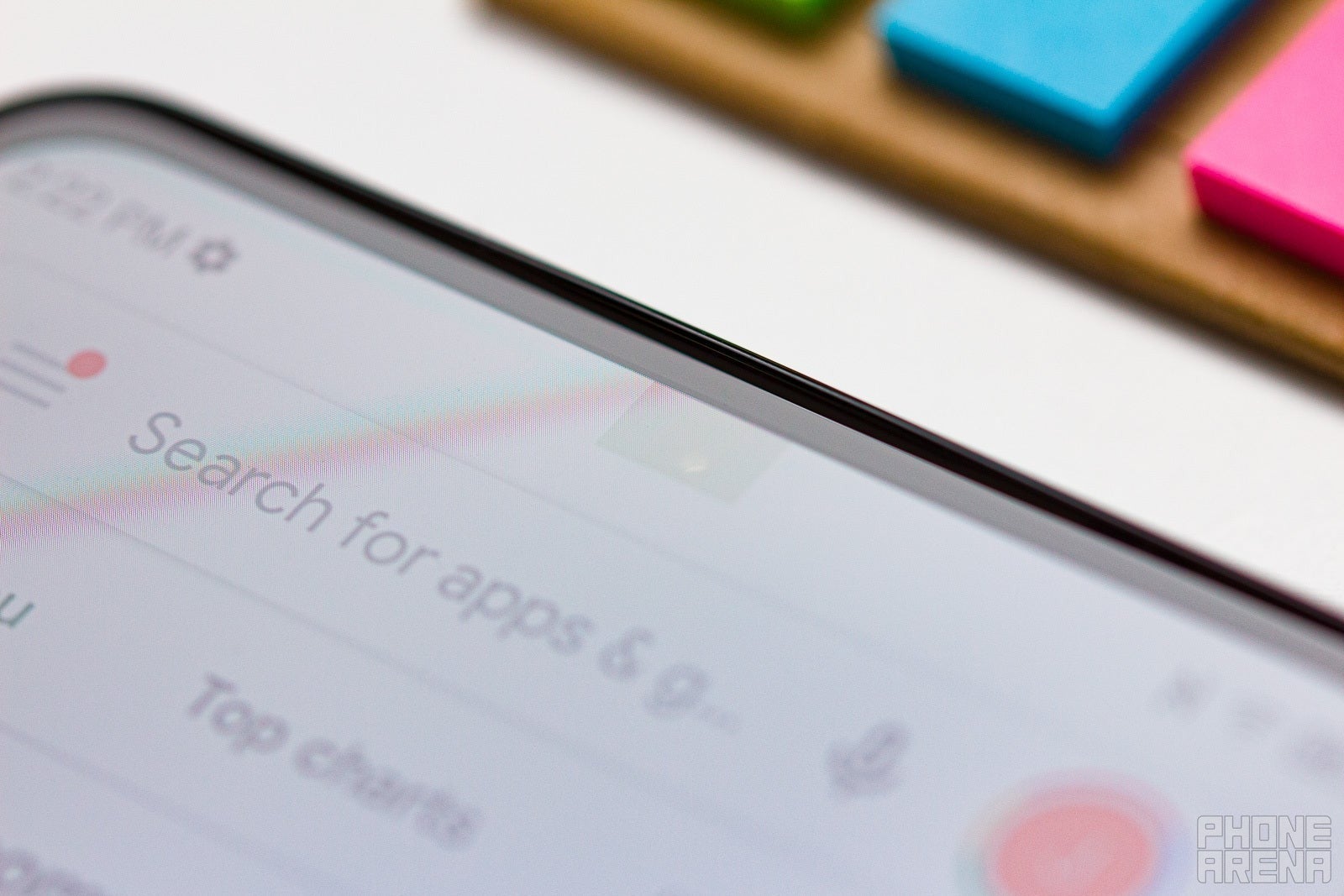
The industry kind of promised to fix this, then kind of forgot to
ZTE Axon 30 in 2021 (Image credit - PhoneArena)
A few years ago, there was steady development of under-screen-camera tech. ZTE was releasing smartphones that were getting better and better at hiding the punch hole, and even Samsung dabbled in it from the Galaxy Z Fold 3 to Galaxy Z Fold 5.
Things were looking up.
Well, Apple wasn’t really into it. In fact, Cupertino went the other way — it surrounded the notch with a layer of black pixels and called it the Dynamic Island feature. A few years after that, Android phones are doing it as well.
My point is, companies seem to have given up on the venture into under-screen camera tech.
Motorola teased us with the Motorola Edge X30 Special Edition, which was a limited edition for Asian markets back in 2021. Then — no further development of UDC.
Recommended For You
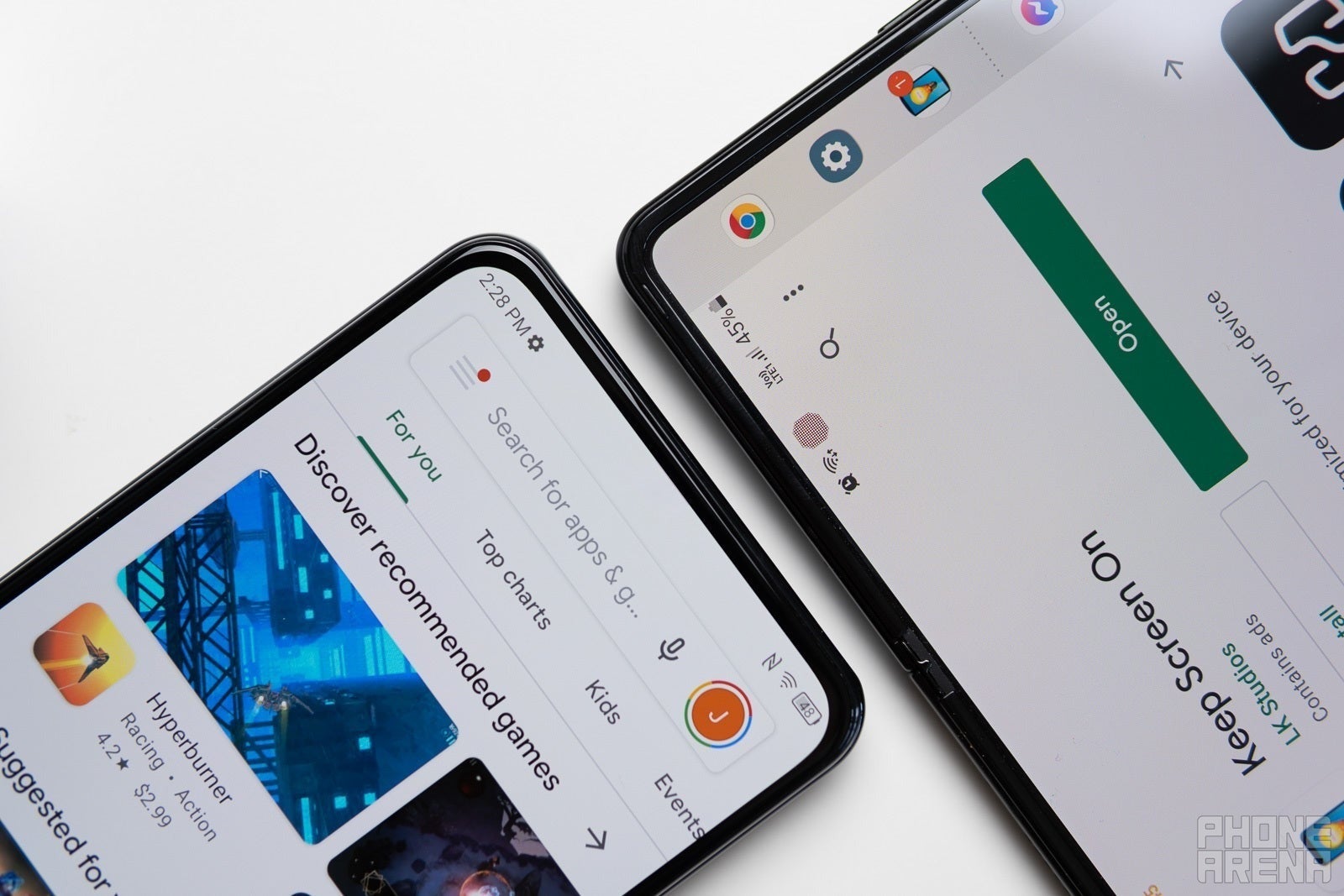
Samsung tried it with the Z Fold series, but the results were bad both ways — the camera hole was still clearly visible, with the display’s resolution being noticeably poorer over the area of the selfie sensor, and the camera quality itself was not great. The Z Fold 7 “fixed” all that by giving up on UDC entirely.
Axon 30 UDC vs Galaxy Z Fold 3 UDC (Image credit - PhoneArena)
Xiaomi tried it out with its experimental series Mi Mix phones. The Mi Mix 4 from 2021 did UDC, then dropped it.
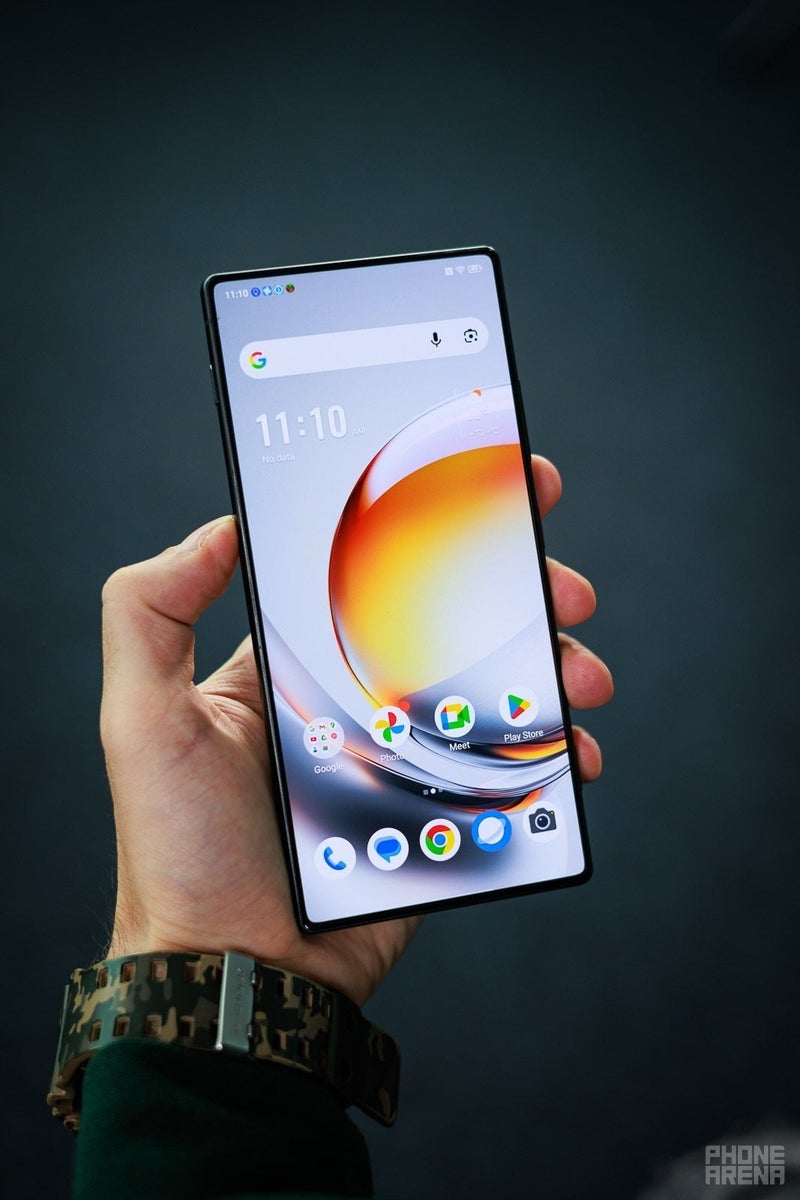
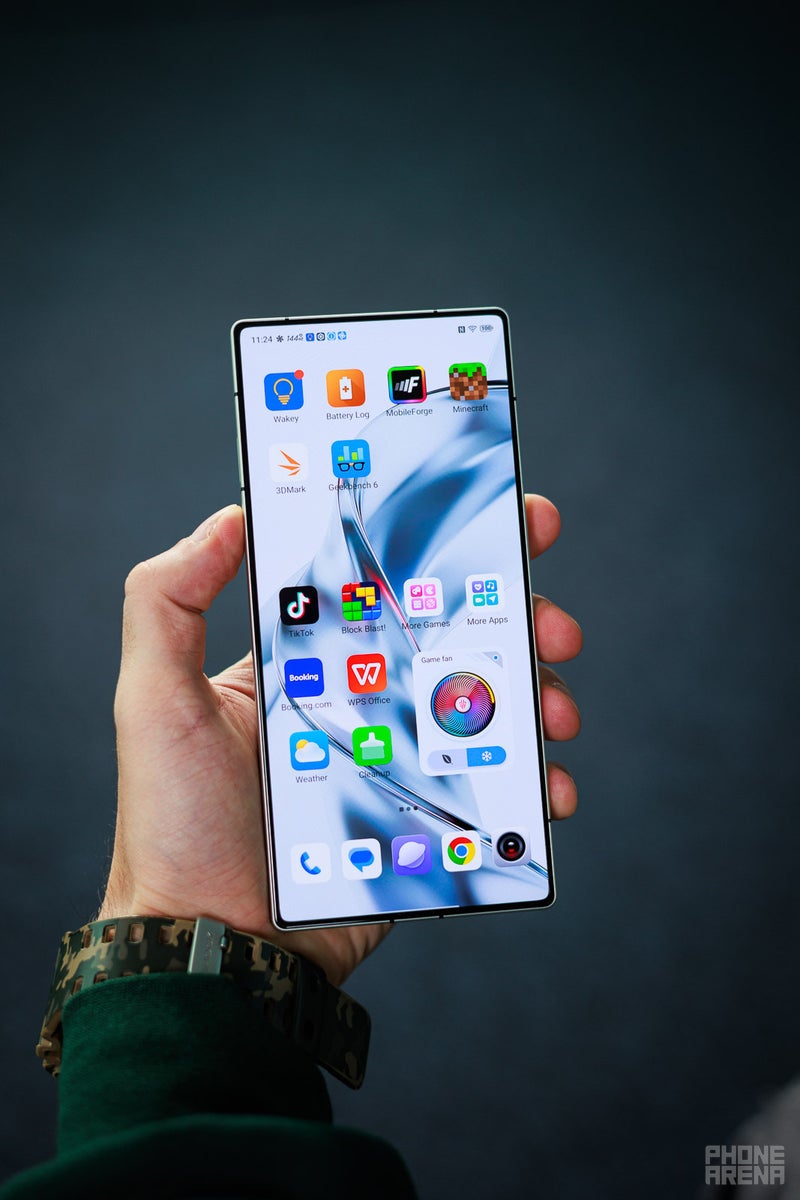
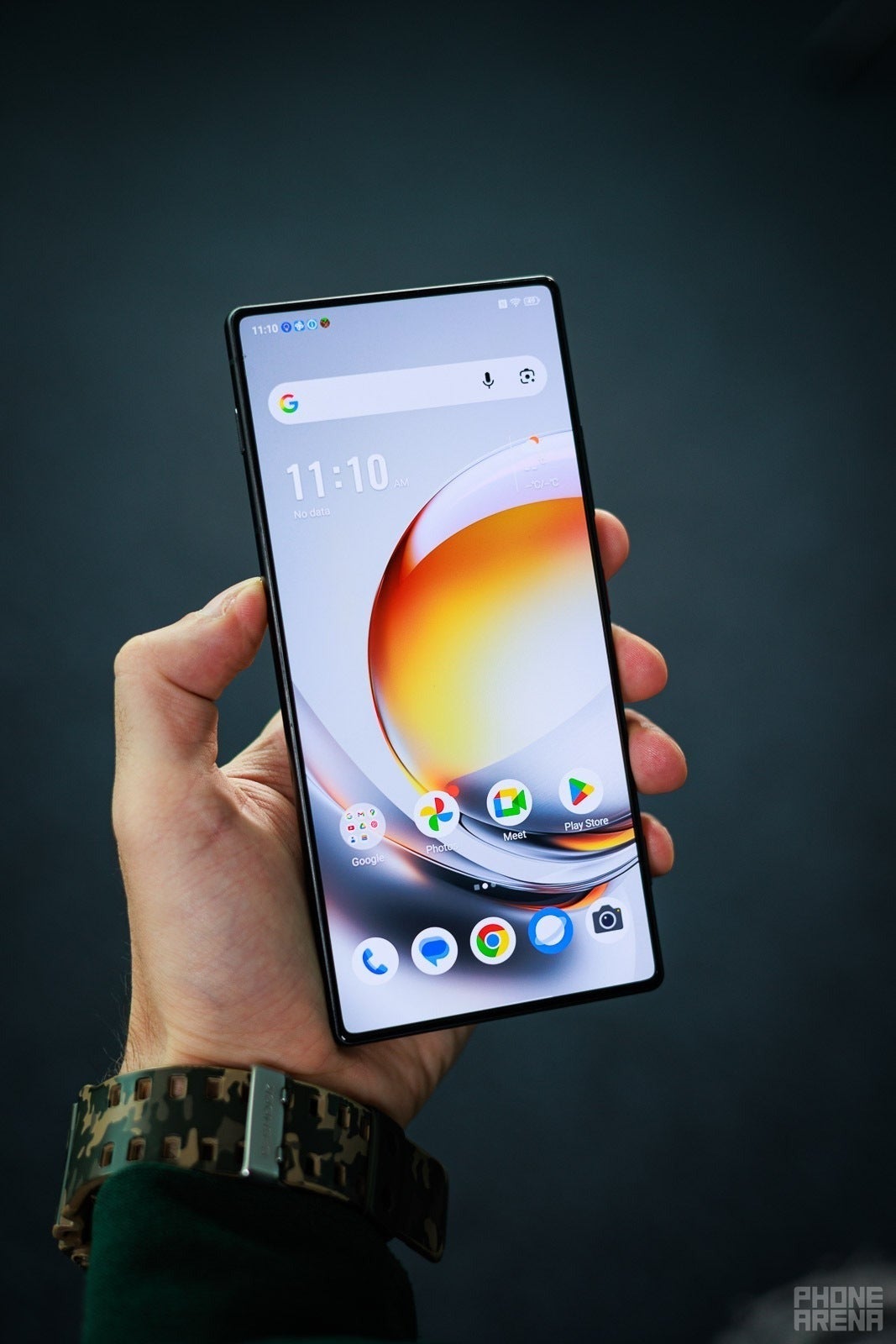
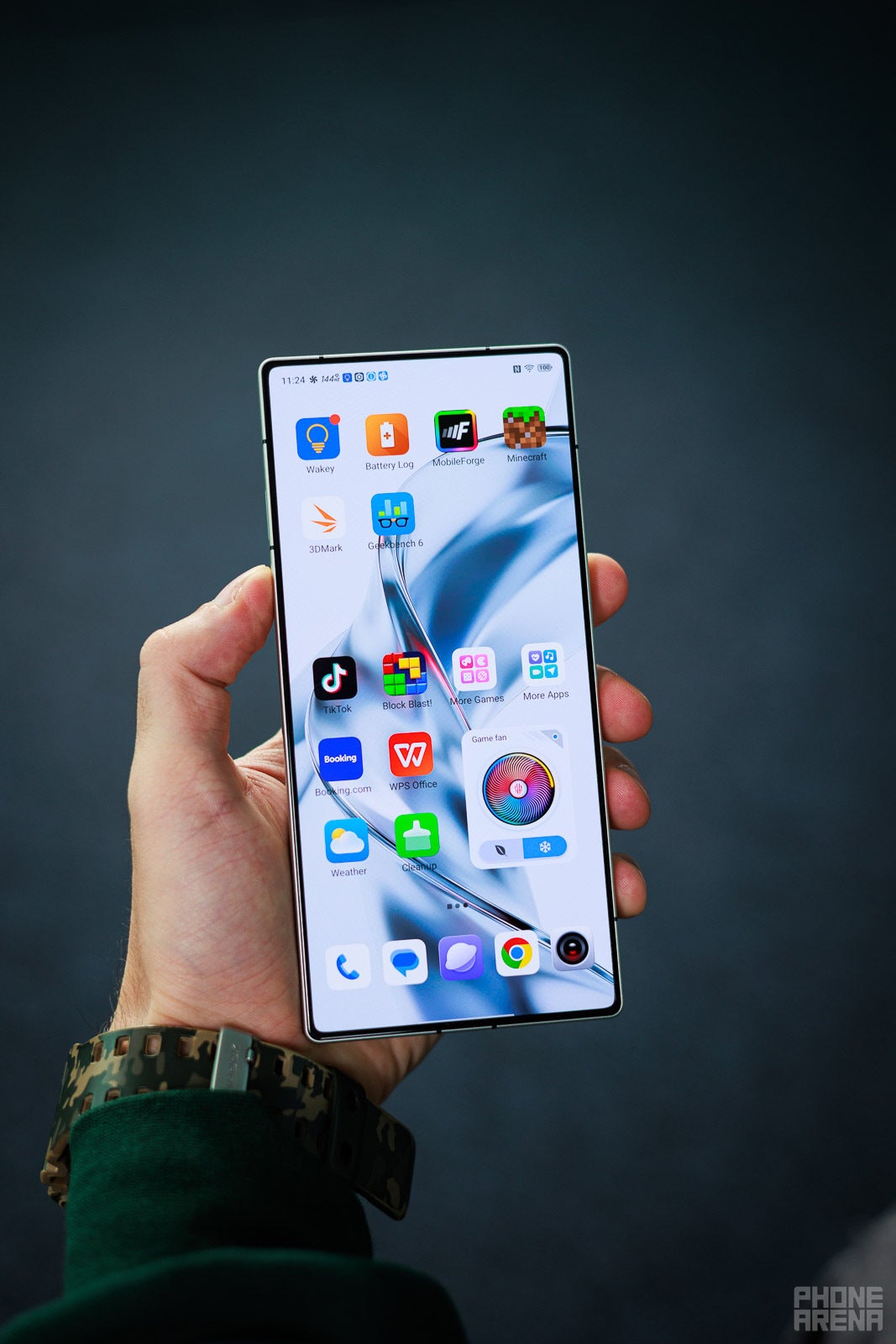
The only one that keeps the torch going is Nubia. An ex-subsidiary of ZTE, the company has spun off into its own entity and has its own sub-brand — RedMagic. The latter is obsessed with creating nearly bezel-less screens, with no interruption.
It’s not an easy task, but is it impossible?
To be completely fair — it is a very challenging task to make a proper under-screen selfie camera.
To take a photo, a camera sensor needs light. To display an image, a screen needs to be opaque enough to reflect or emit light. An under-display camera (UDC) needs a single area of the screen to do both at the same time.
In a standard OLED panel, the pixels are packed so tightly that the display is essentially a solid wall. To let light through to a camera sensor, manufacturers have to physically "thin out" or water down the pixel density in that specific spot.
But here’s the simple fact: in an OLED panel, every pixel needs a transistor and metal traces to receive power and data. These components are usually made of copper or other opaque materials.
So, no matter how much you try to give way for the camera to do its thing, there are still physical particles standing in the way of the light. Thus, you do end up with lower-quality, smudgy selfies.
Smudgy selfies, taken with Nubia Z60 Ultra, 2024
On the other end, that area of the display also becomes clearly distorted — noticeably pixelated or with a different color tint to it.
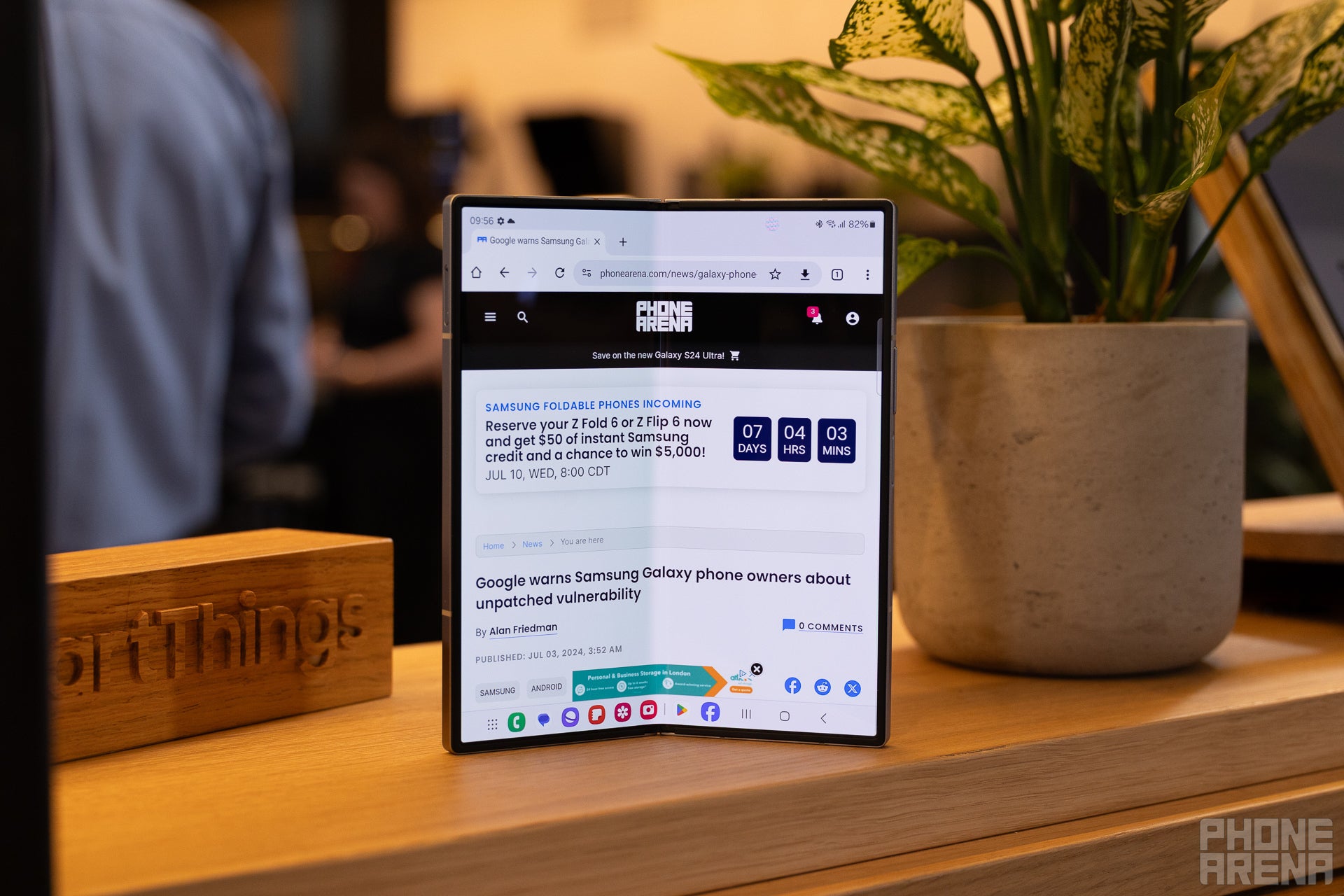
Galaxy Z Fold 6 with improved pixel density over UDC (Image credit - PhoneArena)
However, Nubia and RedMagic are proving that the latter issue is very much solvable. I don’t know what kind of dark magic it is, but their screens look pretty much uninterrupted over the area of the selfie camera.
How are Nubia’s under-screen cameras so well-hidden?
A quick nod where one is due: in order to improve its UDC tech to the point where it’s nearly invisible, Nubia (and, by extension, RedMagic) uses transparent conducting materials and "snakes" the wiring around the camera hole as much as possible, which is pretty cool. Remember smartphone innovation? Yeah, I ‘member…
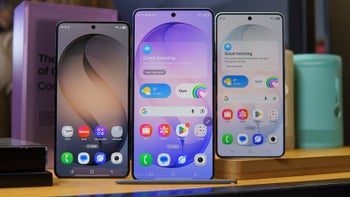
Nubia Z80 Ultra and RedMagic 11 Pro
But make no mistake — even if the pixels are tiny and the wires transparent, the display still acts as a diffraction grating. When light passes through the tiny gaps between pixels, it scatters, and your selfie ends up looking like you haven’t cleaned your finger smudge off the phone for a while.
Are low-quality selfies a price we are willing to pay?
OK, let’s presume that the big, impossible hurdle that turned manufacturers away from UDC is the selfie camera quality. What do you think users would value more — crisp and pristine selfies or a full, edge-to-edge, uninterrupted display?
Well, you and I both know it will be the selfies. The big companies certainly think so, as they gave up on the quest.
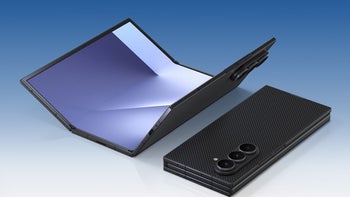
But, speaking of foldables, I do believe they shouldn’t give up on the tech. At least the selfie camera that’s under their main internal screen should be “hidden”, even if its image quality ends up suffering.
You already have a bajillion ways of taking a selfie on a foldable — use the external selfie camera, or flip it open and use the main camera for a selfie whilst watching the cover screen as a viewfinder. The internal camera is mostly used for video calls, and we all know these end up being low-quality due to the streaming limitations anyway.
Apple may be picking up the torch
Image credit - Ming-Chi Kuo
According to rumors, Apple is looking to hide the Face ID sensors under the screen for the iPhone 18, while still leaving a hole for the actual selfie camera. Then, the iPhone 20 would upgrade that to a full UDC cover.
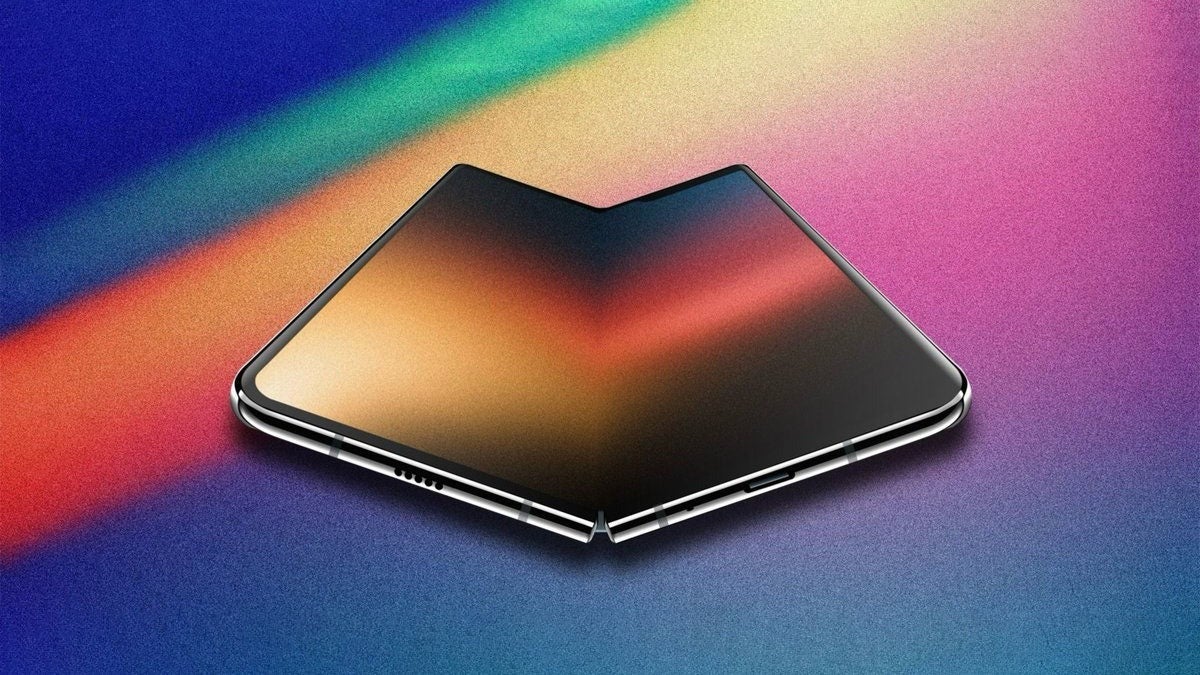
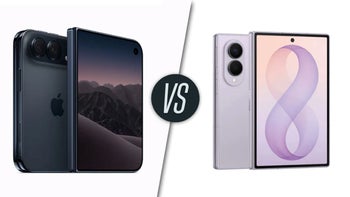
Also according to rumors, Cupertino has been looking into UDC tech for the supposed upcoming iPhone Fold, which should launch in September of this year.
I am raising one eyebrow pretty high here, as this sounds a bit suspicious. I am pretty sure that Apple wouldn’t produce under-screen cameras unless the tech is absolutely pristine on both ends — nearly invisible camera cutout, pretty much the same selfie quality as before. Plus, it would delete that “recognizable” iPhone look with the pill or notch at the top.
But hey, I am up for being surprised in late 2026/2027.
The slew of reports that Apple has requested LG Innotek to supply them with UDC screen panels kind of kicked the beehive into overdrive. Now, we have rumors that Android phone manufacturers are looking to make their 2027 flagships punch-hole-less, too.
After flopping hard on its AI promises for 2025, Apple really turned around and redeemed itself with meaningful hardware improvements in the iPhone 17 series. Better heat dissipation, better display panels for the base models, and the iPhone Air, which may be a redundant addition but still an awe-inspiring piece of tech. Are we heading into an era where phones will be innovating on the hardware level again?
Six-month unlimited plan is now 57% off
$90
$210
$120 off (57%)
Mint Mobile is now allowing you to get whichever plan you like for either three, six, or 12 months for just $15/mo. If you go for the six-month unlimited service, for instance, you'll now have to pay just $90 upfront instead of $210.
Preslav, a member of the PhoneArena team since 2014, is a mobile technology enthusiast with a penchant for integrating tech into his hobbies and work. Whether it's writing articles on an iPad Pro, recording band rehearsals with multiple phones, or exploring the potential of mobile gaming through services like GeForce Now and Steam Link, Preslav's approach is hands-on and innovative. His balanced perspective allows him to appreciate both Android and iOS ecosystems, focusing on performance, camera quality, and user experience over brand loyalty.
A discussion is a place, where people can voice their opinion, no matter if it
is positive, neutral or negative. However, when posting, one must stay true to the topic, and not just share some
random thoughts, which are not directly related to the matter.
Things that are NOT allowed:
Off-topic talk - you must stick to the subject of discussion
Offensive, hate speech - if you want to say something, say it politely
Spam/Advertisements - these posts are deleted
Multiple accounts - one person can have only one account
Impersonations and offensive nicknames - these accounts get banned
To help keep our community safe and free from spam, we apply temporary limits to newly created accounts:
New accounts created within the last 24 hours may experience restrictions on how frequently they can
post or comment.
These limits are in place as a precaution and will automatically lift.
Moderation is done by humans. We try to be as objective as possible and moderate with zero bias. If you think a
post should be moderated - please, report it.
Have a question about the rules or why you have been moderated/limited/banned? Please,
contact us.












Things that are NOT allowed:
To help keep our community safe and free from spam, we apply temporary limits to newly created accounts: