Display brightness is the next arms race in the smartphone world, and the latest leak suggests that we're about to get some really crazy numbers pretty soon.
According to a prolific Chinese leaker, there's a phone with a 10,000-nit screen on the horizon.
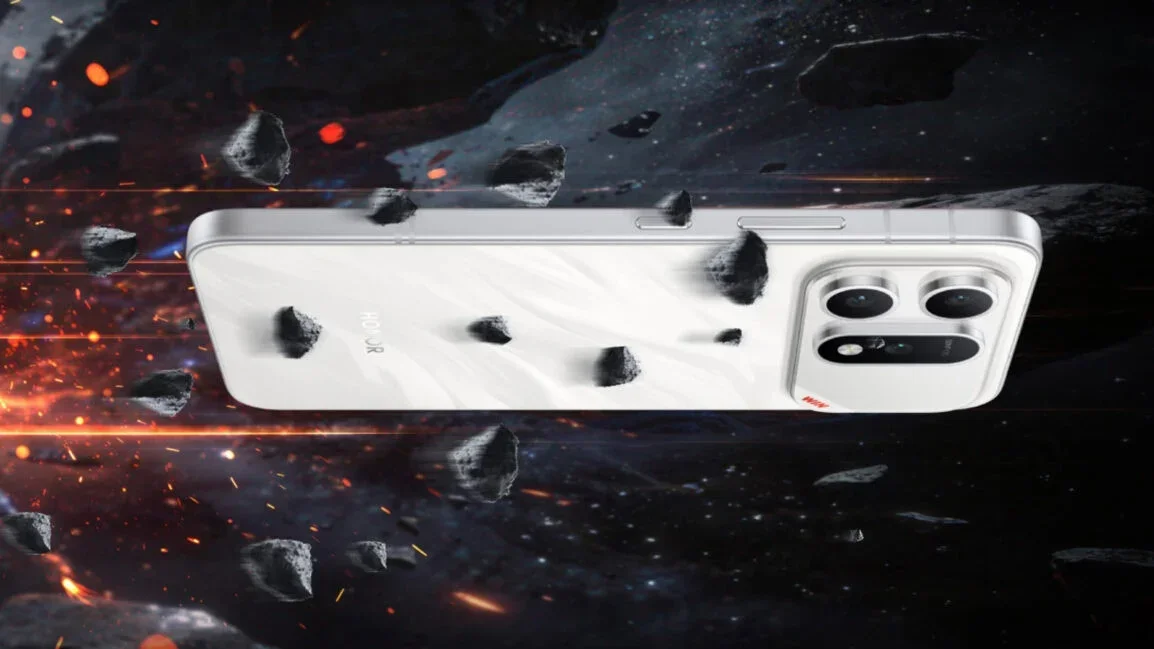
Honor is planning to launch a 10,000-nit phone
Honor already launched a 10,000 mAh phone, now it's time for maximum nits! | Image by Honor
The rumor comes from Digital Chat Station, a Chinese tipster with a pretty decent track record when it comes to local leaks and rumors.
According to a post by the leaker on Weibo, Honor is gearing up to release a new model with a 10,000-nit screen. Here's what the post reads (translated from Chinese):
The upcoming new phone not only boasts a battery capacity exceeding 10000mAh, but also a screen peak brightness of 10000 nits, making it a true numerical monster...
- Digital Chat Station on Weibo
The 10,000+ mAh battery claim is also pretty impressive, but Honor already launched at least two phones with batteries surpassing that particular limit. These are the Honor Win and the Honor Power 2 models.
What about this super-bright 10,000-nit display, though?
How important is display brightness on a phone for you?
249 Votes
Not all nits are created equal
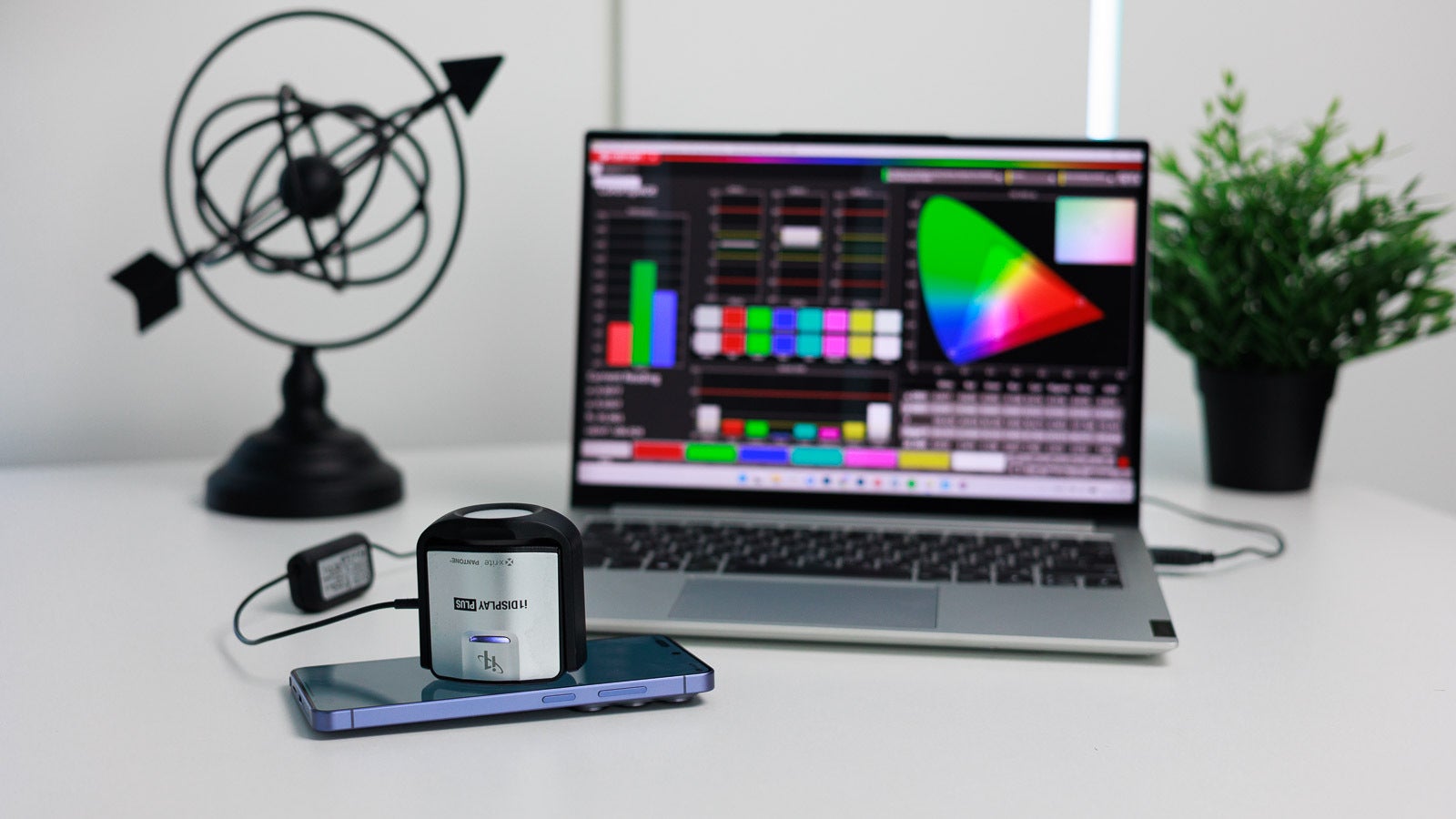
Companies measure brightness in kind of an arbitrary way. | Image by PhoneArena
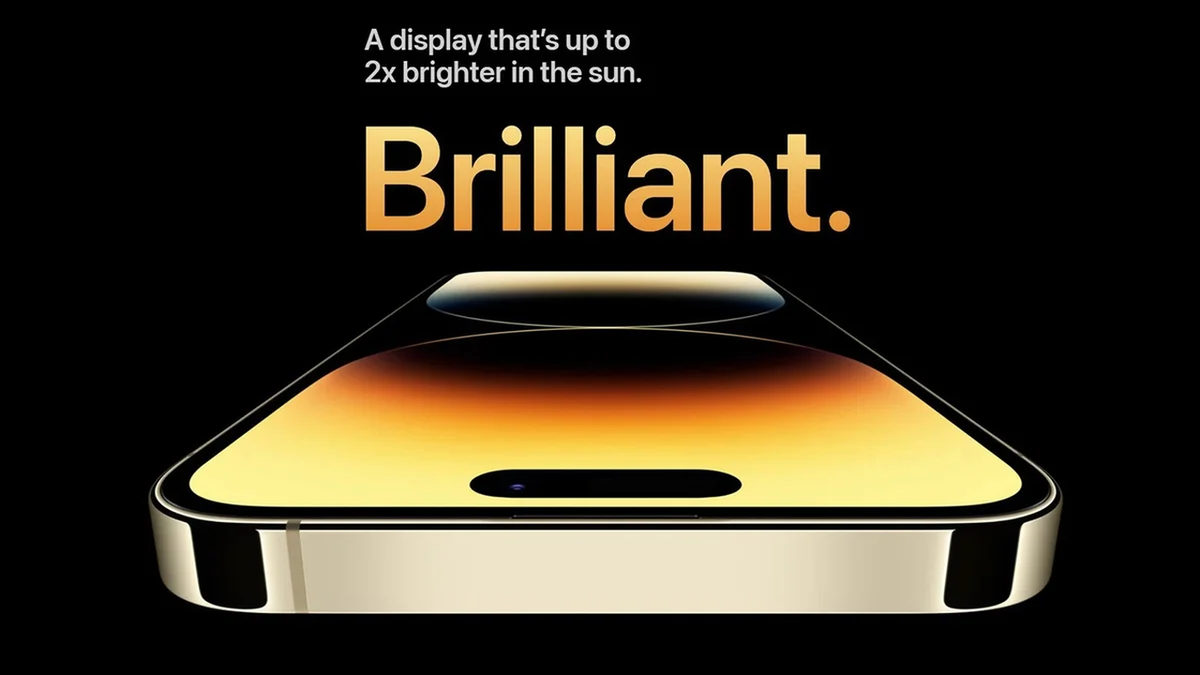
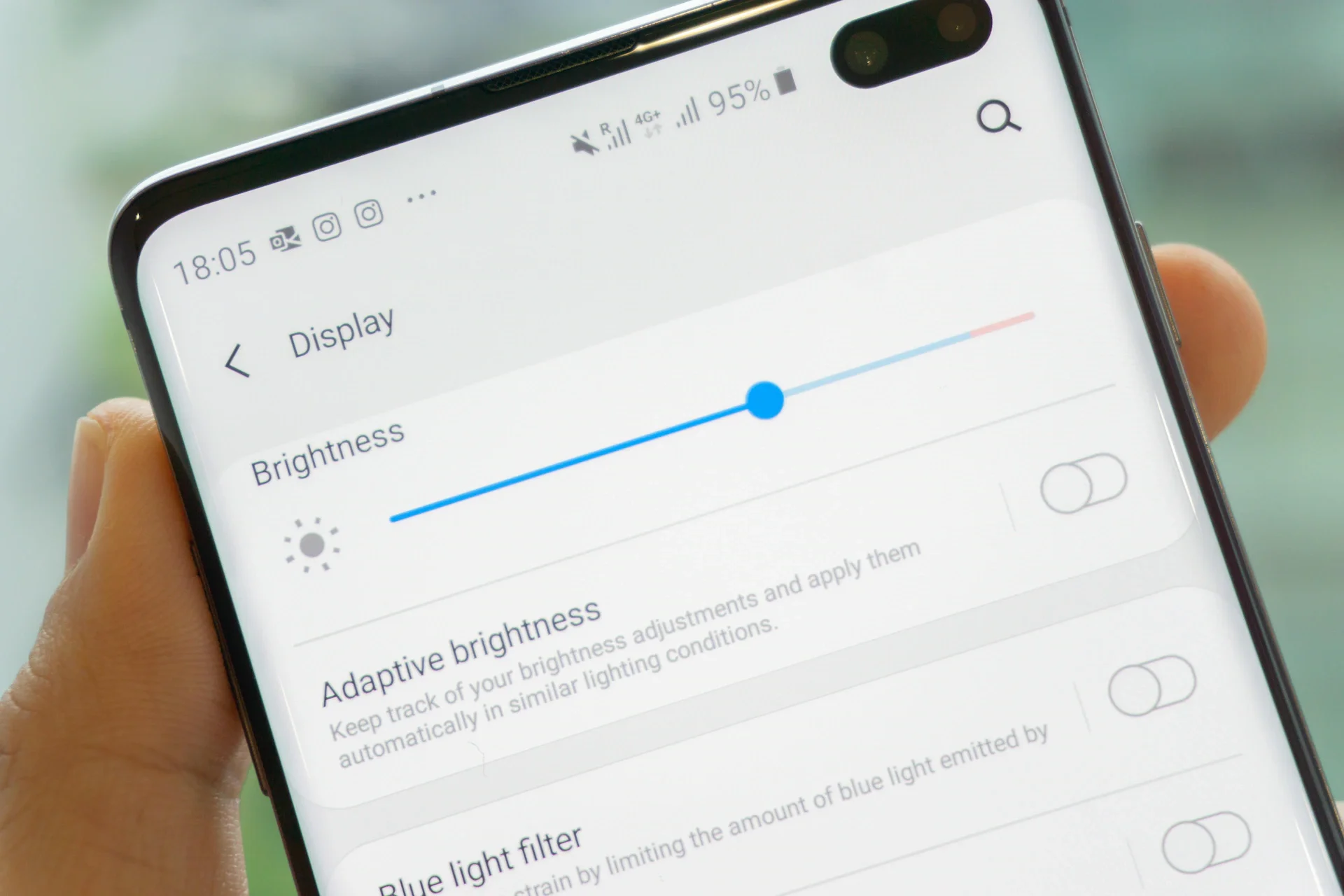
There's a caveat to this 10,000-nit brightness claim. When measuring display brightness, smartphone manufacturers can take an arbitrary portion of the screen and measure the pixels there.
OLED screens work like a garden hose. If you squeeze the end of the hose, the stream gets much faster and more powerful. It's the same with pixels; if you power all the pixels in an OLED screen, the brightness is distributed among millions of pixels, and the final value is not that high.
Recommended For You
If you power just a handful of pixels, you can reroute more energy there and make them shine brighter.
This is called APL — average picture level. If all the pixels in a smartphone screen are lit, it corresponds to an APL level of 100%.
The thing is, smartphone companies choose the APL at which these measurements are carried out, and if you measure the brightness at 1% APL (just 1% of the screen lit), you can get pretty high numbers.
Bearing all this in mind, the Honor 10,000-nit claim might be down to the way the company measures the brightness of the screen. So don't get your hopes too high.
Do we even need 10,000-nit screens on our smartphones?
Human eyes perceive brightness in a logarithmic way. | Image by Samsung
That's a tricky one. The human eye perceives brightness in a logarithmic way. This means the higher the brightness, the less effect it produces inside our eyes. The difference between 100 nits and 1000 nits is much larger to us than, let's say, the difference between 5000 nits and 10000 nits.
That's because our eyes use special structures of cells called rods to register changes in brightness, and these rods have a threshold. The higher the brightness, the lower the response or activation, as the rods are already quite saturated.
So, a 10,000-nit phone might sound huge on paper, but in reality, it might not be vastly different from your Pixel 10 Pro XL or your iPhone 17 Pro Max when it comes to real-world brightness.
We need more efficient screens
What we really need is more efficient screens that can hold these brightness numbers for extended periods of time without overheating and sucking out the battery.
Companies are working on new types of transistor layer materials for OLED screens to allow electrons to pass easily and lower the energy consumption, along with the heat from the resistance, so there's hope there too.
Sadly, lower resistance numbers don't look good on presentation slides, and people get excited by thousands of nits much more easily.
Six-month unlimited plan is now 57% off
$90
$210
$120 off (57%)
Mint Mobile is now allowing you to get whichever plan you like for either three, six, or 12 months for just $15/mo. If you go for the six-month unlimited service, for instance, you'll now have to pay just $90 upfront instead of $210.
Mariyan, a tech enthusiast with a background in Nuclear Physics and Journalism, brings a unique perspective to PhoneArena. His childhood curiosity for gadgets evolved into a professional passion for technology, leading him to the role of Editor-in-Chief at PCWorld Bulgaria before joining PhoneArena. Mariyan's interests range from mainstream Android and iPhone debates to fringe technologies like graphene batteries and nanotechnology. Off-duty, he enjoys playing his electric guitar, practicing Japanese, and revisiting his love for video games and Haruki Murakami's works.
A discussion is a place, where people can voice their opinion, no matter if it
is positive, neutral or negative. However, when posting, one must stay true to the topic, and not just share some
random thoughts, which are not directly related to the matter.
Things that are NOT allowed:
Off-topic talk - you must stick to the subject of discussion
Offensive, hate speech - if you want to say something, say it politely
Spam/Advertisements - these posts are deleted
Multiple accounts - one person can have only one account
Impersonations and offensive nicknames - these accounts get banned
To help keep our community safe and free from spam, we apply temporary limits to newly created accounts:
New accounts created within the last 24 hours may experience restrictions on how frequently they can
post or comment.
These limits are in place as a precaution and will automatically lift.
Moderation is done by humans. We try to be as objective as possible and moderate with zero bias. If you think a
post should be moderated - please, report it.
Have a question about the rules or why you have been moderated/limited/banned? Please,
contact us.









Things that are NOT allowed:
To help keep our community safe and free from spam, we apply temporary limits to newly created accounts: