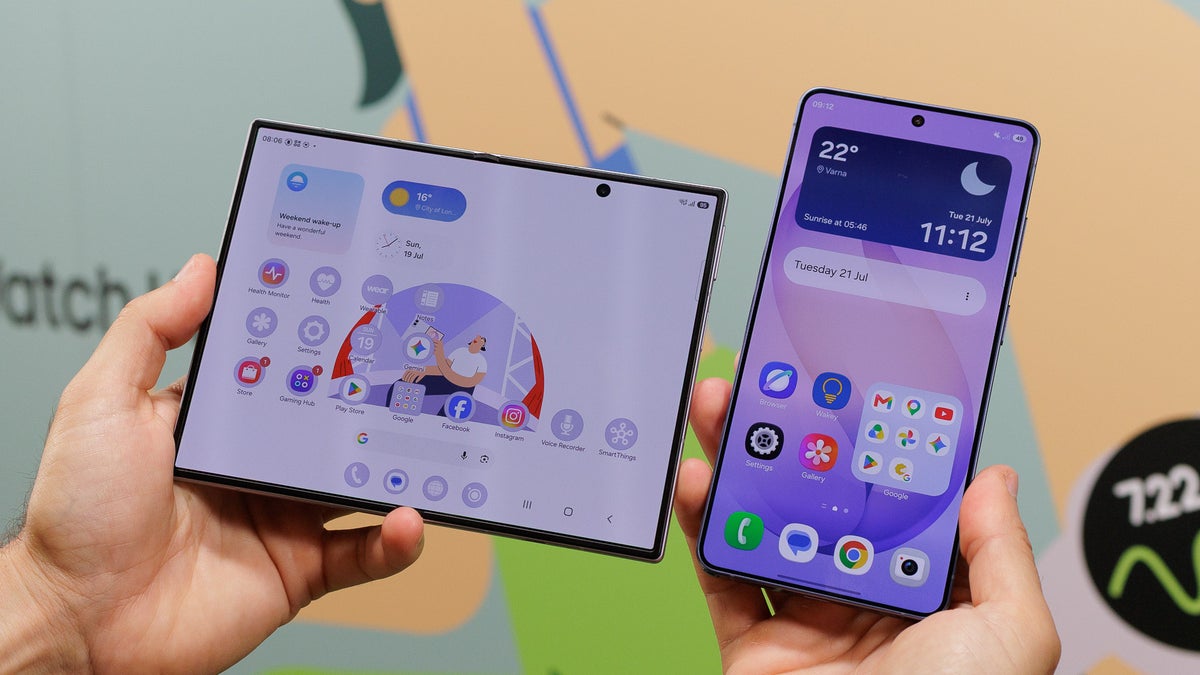
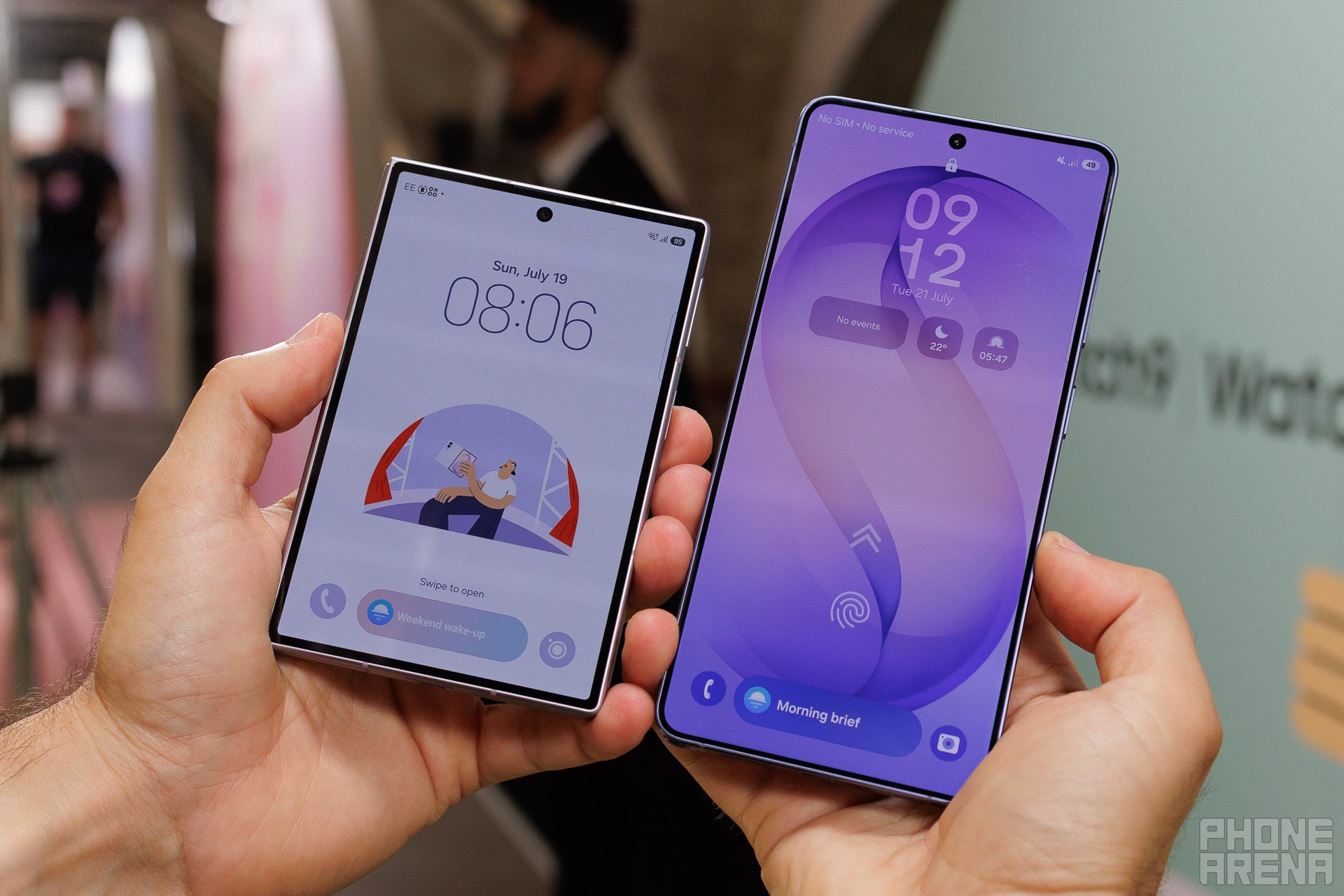
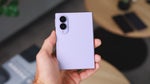
Samsung shook things up a bit with the new foldables. The Galaxy Z Fold family has a new member. While the Z Fold 8 Ultra is the old form factor with the triple camera that we know from before, the Galaxy Z Fold 8 is a cute, passport-shaped little thing with a 4:3 internal screen and 16:10 cover display.
You may have been avoiding foldables thus far because of their square-shaped main display. But this new form factor can definitely make one pose the question — is now the right time to try a Fold, or should I stick with the tried-and-true and just get a Galaxy S26 Ultra?
Well, there are many differences to consider. And here, we will go through everything we've gathered thus far, following our short hands-on time with the new Galaxy Z Fold 8.
Grab the Galaxy Z Fold 8 Ultra for $300 off
$1799
99
$2099
99
$300 off (14%)
For a limited time, Samsung's Galaxy Z Fold 8 Ultra can be yours with a generous $300 price cut, no trade-in required. If those savings don't sound compelling enough, trade in an eligible phone to save up to $800.
The Galaxy Z Fold 8 is Samsung's first foldable phone with a passport design. Right now, you can grab it with an $800 discount when you trade in an eligible device in good condition. Alternatively, you can grab $200 in Samsung Credit, redeemable toward accessories or other Galaxy devices.
The Galaxy S26 Ultra has been announced, bringing a Privacy Screen feature, insanely fast processor, and multiple Galaxy AI enhancements. Right now, you can save up to $720 at the Samsung Store with eligible trade-ins. You also get 15% off the Buds 4 series with your purchase. Alternatively, you can get $150 credit for add-ons, no trade-in required.
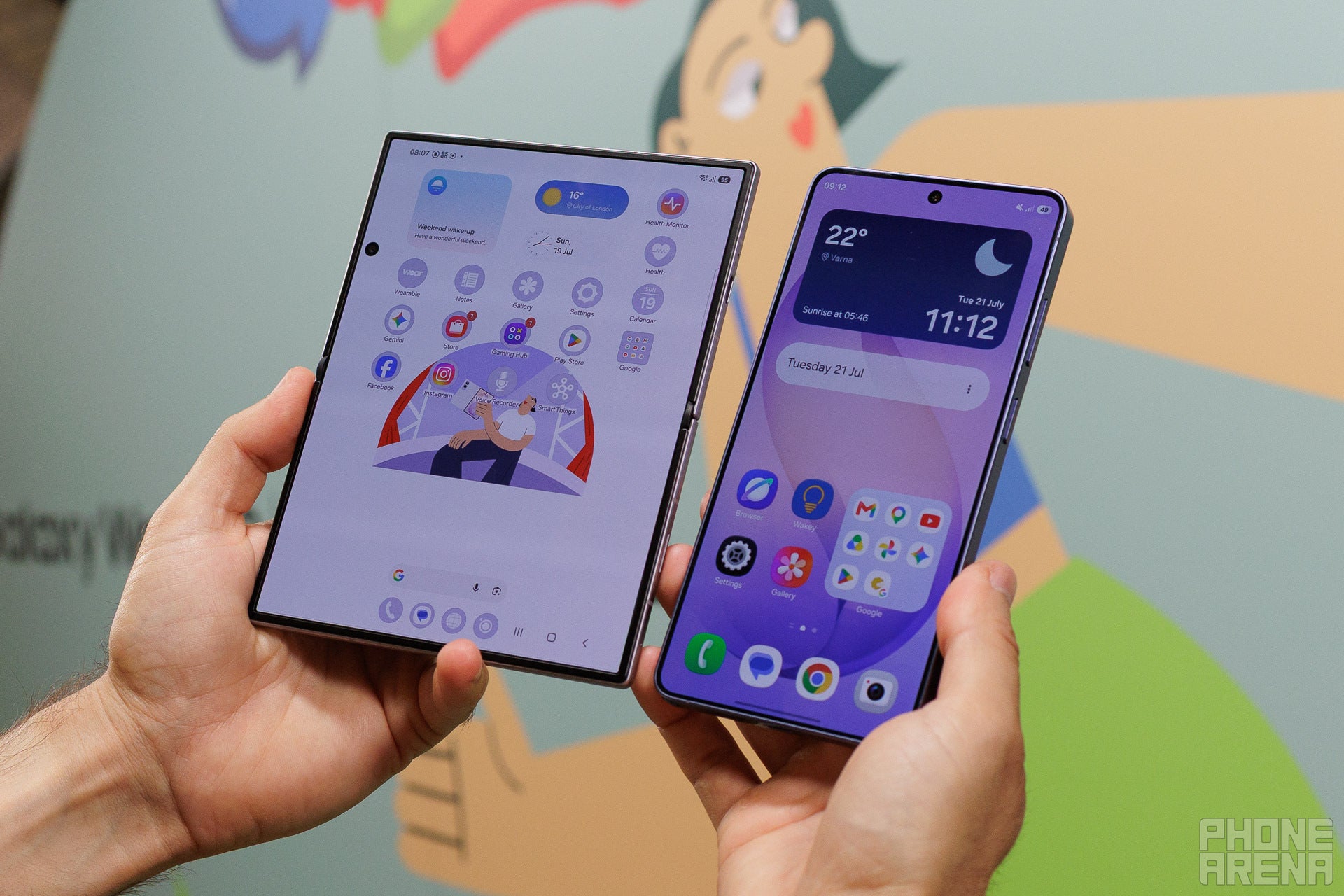
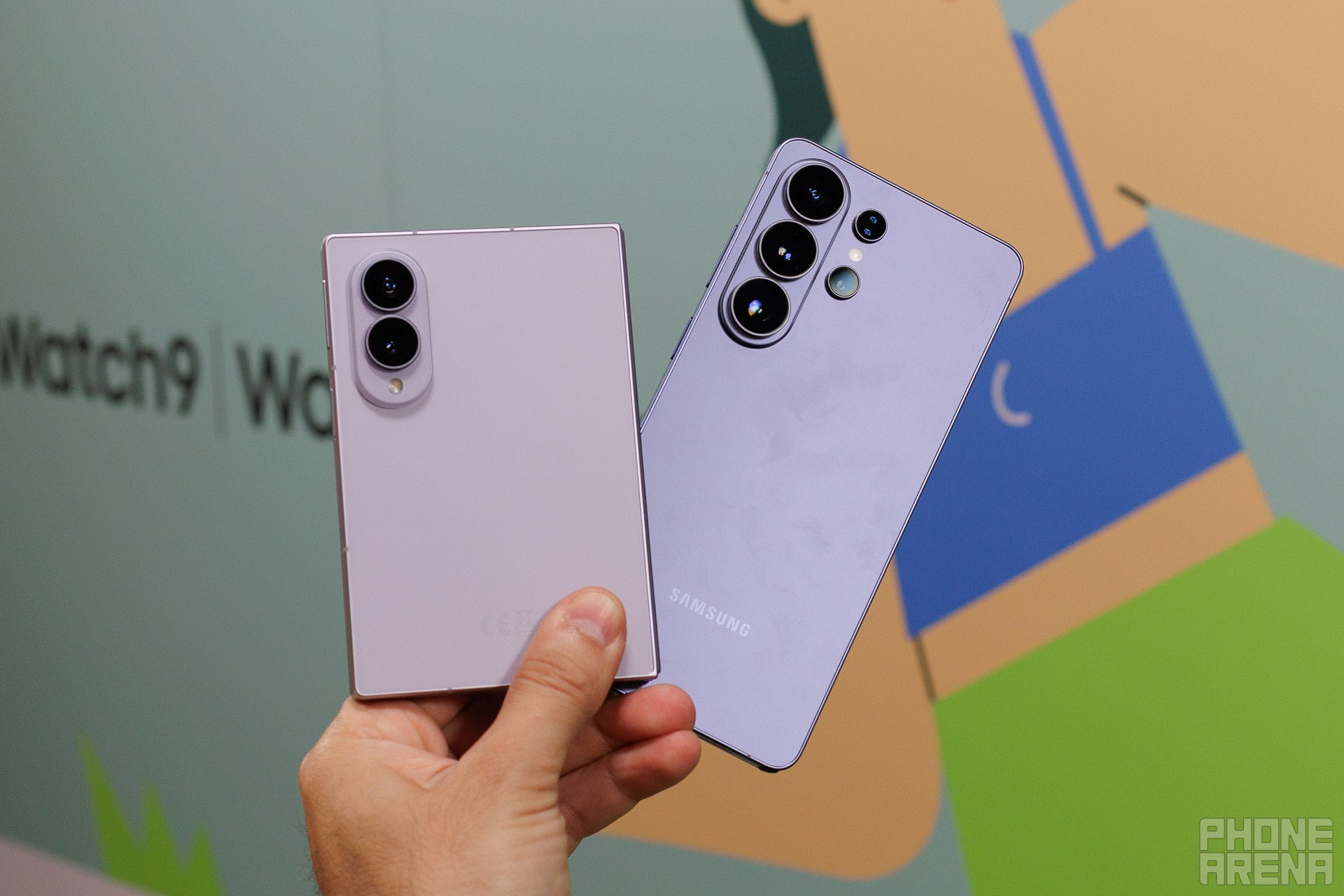
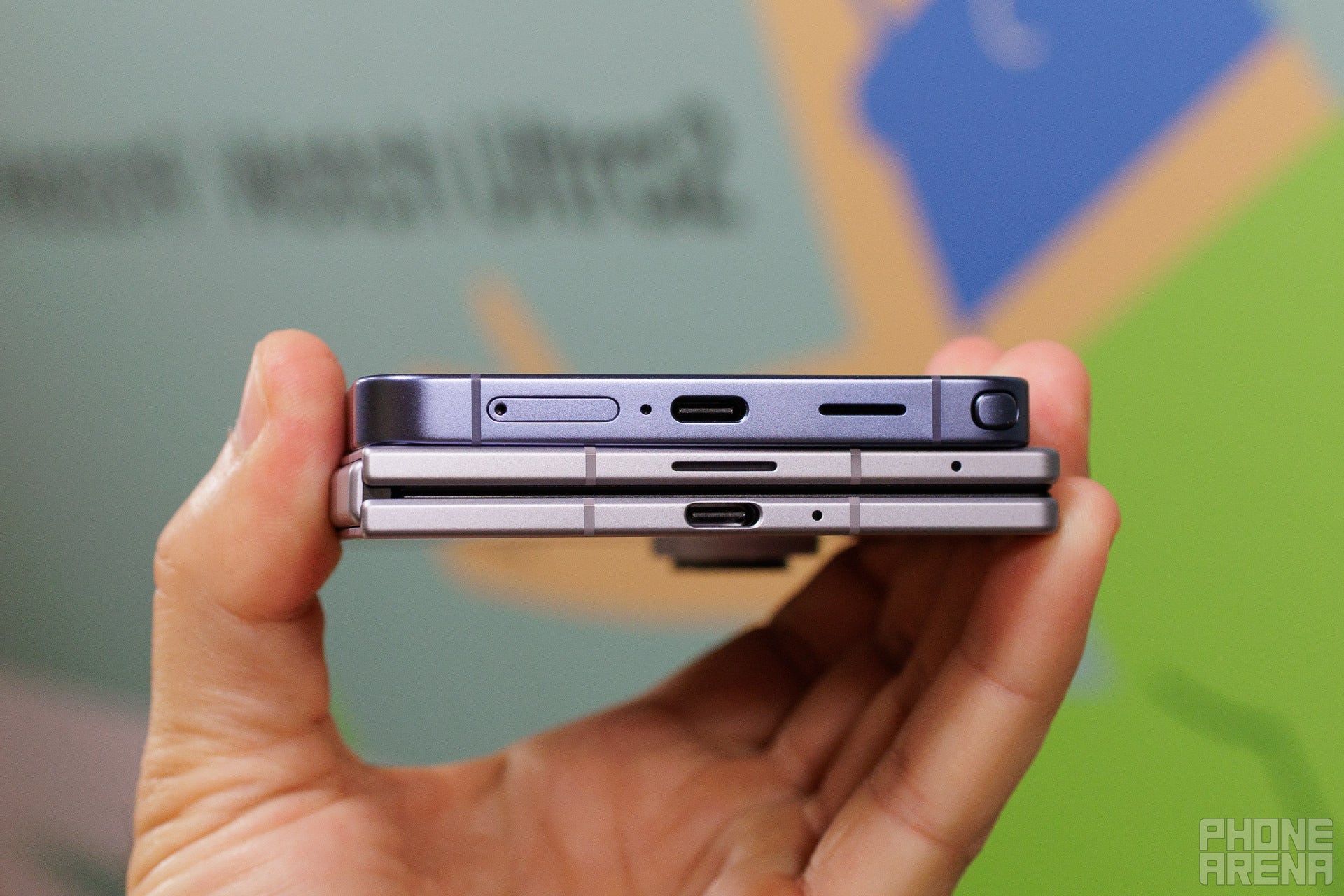
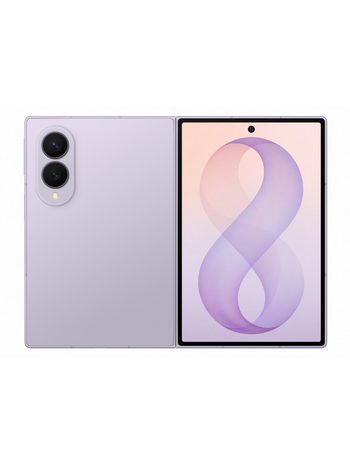
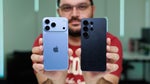
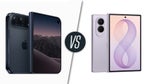
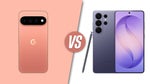
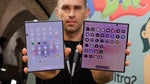
The Galaxy Z Fold 8 is Samsung's foray into the wide foldable format. It's a cute-looking booklet phone that has a big 16:10 screen. Kind of like the 16:9 displays of the past, only this is bigger... and with super-slim bezels around it. Inside, of course, we now have a 4:3 aspect ratio screen, so it looks a little bit more like a mini tablet. It's Samsung's lightest Z Fold to date, at 201 g, and it's slightly thicker than a Galaxy S26 Ultra at 9.7 mm folded (vs the S26 Ultra's 7.9 mm).
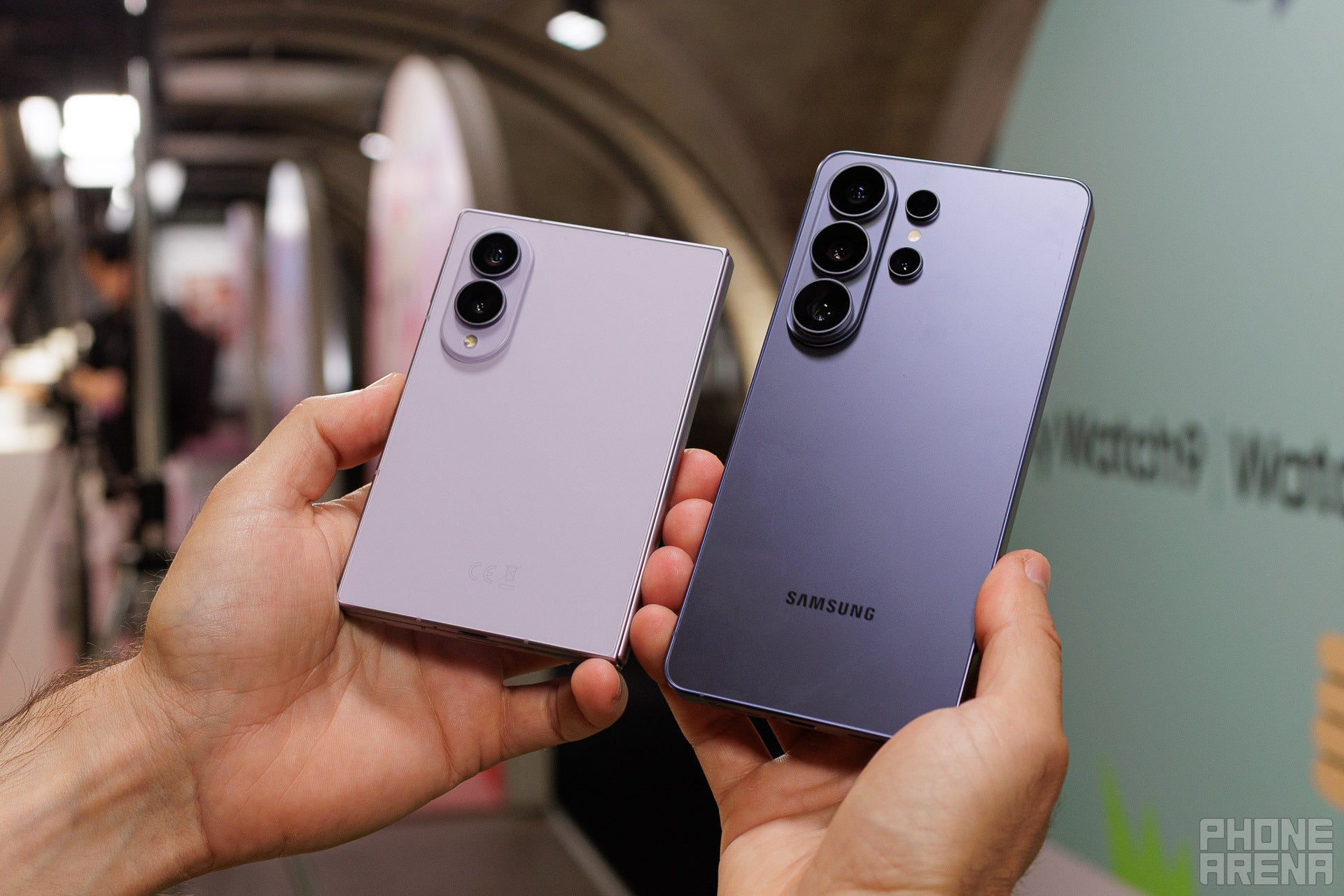
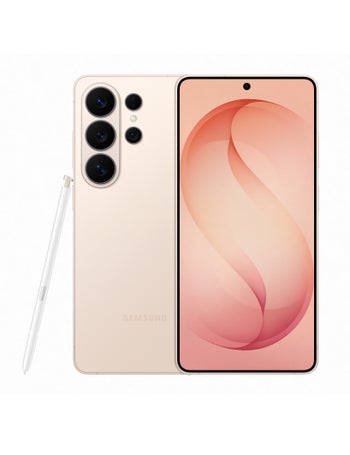
The Galaxy S26 Ultra is our well-known beast. A chocobar with a large 6.9-inch, 21:9 main screen and a quad camera module on the back. thinnest foldable yet, at 4.1 mm when unfolded. When closed up, it's 8.9 mm, only slightly chunkier than the 7.9 mm Galaxy S26 Ultra. However, it's still perfectly usable as a "regular" smartphone, especially since its external display has the 21:9 aspect ratio that we are now used to.
Recommended For You
With the new Flex Titanium hinge inside the Galaxy Z Fold 8, that crease down the middle is truly minimized. Visually, you can still see some warping in the flexible glass over that point, but you can barely — if at all — feel it when you swipe a finger across it.
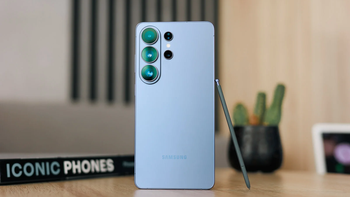
However, if you are an S Pen enthusiast, it's worth knowing that none of Samsung's new foldables support it. Scribbling and writing is strictly a Galaxy S26 Ultra thing now. Shame, considering that many of Samsung's competitors, such as Motorola, managed to fit a digitizer for a stylus in their phones.
Samsung Galaxy Z Fold 8
Samsung Galaxy S26 Ultra
Samsung Galaxy Z Fold 8
Samsung Galaxy S26 Ultra
Design
Dimensions
123.9 x 161.4 x 4.5 mm (~8.75 mm with camera bump)
163.6 x 78.1 x 7.9 mm (~12.33 mm with camera bump)
The Galaxy S26 Ultra has a superior IP68 rating, marking it as dust-tight and water-resistant for continuous submersion. The Galaxy Z Fold 8 is rated for IP48 – still good against water, not so good at keeping small particles (under 1 mm) out. No beach trips with that one!
The Galaxy Z Fold 8 launches in Graphite, Cream, Lavender, and an exclusive Pistachio color on the Samsung.com store. The Galaxy S26 Ultra comes in Cobalt Violet, Sky Blue, Black, White, Silver Shadow, Pink Gold.
Display Differences
Dynamic AMOLED, but more of it!
Turning the Z Fold 8 vertical is also an option | Image by PhoneArena
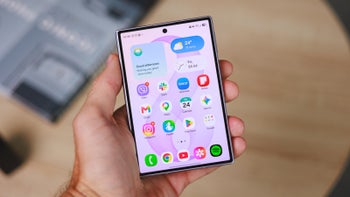
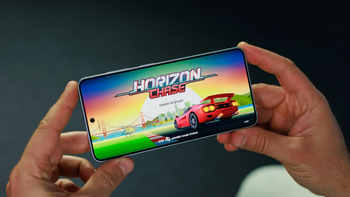
The Galaxy Z Fold 8 is a direct answer to the criticisms that a square foldable doesn't do much for multimedia or gaming. Well, now we have a 7.6-inch main screen with a 4:3 aspect ratio that will lend itself better for movies and gaming. Not ideal, not 16:9, but definitely better. It's also been upgraded — still labeled as Dynamic AMOLED 2X like on the Galaxy S26 Ultra, but this one hits 3,000 nits peak, which is overkill.
Same goes for the cover screen — same specs, down to the 120 Hz refresh rate. It does have a more awkward 16:10 aspect ratio, as the internal screen's shape demands it. Yes, Android can adapt, it has been coded to do so, but since everything in the modern world is designed around the 21:9 aspect ratio, you won't be able to shake that feeling of awkwardness soon. Some websites may scale wrong, some apps may look funky.
So, definitely consider the Z Fold 8 if you really really want to use that main screen the majority of the time.
The Galaxy S26 Ultra is well-known now, and its huge 6.9-inch display feels natural for anyone who has been using a big phone over the past few years. As I mentioned peak brightness before — the Galaxy S26 Ultra's Dynamic AMOLED 2X panel hits 2,600 nits peak... if that's an issue at all. Oh, and the Galaxy S26 Ultra has that sweet anti-reflective treatment and Privacy Display tech.
I'm also happy to report that the Galaxy Z Fold 8 has an anti-glare coating on its main screen. It's not as good as on the Galaxy S26 Ultra, where the anti-glare layer is actually embedded into the glass. But it definitely puts some work in at staving off annoying reflections.
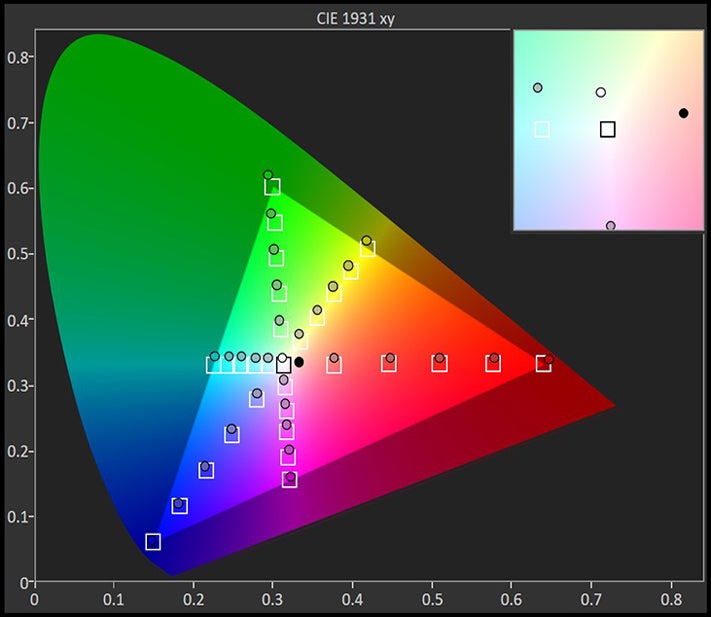
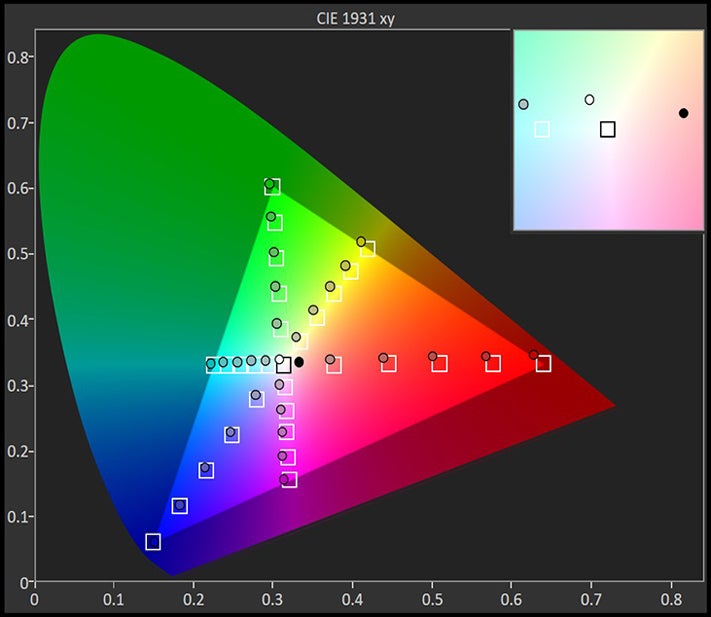
The CIE 1931 xy color gamut chart represents the set(area)of colors that a display can reproduce,with the sRGB colorspace(the highlighted triangle)serving as reference.The chart also provides a visual representation of a display's color accuracy. The small squares across the boundaries of the triangle are the reference points for the various colors, while the small dots are the actual measurements. Ideally, each dot should be positioned on top of its respective square. The 'x:CIE31' and 'y:CIE31' values in the table below the chart indicate the position of each measurement on the chart. 'Y' shows the luminance (in nits) of each measured color, while 'Target Y' is the desired luminance level for that color. Finally, 'ΔE 2000' is the Delta E value of the measured color. Delta E values of below 2 are ideal.
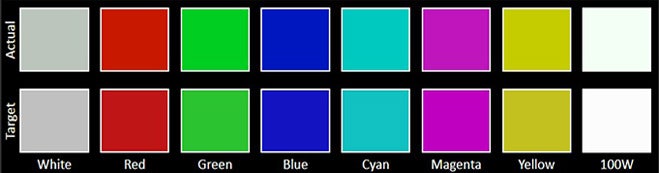
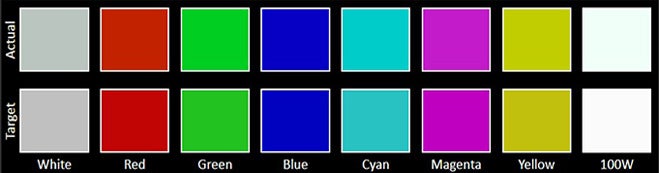
The Color accuracy chart gives an idea of how close a display's measured colors are to their referential values. The first line holds the measured (actual) colors, while the second line holds the reference (target) colors. The closer the actual colors are to the target ones, the better.
The Grayscale accuracy chart shows whether a display has a correct white balance(balance between red,green and blue)across different levels of grey(from dark to bright).The closer the Actual colors are to the Target ones,the better.
The display measurements tell the rest of the story — the screen on the Galaxy Z Fold 8 is just as good as you'd expect from a Samsung flagships. In terms of peak brightness and minimum brightness, refresh rate, and colors.
The Z Fold 8 Ultra has a capacitive fingerprint scanner embedded in its power button. The S26 Ultra is cooler, with an ultrasonic one hidden under its screen. Both feel pretty snappy and accurate.
Performance and Software
Flagship power
Same internals | Image by PhoneArena
We were a bit concerned that the non-Ultra Z Fold 8 may get a different processor. But no, expect the very same Qualcomm Snapdragon 8 Elite Gen 5 in here as in the S26 Ultra. With the For Galaxy moniker, too, as it has been overclocked slightly and hums at 4.74 GHz.
Now, thermals are still a big question and we all want to know if the Galaxy Z Fold 8 will be capable of the same sustained performance as the Galaxy S26 Ultra. Tests pending.
Samsung Galaxy Z Fold 8
Samsung Galaxy S26 Ultra
Samsung Galaxy Z Fold 8
Samsung Galaxy S26 Ultra
Hardware
System chip
Snapdragon 8 Elite Gen 5 for GalaxySM8850-1-AD(3 nm)
Snapdragon 8 Elite Gen 5 for GalaxySM8850-1-AD(3 nm)
OK, so it's the same processor, but the thermals also matter. If the phone can keep it cool for longer periods, you will see better performance numbers for longer. Let's see how the super-thin Galaxy Z Fold 8 does:
CPU Performance Benchmarks:
Geekbench 6 Single Higher is better
Samsung Galaxy Z Fold 83512
Samsung Galaxy S26 Ultra3753
Geekbench 6 MultiHigher is better
Samsung Galaxy Z Fold 89811
Samsung Galaxy S26 Ultra11259
Geekbench 6: A high single-core score is what makes your phone feel snappy during everyday tasks like opening apps, typing and browsing. The multi-core score matters most when doing heavier work like video editing or gaming.
It seems the Galaxy Z Fold 8 stays a bit on the safe side and doesn't put its CPU in overdrive. Its score is still massive, but the Galaxy S26 Ultra shows that it's still better at the raw productivity it's been made for. Don't get me wrong — you will see no difference in real life. These numbers are more for bragging rights. The multi-score result of the Galaxy S26 Ultra arguably gives it a little bit more future-proofing? Maybe? I wouldn't bet on the Galaxy Z Fold 8 turning into a stump in 5 years, so again... bragging rights only.
GPU Performance
3DMark Extreme(High)Higher is better
Samsung Galaxy Z Fold 85899
Samsung Galaxy S26 Ultra7801
3DMark Extreme(Low)Higher is better
Samsung Galaxy Z Fold 82819
Samsung Galaxy S26 Ultra3741
Wild Life Extreme is a heavy graphics workload used to measure a device's sustained GPU performance and thermal throttling. It uses older mobile rendering techniques and is friendly to older or lower-end mobile devices.
Now the axe falls hard. The 3DMark benchmarks are designed specifically to stress a phone out. And, at the simplest Wild Life Extreme, we can see the Z Fold 8 start lower and fall lower when it eventually throttles.
3DMark Steel Nomad Light(High)Higher is better
Samsung Galaxy Z Fold 82417
Samsung Galaxy S26 Ultra2761
3DMark Steel Nomad Light(Low)Higher is better
Samsung Galaxy Z Fold 81262
Samsung Galaxy S26 Ultra1498
Steel Nomad Light Stress Test: Measures your phone's 'gaming stamina' by comparing its peak speed (High) against its throttled speed after it heats up (Low), revealing whether your performance will stay smooth or start lagging during a long session. It loads heavier, more modern effects than Wild Life Extreme and is more in line with current games.
The Steel Nomad test closes the gap quite a bit. This one is more advanced, and you can see both phones scored lower, but are now closer to each other in results. The difference between them is 24% on the simpler Wild Life, where the S26 Ultra soars. But when you bring them down with heavier graphics, their performance is about 10%-16% apart.
3DMark Solar Bay Extreme(High)Higher is better
Samsung Galaxy Z Fold 8789
Samsung Galaxy S26 Ultra1245
3DMark Solar Bay Extreme(Low)Higher is better
Samsung Galaxy Z Fold 8579
Samsung Galaxy S26 Ultra834
Ray Tracing: The test measures Ray Tracing performance because this advanced technology creates the hyper-realistic reflections and shadows found in next-gen titles like Arena Breakout. Even if you don't play games with ray tracing, a high score here means your phone has a 'best-in-class' cooling system.
As we introduce Solar Bay with its heavy graphics and ray tracing, the gap opens up again. It seems the Galaxy Z Fold 8's thin body just can't handle the thermal management components needed to tame a Snapdragon 8 Gen 5 Elite. At least not as well as the Galaxy S26 Ultra can.
Random Read(MB/s)Higher is better
Samsung Galaxy Z Fold 846.94
Samsung Galaxy S26 Ultra92
Random Write(MB/s)Higher is better
Samsung Galaxy Z Fold 826.01
Samsung Galaxy S26 Ultra100.60
Sequential Read(MB/s)Higher is better
Samsung Galaxy Z Fold 82730
Samsung Galaxy S26 Ultra2440
Sequential Write(MB/s)Higher is better
Samsung Galaxy Z Fold 81330
Samsung Galaxy S26 Ultra1430
Storage tests measure how quickly your phone can move data. Random read and write show how fast your phone can find and move thousands of tiny, scattered files. This is the most important metric for an average user because it's what happens when you open an app, check your notifications, or search through your photo gallery. Sequential read and write measure the speed of moving one giant, continuous file. You'll notice this when you are saving a 4K video you just recorded or downloading a massive game update.
The storage management is also a bit of a shocking result. Both of these phones supposedly use the same UFS 4.0, yet the Galaxy Z Fold 8 is slower at accessing or writing random data (mainly needed when swapping between different apps on a whim). Interesting!
For memory, you get the exact same setups on both phones — 256 GB / 512 GB / 1 TB, with these being paired with 12 GB / 12 GB / 16 GB RAM.
The Galaxy Z Fold 8 launches with Android 17 and One UI 9 out of the box. Samsung developed its Now Brief and Now Nudge to include more apps and stats, and be more proactive (we do hope that doesn't mean "more in your face"). Also, the agentic features have been expanded to work across 40+ apps.
But the Galaxy S26 Ultra should be receiving that update soon, right? Both of these phones come with Samsung's 7-year software update commitment.
Camera
Two vs Four
A more compact package on the Z Fold 8 | Image by PhoneArena
Photo
Video
Phone
Camera Score
Photo Score
Main (wide)
Ultra Wide
Selfie
Zoom
Samsung Galaxy Z Fold 8
141
150
81
22
26
21
Samsung Galaxy S26 Ultra
157
165
86
23
28
28
Phone
Camera Score
Video Score
Main (wide)
Ultra Wide
Selfie
Zoom
Samsung Galaxy Z Fold 8
141
132
70
20
25
17
Samsung Galaxy S26 Ultra
157
149
76
22
26
26
Find out more details about photo and video scores for all phones we have tested on our PhoneArena Camera Score page
The Galaxy Z Fold 8 comes with a 50 MP main camera and a 50 MP ultra-wide. Much different than the Galaxy S26 Ultra's 200 MP main camera, but don't count it out yet. 50 MP is a lot, it just matters what Samsung does with it.
But for zooming and portraits, the S26 Ultra should be superior — it has two different telephoto lenses specifically for those purposes.
Needless to say, we will be taking these out for a spin, but also putting the Z Fold 8 through our detailed camera benchmark test in order to be able to put a number to its performance.
The Galaxy Z Fold 8 does ge tthe advanced Nightography capabilities of its bigger sibling, but does not support the new-ish APV codec for enhanced video that's found on the S26 Ultra and Z Fold 8 Ultra.
Battery Life and Charging
Pretty impressive for a small passport phone
Pretty normal | Image by PhoneArena
The Galaxy Z Fold 8 comes with a 4,800 mAh battery in that tiny body. Not Si/C tech like in the Fold 8 Ultra, which actually makes it a bit more impressive. Should last us a while, but it's still waiting to get through the lab.
The Galaxy S26 Ultra has a 5,000 mAh Li-Ion cell, so pretty similar spec here. Of course, the Z Fold 8 does need to feed that big main screen, so we will see how they compare in the end.
For endurance, the Galaxy Z Fold 8's performance is commendable. It almost hits the numbers of the S26 Ultra, despite having to feed that big screen through our browsing, gaming, and YouTube tests. Yeah, I know, 2 hours of screen-on time isn't exactly an "almost no difference", but it definitely performed better than the Galaxy Z Fold 8 Ultra and its fancy new Si/C battery.
For charging, the Z Fold 8 Ultra draws 45 W on the wire and 20 W wirelessly, the S26 Ultra can do up to 60 W wired, 15 W wireless. These are small differences in numbers, we don't expect a huge discrepancy in charging speeds here.
But both of these lack magnetic rings. So, technically, they can charge on Qi2 chargers but won't stick to them. You will need a case with the magnetic ring.
Specs Comparison
Here's a quick overview of the Galaxy Z Fold 8 versus the Galaxy S26 Ultraspecs.
Samsung Galaxy Z Fold 8
Samsung Galaxy S26 Ultra
Samsung Galaxy Z Fold 8
Samsung Galaxy S26 Ultra
Design
Dimensions
123.9 x 161.4 x 4.5 mm (~8.75 mm with camera bump)
163.6 x 78.1 x 7.9 mm (~12.33 mm with camera bump)
Weight
201.0 g
214.0 g
Display
Size
7.6-inch
6.9-inch
Type
Dynamic AMOLED, 120Hz
Dynamic AMOLED, 120Hz
Hardware
System chip
Snapdragon 8 Elite Gen 5 for GalaxySM8850-1-AD(3 nm)
Snapdragon 8 Elite Gen 5 for GalaxySM8850-1-AD(3 nm)
As mentioned, if you haven't pulled the plug on a foldable yet because you've been waiting for that wide-screened, portable tablet experience — well, here it is. You will be trading some stuff, though.
The Galaxy S26 Ultra is the better camera phone for sure. Even if that 50 MP main snapper on the Z Fold 8 is good, the S26 Ultra simply provides more options and better quality zoom. Secondly, if you care about the S Pen, you will only find it in a Galaxy S26 Ultra.
Also, some benchmarks show that the new passport-shaped foldable isn't churning numbers as hard as the Galaxy S26 Ultra.
If you don't care about those things, then there's hardly any argument to make against the Galaxy Z Fold 8.
Why you can trust PhoneArena
25+Years of Experience
4247Product Reviews
Every product we review or recommend is thoroughly tested by our in-house experts in real-world conditions, following our
review methodology
and
ethics statement
to ensure honest, independent, and data-driven results.
Preslav, a member of the PhoneArena team since 2014, is a mobile technology enthusiast with a penchant for integrating tech into his hobbies and work. Whether it's writing articles on an iPad Pro, recording band rehearsals with multiple phones, or exploring the potential of mobile gaming through services like GeForce Now and Steam Link, Preslav's approach is hands-on and innovative. His balanced perspective allows him to appreciate both Android and iOS ecosystems, focusing on performance, camera quality, and user experience over brand loyalty.
A discussion is a place, where people can voice their opinion, no matter if it
is positive, neutral or negative. However, when posting, one must stay true to the topic, and not just share some
random thoughts, which are not directly related to the matter.
Things that are NOT allowed:
Off-topic talk - you must stick to the subject of discussion
Offensive, hate speech - if you want to say something, say it politely
Spam/Advertisements - these posts are deleted
Multiple accounts - one person can have only one account
Impersonations and offensive nicknames - these accounts get banned
To help keep our community safe and free from spam, we apply temporary limits to newly created accounts:
New accounts created within the last 24 hours may experience restrictions on how frequently they can
post or comment.
These limits are in place as a precaution and will automatically lift.
Moderation is done by humans. We try to be as objective as possible and moderate with zero bias. If you think a
post should be moderated - please, report it.
Have a question about the rules or why you have been moderated/limited/banned? Please,
contact us.











Things that are NOT allowed:
To help keep our community safe and free from spam, we apply temporary limits to newly created accounts: