Pixel 11 Pro XL vs Samsung Galaxy S26 Ultra: All the differences explained

We may earn a commission if you make a purchase from the links on this page.
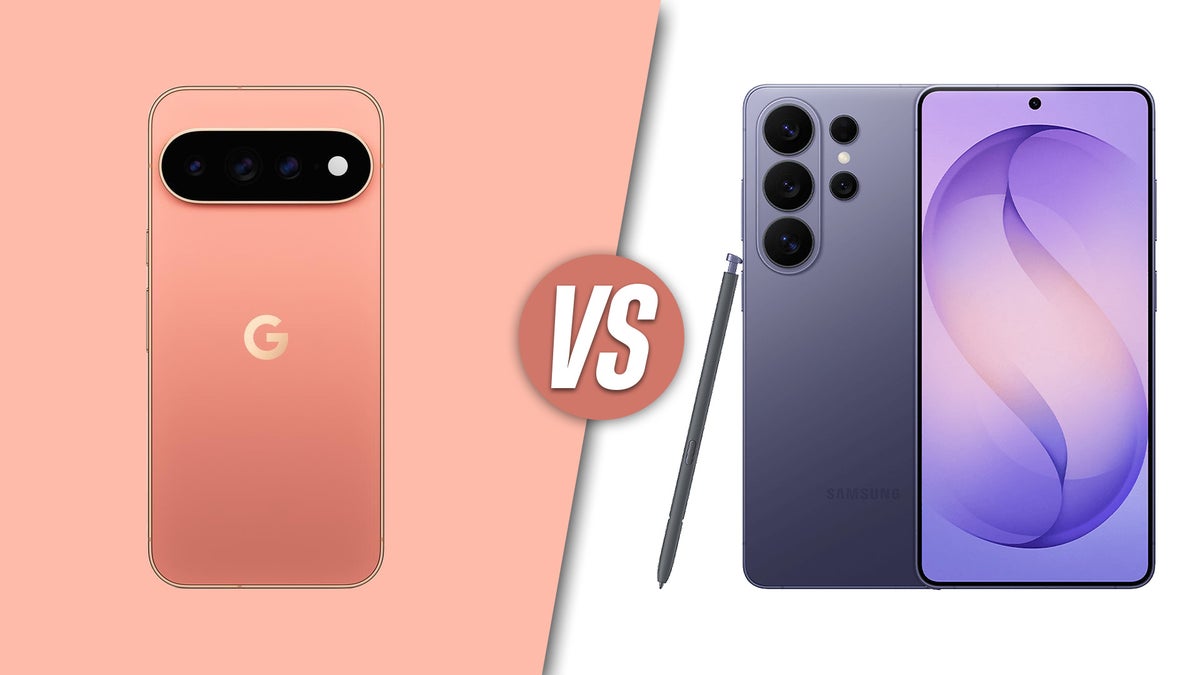
The Pixel brings new camera tricks
It has finally happened: the spiraling RAM prices have pushed Google to raise prices even further and the newly launched Pixel 11 Pro XL now costs $1,300, on par with Samsung's Galaxy S26 Ultra. And while previously Pixel phones were always the more affordable option, that is no longer the case.
So with this new reality... which one should you go for?
Both the Pixel and the Galaxy are extremely conservative with battery sizes. The Galaxy wins in number of cameras, charging speed and cool features like Privacy Display, while the Pixel is all in on AI, and catches up with the camera hardware and leans into film-inspired photos with the new Camera Looks.
Pixel 11 Pro XL vs Galaxy S26 Ultra differences:
| Pixel 11 Pro XL | Galaxy S26 Ultra |
|---|---|
| 6.8-inch form factor | 6.9-inch screen, slightly thinner and lighter |
| 2X better scratch resistance on the screen | Also excellent scratch resistance |
| Just average antireflection | Superb antireflection coating |
| Does not have Privacy Display | Privacy Display feature |
| Even brighter display reaching 3,600 nits | Also bright, but lower peak at 2,600 nits |
| Tensor G6 chip with improved power efficency and TPU compute | Snapdragon 8 Elite Gen 5 chip |
| 12GB RAM in 256GB version, 16GB in 512GB model | 12GB RAM in base model |
| Three cameras NEW Main camera sensor NEW and larger 5X telephoto sensor | Four rear cameras: 200MP main 50MP ultra-wide 50MP 5X telephoto + 10MP 3X tele |
| HiLight custom colorful LED for notifications on the back | - |
| 5115mAh battery | 5000mAh battery |
| 45W wired charging 25W Qi 2.2 wireless | 60W wired charging 25W wireless |
Table of Contents:
Read more:
Design and Size
Just different
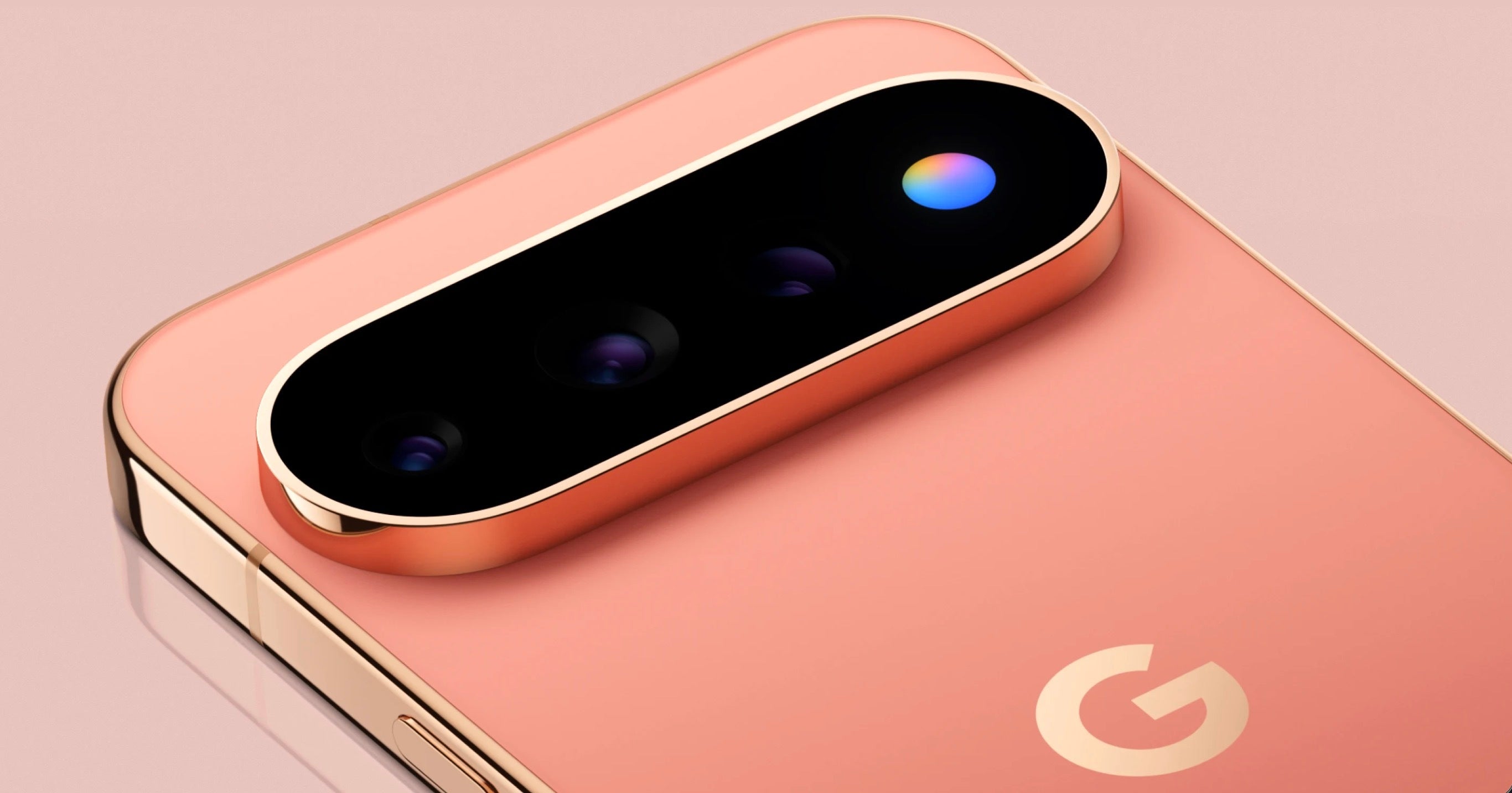
Image by Google
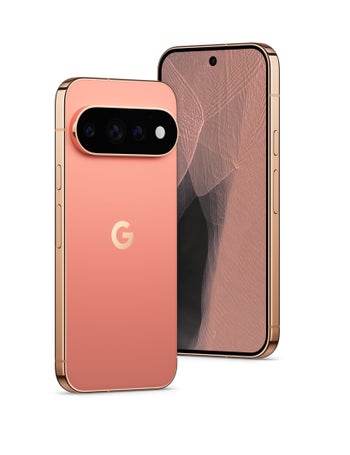
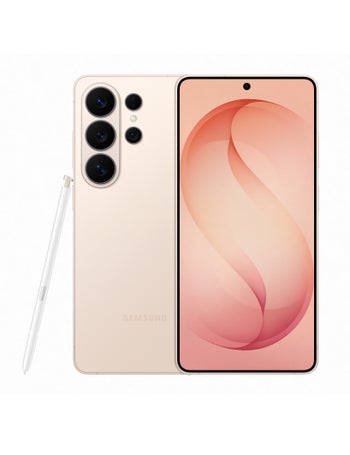
Flat sides, flat displays, slim bezels: most phones these days look extremely similar. And the Pixel and Galaxy both fit that look. Each has its personality, though: the Pixel has that camera bar, which stands out, and the Galaxy has the vertical pill-shaped camera island that is also easy to recognize in a crowd.
Both are big phones also, but the Galaxy is a bit lighter, and I think that is an important advantage.
|
|
| Google Pixel 11 Pro XL | Samsung Galaxy S26 Ultra |
| Dimensions | |
|---|---|
| 162.6 x 76.2 x 8.5 mm (~12.85 mm with camera bump) | 163.6 x 78.1 x 7.9 mm (~12.33 mm with camera bump) |
| Weight | |
| 226.8 g | 214.0 g |
See the full
Google Pixel 11 Pro XL vs Samsung Galaxy S26 Ultra specs comparison
or compare them to other phones using our
Phone Comparison tool
The Pixel brings one welcome change this year: a supposed 2X increase in scratch resistance. I think it's catching up to Samsung, though, as the last couple of Galaxies already were incredibly resistant to scratches. You basically don't need to use a screen protector at all with both phones if you are only worried about minor scratches.
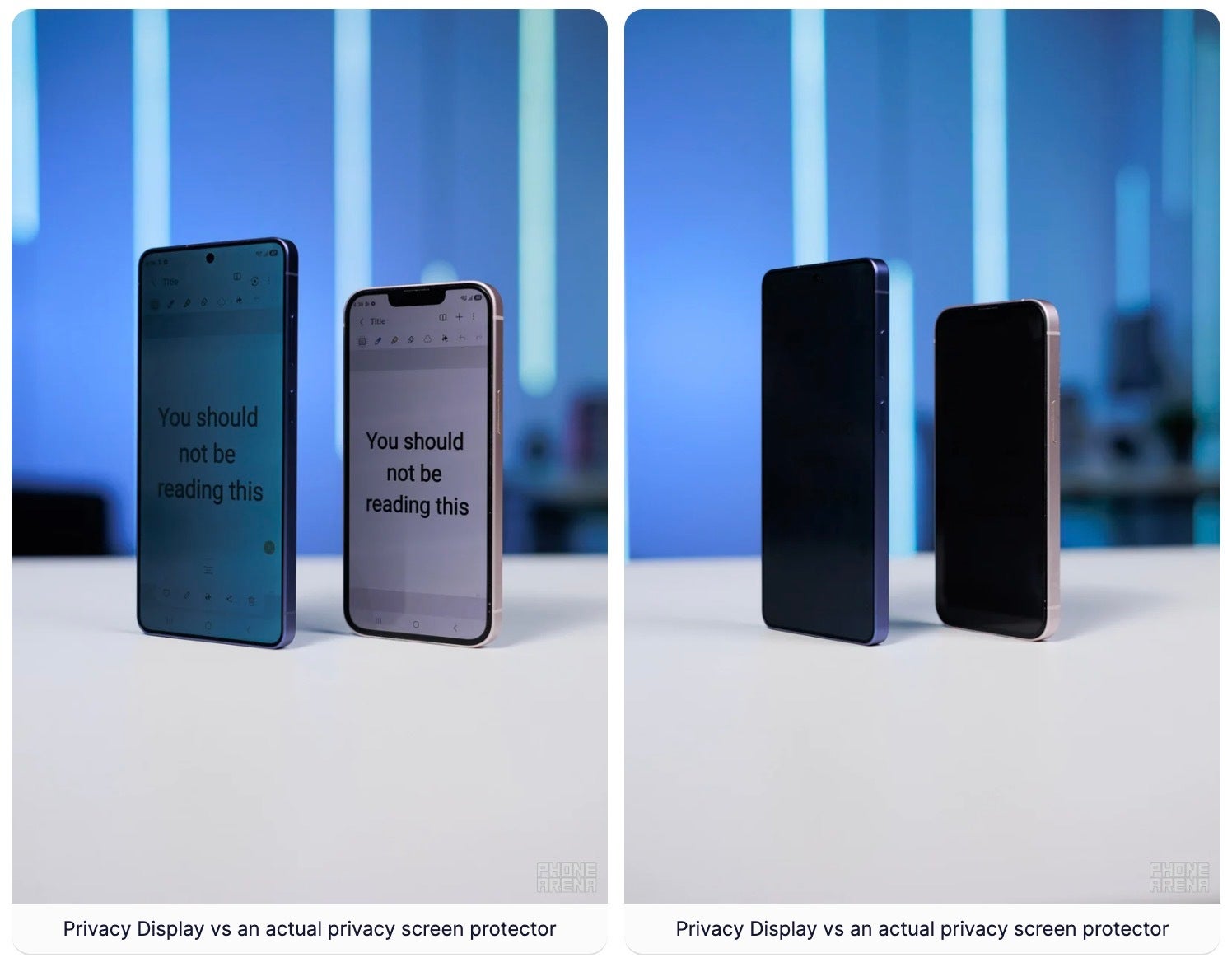
Image by PhoneArena
The unique feature of the Galaxy, however, is its Privacy Display. Turn it on, and it acts like a privacy screen protector, so curious eyes can't see your secret chats or peek at your banking app details.
The Pixel, on the other hand, gets a new trick this year: HiLight. It's a colorful light next to the rear cameras that will notify you about missed calls and will pulse as you talk to Gemini. I like the idea and it could also help us stare less at the screen and just interact with the phone more naturally.
If you ask me, though, I am missing a couple of additional physical buttons on both of these phones (yep, I mean exactly like the Camera Control and Action button on iPhones).
Display Differences
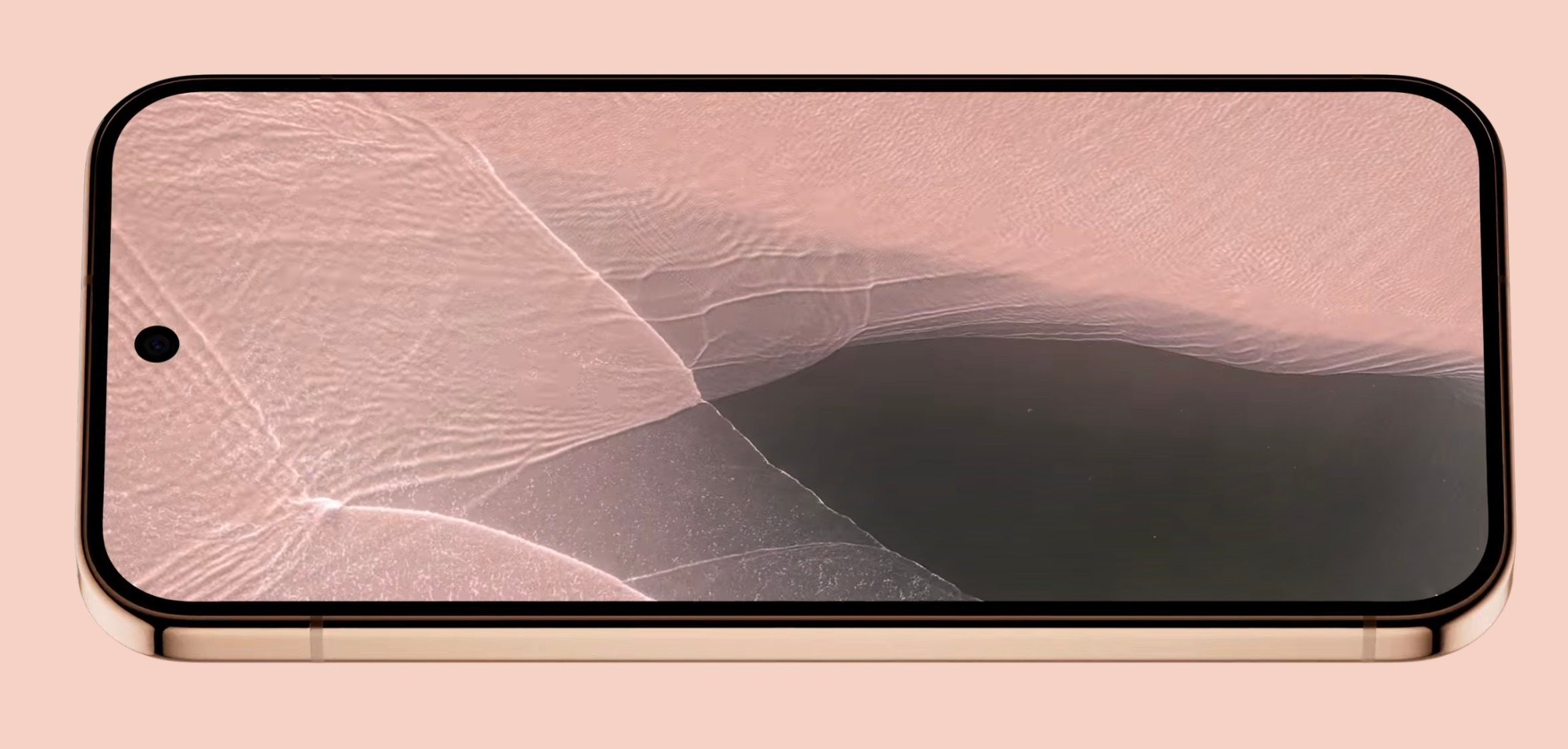
Image by Google
The Galaxy technically has a slightly bigger display, but the Pixel wins in brightness, hitting an insane 3,600 nits peak vs 2,600 nits on the Galaxy.
What the specs don't tell you, however, is that the Galaxy has superb anti-reflectivity, which plays no small role for outdoor use.
|
|
|
| Google Pixel 11 Pro XL | Samsung Galaxy S26 Ultra |
| Size | |
|---|---|
| 6.8-inch | 6.9-inch |
| Type | |
| OLED, 120Hz | Dynamic AMOLED, 120Hz |
See the full
Google Pixel 11 Pro XL vs Samsung Galaxy S26 Ultra specs comparison
or compare them to other phones using our
Phone Comparison tool
Both phones feature ultrasonic fingerprint readers, and I don't expect any issues with either one. The Pixel, however, has a slight advantage: it uses a special algorithm for face recognition that gives it Class 3 biometric security for face unlock. This means you can use your face to sign in to your banking app and authorize digital payments, while the Galaxy does not support Class 3 security.
Performance and Software
New Tensor in town, but less RAM
With the RAM crisis, it's no surprise that we get 12GB of RAM on the base models of both the Pixel and the Galaxy. For the Pixel, that's a step back from last year when the phone had 16GB on board.
Then comes the difference in processors. The Pixel runs on the Tensor G6, made by TSMC using their latest 2nm technology, while the S26 Ultra being the older phone uses the Qualcomm Snapdragon 8 Elite Gen 5 chipset, which is made on the older 3nm node.
While Tensor is newer, it is still no match for the Snapdragon in general performance. The strength of tensor is in AI use as well as power efficiency, but stay tuned for more benchmarks of both these phones that will paint the full picture.
What we know even now, though, is that the Galaxy will remain the better phone for gaming, as Google has not made major strides in GPU performance.
|
|
|
| Google Pixel 11 Pro XL | Samsung Galaxy S26 Ultra |
| System chip | |
|---|---|
| Google Tensor G6 (3 nm) | Snapdragon 8 Elite Gen 5 for Galaxy SM8850-1-AD (3 nm) |
| Memory | |
| 12GB (LPDDR5X)/256GB (UFS 4.0) 16GB/512GB 16GB/1TB |
12GB (LPDDR5X)/256GB (UFS 4.0) 12GB/512GB 16GB/1024GB |
| OS | |
| Android (17), up to 7 OS updates | Android (16), up to 7 OS updates |
See the full
Google Pixel 11 Pro XL vs Samsung Galaxy S26 Ultra specs comparison
or compare them to other phones using our
Phone Comparison tool
So what about the software? Both phones come with 7 seven years of software updates, so that's great.
The rest boils down to personal preference: the 11 Pro XL comes with Android 17 in its clean form with all the latest additions like the cool new Bubbles (and the new emoji too), while the Galaxy runs on One UI, which has its own take on things and its own style.
Camera
A pivot away from the "smartphone look"
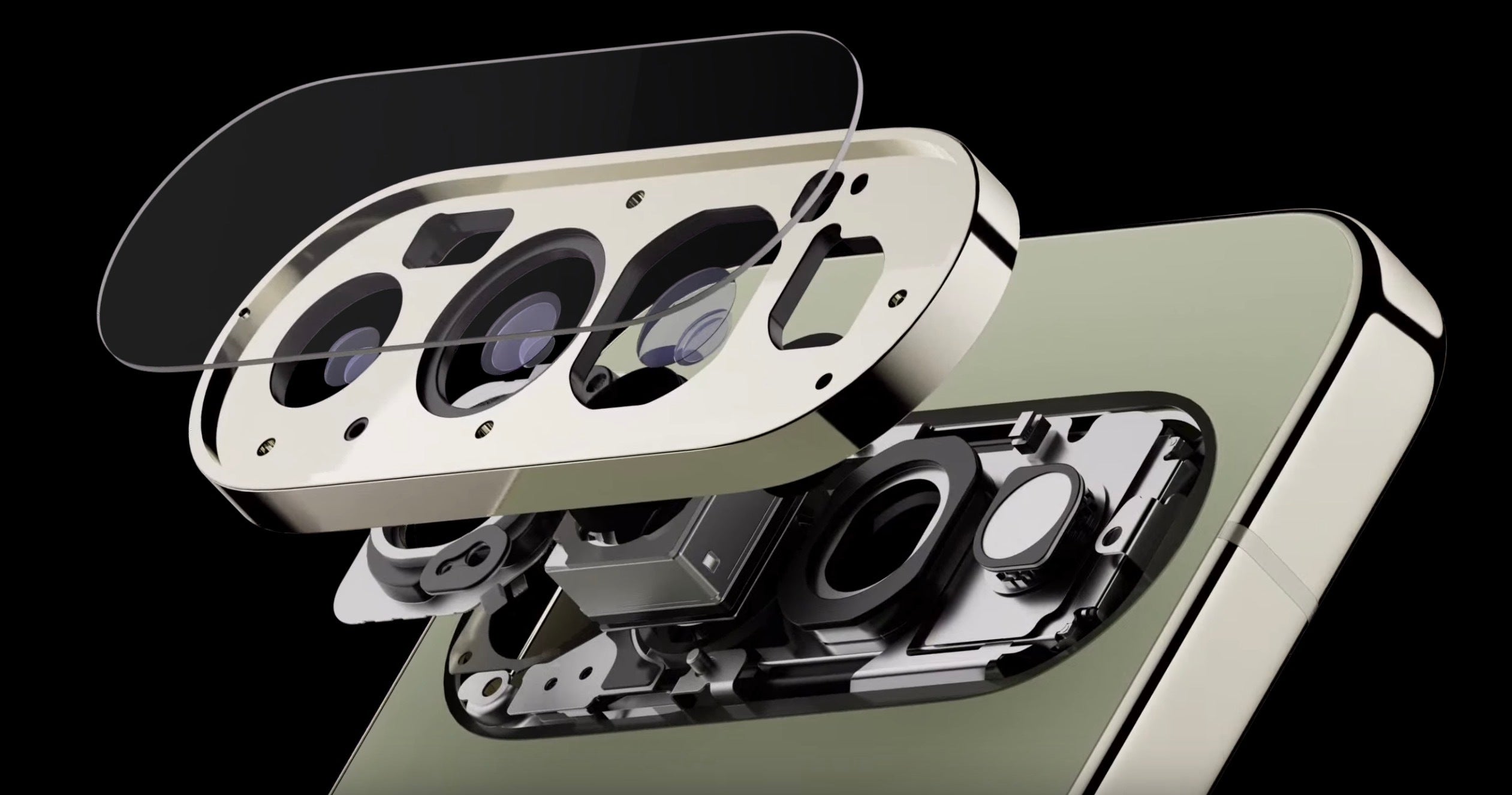
Image by Google
The Pixel 11 Pro XL makes a few big strides in image quality. A new main camera sensor helps with overall quality and detail in the 1X to 5X zoom range. There is also a new and bigger sensor for the 5X telephoto camera. Google claims you can now zoom up 120X and the sensor can capture more light.
In comparison, the Galaxy has similar sized sensor and even one extra camera — a 10MP 3X zoom one. That sounds good at first, but remember that this is a camera from the past, with a small sensor and rumors say the quality boost is so small that Samsung might remove it altogether next year.
What I am most excited about on the 10 Pro XL is the look of the photos. While Samsung only gives you one style, Google now lets you pick Camera Looks.
Camera Looks basically give you film-inspired colors and styles. Digital cameras from the early 2000s are all the rage now, and this can emulate their look, or possibly the look you get from a Fuji camera. These are the features that enthusiasts really crave, and if Google delivers here, I can see people overlooking all of the specs just to get those tasty new colors.
Of course, wait for our in-depth camera comparisons coming soon that will show just how good these new looks really are.
|
|
|
| Google Pixel 11 Pro XL | Samsung Galaxy S26 Ultra |
| Main camera | |
|---|---|
| 50 MP (OIS, PDAF) Aperture size: F1.7 Sensor size: 1/1.3" | 200 MP (OIS, PDAF) Sensor name: Samsung ISOCELL HP2 Aperture size: F1.4 Focal length: 23 mm Sensor size: 1/1.3" Pixel size: 0.6 μm |
| Second camera | |
| 48 MP (Ultra-wide) Aperture size: F1.7 Sensor size: 1/2.51" |
50 MP (Ultra-wide, PDAF) Sensor name: Samsung ISOCELL JN3 Aperture size: F1.9 Sensor size: 1/2.5" Pixel size: 0.7 μm |
| Third camera | |
| 48 MP (Telephoto, Periscope) Optical zoom: 5.0x Aperture size: F2.8 Sensor size: 1/1.95" |
10 MP (Telephoto, OIS, PDAF) Sensor name: Sony IMX754 Optical zoom: 3.0x Aperture size: F2.4 Sensor size: 1/3.94" Pixel size: 1.12 μm |
| Fourth camera | |
| 50 MP (Telephoto, Periscope, OIS, PDAF) Sensor name: Sony IMX854 Optical zoom: 5.0x Aperture size: F2.9 Focal Length: 115 mm Sensor size: 1/2.52" Pixel size: 0.7 μm |
|
| Front | |
| 42 MP (PDAF) | 12 MP (PDAF, HDR) |
See the full
Google Pixel 11 Pro XL vs Samsung Galaxy S26 Ultra specs comparison
or compare them to other phones using our
Phone Comparison tool
For video, I think Google is one step ahead as well. Samsung focuses on the APV lossless codec and adding LUTs in camera, while the Pixel introduces features that are more suitable for the average person.
The new Magic Capture feature on Pixel automatically extracts cool snaps from your video.
- Folder organization: Place videos into projects for easy editing and organizing.
- Teleprompter: Get your script ready and just add it to Teleprompter.
- Audio visualizer: On-screen audio visualizer to monitor your audio levels in real-time.
- Creator gridlines: See a guide with the exact aspect ratio of social media platforms such as TikTok and IG reels.
- Improved Speech Enhancement: This tool reduces side noise like wind, traffic and crowds so that your voice can stand out.
Battery Life and Charging
Small and smaller
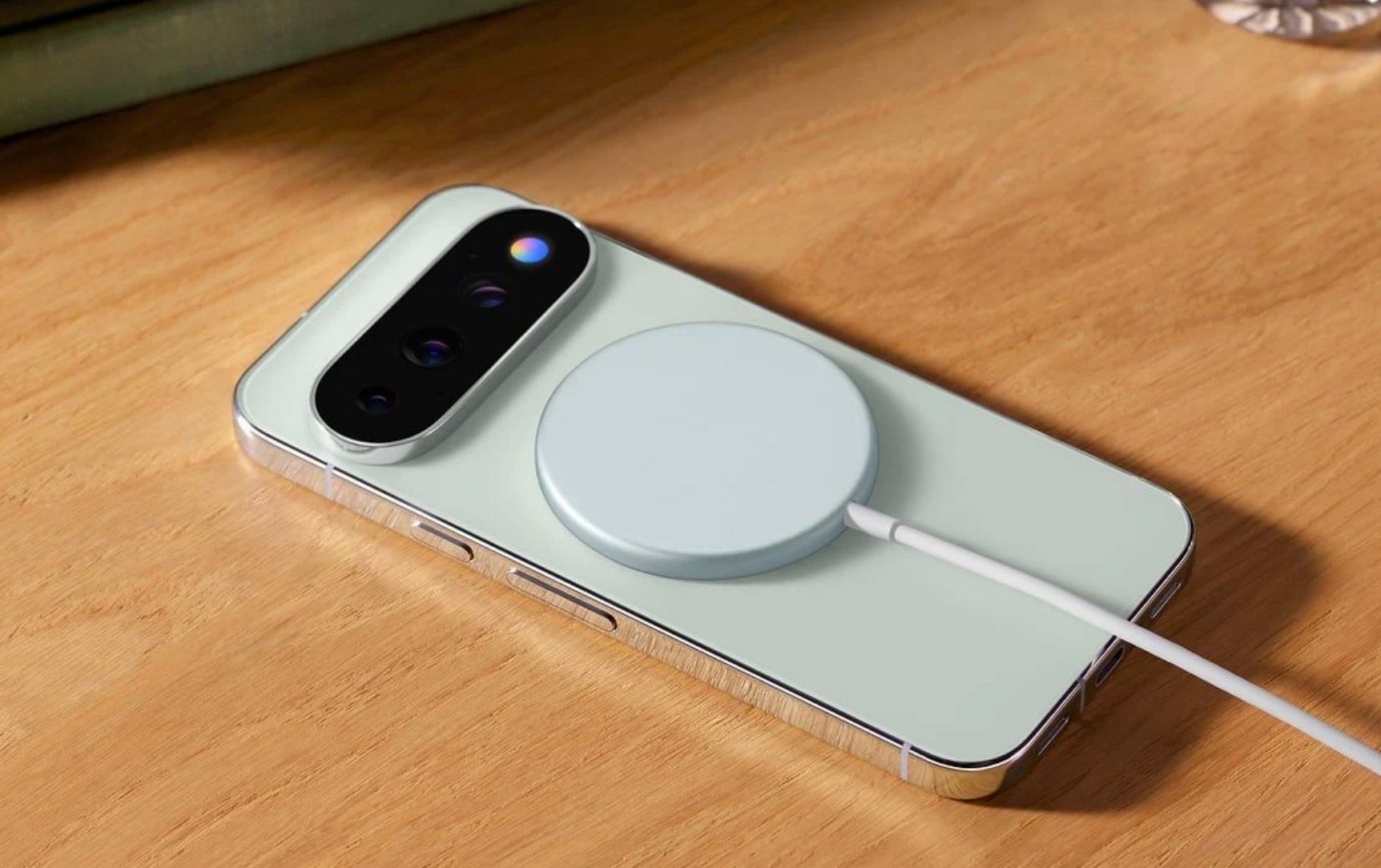
Image by Google
With a 5,115mAh battery on board, the Pixel 11 Pro XL can only beat... the Galaxy S26 Ultra, which has a 5,000mAh cell.
There is only one way to describe this: disappointing.
While other Android flagships flaunt 7,000mAh batteries, these two phones are stuck in the past.
Still, Google official estimates say all Pixel 11 models last 30+ hours with average use. The Galaxy on the other hand is rated for 31 hours of video playback. These numbers are obviously not directly comparable, so you'd best wait out our in-house battery tests coming late August that will show the full picture.
|
|
|
| Google Pixel 11 Pro XL | Samsung Galaxy S26 Ultra |
| Type | |
|---|---|
| 5115 mAh | 5000 mAh |
| Charge speed | |
| Wired: 45.0W Wireless: 25.0W |
Wired: 60.0W Wireless: 15.0W |
See the full
Google Pixel 11 Pro XL vs Samsung Galaxy S26 Ultra specs comparison
or compare them to other phones using our
Phone Comparison tool
Charging should be a win for the Galaxy. The S26 Ultra supports 60 watts while Google recommends you use a 45W charger with the Pixel.
None of these is a speed demon, but you should get a roughly 75% top-up in 30 minutes on the Pixel. Those are the official claims, though, and I'd rather wait for our internal tests to see the real-world speed.
Pixel remains one of few, if not the only, Android phone with integrated magnets in the body of the phone, which is a really nice touch for wireless charging. The Galaxy does not have that.
Specs Comparison
And here is an overview of the Pixel 11 Pro XL vs Galaxy S26 Ultra specs.
|
|
|
| Google Pixel 11 Pro XL | Samsung Galaxy S26 Ultra |
| Dimensions | |
|---|---|
| 162.6 x 76.2 x 8.5 mm (~12.85 mm with camera bump) | 163.6 x 78.1 x 7.9 mm (~12.33 mm with camera bump) |
| Weight | |
| 226.8 g | 214.0 g |
| Size | |
|---|---|
| 6.8-inch | 6.9-inch |
| Type | |
| OLED, 120Hz | Dynamic AMOLED, 120Hz |
| System chip | |
|---|---|
| Google Tensor G6 (3 nm) | Snapdragon 8 Elite Gen 5 for Galaxy SM8850-1-AD (3 nm) |
| Memory | |
| 12GB (LPDDR5X)/256GB (UFS 4.0) 16GB/512GB 16GB/1TB |
12GB (LPDDR5X)/256GB (UFS 4.0) 12GB/512GB 16GB/1024GB |
| OS | |
| Android (17), up to 7 OS updates | Android (16), up to 7 OS updates |
| Type | |
|---|---|
| 5115 mAh | 5000 mAh |
| Charge speed | |
| Wired: 45.0W Wireless: 25.0W |
Wired: 60.0W Wireless: 15.0W |
| Main camera | |
|---|---|
| 50 MP (OIS, PDAF) Aperture size: F1.7 Sensor size: 1/1.3" | 200 MP (OIS, PDAF) Sensor name: Samsung ISOCELL HP2 Aperture size: F1.4 Focal length: 23 mm Sensor size: 1/1.3" Pixel size: 0.6 μm |
| Second camera | |
| 48 MP (Ultra-wide) Aperture size: F1.7 Sensor size: 1/2.51" |
50 MP (Ultra-wide, PDAF) Sensor name: Samsung ISOCELL JN3 Aperture size: F1.9 Sensor size: 1/2.5" Pixel size: 0.7 μm |
| Third camera | |
| 48 MP (Telephoto, Periscope) Optical zoom: 5.0x Aperture size: F2.8 Sensor size: 1/1.95" |
10 MP (Telephoto, OIS, PDAF) Sensor name: Sony IMX754 Optical zoom: 3.0x Aperture size: F2.4 Sensor size: 1/3.94" Pixel size: 1.12 μm |
| Fourth camera | |
| 50 MP (Telephoto, Periscope, OIS, PDAF) Sensor name: Sony IMX854 Optical zoom: 5.0x Aperture size: F2.9 Focal Length: 115 mm Sensor size: 1/2.52" Pixel size: 0.7 μm |
|
| Front | |
| 42 MP (PDAF) | 12 MP (PDAF, HDR) |
See the full
Google Pixel 11 Pro XL vs Samsung Galaxy S26 Ultra specs comparison
or compare them to other phones using our
Phone Comparison tool


Related Content

Popular stories

Latest News
![Another batch of Galaxy S26 series users in the US are getting a nice surprise today [UPDATED]](https://m-cdn.phonearena.com/images/article/183643-wide-two_350/Another-batch-of-Galaxy-S26-series-users-in-the-US-are-getting-a-nice-surprise-today-UPDATED.webp)
Things that are NOT allowed:
To help keep our community safe and free from spam, we apply temporary limits to newly created accounts: