Pixel 11 Pro vs Samsung Galaxy S26: All the differences explained

We may earn a commission if you make a purchase from the links on this page.
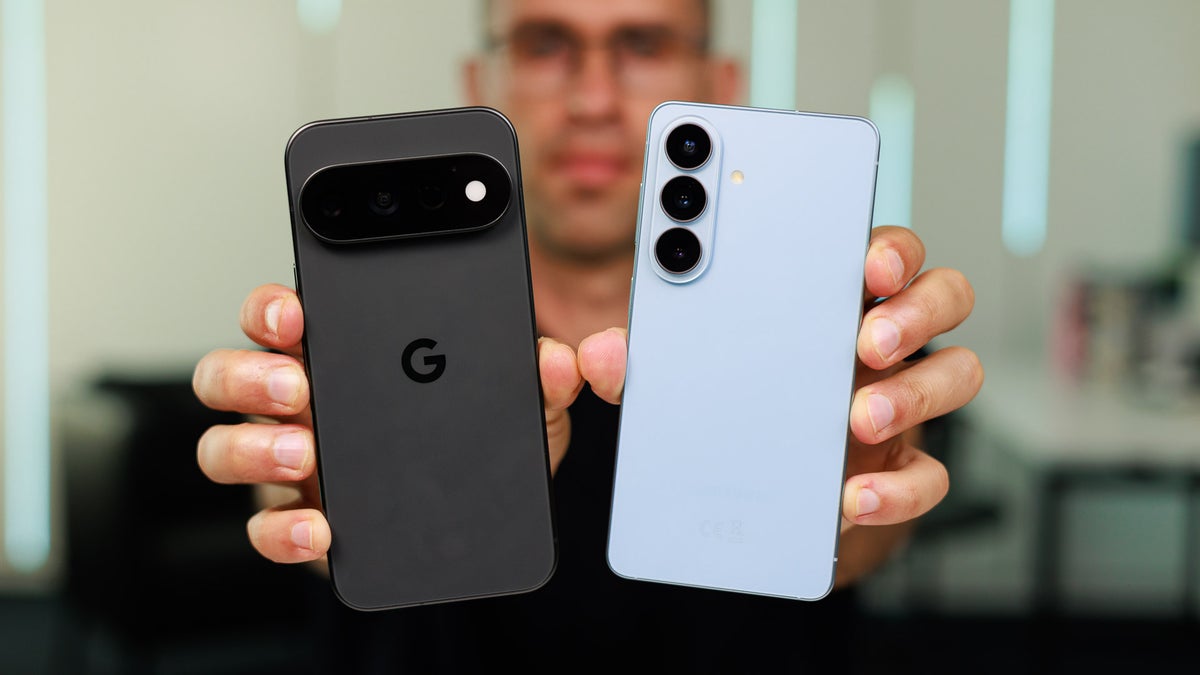
Pixel 11 Pro on the left, Galaxy S26 on the right | Image by PhoneArena
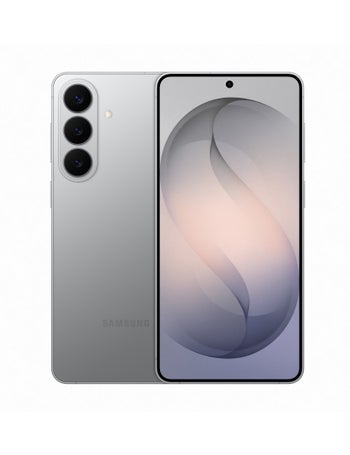
If you are looking for a compact Android phone, there are two big names that stand out: the Google Pixel 11 Pro and Samsung's Galaxy S26.
Both come with 6.3-inch screens and are much more pocketable and lighter than your Pro Max and Ultra flagships.
But while they share the size similarity, they are quite different. The Pixel runs on a clean version of Android, while the Galaxy uses Samsung's One UI. The Pixel has a more capable 5X telephoto camera, while the Galaxy has a very basic zoom camera. The Pixel has the bigger battery, too.
But the Google phone is also heavier, while the Galaxy is much lighter. And Samsung uses a much faster processor. So let's see which of these two phones is the right choice for you.
For this comparison, I have used both phones for at least a week. We have also spent days running our proprietary battery testing and camera testing protocols, as well as taking dozens of photos and videos to compare these two.
Pixel 11 Pro vs Samsung Galaxy S26 differences explained:
| Pixel 11 Pro | Galaxy S26 |
|---|---|
| Much heavier at 204 grams | 167 grams weight |
| Thicker at 8.4mm | 7.2mm thickness |
| Horizontal camera bar on the back | Vertical pill-shaped camera island |
| Brighter screen at 3,600 nits peak | 2,600 nits peak brightness |
| Slower Tensor G6 chipset | Faster chipset: Snapdragon 8 Elite Gen 5 in the US Exynos 2600 for global model |
| Triple rear cameras | Triple rear cameras |
| Bigger sensor for telephoto camera | Less capable telephoto camera |
| Bigger battery at 4,850mAh | 4,300mAh battery |
| Slightly faster 30W wired charging | Wired charging of 25W |
| Supports Qi2.2 magnetic wireless charging | Supports wireless charging but no magnets |
| Much more expensive, starting from $1,100 (256 GB base) | Cheaper at $900 MSRP |
Table of Contents:
Design and Display Quality
The Galaxy wins on compactness
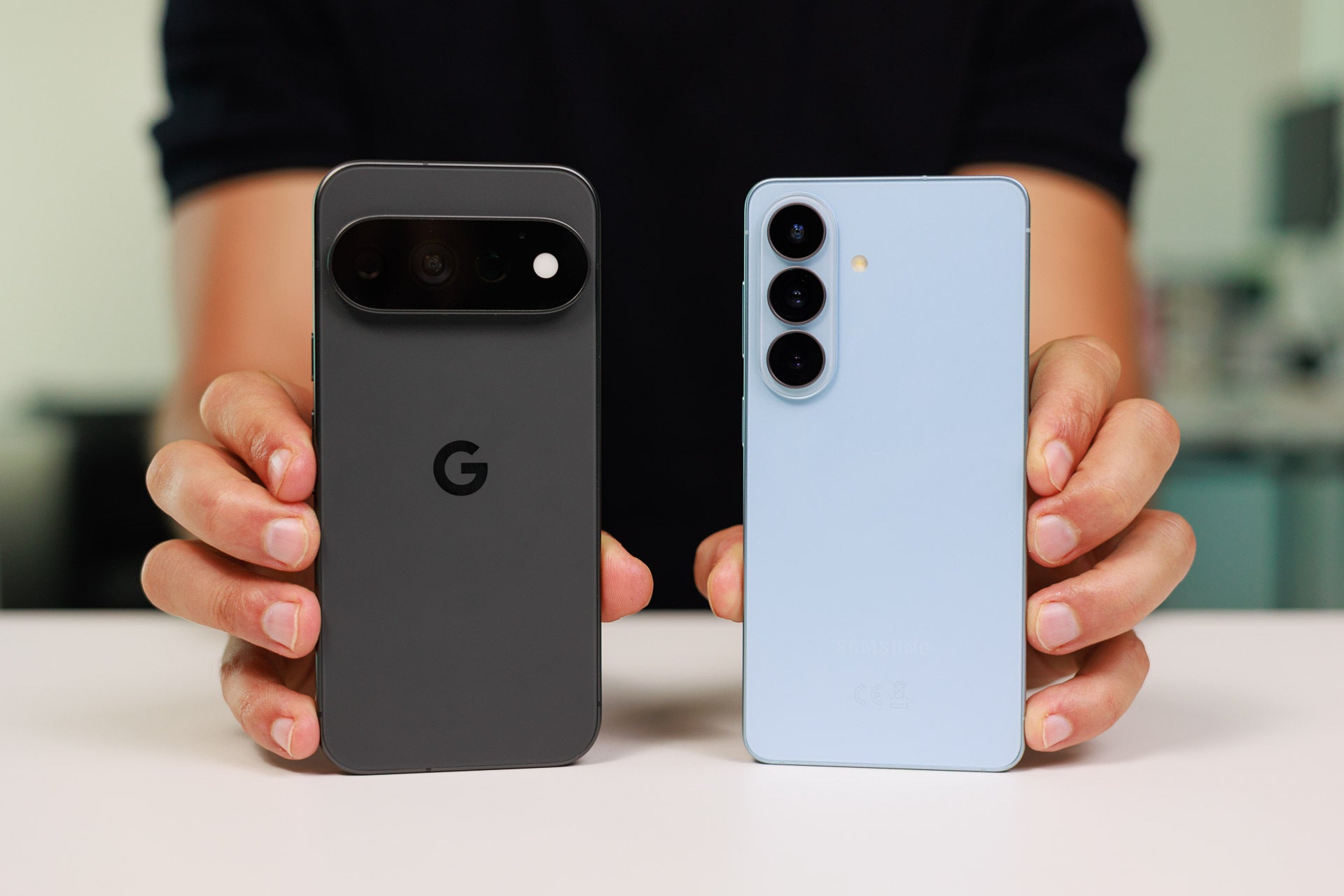
Image by PhoneArena
While both the Pixel 11 Pro and Galaxy S26 feel compact compared to a bigger phone, they feel distinctly different from each other.
Weighing just 167 grams, the Galaxy S26 is nearly 20% lighter than the Pixel. It's also nearly 15% thinner. All of this makes for a super airy feel, while the Pixel feels more substantial. I still wouldn't call the Pixel heavy, but if I were after a truly lightweight and small phone, it's an easy win for the Galaxy.
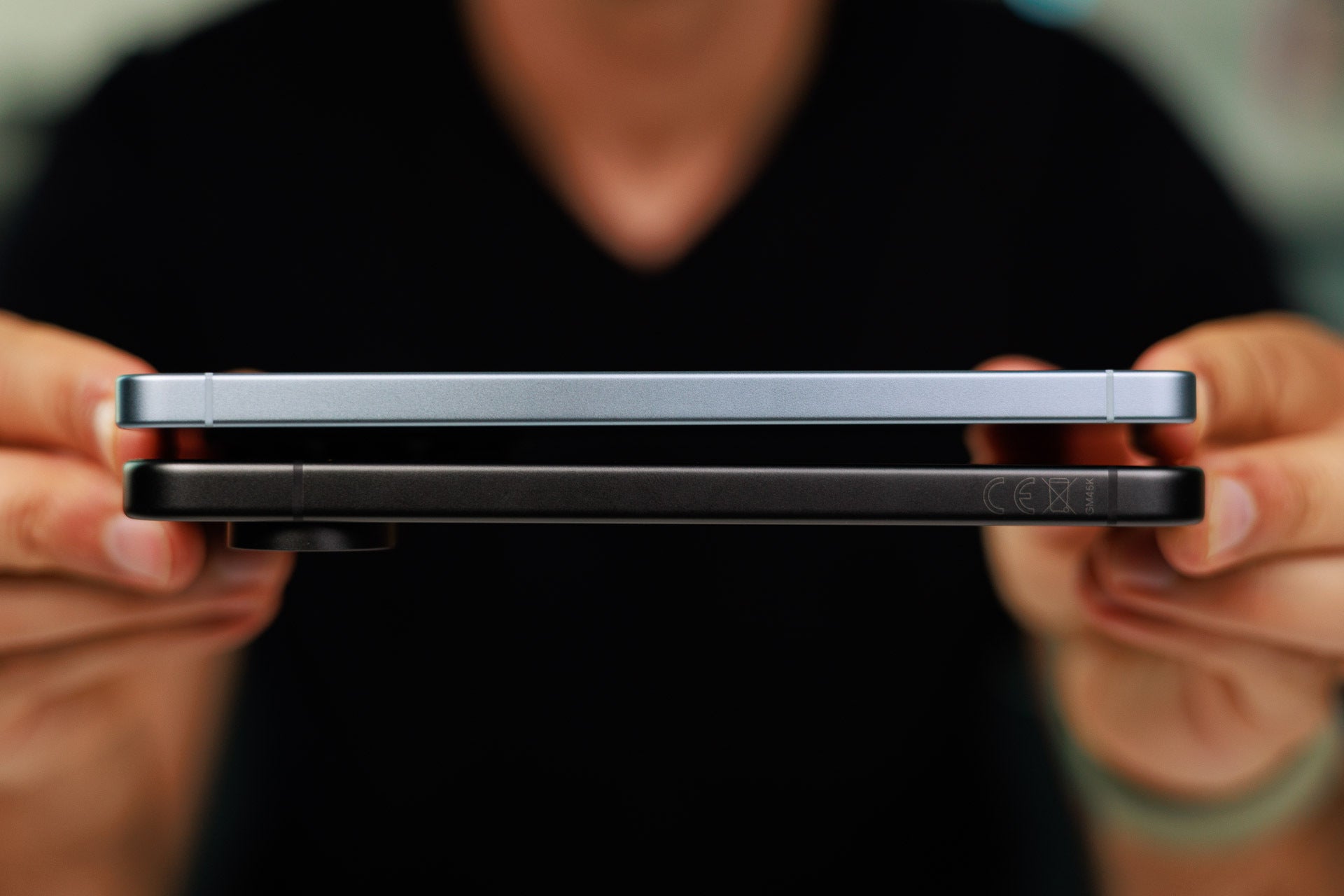
Image by PhoneArena
One new gimmick on the Pixel is the HiLight, an array of 8 LED lights in a circle placed with the flash. They light up when you use Gemini or when someone calls you, but nothing else. This is clearly a gimmick, and I ended up mostly forgetting about the existence of HiLight a couple of days after switching to the Pixel.
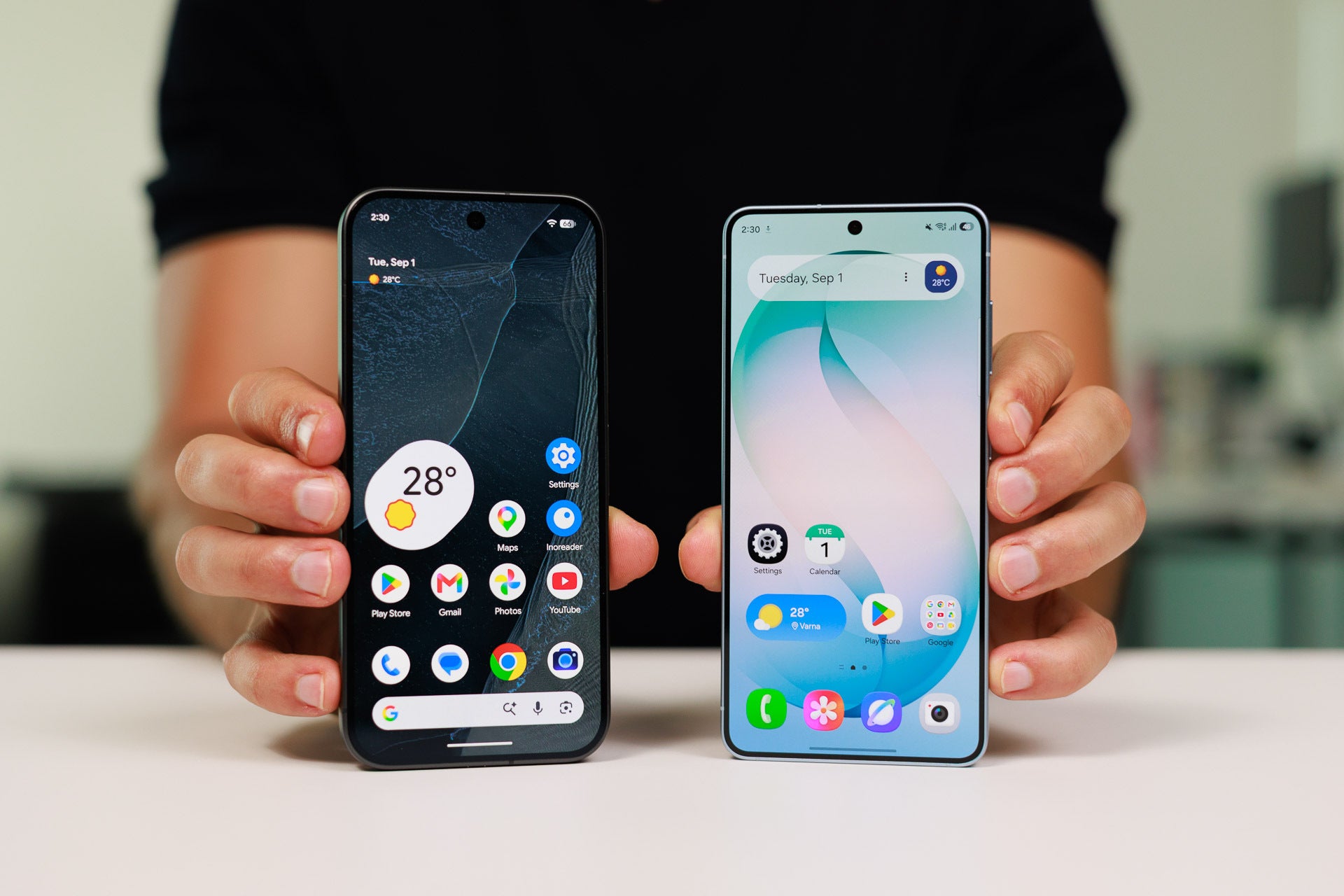
Image by PhoneArena
Display Measurements:
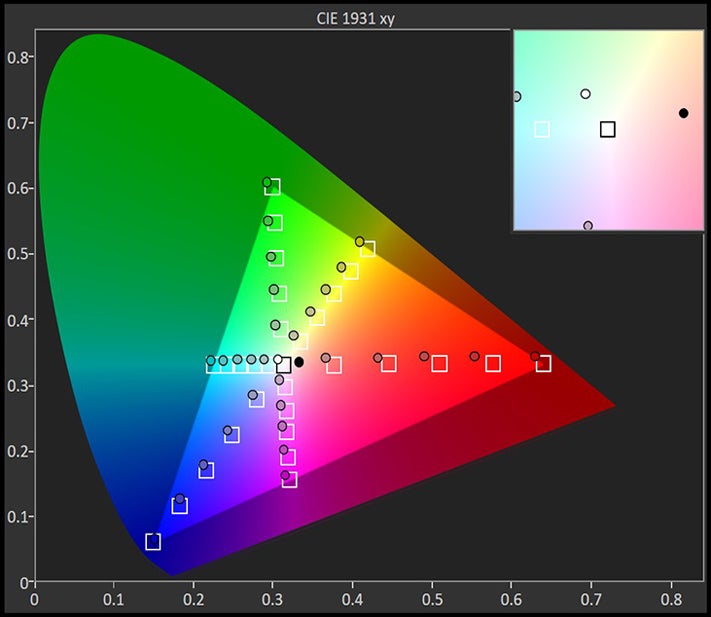
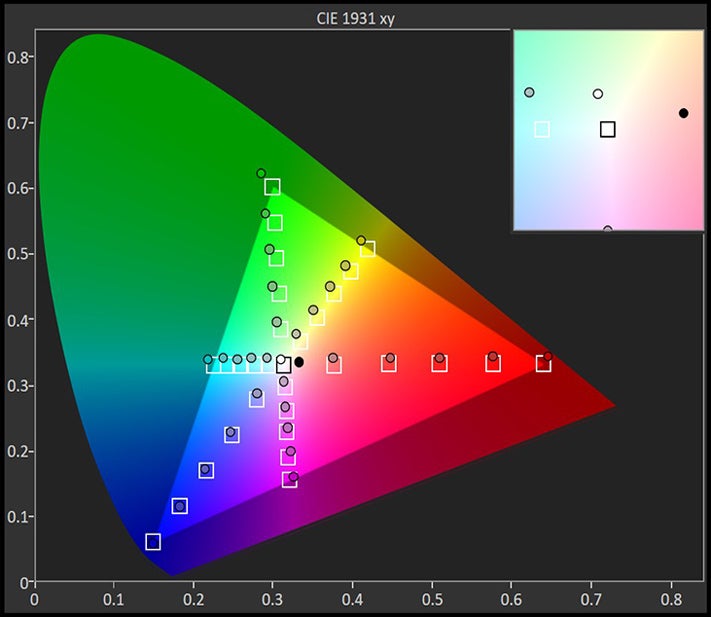
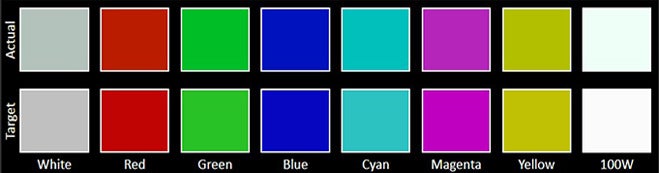
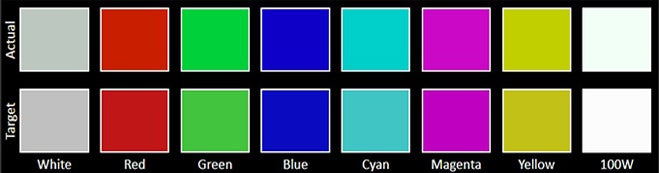


In our lab, we measured much higher peak brightness on the Pixel. The Pixel 11 Pro and Pro XL are the brightest phones we have ever tested, which definitely helps with outdoor legibility.
Performance and Software
Tensor is still behind
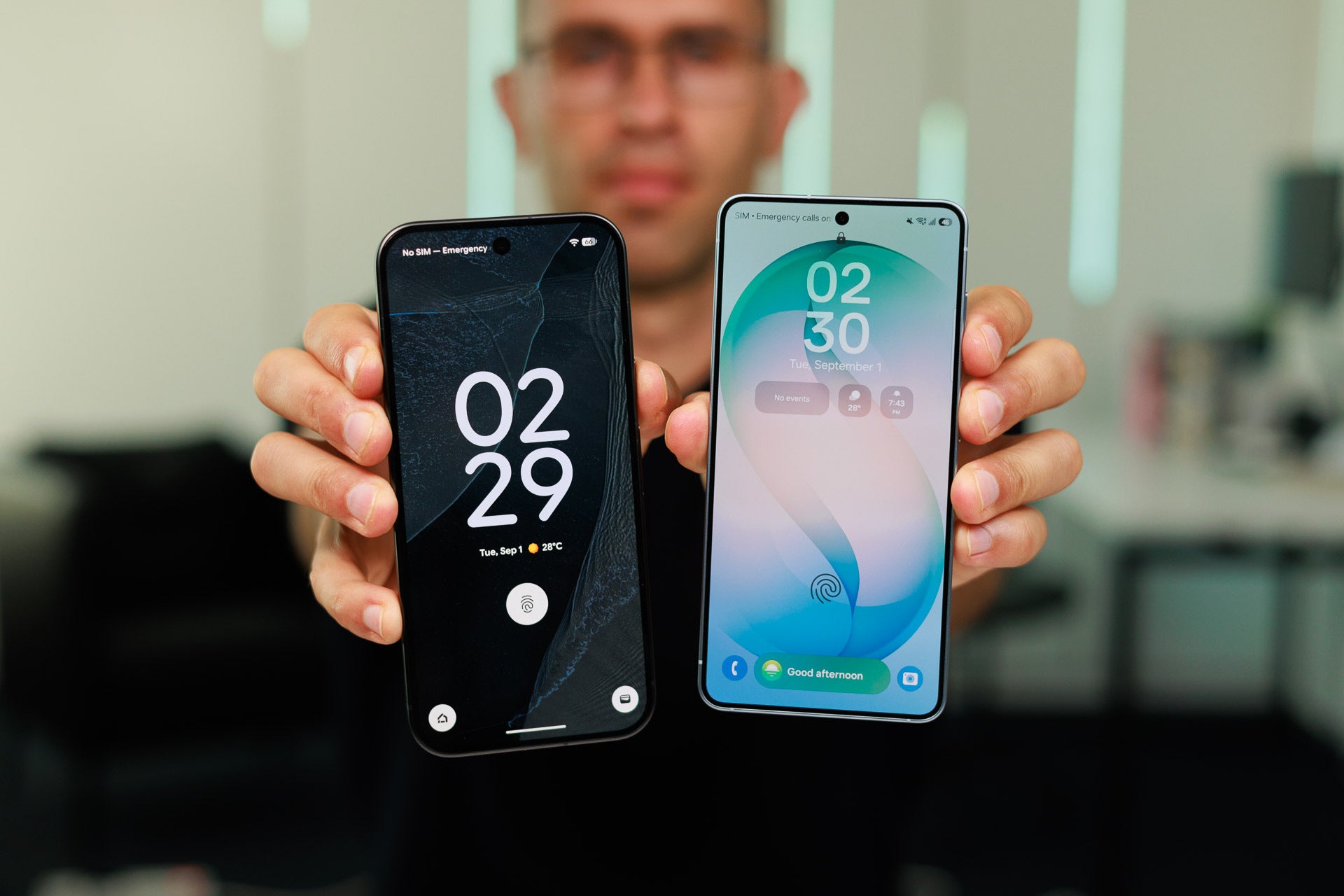
Image by PhoneArena
The Pixel 11 Pro continues the Google tradition of using the company's own Tensor chips — it runs on the newest version, the Tensor G6. The Galaxy S26, on the other hand, runs on Qualcomm's flagship Snapdragon 8 Elite Gen 5 chipset in the US model, while global versions use the Samsung Exynos 2600 processor. We have the global version of the Galaxy S26 for this comparison.
Both phones come with 12GB of RAM.
GPU Performance
Google has lagged behind with the Tensor line of chips for years, and not much has changed this year. The Tensor G6 is a step up from the previous generation, but it's still no match for other high-end chips. The Exynos 2600 on the Galaxy scores higher for CPU and GPU/gaming performance, and the gap in gaming is just massive.
Storage speed
Both the Pixel and the Galaxy base models start at 256GB of native storage (no microSD card expansion available), and you also have the option to buy a 512GB version. If you take many videos or play games, the higher storage tier is definitely recommended.
Camera
Pixel has the upper hand
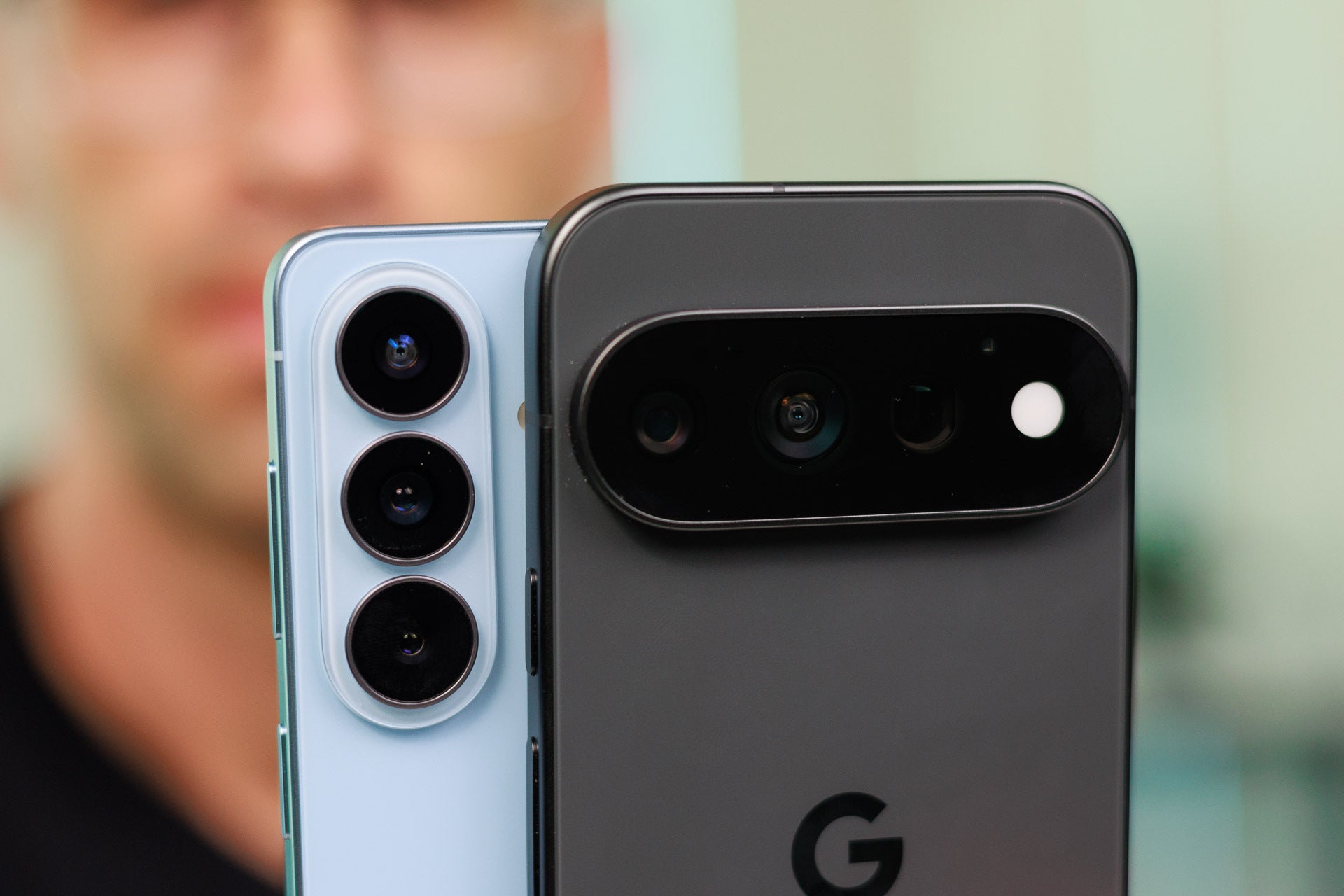
Image by PhoneArena
In our PhoneArena Camera score, the Pixel wins by a significant margin, with better quality all around, but the difference in the zoom quality score is particularly big.
Both phones come with three rear cameras. The megapixel count doesn't matter much these days — sensor size is more important. The Pixel 11 Pro has the upper hand with a 1/1.3-inch main camera sensor, compared to a smaller 1/1.6-inch one on the Galaxy. The ultra-wide cameras on both use roughly the same size sensor.
However, the biggest gap is actually in the telephoto. The 1/1.95-inch sensor of the Pixel has nearly 4 times more area than the one on the Galaxy. This results in photos with less noise in the dark and cleaner detail.
Apart from pure hardware, the Pixel 11 Pro makes one important software change with camera looks. You can now tweak the colors of your photos (you can choose to go more neutral, more vibrant, or darker with more shadows), plus you can even change individual settings like sharpness. This level of control is quite unprecedented, while the Galaxy only offers you one look with those saturated Samsung colors, which not everyone likes.
Main Camera




Zoom Quality


Portrait Mode




Ultra-wide




Selfies


Overall, the Pixel has the better dynamic range and a bit more detail, which you notice the most in zoom photos. The gap between the two is not huge, but I would still say that the Pixel is just the better camera.
Battery Life and Charging
Bigger batteries matter
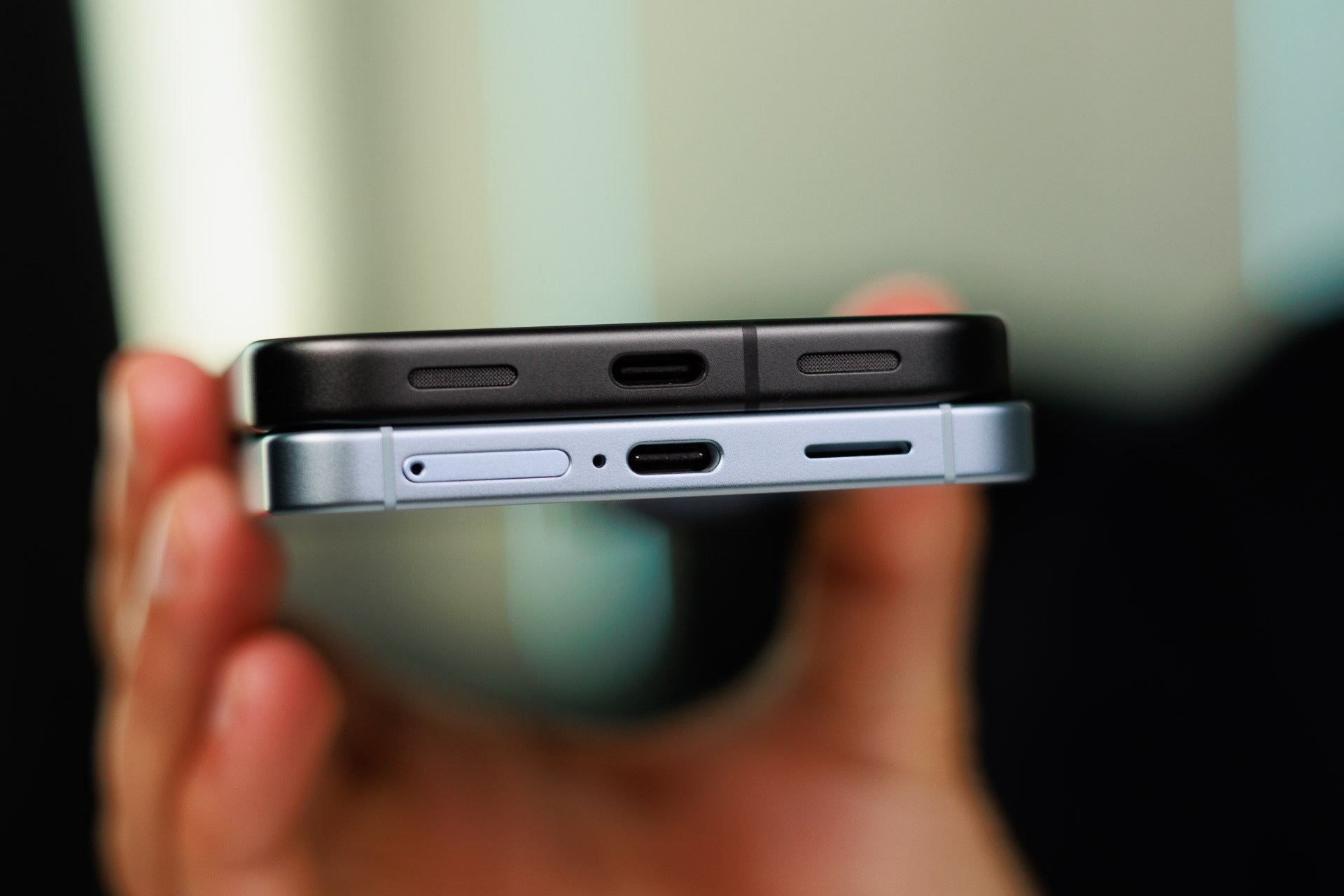
Image by PhoneArena
While the Galaxy wins in how light and airy it feels, that comes at the expense of a noticeably smaller battery. The S26 has a 4,300mAh battery compared to a 4,850mAh battery on the Pixel 11 Pro, a nearly 13% difference in favor of the Google phone.
We ran our independent battery tests following our standard PhoneArena protocol, and the Pixel did impressively well in video streaming, scoring just over 11 hours, excellent for a small-sized phone. Compare this to roughly 9 hours on the Galaxy S26 on the same test.
Wired charging on the Pixel is also a bit faster (30W) compared to the Galaxy S26 (25W).
Both phones support wireless charging, but only the Pixel has built in magnets and Qi2.2 support, so you can easily snap it magnetically to a wireless charger for a perfect fit and better wireless charging efficiency.
Audio Quality and Haptics
Both phones come with dual speakers (one bottom firing, and one on the top), and the quality is comparable, with a slight advantage to the Pixel, which being thicker has a slightly richer sound and better bass (for a phone).
One thing to note here is the small sound effects with every action on the Pixel — they are just very well done, from the shutter sound to various notifications, attention to detail like this is great to see.
For haptics, I'd put the Pixel above the Galaxy with a slightly sharper feedback from the vibration motor.
Specs Comparison
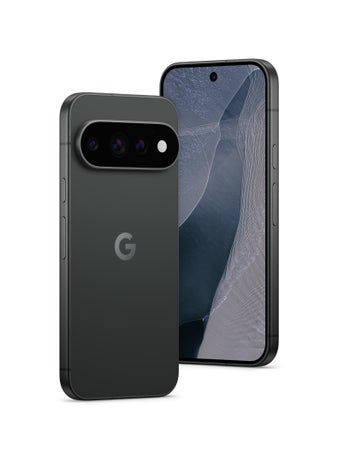
And here is a table showing all the differences in the Pixel 11 Pro vs Galaxy S26 specs:
|
|
| Google Pixel 11 Pro | Samsung Galaxy S26 |
| Dimensions | |
|---|---|
| 152.4 x 71.1 x 8.4 mm (~12.22 mm with camera bump) | 149.6 x 71.7 x 7.2 mm (~10 mm with camera bump) |
| Weight | |
| 204.0 g | 167.0 g |
| Size | |
|---|---|
| 6.3-inch | 6.3-inch |
| Type | |
| OLED, 120Hz | Dynamic AMOLED, 120Hz |
| System chip | |
|---|---|
| Google Tensor G6 (3 nm) | Snapdragon 8 Elite Gen 5 for Galaxy SM8850-1-AD (3 nm) International version - Exynos 2600 |
| Memory | |
| 12GB (LPDDR5X)/256GB (UFS 4.0) 16GB/512GB 16GB/1TB |
12GB (LPDDR5X)/256GB (UFS 4.0) 12GB/512GB |
| OS | |
| Android (17), up to 7 OS updates | Android (16), up to 7 OS updates |
| Type | |
|---|---|
| 4850 mAh | 4300 mAh |
| Charge speed | |
| Wired: 30.0W Wireless: 25.0W |
Wired: 25.0W Wireless: 15.0W |
| Main camera | |
|---|---|
| 50 MP (OIS, PDAF) Aperture size: F1.7 Sensor size: 1/1.3" |
50 MP (OIS, PDAF) Sensor name: Samsung ISOCELL GN3 Aperture size: F1.8 Focal length: 24 mm Sensor size: 1/1.56" Pixel size: 1.0 μm |
| Second camera | |
| 48 MP (Ultra-wide) Aperture size: F2.8 Sensor size: 1/2.51" |
12 MP (Ultra-wide) Sensor name: Sony IMX564 Aperture size: F2.2 Focal Length: 13 mm Sensor size: 1/2.55" Pixel size: 1.4 μm |
| Third camera | |
| 48 MP (Telephoto, Periscope) Optical zoom: 5.0x Aperture size: F2.8 Sensor size: 1/1.95" |
10 MP (Telephoto, OIS, PDAF) Sensor name: Samsung S5K3K1 Optical zoom: 3.0x Aperture size: F2.4 Focal Length: 67 mm Sensor size: 1/3.94" Pixel size: 1 μm |
| Front | |
| 42 MP (PDAF) | 12 MP (HDR) |
See the full
Google Pixel 11 Pro vs Samsung Galaxy S26 specs comparison
or compare them to other phones using our
Phone Comparison tool
Which one should you buy?
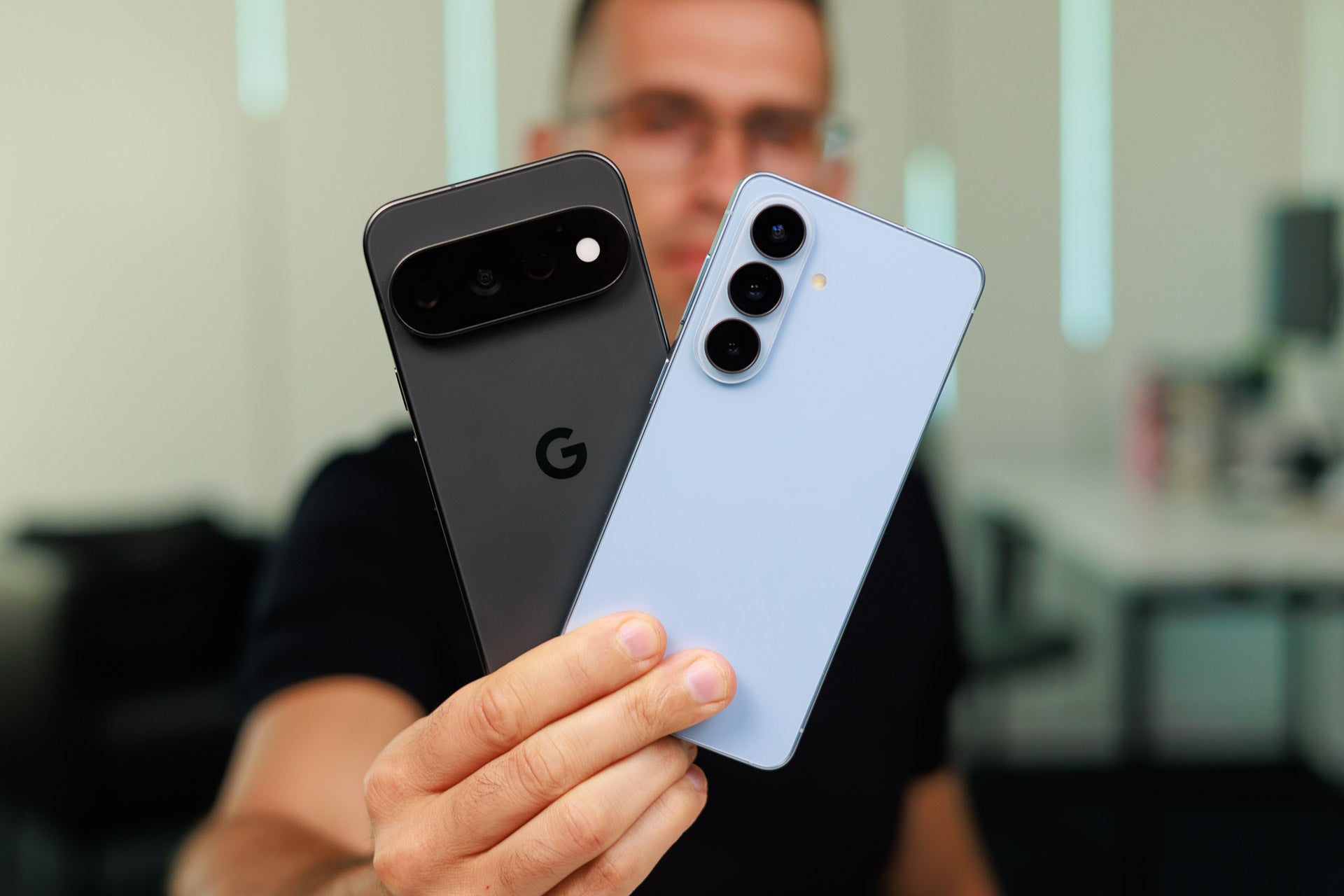
Image by PhoneArena
Deciding whether the Pixel 11 Pro or the Galaxy S26 is the right phone for you starts with the price. Considering these are very similar and the Galaxy S26 is $200 cheaper on average, the Samsung is clearly the better choice for the budget-conscious buyer, who still wants a flagship compact phone.
If price is not a crucial deciding factor, the Pixel 11 Pro clearly has some advantages: get it for the more capable cameras, especially if you like to zoom in; get it for the clean interface, the slightly better battery life, and the magnetic charging.
The Galaxy is the better fit for people looking for a truly lightweight compact phone and those who like Samsung's One UI. The Galaxy also has the faster processor, important for gamers.
So which one would you go for and why?


Related Content




Popular stories

Latest News

Things that are NOT allowed:
To help keep our community safe and free from spam, we apply temporary limits to newly created accounts: