Pixel 11 Pro vs Pixel 10 Pro: All the differences explained

We may earn a commission if you make a purchase from the links on this page.
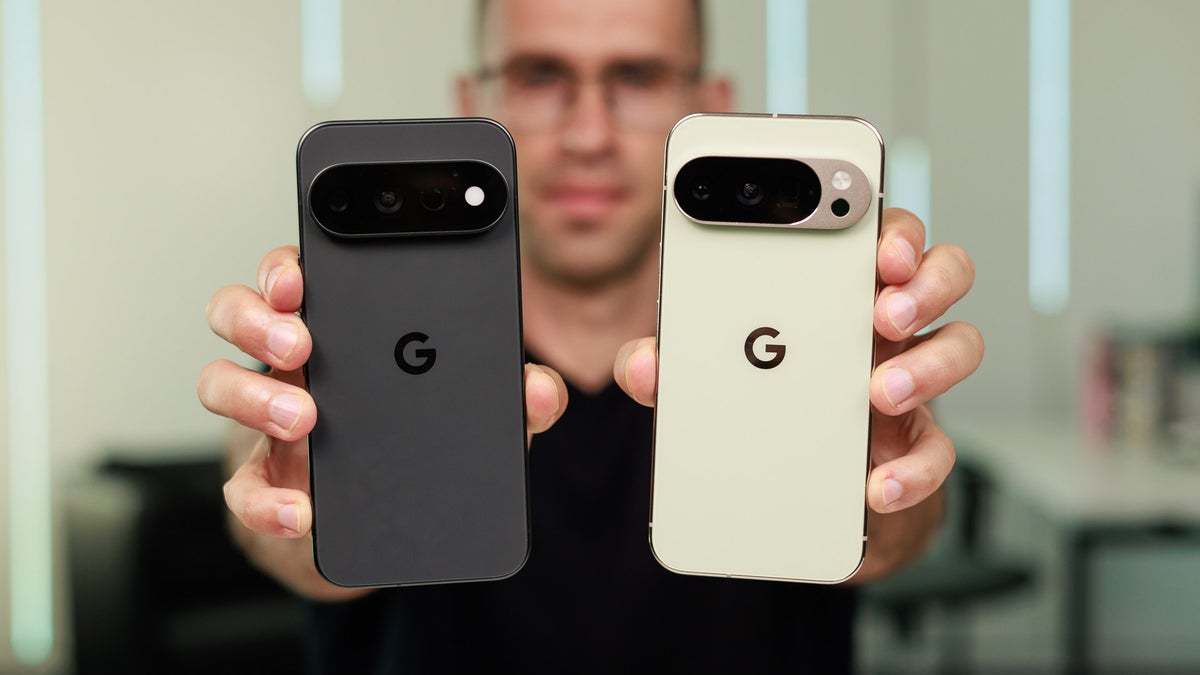
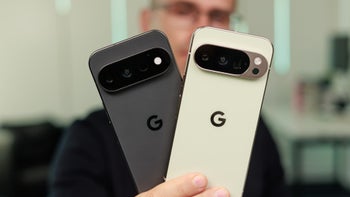
Pixel 11 Pro in obsidian on the left | Image by PhoneArena
Google has just released its new flagship compact phone for 2026, the Pixel 11 Pro, so what is actually new compared to the previous generation?
The main features all revolve around the camera, some improvements to the display, a faster Tensor chipset, but the same battery, charging speed, and overall style.
And because of the RAM crisis, the 11 Pro actually has less RAM than before, while costing $100 more.
For this comparison, I have used both phones for at least a week. We have also spent days running our proprietary battery testing and camera testing protocols, as well as taking dozens of photos and videos to compare the two.
Pixel 11 Pro vs Pixel 10 Pro differences explained:
| Pixel 11 Pro | Pixel 10 Pro |
|---|---|
| A bit on the heavy side at 204 grams of weight | Slightly heavier at 204 grams |
| HiLight, an array of colorful LEDs on the back | Only a regular flashlight |
| Brighter screen at 3,600 nits peak | 3,000 nits peak brightness |
| Double the scratch resistance on the screen | Regular scratch resistance |
| Slightly faster Tensor G6 chipset | Tensor G5 chip |
| Triple rear cameras with new, larger-sensor 5X telephoto | Triple rear cameras |
| Practically unchanged battery at 4,850mAh | 4,870mAh battery |
| Starting from $1,100 (but with 256GB storage in base model) | $1,000 starting price (128GB storage) |
Table of Contents:
Design and Display Quality
The Galaxy wins on compactness
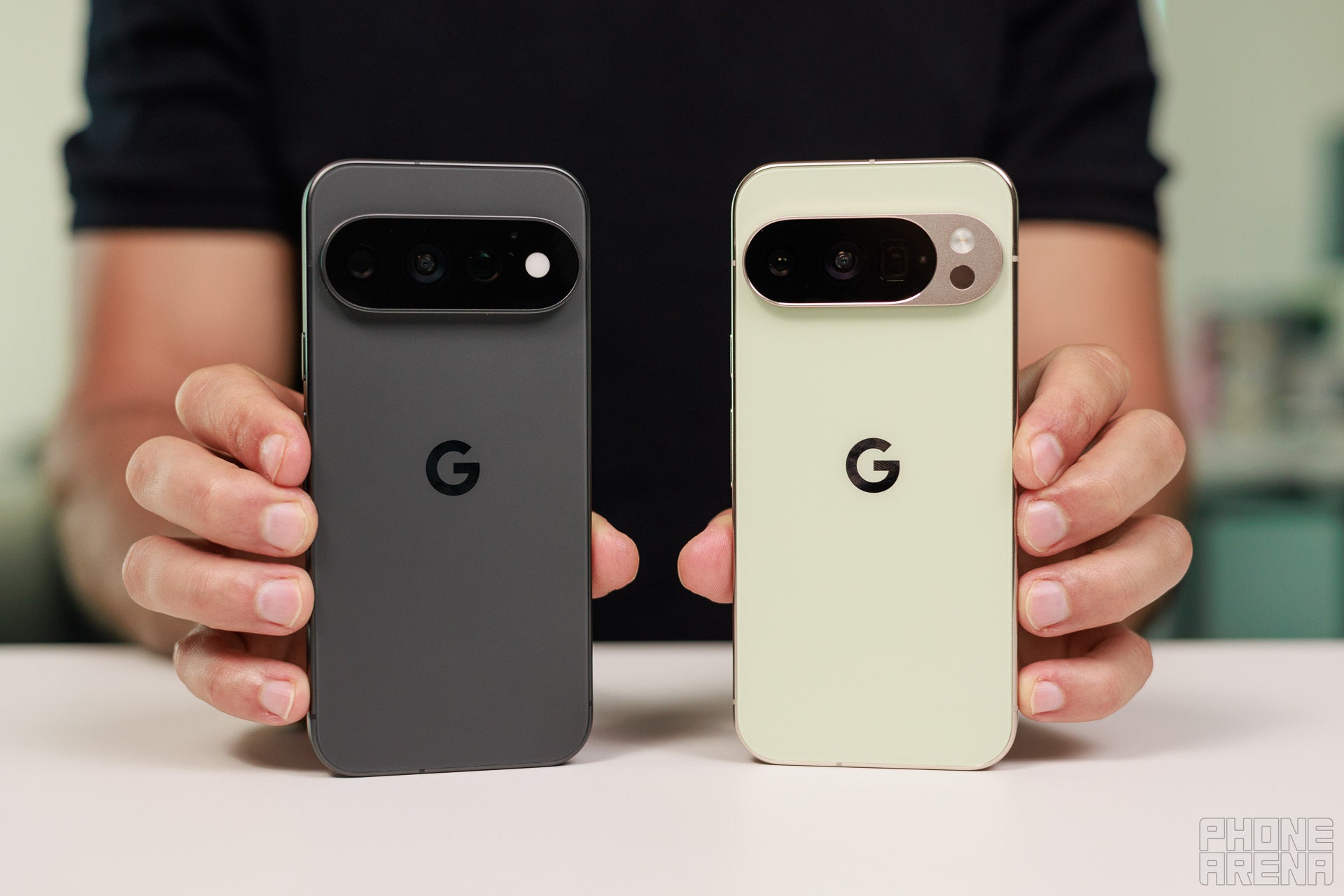
Image by PhoneArena
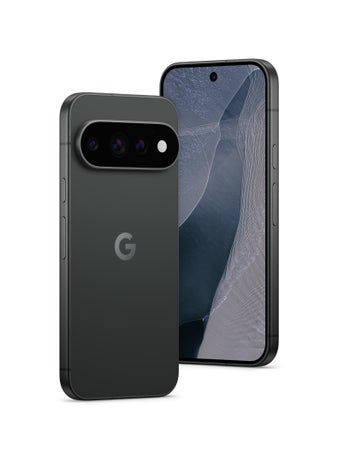
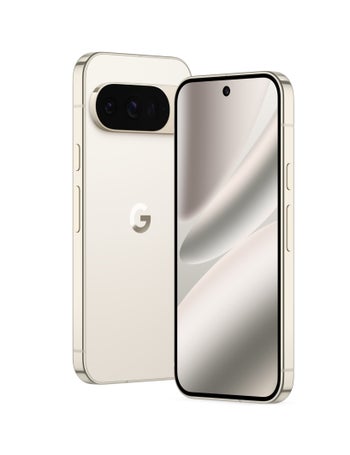
If it wasn't for the new colors, I would find it very hard to tell the Pixel 11 Pro apart from the 10 Pro.
Both have rounded corners, flat sides and a similar horizontal camera bar.
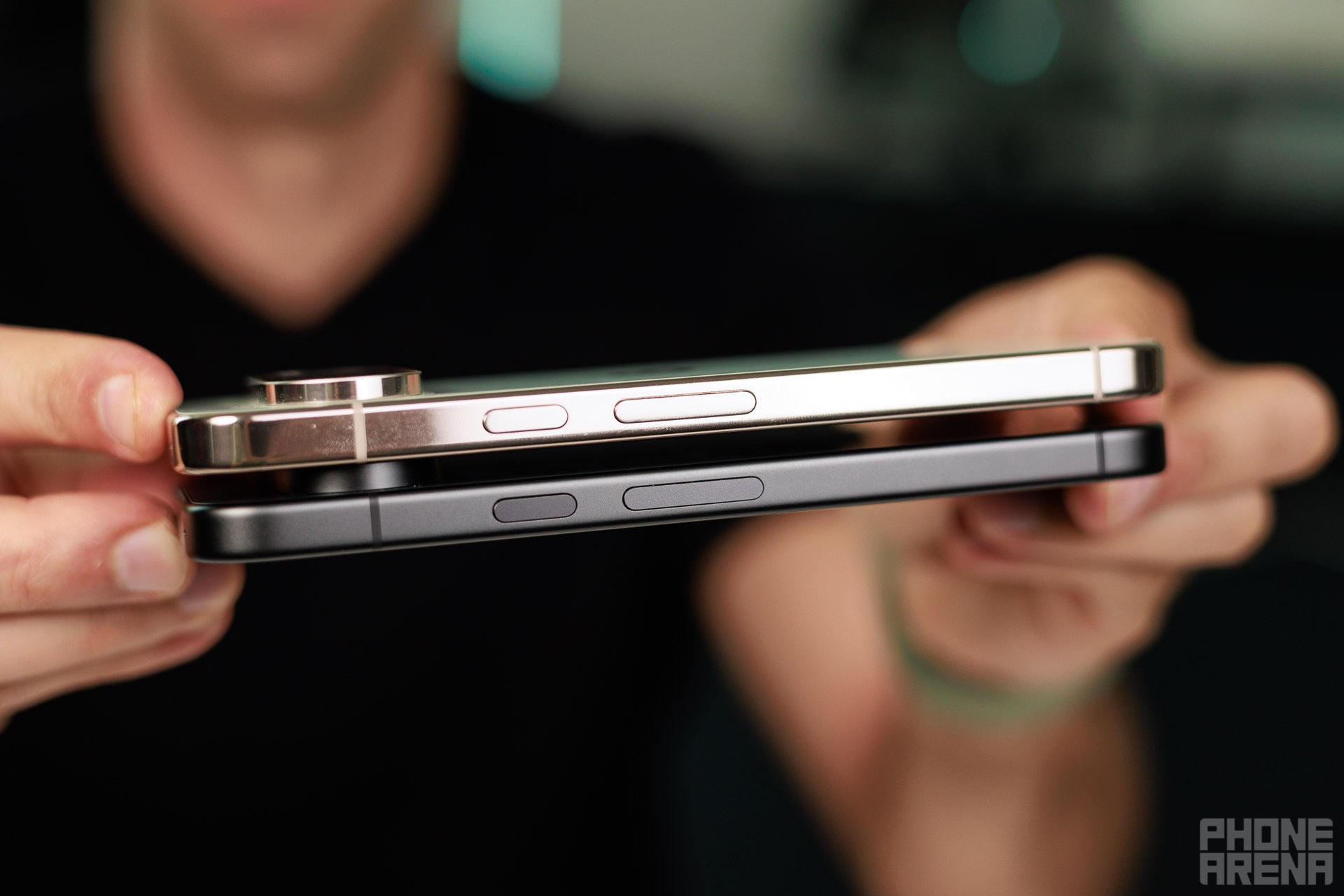
Image by PhoneArena
The 11 Pro gets the new HiLight feature, an array of 8 LED lights in a circle placed with the flash. They light up when you use Gemini or when someone calls you, but that is literally the only thing they are capable of. This is clearly a gimmick. After just a couple of days of use, I promptly forgot about HiLight even existing. Google promises to expand its functionality to allow notifications from third-party apps in the future, but I still don't hold much hope for it.
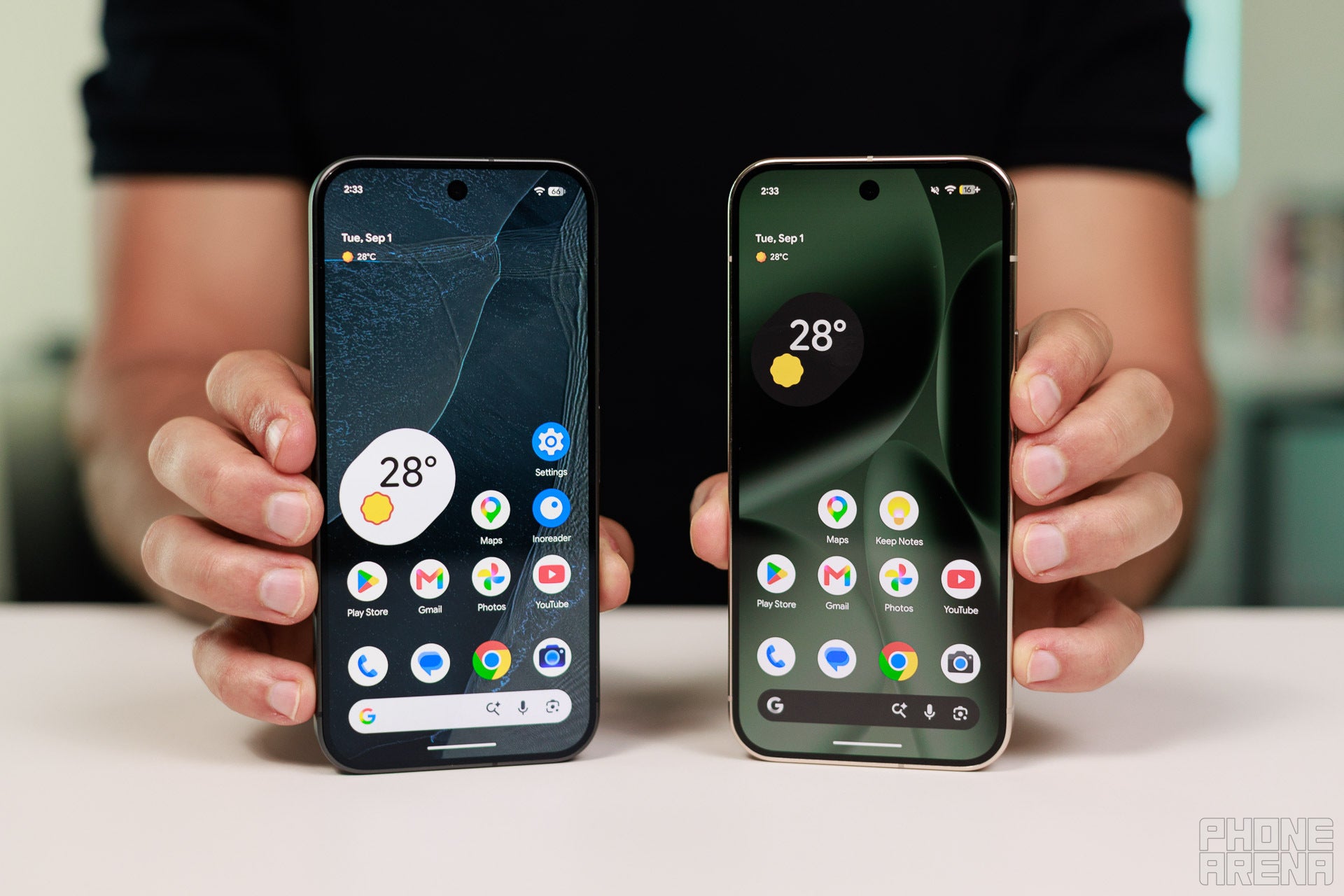
Image by PhoneArena
Display Measurements:
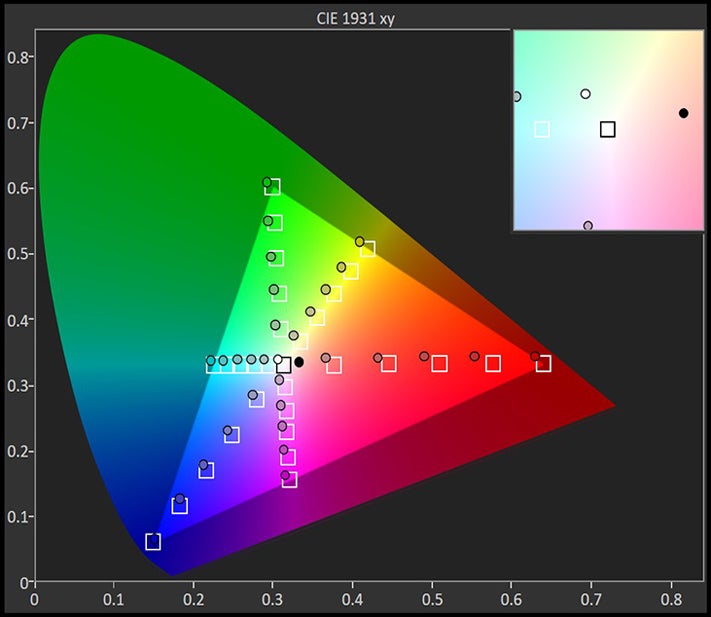
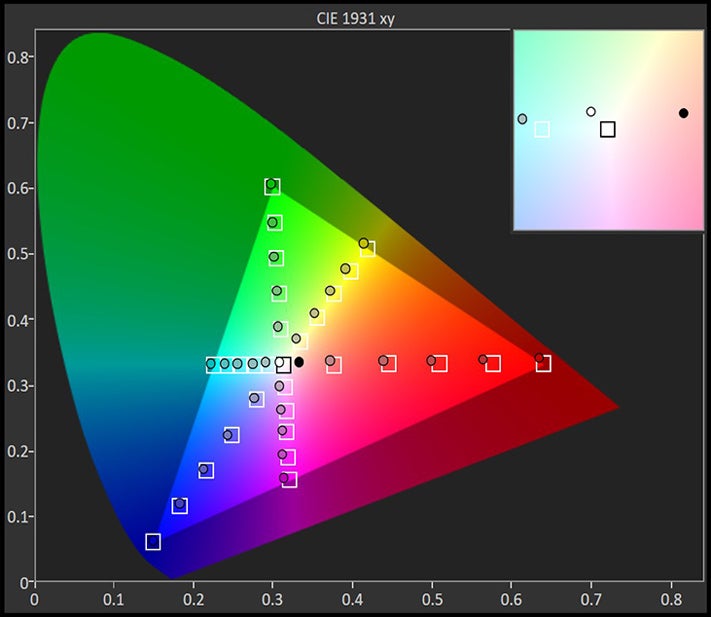
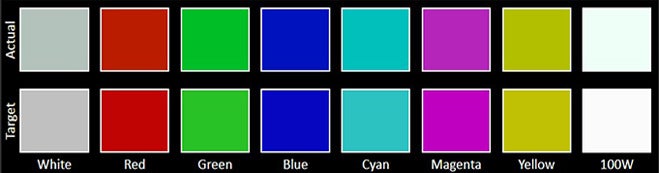
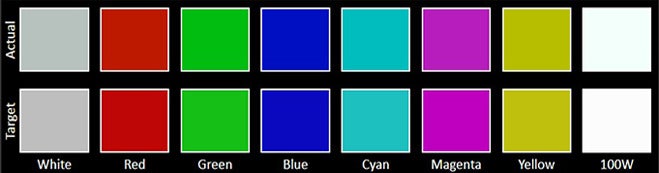


In our lab, we measured higher peak brightness for the 11 Pro, which makes it a bit easier to use outdoors in the sun.
Minimum brightness, however, remains close to 2 nits, which is not as dim as on other flagships, and Pixels could improve in this regard.
One of my favorite invisible new features on the 11 Pro is that it has double the scratch resistance of the 10 Pro. That's great news as it means you can use the phone without a screen protector and still not worry about scratches.
Performance and Software
Tensor things
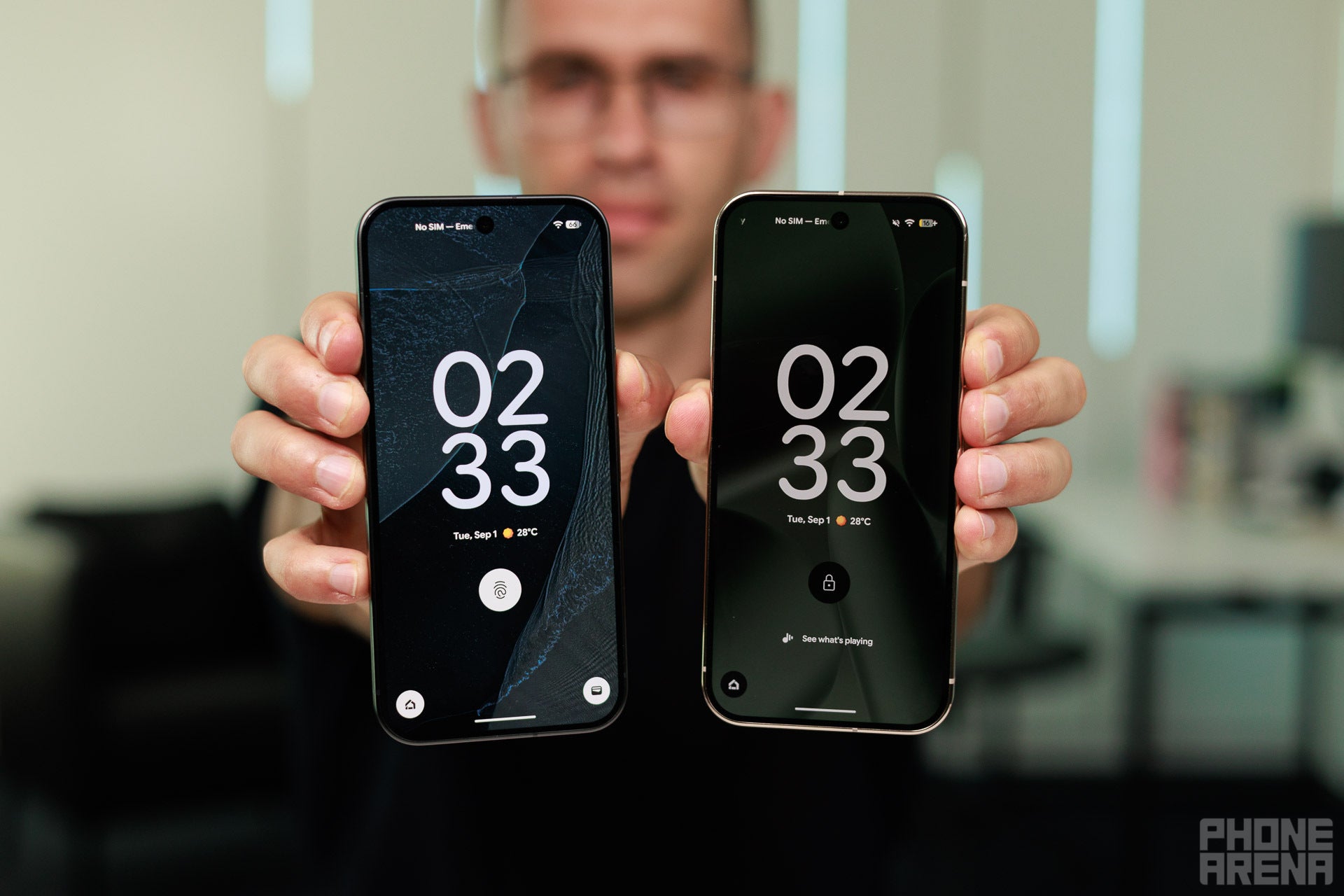
Image by PhoneArena
The Pixel 11 Pro continues the unfortunate tradition of using Google's own Tensor chips. This latest Tensor G6 is only a slight improvement over the Tensor G5 on the Pixel 10 Pro. The keyword here is "slight". It's no match for the Snapdragon 8 Elite Gen 8 on the Galaxy S26 or Apple's A series chips on iPhones.
GPU Performance
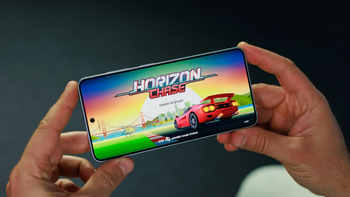
We can see modest improvements in CPU and GPU/gaming performance, but the gap with the competition is even wider now, especially for gaming.
Storage speed
The Pixel 11 Pro now starts with 256GB of storage, a welcome upgrade over the 128GB of storage we had as a base on the 10 Pro.
Camera
Pixel has the upper hand
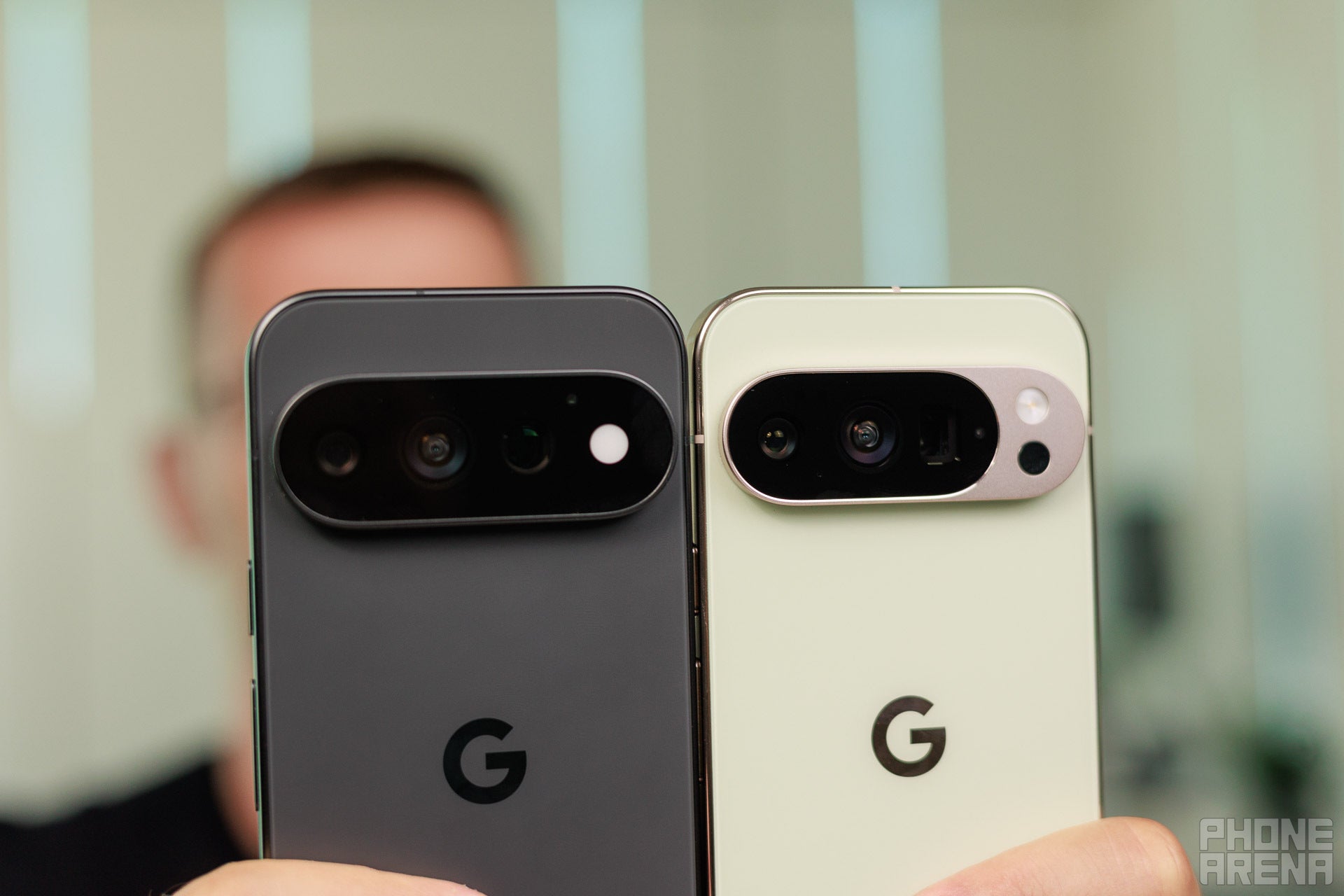
Image by PhoneArena
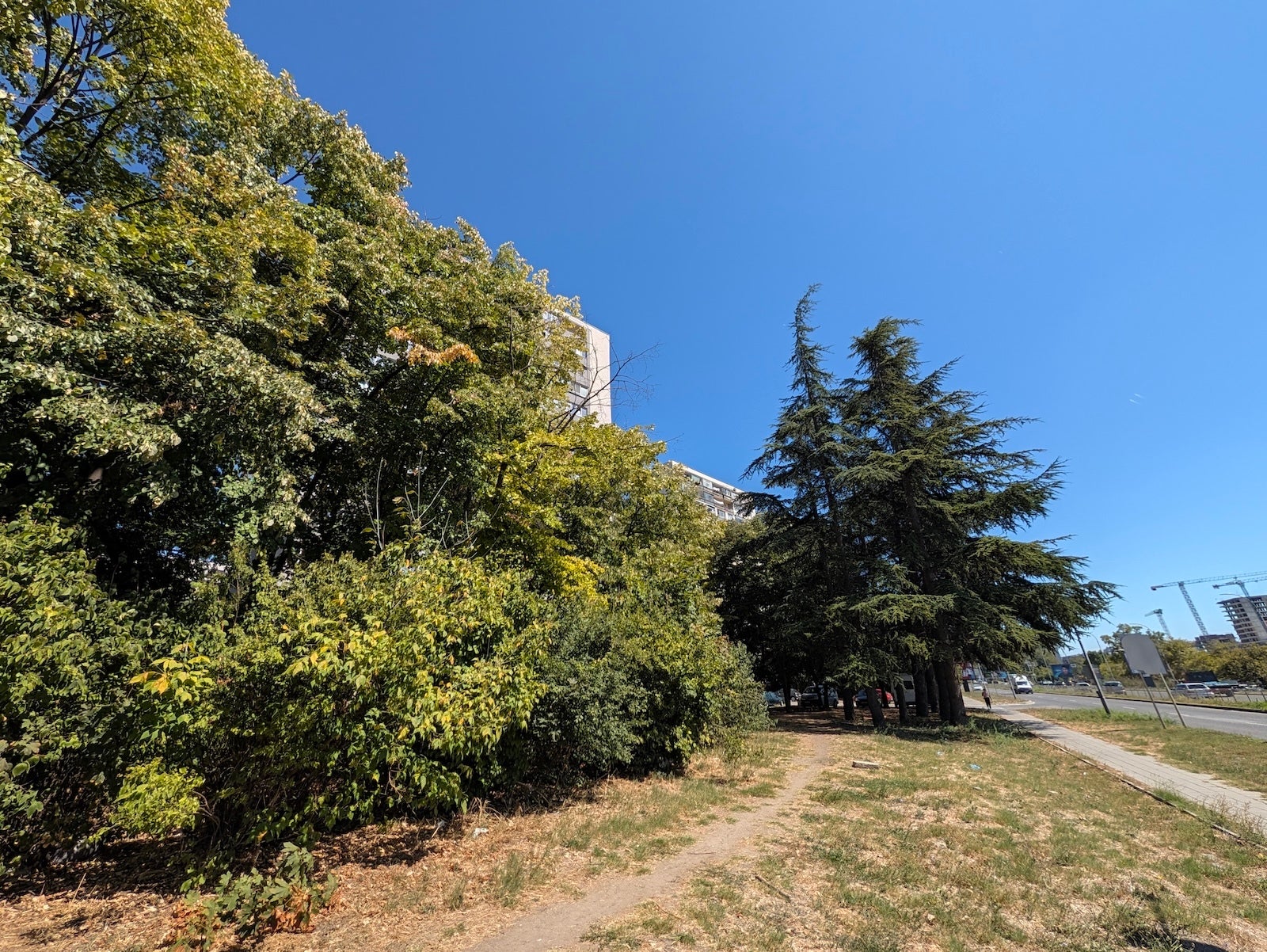
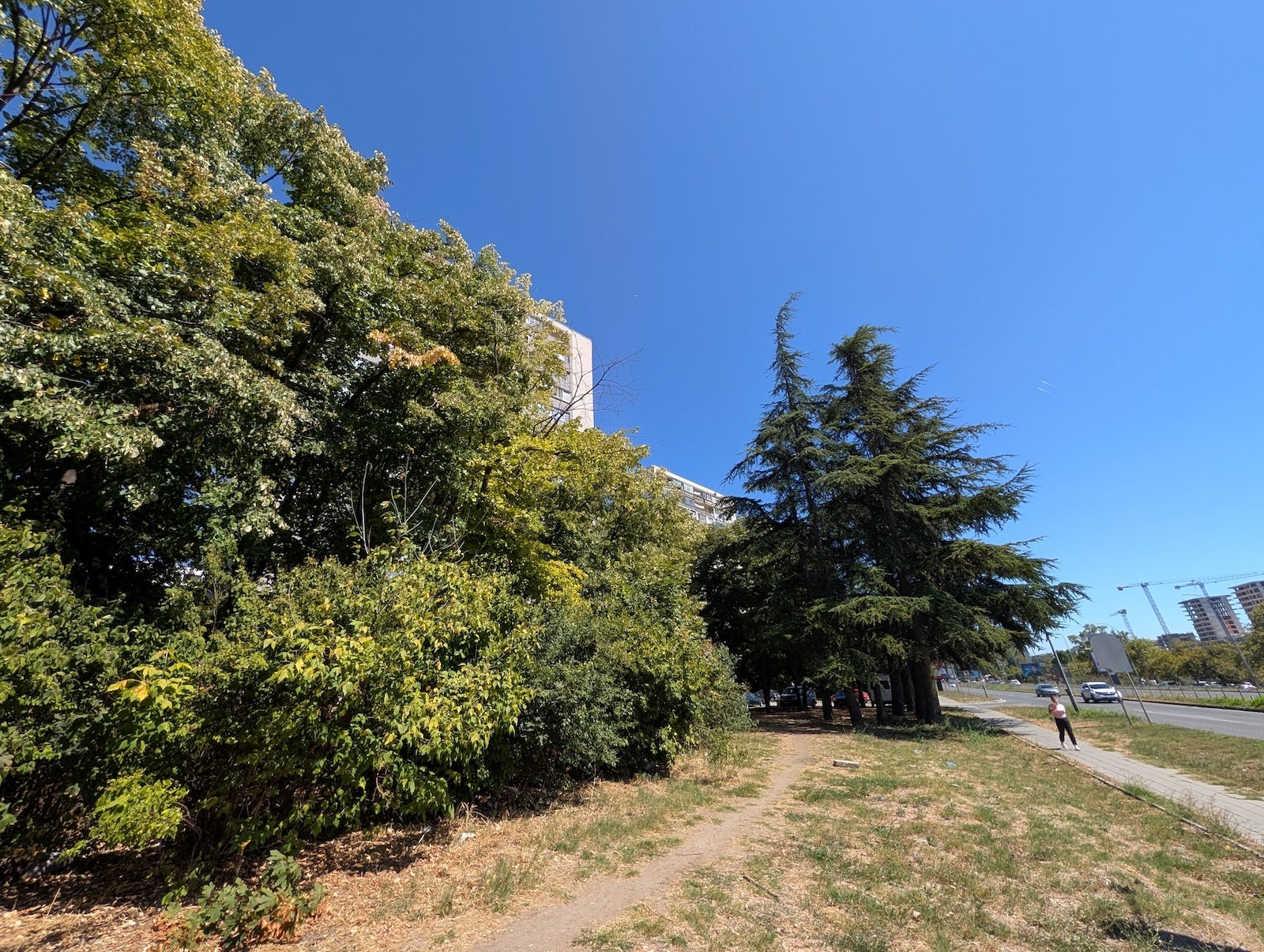
In our PhoneArena Camera score, the Pixel improves on several fronts: our test showed improvement in zoom quality, selfies, and the ultra-wide camera.
The hardware, however, has only meaningfully changed for the telephoto camera. The 5X telephoto now comes with a much larger sensor, so the phone can capture more light and take better photos in low light. With all cameras, capture times are now significantly faster too.
Apart from pure hardware, the Pixel 11 Pro makes one critical software change with camera looks. You can now pick your preferred color style (you can choose to have more neutral colors, more vibrant ones, or darker with more shadows), plus you can even change individual settings like sharpness. This level of control is unprecedented for a smartphone, and enthusiasts will surely appreciate it.
Main Camera




Zoom Quality


Portrait Mode



Pixel 11 Pro 5X | Image by PhoneArena
Ultra-wide


Selfies


In good light, the improvements are subtle, but they are there.
The 11 Pro also has the new Magic Capture feature. Tap on the shutter button, and it starts recording a video of a special moment. AI then analyzes nearly 400 frames from that video and extracts the very best moments as high-quality images. The video itself is not the focus (it can appear shaky and low-res), but it's the ability to capture a special brief moment that you might otherwise miss that is genuinely cool.
Battery Life and Charging
No big changes
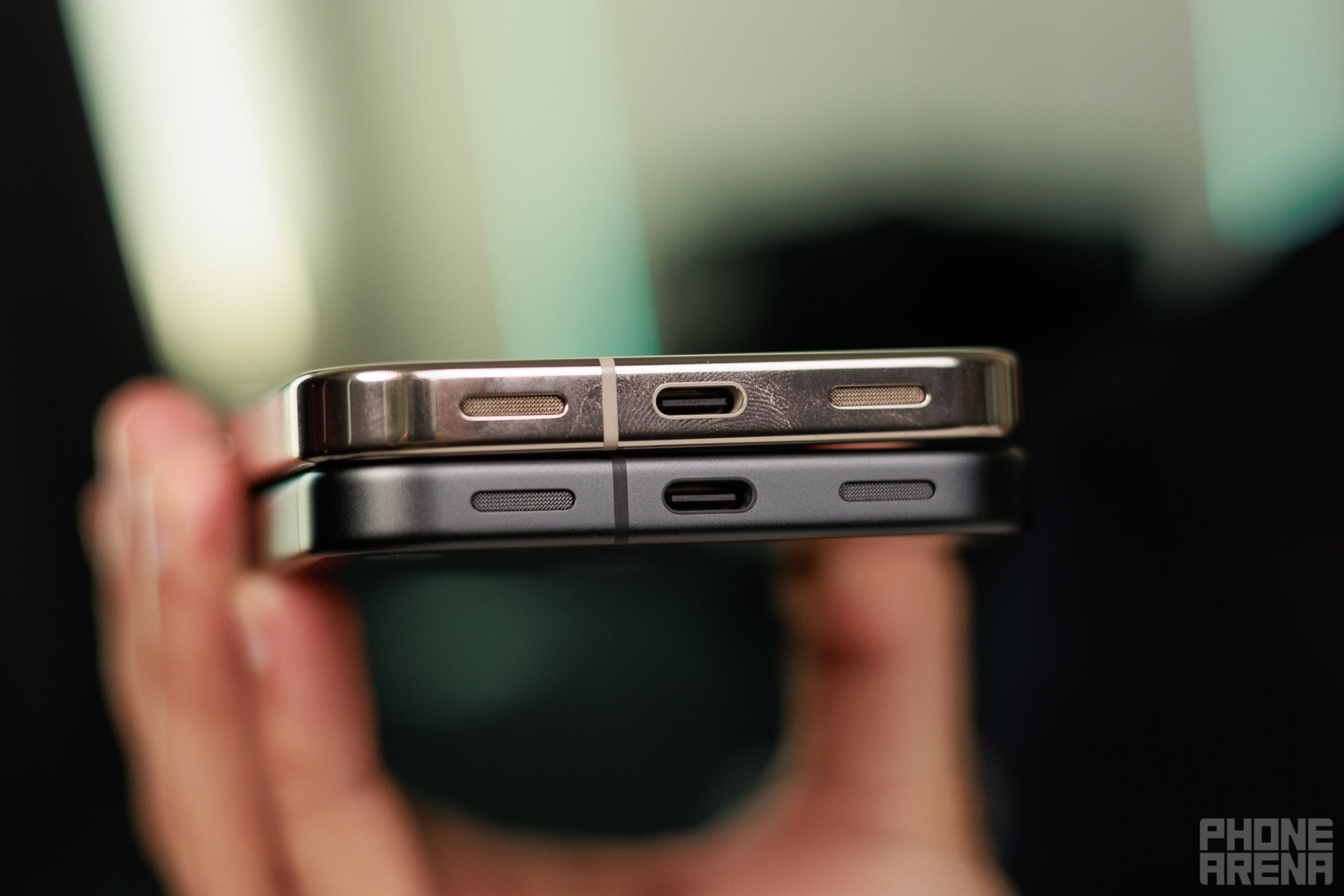
Image by PhoneArena
There are no big changes in battery size: you get a 4,850mAh battery on the 11 Pro, ever so slightly smaller than the 4,870mAh battery on the 10 Pro.
In our testing, we found a strange inefficiency with web browsing on the newer phone, so it scored way below the previous generation. However, video streaming results were solid.
On our gaming test, we saw the 11 Pro getting very hot, probably an inefficiency of the Tensor G6 chip and the battery lasted only around 4 hours and a half, less than most phones.
Both the new and old Pixels support similar charging speeds, and both have magnets, which is a nice touch (you can use them with any Qi 2.2/MagSafe charger).
Specs Comparison
And here is a table showing all the differences in the Pixel 11 Pro vs 10 Pro specs:
|
|
| Google Pixel 11 Pro | Google Pixel 10 Pro |
| Dimensions | |
|---|---|
| 152.4 x 71.1 x 8.4 mm (~12.22 mm with camera bump) | 152.8 x 72 x 8.6 mm (~12.6 mm with camera bump) |
| Weight | |
| 204.0 g | 207.0 g |
| Size | |
|---|---|
| 6.3-inch | 6.3-inch |
| Type | |
| OLED, 120Hz | OLED, 120Hz |
| System chip | |
|---|---|
| Google Tensor G6 (3 nm) | Google Tensor G5 (3 nm) |
| Memory | |
| 12GB (LPDDR5X)/256GB (UFS 4.0) 16GB/512GB 16GB/1TB |
16GB (LPDDR5X)/128GB (UFS 3.1) 16GB/256GB 16GB/512GB 16GB/1TB |
| OS | |
| Android (17), up to 7 OS updates | Android (16), up to 7 OS updates |
| Type | |
|---|---|
| 4850 mAh | 4870 mAh |
| Charge speed | |
| Wired: 30.0W Wireless: 25.0W |
Wired: 30.0W Wireless: 15.0W |
| Main camera | |
|---|---|
| 50 MP (OIS, PDAF) Aperture size: F1.7 Sensor size: 1/1.3" | 50 MP (OIS, PDAF) Sensor name: Samsung ISOCELL GNV Aperture size: F1.7 Focal length: 25 mm Sensor size: 1/1.3" Pixel size: 1.2 μm |
| Second camera | |
| 48 MP (Ultra-wide) Aperture size: F2.8 Sensor size: 1/2.51" |
48 MP (Ultra-wide) Sensor name: Sony IMX858 Aperture size: F1.7 Sensor size: 1/2.55" |
| Third camera | |
| 48 MP (Telephoto, Periscope) Optical zoom: 5.0x Aperture size: F2.8 Sensor size: 1/1.95" |
48 MP (Telephoto, OIS, PDAF) Sensor name: Sony IMX858 Optical zoom: 5.0x Aperture size: F2.8 Focal Length: 113 mm Sensor size: 1/2.55" |
| Front | |
| 42 MP (PDAF) | 42 MP (PDAF) |
See the full
Google Pixel 11 Pro vs Google Pixel 10 Pro specs comparison
or compare them to other phones using our
Phone Comparison tool
Which one should you buy?
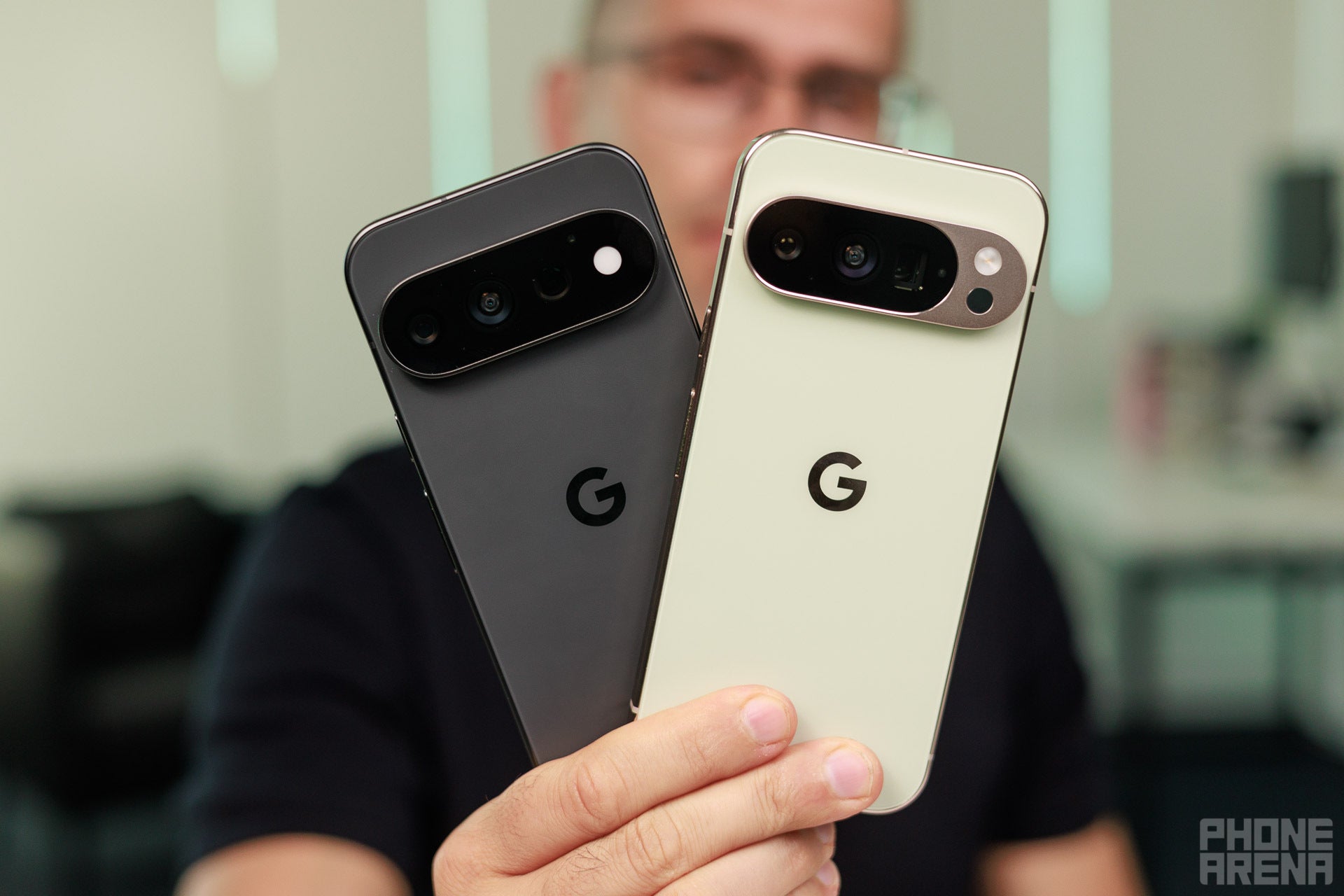
Image by PhoneArena
The new Pixel 11 Pro brings very few changes in hardware, and if I had to rank them, I'd say the better scratch resistance of the screen is my favorite.
But the new software tricks and improvements to the camera experience with features like Camera Looks and Magic Capture, I think, bring genuine value. If you are a camera enthusiast who will use these specific features a lot — then it makes sense upgrading, but otherwise, these phones feel very similar.


Related Content






Popular stories


Latest News

Things that are NOT allowed:
To help keep our community safe and free from spam, we apply temporary limits to newly created accounts: