Google Pixel 11 Pro Review: The best compact Android phone of the year?

We may earn a commission if you make a purchase from the links on this page.
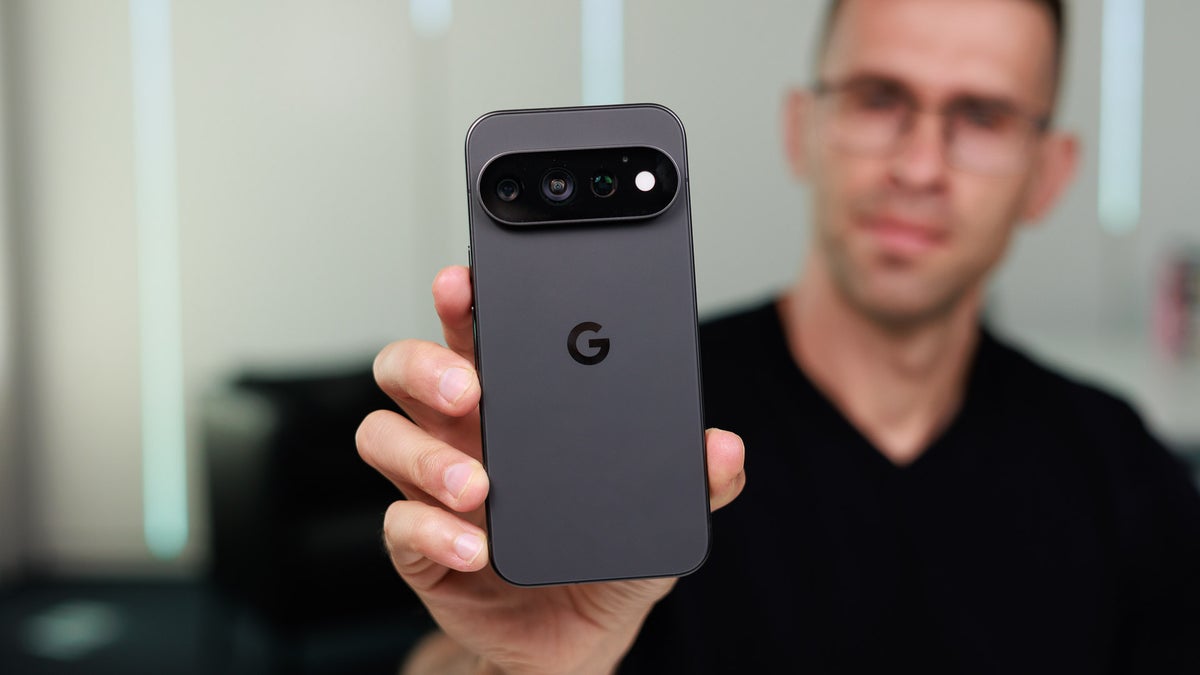
The Pixel 11 Pro has quite a few advantages compared to the Galaxy S26 | Image by PhoneArena
Summary: Should you buy the Pixel 11 Pro?
If you want a compact phone these days, you don't have many options. In fact, you probably only have three: Samsung makes the Galaxy S26, Apple has the iPhone 17 Pro, and Google makes the Pixel Pro series.
As someone who prefers using compact phones, I was particularly excited to test Google's new Pixel 11 Pro for the past week. While it looks unchanged in pure looks and style, it has a new telephoto camera, a bunch of cool new camera features, faster capture times, and little tweaks to durability.
I am still not crazy about the Tensor chip inside Pixels, and I don't like it that the 11 Pro has less RAM than its predecessor. Sadly, with RAM prices going up multiple-fold, the Pixel 11 Pro is now even more expensive, starting at $1,100 for the base model.
With a good deal (or trade-in), I still think the Pixel 11 Pro is a great choice for those who like pure Android and an amazing camera. But if you want the best performance or if you are focused on gaming, there are better phones around.
This review was written after seven days of personal use and lab testing of the Pixel 11 Pro. The device was provided by Google, but the company had no involvement in our testing process, editorial decisions, or final review.
All design images in this review are original photography captured by the PhoneArena team in our studio. Beyond real-world use, the Pixel 11 Pro has gone through our dedicated testing process, including our extensive camera test with dozens of controlled photos and our battery life measurements across three scenarios.
The Pixel 11 Pro is available on all three major US carriers, and it's also sold via the Google Store, Amazon, Best Buy, and other smaller carriers like Project Fi.
The Pixel 11 Pro is available on all three major US carriers, and it's also sold via the Google Store, Amazon, Best Buy, and other smaller carriers like Project Fi.
Table of Contents:
Pixel 11 Pro Specs
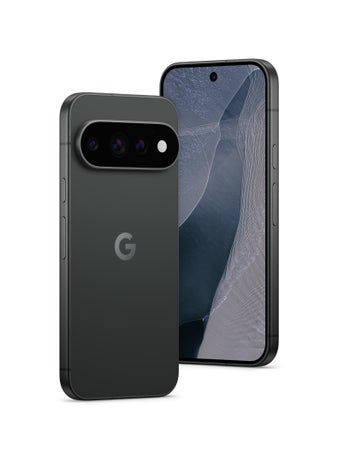
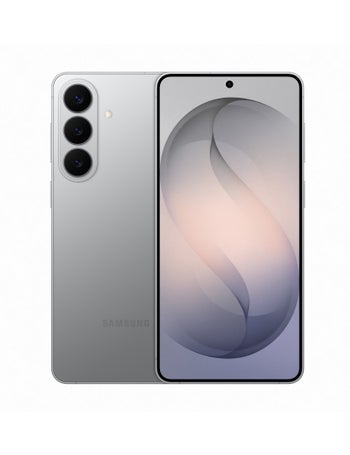
Let's start with an overview of the Pixel 11 Pro specs:
|
|
| Google Pixel 11 Pro | Samsung Galaxy S26 |
| Dimensions | |
|---|---|
| 152.4 x 71.1 x 8.4 mm (~12.22 mm with camera bump) | 149.6 x 71.7 x 7.2 mm (~10 mm with camera bump) |
| Weight | |
| 204.0 g | 167.0 g |
| Size | |
|---|---|
| 6.3-inch | 6.3-inch |
| Type | |
| OLED, 120Hz | Dynamic AMOLED, 120Hz |
| System chip | |
|---|---|
| Google Tensor G6 (3 nm) | Snapdragon 8 Elite Gen 5 for Galaxy SM8850-1-AD (3 nm) International version - Exynos 2600 |
| Memory | |
| 12GB (LPDDR5X)/256GB (UFS 4.0) 16GB/512GB 16GB/1TB |
12GB (LPDDR5X)/256GB (UFS 4.0) 12GB/512GB |
| Type | |
|---|---|
| 4850 mAh | 4300 mAh |
| Charge speed | |
| Wired: 30.0W Wireless: 25.0W |
Wired: 25.0W Wireless: 15.0W |
| Main camera | |
|---|---|
| 50 MP (OIS, PDAF) Aperture size: F1.7 Sensor size: 1/1.3" |
50 MP (OIS, PDAF) Sensor name: Samsung ISOCELL GN3 Aperture size: F1.8 Focal length: 24 mm Sensor size: 1/1.56" Pixel size: 1.0 μm |
| Second camera | |
| 48 MP (Ultra-wide) Aperture size: F2.8 Sensor size: 1/2.51" |
12 MP (Ultra-wide) Sensor name: Sony IMX564 Aperture size: F2.2 Focal Length: 13 mm Sensor size: 1/2.55" Pixel size: 1.4 μm |
| Third camera | |
| 48 MP (Telephoto, Periscope) Optical zoom: 5.0x Aperture size: F2.8 Sensor size: 1/1.95" |
10 MP (Telephoto, OIS, PDAF) Sensor name: Samsung S5K3K1 Optical zoom: 3.0x Aperture size: F2.4 Focal Length: 67 mm Sensor size: 1/3.94" Pixel size: 1 μm |
| Front | |
| 42 MP (PDAF) | 12 MP (HDR) |
See the full
Google Pixel 11 Pro vs Samsung Galaxy S26 specs comparison
or compare them to other phones using our
Phone Comparison tool
Pixel 11 Pro Design and Display
HiLight is nothing but a gimmick
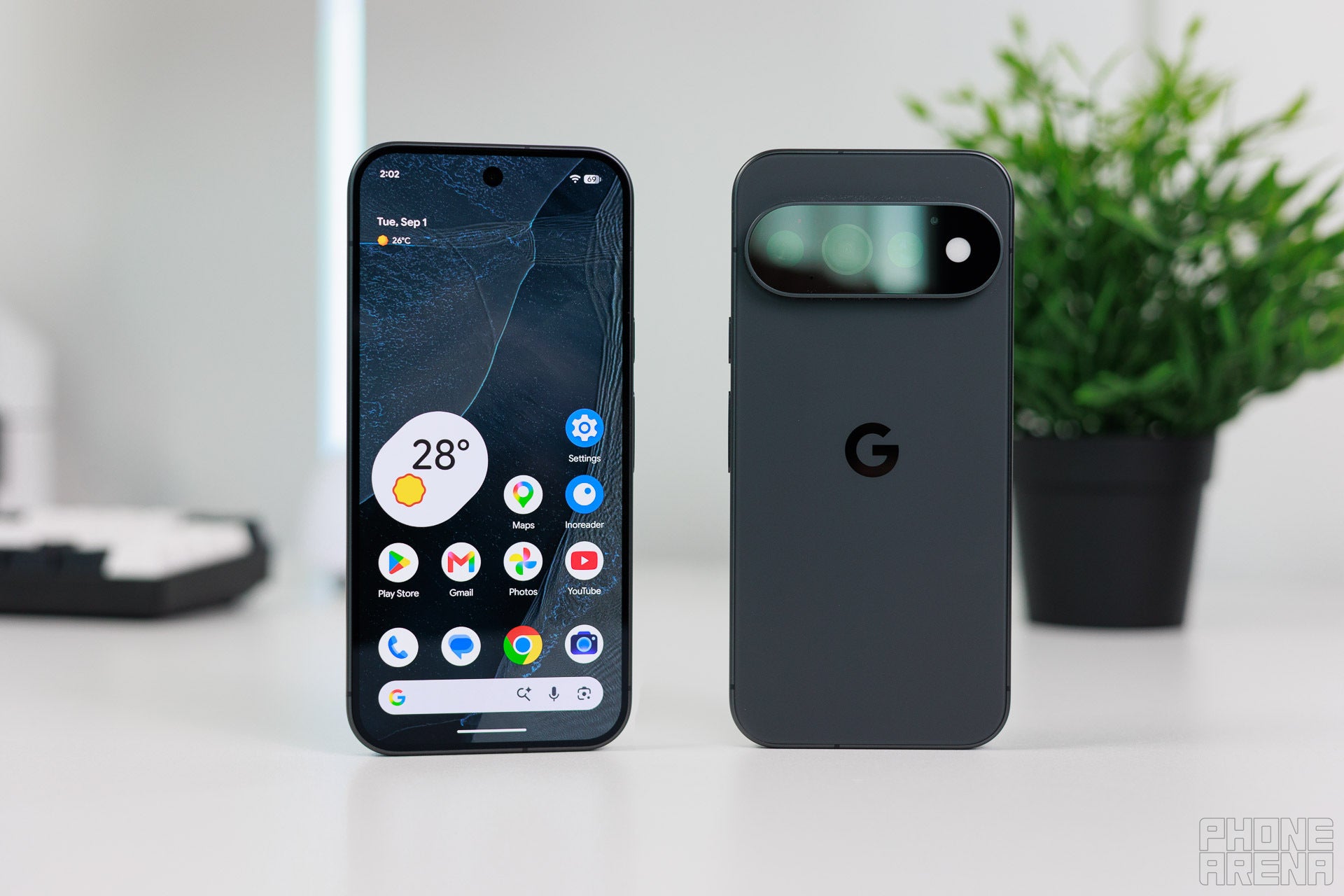
Image by PhoneArena
Google's Pixel phones have all looked alike since the Pixel 9 Pro series, which introduced the flat sides and refined the camera bar styling.
The Pixel 11 Pro keeps that look with small tweaks to it. The camera bar is now fully covered in glass, while previously the flash part on the right was metal.
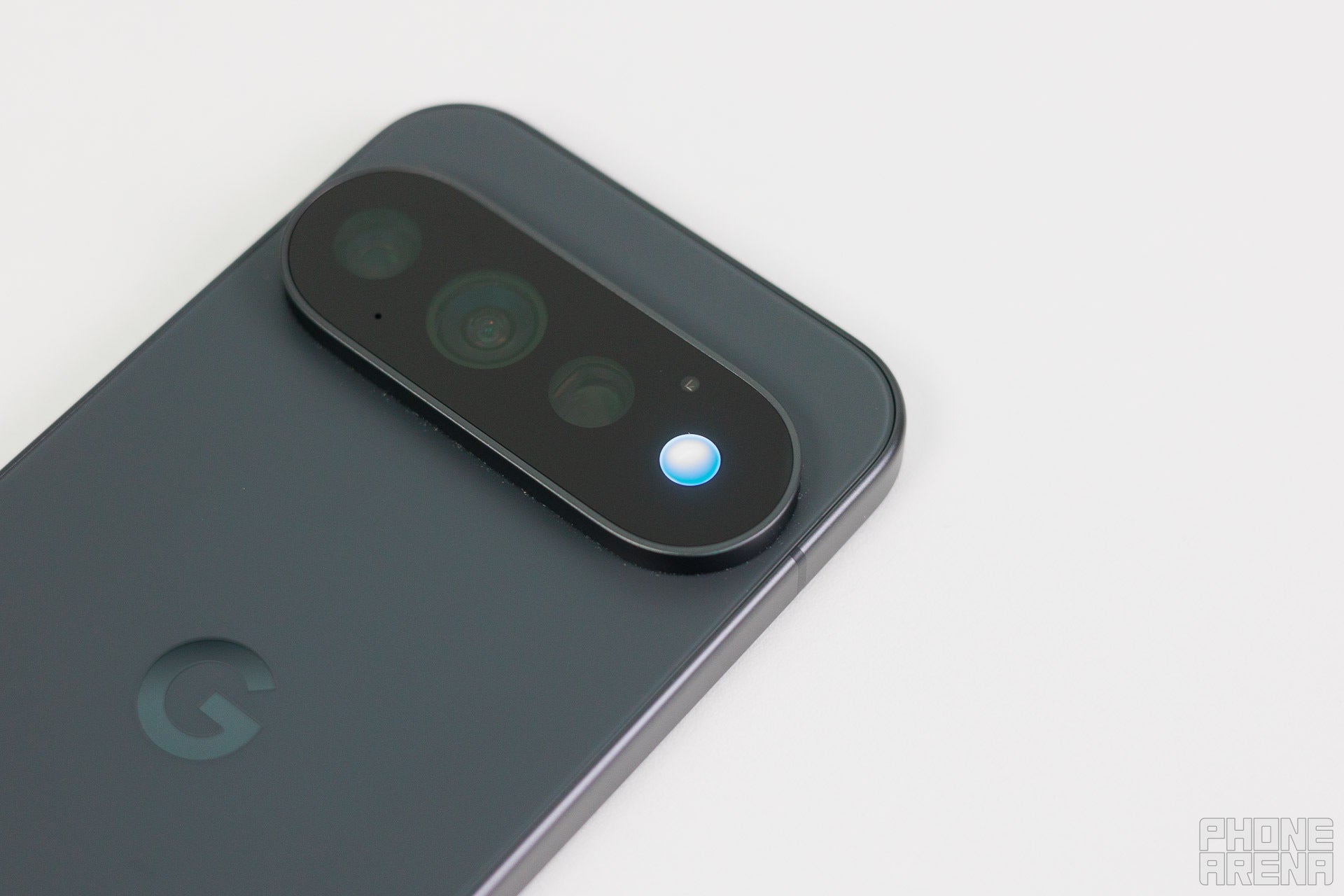
Image by PhoneArena
You also now have this new colorful light on top of your flashlight. Google calls this the HiLight and advertizes it heavily. I find this feature to be mostly a gimmick, though. It currently only works to notify you of calls (no other notifications), or it also pulsates when you use Gemini. I guess that's cool, but not really all that useful.
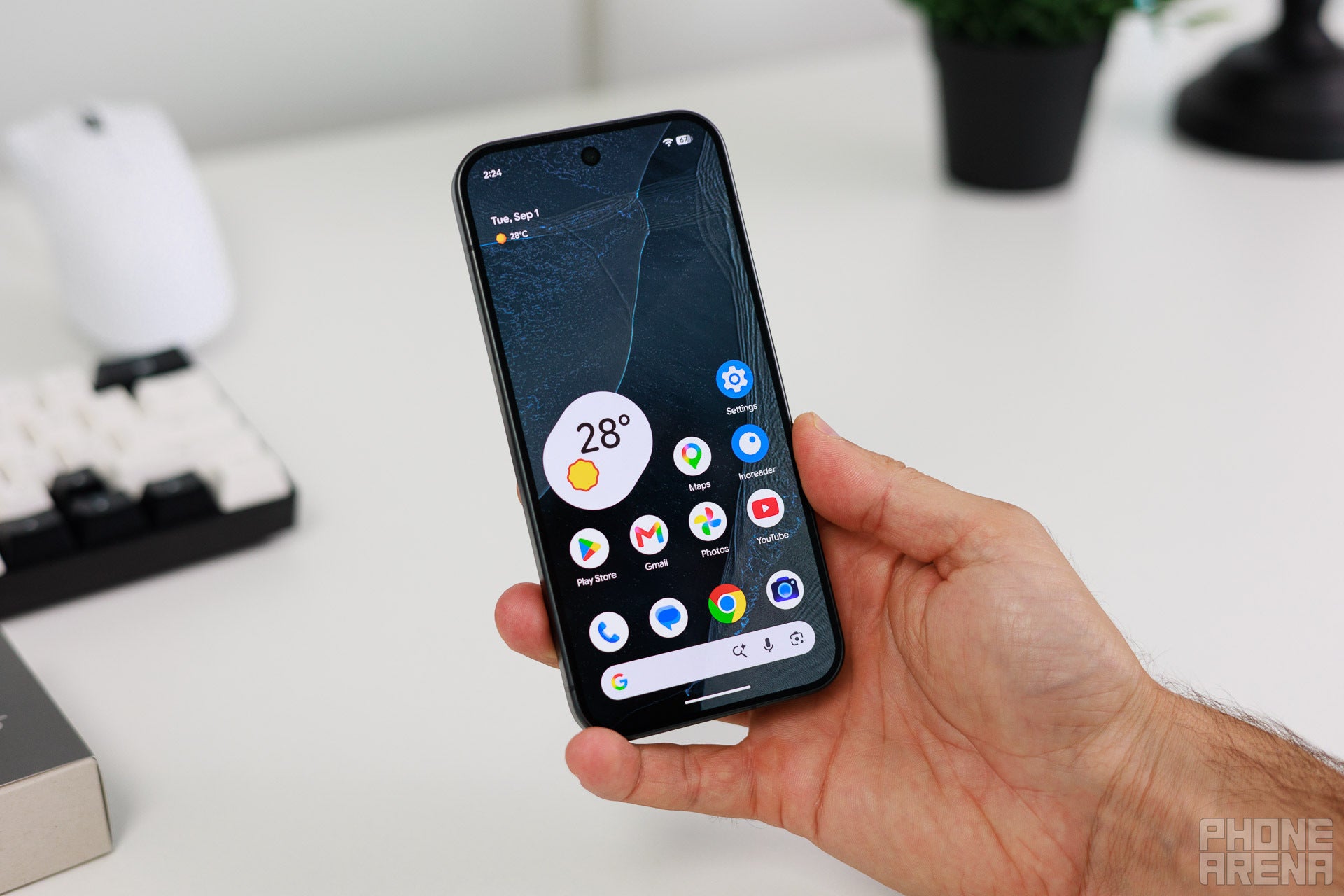
Image by PhoneArena
One more practical change is that the display has a new coating with double the scratch resistance. This looks a lot like the recent ceramic reinforced glasses we have seen on iPhones and Galaxy Ultras, so Google might be just a bit late to the party. In a week of use with no screen protector, I have no scratches, but obviously, we will know how well this works after longer use.

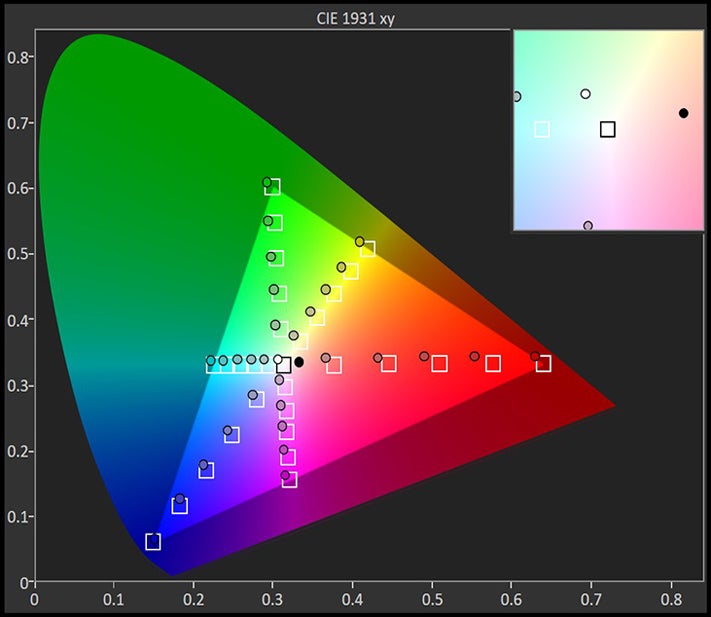
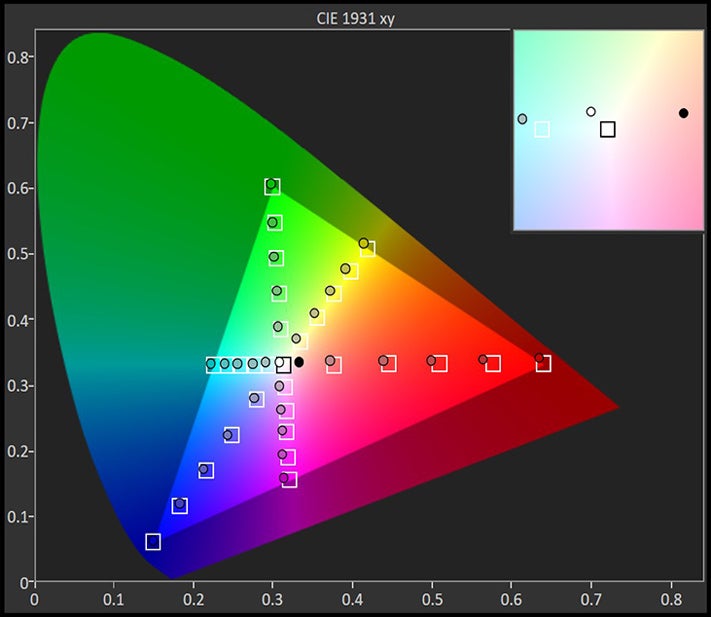
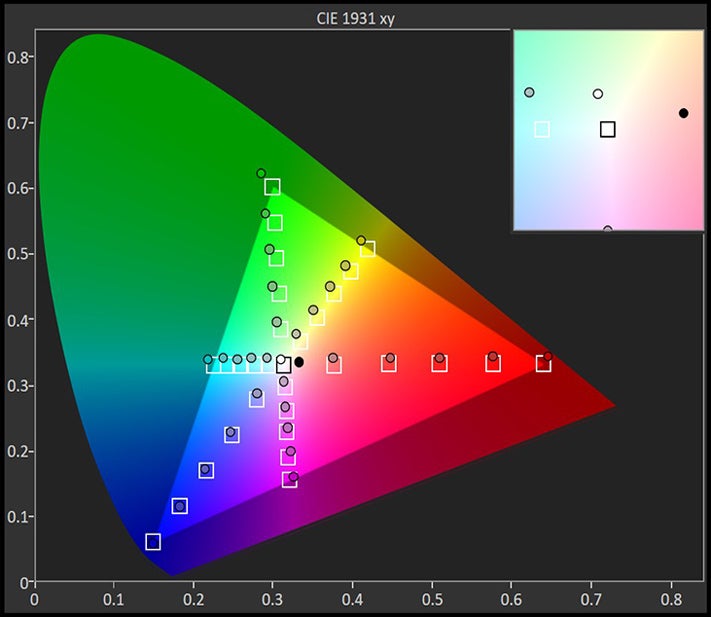
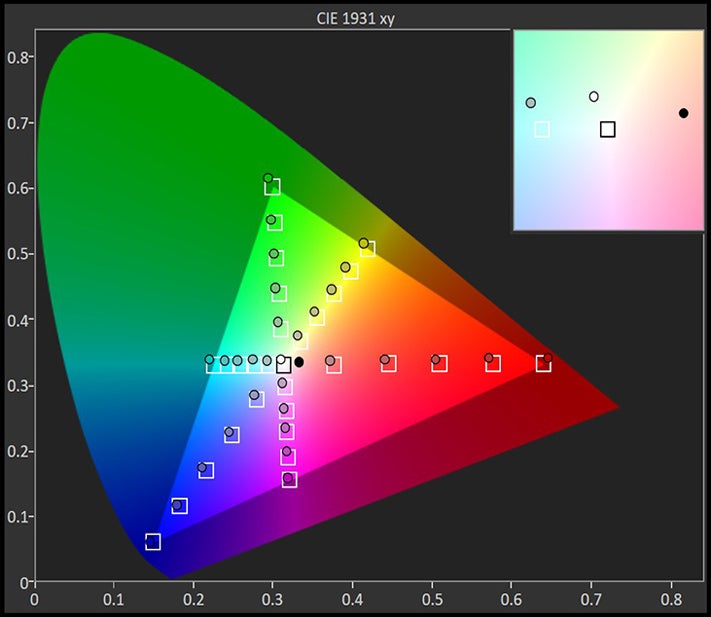
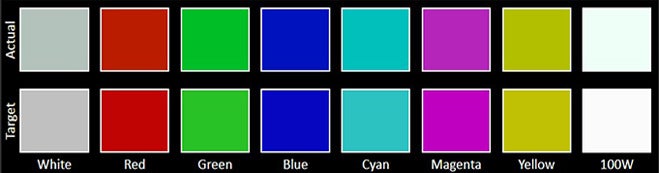
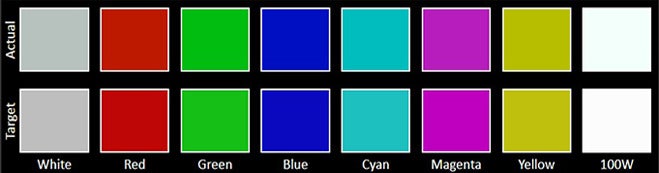
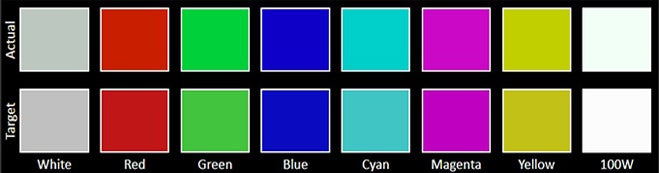
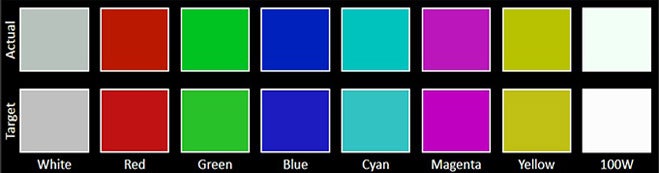




The Pixel 11 Pro clearly stands out in the chart above: it's the brightest phone we have tested, out of phones sold in the United States, reaching over 3,000 nits of peak brightness. Keep in mind that we test using a white square taking up 20% of the screen, while the companies use smaller and less realistic criteria that involve a 5% or 1% white square.
One small downside of the Pixel is that it doesn't get as dim as other flagships at night. If you use your phone in bed, that might be a bit annoying.
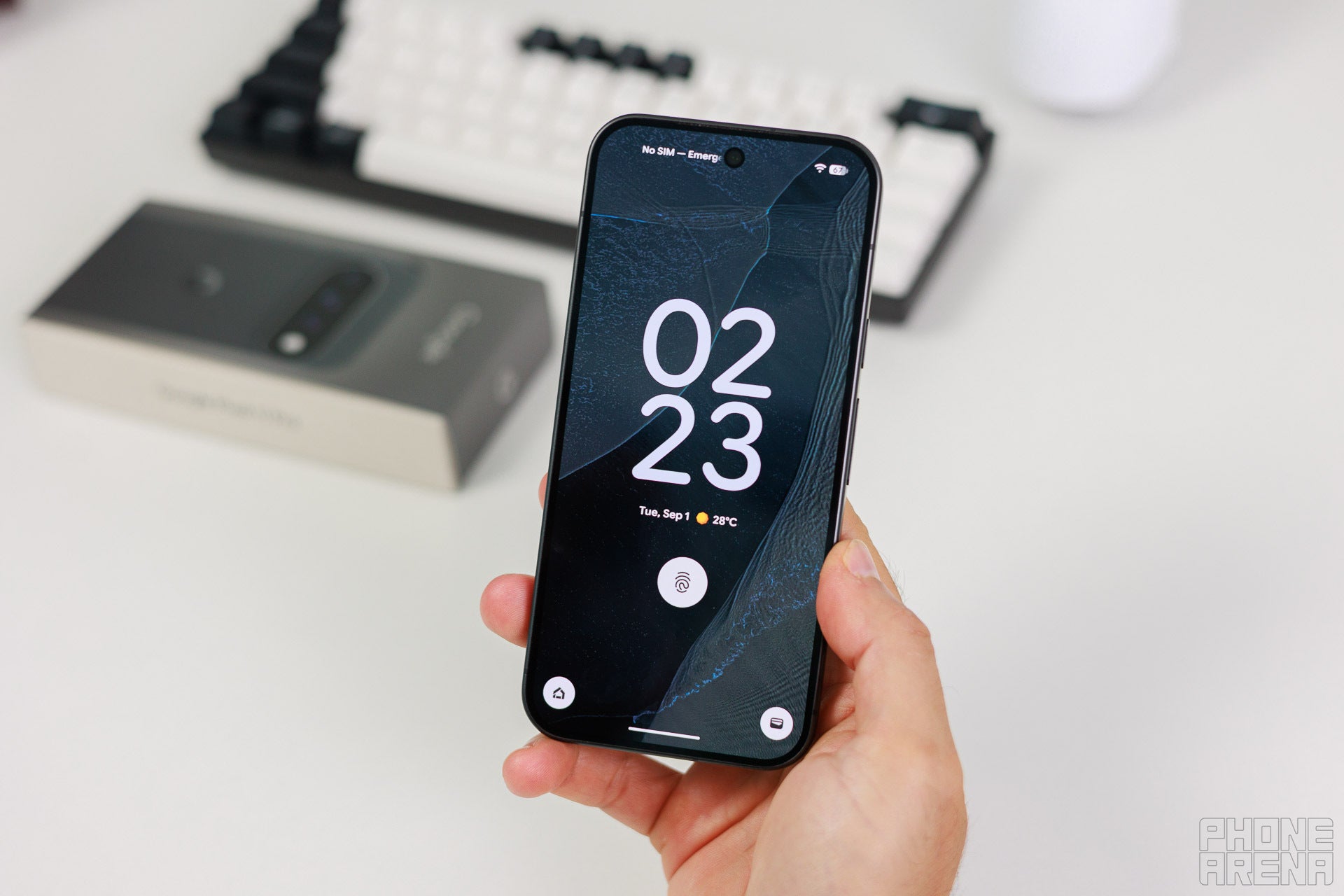
Image by PhoneArena
Biometrics are your typical Pixel thing. First, you've got an ultrasonic fingerprint reader, which works very well.
Second, and most notable, you have better face recognition than most Android phones. Officially, this is called Class 3, and this simply means it's secure enough to use with your banking apps. While most Android phones rely on image recognition alone, and that can be spoofed relatively easily with a picture, the Pixel uses proprietary algorithms to prevent such spoofing.
Pixel 11 Pro Camera
Make photos better by making them worse
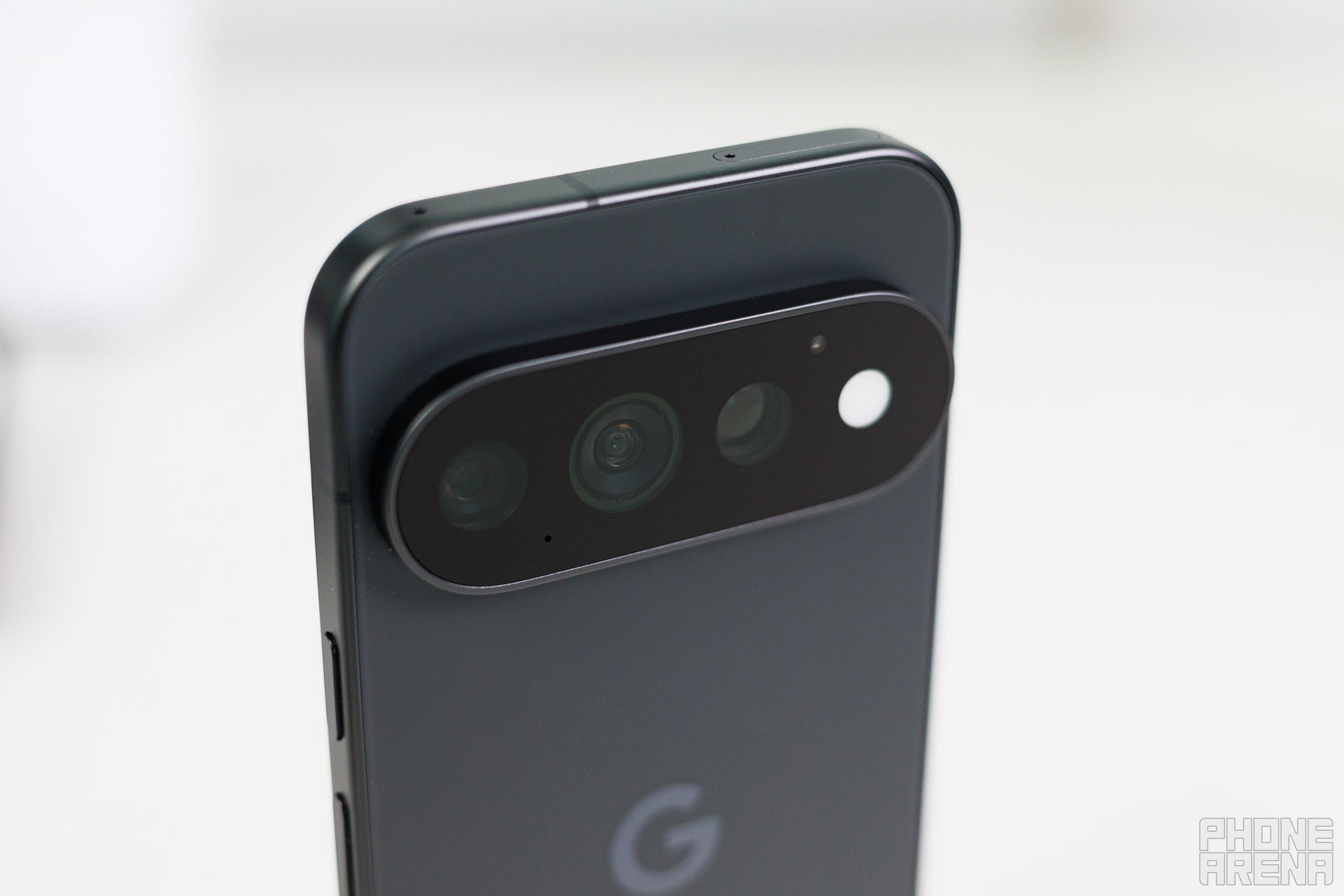
Image by PhoneArena
The Pixel 11 Pro gets a higher score in our testing protocol, mostly thanks to its better zoom quality.
Indeed, the camera hardware on the 11 Pro has one major change: the 5X telephoto camera is now powered by a much bigger 1/1.93" sensor. Google has also tweaked the main camera sensor (but sensor size has not changed there), while the 50MP ultra-wide camera seems to be the same as before.
The hardware is not all that's changed though. Most companies give you a certain way your photographs look and no other choice. With the Pixel 11 Pro, Google finally changes that with Camera Looks. You can set your preferred look for photos, and I specifically like having the option to turn down sharpening, the biggest giveaway of that "smartphone look" photo.
The hardware is not all that's changed though. Most companies give you a certain way your photographs look and no other choice. With the Pixel 11 Pro, Google finally changes that with Camera Looks. You can set your preferred look for photos, and I specifically like having the option to turn down sharpening, the biggest giveaway of that "smartphone look" photo.
I also love that you can tweak colors, too. You can go for a more neutral look, darker tonalities, or even more vivid colors.
I tested the new Camera Looks extensively in this separate article, and I find them incredibly cool. I am not super excited about the film-inspired creative looks, but it's still nice having those too.
Main Camera




Zoom Quality


Portrait Mode




Ultra-wide



Selfies


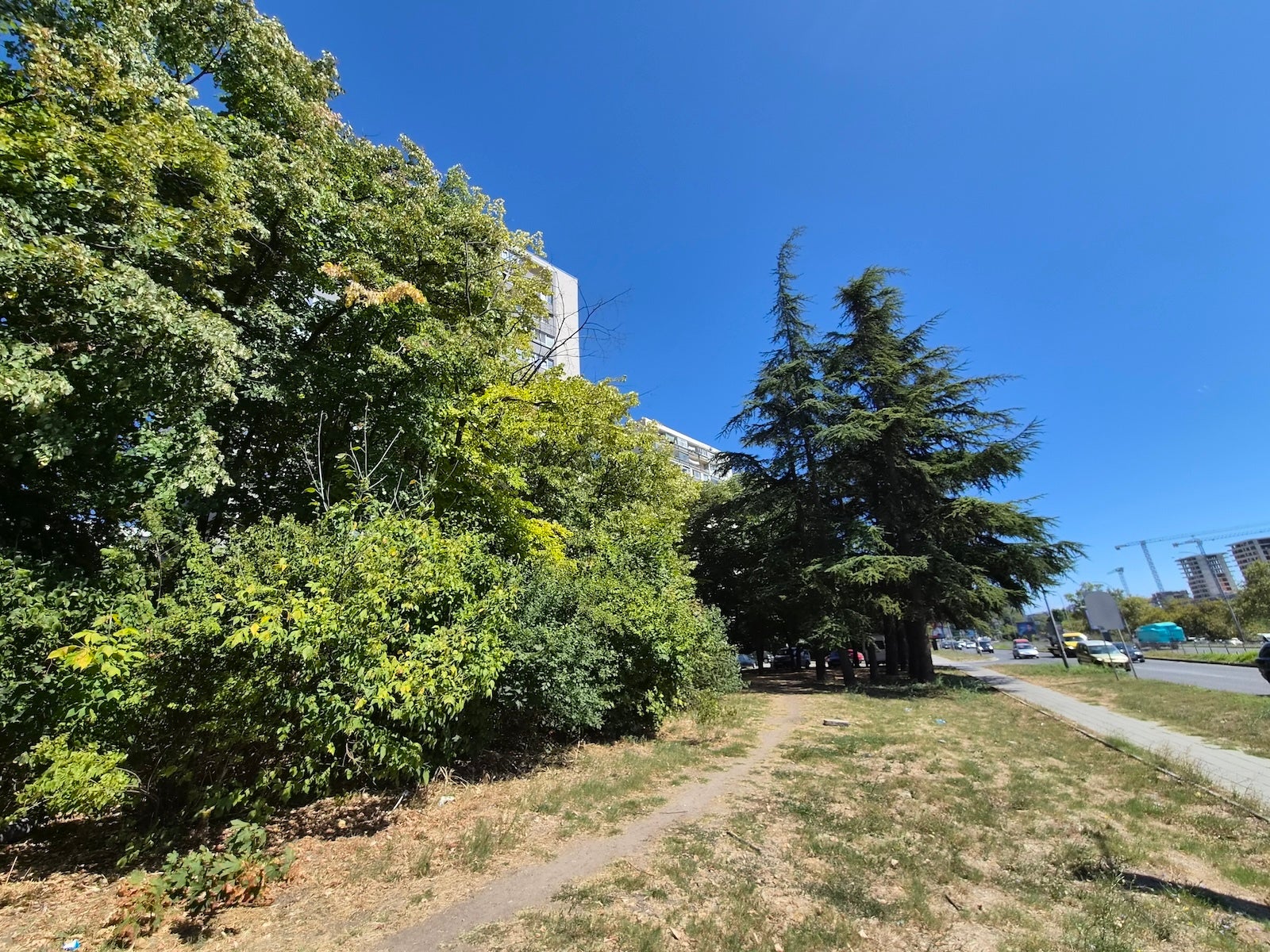
Compared to the Galaxy S26, I prefer images from the Pixel 11 Pro. I have used the default modes, and the Pixel just looks so good right out of the gate, while I find some issues with details and overly saturated colors on the Galaxy S26.
Another new feature on the Pixel 11 series is Magic Capture. You basically take a video of a special occasion, and then the Pixel will automatically pull the best moments from the video as high-quality stills. I have also tested Magic Capture with various scenes, and most of the time, the results are actually excellent.



The Pixel 11 Pro records native 4K up to 60 frames per second, and in my tests, the quality has improved from the previous generation with cleaner detail.
Pixel 11 Pro Performance & Benchmarks
Still no match for Snapdragon
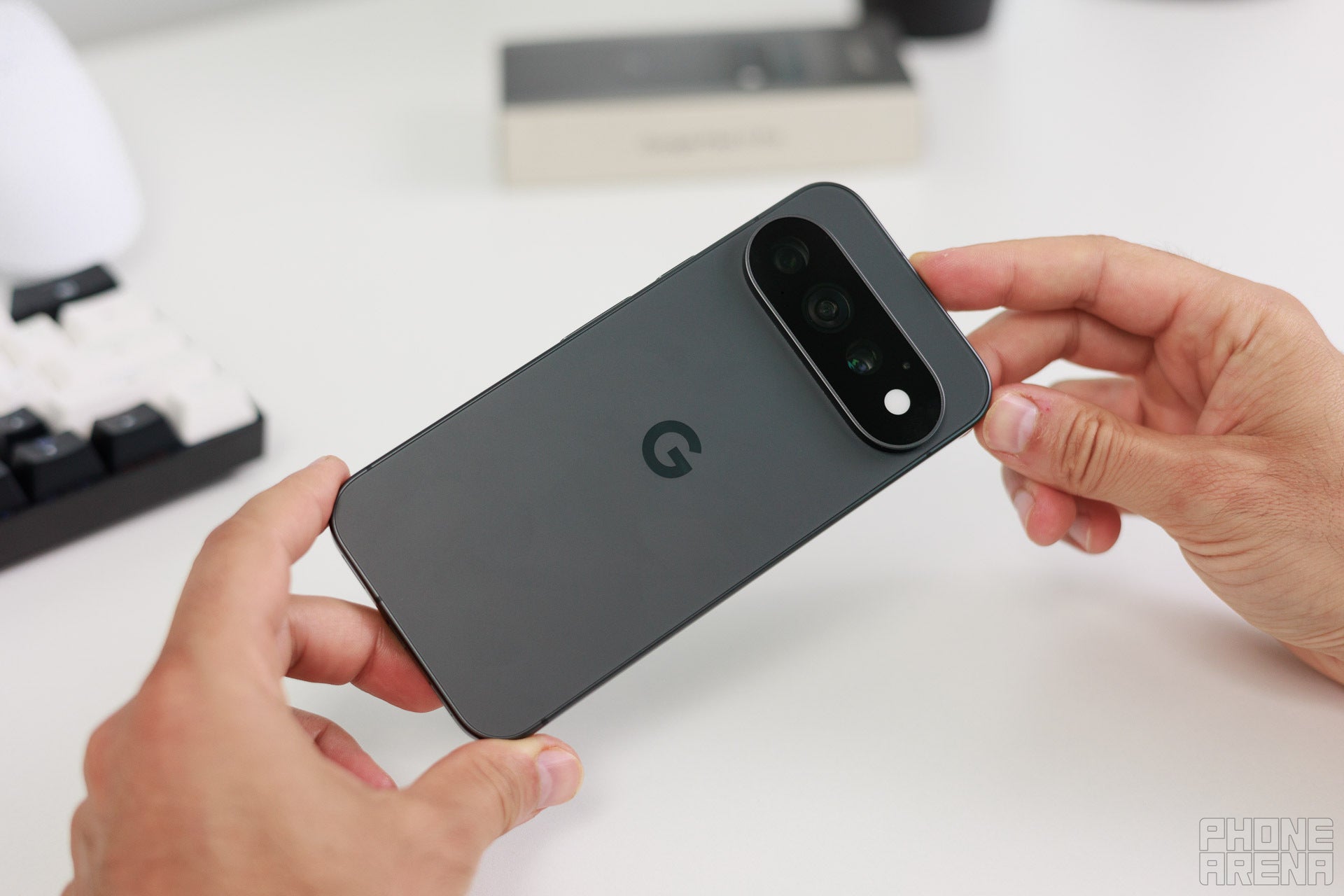
Image by PhoneArena
The Pixel 11 Pro features the latest Tensor G6 processor. This chip is made by Google, while most other Android phones use Qualcomm's Snapdragon chips. Google specifically says this chip is focused on machine learning rather than raw numbers, but that also sounds like a bit of an excuse.
You also have just 12GB of RAM on the Pixel 11 Pro, a down from 16GB on the last year's model. Those RAM price bumps are clearly the reason, but still, it's a sad development.
GPU Performance
The Tensor G6 is slightly faster than its predecessor, but not by much, and the gap with the latest Snapdragon chips is still massive.
CPU performance is probably on the level of an upper mid-ranger, but what's even worse is gaming performance on the Tensor G6, where the gap with flagships is even wider. You can still play games on the Pixel 11 Pro, but we noticed it gets way too hot in certain games like Minecraft, where using identical settings other phones are nowhere nearly as warm.
The Pixel 11 Pro jumps to 256GB of base storage, a welcome upgrade from the 128GB starting point last year. You also have a 512GB variation, which we recommend to users who record lots of 4K video or play games that also take up a lot of space.
Pixel 11 Pro Software
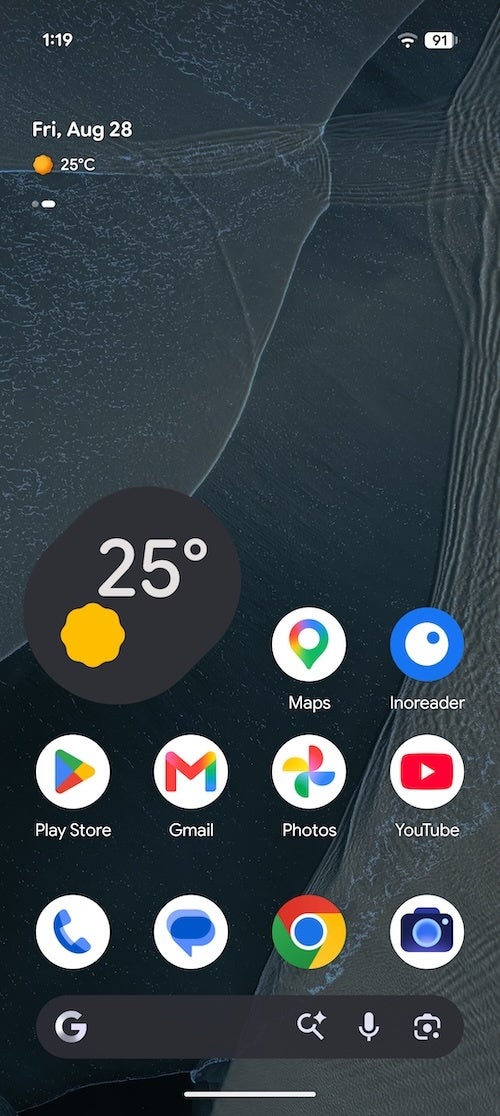
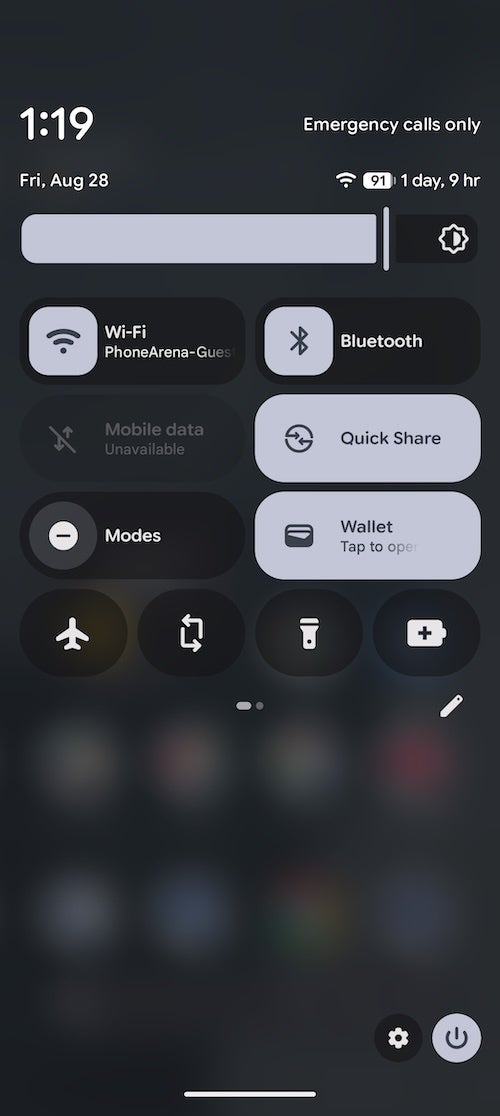
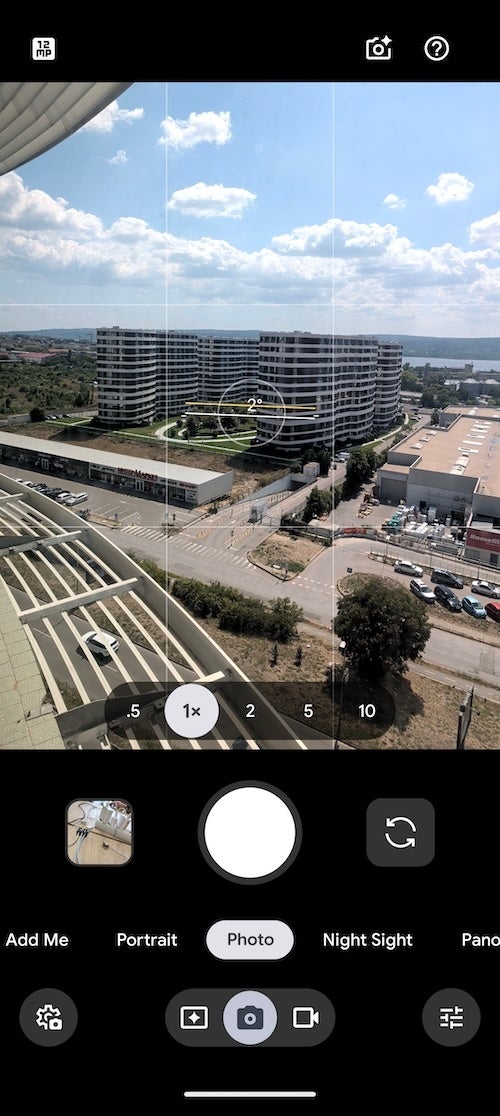
Images by PhoneArena
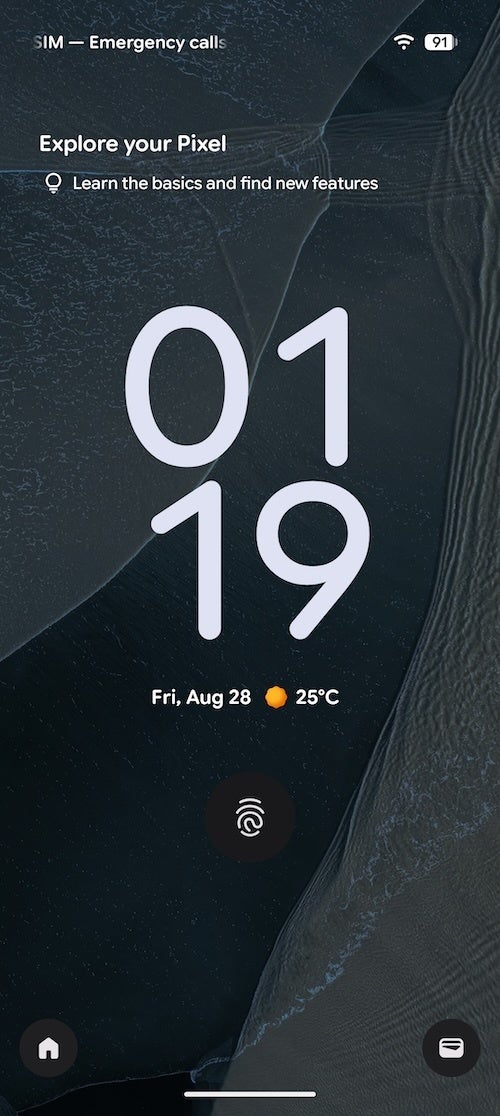
The Pixel runs on the latest Android 17, and I love that this is the particular form of Android that Google itself envisions. That means you get the latest modern graphics and other little touches, while other skins often stick with older designs (even if they update to Android 17 at the core).
One particular joy of mine when using a Pixel is the sound effects. There appears to be a subtle but helpful sound effect for almost everything on a Pixel phone. The shutter sound is specific, notifications have their sounds, and it all just feels very deliberate and thought out.
Some people criticize Pixel's take on Android for being a bit too barebones. I can see why, but I actually prefer its simplicity. Everything runs super fast and smooth, despite the Tensor G6 not being the fastest chip.
I also love that you get cool features like Bubbles (place your apps in floating bubbles like chats), which you don't get on Samsung phones, or at least not with the same simplicity.
Admittedly, some features are still not available on a Pixel. I miss having a Samsung DeX-like functionality — that is still missing on the Pixel.
All recent Pixels come with seven years of software updates, excellent for those who keep their phones a bit longer.
All recent Pixels come with seven years of software updates, excellent for those who keep their phones a bit longer.
Pixel 11 Pro Battery
Bigger battery than other compacts

Google has not upgraded the battery size on the Pixel 11 Pro, so it still has roughly the same capacity as last year's model (4,850mAh).
While this number is not even close to what we get on recent phones out of China with silicon-carbon technology, the Pixel still has nearly 13% more capacity than the Galaxy S26 and iPhone 17 Pro.
So how does it perform? We ran our usual in-house battery tests, and there was something amusing: the Pixel 11 Pro hit the same number for browsing and video streaming! That is strange, considering that video streaming typically requires a lot more resources. The 11 Pro scored an impressive 11 hours of non-stop video streaming, one of the best results this year. But the same 11 hours of web browsing are actually way below the average, showing there are some problems with efficiency.
We were particularly bummed with the gaming score. The Pixel 11 Pro got really hot with our gaming workload, while other phones typically only get slightly warm using the same settings. Because of this overheating, the battery drained extremely quickly.
In real-life use, I get around 5 hours of screen time with the Pixel 11 Pro. That's still fine for a full day of use, but not much more.
Charging speed has remained roughly the same, including the biggest advantage: the Pixel 11 Pro supports Qi2 magnetic charging, which few other Android phones have.
Pixel 11 Pro Audio Quality and Haptics
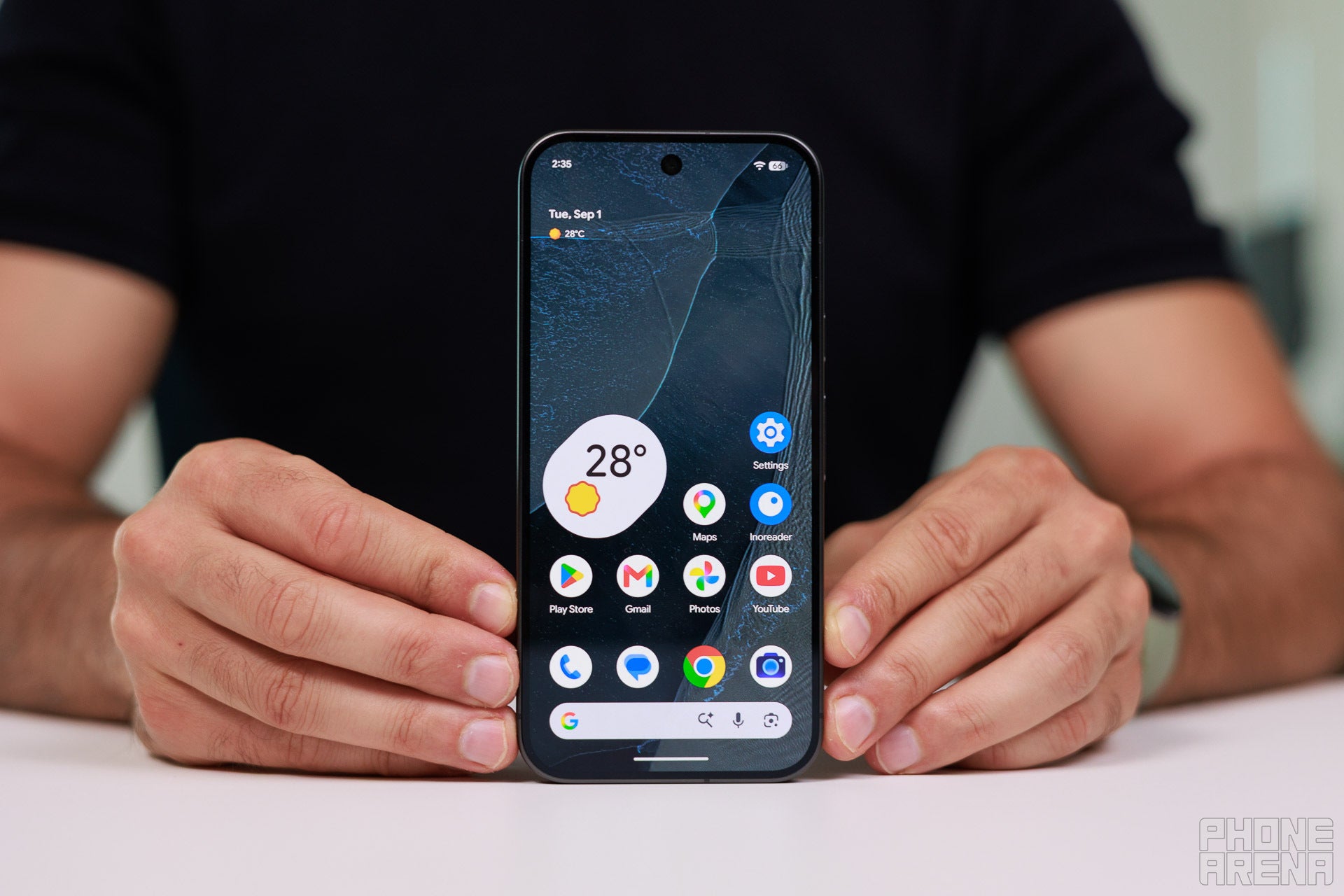
Image by PhoneArena
The Pixel 11 Pro has dual speakers in a typical setup: one fires from the bottom and the second is built in the earpiece. The quality is a bit better and fuller than a Galaxy S26, but just slightly behind the iPhone 17 Pro. The Pixel can still get quite loud for a compact phone and provides a decent amount of bass.
Haptics are also very refined, with a nice, tight vibration for typing and notifications.


Popular stories
Latest News
Things that are NOT allowed:
To help keep our community safe and free from spam, we apply temporary limits to newly created accounts: