Motorola Razr Plus (2026) vs Razr Plus (2025): All the differences explained
The new Motorola Razr Plus 2026 brings a bigger battery and a different camera setup, but not much else is changed.

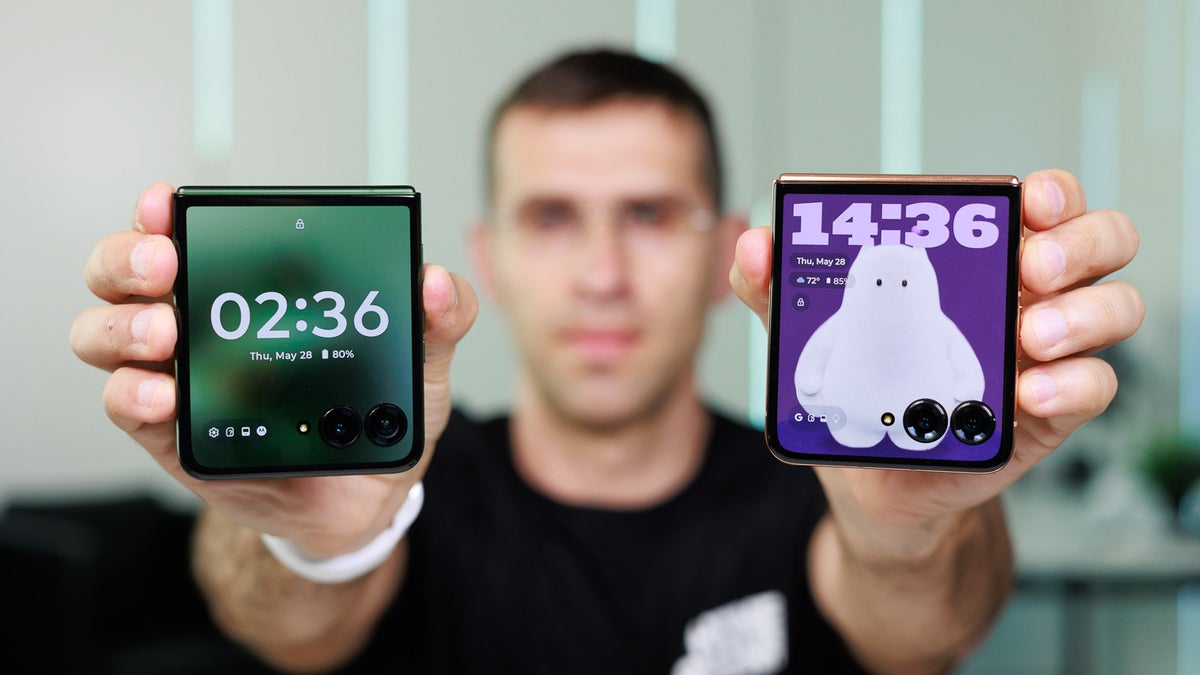
Some new features, lots of familiar ones | Image by PhoneArena
When it comes to flip phones, the Motorola Razr Plus - not the Ultra, not the base model - might be the sweet spot. With an edge-to-edge cover screen and much faster processor, it's a better experience than the base model, while the price is way more reasonable than the $1,500 cost of the Razr Ultra.
So what's new this year? The Razr Plus 2026 edition brings a bigger battery, it swaps the telephoto camera for an ultra-wide one and... actually, that's about it.
The looks and the weight are practically the same, not much else has changed, so it really is more of a refresh. Nothing wrong with that, just don't come with sky-high expectations.
Motorola Razr Plus (2026) vs Razr Plus (2025): All the differences:
| Motorola Razr Plus (2026) | Razr Plus (2025) |
|---|---|
| Nearly 12% bigger battery, 4,500mAh | Smaller 4,000mAh battery |
| Ultrawide secondary camera | 2X telephoto secondary camera |
| Same design and weight | - |
| Matte finish on the sides | Glossy frame |
| Still only 3 years of OS updates, but starting from Android 16 | 3 years of OS updates, starting from Android 15 |
| Higher, $1,100 price | $1,000 MSRP (now often found on discount) |
Table of Contents:
Also read:
Design and Size
Samsung is going edge-to-edge with the cover screen, finally
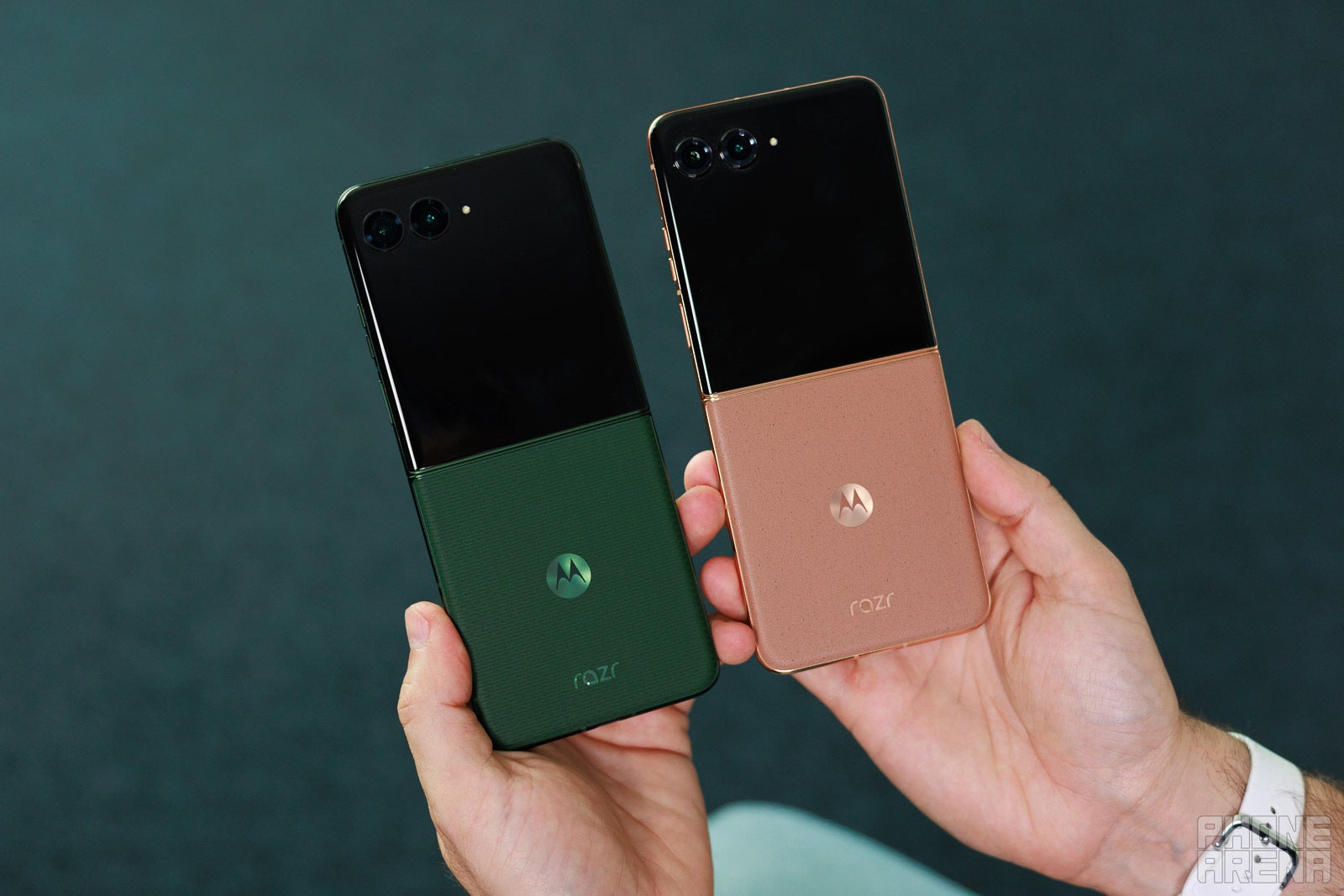
A rich, earthy shade of green on the Razr Plus 2026 | Image by PhoneArena
The Razr Plus 2026 has the same dimensions as its predecessor, and the weight practically hasn't changed at all, at about 189 grams.
This is still a lightweight phone and the 7.1mm of thickness (when unfolded) makes it clearly on the slim side too.
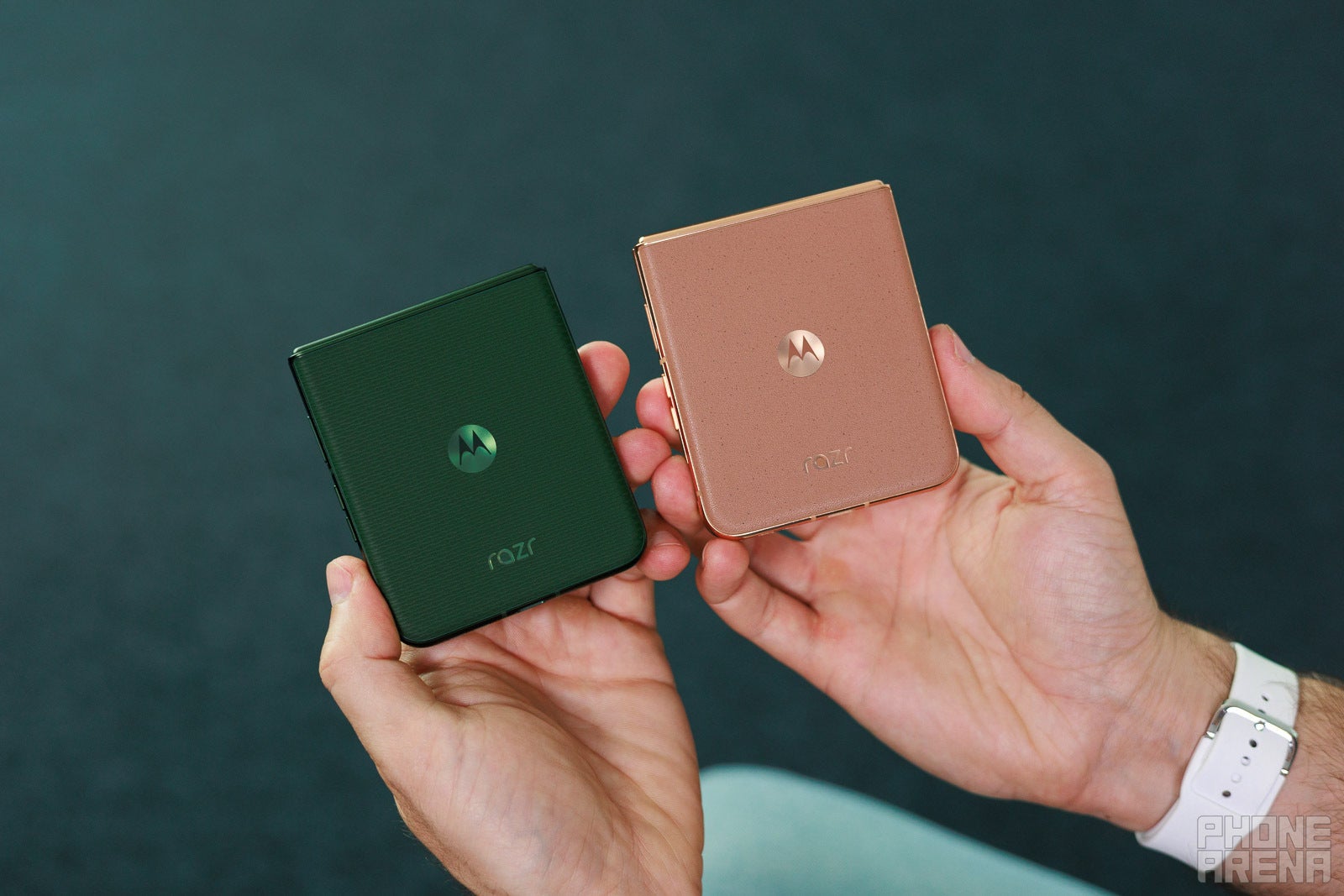
Image by PhoneArena
One smaller change is that the frame of the Razr Plus 2026 is matter rather than glossy, so the look is a bit more mature, less glamorous. I actually prefer it that way.
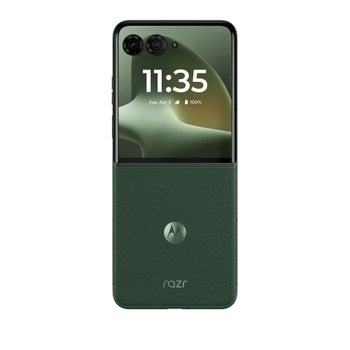
In the US, the Razr Plus only comes in one choice of color: Pantone Mountain View, a rich earthy shade of green that looks classy.
In terms of buttons, the Razr Plus 2026 comes with standard power and volume buttons, but there is no physical AI key here, a change from the 2025 model which had one on the left side.
Display Differences
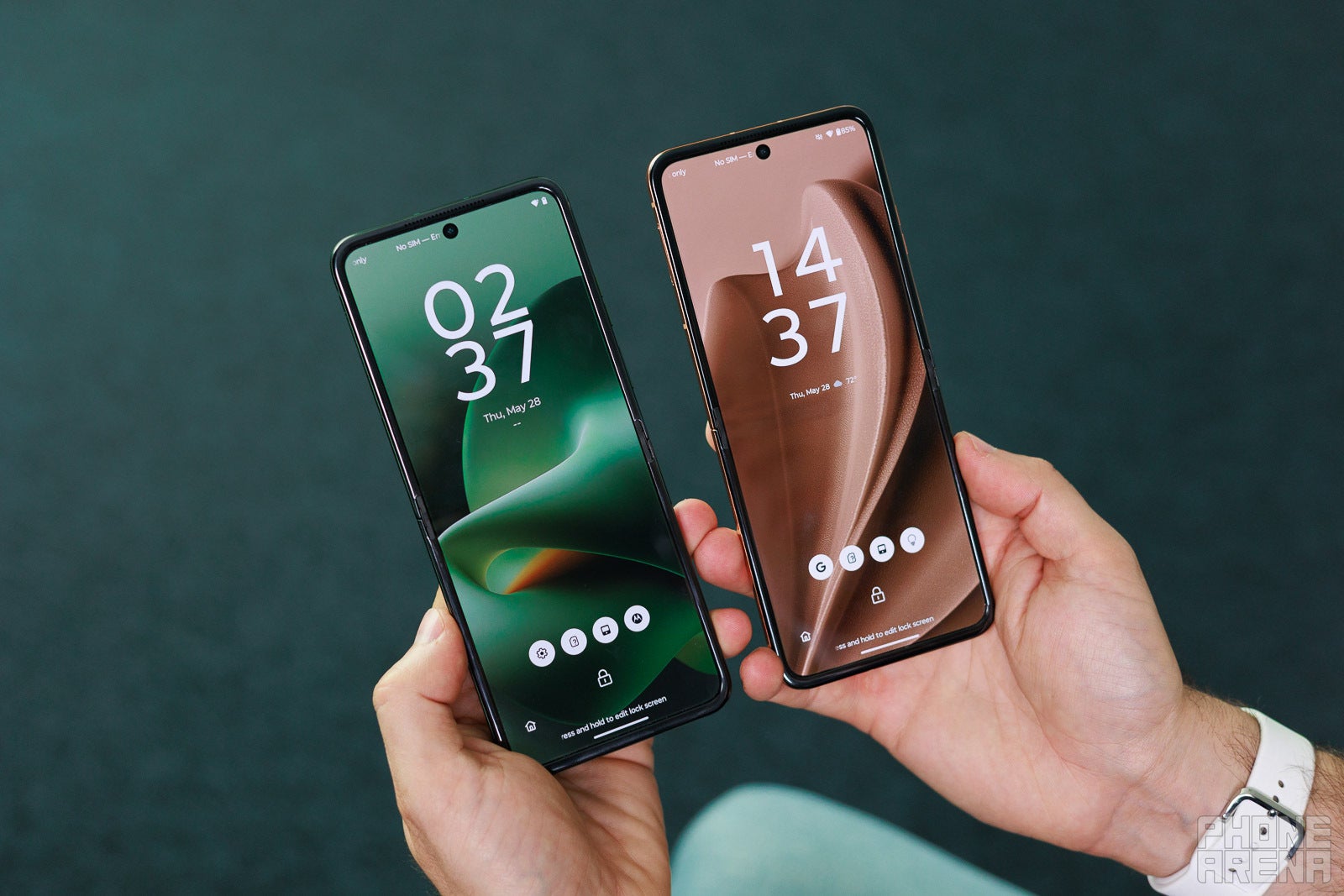
Image by PhoneArena
There is no change in display size or technology, and both the Razr Plus 2026 and 2025 model come with 6.9-inch 1080p main screen and a 4.0-inch cover screen.
The main display also supports up to 165Hz refresh rate, great for gaming, and a feature that is not available on Samsung's Flip series, for example.
And when it comes to the crease in the middle of the screens, both are very tiny, but still not quite invisible.
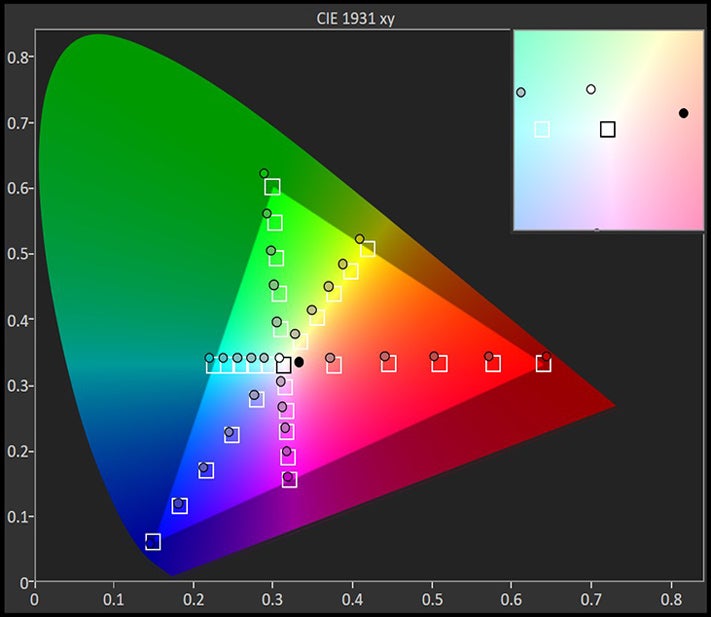
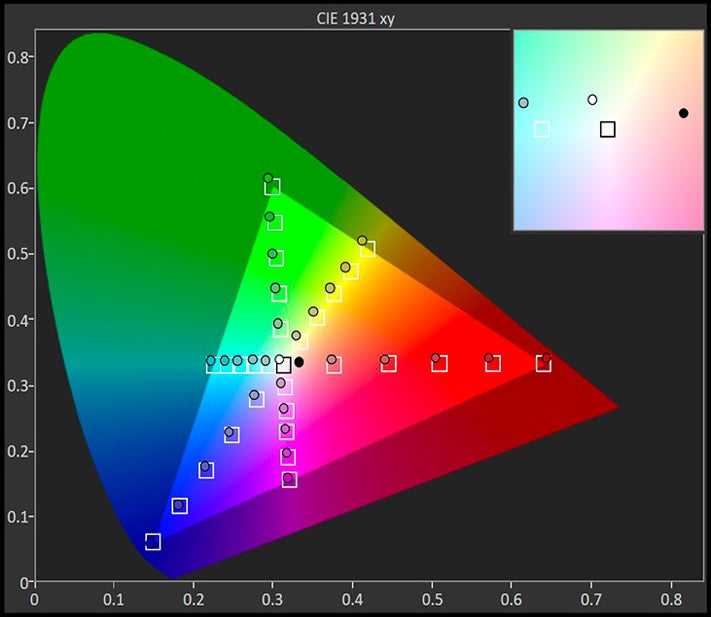
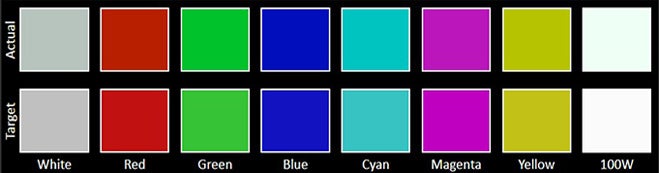
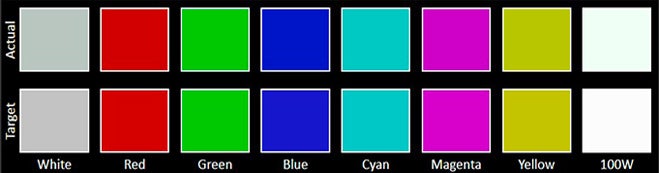


On our in-house display lab tests, we measured slightly higher peak brightness on the Razr Plus 2026, but the change really was marginal.
As for biometrics, both phones rely on a traditional fingerprint reader embedded in the power button on the side. No issues here, the fingerprint reader works fast and smooth on both phones.
Performance and Software
Lack of improvements here is disappointing

Image by PhoneArena
Flip phones are not typically viewed as high-performance machines, but Motorolas was downright lazy this year — the Razr Plus 2026 has the same Snapdragon 8s Gen 3 chipset as its predecessor.
There is also no change in RAM at 12GB, but here we don't have much to complain about.
So what about the actual performance? In my experience, the Razr Plus 2026 felt snappy for simple daily tasks like browsing and social media.
CPU Performance Benchmarks:
The results are pretty much identical between the two.
There is not a big difference in on-device AI performance either.
GPU Performance
Graphics-wise, we just see proof that this is the same processor between the two, they perform identically.
Camera
Two cameras on both
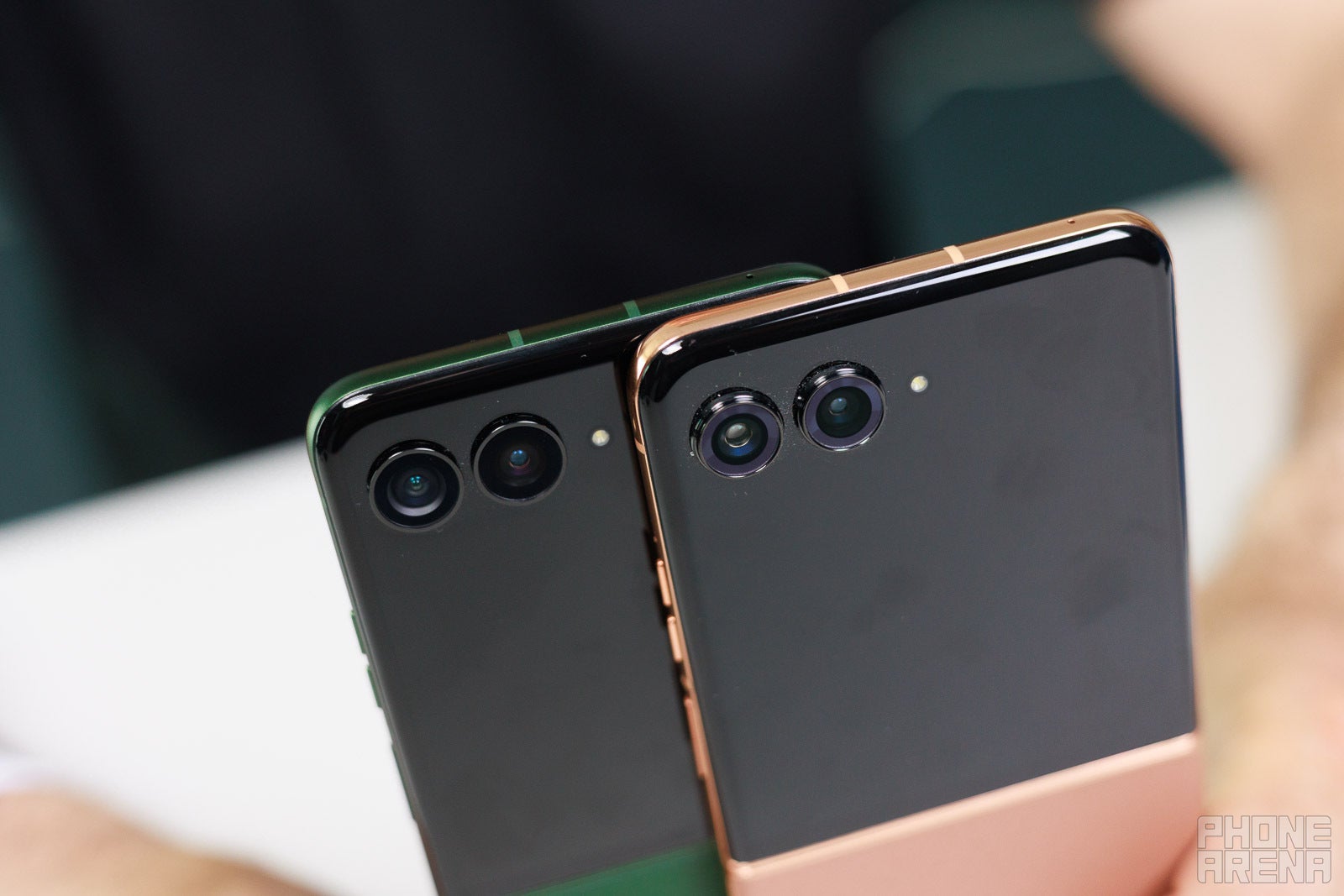
Image by PhoneArena
One of the biggest changes in the Razr Plus 2026 is that it swaps the 2x telephoto camera from the previous model for an ultra-wide camera.
So, now you have two 50MP cameras, a main and that ultra-wide one (it uses a smaller sensor than the main).
Let's take a look at a few real-world snaps to see if Motorola has changed something in the color science as well.
PhoneArena Camera Score:
On our internal PhoneArena Camera test, the new Razr Plus got a much higher score because it unlocks one new perspective - the ultra-wide one, which was missing on the previous model.
Main Camera










The major change between the two is how the newer model lights up the shadowy areas more, which results in an overall brighter looking photo.
Whether you like this or not boils down to personal preference, if you would ask me.
Portrait Mode




You can take portrait mode photos at 24mm (1x), 35mm (1.5x) and 50mm (2x) on the new Razr, and the quality is very much comparable to the previous model.
Zoom Quality




There is an expected drop in zoom quality photos on the new model. After all, the 2025 edition has a native 2x telephoto camera on board.
Ultra-wide

Razr Plus 2026 ultra-wide | Image by PhoneArena

Razr Plus 2026 ultra-wide | Image by PhoneArena

Razr Plus 2026 ultra-wide | Image by PhoneArena
Here is how ultra-wide snaps look on the new Razr Plus.
Selfies




Both phones can record up to 4K60 video, and you can record it straight from the cover screen, which makes for better quality than using the selfie camera.
Battery Life and Charging
An easy win for Motorola?
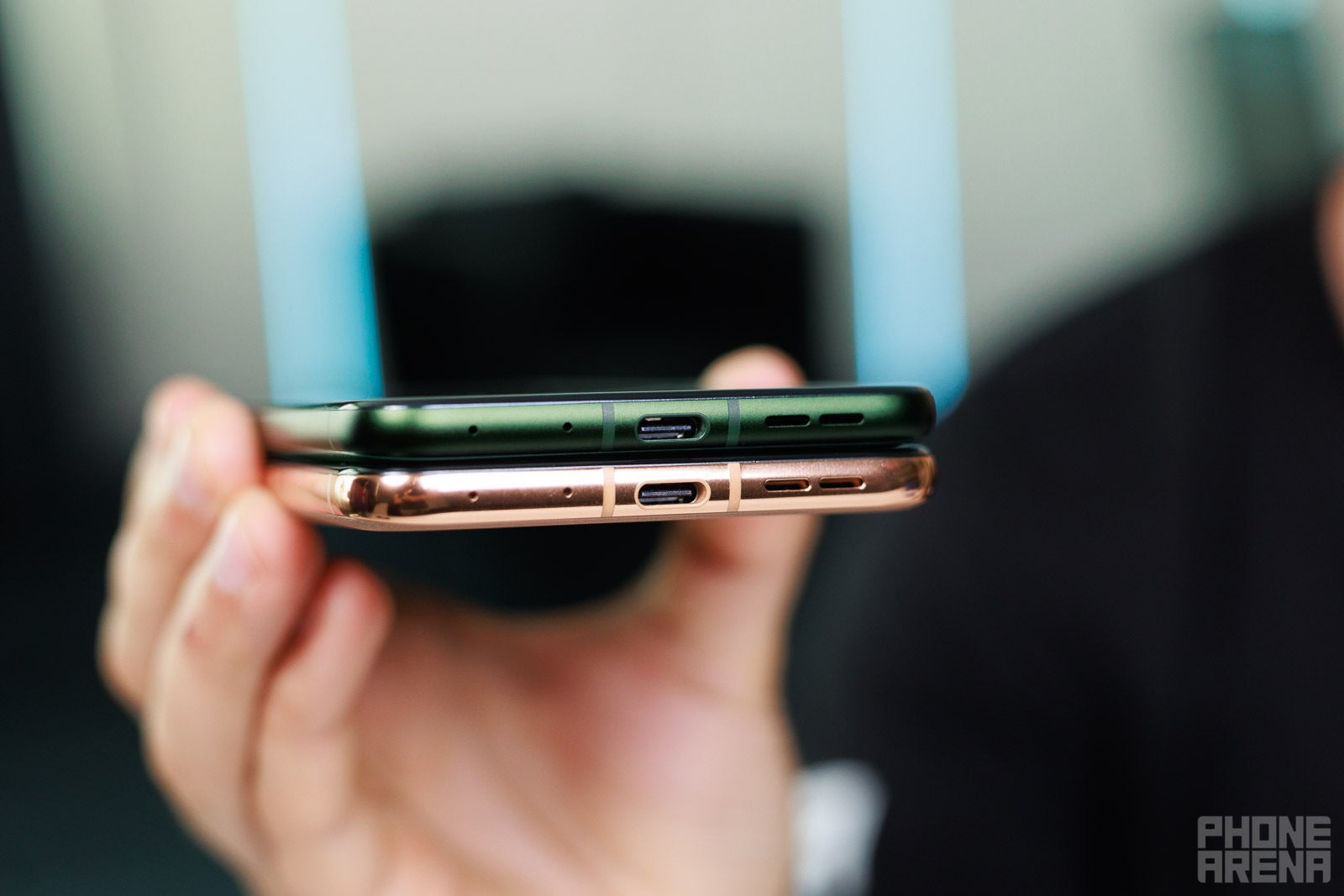
Image by PhoneArena
The jump from 4,000mAh battery on the Razr Plus 2025 to a 4,500mAh battery size on the Razr Plus 2026 is one of the bigger changes this year.
That's a quite significant 12% jump in capacity
PhoneArena Battery and Charging Test Results:
We have a few surprises in our battery tests. The Razr Plus 2026 is pracically on par with the previous version on our web browsing test, but smokes the older version with much longer YouTube video streaming times.
Don't forget that both Razr Plus models rely on Motorola's proprietary TurboPower technology, so you need a compatible charger and not just any USB-C PD charger.
Both flip phones also support wireless charging, but there are no magnets on board, so no Qi2 support.
Specs Comparison
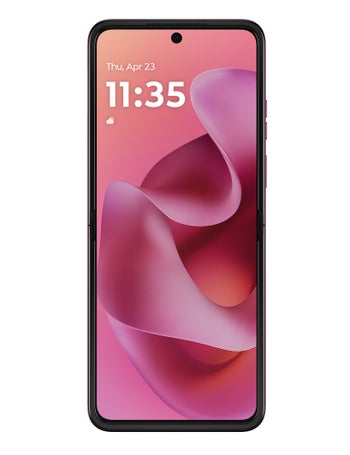
And here is an overview of the Motorola Rarz Plus 2026 vs Razr Plus 2025 specs:
|
|
| Motorola Razr Plus (2026) | Motorola Razr Plus (2025) |
| Dimensions | |
|---|---|
| 171.4 x 74 x 7.1 mm | 171.42 x 73.99 x 7.09 mm |
| Weight | |
| 189.0 g | 188.0 g |
| Size | |
|---|---|
| 6.9-inch | 6.9-inch |
| Type | |
| AMOLED, 165Hz | AMOLED, 165Hz |
| System chip | |
|---|---|
| Snapdragon 8s Gen 3 SM8635 (4 nm) | Snapdragon 8s Gen 3 SM8635 (4 nm) |
| Memory | |
| 12GB (LPDDR5X)/256GB (UFS 4.0) | 12GB (LPDDR5X)/256GB (UFS 4.0) |
| OS | |
| Android (16) | Android (15) |
| Type | |
|---|---|
| 4500 mAh | 4000 mAh |
| Charge speed | |
| Wired: 45.0W Wireless: 15.0W | Wired: 45.0W Wireless: 15.0W |
| Main camera | |
|---|---|
| 50 MP (OIS, PDAF) Aperture size: F1.8 Focal length: 24 mm Sensor size: 1/1.95" Pixel size: 0.8 μm | 50 MP (OIS, PDAF) Aperture size: F1.7 Focal length: 24 mm Sensor size: 1/1.95" Pixel size: 0.8 μm |
| Second camera | |
| 50 MP (Ultra-wide) Aperture size: F2.0 Focal Length: 12 mm Sensor size: 1/2.76" Pixel size: 0.64 μm | 50 MP (Telephoto) Optical zoom: 2.0x Aperture size: F2.0 Focal Length: 47 mm Sensor size: 1/2.76" Pixel size: 0.64 μm |
| Front | |
| 32 MP | 32 MP |
See the full
Motorola Razr Plus (2026) vs Motorola Razr Plus (2025) specs comparison
or compare them to other phones using our
Phone Comparison tool
Summary
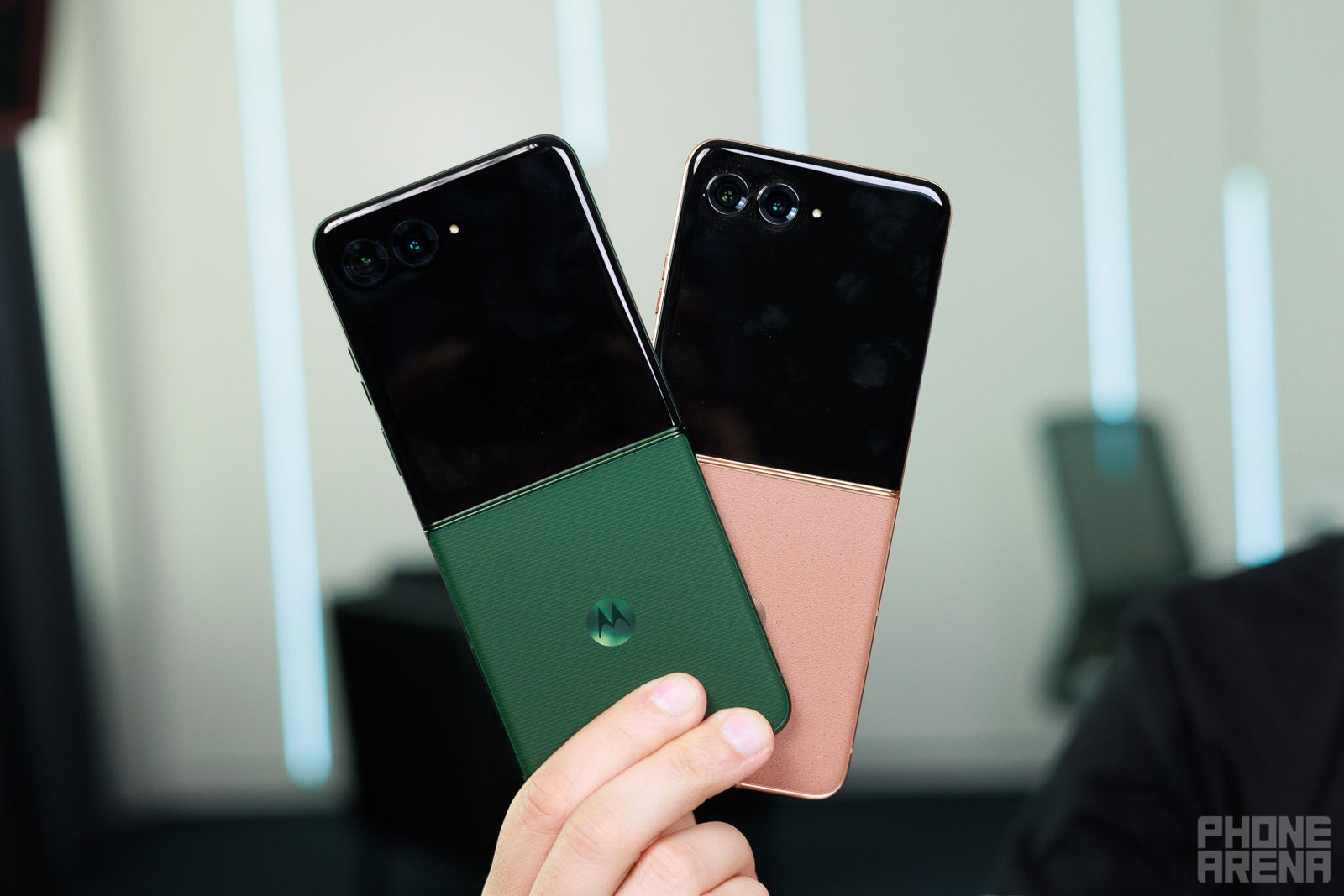
Image by PhoneArena
The Razr Plus 2026 is a small upgrade, a refresh rather than a complete overhaul.
Is it a good phone to recommend? Absolutely! It has enough performance for most users, a pretty and practical design, and the camera quality is also very good. Plus, you get that increase in battery life that was definitely needed.
The one big downside that remains for yet another year is the meager 3 years OS update commitment from Motorola. A premium flip phones should be supported for at least 5 years, if you ask me.
Given the massive discounts on the previous model, it doesn't make sense overspending for the new Razr Plus when the two models are so similar. With an official price of $1,100, the Razr Plus 2026 has to fight off huge discounts that bring the price of the Razr Plus 2025 often down to just $600.


Related Content





Popular stories



Latest News




Things that are NOT allowed:
To help keep our community safe and free from spam, we apply temporary limits to newly created accounts: