What makes a BlackBerry phone so special? Is it the unusual form factor? Or the physical keyboard? Maybe it's the software! The iconic smartphone brand that ruled the business world before the iPhone came along. It seems that even in 2026, years and years after the untimely demise of the company, people still want a BlackBerry phone.
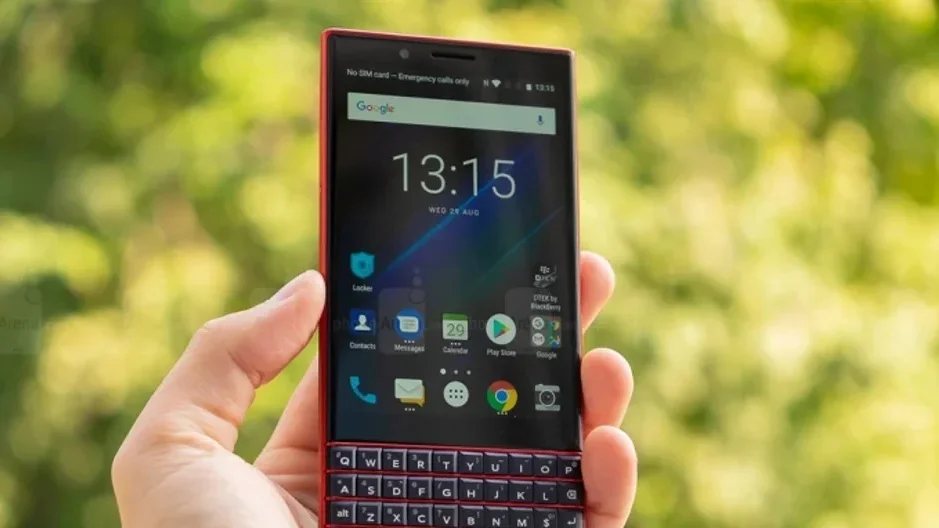
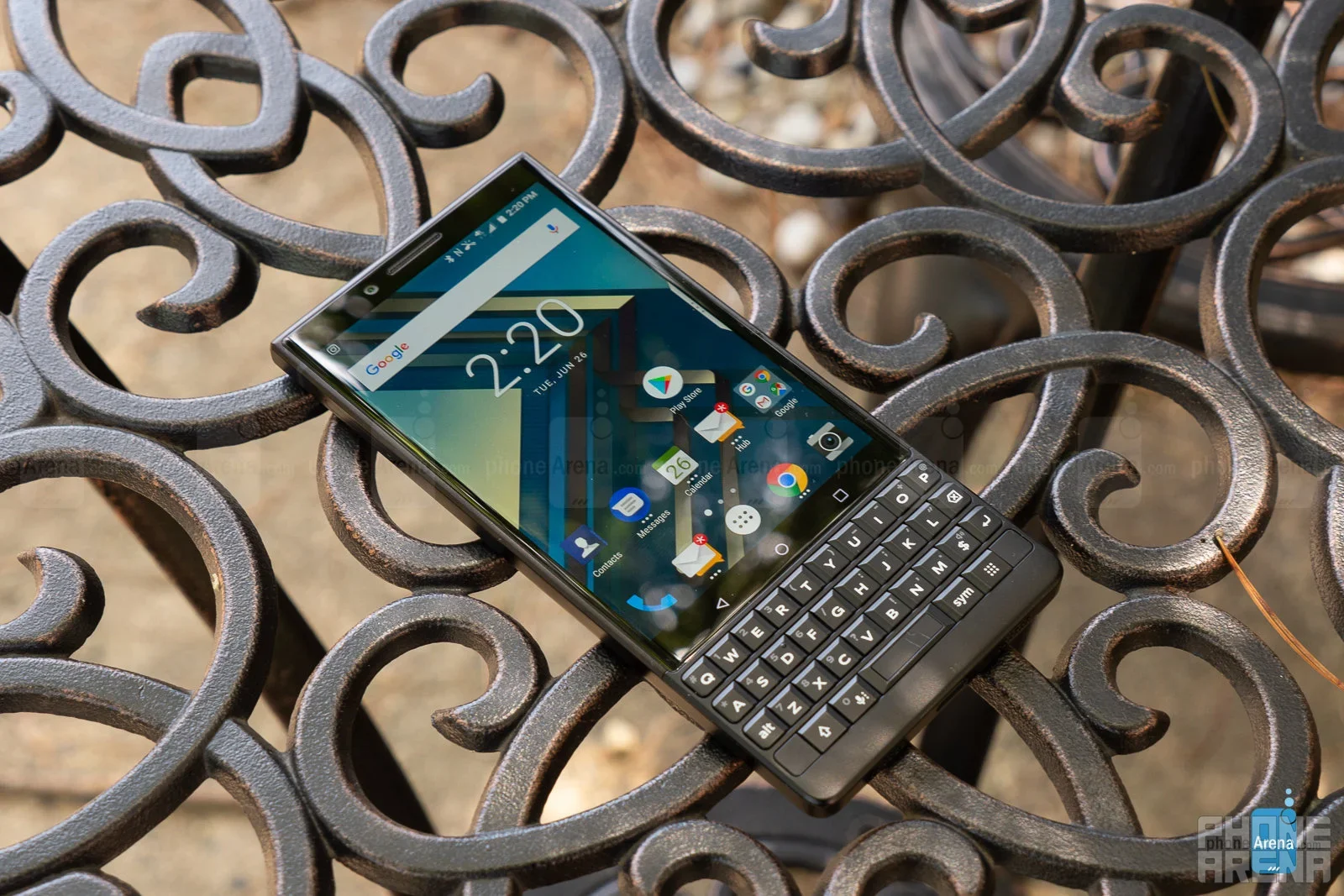
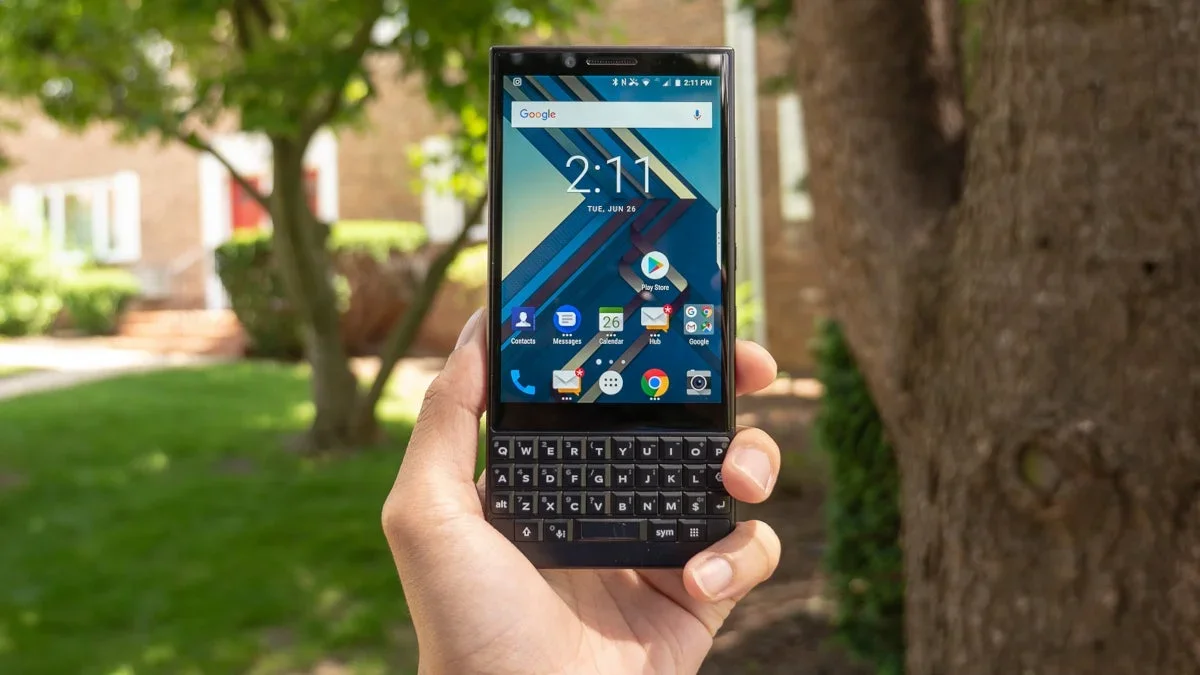
The last official BlackBerry release dates back to 2018, when TCL released the Key2. It's been almost eight years, and the hype around the brand doesn't seem to die off. One of the most popular articles on PhoneArena is the "Best BlackBerry Phones," even now it gets a lot of attention on a daily basis.
Meanwhile, several companies are trying to capitalize on that, launching BlackBerry clones or devices inspired by the iconic design. Why do people still want a BlackBerry phone in a smartphone world where big-screen foldables, AI, and augmented reality glasses are believed to be the future?
What's so special about BlackBerry?
Several companies trying to reboot, copy, or launch BlackBerry-inspired devices have to show something. Clearly, these companies had done their research, and one $700,000 Kickstarter project also proves it.
There's an unwavering interest toward BlackBerry phones, even today, when we have tri-folding phones and AR glasses meant to retire the smartphone for good. What's the secret? Why do people still feel nostalgic about BlackBerries in 2026?
Recommended For You
The answer is complex. BlackBerry was one of the first brands to focus on real mobile productivity. It took the best ideas from Palm PCs from the past and incorporated them in a modern mobile device. Before iPhones and modern Androids, BlackBerry phones were able to read and reply to emails instantly, a game-changer in the business world.
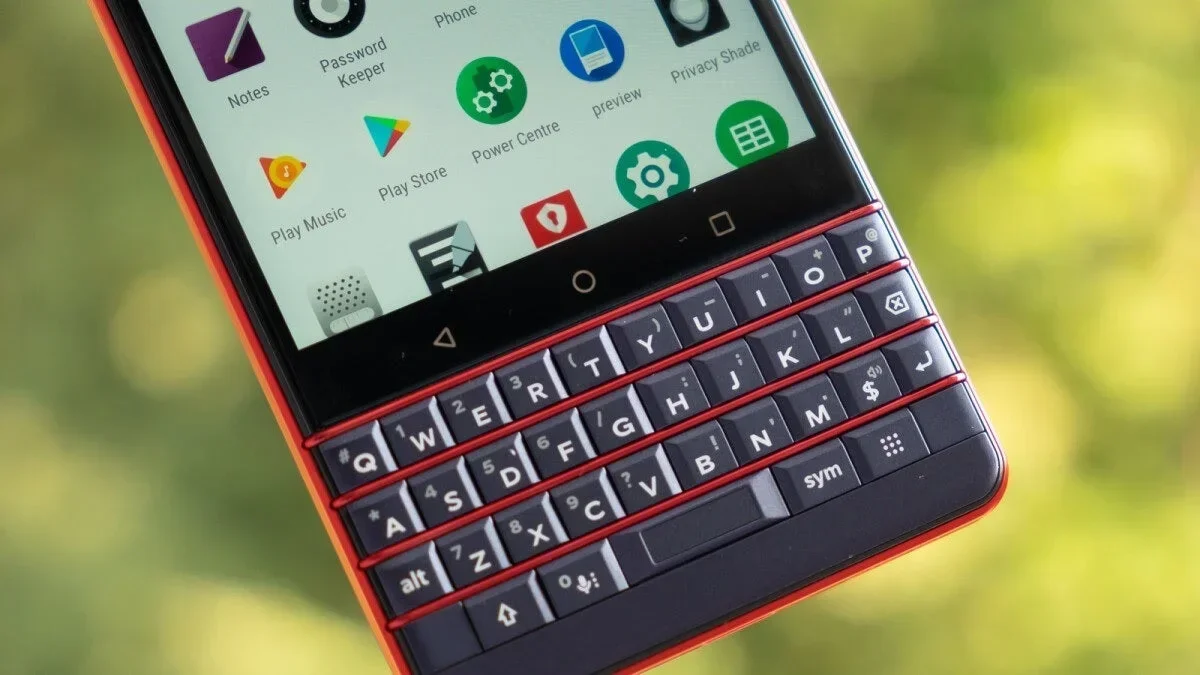
Couple that with the fast and comfortable physical keyboard, and you get a winning recipe. BlackBerry smartphones also introduced read recipes, private chats, and delivery confirmations.
All the communication was end-to-end encrypted, adding the necessary security layer on top of productivity. The BlackBerry phone was the ultimate mobile work terminal—capable, secure, and quality-made.
For me, personally, BlackBerry always stood for serious business. Back in the day you got a BlackBerry to do stuff, not to fool around. In today's culture of never-ending entertainment, the smartphone is marketed as a "fun device."
Granted, there are productivity features, and sometimes those even make it to presentation slides during launches, but I feel companies want to peddle smartphones as a lifestyle entertainment machine.
What happened to BlackBerry?
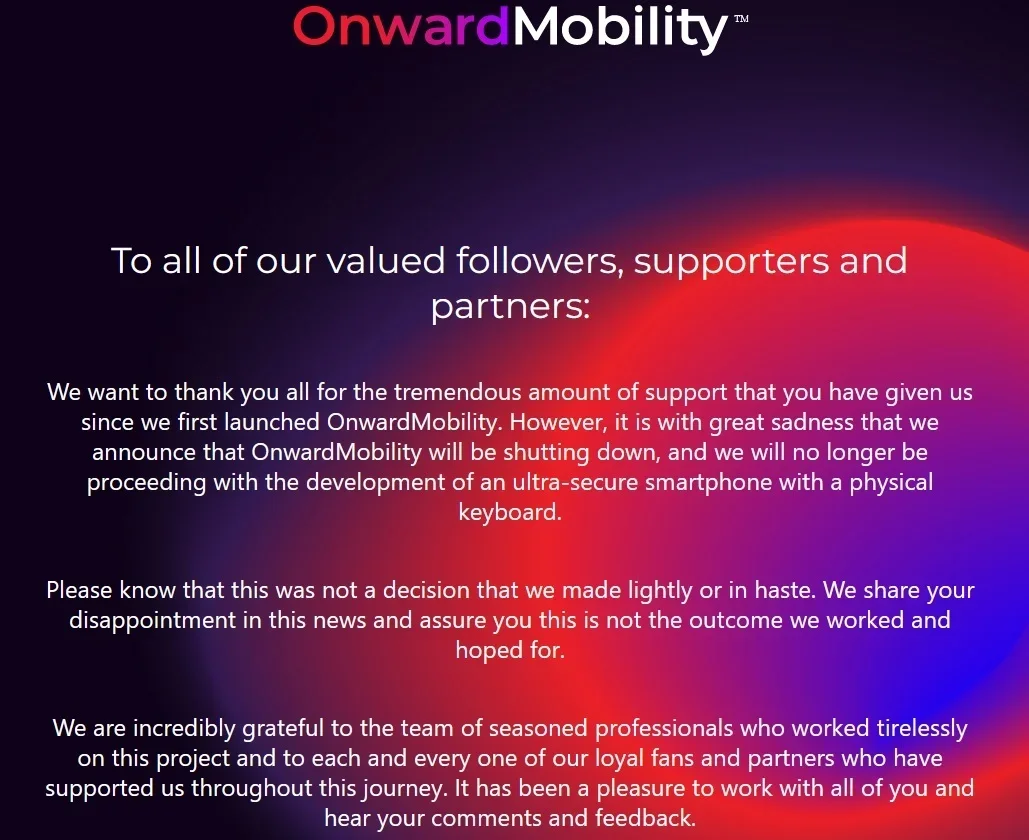
Shortly after the BlackBerry Key2 was released and BlackBerry's licensing deal with TCL ended, a new one was signed with OnwardMobility and Foxconn's FIH unit. In August 2020, OnwardMobility announced that it's working on a new BlackBerry 5G model, a successor to the Key2, called… the Key3.
BlackBerry then sold off the remainder of its mobile patents for $600 million, showing the company had no interest in licensing its name and patents anymore. The BlackBerry phone was officially pronounced dead.
The latest release involving the BlackBerry name was a movie from 2023 about the rise and fall of the company. What came next?
Attack of the Clones
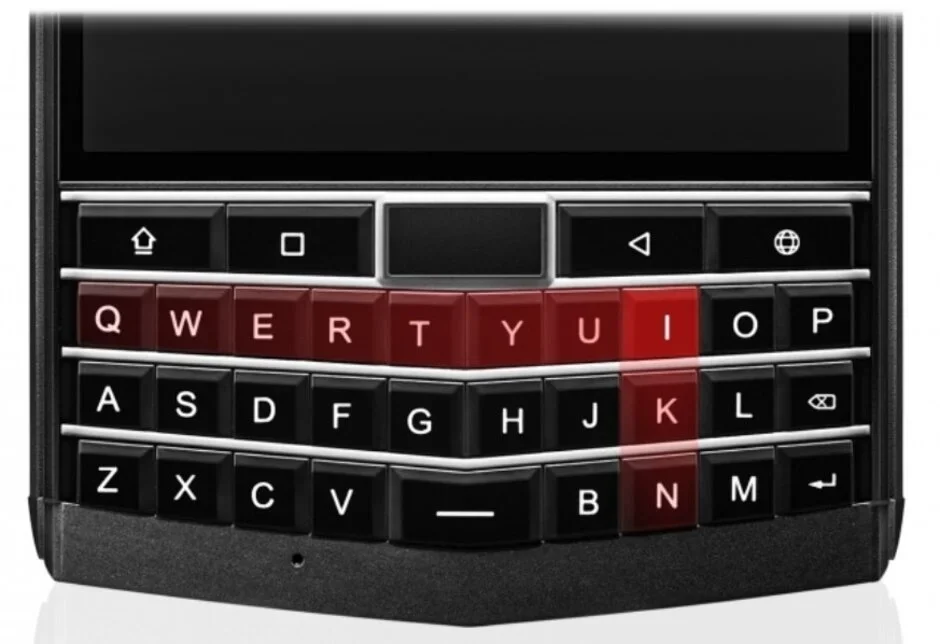
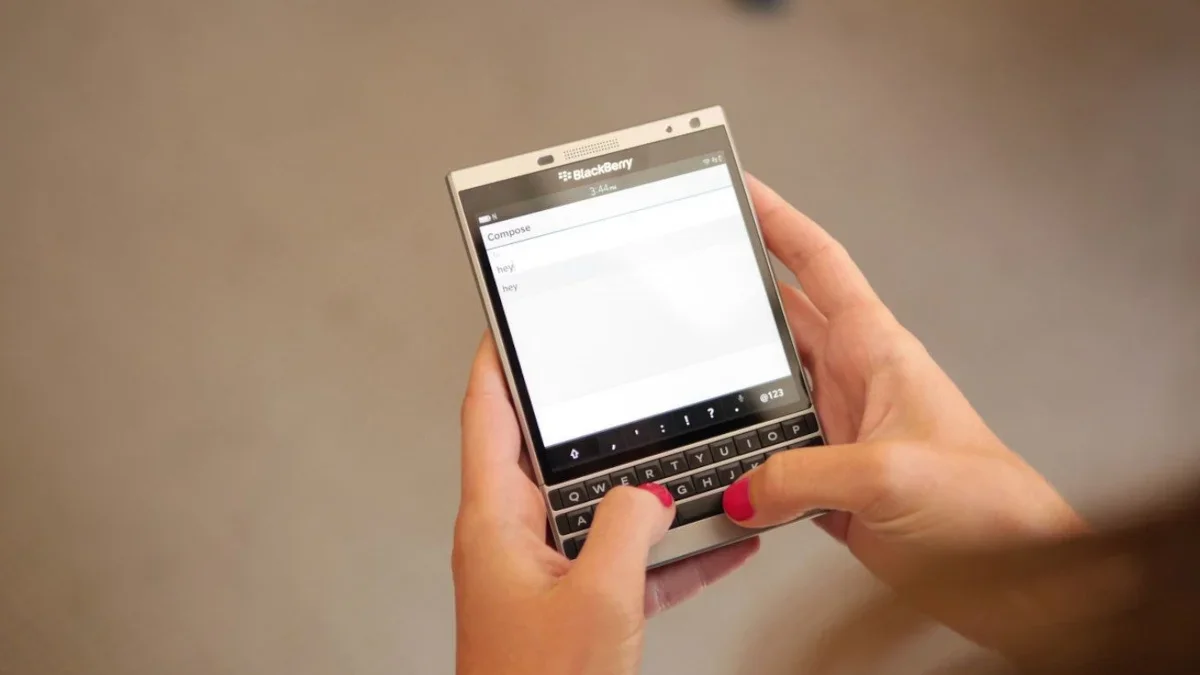
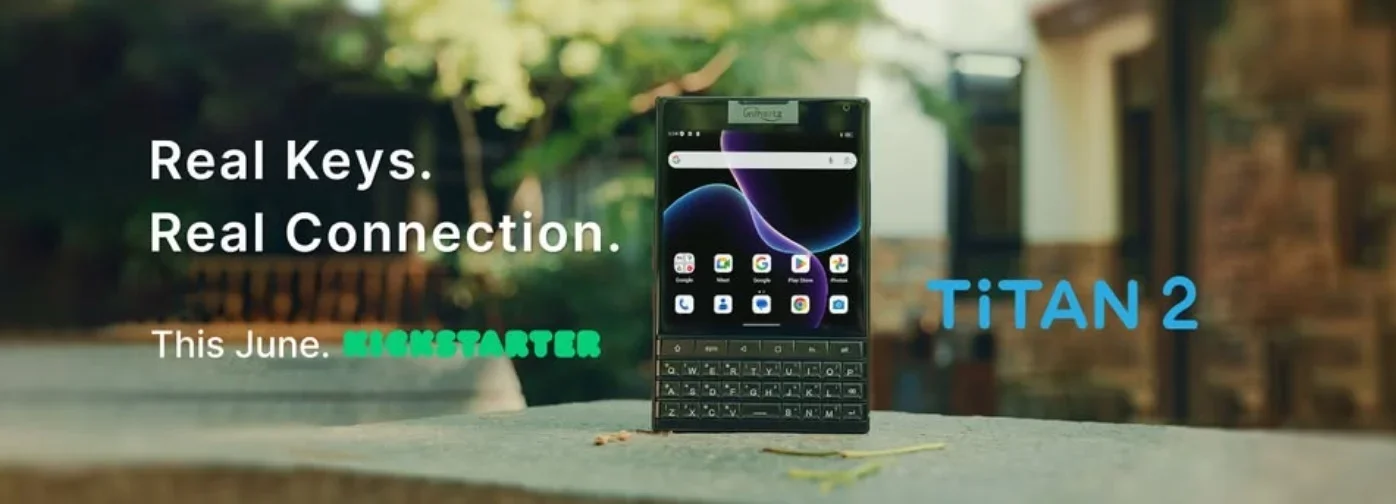
Actually, we have to rewind the tape and go back to 2019, when the Chinese manufacturer of rugged phones Unihertz unveiled the Titan. This BlackBerry Passport clone started its life as a Kickstarter project but quickly moved out of the pre-order phase and into a market release in December 2019.
Unihertz was hoping to raise $100,000 with the Titan and instead collected over $700,000 during the Kickstarter campaign. This shows a huge interest in this squarish, physical keyboard phone. People wanted their BlackBerry, in one form or another.
Early last year, Unihertz launched the Titan 2, an updated version of the first model. The scheme was similar—a successful Kickstarter campaign, followed by pre-orders and an official release.
But wait, there's more. A company called Zinwa Technologies announced in 2025 that it plans to bring back old BlackBerry phones, including the Passport, with updated internal components and improved specs.
The first model Zinwa plans to launch will bring back the BlackBerry Q20 (aka the BlackBerry Classic), and the retail version will cost $400. The company also plans to sell conversion kits for those who already own the phone for $300. That's crazy!
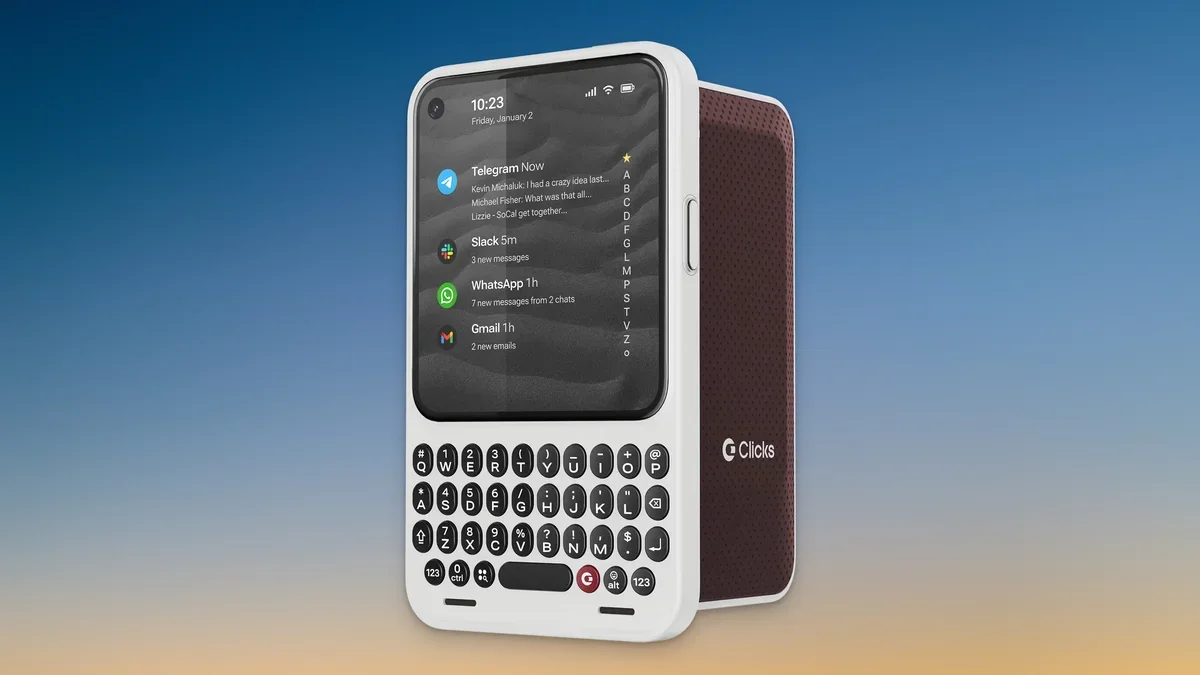
Now the brand is making the leap to a full-fledged smartphone—the Clicks Communicator features a 4-inch AMOLED display, Android 16, a 4,000 mAh silicon-carbon battery, and a 50MP main camera. The phone is slated for an official release later this year and it will cost $499.
The future of BlackBerry
As exciting as it might be, the resurgence of the BlackBerry design and brand probably won't happen. Not on the scale many people (including myself) are hoping for. But all this highlights a very important takeaway that modern Android and iOS phones shouldn't ignore.
People miss a robust productivity phone with impeccable security. Launching BlackBerry clones with Android won't cut it, and slapping a physical keyboard onto an iPhone won't do the trick either.
We need a new approach to mobile phones, or at least the option to have a secure, business-oriented device. And not one from an obscure Chinese company, but a popular flagship.
Six-month unlimited plan is now 57% off
$90
$210
$120 off (57%)
Mint Mobile is now allowing you to get whichever plan you like for either three, six, or 12 months for just $15/mo. If you go for the six-month unlimited service, for instance, you'll now have to pay just $90 upfront instead of $210.
Mariyan, a tech enthusiast with a background in Nuclear Physics and Journalism, brings a unique perspective to PhoneArena. His childhood curiosity for gadgets evolved into a professional passion for technology, leading him to the role of Editor-in-Chief at PCWorld Bulgaria before joining PhoneArena. Mariyan's interests range from mainstream Android and iPhone debates to fringe technologies like graphene batteries and nanotechnology. Off-duty, he enjoys playing his electric guitar, practicing Japanese, and revisiting his love for video games and Haruki Murakami's works.
A discussion is a place, where people can voice their opinion, no matter if it
is positive, neutral or negative. However, when posting, one must stay true to the topic, and not just share some
random thoughts, which are not directly related to the matter.
Things that are NOT allowed:
Off-topic talk - you must stick to the subject of discussion
Offensive, hate speech - if you want to say something, say it politely
Spam/Advertisements - these posts are deleted
Multiple accounts - one person can have only one account
Impersonations and offensive nicknames - these accounts get banned
To help keep our community safe and free from spam, we apply temporary limits to newly created accounts:
New accounts created within the last 24 hours may experience restrictions on how frequently they can
post or comment.
These limits are in place as a precaution and will automatically lift.
Moderation is done by humans. We try to be as objective as possible and moderate with zero bias. If you think a
post should be moderated - please, report it.
Have a question about the rules or why you have been moderated/limited/banned? Please,
contact us.



Things that are NOT allowed:
To help keep our community safe and free from spam, we apply temporary limits to newly created accounts: