Two months after we reported on the possibility of the OnePlus 16 getting a display panel with a 240Hz refresh rate, it seems that things are moving ahead.
Twice as much as what other phones offer
The "OnePlus Club" account on X (it's unofficial, but with a great record) shares a short message in the first day of 2026:
As stated earlier, OnePlus has started testing the 240Hz Ultra High Refresh Rate pic.twitter.com/b283yWQg2l
No phone models are mentioned here, but the "240Hz Ultra High Refresh Rate" feature should land on the OnePlus 16; after all, that's the company's crown jewel. As a reminder, the current-day OnePlus 15 supports a 165Hz refresh rate. That's notably above the 120Hz industry average (sort of).
It seems that even the recently-released Honor WIN series with its 185Hz refresh rate will be blown away by the OnePlus 16, if the leak turns out to be correct.
On a side note, I can almost hear the screams of disbelief and despair that are probably coming out of Cupertino headquarters. After all, it's been only three months since the baseline iPhone finally moved past the 60Hz refresh rate milestone.
Is 240Hz a lot?
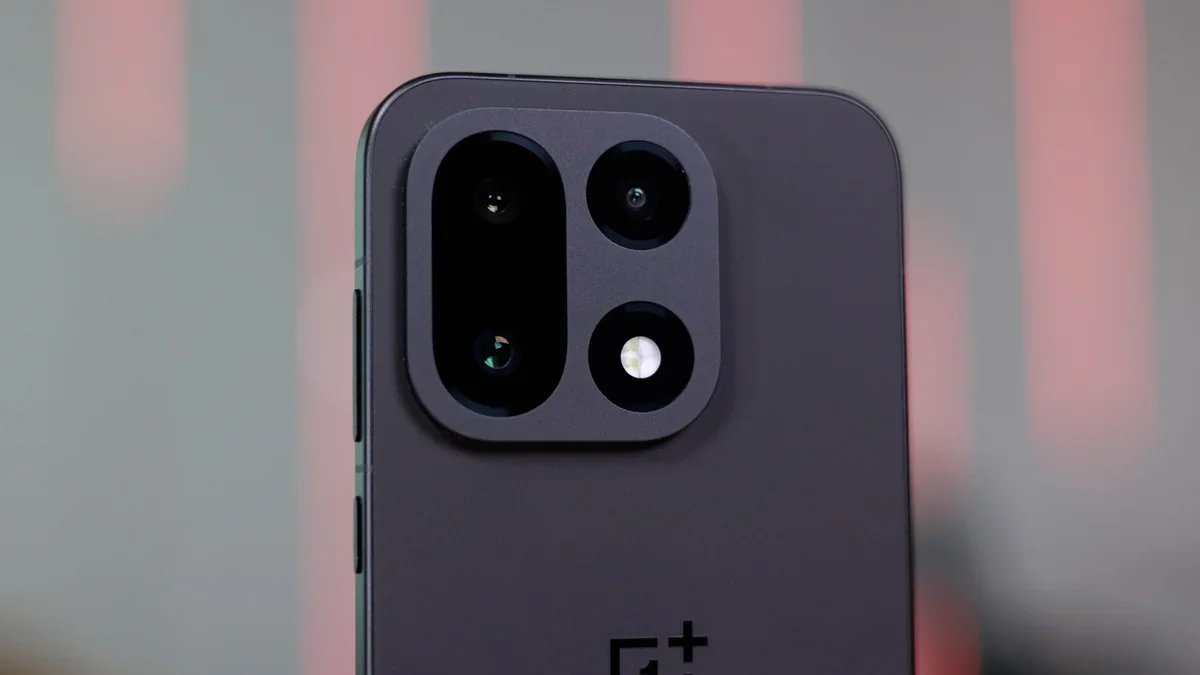
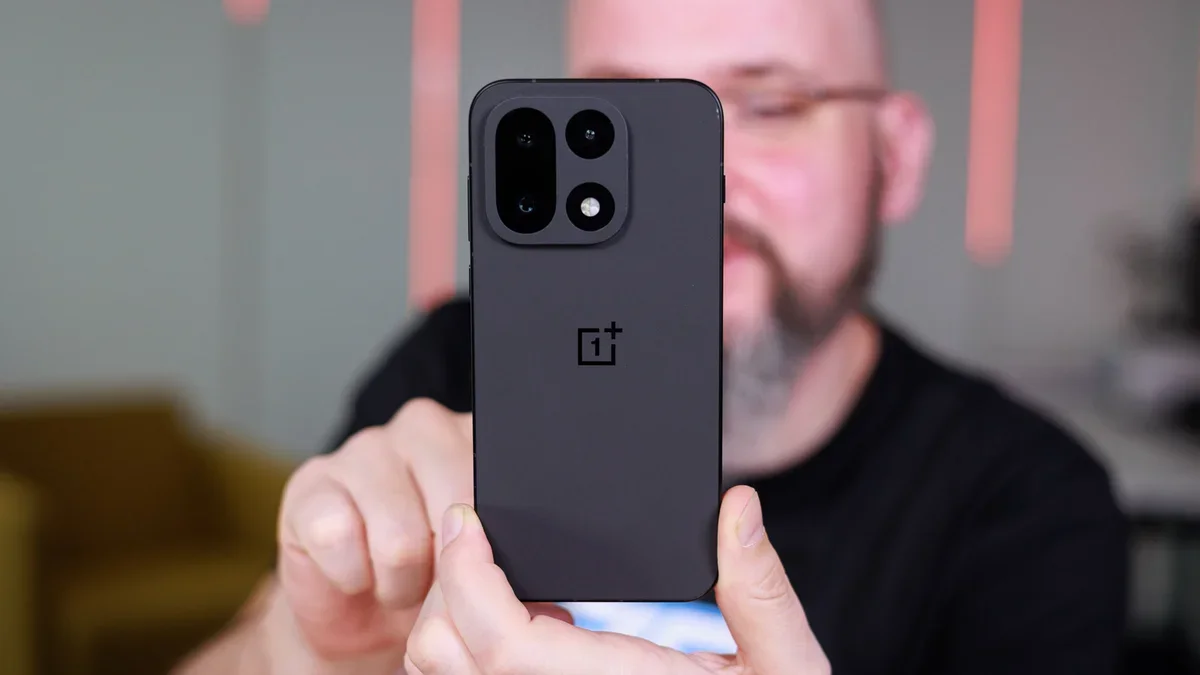
OnePlus 15 for reference. | Image by PhoneArena
Last time when we discussed the OnePlus 16 and its eventual panel that supports a 240Hz refresh rate, almost nobody of you was thrilled. In the conducted PhoneArena poll, almost 80% of respondents clicked on "Not at all" as an answer to the question "Do you need 240Hz on your phone?"
Recommended For You
What's more, on social media platforms, OnePlus fans say that "The wasted money on 244 should go to the cameras" – and conclude the same: phones should not support a 240Hz refresh rate.
What should the OnePlus 16 focus on?
1608 Votes
Better cameras.
63.25%
Bigger battery cell.
11.32%
The 240Hz refresh rate.
2.67%
Give me back my 2K resolution display!
13.56%
Better audio and haptics.
5.1%
The design, as the OnePlus 15 doesn't look premium at all.
4.1%
But why not?
Each level has its own benefits and trade-offs. A 120Hz display already feels much smoother than the traditional 60Hz screens, making scrolling, animations, and most games look more fluid. It's also easier on the battery compared to higher refresh rates, which is why it's a popular choice for most users.
Stepping up to 165Hz or 185Hz makes things feel even smoother, especially in fast-paced games. You'll notice a slightly quicker touch response and more fluid motion, but for everyday tasks like browsing social media or watching videos, the difference isn't huge. The higher the refresh rate, the more battery it uses, and not all apps are optimized to take full advantage of it.
At the extreme end, 240Hz displays are incredibly smooth and responsive, but the benefits for most people are minimal. In theory – and unless OnePlus comes up with something revolutionary – they drain battery much faster and only really make a difference in competitive gaming or very high-frame-rate content. For regular use, the extra smoothness is not worth the trade-off in battery life.
Get iPhone 18 Pro with Visible, get $480 off!
$719
/mo
$1199
$480 off (40%)
On the Visible+ Pro plan, you get access to 5G Ultra Wideband data on Verizon's fastest network. Along with unlimited roaming across Mexico and Canada, 2 days of Global Pass per month, 3x hotspot speeds, 4K streaming, and Smartwatch service.
Sebastian is one of PhoneArena’s senior opinionators. A veteran news writer with almost 20 years of experience in media and technology, he not only covers all the hot news about Galaxies and iPhones, but often provides hot takes on industry trends. He’s fascinated with camera-focused flagships from the likes of Oppo and Vivo, as well as foldable phones.
A discussion is a place, where people can voice their opinion, no matter if it
is positive, neutral or negative. However, when posting, one must stay true to the topic, and not just share some
random thoughts, which are not directly related to the matter.
Things that are NOT allowed:
Off-topic talk - you must stick to the subject of discussion
Offensive, hate speech - if you want to say something, say it politely
Spam/Advertisements - these posts are deleted
Multiple accounts - one person can have only one account
Impersonations and offensive nicknames - these accounts get banned
To help keep our community safe and free from spam, we apply temporary limits to newly created accounts:
New accounts created within the last 24 hours may experience restrictions on how frequently they can
post or comment.
These limits are in place as a precaution and will automatically lift.
Moderation is done by humans. We try to be as objective as possible and moderate with zero bias. If you think a
post should be moderated - please, report it.
Have a question about the rules or why you have been moderated/limited/banned? Please,
contact us.










![The Galaxy SmartTag 3 is here offering an alternative to the AirTag for iPhone users [UPDATED]](https://m-cdn.phonearena.com/images/article/183654-wide-two_350/The-Galaxy-SmartTag-3-is-here-offering-an-alternative-to-the-AirTag-for-iPhone-users-UPDATED.webp)

Things that are NOT allowed:
To help keep our community safe and free from spam, we apply temporary limits to newly created accounts: