Editorials · Readers Voice
Many T-Mobile customers are ready to pack their bags after the latest offense
Most T-Mobile customers aren't willing to put up with the latest Regulatory Programs & Telco Recovery Fee hike.
This article may contain personal views and opinion from the author.
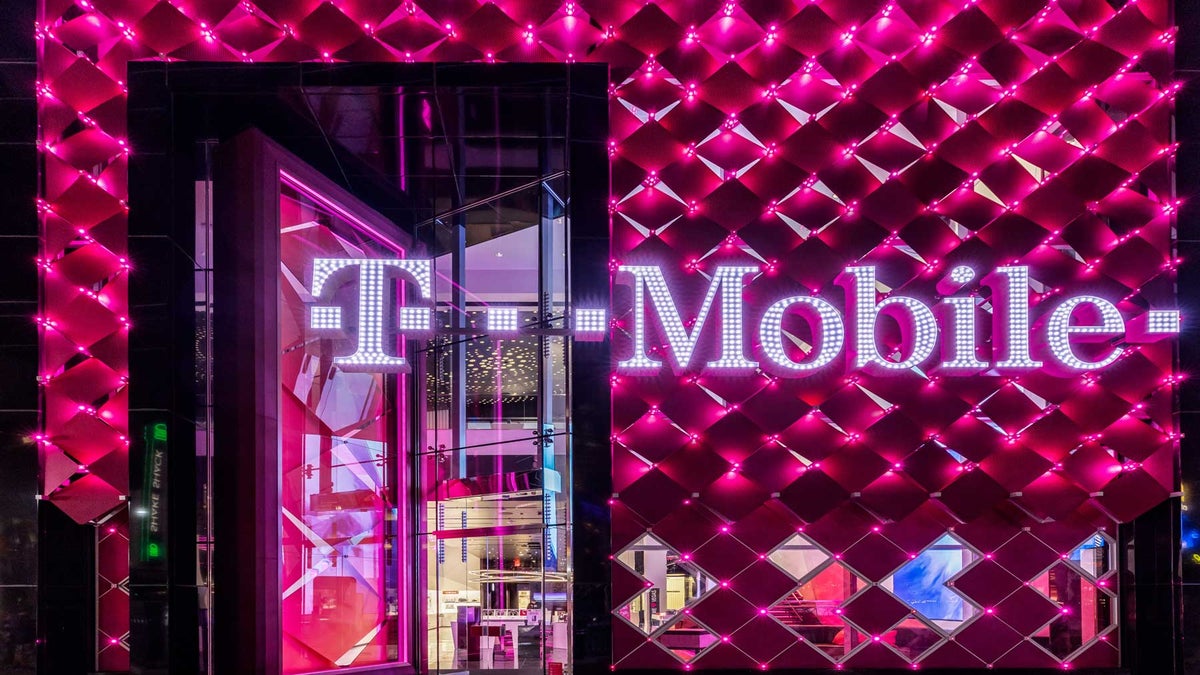
Even price-locked plans can't escape this increase. | Image by Giroux Glass
T-Mobile has replaced its infinite price guarantee with a five-year freeze, but many customers are realizing that the pledge amounts to nothing. With the carrier reverting to pricing that excludes taxes and other fees for its modern plans, there's leeway for a price increase. T-Mobile seems to be abusing that, and customers can see right through it.
While T-Mobile can't jack up plan rates before you have been on one for five years, it can sneak in increases through other measures. One of its favorite ways to inflate bills is the Regulatory Programs & Telco Recovery Fee. Contrary to what its name suggests, it's not a government-mandated charge, but rather a fee T-Mobile levies to cover compliance expenses and network connection charges imposed by other networks.
Starting tomorrow, the levy will increase by $1 for every mobile line to $5.49 and by $0.50 for mobile internet lines to $2.60.
T-Mobile has increased the charge multiple times since its introduction in 2004, including twice this year alone. Customers might not be willing to let T-Mobile get away with it this time.
We asked our readers for their response to the hike. A whopping 71% of the 516 respondents are plotting an exit. The remaining respondents are conciliatory, with 16% acknowledging that everything is getting expensive, and 14% saying that T-Mobile provides enough value to justify the increase.
An analysis by Recon Analytics founder Roger Entner suggested that, when adjusted for inflation, wireless rates have actually fallen in the US over the past 18 years.
Of course, the average customer might not concur. After all, we tend to look at prices in absolute terms. Regardless, that's something to consider before bidding adieu to T-Mobile, or any postpaid carrier for that matter.
While prepaid carriers exist, they tend to have a higher churn rate. Even though the Big Three charge more, most of their customers are satisfied with the rates they have locked in.
That still doesn't change the fact that the nation's largest carriers have been raising prices. Perhaps Starlink Mobile will restore competition in the market.
The infamous Regulatory Programs & Telco Recovery Fee strikes again
While T-Mobile can't jack up plan rates before you have been on one for five years, it can sneak in increases through other measures. One of its favorite ways to inflate bills is the Regulatory Programs & Telco Recovery Fee. Contrary to what its name suggests, it's not a government-mandated charge, but rather a fee T-Mobile levies to cover compliance expenses and network connection charges imposed by other networks.
T-Mobile has increased the charge multiple times since its introduction in 2004, including twice this year alone. Customers might not be willing to let T-Mobile get away with it this time.
Most have had enough
We asked our readers for their response to the hike. A whopping 71% of the 516 respondents are plotting an exit. The remaining respondents are conciliatory, with 16% acknowledging that everything is getting expensive, and 14% saying that T-Mobile provides enough value to justify the increase.
What are you doing after the hike?
520 Votes
Going easy
An analysis by Recon Analytics founder Roger Entner suggested that, when adjusted for inflation, wireless rates have actually fallen in the US over the past 18 years.
Consumer prices rose 55% over those 18 years, so the 2007 bill comes to $76.49 in 2025 dollars, and the real price of the average connection fell 57%.
Roger Entner, Recon Analytics founder, October 2026
Of course, the average customer might not concur. After all, we tend to look at prices in absolute terms. Regardless, that's something to consider before bidding adieu to T-Mobile, or any postpaid carrier for that matter.
Cheap means cheap
While prepaid carriers exist, they tend to have a higher churn rate. Even though the Big Three charge more, most of their customers are satisfied with the rates they have locked in.
Wireless customers feel prices have been rising


Popular stories
Latest News





Things that are NOT allowed:
To help keep our community safe and free from spam, we apply temporary limits to newly created accounts: