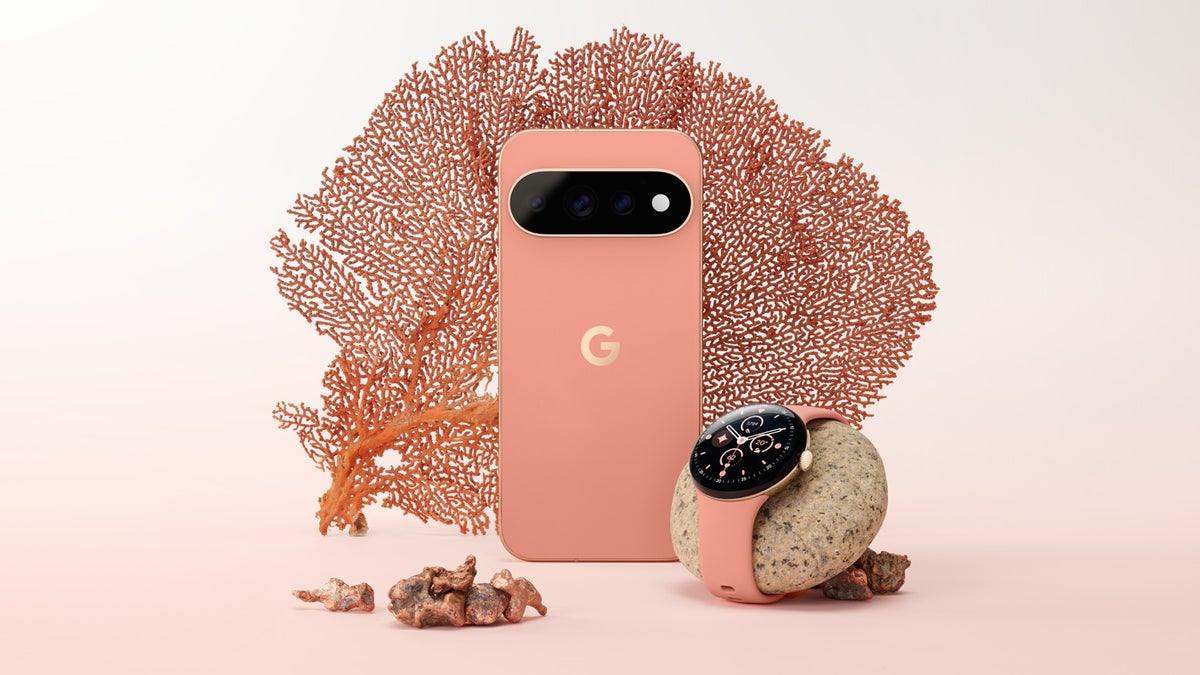
It's been over a week since Google officially released the Pixel 11 lineup, and all the models received only incremental upgrades. Shockingly, the Big G downgraded the RAM in the Pro models. Interestingly, our poll results suggest that most of you guys are comfortable with the 12 GB RAM that you get in the new Pixel phones.
12 GB appears to be the new minimum
The base Pixel 11 is available with 12 GB RAM for both the 256 GB and 512 GB storage options. The numbers are the same as last year, though this year the vanilla variant starts with 256 GB storage and also offers a 512 GB storage option. The Pro models are where Google has made the changes.
The Pixel 10 Pro and 10 Pro XL come with 16 GB RAM for all the storage options they are available with. However, in the Pixel 11 Pro and Pixel 11 Pro XL, Google has reserved the 16 GB RAM for the 512 GB and 1 TB options. The 256 GB storage variant comes with 12 GB of RAM, just like the non-Pro model.
I was curious to know how users would react to this downgrade. As it turns out, most users actually consider 12 GB RAM reasonable in their phones. In our recently held poll, which basically asked about the minimum amount of RAM you need on your smartphone, most of you (39.92%, to be precise) voted for the 12 GB option.
Recommended For You
What is the minimum amount of RAM you need on your phone?
1037 Votes
Anything above 8GB is OK
29.6%
At least 12GB
36.26%
Nothing less than 16GB
26.23%
I have no idea
7.91%
12 GB would be more than enough in most cases
I'm totally against Google for reducing the RAM in the 256 GB storage option of Pixel 11 Pro models. This action seems even more wrong when you know that smartphones cost $100 more than their predecessors. So you are basically paying more money for less RAM.
But at the same time, 12 GB RAM is more than enough to perform most of the tasks. It can easily handle multitasking, keep the apps running in the background, load apps faster, and smoothly run all the AI features that Google is promoting a lot recently. The difference between the performance of the Pixel 10 Pro that features 16 GB RAM and the Pixel 11 Pro that features 12 GB RAM might be even more negligible because of the new Tensor G6 chip, which Google claims is roughly 20% faster than the Tensor G5 in CPU performance.
But it'll be interesting to see how negligible or major the difference would be between the performance of the 12 GB and 16 GB Pixel 11 Pro models. Most likely, heavier apps and games would close slightly faster in the 12 GB variant. We'll certainly try to share more details about it in our in-depth review of the latest Google phones. So, stay tuned for that.
Pixel continues to disappoint with its gaming performance
A few videos showcasing the gaming performance of Pixel 11 Pro models have surfaced online, and looking at the results, I think I was completely right in keeping my hopes low. Popular creator Tech Spurt played multiple games on the Pixel 11 Pro, and the result, as he describes, was "catastrophe." He started with Call of Duty Mobile, and the phone was reportedly able to handle it pretty well by offering a stable frame rate throughout the gaming session.
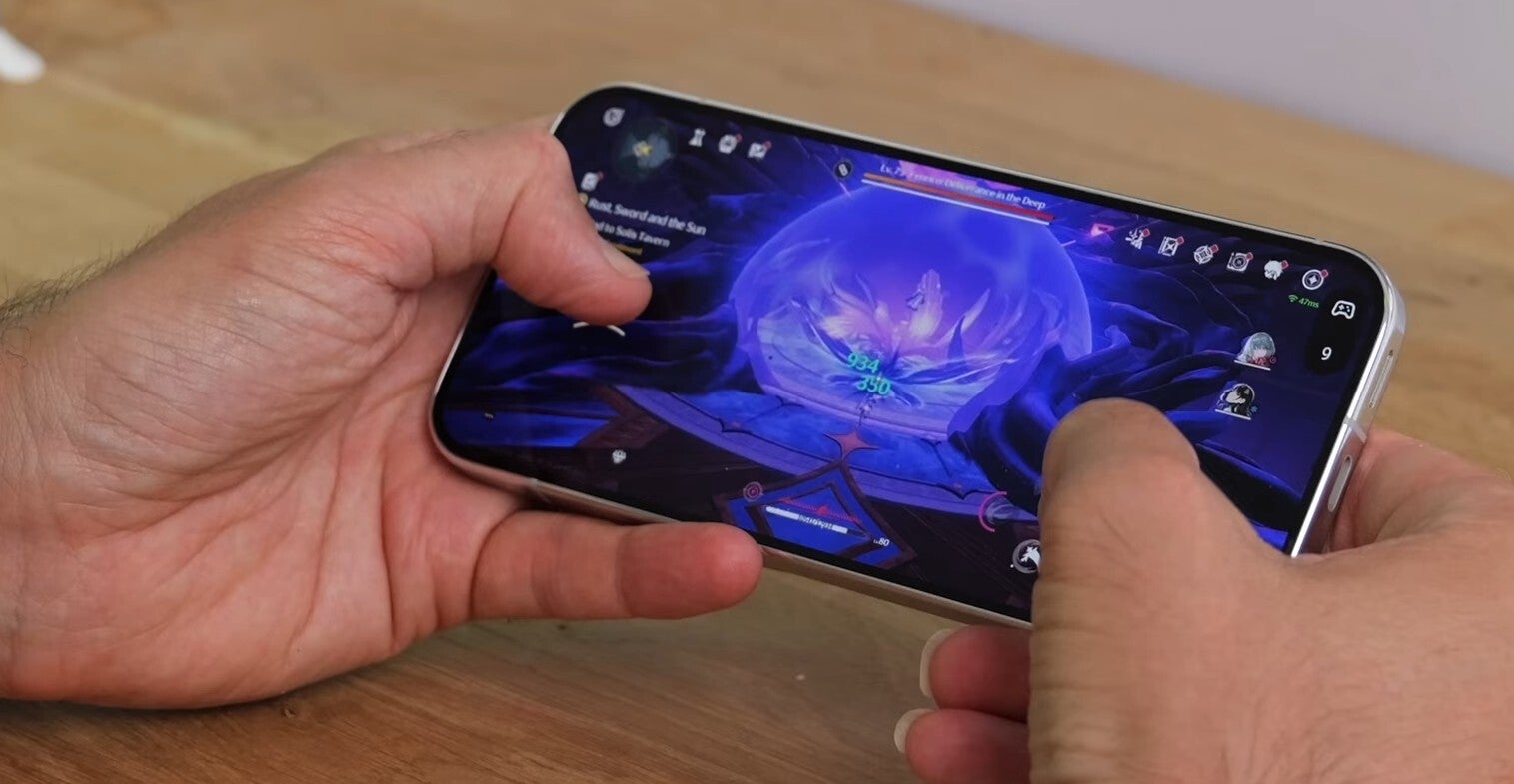
But things went completely downhill when he switched to Wuthering Waves, which is one of the most graphics-intensive mobile games. He barely got over 40 FPS, and there were also instances when the frame rate dropped to single figures. The lag was so much that it reportedly made the game totally unplayable.
Low FPS while playing games in Pixel 11 Pro. | Image by Tech Spurt
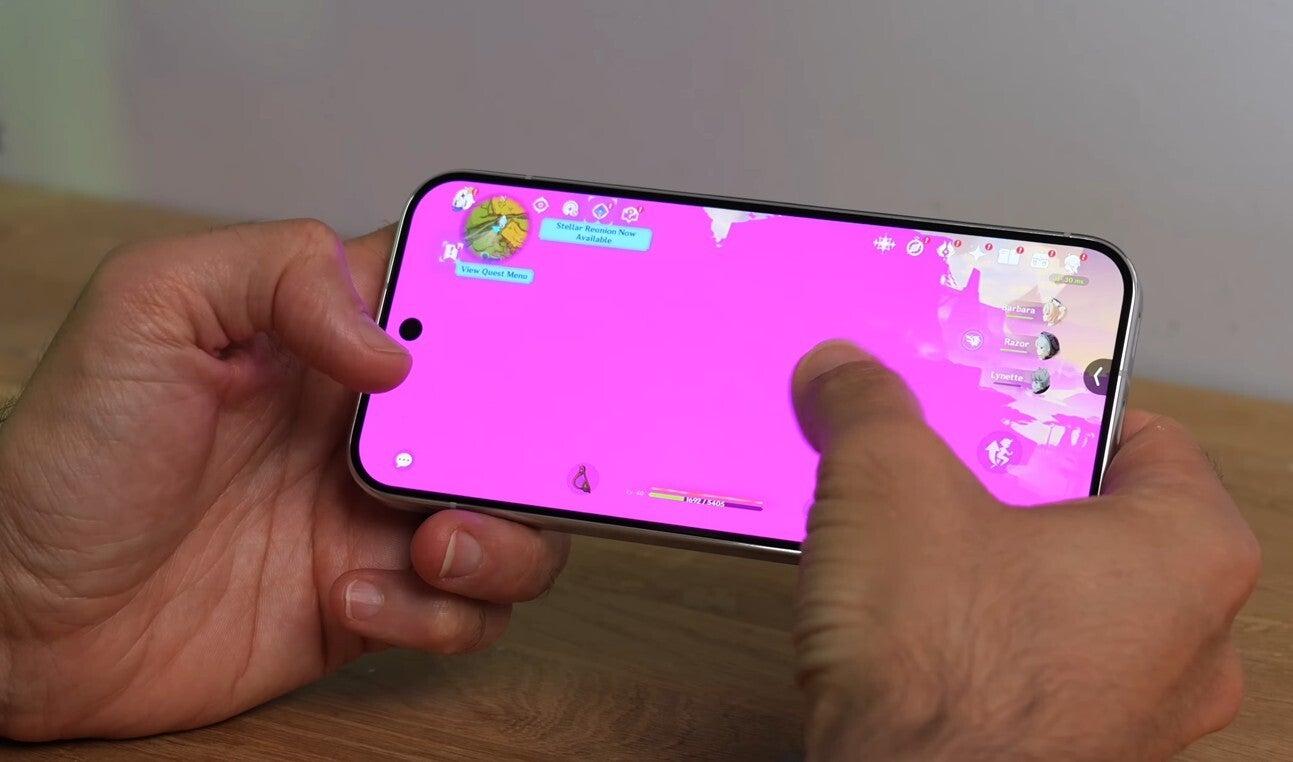
Shockingly, Genshin Impact failed to load at all many times on the new Pixel phone. After a few attempts, when the game actually loaded, it started showing a pink screen. Obviously, the lag and frame drops were there as well.
Genshin Impact in Pixel 11 Pro. | Image by Tech Spurt
Another popular creator, TechDroider, experienced the same while playing the game on the Pixel 11 Pro XL. They mentioned that this might be happening because Genshin Impact no longer supports the PowerVR GPU that is used in the Google phones.
Pixel 11 Pro XL uses a PowerVR GPU, and Genshin Impact has officially dropped PowerVR support, which can lead to serious rendering issues like this pink screen.
Please don't bring up the "Pixel isn't for gaming" argument.
Whenever I talk about the poor gaming performance of Pixel phones, the reply I get from die-hard Pixel fans is that Pixels are not known for gaming. Come on, man, give me a break. If I am spending $1,000 on a smartphone, then I would want it to excel in all the departments, not just in AI, photography, and overall software experience.
Google's competitors like Apple and Samsung also offer incredible AI features, and can capture incredible images, and the experiences of One UI and iOS are as good as the stock Android experience you get in Google phones. But the good thing is that flagship phones from both these brands can easily handle all kinds of games, unlike Pixels.
In short, it's high time that the Big G starts giving importance to the gaming department as well. Whether it would be able to achieve this by making some revolutionary changes to the Tensor chip or by ditching it completely for Qualcomm is a decision that Google needs to take.
Here are a few more Pixel stories you might be interested in:
On the Visible+ Pro plan, you get access to 5G Ultra Wideband data on Verizon's fastest network. Along with unlimited roaming across Mexico and Canada, 2 days of Global Pass per month, 3x hotspot speeds, 4K streaming, and Smartwatch service.
Aman Kumar is a news writer at PhoneArena covering Google Pixel phones, Android features, AI-powered smartphone tools, and mobile tech news. Before joining PhoneArena, he spent over five years writing about consumer technology for publications like MakeUseOf, How-To Geek, and Guiding Tech. His current daily drivers are the Pixel 10 and Samsung Galaxy S26 Plus, while his red iPhone SE (2nd gen) remains a personal favorite. Aman also appreciates bold smartphone experiments and still considers the Nokia N-Gage one of the industry’s most iconic designs.
A discussion is a place, where people can voice their opinion, no matter if it
is positive, neutral or negative. However, when posting, one must stay true to the topic, and not just share some
random thoughts, which are not directly related to the matter.
Things that are NOT allowed:
Off-topic talk - you must stick to the subject of discussion
Offensive, hate speech - if you want to say something, say it politely
Spam/Advertisements - these posts are deleted
Multiple accounts - one person can have only one account
Impersonations and offensive nicknames - these accounts get banned
To help keep our community safe and free from spam, we apply temporary limits to newly created accounts:
New accounts created within the last 24 hours may experience restrictions on how frequently they can
post or comment.
These limits are in place as a precaution and will automatically lift.
Moderation is done by humans. We try to be as objective as possible and moderate with zero bias. If you think a
post should be moderated - please, report it.
Have a question about the rules or why you have been moderated/limited/banned? Please,
contact us.












![The Galaxy SmartTag 3 is here offering an alternative to the AirTag for iPhone users [UPDATED]](https://m-cdn.phonearena.com/images/article/183654-wide-two_350/The-Galaxy-SmartTag-3-is-here-offering-an-alternative-to-the-AirTag-for-iPhone-users-UPDATED.webp)

Things that are NOT allowed:
To help keep our community safe and free from spam, we apply temporary limits to newly created accounts: