If there is one surprising detail about the recent rumor that Samsung plans to add a variable aperture camera to its phones, it’s that it may happen with the Galaxy S28 Ultra, not the Galaxy S27 Ultra. Since rumors about the feature on the iPhone 18 Pro started circulating, it was clear that other manufacturers would at least consider it for their own phones.
Criticizing Samsung for copying Apple would be easy, but that would be unfair and unnecessary. The Galaxy S9 was the first modern smartphone with a variable aperture camera, so you could argue that the folks in Cupertino were the ones to copy from the competition.
The problem I have with this feature is that it’s not worth it. The problem I have with Samsung even considering it is that the company already knows it doesn’t have much of an added value.
There is a reason Samsung stopped offering variable aperture
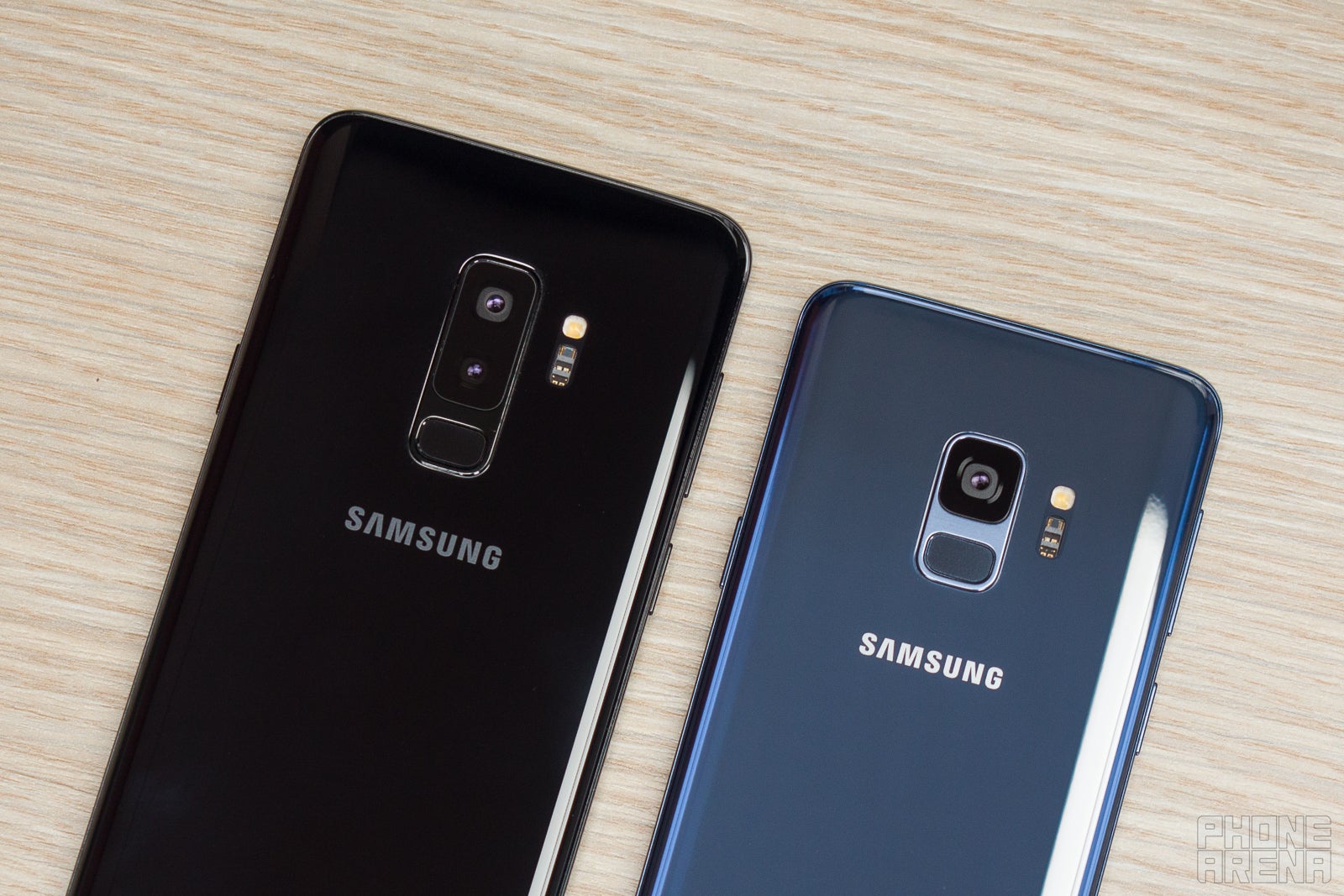
The Galaxy S9 and S9+ had variable aperture. | Image by PhoneArena
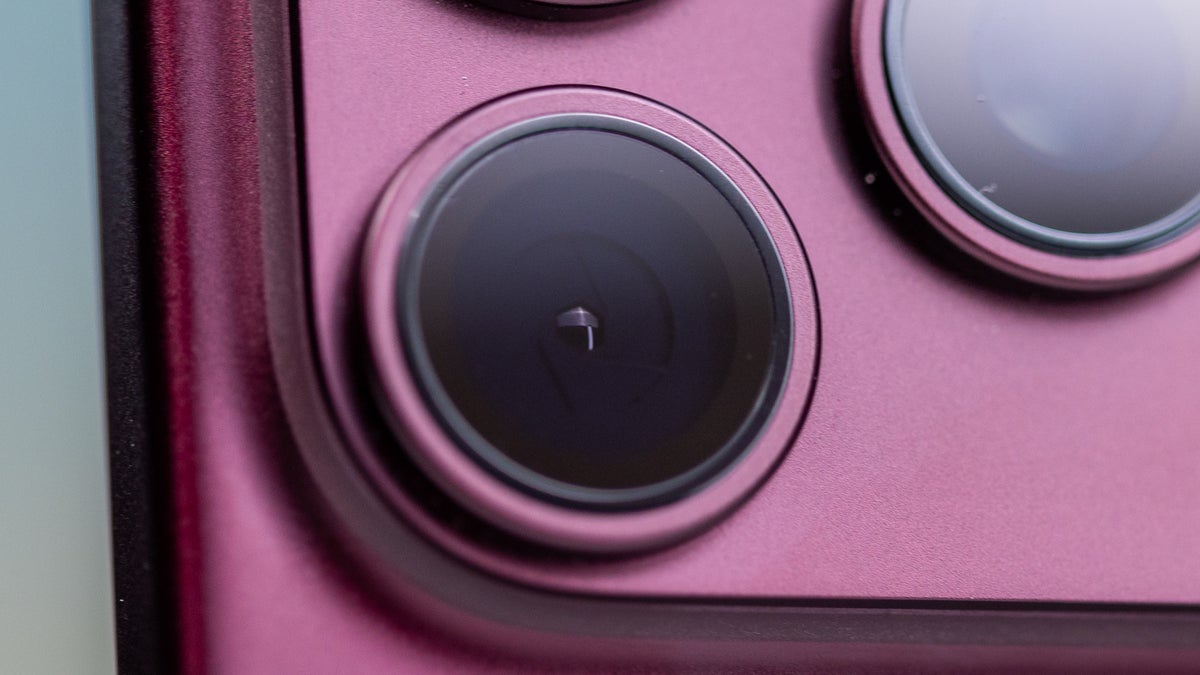
The Galaxy S9 launched with a variable aperture in the beginning of 2018, and a year later, the feature then returned on the Galaxy S10. The idea behind it was simple.
Opening the blades allows more light to reach the sensor for low-light photos and adds natural background blur. In bright scenes, you could narrow down the aperture opening, putting more of the image in focus, and controlling the exposure.
Recommended For You
Part of the downsides with the feature on Samsung’s old flagships was that the apertures weren’t truly variable and offered only two positions. You could choose either f/1.5 or f/2.4, which didn’t make much of a difference when taking photos. Probably that’s why Samsung quickly dropped the feature, and since the Galaxy S20, we haven’t seen it again.
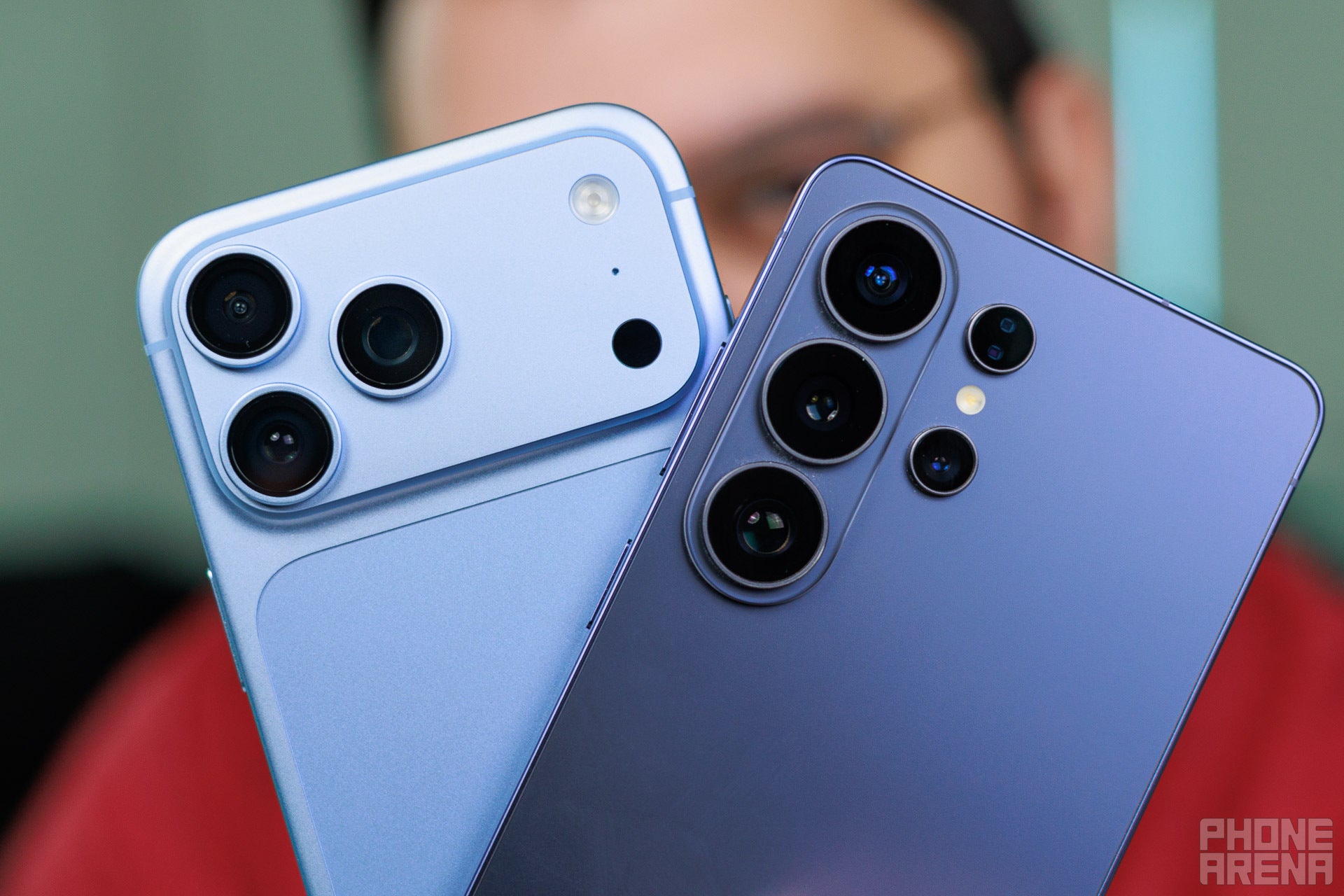
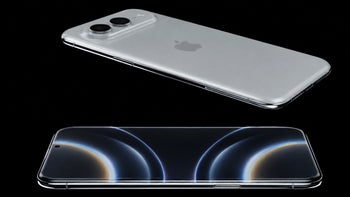
Apple’s implementation for the iPhone 18 Pro and iPhone 18 Pro Max is certainly an improvement over Samsung’s, and supports four apertures. However, unless you change it manually, the phone defaults to f/1.8 on most photos. The resulting photos are hardly distinguishable from what the iPhone 17 Pro could achieve.
Poll
27 Votes
What do you think about variable aperture on smartphone cameras?
Variable aperture has only one use on a smartphone
The iPhone 18 Pro and Galaxy S26 Ultra. | Image by PhoneArena
As I’ve said before, there’s only one reason to get excited about variable aperture on a smartphone. With it, you can shoot video with a 180-degree shutter natively in more situations. If you have no idea what that means, don’t worry, it’s something mostly advanced videographers care about.
Put simply, this is a cinematography standard with which you fix the shutter speed of the camera to be twice the frame rate you shoot with. With this, you get videos with a more cinematic motion blur, but the only way to control the exposure is through the aperture or with an external ND filter (neutral density filter, basically a dark glass in front of the camera).
The problem with this is that it’s an extremely niche feature, which will be used by extremely few people. If we were talking about a niche product, this wouldn’t be such a big deal, but we’re not. The Galaxy S28 Ultra is most likely going to be one of the most popular smartphones in the world in 2028.
There are way more meaningful upgrades
One thing that could really make a difference in the camera performance is adding a larger sensor. As good as computational photography is nowadays, nothing beats good old physics.
Larger sensors allow the camera to capture more light. More light on the sensor means not only better low-light performance, but also higher picture quality across the board. Pair this with the already great image processing Samsung is offering, and we could have a true camera champion with the Galaxy S28 Ultra.
What would make such an upgrade even more meaningful is that it would help everyone, not just a few mobile videography enthusiasts.
You can still fix this, Samsung
I’m not a product designer, so I can only hope that Samsung will do something better than blindly follow Apple. The company itself already deemed variable aperture unworthy for its flagship phones, so I’d prefer to see other ideas that would make the Galaxy S28 Ultra much better than the iPhone 20 Pro. The good thing is there’s more than enough time for the company to do the right thing.
Ilia, a tech journalist at PhoneArena, has been covering the mobile industry since 2011, with experience at outlets like Forbes Bulgaria. Passionate about smartphones, tablets, and consumer tech, he blends deep industry knowledge with a personal fascination that began with his first Nokia and Sony Ericsson devices. Originally from Bulgaria and now based in Lima, Peru, Ilia balances his tech obsessions with walking his dog, training at the gym, and slowly mastering Spanish.
A discussion is a place, where people can voice their opinion, no matter if it
is positive, neutral or negative. However, when posting, one must stay true to the topic, and not just share some
random thoughts, which are not directly related to the matter.
Things that are NOT allowed:
Off-topic talk - you must stick to the subject of discussion
Offensive, hate speech - if you want to say something, say it politely
Spam/Advertisements - these posts are deleted
Multiple accounts - one person can have only one account
Impersonations and offensive nicknames - these accounts get banned
To help keep our community safe and free from spam, we apply temporary limits to newly created accounts:
New accounts created within the last 24 hours may experience restrictions on how frequently they can
post or comment.
These limits are in place as a precaution and will automatically lift.
Moderation is done by humans. We try to be as objective as possible and moderate with zero bias. If you think a
post should be moderated - please, report it.
Have a question about the rules or why you have been moderated/limited/banned? Please,
contact us.








Things that are NOT allowed:
To help keep our community safe and free from spam, we apply temporary limits to newly created accounts: