Supreme Court's decision on FCC's feud with AT&T and Verizon may impact all wireless customers
This high-stakes legal battle between the FCC and AT&T and Verizon should be watched closely by wireless customers.
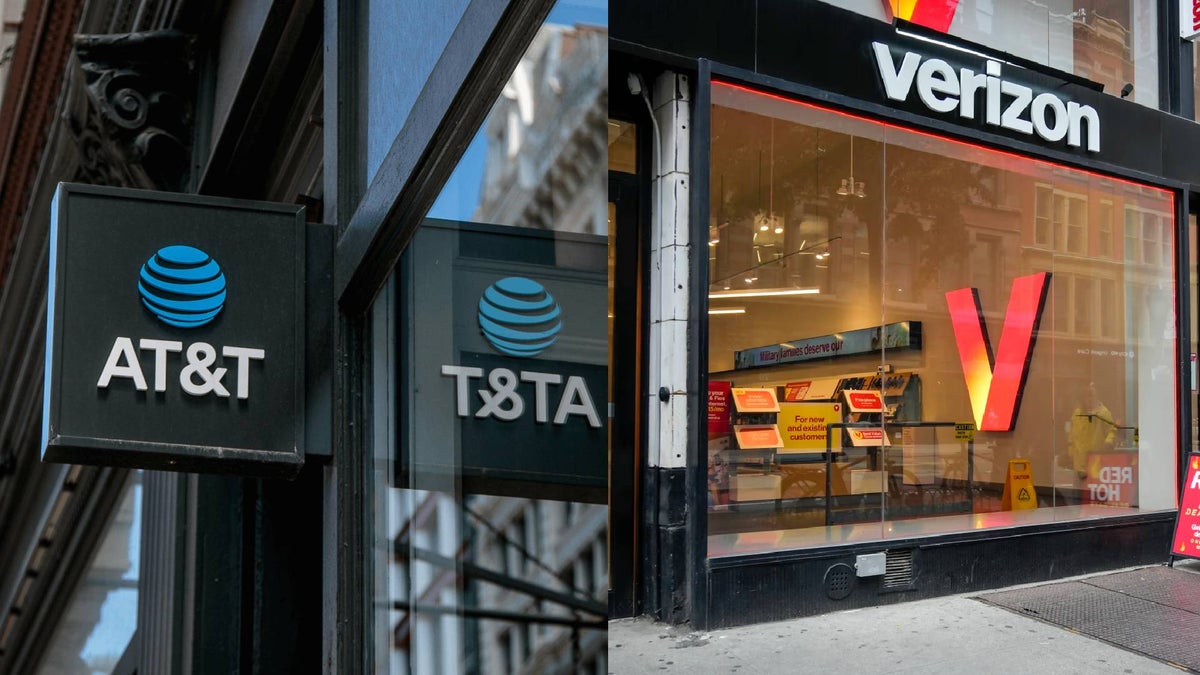
The US Supreme Court is going to settle a dispute over the fines imposed by the Federal Communications Commission (FCC) on major wireless carriers for mishandling location data, Reuters reports. A ruling in favor of AT&T and Verizon could be a setback for customers who supported the FCC's swift action to protect customer privacy.
In April 2024, the FCC fined AT&T, Sprint T-Mobile, and Verizon a collective $200 million for selling customers' location data to third parties without consent. T-Mobile acquired Sprint after the investigation began.
All three carriers appealed the decision, and while AT&T's fine was vacated, T-Mobile and Verizon were not as successful.
The carriers accused the FCC of overstepping its authority by using an in-house tribunal to levy fines rather than seeking a court judgment. They also insisted that no laws were broken.
A definite ruling from the Supreme Court will address the confusion caused by conflicting appellate courts' decisions and resolve whether the FCC can mete out punishments without offering companies a jury trial.
The FCC launched its investigation after reports surfaced that a Missouri Sheriff used a location-finding service, Securus, to track individuals. The inquiry revealed that AT&T, Sprint, T-Mobile, and Verizon sold access to customer location information to aggregators, who then resold it to third-party service providers. The carriers failed to take reasonable measures to protect this sensitive data, violating laws that require express customer consent for such disclosures.
Sprint and T-Mobile were fined $92 million, AT&T was fined $57 million, and Verizon was fined $47 million.
While the Supreme Court will specifically review the fines imposed on AT&T and Verizon, the ruling will likely encompass T-Mobile, which has also challenged the FCC's decision.
Ultimately, a ruling against the FCC may frustrate customers, as it would significantly hinder its ability to discipline carriers quickly.
The Supreme Court will settle the matter once and for all
In April 2024, the FCC fined AT&T, Sprint T-Mobile, and Verizon a collective $200 million for selling customers' location data to third parties without consent. T-Mobile acquired Sprint after the investigation began.
The carriers accused the FCC of overstepping its authority by using an in-house tribunal to levy fines rather than seeking a court judgment. They also insisted that no laws were broken.
The Supreme Court is expected to hear arguments and deliver a ruling by the end of June.
A definite ruling from the Supreme Court will address the confusion caused by conflicting appellate courts' decisions and resolve whether the FCC can mete out punishments without offering companies a jury trial.
Limiting the FCC's power
The FCC launched its investigation after reports surfaced that a Missouri Sheriff used a location-finding service, Securus, to track individuals. The inquiry revealed that AT&T, Sprint, T-Mobile, and Verizon sold access to customer location information to aggregators, who then resold it to third-party service providers. The carriers failed to take reasonable measures to protect this sensitive data, violating laws that require express customer consent for such disclosures.
The legal crux of the carriers' argument is that the FCC violated their constitutional right to a jury trial.
The Supreme Court has increasingly shown an inclination toward limiting the power of federal agencies, and this signals it may side with the carriers. If so, the FCC would be forced to litigate in federal court to impose future fines. This costlier and time-consuming process could constrain the FCC's enforcement authority and possibly embolden carriers to adopt more lax privacy policies.
The Supreme Court has increasingly shown an inclination toward limiting the power of federal agencies, and this signals it may side with the carriers. If so, the FCC would be forced to litigate in federal court to impose future fines. This costlier and time-consuming process could constrain the FCC's enforcement authority and possibly embolden carriers to adopt more lax privacy policies.
Who do you want the Supreme Court to side with?
498 Votes
FCC
71.69%
Carriers
7.83%
Whoever proves its point.
20.48%
Repercussions
While the Supreme Court will specifically review the fines imposed on AT&T and Verizon, the ruling will likely encompass T-Mobile, which has also challenged the FCC's decision.
Ultimately, a ruling against the FCC may frustrate customers, as it would significantly hinder its ability to discipline carriers quickly.


Popular stories




Latest News



Things that are NOT allowed:
To help keep our community safe and free from spam, we apply temporary limits to newly created accounts: