Motorola Razr 2026 vs Razr 2025: All the differences explained
Motorola is steadily improving its Flip phones.

We may earn a commission if you make a purchase from the links on this page.
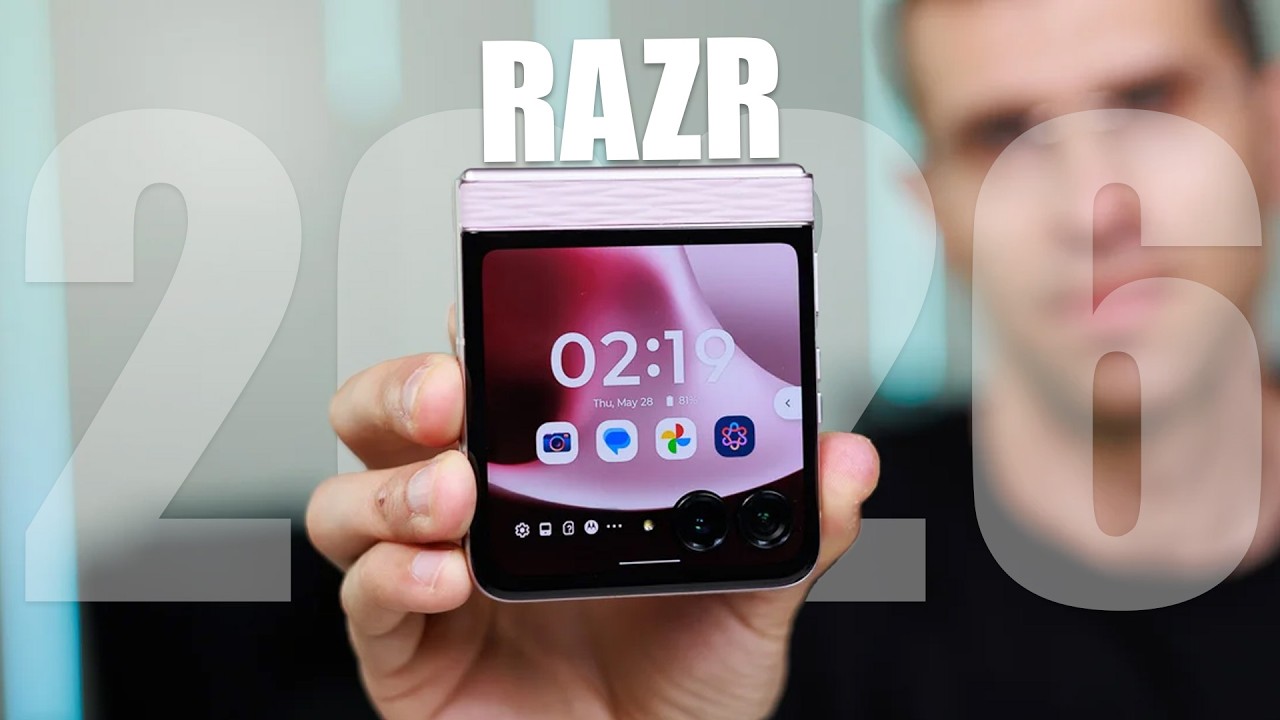

The most affordable flip phone just got a 2026 refresh, but what has changed? The new Motorola Razr 2026 brings a bigger battery, an improved camera system and some slight software improvements, but because of growing memory costs, the starting price has also gone up from $700 to $800.
In this comparison, we dive deeper in the design changes, performance improvements, camera and battery life changes to find out if that's a good upgrade indeed.
Motorola Razr 2026 vs Razr 2025 differences:
| Motorola Razr 2026 | Razr 2025 |
|---|---|
| New colors and finishes | - |
| Improved camera system | - |
| Bigger, 4,800mAh battery | 4,500mAh battery |
| Only 3 years of OS updates | Same 3 years of OS updates |
| Price bumped to $800 | Starting price was $700 |
Table of Contents:
Also read:
Design and Size
No changes in screen tech
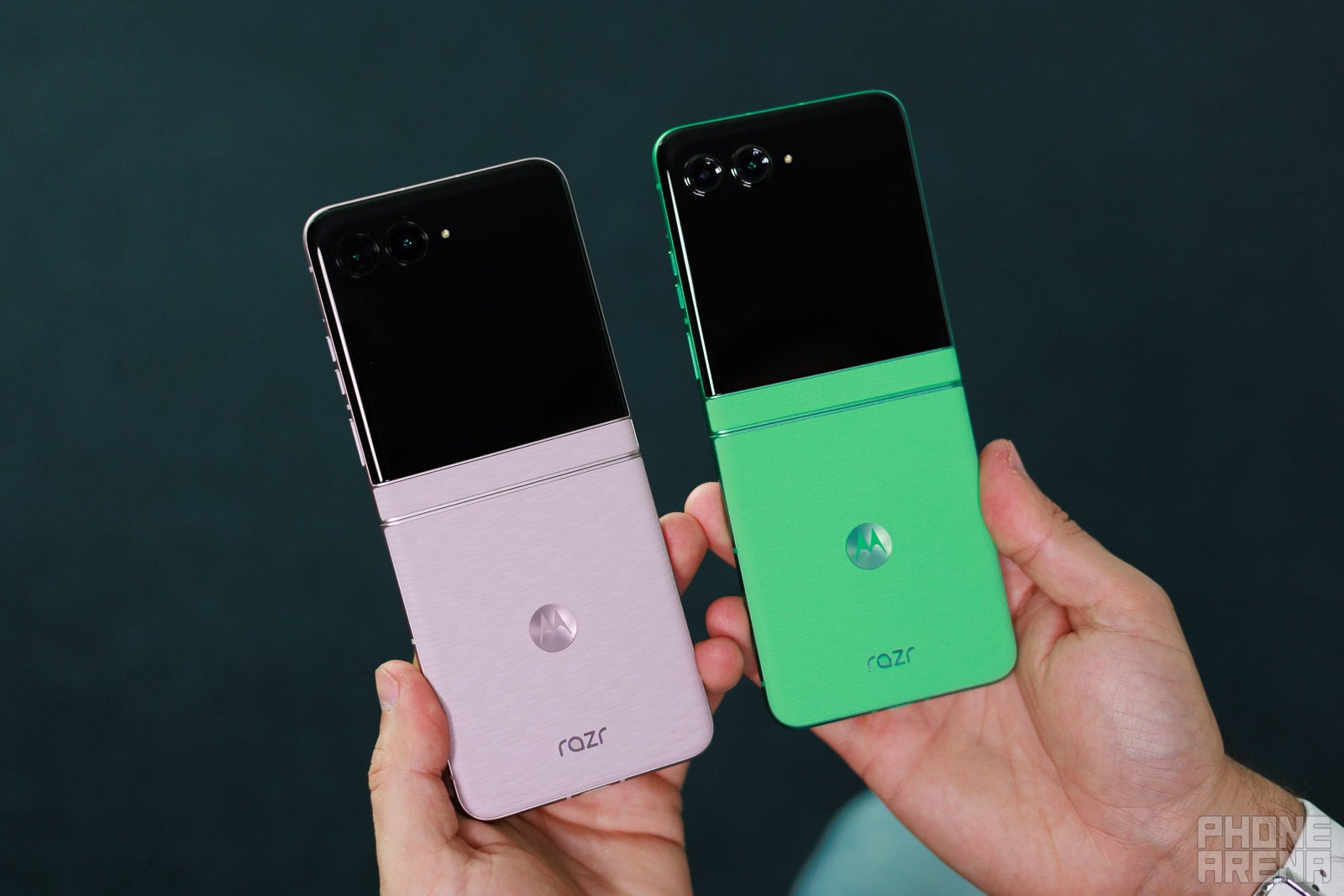
Image by PhoneArena
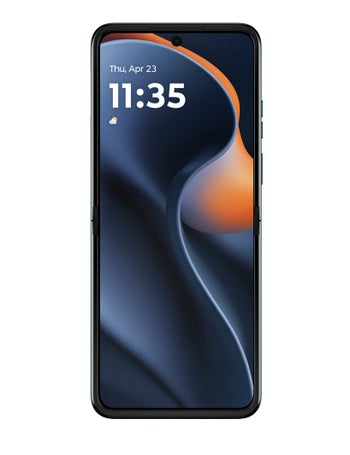
Motorola phones in the past couple of years look undeniably good and the Razr 2026 adds on those good looks with new materials and colors.
However, what has not changed is the 3.6-inch cover screen. If you want a bigger, truly edge-to-edge outer screen, you need to upgrade to a Plus or an Ultra model.
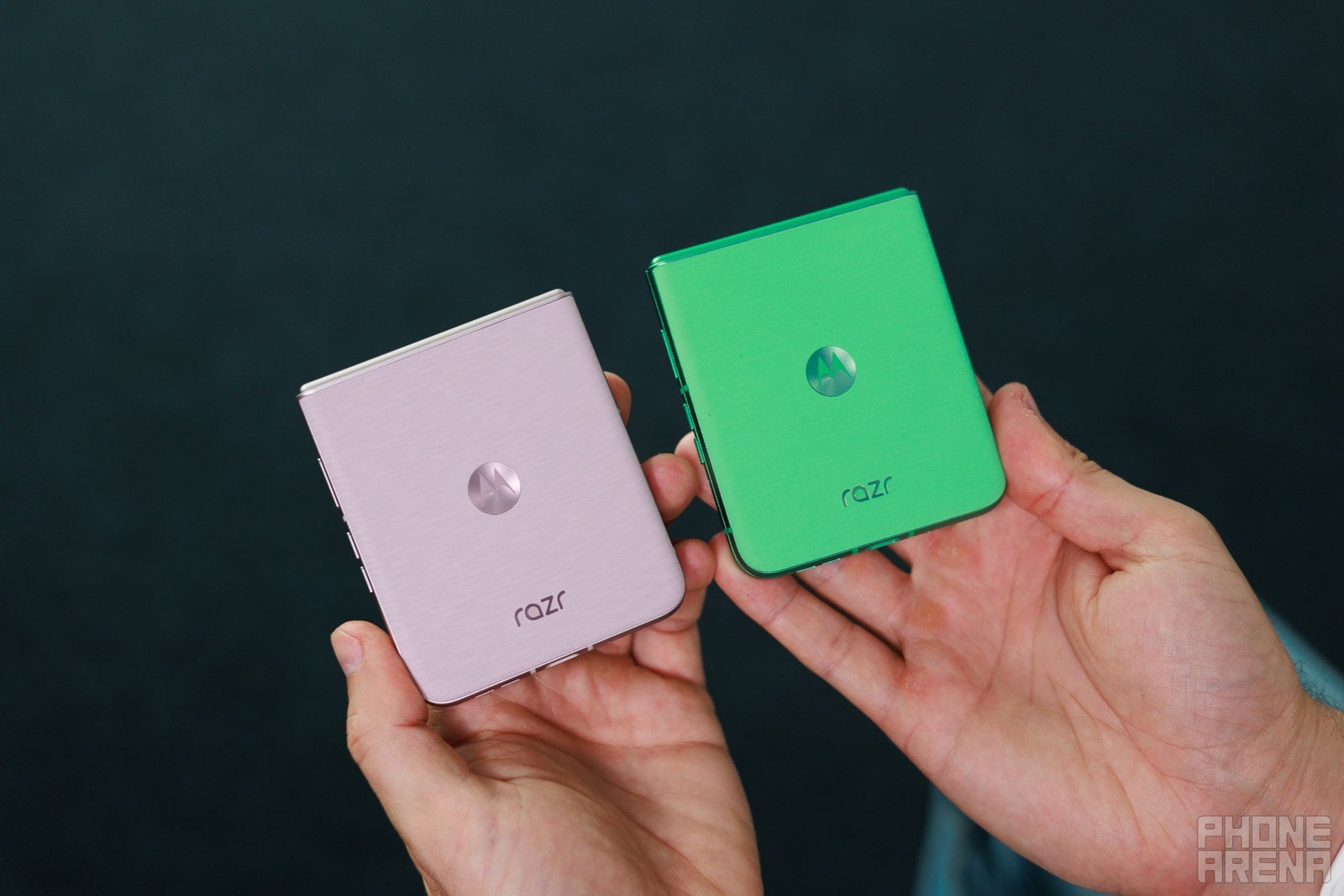
Image by PhoneArena
Otherwise, the physical size of the Razr 2026 remains the same as the one on the Razr 2025.
Both phones are rated IP48 for full water protection and some protection against larger dust particles. Keep in mind, though, that there is NO full protection against finer dust, like you have on standard candybar smartphones.
Display Differences
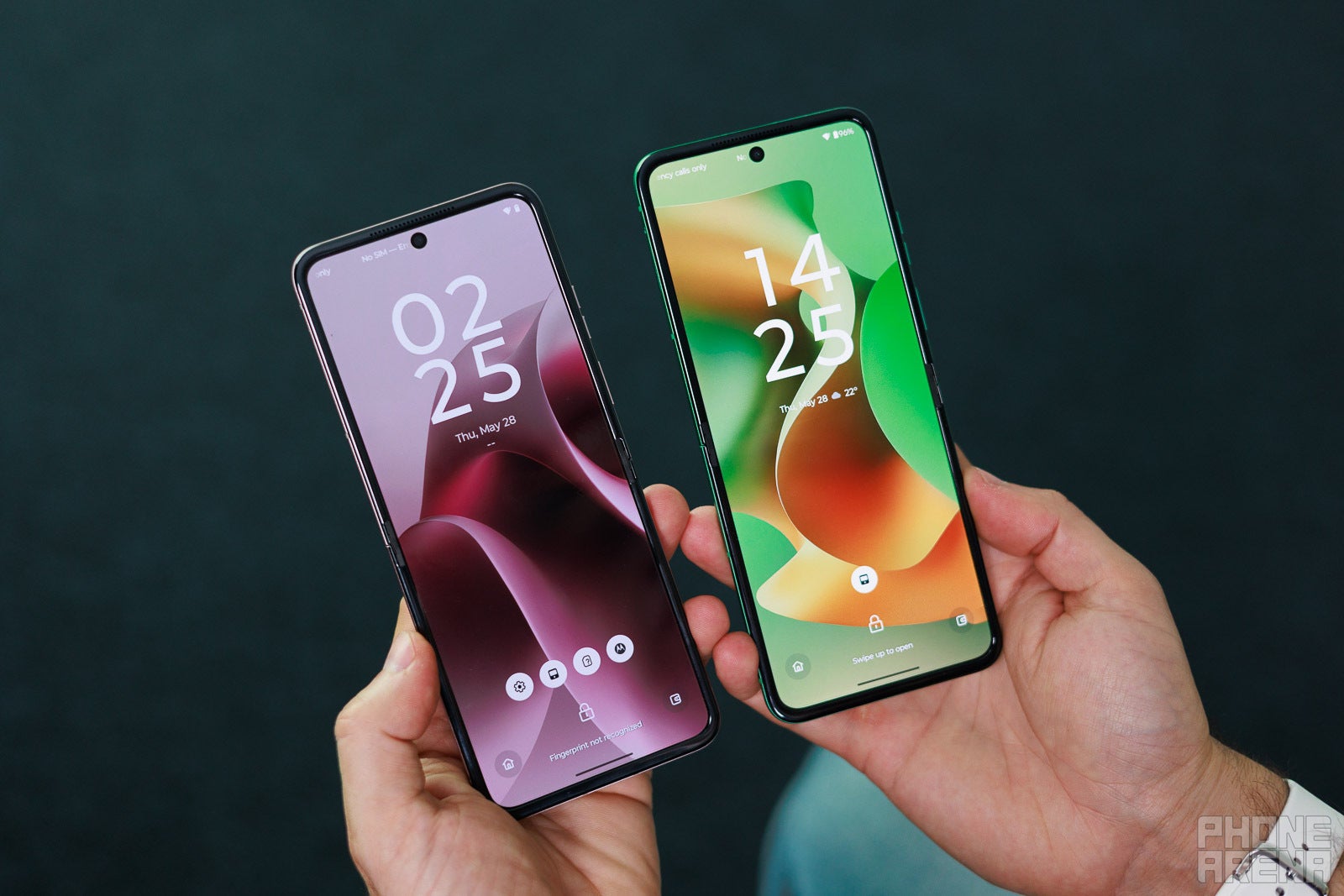
Image by PhoneArena
The Razr 2026 features a 3.6-inch cover screen and a 6.9-inch main display with a 21:9 aspect ratio, same as on the previous model and also noticeably taller than on non-folding phones.
Both screens can run at up to 120Hz for butter smooth scrolling (again, this is similar across the Razr 2026 and Razr 2025).
When it comes to the crease in the middle, it is a bit shallower in the 2026 edition, but the difference is quite subtle.
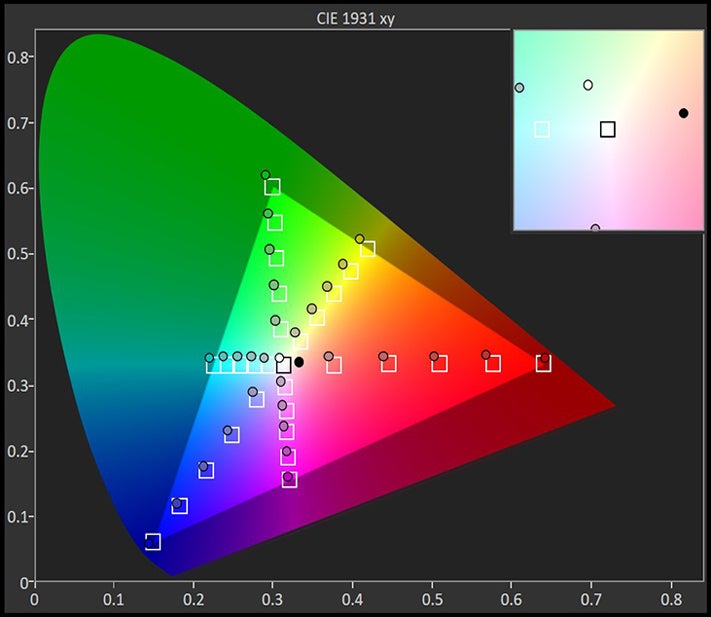
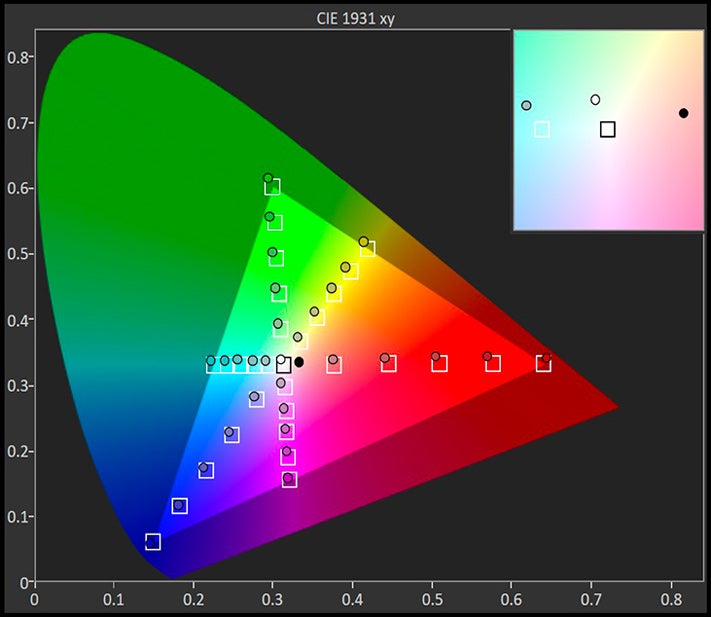
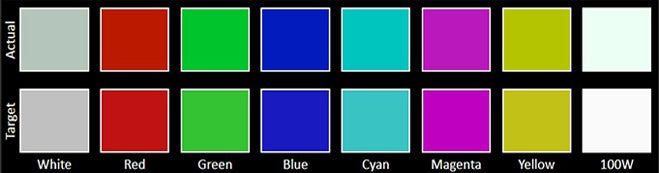
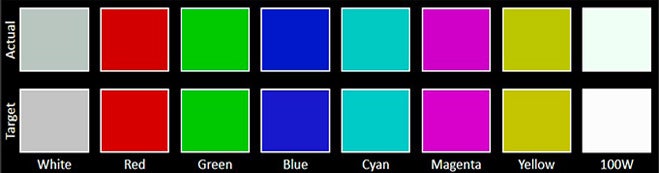


Our in-house display tests show changes within the margin of error, meaning these two displays effectively hit the same brightness numbers and color accuracy is practically the same as well.
As for biometrics, both phones rely on a traditional fingerprint reader embedded in the power button on the side, and it works just as well on both.
Performance and Software
Average does it

Image by PhoneArena
A disappointing compromise on the Razr 2026 is the incredibly average performance. The phone runs on a slightly newer MediaTek Dimensity 7450X chipset, an incredibly modest upgrade vs the 7400X version on the Razr 2025.
You have 8GB of RAM on board on both phones, so no change here.
Another big miss is the software update situation. Motorola only commits to 3 years of OS updates on the whole Razr 2026 flip phone family. Compare this to seven years of updates on Samsung Flip phones, a massive difference.
On the Motorola Razr 2026 which ships with Android 16, this means that you will get Android 17, Android 18 and Android 19, and that's where OS updates end.
As for AI features, they have been expanded a tiny bit:
On the Motorola Razr 2026 which ships with Android 16, this means that you will get Android 17, Android 18 and Android 19, and that's where OS updates end.
As for AI features, they have been expanded a tiny bit:
- Catch Me Up: AI summaries of your missed notifications and chat threads (including WhatsApp and Messages). In 2026, it runs a bit faster and supports more regional languages on-device.
- Pay Attention: Live conversations or meeting recordings, transcriptions and auto summaries directly into Moto Notes. In 2026, it features better multi-speaker separation.
- Remember This: AI tags screenshots and photos with text descriptions.
- Look and Talk: Wake voice assistant simply by looking at the cover display when the phone is in "Tent" mode. In 2025, this was only available on the Razr Ultra, and now it is on all 2026 Moto foldables.
- Playlist / Image Studio: You can use this to generate wallpapers from text.
CPU Performance Benchmarks:
Results on the CPU-centric GeekBench 6 test show results within the margin of error on both phones, so performance can be considered identical.
GPU Performance
We see the tiniest of improvements on the two graphics tests that we run, which indicate that gaming on the Razr 2026 will be practically the same experience as on the previous model.
Storage speed
The Razr 2026 comes with 256GB of on-board storage, same as the previous model.
Interestingly, the storage on the new 2026 edition actually scores higher random and sequential speeds, so files may load a bit faster on the newer model.
Camera
Two cameras on both
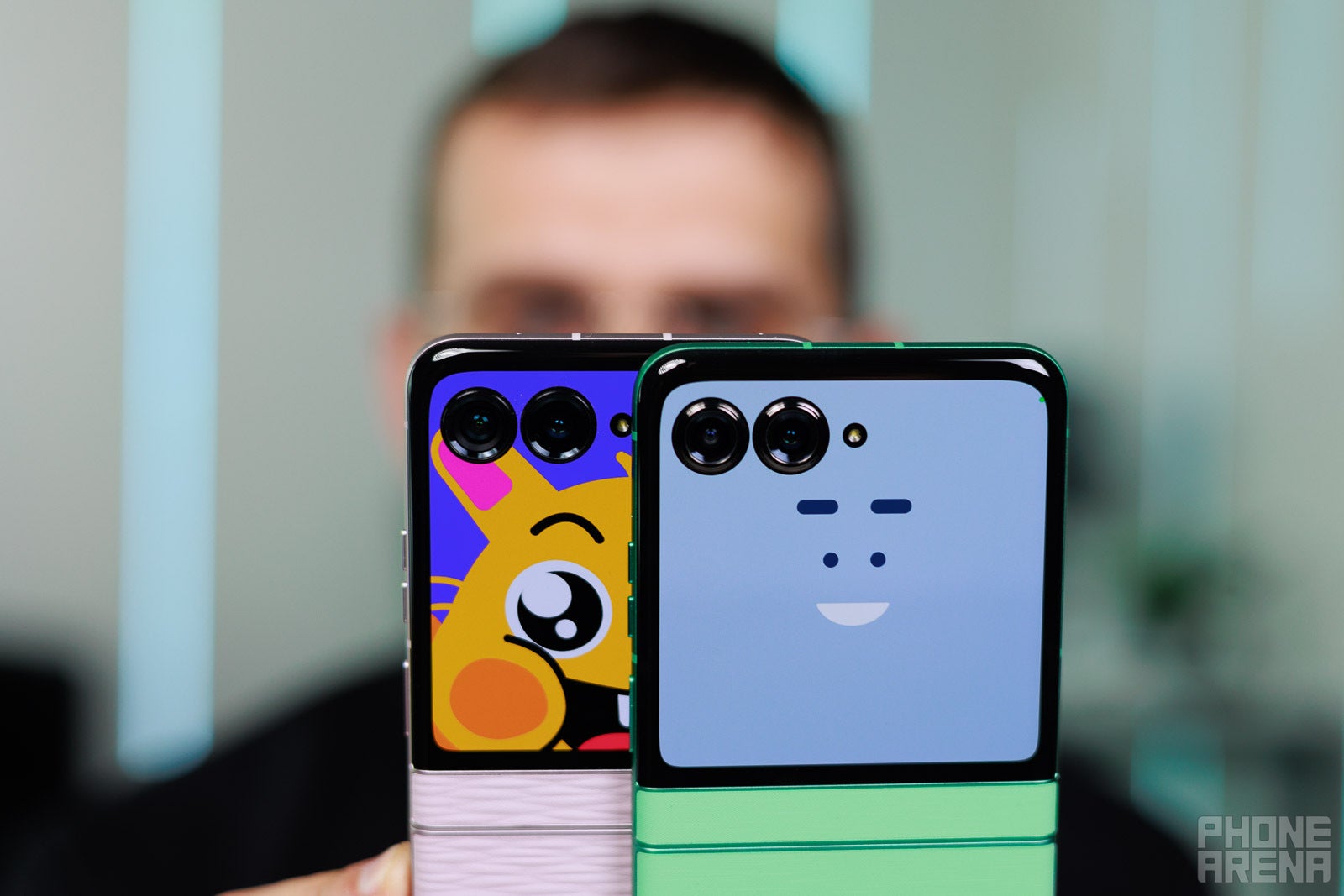
Image by PhoneArena
If there is one thing flip phones are not, it's great camera phones.
That's because of the physics of the form factor — it's simply impossible to cram in a huge sensor in foldable devices.
However, Motorola improves the secondary camera, jumping from a 13MP ultra-wide camera sensor on the Razr 2025 to a 50MP ultra-wide on the Razr 2026. The new model features even wider field of view and supports pixel binning so it can capture cleaner detail at night.
The main camera remains a 50MP one on both phones.
It's not just about the specs, though, as the image processing has changed and in a positive way.
PhoneArena Camera Score:
Samsung has one advantage when we talk about cameras and it is about AI. Features like the Magic Eraser can remove parts of your images in a very seamless way, while the Motorola is not quite as good with the AI trickery.
Main Camera




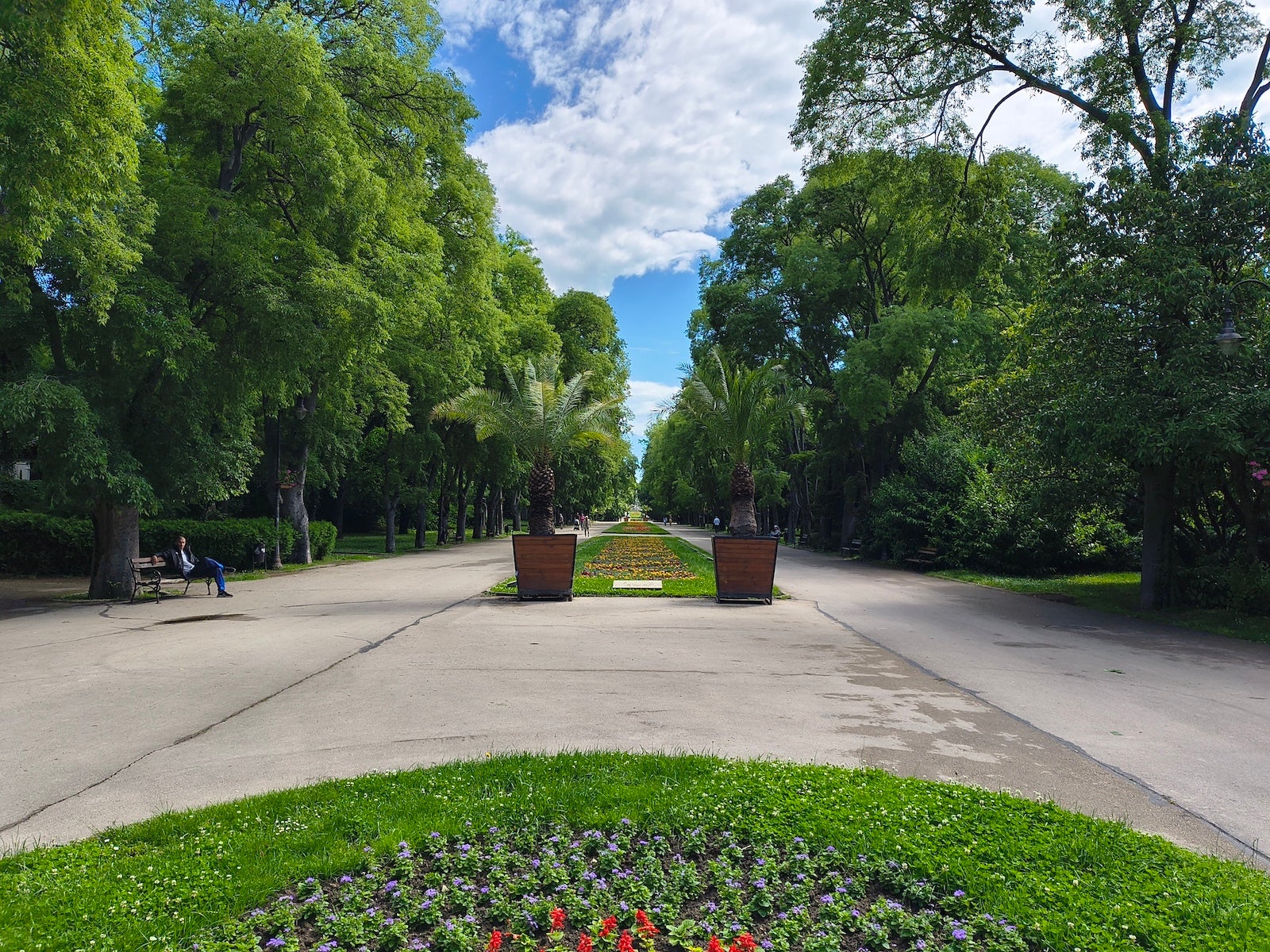
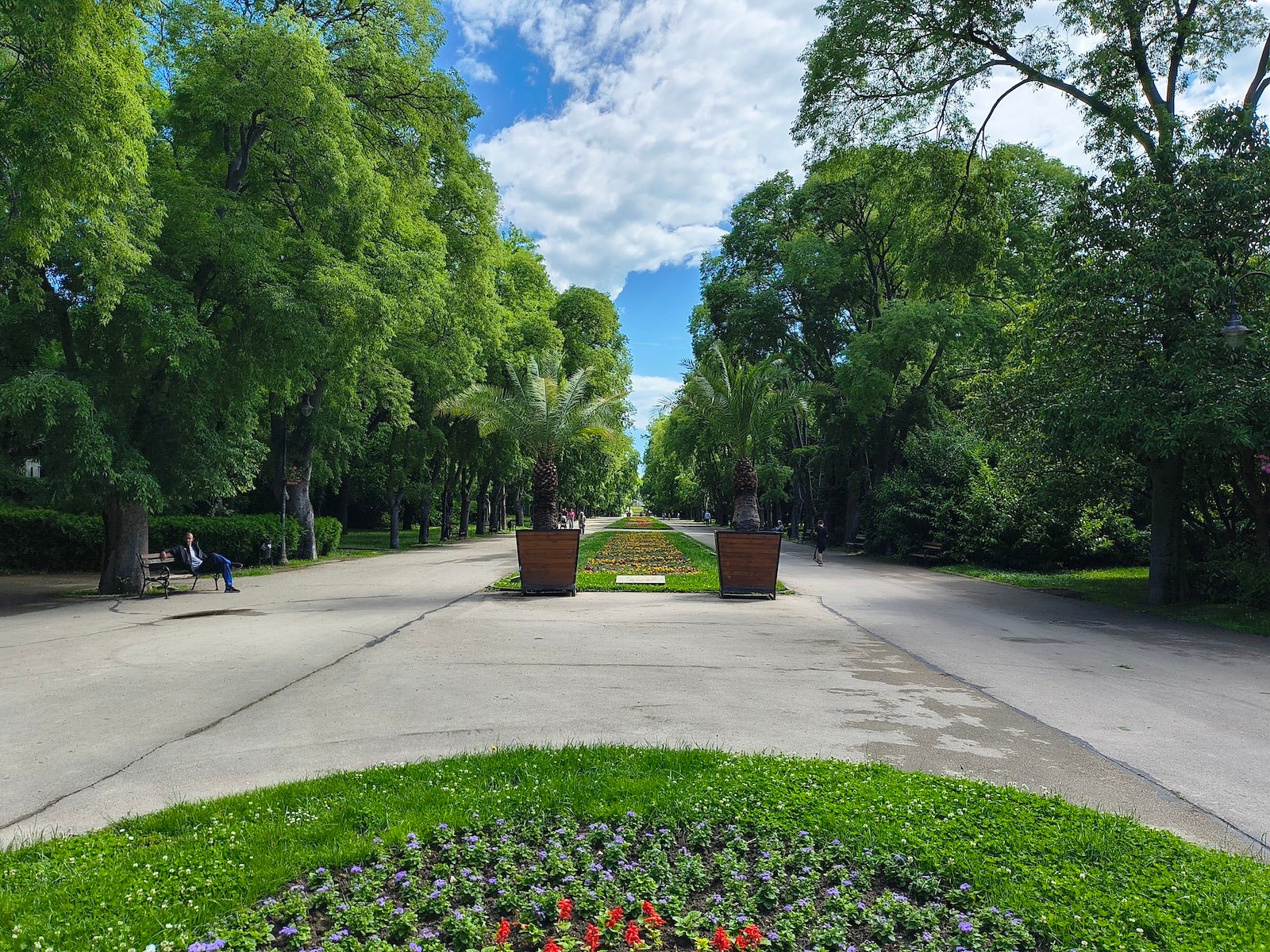


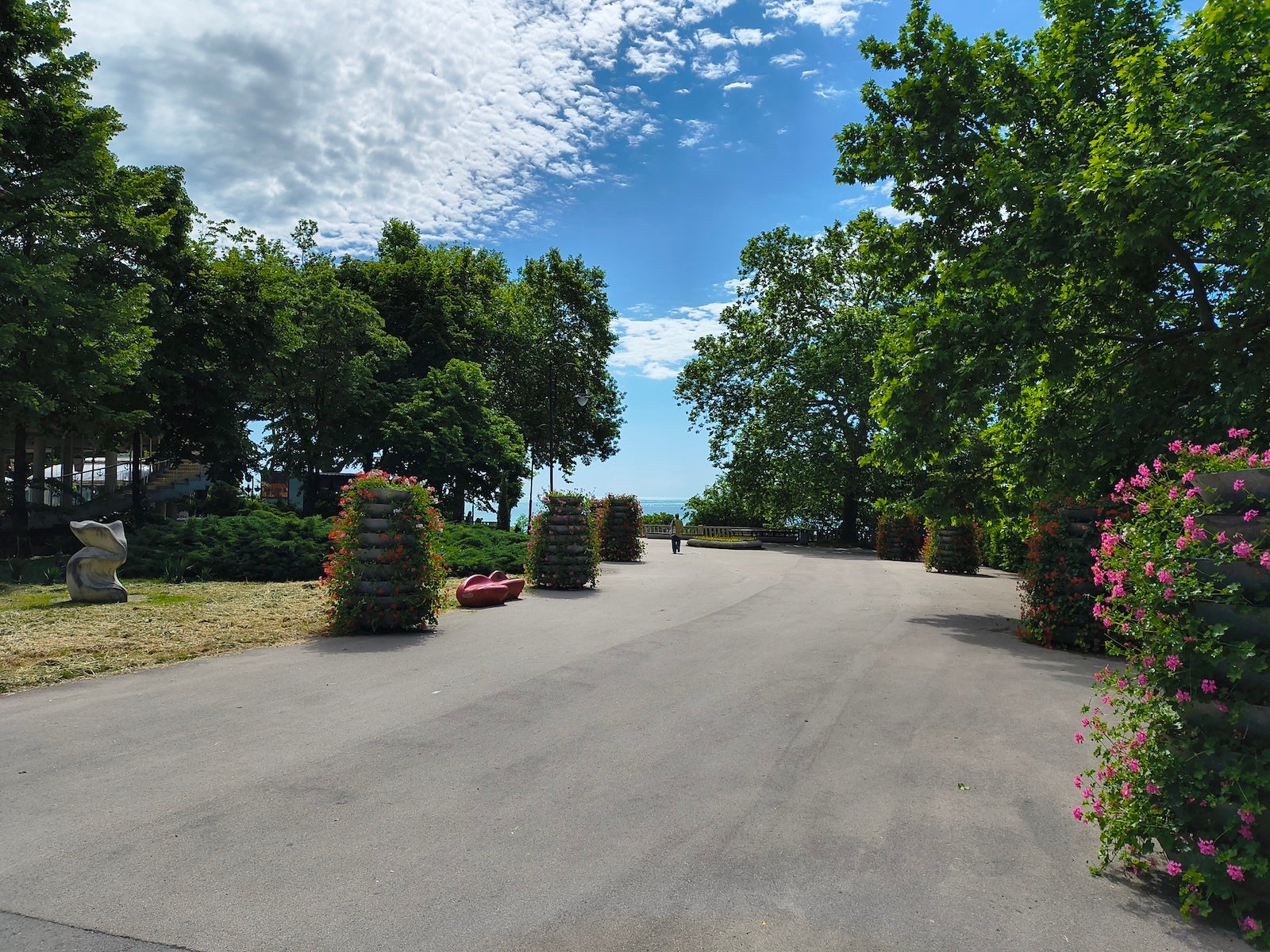
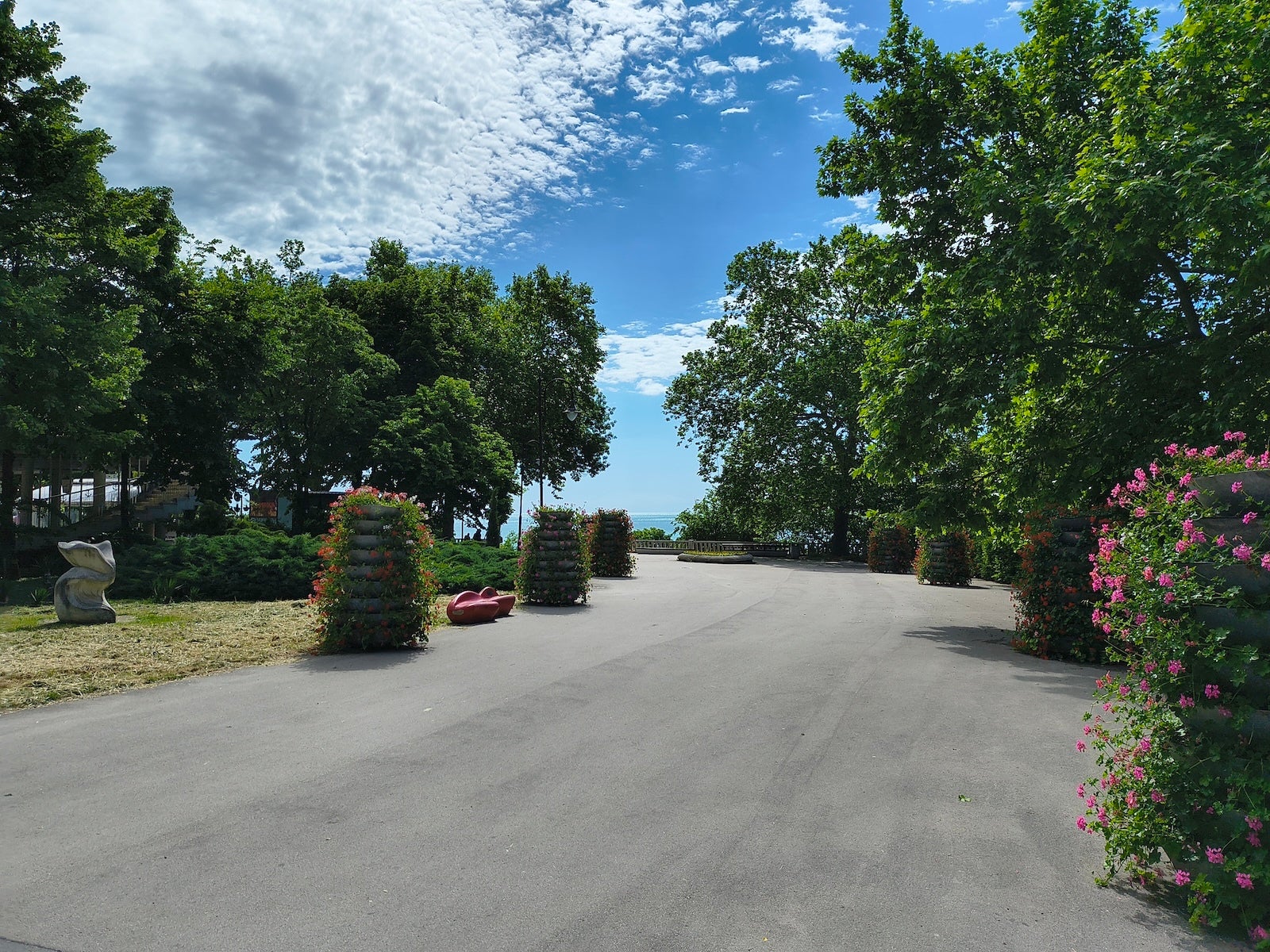
After reviewing dozens of test shots on the Razr 2026, the most striking improvement is the dialed-back sharpness. While standard smartphone cameras tend to ruin images with artificial over-processing, the Razr 2026 opts for softer, more true-to-life details.
Portrait Mode




Portrait mode brings an even bigger improvement. Detail is lackluster on the older 2025 version, while the new model is a marked improvement with less artificial sharpening and a more natural look.
Zoom Quality




Despite the lack of a native telephoto camera, zoom photos look better on the Razr 2026 thanks to improvements in processing.
Ultra-wide


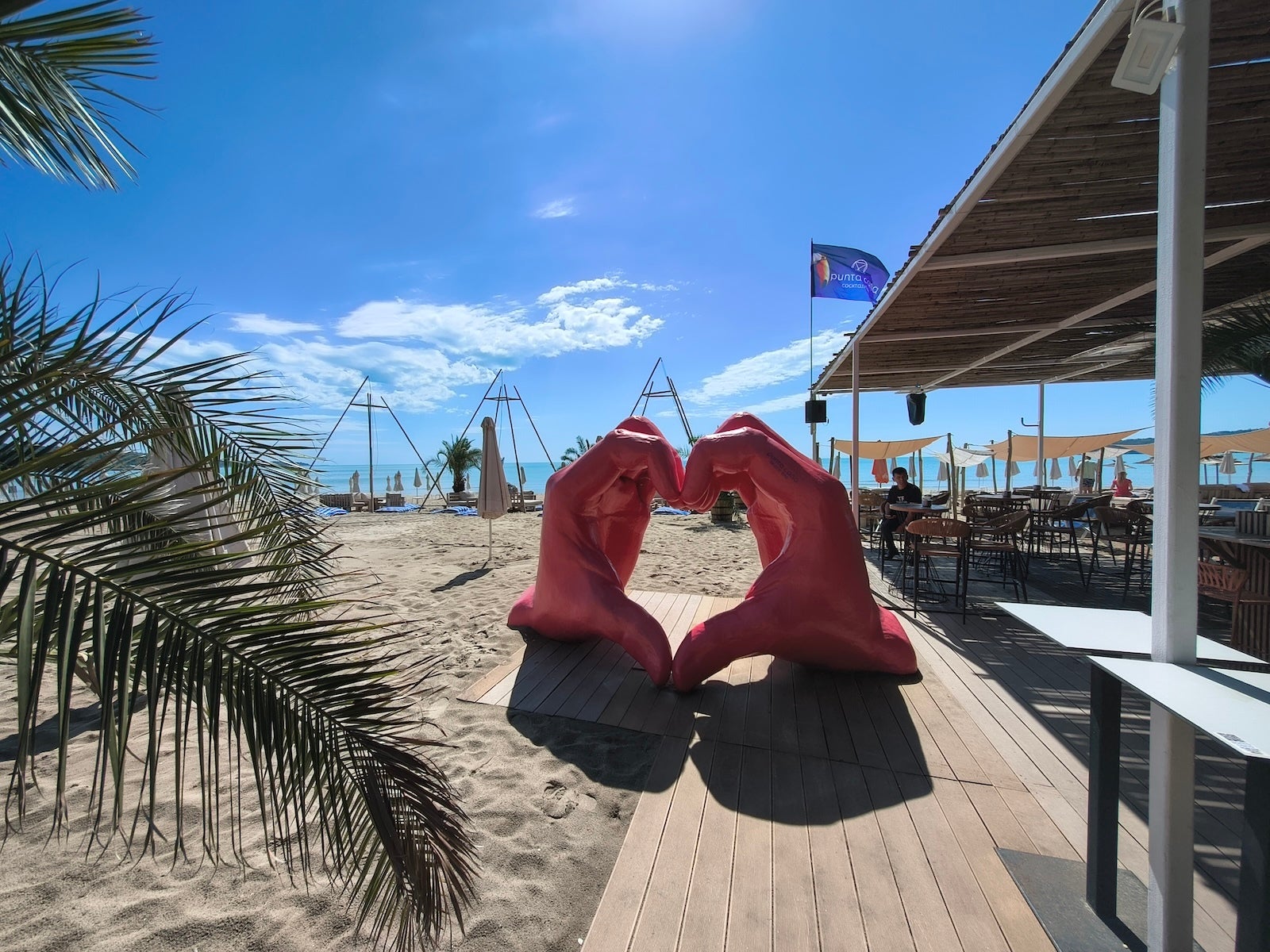

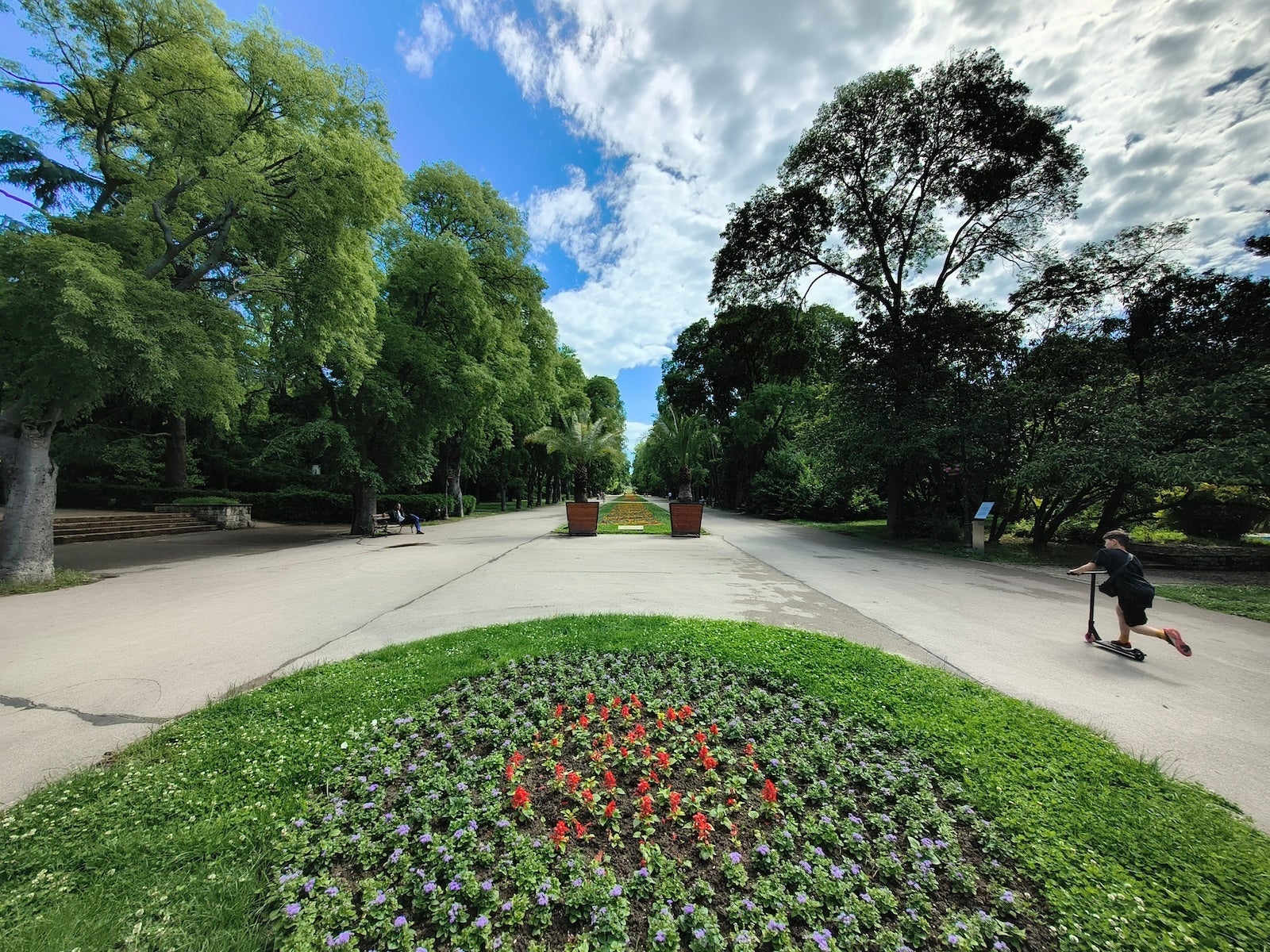
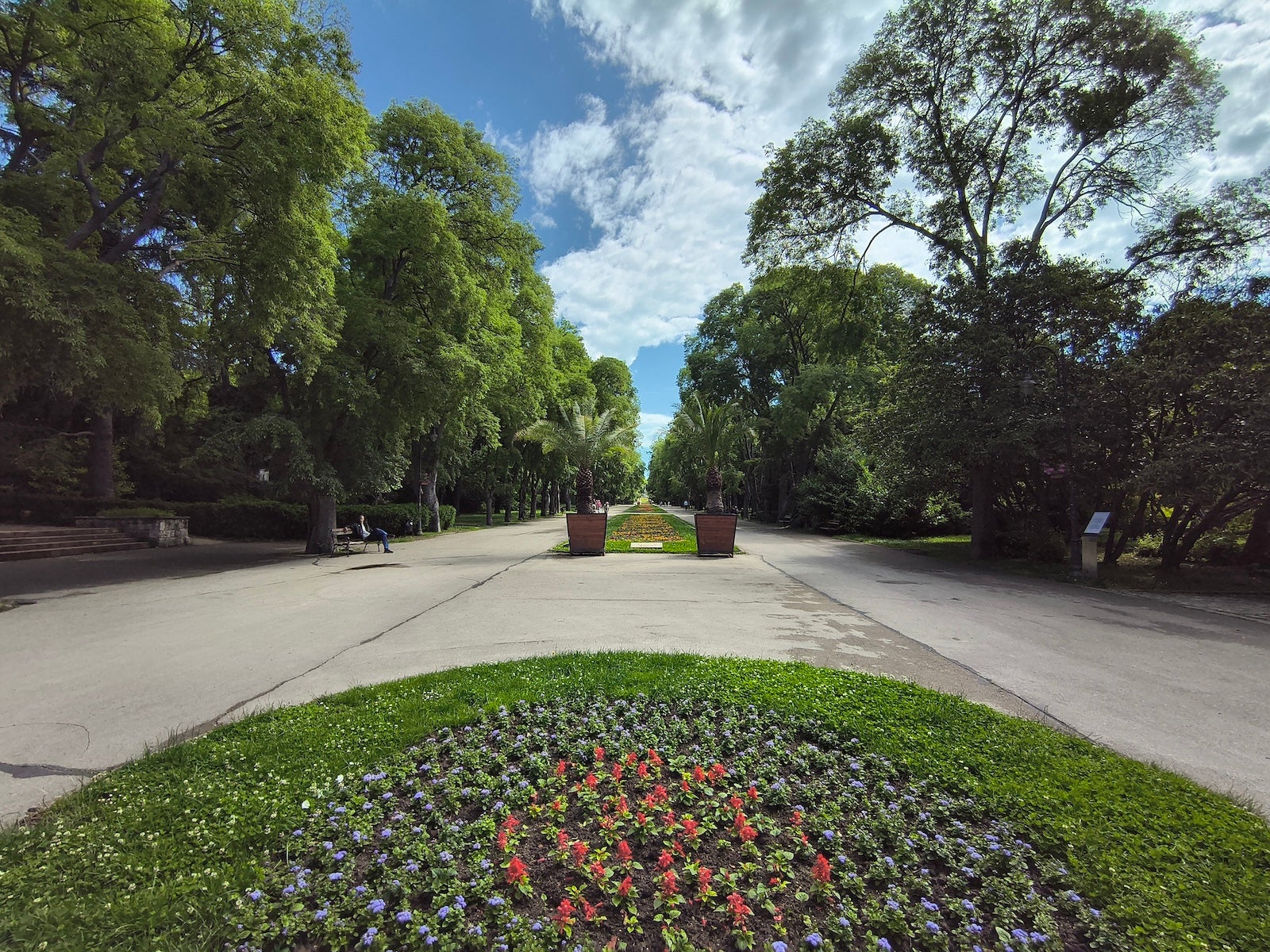


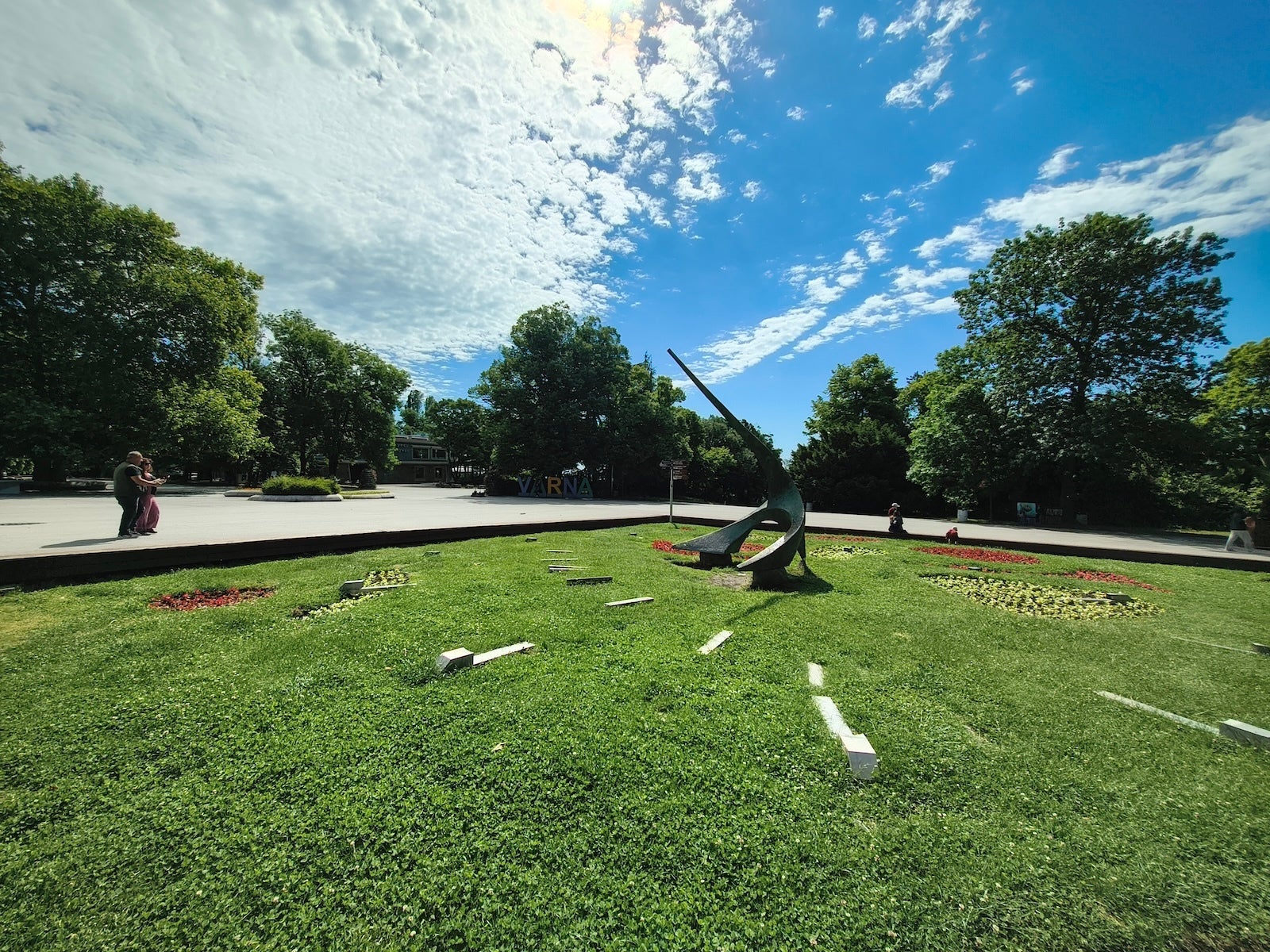

Notice the wider perspective on the new phone and the more contrasty look.
Selfies




Selfies are mostly unchanged between the two models, though.
Battery Life and Charging
A Razr with a bigger battery
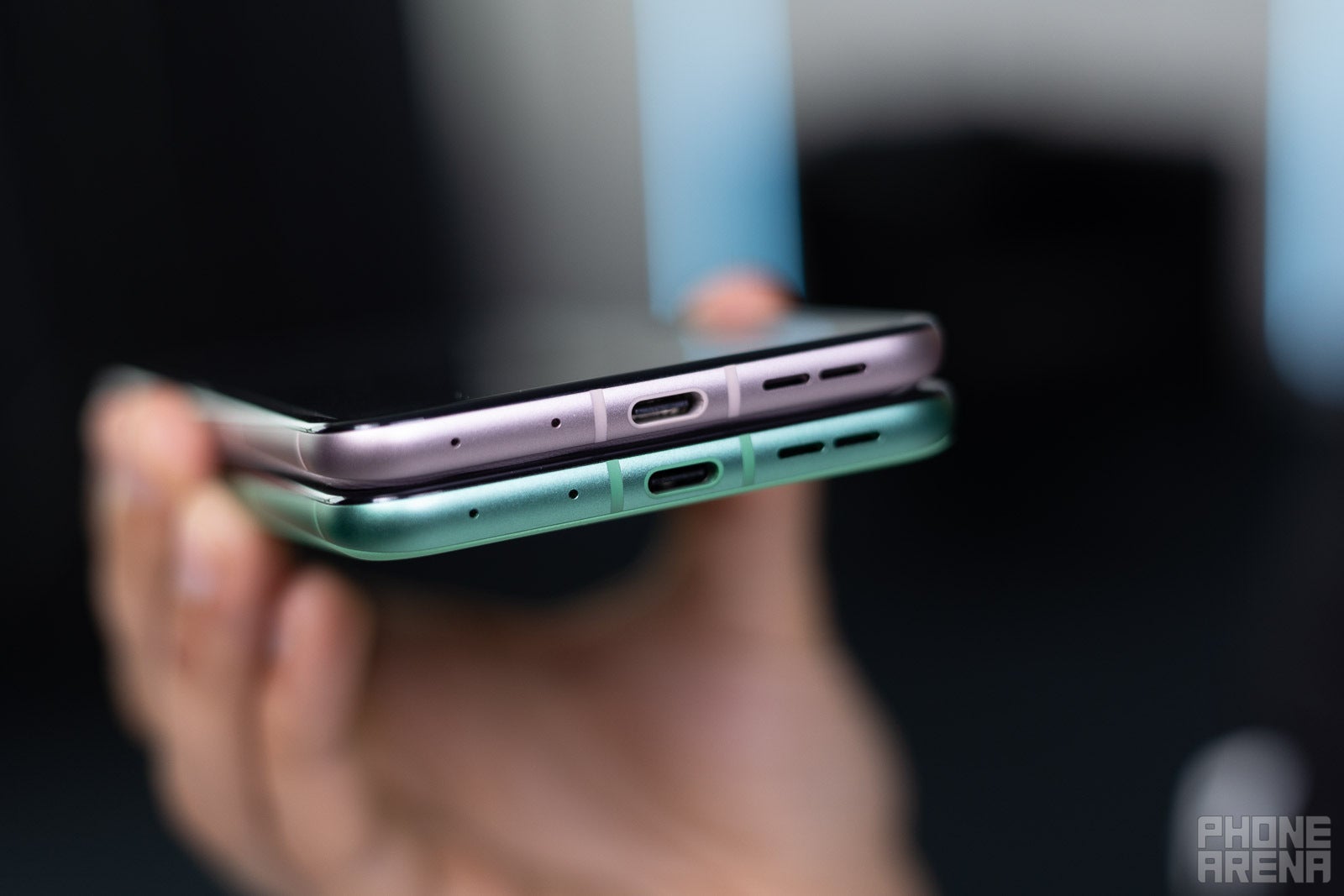
Image by PhoneArena
The Razr 2026 brings a nearly 7% larger battery, a welcome upgrade. It now features a 4,800mAh cell, up from a 4,500mAh battery on the Razr 2025.
PhoneArena Battery and Charging Test Results:
Curiosuly, though, the new model underperformed on our web browsing workload, scoring only around 13 hours compared to nearly 16 hours on the previous model. We are investigating whether this is not due to some uncontrolled variable in the test.
However, for YouTube video streaming, the new Razr 2026 scored nearly 1 hour and 20 minutes longer, lasting around 11 hours compared to 9 hours and a half on the 2025 edition.
As for charging, the Razr 2026 and 2025 both can top up at speeds of up to 30W wired.
Wireless charging, however, is now 15W on the Razr 2026, much faster than the sluggish 5W speeds on the previous model. There are no magnets on the back of these phones, so no Qi2 support.
Specs Comparison
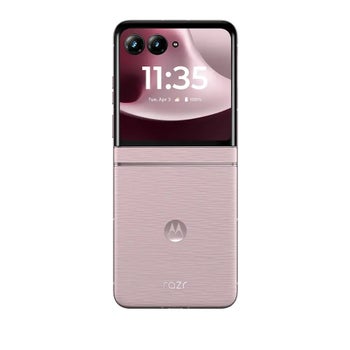
And here is an overview of the Motorola Razr 2026 vs Razr 2025 specs:
|
|
| Motorola Razr (2026) | Motorola Razr (2025) |
| Dimensions | |
|---|---|
| 171.30 x 73.99 x 7.25 mm | 171.30 x 73.99 x 7.25 mm |
| Weight | |
| 188.0 g | 188.0 g |
| Size | |
|---|---|
| 6.9-inch | 6.9-inch |
| Type | |
| AMOLED, 120Hz | LTPO, 120Hz |
| System chip | |
|---|---|
| MediaTek Dimensity 7450X (4 nm) | MediaTek Dimensity 7400X (4 nm) |
| Memory | |
| 8GB (LPDDR5X)/256GB (UFS 3.1) | 8GB (LPDDR4X)/256GB (UFS 2.2) |
| OS | |
| Android (16) | Android (15) |
| Type | |
|---|---|
| 4800 mAh | 4500 mAh |
| Charge speed | |
| Wired: 30.0W Wireless: 15.0W |
Wired: 30.0W Wireless: 5.0W |
| Main camera | |
|---|---|
| 50 MP (PDAF) Aperture size: F1.7 Focal length: 25 mm Sensor size: 1/1.95" Pixel size: 0.8 μm | 50 MP (PDAF) Aperture size: F1.7 Focal length: 25 mm Sensor size: 1/1.95" Pixel size: 0.8 μm |
| Second camera | |
| 50 MP (Ultra-wide) Aperture size: F2.0 Focal Length: 12 mm Sensor size: 1/2.76" Pixel size: 0.64 μm |
13 MP (Ultra-wide) Aperture size: F2.2 Sensor size: 1/3" Pixel size: 1.12 μm |
| Front | |
| 32 MP | 32 MP |
See the full
Motorola Razr (2026) vs Motorola Razr (2025) specs comparison
or compare them to other phones using our
Phone Comparison tool
Summary
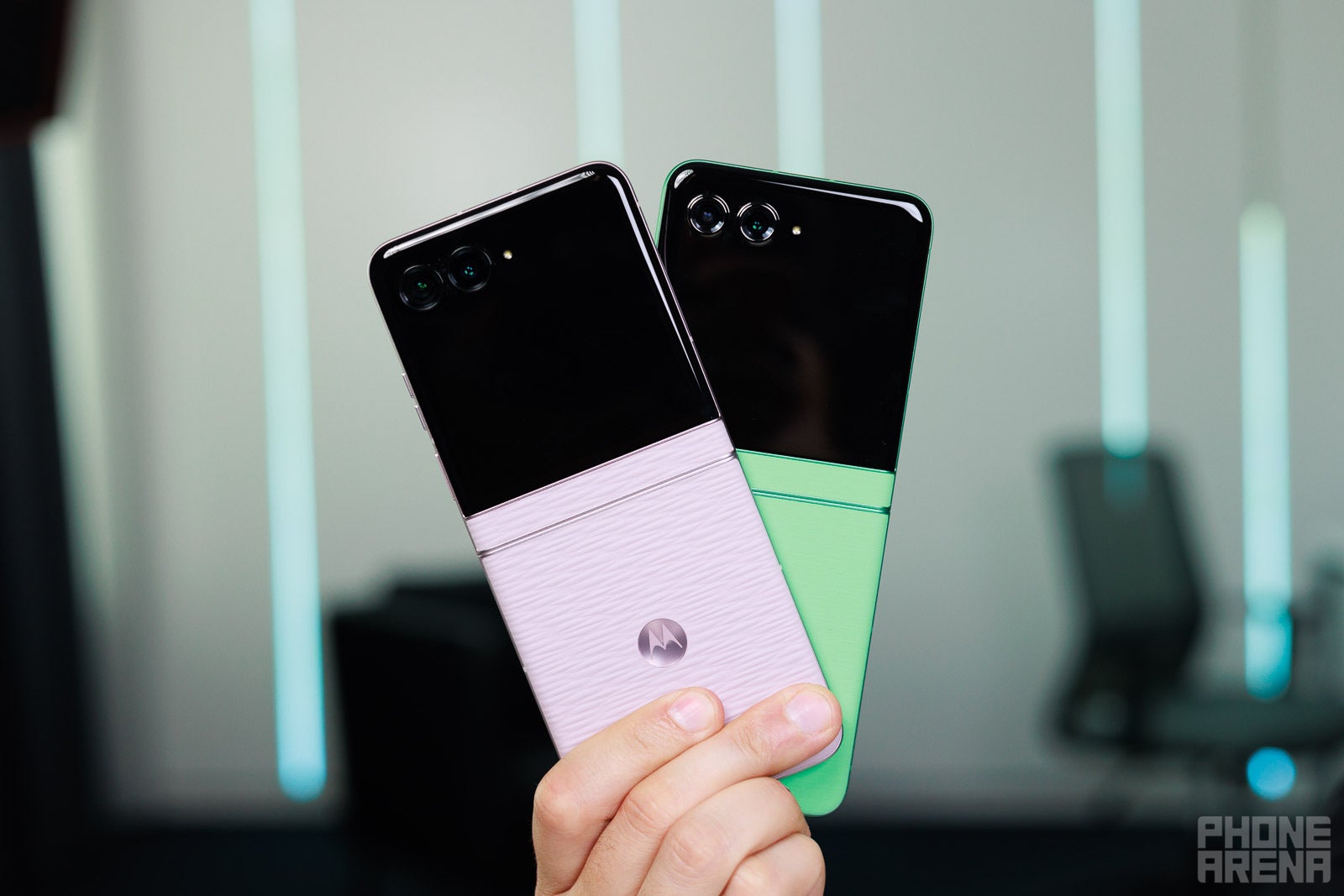
Image by PhoneArena
The new Motorola Razr 2026 is a step up in some aspects, but it's not moving as fast as we wish to see in others.
The improved battery life and the camera upgrades are definitely things you can notice, but the performance hasn't changed a bit and it's disappointing to spend nearly a grand on a phone that only gets 3 years of OS updates.
I don't recommend spending the full asking price for the Razr 2026, but if you find it on sale at a good discount, it's a solid flip phone that I certainly enjoyed using.


Related Content



Popular stories


Latest News

Things that are NOT allowed:
To help keep our community safe and free from spam, we apply temporary limits to newly created accounts: