
SpaceX reveals launch window for mobile service to take down the Big Three "cartel"
SpaceX's CFO explains why the Big Three are terrified of Starlink.
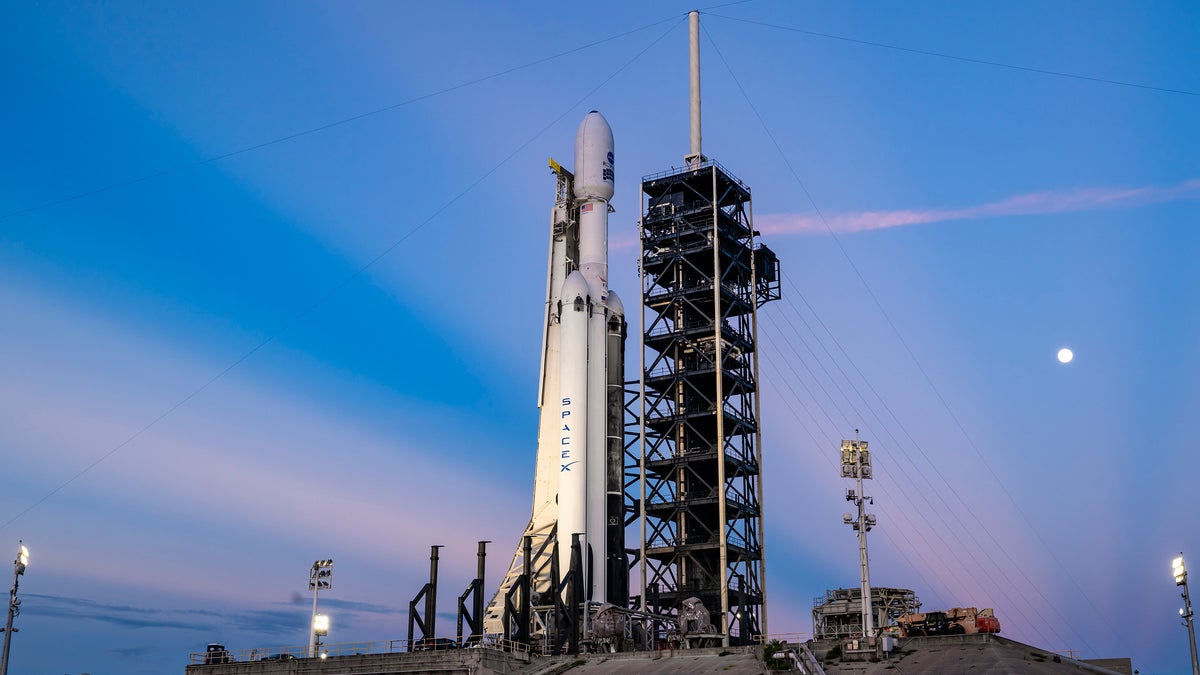
SpaceX is keeping its options open. | Image by SpaceX
AT&T, T-Mobile, and Verizon can question the viability of its plan all they want, but SpaceX isn't backing down from its mobile service ambitions. CFO Bret Johnsen revealed more details during the recent Goldman Sachs Communacopia + Technology Conference.
SpaceX plans to roll out "5G-quality" mobile satellite services for smartphone users in the first half of 2028, a slight bump from its previous late-2027 target.
The company will deploy its new, more capable V3 satellites throughout 2027 using Starship. Johnsen envisions something different from existing offerings and doesn't seem overly keen on building a terrestrial network, an option COO Gwynne Shotwell previously noted was on the table. So, what is the plan? SpaceX still seems to be working that out.
Johnsen made no mention of femtocells, a concept the company previously floated that drew mockery from industry veterans for being impractical.
Johnsen noted that the company can use the midband spectrum it purchased from EchoStar to activate service. It has regulatory approval for both direct-from-space service and terrestrial networks.
Of course, it could also team up with existing carriers, except for one tiny problem.
Each of the Big Three has repeatedly refused to sign an MVNO agreement with SpaceX. That refusal means even partnering with a company like Charter wouldn't offer much of a workaround.
Johnsen derided the Big Three for failing to innovate for decades and suggested they are terrified Starlink will wipe out dead zones and provide true global roaming. He even went so far as to call their joint space venture a cartel.
Starlink is SpaceX's most profitable arm, so it makes sense the company wants a bigger slice of the connectivity market rather than settling for carrier partnerships. Johnsen's rhetoric may just be a sign how badly SpaceX wants a leverage point to force an MVNO agreement.
Its stash of 65MHz spectrum is no match for the Big Three's combined chest of 1,020MHz. It stayed mostly on the sidelines during the AWS-3 auction.
Then again, CEO Elon Musk is known for doing things differently. SpaceX doesn't want to replicate what AT&T, T-Mobile, and Verizon have, and thus doesn't need as much spectrum. It can still build a hybrid network with some basic terrestrial infrastructure and satellites.
Coming in 2028
SpaceX plans to roll out "5G-quality" mobile satellite services for smartphone users in the first half of 2028, a slight bump from its previous late-2027 target.
We'll be able to turn on a service that's completely differentiated from anything out there.
Bret Johnsen, SpaceX CFO, September 2026
The company will deploy its new, more capable V3 satellites throughout 2027 using Starship. Johnsen envisions something different from existing offerings and doesn't seem overly keen on building a terrestrial network, an option COO Gwynne Shotwell previously noted was on the table. So, what is the plan? SpaceX still seems to be working that out.
Johnsen made no mention of femtocells, a concept the company previously floated that drew mockery from industry veterans for being impractical.
For now, SpaceX is keeping its options open and assessing what other assets it might need.
What are your expectations?
9 Votes
SpaceX holds some spectrum
SpaceX is not going into this blind.
Johnsen noted that the company can use the midband spectrum it purchased from EchoStar to activate service. It has regulatory approval for both direct-from-space service and terrestrial networks.
We've got the spectrum where we can go turn on service ... And it has direct-from-space and terrestrial capability already FCC approved. So if we need to, we can stand up terrestrial solutions to put the terrestrial piece in place, too, or we could work with existing carriers. We're open to a lot of different ways to do it, but we're marching down that path in the US.
Bret Johnsen, SpaceX CFO, September 2026
Here's how SpaceX plans to achieve its vision:
AT&T, T-Mobile, and Verizon have said no
Each of the Big Three has repeatedly refused to sign an MVNO agreement with SpaceX. That refusal means even partnering with a company like Charter wouldn't offer much of a workaround.
I'm not a lawyer, and I'll let them figure that out. But the point being, I think that the whole industry is seeing that we have the ability to deliver a service that will be really compelling for people.
Bret Johnsen, SpaceX CFO, September 2026
The service you have is largely the same ... Now [with Starlink], you're talking about being able to come to market with a product that shouldn't have dead zones, can have global roaming, you can go anywhere you need to with it. And that's pretty magical, especially if you're charging same or slightly less than a service that doesn't have any of those things.
Bret Johnsen, SpaceX CFO, September 2026
Figuring it out as they go
Starlink is SpaceX's most profitable arm, so it makes sense the company wants a bigger slice of the connectivity market rather than settling for carrier partnerships. Johnsen's rhetoric may just be a sign how badly SpaceX wants a leverage point to force an MVNO agreement.
Then again, CEO Elon Musk is known for doing things differently. SpaceX doesn't want to replicate what AT&T, T-Mobile, and Verizon have, and thus doesn't need as much spectrum. It can still build a hybrid network with some basic terrestrial infrastructure and satellites.


Popular stories



Latest News


Things that are NOT allowed:
To help keep our community safe and free from spam, we apply temporary limits to newly created accounts: