Latest data shows that Americans might have fallen in love with the Pixel 11 series
Counterpoint's latest report shows that the market share of US Pixel shipments doubled in Q3 from Q2

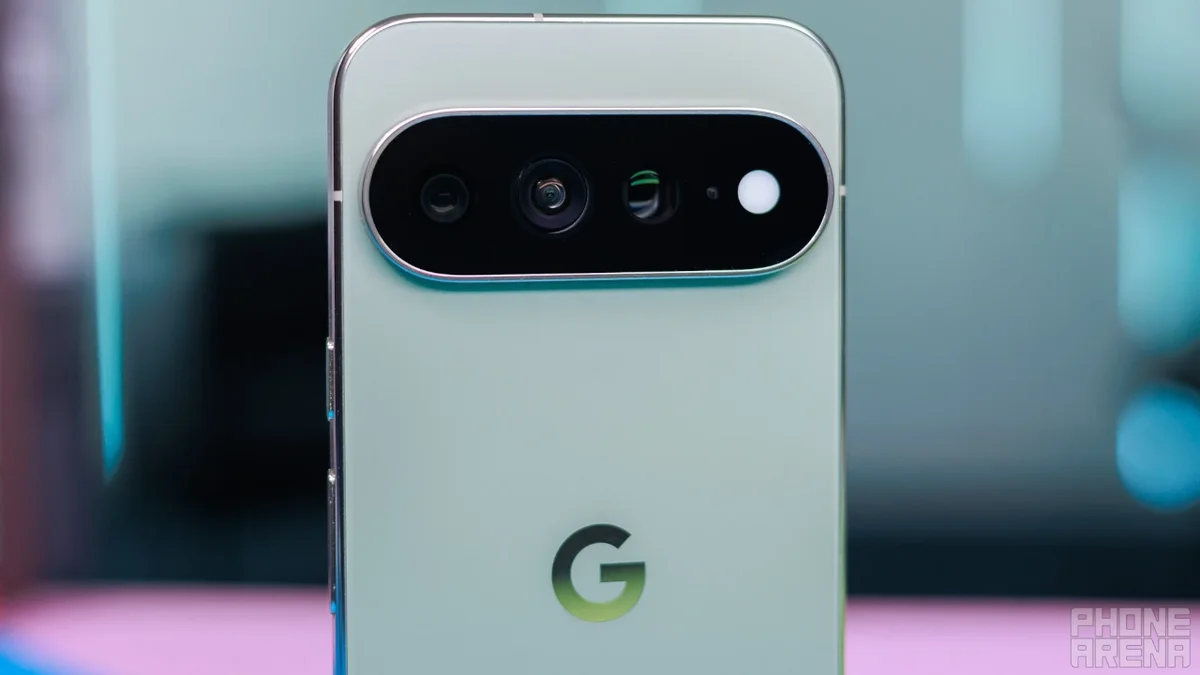
Pixel's market share of US shipments surges sequentially | Image by PhoneArena
Google executives in Mountain View can be excused for wearing a big smile. After years of having to hear that the Pixel series is merely a proof of concept, or that the line is just a way for Google to show off Android and improve the platform, the latest US smartphone shipments market share figures suggest something else: The Pixel is gaining traction in the US.
Google Pixel US shipments doubled sequentially during the third quarter
The latest shows a doubling in stateside shipments market share sequentially from 3% during Q2 of this year to 6% during Q3. However (yes, unfortunately there is a "however" or a "but" that is inserted here), on a year-over-year basis the series slipped from the 7% slice of US smartphone shipments it achieved last year at this time.
Still, this doesn't take away from the Pixel 11 line's Q3 2026 breakout. During Q4 of 2025, Q1 and Q2 of 2026, the Pixel's US smartphone share was 3% in each quarter. The latest data from Counterpoint shows that the rise in Q3 Pixel shipments came at the expense of a decline in Samsung's market share. Samsung Galaxy handsets saw their market share of US shipments fallk from 30% during this year's second quarter to 25% for the third quarter. Motorola also felt the impact with the market share of its US shipments slipping from 11% to 8% during the same period.
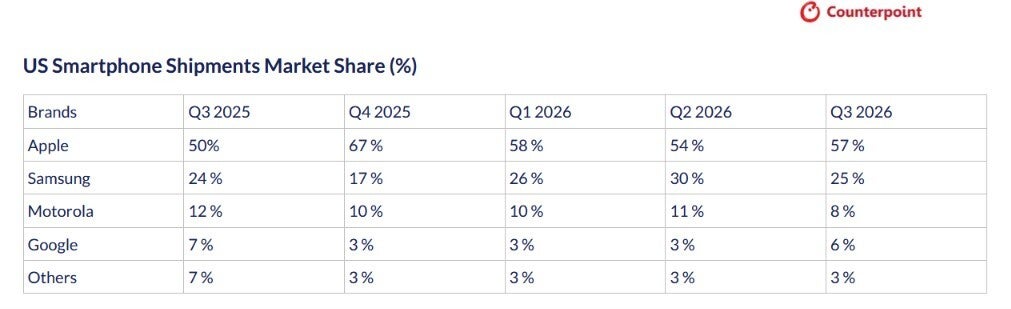
The Pixel 11 series had a strong third quarter sequentially. | Image by Counterpoint
Google and its Pixel were joined on the plus side for Q3 by Apple. The release of the iPhone 18 Pro and iPhone 18 Pro Max helped bump the tech giant's US shipments market share from 54% to 57% comparing this year's second and third quarters. More on that in a bit.
Overall, US smartphone shipments declined 9% year-over-year during the third quarter. Android deliveries, especially, were impacted by the global memory shortage, which resulted in price hikes and limited supplies of RAM. That's because memory suppliers such as Samsung, Micron, and SK Hynix have used their assets to produce High Bandwidth Memory (HBM) chips for AI data centers instead of RAM chips. Manufacturing HBM chips generates higher profits for the aforementioned trio resulting in fewer RAM chips being produced, and higher prices for those that are made.
Phone manufacturers have been trying to deal with a major memory shortage and price hike
Phone manufacturers have been trying to work within this new reality. For example, last year every Pixel 10 Pro model was equipped with 16 GB of LPDDR5X RAM and this year, the Pixel 11 Pro models with 256 GB of RAM sport a reduced 12 GB of RAM, while the models with 512 GB and 1 TB of memory continue to be equipped with 16 GB of RAM. The base Pixel 11 model kept the 12 GB of RAM on both storage options used on last year's Pixel 10 model.
Apple and its iPhone was the only company and smartphone model not to be dragged down by the year-over-year decline in US shipments. It's a little too early to cite the first foldable iPhone for Apple's strong Q3 US shipment performance. After all, shipments of the iPhone Duo did not start until the fourth quarter began at the start of October.
Also, keep in mind that the quarterly periods used in this article are based on the calendar. Apple's fiscal year runs from the start of October through the end of September. This means that the data that took place during the calendar third quarter took place during Apple's fiscal fourth quarter.
These are some of the changes made to the Pixel 11 line
Once more returning to the Pixel 11 series, besides the changes to RAM that we discussed, the Pixel 11 models use the new Tensor G6 processor, built using TSMC's 3nm node, not the foundry's 2nm node as earlier thought. The new 7-core CPU configuration (1+4+2) also features improved TPU for enhanced on-device AI and improved power efficiency.
A huge shift away from the Samsung Exynos 5G modem used on previous Pixel models brings the MediaTek M90 into the fold. The latter delivers improved power efficiency reducing average power draw by as much as 18%. It also offers faster peak download speeds of 12 Gbps compared to the Exynos 5400's peak 11.2 Gbps.
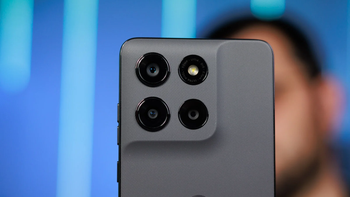
The Pixel 11 series is lighter as the thermometer was replaced by HiLight. This is a visual notification system that lights a circular array of LEDs around the flash to notify users about incoming calls and texts from certain contacts, and Gemini activity. Sensors for the cameras are larger, which should improve low-light photography.
We will see in the next few quarters whether Google and the Pixel line can continue to grow US shipments quarter-to-quarter, and how this might impact Pixel 12 specs.
Don't be a turkey this Thanksgiving, check out these articles:

Popular stories



Latest News


Things that are NOT allowed:
To help keep our community safe and free from spam, we apply temporary limits to newly created accounts: