Editorials · Readers Voice
Pixel 6 line beats out Pixel 2, Pixel 4 and Pixel 5 series to be your favorite
The Pixel 6 series introduced the Tensor application processor, the rear camera bar, and the use of more AI features.
This article may contain personal views and opinion from the author.
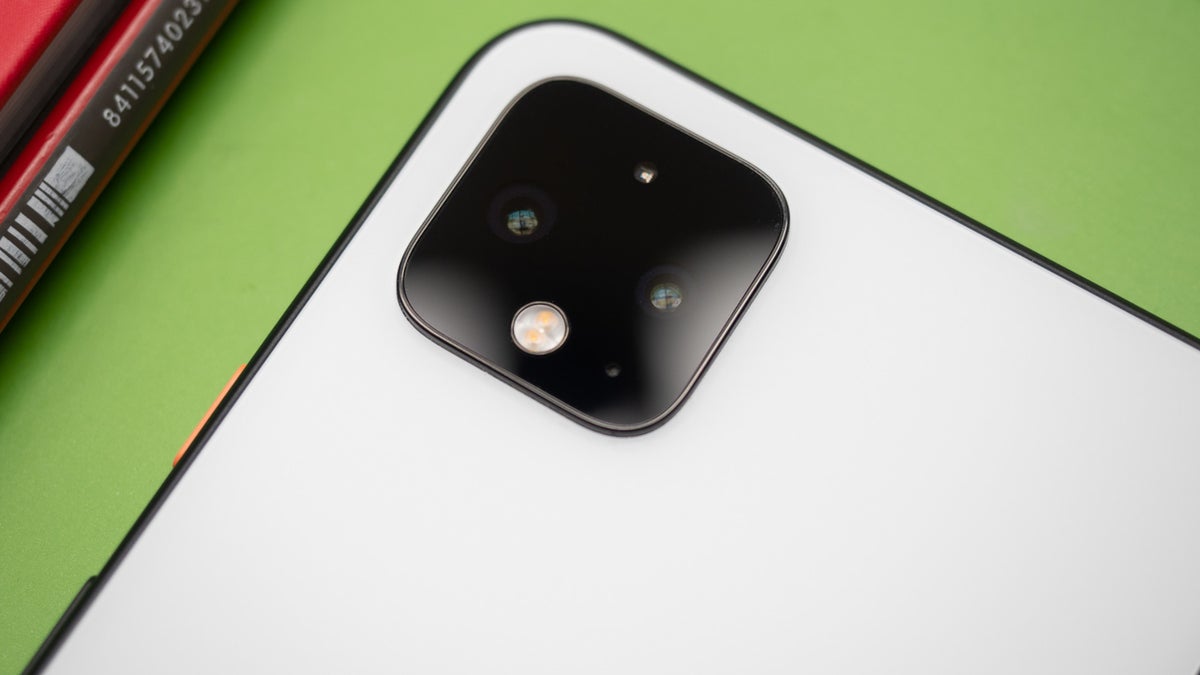
Pixel 6 series wins PhoneArena poll | Image by PhoneArena
Near the end of last month, we listed the Pixel phones that will receive Android 17 this summer. As we pointed out in that story, this year will be the last one where all Pixels powered by a Tensor application processor (AP) get the new Android update. That's because this October, Google will drop support for the Pixel 6 and Pixel 6 Pro. The Pixel 6a will lose its Google support in July 2027.
Last month we asked you which of these Pixel models was your favorite
When we posted the article that included the list, we asked you to choose your favorite Pixel series from these options:
- Pixel 2/2 XL (2017)
- Pixel 4/4 XL (2019)
- Pixel 5 (2020)
- Pixel 6 series (2021)
Let us introduce the candidates. The Pixel 2/2 XL was the follow-up to the first generation Pixel and Pixel XL. Google added water resistance to the Pixel 2 line (IP67) along with front-facing stereo speakers for a more balanced audio experience. The Pixel 2 series also featured Active Edge, which allowed users to squeeze together the sides of the phone to launch Google Assistant or to dismiss alarms.
With a fast and accurate fingerprint sensor on the back of the phone, the Pixel 2 XL is one of the most fondly remembered Pixel models ever released by Google. The Pixel 2 XL was the first Pixel model I owned.
Which of these was your fave Pixel model?
1869 Votes
Pixel 2 XL-the one everyone fondly remembers.
17.98%
Pixel 4/Pixel 4 XL-with Face Unlock that rivaled Face ID.
16.1%
Pixel 5-the mid-range model.
11.93%
Pixel 6/Pixel 6 Pro-debut of the camera bar.
29.37%
Another model.
24.61%
Next up, the Pixel 4 line. It always boggles my mind why Google gave up so fast on the Pixel 4 design. It came with a version of Face Unlock that was built with the same components used for the iPhone's Face ID.
The Pixel 4 line included Face Unlock and the Motion Sense radar feature
Thanks to the use of the Soli radar chip in the top bezel of the device, the Pixel 4 and Pixel 4 XL could "see" your arm reaching for your phone. As a result, Face Unlock would be ready to go as the infrared cameras would turn on before you picked up the phone. This allowed you to scan your face and unlock the home screen in one cool motion.
The Pixel 4 series' Face Unlock had a major security flaw. The facial recognition system would unlock the phone even if the device owner's eyes were shut. The iPhone requires that the user's eyes be open for Face Unlock to work so that a bad actor can't put the phone in front of an iPhone user when he is sleeping and unlock the device. Google eventually added a "Require eyes to be open" toggle to the Pixel 4 line in April 2020.
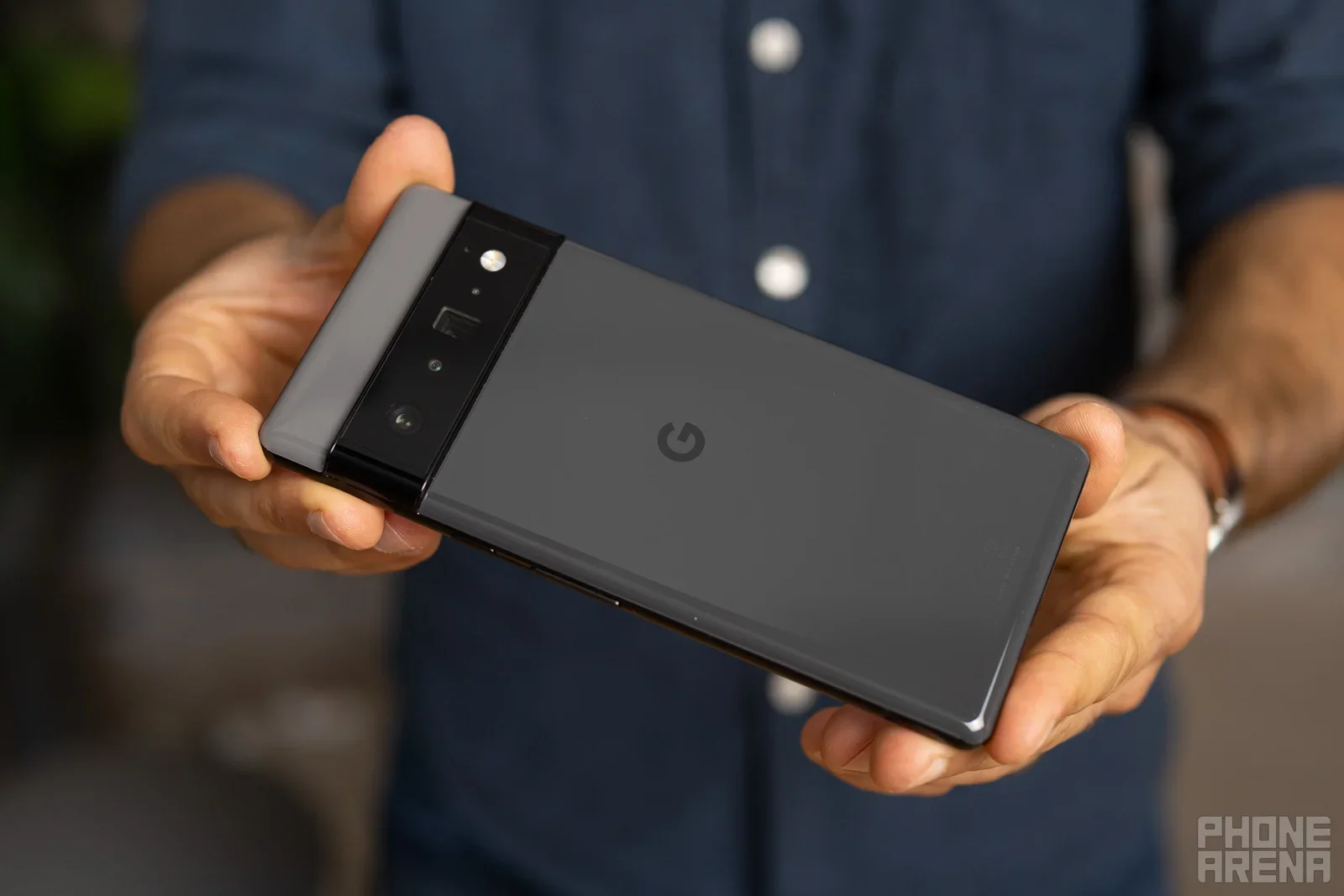
The Pixel 6 Pro debuted the Pixel rear camera bar. | Image by PhoneArena
The Motion Sense feature for the Pixel 4 and Pixel 4 XL used the Soli radar chip to allow users to dismiss an alarm and an incoming phone call by moving their hand over the screen. It also allowed you to skip, replay, or pause music using a gesture.
Google took a breather with the Pixel 5
Google shocked the smartphone world in 2020 by making the Pixel 5 a mid-range and not a flagship model. The phone was powered by the Snapdragon 765G application processor (AP), a mid-range chipset.
Google did this as a way to take a step back after the Pixel 4 line sold poorly. It also had been working on the Tensor processor and knowing what was around the corner, Google removed Motion Sense and Face Unlock before releasing the Pixel 5.
The Pixel 6 series introduced the new Tensor AP and debuted several AI features from Magic Eraser (which removes items from a photograph) to Hold for Me (which had the Google Assistant monitor a call on hold so you didn't have to be tethered to the phone while on hold).
The Pixel 6 series was designed to be a legitimate challenger to Apple and Samsung
Designed to be a true iPhone and Galaxy S rival, the Pixel 6 line introduced the rear camera bar, which runs horizontally from side-to-side near the top of the phone's rear panel. Google miscalculated by installing the poorly performing Exynos Modem 5123 on the line. Occasionally, the phone would be unable to connect to the user's cell network and it always happened when you needed to make an important call.
The Pixel 6 line is also known for its under-screen fingerprint sensor. While it took several updates just to get it to work correctly, this was Google's fault. The company attempted to save money by using the cheaper optical fingerprint sensor instead of the more accurate, quicker, but expensive ultrasonic sensor.
The poll results showed that 28.19% of those responding to our poll picked the Pixel 6/Pixel 6 Pro series as their favorite among the models we presented. Next was the "Another model" option, which garnered 26.19% of the votes.
The Pixel 2/Pixel 2 XL received 18.81% of the votes, followed by the 15.43% who voted for the Pixel 4/4 XL. That leaves the 11.37% who voted for the Pixel 5 mid-range model. What this shows is that Google made the right move to take on Apple and Samsung with the Pixel 6 series even if the implementation of the Tensor era for Pixel was a little flawed.


Popular stories
Latest News

Things that are NOT allowed:
To help keep our community safe and free from spam, we apply temporary limits to newly created accounts: