Meta’s next big hardware release just hit a major snag
The company is rethinking its timeline for its next high-end product.

Image credit — Muhammad Asyfaul (Unsplash)
A change of plans for Project Phoenix
If you were hoping to get your hands on Meta’s high-end holographic glasses soon, you might want to adjust your expectations. According to a new report, the company is pushing back the release of its mixed reality glasses, internally codenamed "Phoenix."
What we know about Project Phoenix so far
- External Compute Module: Unlike standalone headsets, these glasses will reportedly rely on a "puck-like" power and compute source connected via wire, likely to keep the weight off your face.
- Visual Fidelity: The goal is to match the immersion of mixed reality headsets, but in a form factor that looks more like traditional eyewear.
- Pass-through Technology: Expect advanced sensors that overlay digital content onto the real world, similar to current high-end headsets but shrunk down.
Why this delay matters right now
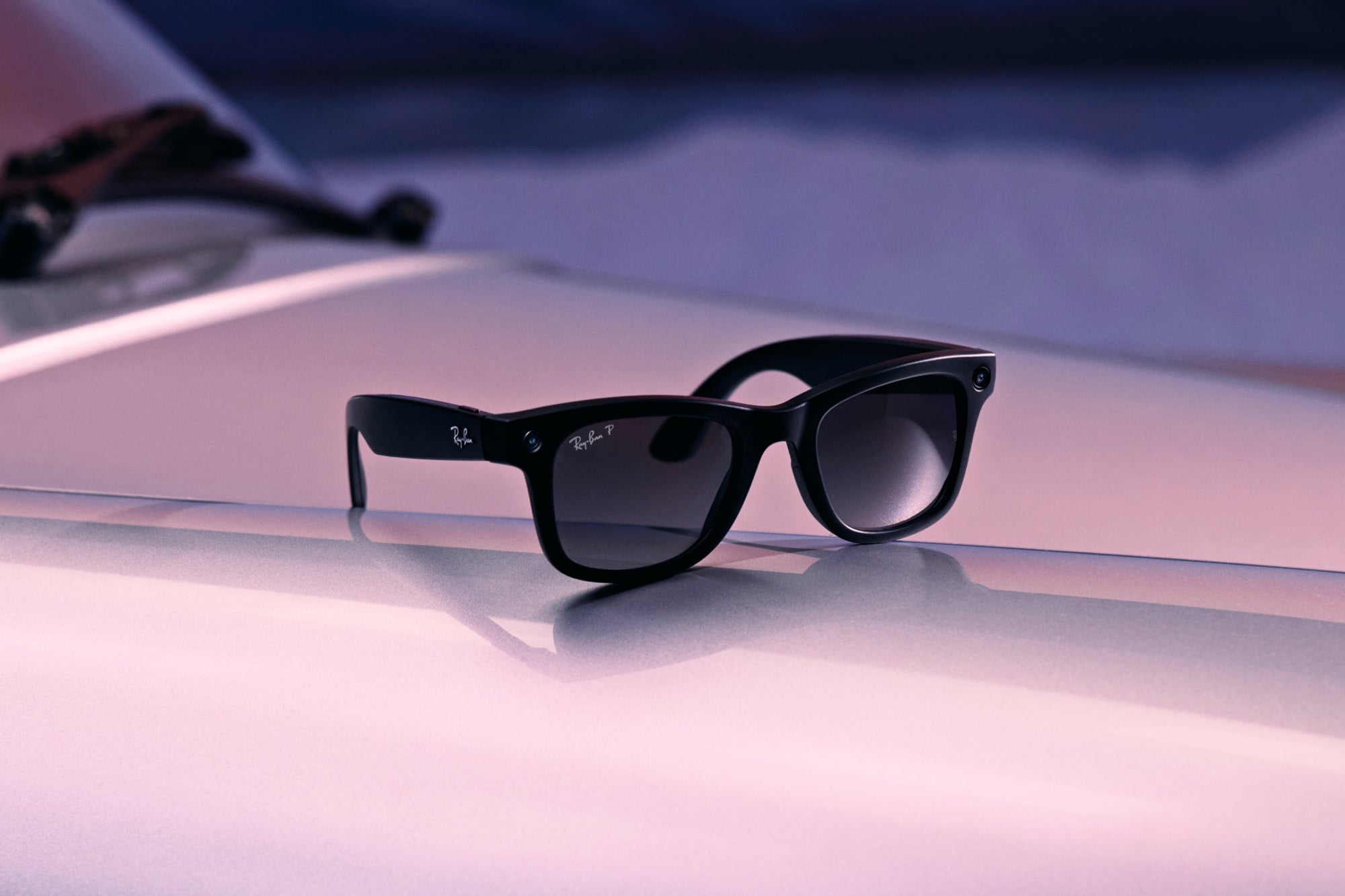
Meta Ray-Bans. | Image credit — Meta
The mixed reality space is in a bit of a weird state right now. You have the Apple Vision Pro, which is an incredible piece of engineering but is heavy, expensive, and isolates the user. Then you have Meta’s own Ray-Ban Meta AI glasses, which integrate AI, cameras, speakers, microphones, and a monocular screen display for notifications and info.
While the Ray-Bans are great for quick interactions, they aren't "true" mixed reality. Project Phoenix is trying to bridge that massive gap — combining the immersion of the Vision Pro with the wearability of the Ray-Bans.
This delay is significant because it suggests Meta is paying close attention to the competition. They likely saw the mixed reception to Apple’s bulky headset and realized that shipping a "good enough" product isn't going to cut it. Furthermore, this comes amidst other reports that Meta is slashing its metaverse budget by nearly 30%. They can't afford a high-profile hardware flop.
This delay is significant because it suggests Meta is paying close attention to the competition. They likely saw the mixed reception to Apple’s bulky headset and realized that shipping a "good enough" product isn't going to cut it. Furthermore, this comes amidst other reports that Meta is slashing its metaverse budget by nearly 30%. They can't afford a high-profile hardware flop.
Do you think Meta is doing the right thing in delaying their upcoming mixed-reality glasses?
6 Votes
Yes, they should give it time in order to get it perfect.
83.33%
No, they are taking too long and will be late to the party.
16.67%
Worth the wait?
Personally, I would rather wait until 2027 for a product that I actually want to wear than get a half-baked headset in 2026. We’ve seen what happens when companies rush hardware; it ends up in a drawer after two weeks.
However, the "puck" idea makes me a little nervous. Part of the magic of the current Ray-Ban Meta glasses is that they are totally wireless and hassle-free. Introducing a cable and a separate unit to carry in your pocket feels like a step backward in usability, even if it is necessary for better graphics. If Meta can pull off Apple-level visuals in a comfortable pair of glasses, the wait will be worth it. But if 2027 rolls around, and we just get a slightly smaller VR headset with a wire attached, the market might have already moved on.


Popular stories




Latest News



Things that are NOT allowed:
To help keep our community safe and free from spam, we apply temporary limits to newly created accounts: