There is a discrepancy between Chinese phones, iPhones, and Galaxy phones when it comes to fast charging, and the difference is actually pretty big. Having reviewed phones for more than a decade, I have always wondered why phones from the Far East charge so much faster. Now, I might finally have some insight.
Here is why your iPhone charges slower than a midrange phone from China.
The iPhone 17 Pro Max charges slower than a Xiaomi
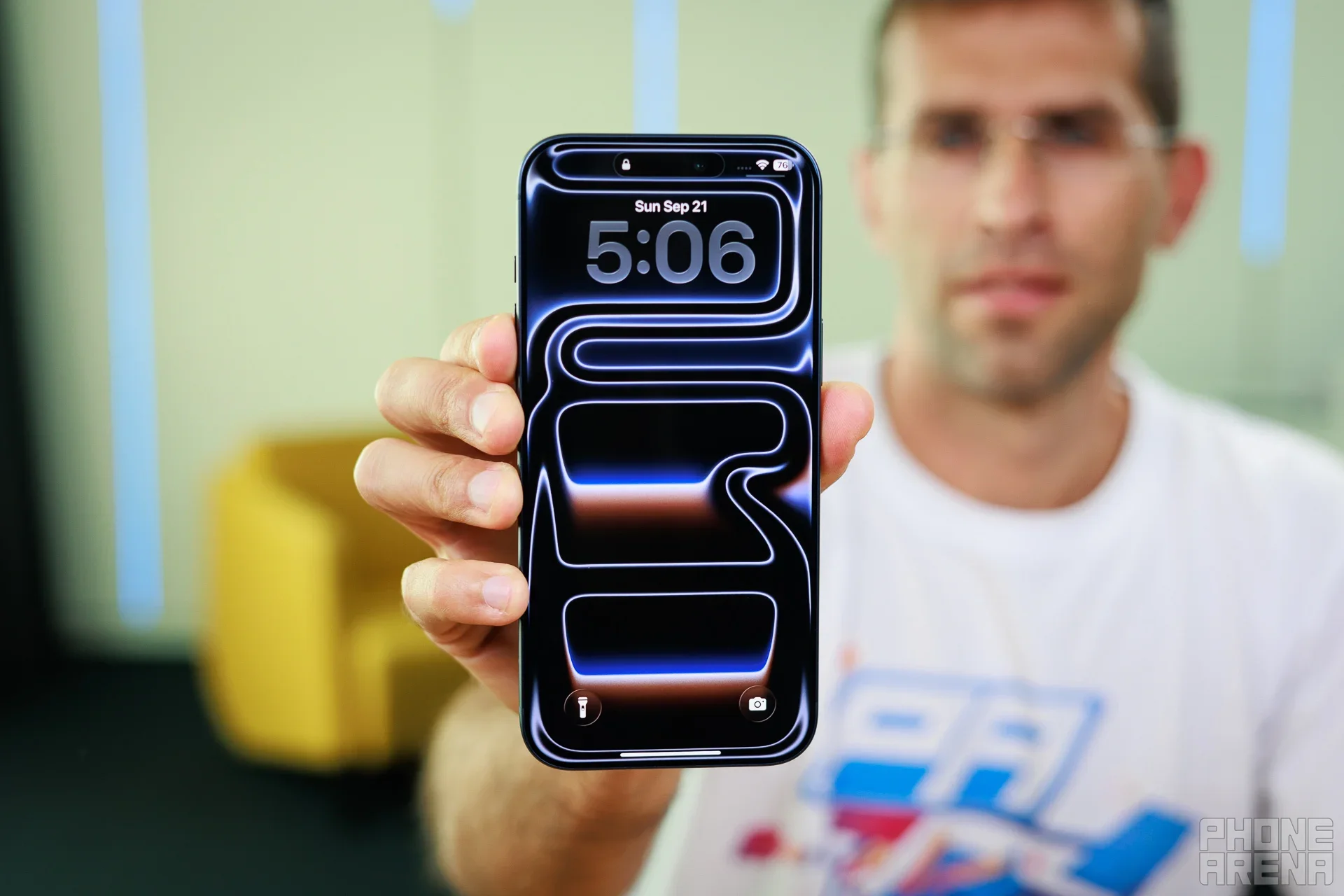
The iPhone 17 Pro Max supports 45W wired charging on paper. | Image by PhoneArena
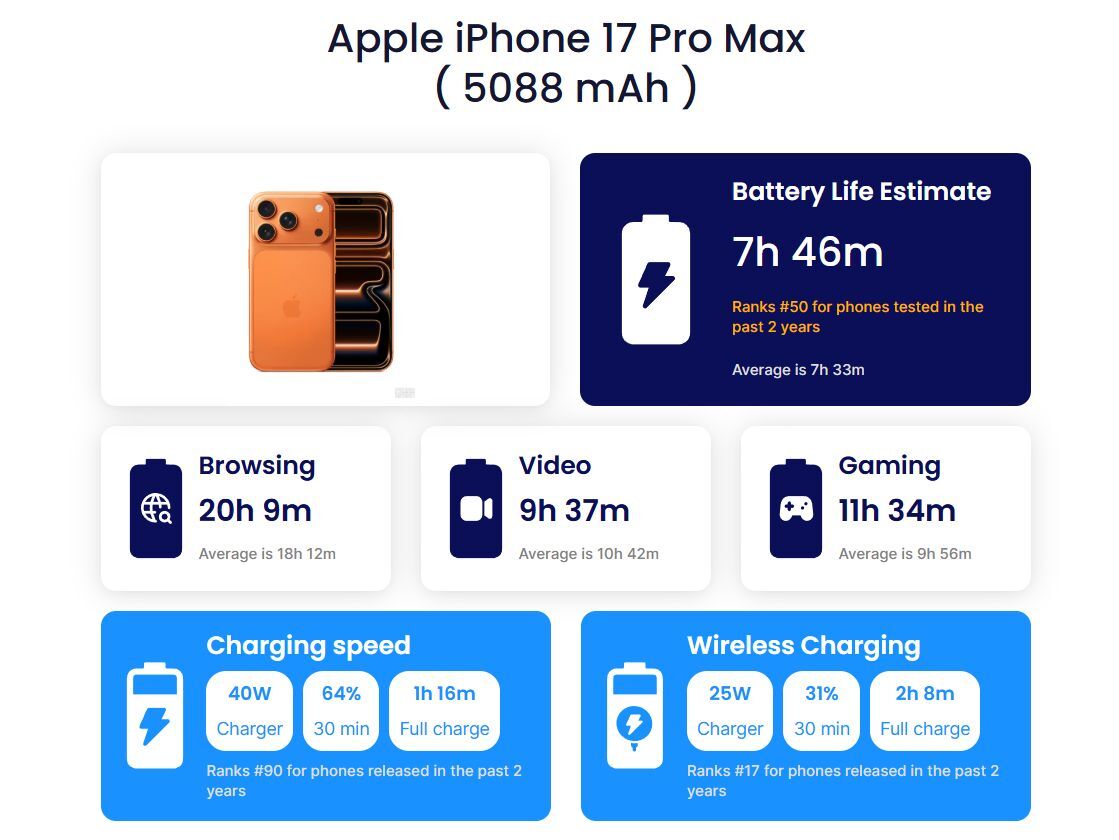
The iPhone 17 Pro Max supports 45W wired fast charging on paper. In our tests, the phone charged at 40W for the majority of the time, with brief spikes to 45W. A full charge takes around 80 minutes.
In our test, the iPhone 17 Pro Max charged from zero to full in 76 minutes. | Image by PhoneArena
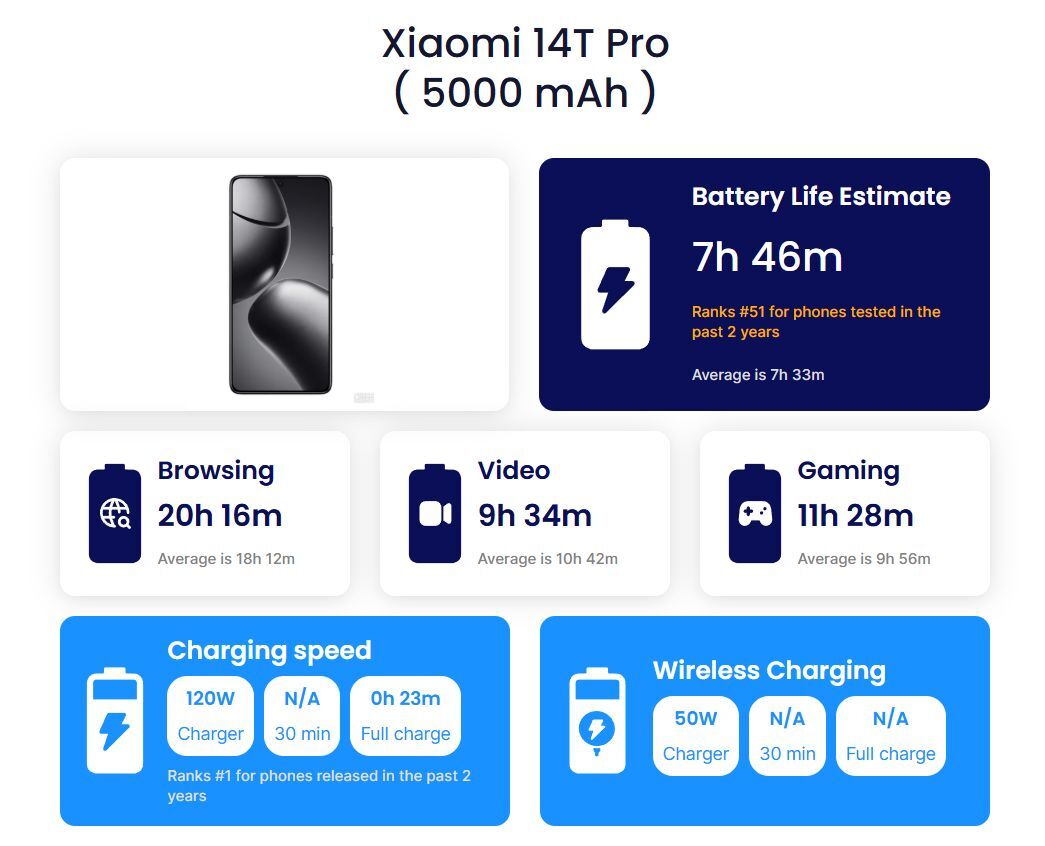
Let's take the Xiaomi 14T Pro, a fairly old phone with a 5,000 mAh conventional lithium-ion battery — very close to the iPhone 17 Pro Max's 5,088 mAh cell. I know it is not a budget Xiaomi but rather an upper mid-ranger, yet it is still half the price of the iPhone.
23 minutes for a full charge using the 120W proprietary fast charging. Impressive! | Image by PhoneArena
The Xiaomi supports 120W wired charging and fills its battery from 0 to 100% in 23 minutes, four times faster than what the iPhone 17 Pro Max is capable of. This phone currently sits in first place on our battery charging list.
If we take a look at newer models, they add insult to the injury with much bigger silicon-carbon batteries that still charge faster than what iPhone and flagship Galaxy phones can achieve.
Recommended For You
What gives?
Would you buy an iPhone that charges in 20 minutes?
252 Votes
Why does your iPhone charge slower than most of the Chinese phones out there?
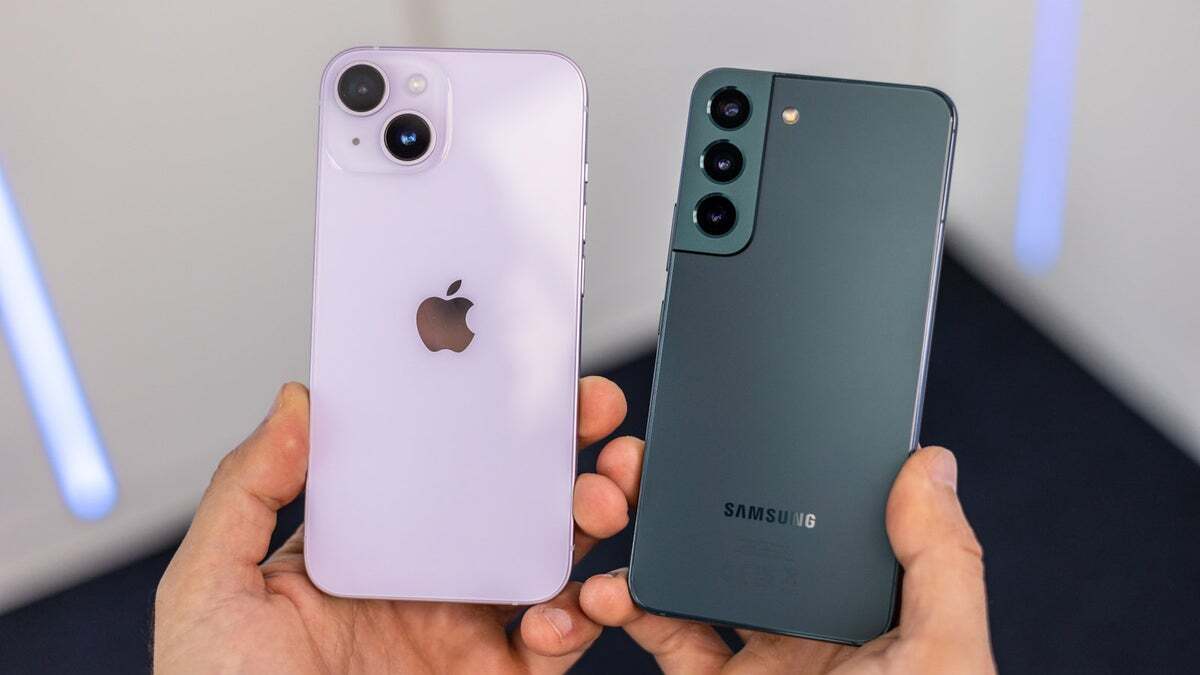
The Apple-Samsung duopoly hinders technological progress. | Image by PhoneArena
The answer to this question is not simple. For starters, the US smartphone market is very, very different from the Chinese one. In the US, Apple dominates with a 60% market share, followed by Samsung with around 22%.
This duopoly leads to stagnation when it comes to new features. Samsung has been using a 5,000 mAh battery for its top Galaxy Ultra model for ages, ever since the first model came out back in 2020.
There is no incentive to upgrade the battery in your phones when your biggest rival hasn't touched theirs for six straight years. The same applies to charging. For the longest time, iPhones were stuck at 20W to 27W wired charging, which I cannot even call "fast."
That is why, when Apple announced the 45W upgrade for the iPhone 17 Pro series, everyone lost their minds.
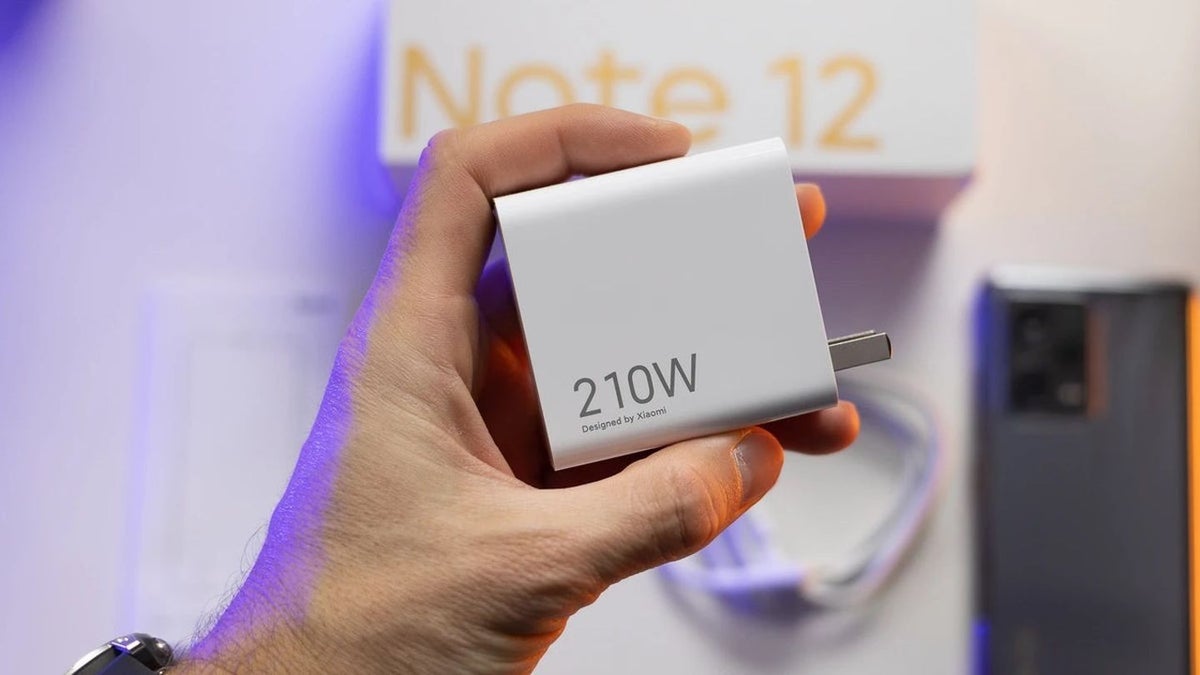
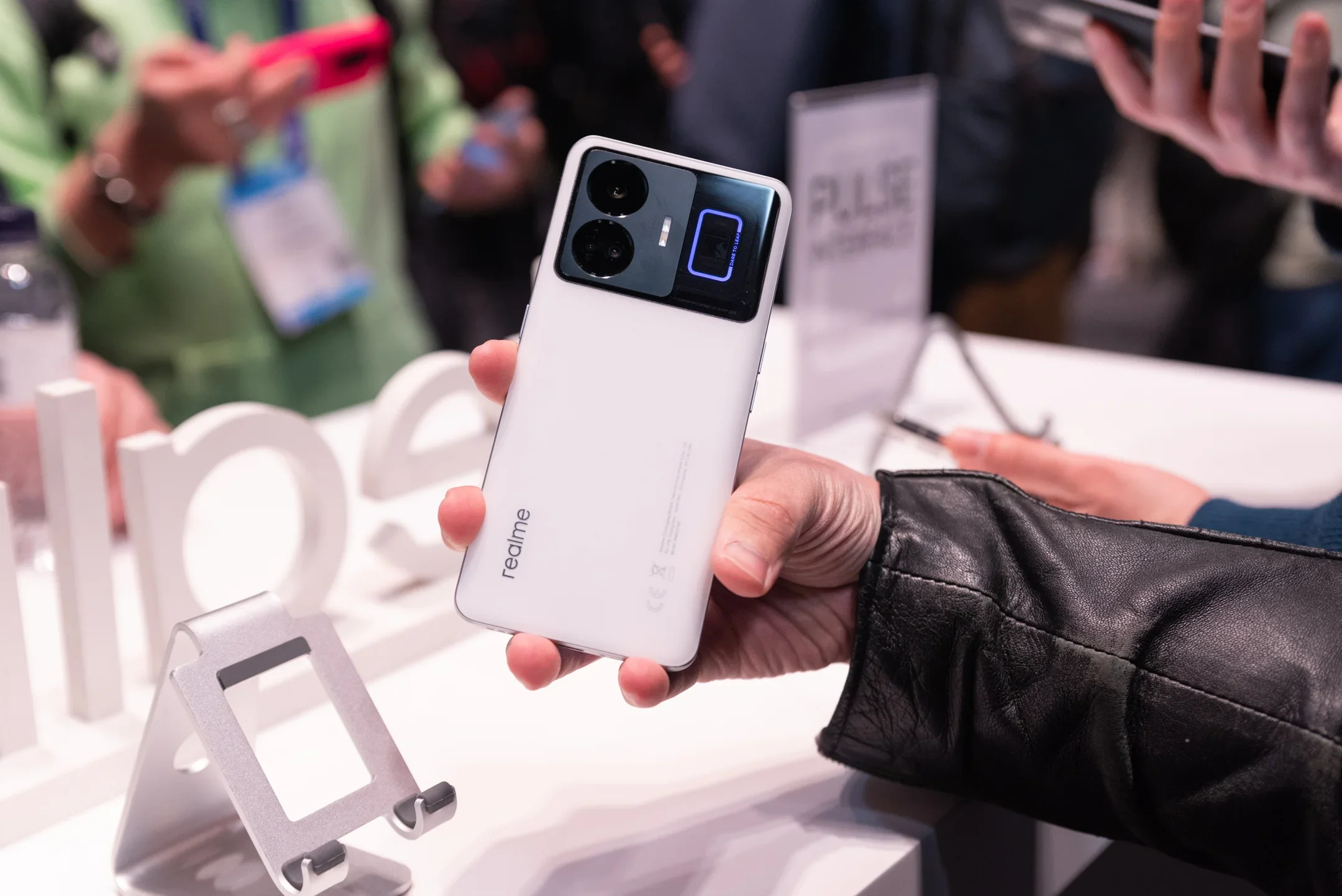
The Realme GT3 supports 240W wired charging and charges in less than 10 minutes. | Image by PhoneArena
Meanwhile, the Chinese market is oversaturated with brands and models, and they are all fighting tooth and nail for market share. The competition is so fierce that new tech arises every year — and in some cases, even more often.
Every brand in China has its own proprietary fast-charging standard, while in the US and Europe as well, companies strive to follow universal charging standards.
Chinese brands are constantly pushing the limits when it comes to batteries, charging, new camera sensors, and exotic features like under-display cameras and edge-to-edge screens.
However, the problem is twofold. Smartphone users in the States have different expectations and different habits.
Americans are okay with slower charging speeds (for now)
Most Americans charge their phones overnight. | Image by Trusted Reviews
According to a consumer survey by The NPD Group, 64% of all Americans charge their phones overnight, and in 93% of cases, this happens at home.
You don't need your phone while you are asleep, and whether it charges in 30 minutes or in 3 hours doesn't really matter.
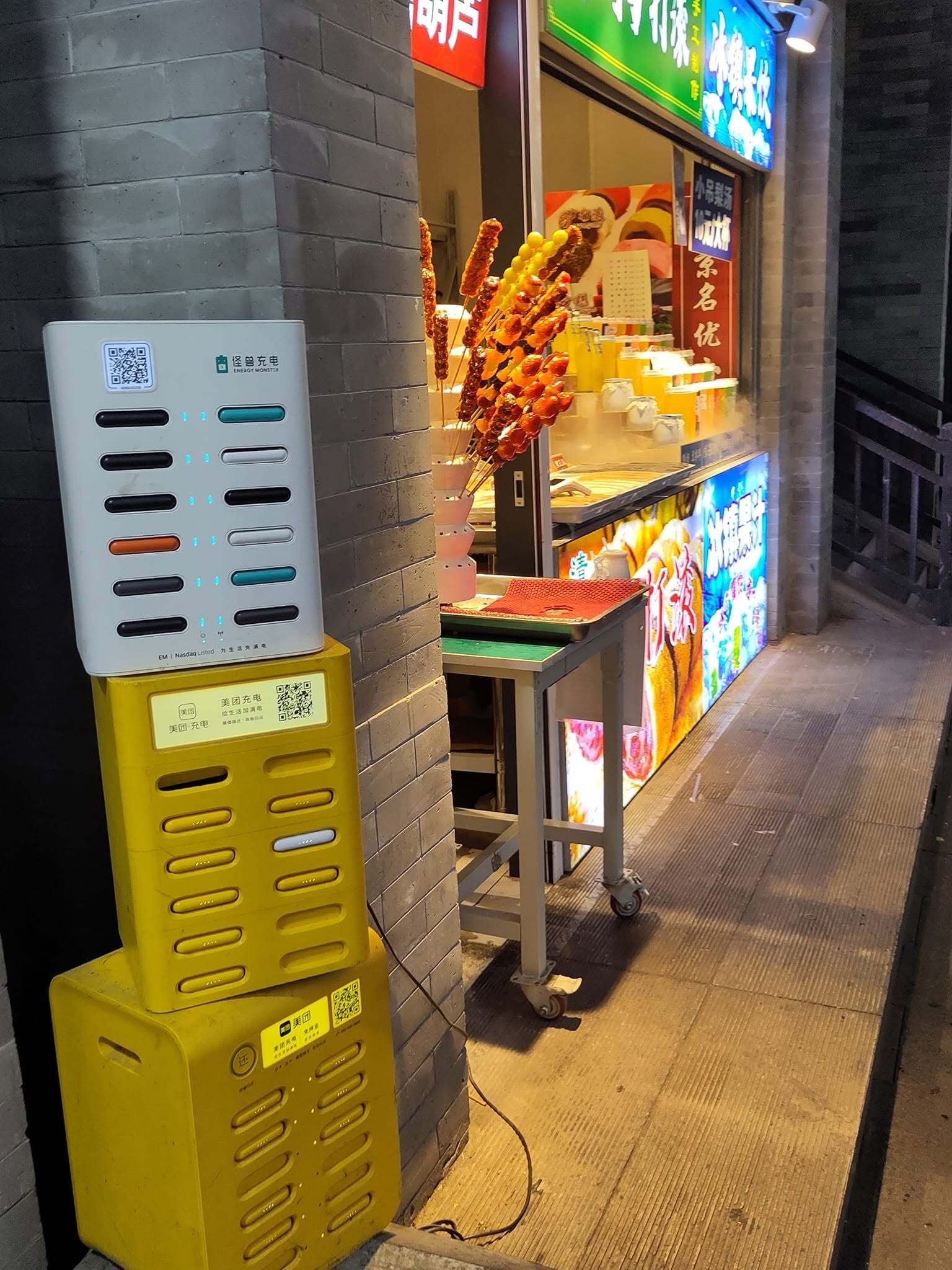
A mobile charging station on the streets of Beijing. | Image by Reddit
It is a matter of habit, tied to cultural and economic differences. During my visit to China back in 2023, I was completely overwhelmed by how fast-paced life was there. US cities such as New York and Los Angeles don't even come close.
In China, people often need to top up their phones on the go, several times a day. There are public fast-charging stations in subways, libraries, cafes, most buses, and even at random points throughout cities. Fast charging is embedded in the Chinese smartphone experience.
Will Apple and Samsung ever catch up?
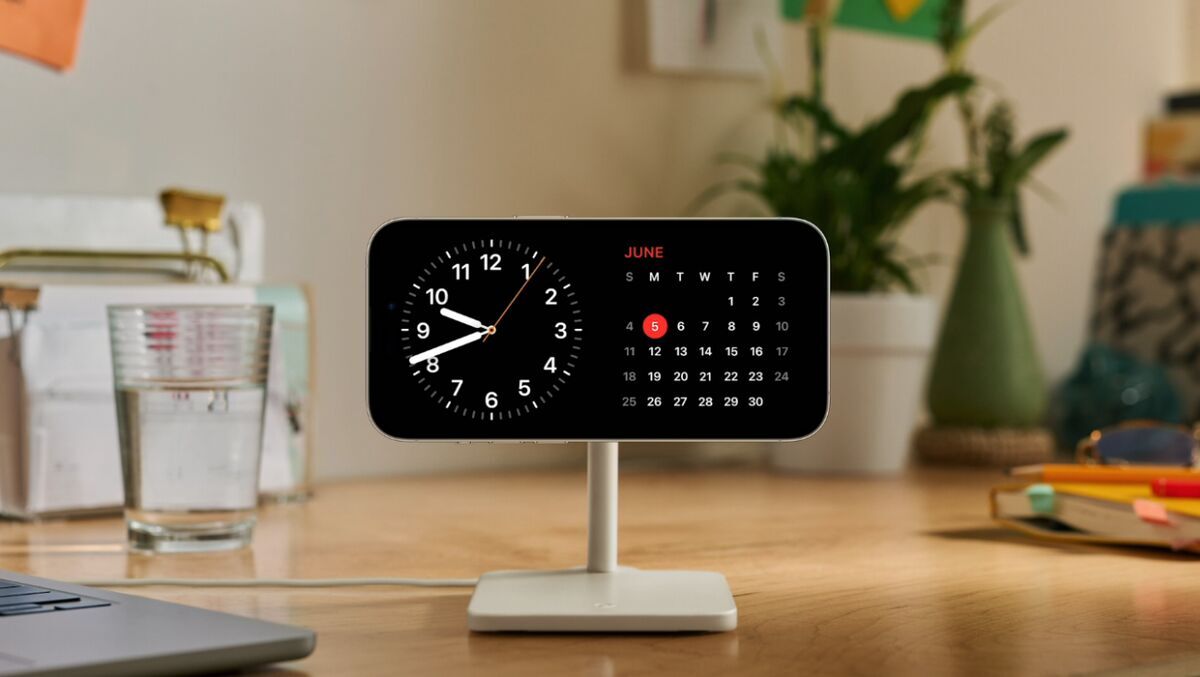
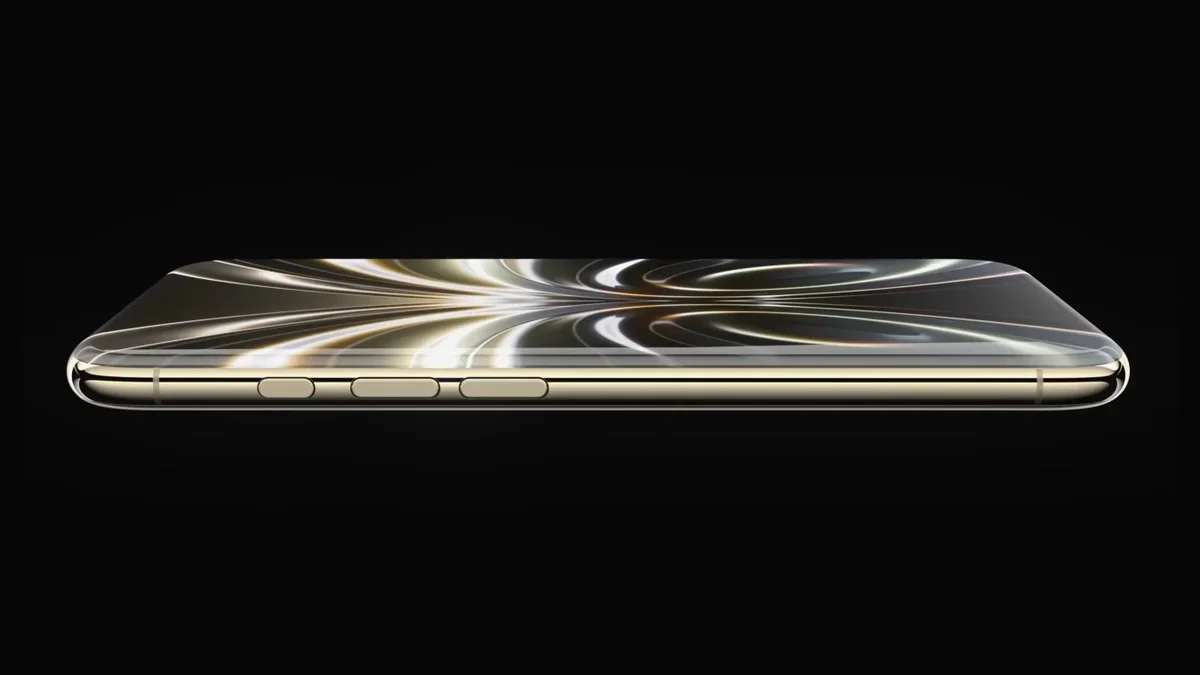
The iPhone 20 may come with significantly faster charging. | Image by fpt
They will, eventually. There's a physical limit to how fast a smartphone can charge, and Chinese brands are very close to that limit.
Pumping in more power at this point starts to give diminishing returns. Most Chinese brands have now settled on 100W to 120W charging speeds as the most efficient and safe. I think Apple and Samsung will catch up, but it will take a couple more years.
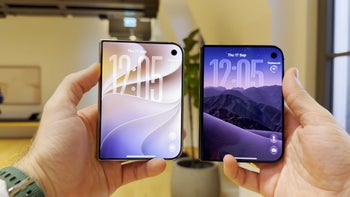
Samsung dipped its toes into silicon-carbon battery tech with the Galaxy Z Fold 8 series, and rumor has it that Apple will follow suit with the iPhone 20.
The larger capacities of these silicon-carbon cells require more powerful charging to keep charging times down. By 2030, this huge discrepancy in charging speeds between iPhones and Chinese brands could be gone.
Mint Mobile's 6-month plans now cost $10/mo
$10
/mo
$35
$25 off (71%)
Mint Mobile is celebrating its 10-year anniversary with a special offer on its six-month subscription plans. For a limited time, you can get your preferred tier (6GB, 17GB, 23GB or unlimited) for just $10/mo. That saves you between 50% and 71% on the carrier's mobile plans, making it way easier to recommend.
Mariyan, a tech enthusiast with a background in Nuclear Physics and Journalism, brings a unique perspective to PhoneArena. His childhood curiosity for gadgets evolved into a professional passion for technology, leading him to the role of Editor-in-Chief at PCWorld Bulgaria before joining PhoneArena. Mariyan's interests range from mainstream Android and iPhone debates to fringe technologies like graphene batteries and nanotechnology. Off-duty, he enjoys playing his electric guitar, practicing Japanese, and revisiting his love for video games and Haruki Murakami's works.
A discussion is a place, where people can voice their opinion, no matter if it
is positive, neutral or negative. However, when posting, one must stay true to the topic, and not just share some
random thoughts, which are not directly related to the matter.
Things that are NOT allowed:
Off-topic talk - you must stick to the subject of discussion
Offensive, hate speech - if you want to say something, say it politely
Spam/Advertisements - these posts are deleted
Multiple accounts - one person can have only one account
Impersonations and offensive nicknames - these accounts get banned
To help keep our community safe and free from spam, we apply temporary limits to newly created accounts:
New accounts created within the last 24 hours may experience restrictions on how frequently they can
post or comment.
These limits are in place as a precaution and will automatically lift.
Moderation is done by humans. We try to be as objective as possible and moderate with zero bias. If you think a
post should be moderated - please, report it.
Have a question about the rules or why you have been moderated/limited/banned? Please,
contact us.






Things that are NOT allowed:
To help keep our community safe and free from spam, we apply temporary limits to newly created accounts: