Apple is taking steps to mitigate the impact of a tough first quarter in 2026 in its effort to navigate around the current memory market conditions. According to a recent report, the company has obtained sufficient NAND flash memory supplies, which will help maintain production until the end of the first quarter in 2026. The bad news is that DRAM prices are climbing fast, and Apple may not be able to avoid taking a hit on that front.
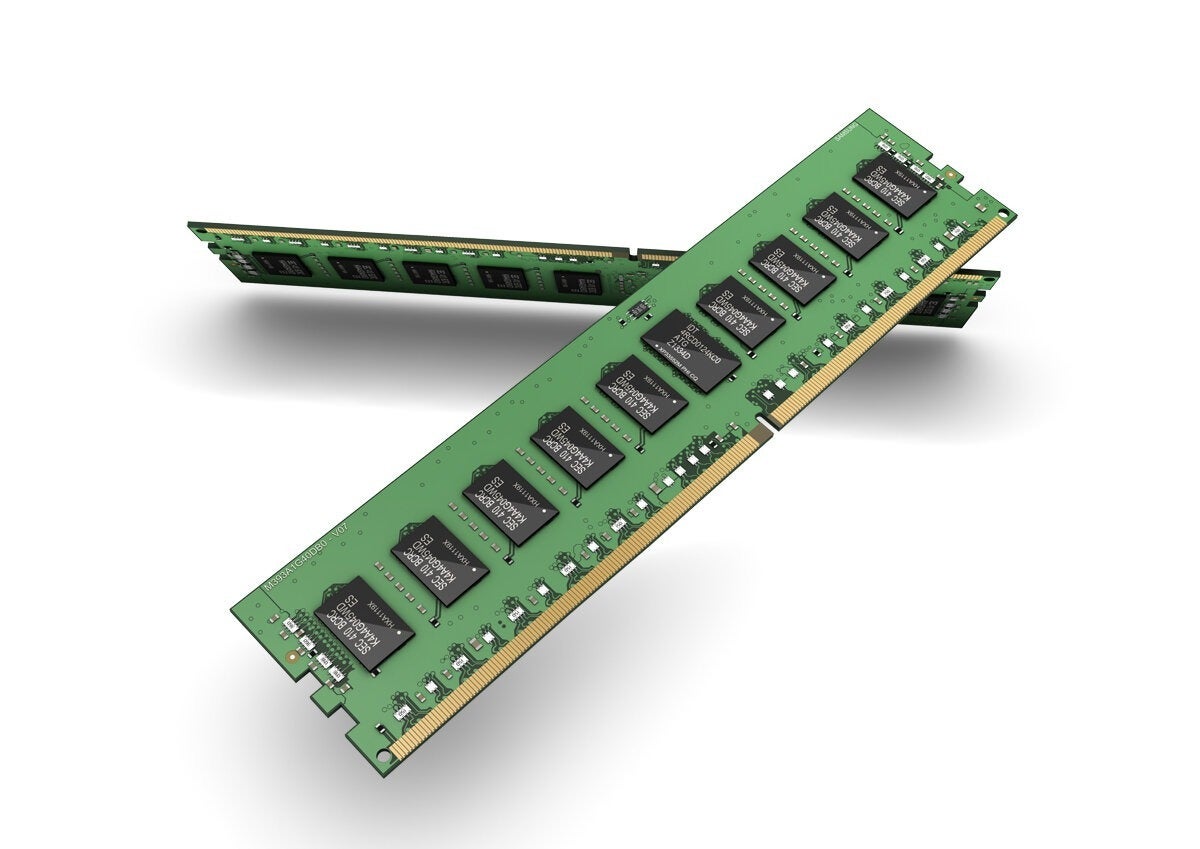
What NAND and DRAM actually do in your iPhone
NAND flash serves as long-term storage. It contains all your applications together with your photos and videos and operating system, which remains accessible after your phone shuts down. Higher NAND prices mainly affect how much storage a device can offer for a given cost.
DRAM is short-term working memory. It enables processors to execute multiple tasks at once. The cost of devices would rise rapidly when DRAM prices increase because it is one of the main parts that impact performance and responsiveness in a device.
NAND is covered, but DRAM is becoming a problem
Apple has reportedly secured a steady supply of NAND flash memory through early 2026. This means that Apple should be able to get as much NAND flash as it requires during this period. This deal covers all Apple products, including the iPhone, the Mac range, and all other devices. However, pricing is still expected to rise once long-term contracts are finalized, so, in other words, Apple has secured volume but not immunity from higher costs.
Recommended For You
Unfortunately, memory pricing is a far more difficult topic. It appears that Apple may encounter difficulties in sourcing the required DRAM at normal prices. According to industry experts, Apple might have to accept price rises of more than 50% just to secure sufficient supply.
Artificial intelligence is the central problem here. DRAM and high-bandwidth memory are being aggressively redirected toward AI accelerators and data centers, leaving less supply for consumer electronics. A forecast by the market research firm Counterpoint suggests that DRAMs could rise by up to 40% during Q2.
Would higher iPhone prices delay your next upgrade?
7 Votes
Yes, I’d wait longer
57.14%
Only for Pro models
0%
No, I upgrade anyway
28.57%
I buy refurbished/2nd-hand anyway
14.29%
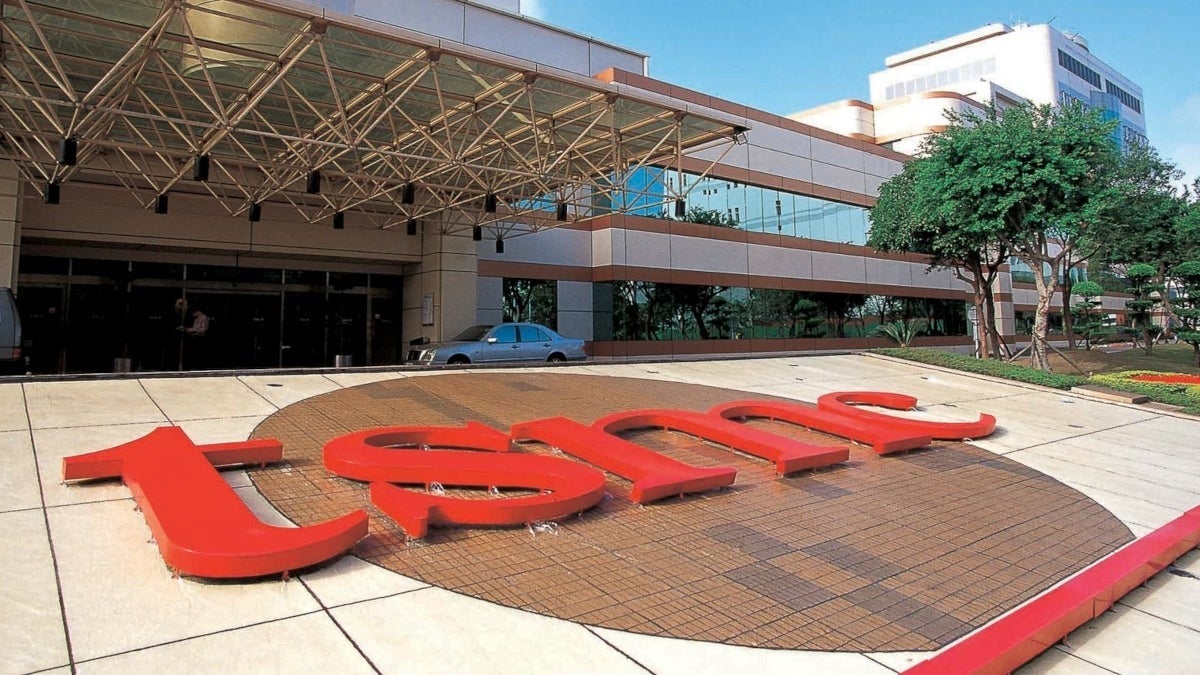
TSMC pricing stays relatively favorable
Image credit — TSMC
Apple faces a difficult situation, but it is in a better position than most of its competition. The company has allegedly managed to secure more favorable pricing from its primary chip partner, TSMC, compared to other customers, so it is expected to see only a small increase in the price it pays for advanced chip manufacturing. The rise is likely to be in the low single digits, meaning just a few percent.
The projected cost of Apple's upcoming A20 chip for the iPhone 18 series will be 30% higher than what Apple paid for the A19 chips. The A20 is expected to be built on TSMC’s 2nm process, which comes with higher complexity and cost.
Tough choices may be ahead
The ripple effects of the memory squeeze are already visible elsewhere. Nvidia has begun manufacturing its older graphics card, the GeForce RTX 3060, because it's redirecting modern memory to be used for AI servers instead of consumer products. So, in other words, the company has to fall back to older designs that use parts it can still get easily.
Apple faces an obvious difficulty in its current situation. It can reduce some negative impacts by using its large network and extended relationships, but it will never completely solve the worldwide memory problem. Apple faces an unpleasant decision forced by the high memory costs: lowering its profit margins or increasing the prices of its products.
As for what all of this means for us, the consumers, it means that we can expect more expensive devices this year, especially when it comes to flagships like the iPhone 18 and iPhone 18 Pro.
Trade in your old phone for cash at ecoATM!
Recycle your used phone and get instant cash. Find out how at ecoATM!
Aleksandar is a tech enthusiast with a broad range of interests, from smartphones to space exploration. His curiosity extends to hands-on DIY experiments with his gadgets, and he enjoys switching between different brands to experience the latest innovations. Prior to joining PhoneArena, Aleksandar worked on the Google Art Project, digitizing valuable artworks and gaining diverse perspectives on technology. When he's not immersed in tech, Aleksandar is an outdoorsman who enjoys mountain hikes, wildlife photography, and nature conservation. His interests also extend to martial arts, running, and snowboarding, reflecting his dynamic approach to life and technology.
COMMENTS (0)
COMMENTS (0)
All comments need to comply with our
Community Guidelines
PhoneArena Community Rules
A discussion is a place, where people can voice their opinion, no matter if it
is positive, neutral or negative. However, when posting, one must stay true to the topic, and not just share some
random thoughts, which are not directly related to the matter.
Things that are NOT allowed:
Off-topic talk - you must stick to the subject of discussion
Offensive, hate speech - if you want to say something, say it politely
Spam/Advertisements - these posts are deleted
Multiple accounts - one person can have only one account
Impersonations and offensive nicknames - these accounts get banned
To help keep our community safe and free from spam, we apply temporary limits to newly created accounts:
New accounts created within the last 24 hours may experience restrictions on how frequently they can
post or comment.
These limits are in place as a precaution and will automatically lift.
Moderation is done by humans. We try to be as objective as possible and moderate with zero bias. If you think a
post should be moderated - please, report it.
Have a question about the rules or why you have been moderated/limited/banned? Please,
contact us.
















Things that are NOT allowed:
To help keep our community safe and free from spam, we apply temporary limits to newly created accounts: