Apple is talking to Samsung and Intel about supplying it with a very important iPhone component
Apple can't afford having something bad happen to this member of its supply chain.
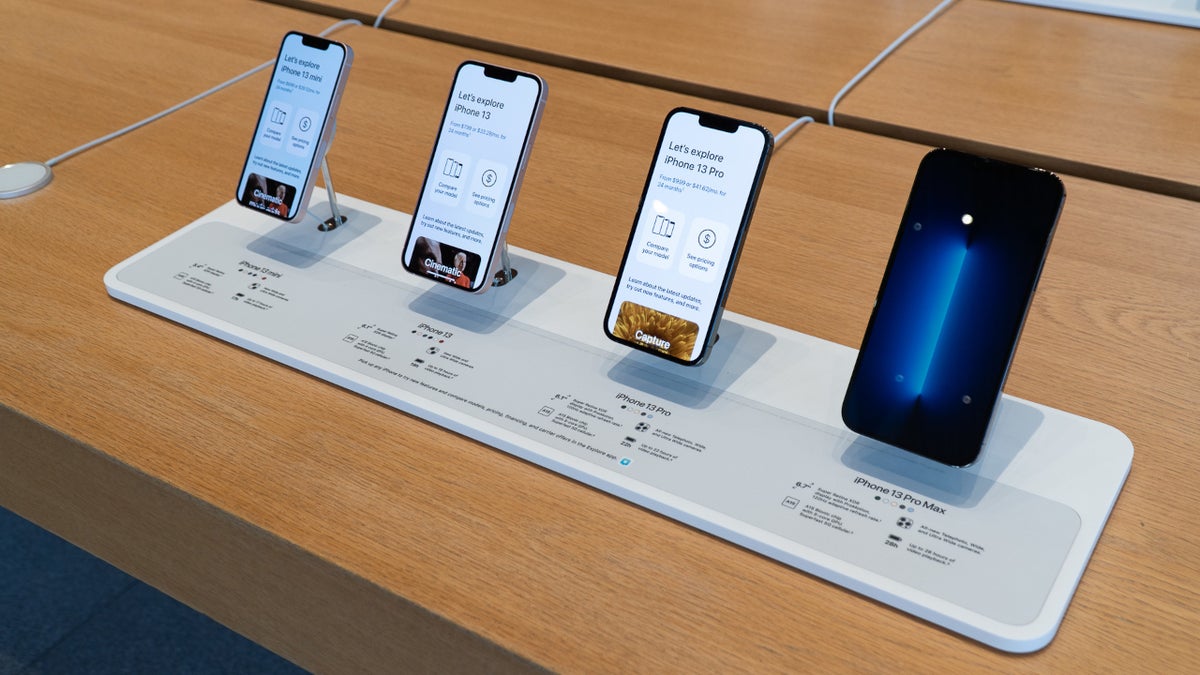
Apple seeks back up suppliers for key iPhone component. | Image by PhoneArena
Earlier this year, The New York Times reported that in 2023, the CIA held a classified meeting with tech executives in a secure Silicon Valley location. The meeting was held to go over a scenario that called for China to invade Taiwan by 2027.
Apple relies on TSMC to manufacture all of the main A-series iPhone processors
Since Apple sources 100% of its A-series and M-series processors from TSMC, an invasion of Taiwan by China has long been a fear of Apple CEO Tim Cook. The warning from the CIA was so frightening that Cook said that he slept "with one eye open."
TSMC does have a fab operational in Arizona that produces chips using the 4nm (N4) process node. However, it is two generations behind the 2nm node that TSMC is using in Taiwan to produce the A20 Pro application processor that will be used to power the iPhone 18 Pro and Pro Max.
TSMC's Arizona fabs are 2-3 years behind the Taiwan fabs when it comes to making cutting-edge SoCs
The second TSMC fab in Arizona will manufacture chips using the 3nm process node by late 2027. However, by that time, TSMC will be using its new A16 process node in Taiwan, keeping the chips produced in the U.S. well behind the ones made in Taiwan when it comes to capabilities. TSMC will eventually make A16 chips in Arizona, but that is not expected until 2029.
Who would you like to see get the role as back up foundry for Apple?
36 Votes
Samsung.
30.56%
Intel.
30.56%
Samsung and Intel.
22.22%
Another foundry.
2.78%
No other foundry.
13.89%
Obviously, a Chinese invasion of Taiwan would be a major problem for tech companies, not just Apple. Other firms that rely on TSMC include Nvidia, MediaTek, Qualcomm, and more. Bloomberg said on Monday that Apple, looking for a backup foundry in case Taiwan is attacked, has talked with Intel and Samsung.
Apple would become a customer of Intel's contract foundry service known as Intel Foundry. Samsung hosted Apple executives at the site of a foundry the Korean firm is building in Texas to produce advanced chips.
For one particular processor, Apple had production split between Samsung and TSMC
According to people familiar with the matter, but asked to remain anonymous because the talks are private, neither Intel nor Samsung has received any orders from Apple yet. The people added that Apple is concerned with using non-TSMC technology to build its chips and might decide not to deal with either company.
Apple designs the main processors used on its devices and since it does not own any fabs of its own, it turns to TSMC to build the component from Apple's designs. Samsung Foundry built the processor used on the OG iPhone through the iPhone 5s.
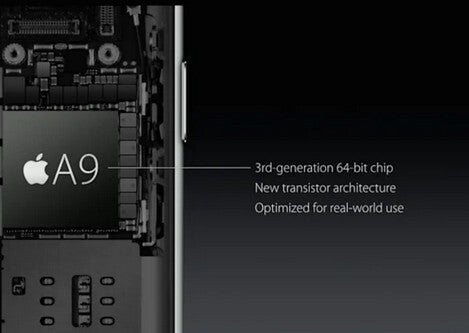
For the A9 chipset, Apple had both Samsung and TSMC make the SoC used on the iPhone 6s and 6s Plus. | Image by Yahoo
For the iPhone 6s and iPhone 6s Plus, Apple had both Samsung and TSMC split production of the A9. From the A10 onward, Apple stuck with TSMC to produce the iPhone's A-series chipset.
Besides concern over a potential invasion of Taiwan, Apple is also concerned that it might face a shortage of iPhone and Mac chips. TSMC's resources are being stretched thin by the incredible demand for GPUs and AI accelerators for use in AI data centers. Apple CEO Tim Cook said at last week's fiscal second quarter earnings call that "We have less flexibility in the supply chain than we normally would."
TSMC allows Apple to shift all the production risk from the tech giant to the foundry
Samsung Foundry has had issues with yield and that is something that a high-volume customer like Apple can't afford to deal with. The yield is the percentage of chips sliced from the silicon wafer that pass quality control.
Most of TSMC's customers have to pay the full price for each silicon wafer regardless of the number of usable dies that are sliced from the wafer. TSMC charges $30,000 for each silicon wafer used as the foundation for its 2nm chip production and the chip designers take the risk that enough good dies are available from each die.
TSMC reportedly gives Apple a break by using something called "Good Die Only" that shifts the risk for low yields to TSMC from Apple. Unlike other designers that have to pay for the wafer no matter how many dies are unusable, Apple pays TSMC only for the number of usable dies that pass quality control. This shifts the risk of chip production to the foundry from Apple.


Popular stories




Latest News



Things that are NOT allowed:
To help keep our community safe and free from spam, we apply temporary limits to newly created accounts: