iPhone Duo Review: Apple unfolds a new future, but I'm not fully sold


We may earn a commission if you make a purchase from the links on this page.
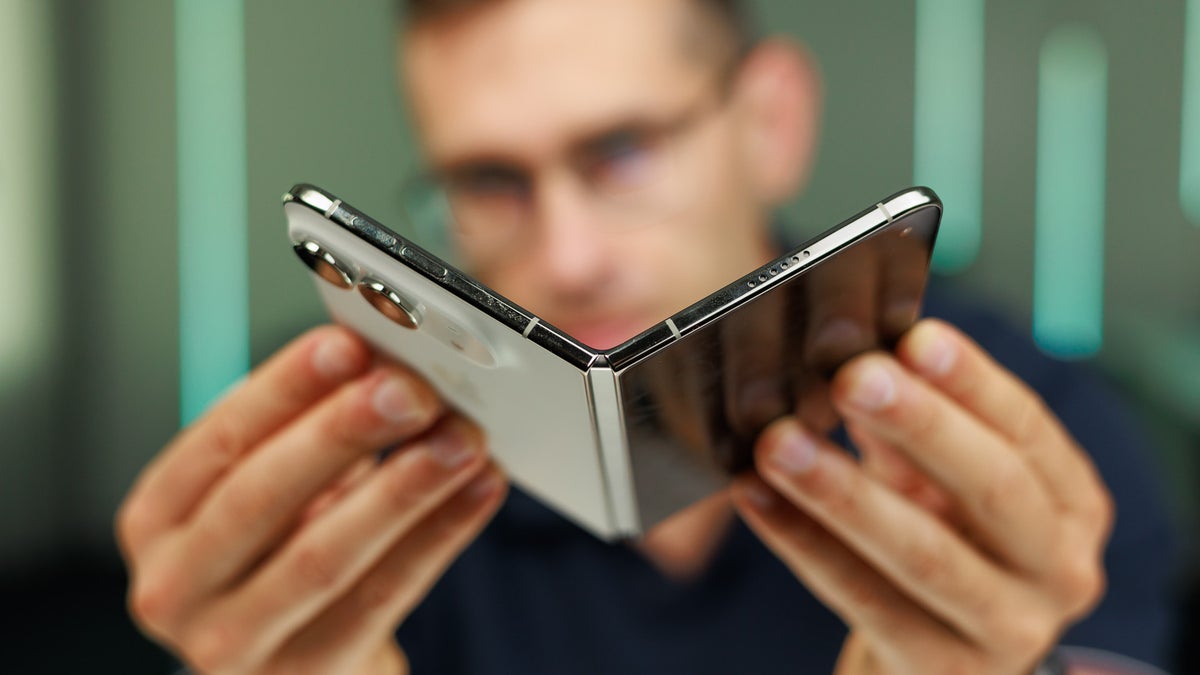
The iPhone Duo is a fun foldable phone, but it's been a shaky launch | Image by PhoneArena
Summary: should you buy the iPhone Duo
First-gen products are risky, and the iPhone Duo is a perfect example.
Apple has been working on its first foldable phone for years, so when the iPhone Duo arrived, nearly eight years after the first Samsung Galaxy Fold, expectations were sky-high. Just before the launch, in an interview with TIME, new CEO John Ternus explained why Apple took its time with foldables by saying this: "The other examples in the world felt kind of cheap and crappy."
But within just a couple of days after the launch, a nasty issue surfaced: some iPhone Duo phones suffered from broken inner screens after merely hours of just regular use. Apple addressed this by saying this affects only a small number of iPhones, but it's understandable that buyers' early enthusiasm faded after the incident.
For this review, I've used the iPhone Duo for a bit over a week, and I have not had any issues with the display, or anything else for that matter.
What I do have are many thoughts and observations about this new wider foldable form factor and about what makes the iPhone Duo special. I think that this is a really exciting phone for tech enthusiasts. I also don't think the average user should jump on the foldable bandwagon just yet.
Before we dive in, here is a reminder: the iPhone Duo is pricey, starting from $2,000 for the base 256GB version, but you probably want to get the 512GB model for $2,200. And supply is also extremely limited. If you order an iPhone Duo in early November 2026 (when I'm writing this), you will only get it in late January 2026, a delay of nearly three months.
Table of Contents:
iPhone Duo Specs
Let's start with an overview of the iPhone Duo specs:
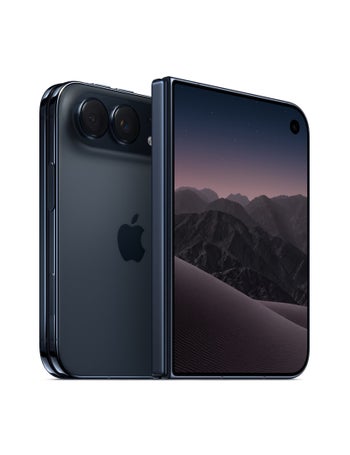
|
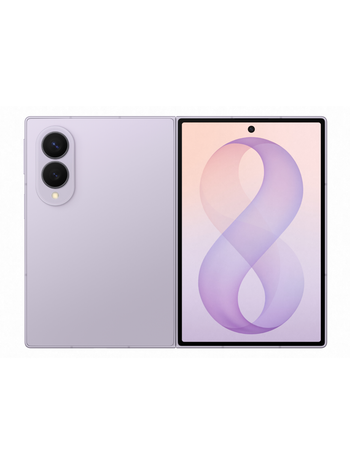
|
| Apple iPhone Duo | Samsung Galaxy Z Fold 8 |
| Dimensions | |
|---|---|
| 117.8 x 164.6 x 5.2 mm (~10.40 mm with camera bump) | 123.9 x 161.4 x 4.5 mm (~8.75 mm with camera bump) |
| Weight | |
| 254.0 g | 201.0 g |
| Size | |
|---|---|
| 7.6-inch | 7.6-inch |
| Type | |
| OLED, 120Hz | Dynamic AMOLED, 120Hz |
| System chip | |
|---|---|
| Apple A20 Pro (2 nm) | Snapdragon 8 Elite Gen 5 for Galaxy SM8850-1-AD (3 nm) |
| Memory | |
| 12GB (LPDDR5X)/256GB (UFS 4.1) 12GB/512GB 12GB/1TB 12GB/2TB |
12GB (LPDDR5X)/256GB (UFS 4.0) 12GB/512GB 16GB/1TB |
| Type | |
|---|---|
| 4883 mAh | 4800 mAh |
| Charge speed | |
| Wired: 60.0W Wireless: 25.0W |
Wired: 45.0W Wireless: 20.0W |
| Main camera | |
|---|---|
| 48 MP (OIS, PDAF) Sensor name: Sony IMX905 Aperture size: F1.6 Focal length: 24 mm Sensor size: 1/1.28" Pixel size: 1.22 μm |
50 MP (OIS, PDAF) Sensor name: Samsung ISOCELL GN3 Aperture size: F1.8 Focal length: 24 mm Sensor size: 1/1.56" Pixel size: 1.0 μm |
| Second camera | |
| 48 MP (Ultra-wide) Sensor name: Sony IMX972 Aperture size: F2.2 Focal Length: 13 mm Sensor size: 1/2.55" Pixel size: 0.7 μm | 50 MP (Ultra-wide) Sensor name: Samsung ISOCELL JN3 Aperture size: F1.9 Focal Length: 13 mm Sensor size: 1/2.5" Pixel size: 0.7 μm |
| Front | |
| 12 MP (Under-screen) | 10 MP (HDR) |
See the full
Apple iPhone Duo vs Samsung Galaxy Z Fold 8 specs comparison
or compare them to other phones using our
Phone Comparison tool
iPhone Duo Software
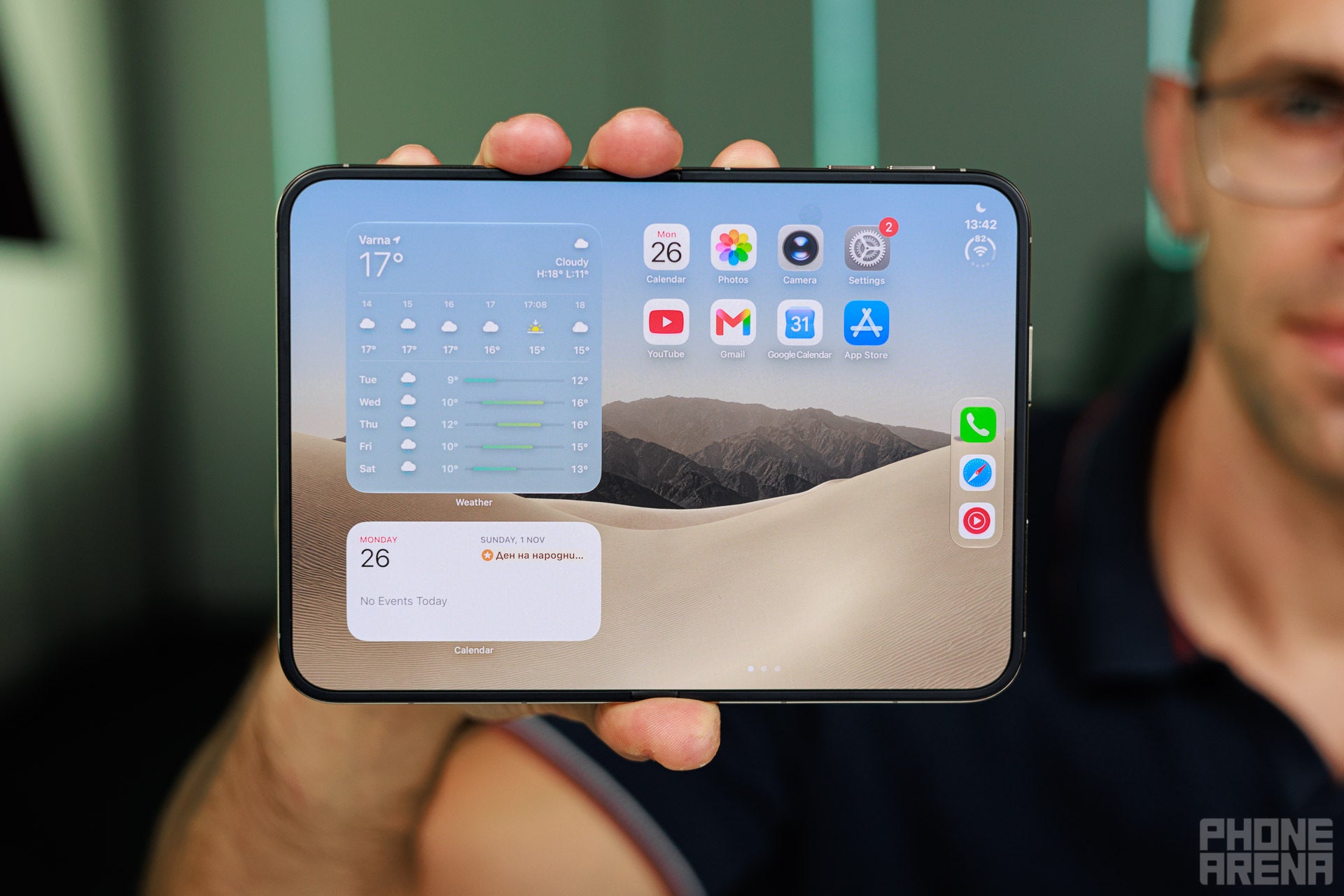
Image by PhoneArena
I want to change our typical review format and start with the software here because I think that is the most important area of the iPhone Duo experience, and the most unusual one compared to Android foldables. Apple has its own way of doing software where it insists on a certain way users should use their products, and the iPhone Duo is a perfect illustration of that.
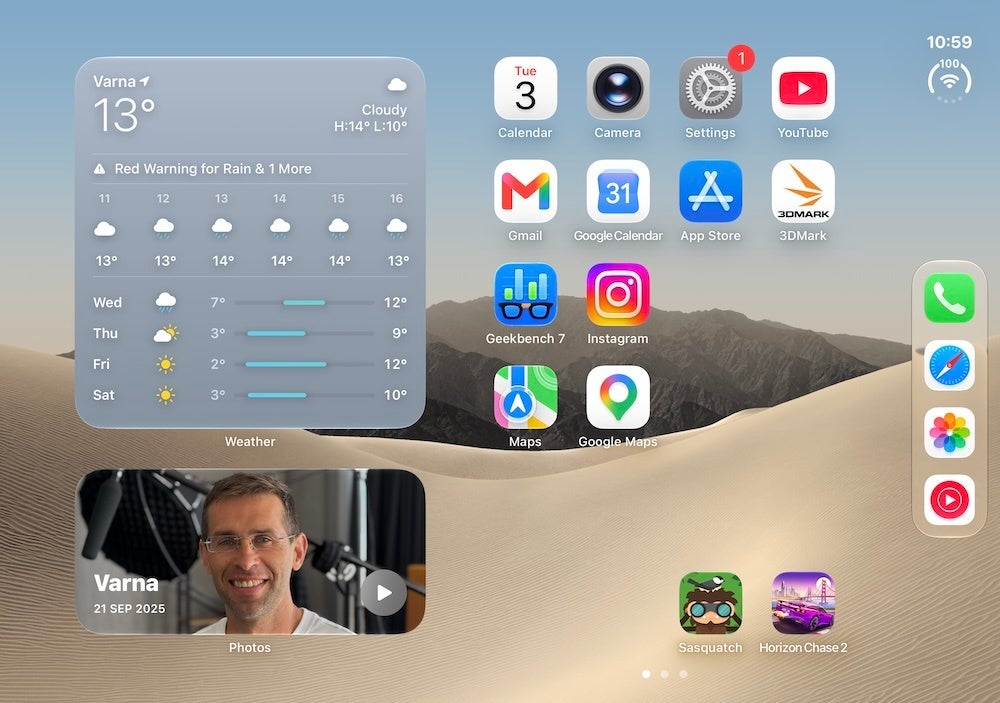
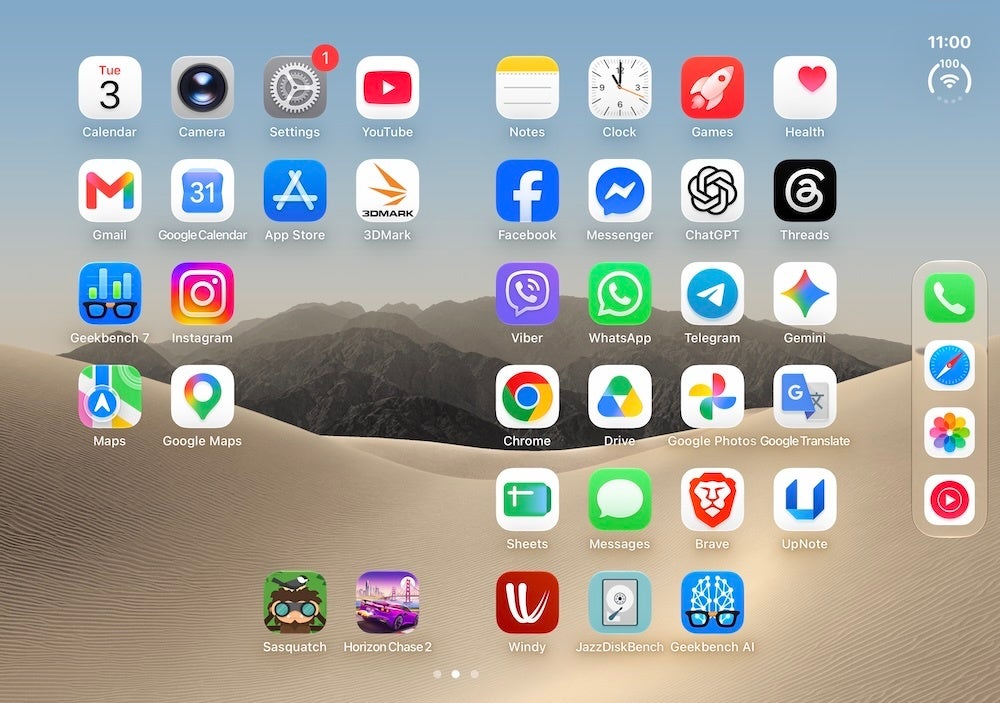
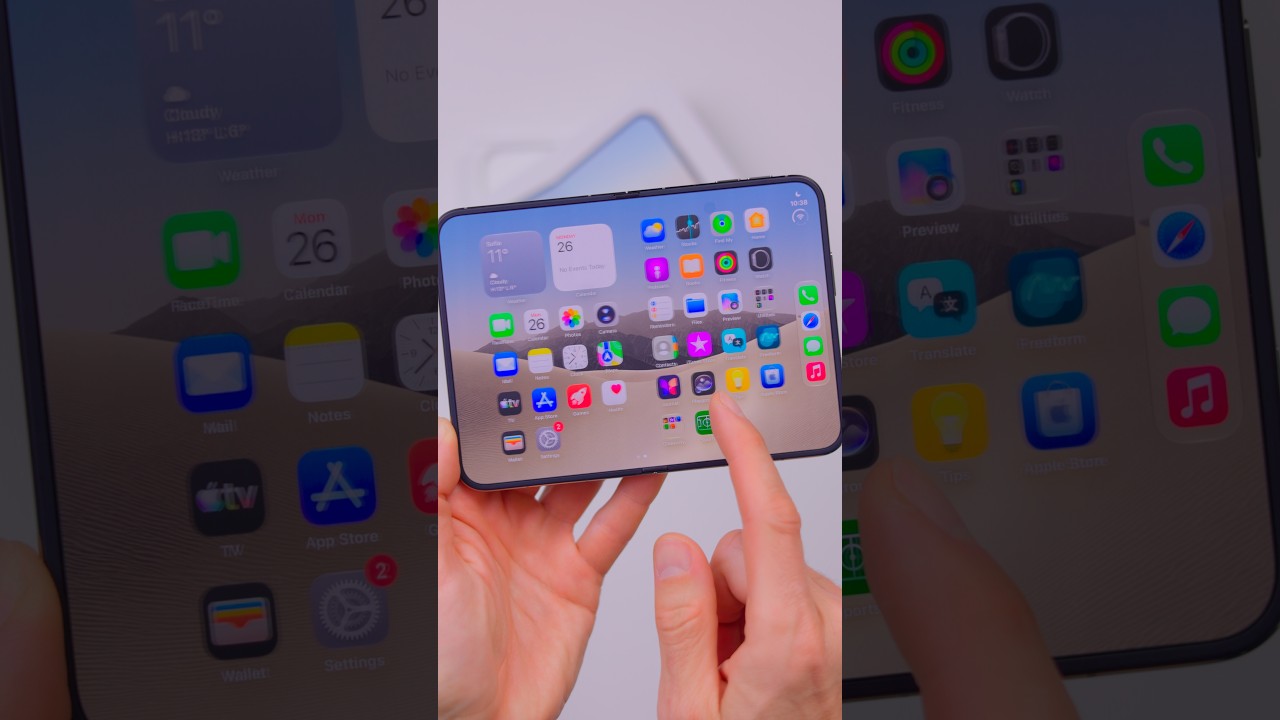
The default home includes the Today View and you have to swipe left to get to the next screen of apps | Images by PhoneArena
It starts with the home screen, which defaults to one panel being your widget center (Today View) and the other being your traditional home screen. I find that a strange and inconvenient decision, as I would expect a swipe up to bring me back to a home screen consisting of two panels of apps.
Speaking of the Today View panel and widgets in general, you now have support for an extra-large widget size that takes up one half of your screen. This is very useful for a quick glance at your calendar, for example.
I also have to say that the iPhone Duo gesture navigation feels very smooth and refined. I love that you can just drag an app from the dock straight to the left or right side to open split screen multitasking.
However, the split-screen functionality is limited in some weird ways.
The most striking limitation is that you can only have apps in a 50/50 split. I bet that has something to do with Apple optimizing for this particular size, but it feels like an odd limitation. For example, on Android foldable phones I am so used to having apps in a 90/10 split, where you just tap on the smaller app to switch to a 10/90 split, and you can do this back and forth.
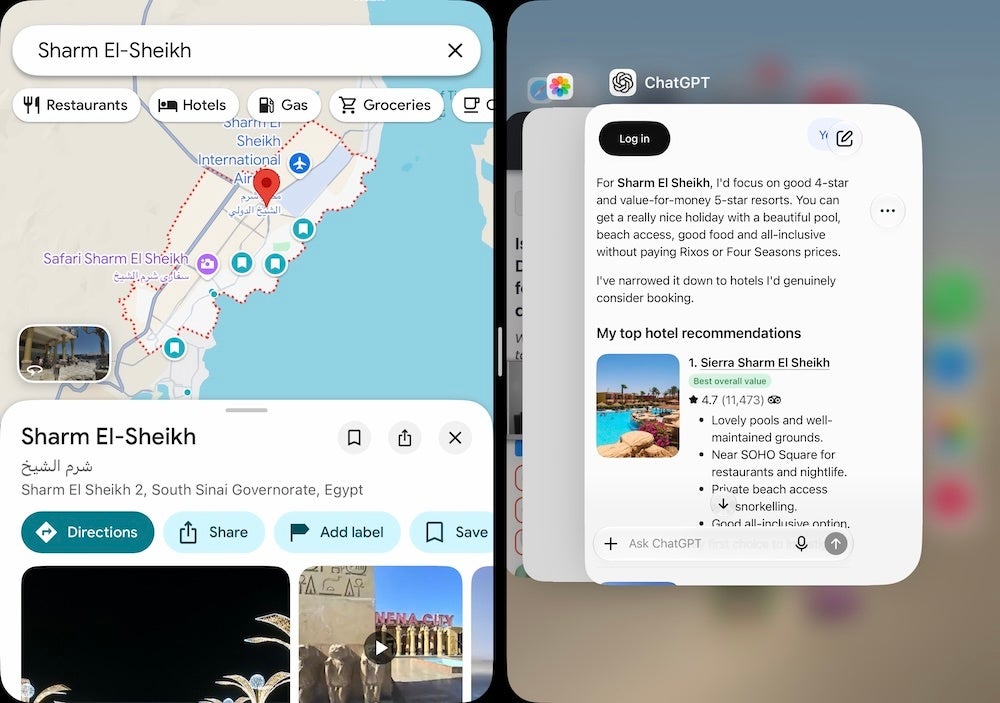
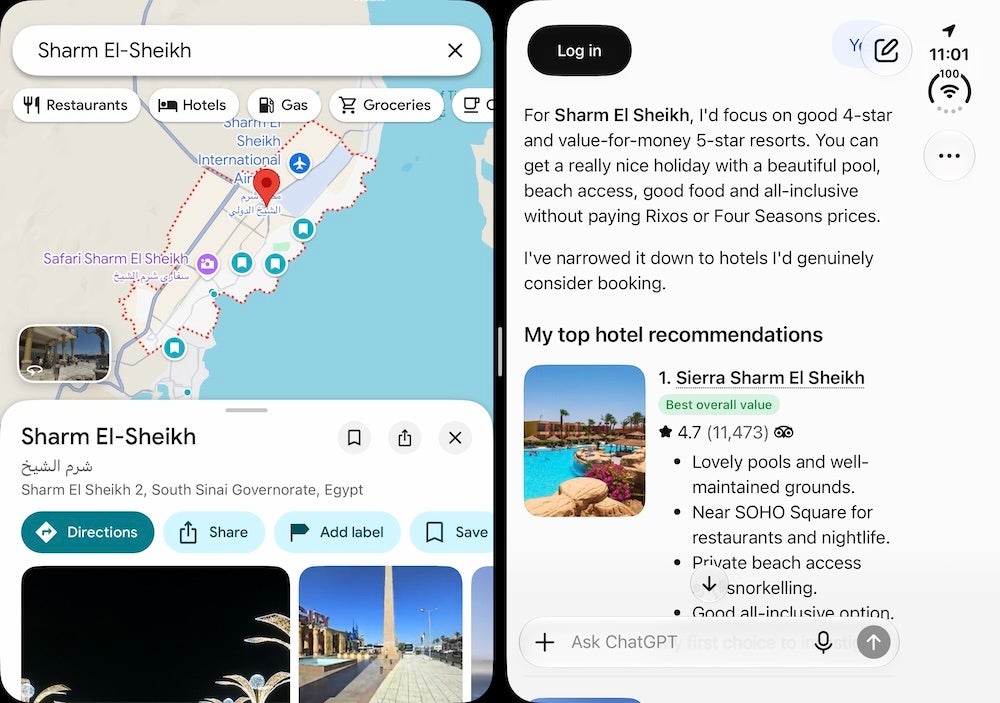
Split screen multitasking only works in landscape mode | Images by PhoneArena
Furthermore, split-screen multitasking on the iPhone Duo is only available if you use the phone in landscape orientation, but if you switch to portrait mode, the phone only displays one app (the rightmost one). You switch back to landscape mode, and it returns to the split-screen view, so at least it remembers it, but it's strange limiting the functionality in this way.
Many Android foldable phones also support three apps' split-screen multitasking. I find that to be more of a niche use case, but still, some power users might miss not having such an option on the iPhone Duo.
Typing experience
So what about the typing experience?
Having a short and wide cover screen means you get a wider keyboard with bigger individual keys that are easier to hit, and you may type a bit faster here. However, since the screen is so short, the keyboard takes up a lot of the space of the app, and you only see a small portion of it.
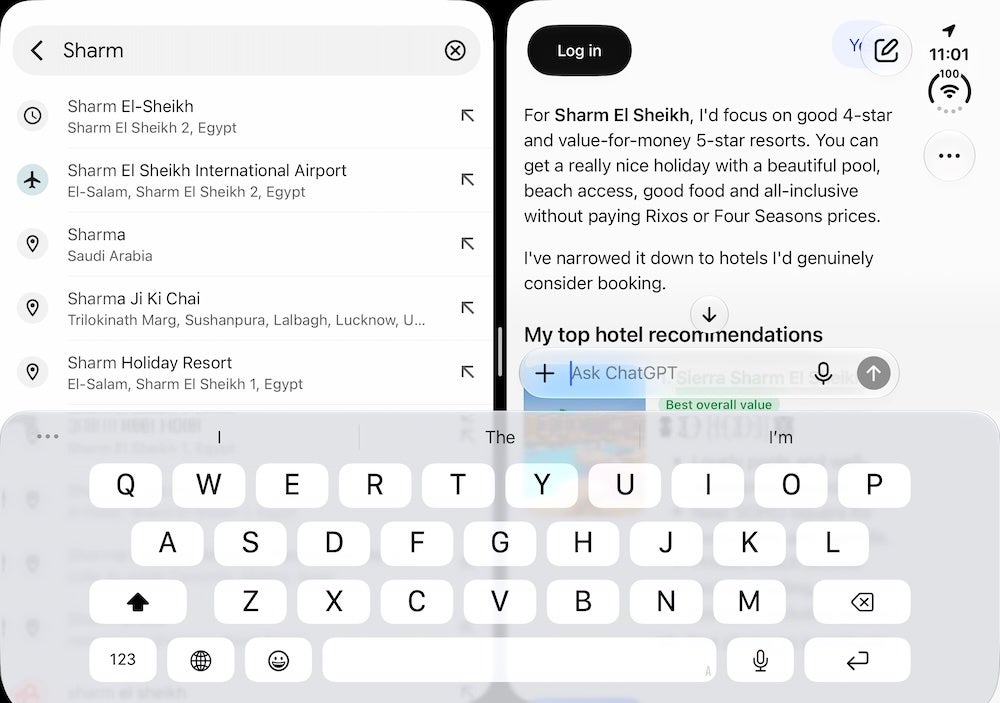
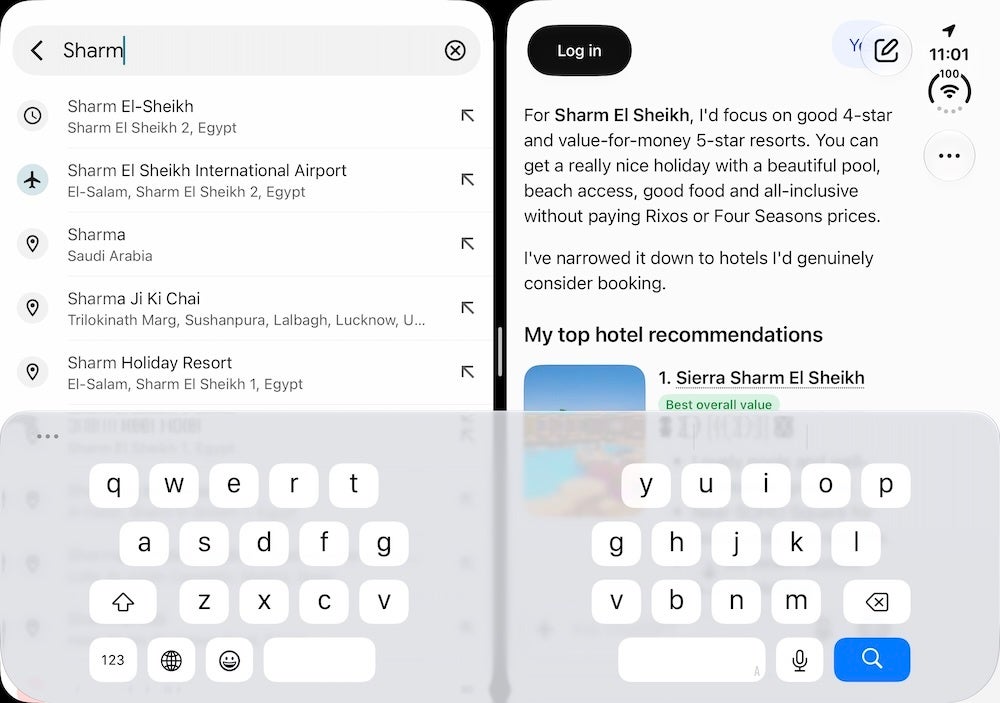
The split keyboard option is great to have in landscape mode | Images by PhoneArena
On the main screen, the iPhone Duo, the keyboard defaults to a full size, but in that mode reaching the keys in the middle is very difficult. Thankfully, you have the option to split the keyboard.
The app situation
Apps are where you really feel that the iPhone Duo is a first-gen device. Most Apple apps have been updated for the foldable form factor, but it seems that even Apple is not sure how it should display those apps.
On the cover screen, the dock, and app controls are moved to the right, instead of to the bottom. This makes it easier to reach those controls (for right-handed people), but it results in some weird layouts.
In some places, like the Weather app, Apple insists that the app does not extend into the controls on the right. Third-party apps that are not yet updated also default to that view, but instead of borrowing the color from the app, the dock on the right is just black, which looks strange and slightly broken. Then, in other apps like Apple Calendar, the app extends to full screen, and the controls go over it. This kind of inconsistency is strange. If you ask me, the Android way makes a lot more sense, where most apps can extend to the full size of the display.
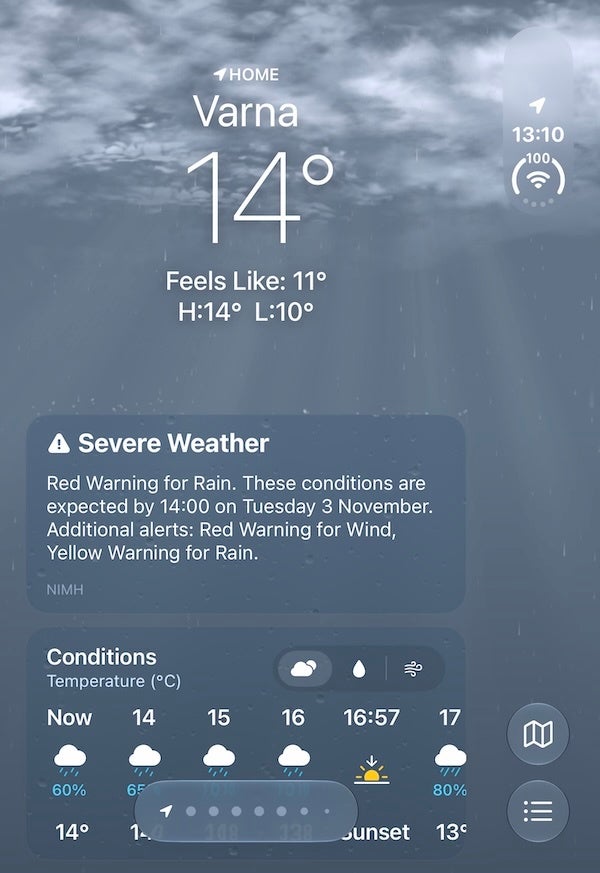
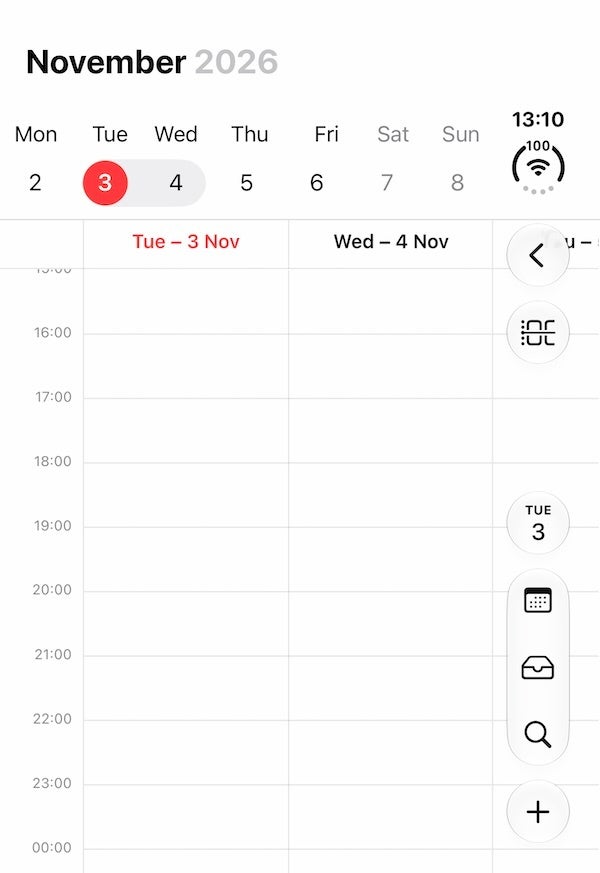
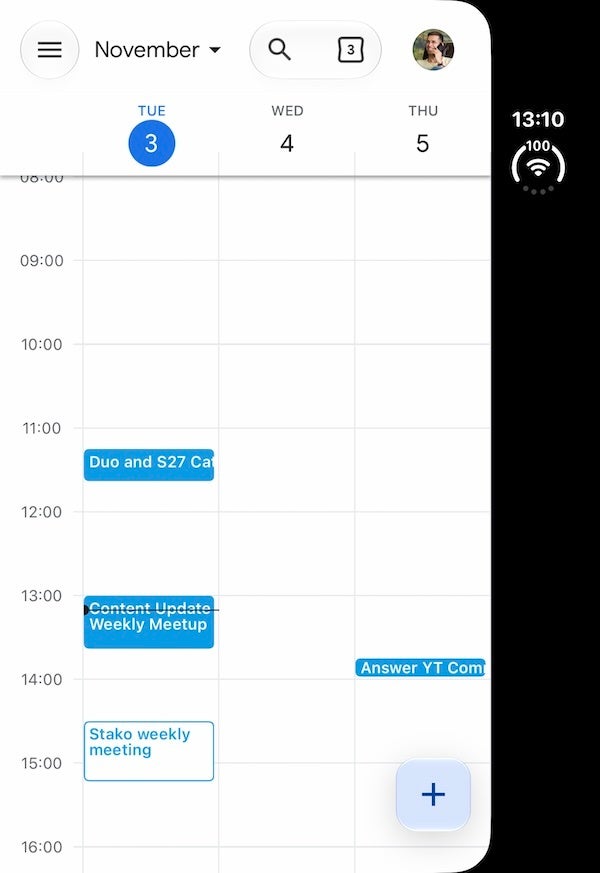
Different apps look very different on the iPhone Duo cover screen | Images by PhoneArena
I also noticed that a surprising amount of essential applications are not updated for the Apple foldable form factor. I use many Google apps, as do most of my friends, but those apps are not yet optimized for the iPhone Duo. This includes essential apps like Google Calendar (look at the screenshot above where the dock on the right is a contrasting black and the app technically works, but looks unfinished). I understand that it's not up to Apple to force Google to update its apps, but paying $2,000 for a phone and not being able to use the most common apps properly is a huge turn-off.
StandBy mode
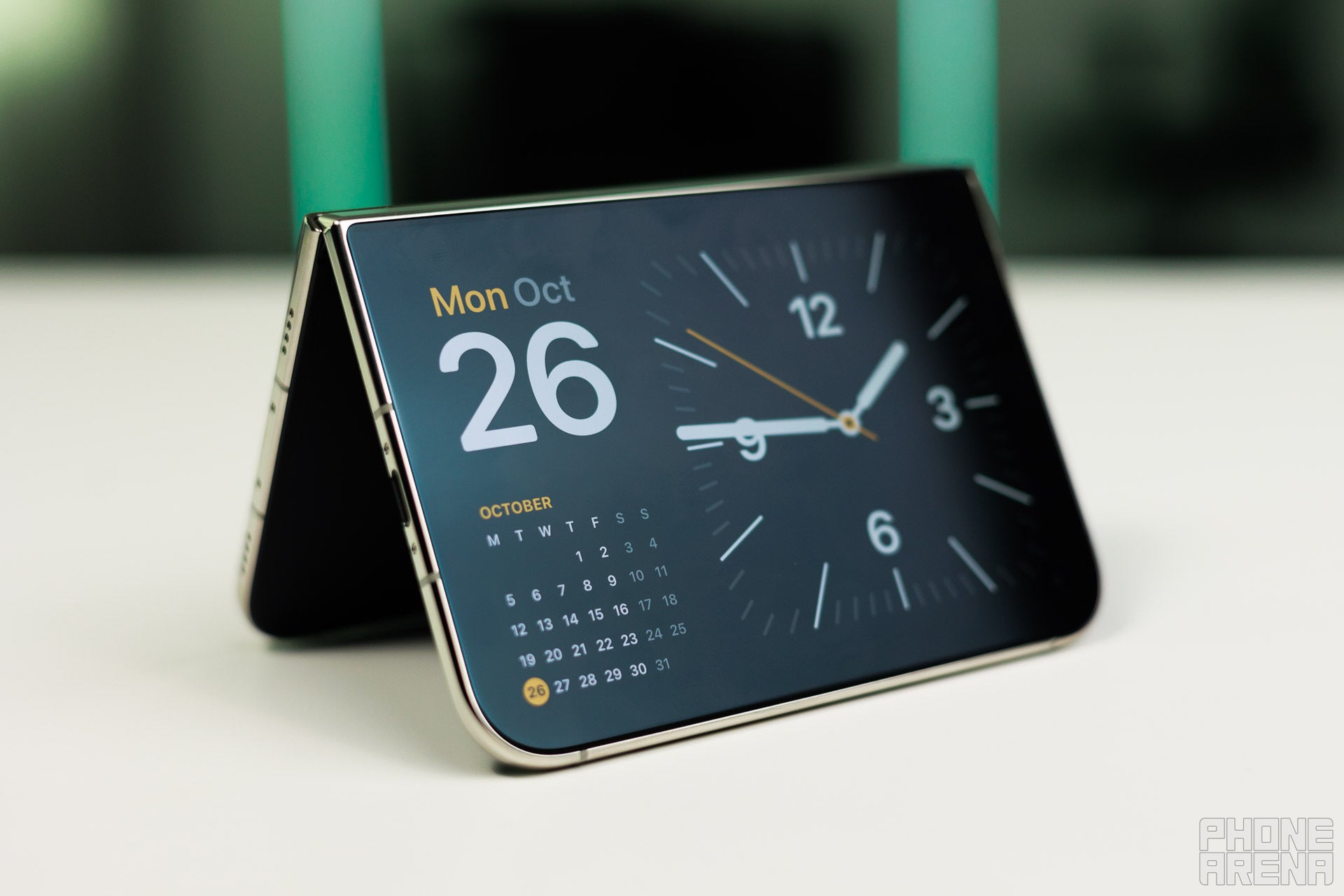
Image by PhoneArena
One of my favorite additions to the iPhone Duo is support for StandBy mode even when you are not charging the phone.
Just place the phone half open in either tent mode or with the main screen facing you. You can customize StandBy mode so the phone becomes one cool photo frame, or use it as a secondary screen that shows you your calendar appointments, time of day, weather, etc. It's all customizable with a familiar interface that reminds me of the Apple Watch.
- Read more about StandBy mode on the iPhone Duo
iPhone Duo Design and Display
A beautiful wide screen, but why matte?
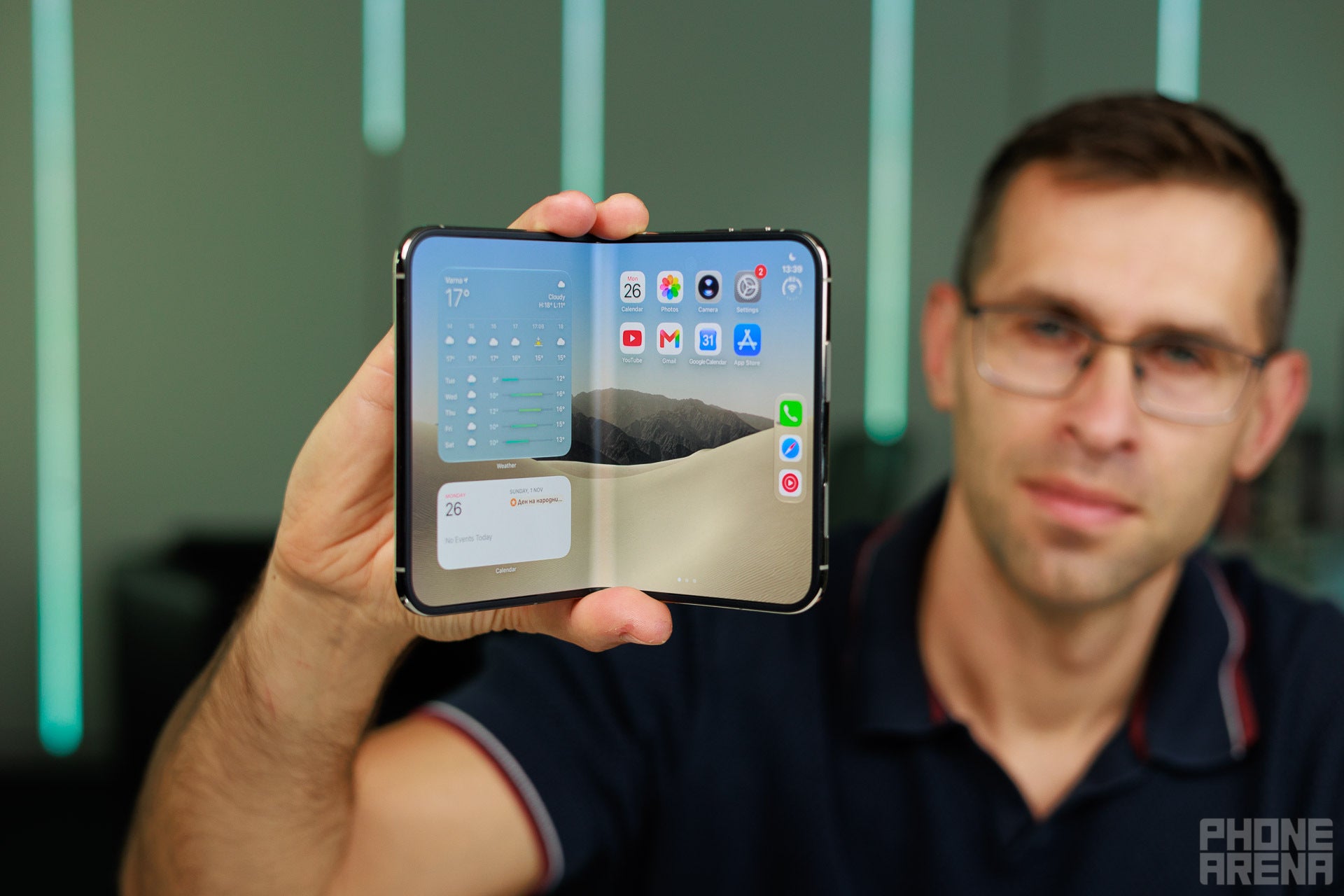
Image by PhoneArena
Let me be frank: the iPhone Duo feels a bit too heavy and a bit too thick for comfort. When unfolded, the iPhone Duo measures 5.2mm, which might sound impressively thin in isolation, but remember that rivals like the Samsung Galaxy Fold 8 are actually nearly 15% slimmer at 4.5mm.
The iPhone Duo also weighs a noticeable 254 grams, compared to 201 grams on the Fold 8, or a substantial 26% heavier.
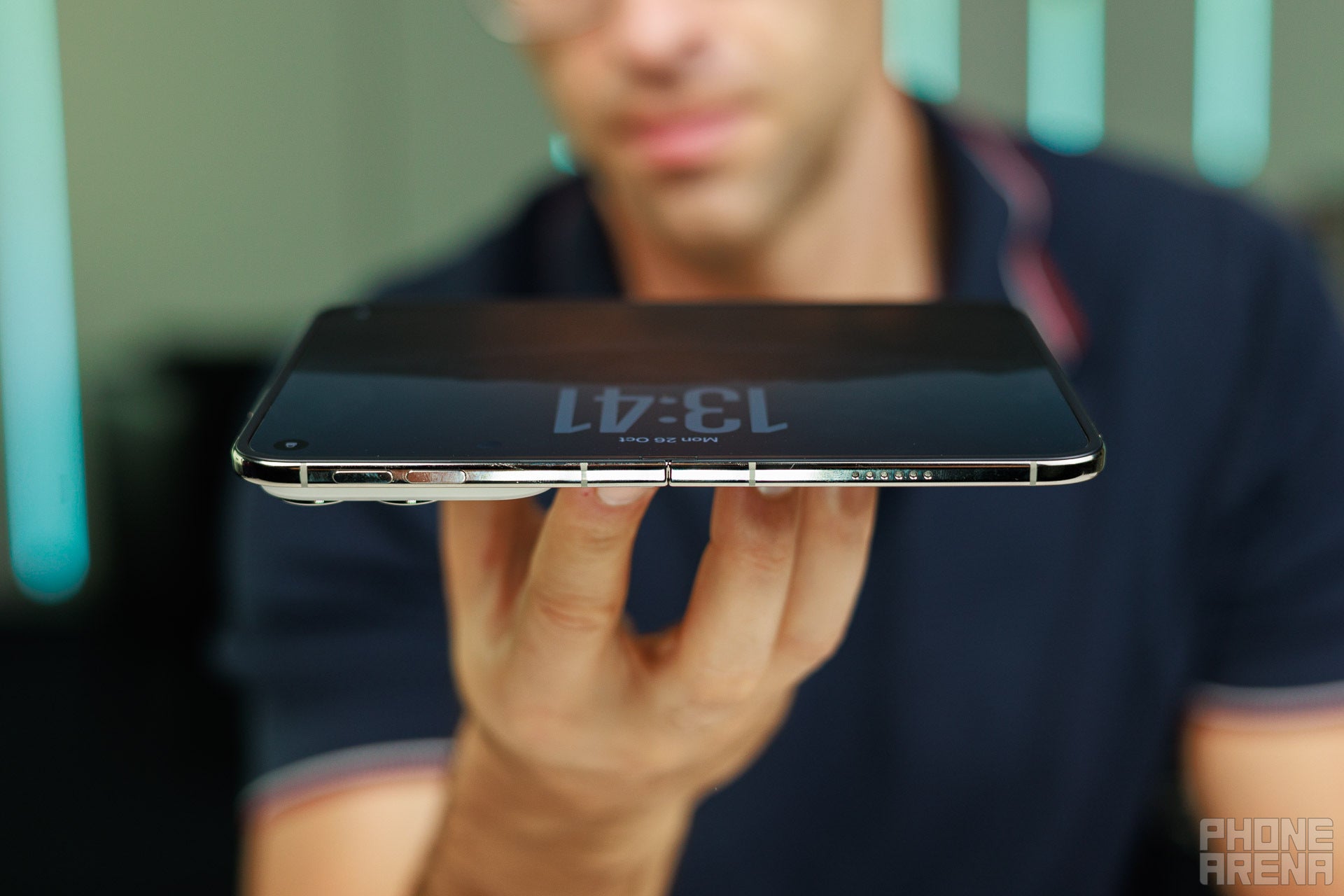
Image by PhoneArena
I've seen foldable phones much worse, but the iPhone Duo just does not feel as slim and pleasant to carry and hold. You notice it in your pocket, and you can feel it when you hold it to read something for a longer while. In contrast, I've used the Galaxy Fold 8 in parallel, and I find it a much more pleasant experience. Apple used to be the company that put that style and feeling front and center, but it no longer seems this way in the past couple generations of iPhones.
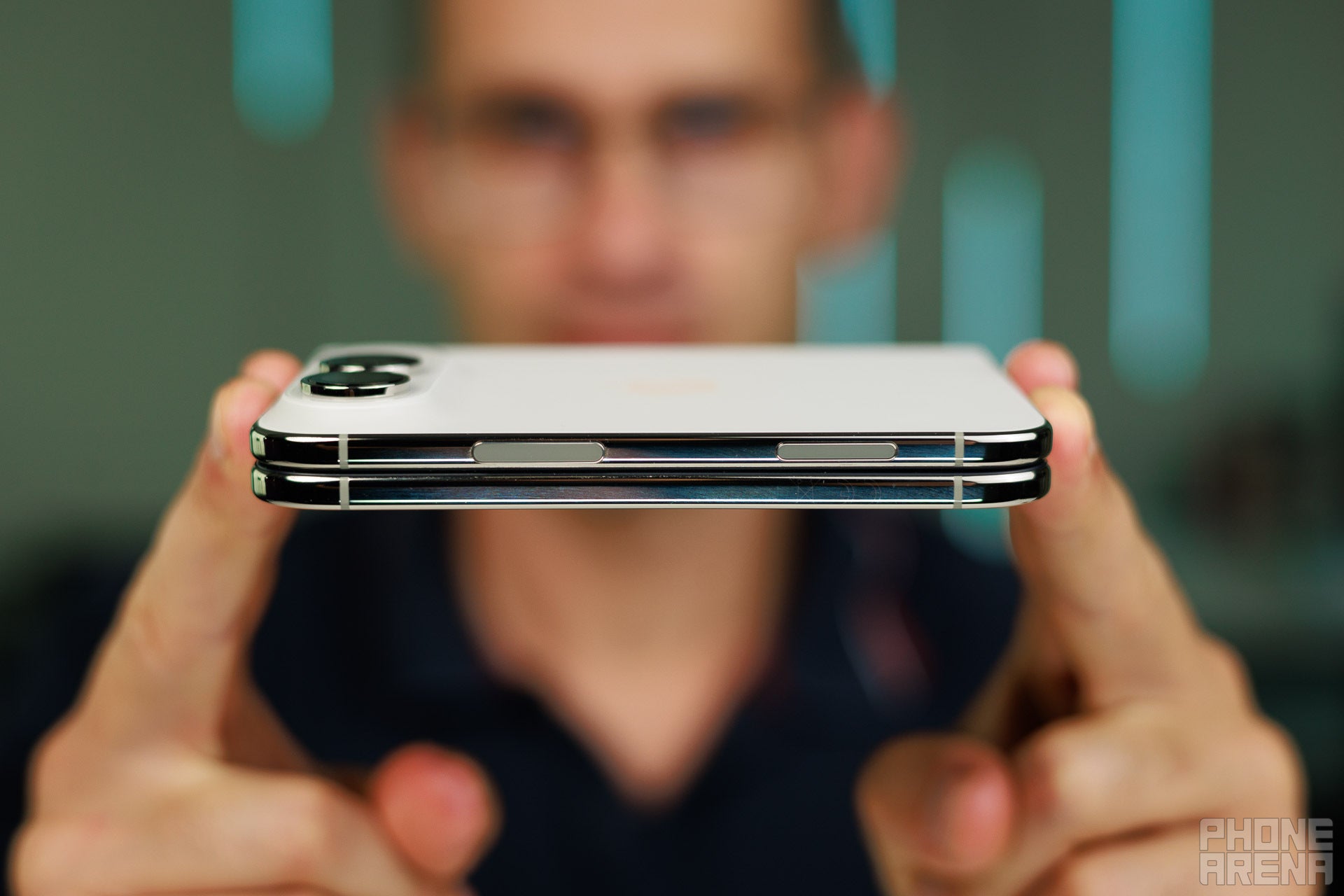
Image by PhoneArena
On the other hand, some details are actually better on the iPhone. For example, the horizontal camera bar on the back means the Duo doesn't wobble on a table, while the Galaxy Fold 8 is just so shaky.

In terms of materials, the Duo uses a titanium frame, just like the iPhone Air. It looks shiny in a good way, and you know that titanium is less prone to denting and scratching than the softer aluminum on other iPhones.
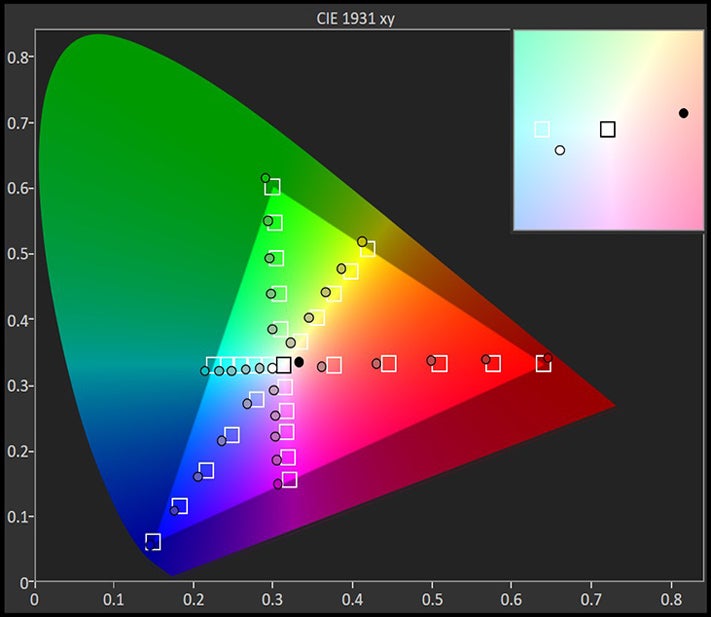
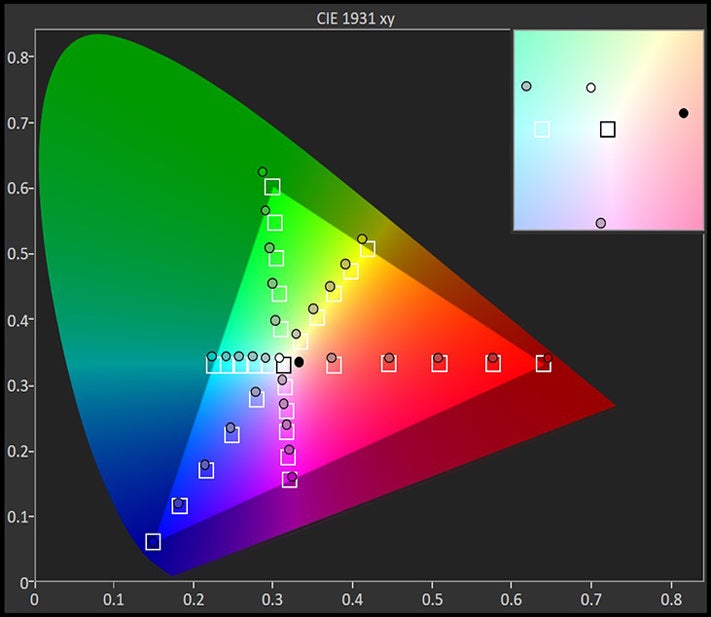
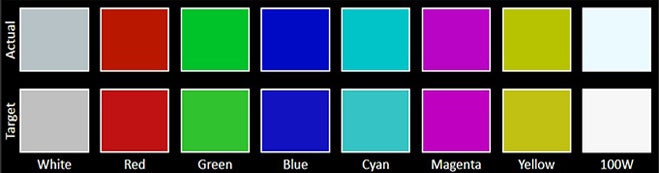
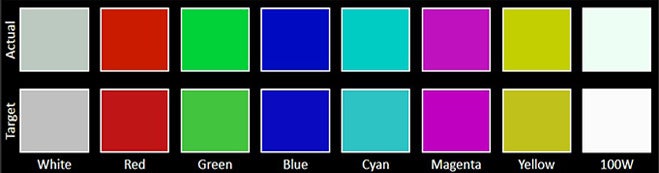


The big highlight of the iPhone Duo is without a doubt the 7.6-inch main screen with a 14:10 aspect ratio. This gives you about 50% more screen area than on the iPhone 18 Pro Max.
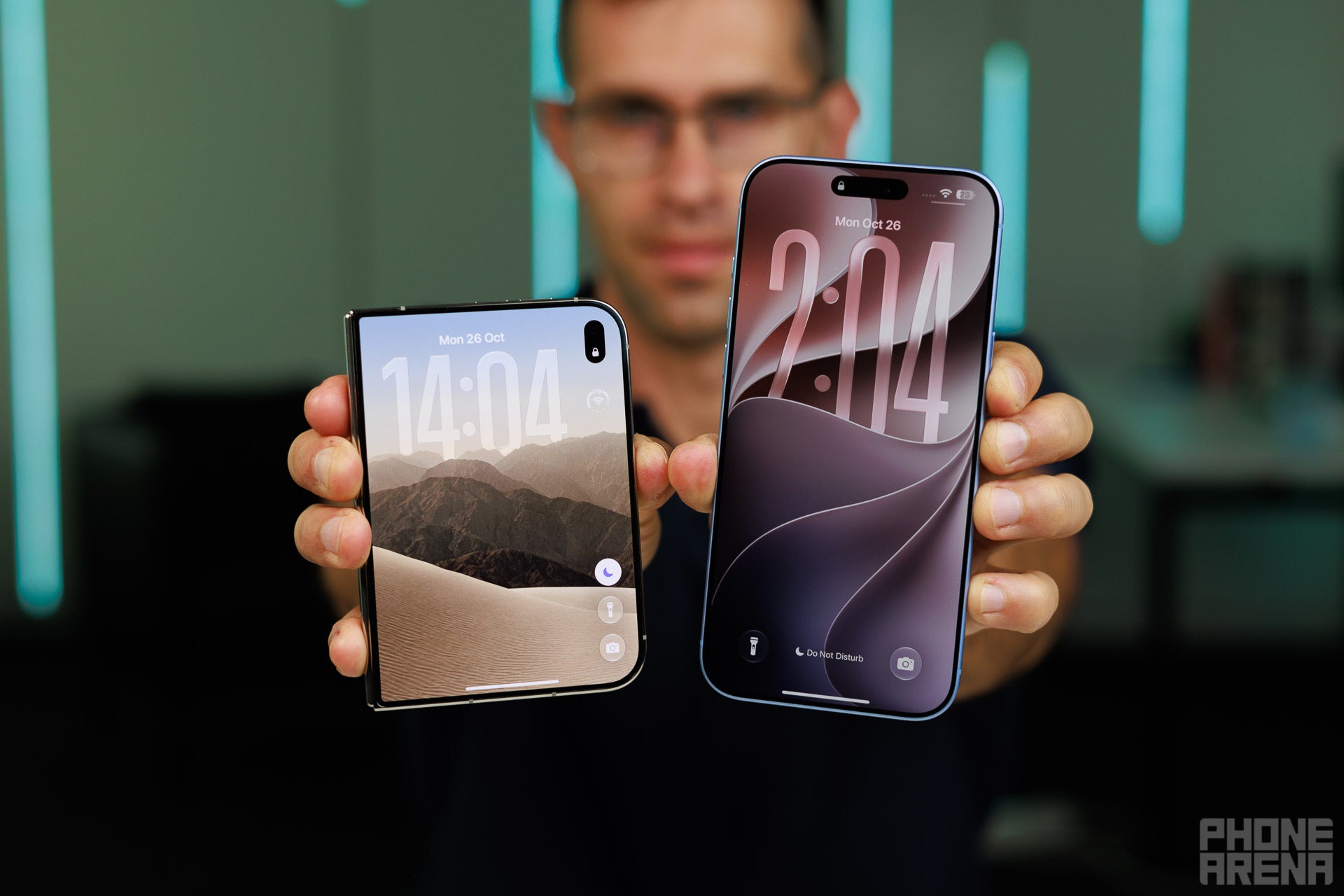
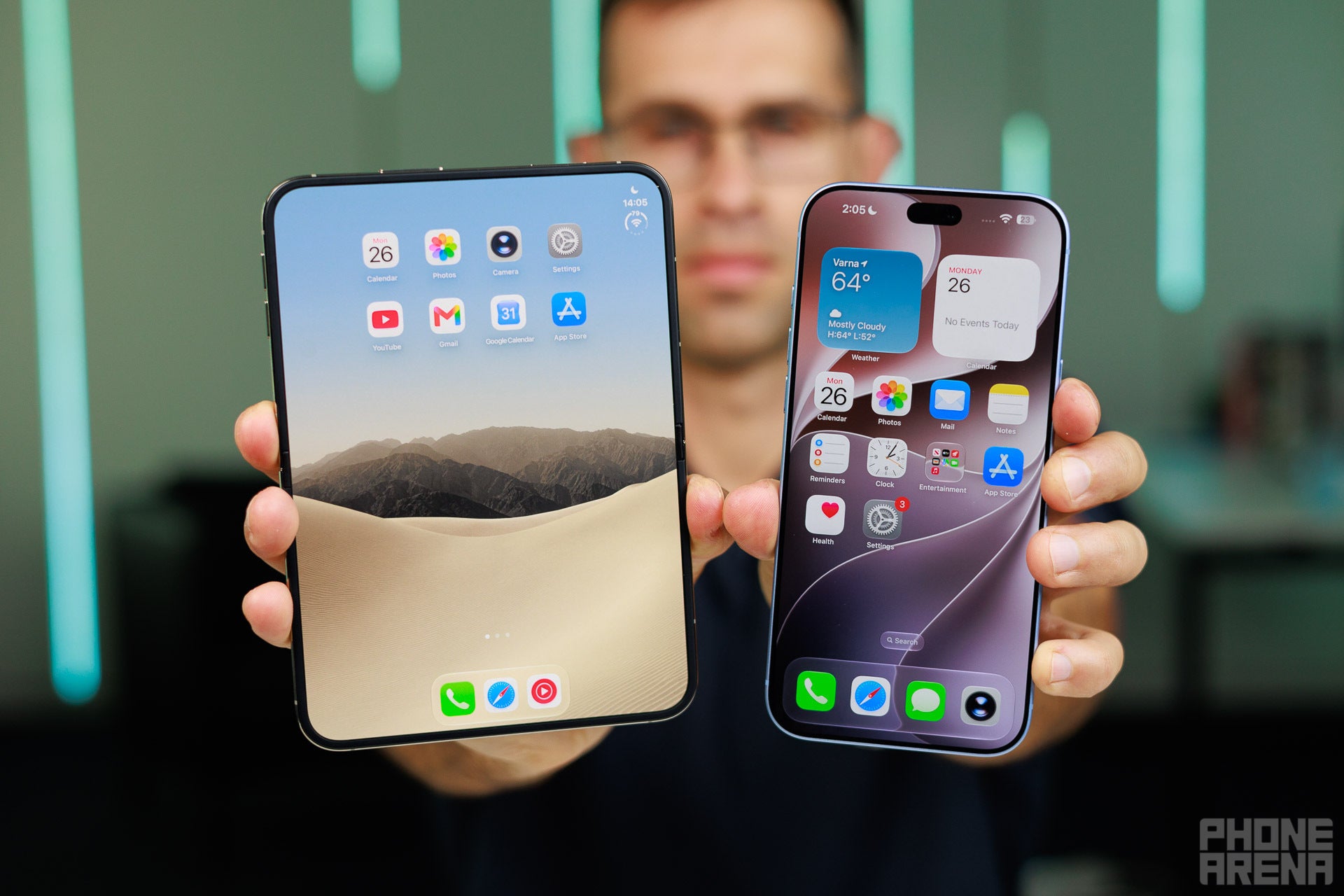
I think another interesting comparison here is to the screen area on the new iPad mini. Apple's compact iPad has roughly 25% larger screen area. So, I think there is a case to be made that money can be saved by buying a regular iPhone AND an iPad mini for less than the price of the iPhone Duo. Of course, that comes with the inconvenience of carrying two devices.
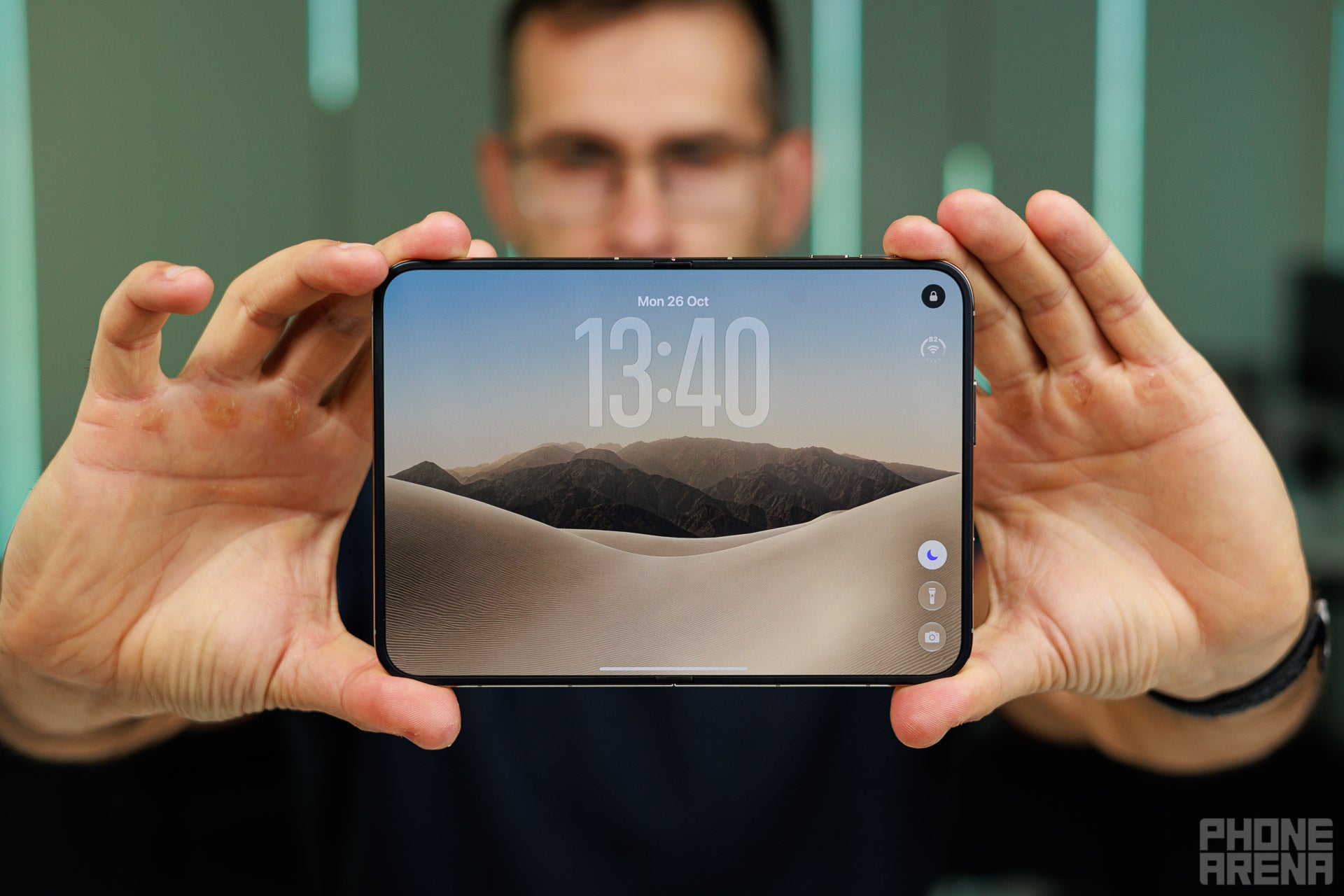
Image by PhoneArena
Compared to the Galaxy Fold 8, which has the same main screen area, I think the biggest advantage of the iPhone is that hidden, under-display camera. The punch-hole camera on the Galaxy is such an eye sore; I'm glad that Apple went with an under-screen solution.
The most contentious issue, however, is the strange choice of a matte screen for the inner iPhone Duo display.
This rather thick matte upper layer helps mask the crease, so it looks practically invisible on the iPhone Duo. Another benefit of such a solution is that it feels so nice to touch, while glossy screens attract fingerprints and don't feel as nice.
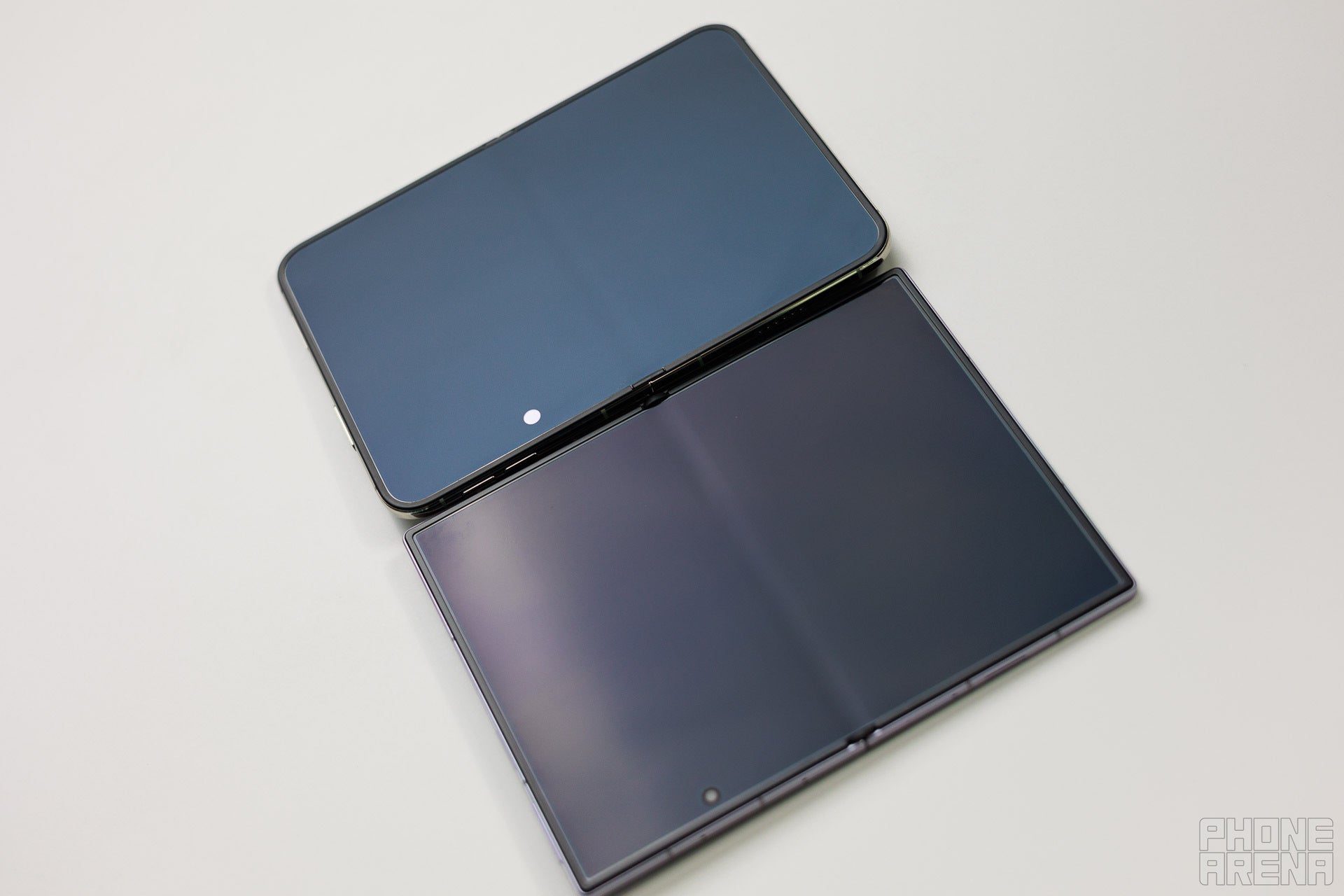
The crease on the iPhone is almost invisible | Image by PhoneArena
However, as to just the crease, Samsung achieves a similar effect without using a matte screen on the Galaxy Fold 8, and when you take the iPhone outdoors, you immediately see how much hazier colors look on it. You can kind of fix that by bumping the brightness (and you get less reflections with the matte finish), but I still think that a glossy screen is preferable if you value beautiful colors first and foremost.
I also have to mention Touch ID on the iPhone Duo. It's a nuisance. One of the main reasons I use an iPhone these days is that most Android phones still refuse to implement a proper Face ID solution.
Going back to Touch ID on the iPhone Duo with all its different possible orientations feels like a downgrade, and Touch ID was surprisingly sluggish in my experience. You get used to it, but you also feel that friction of interacting with a fingerprint reader.
iPhone Duo Camera
Good unless you need to zoom in
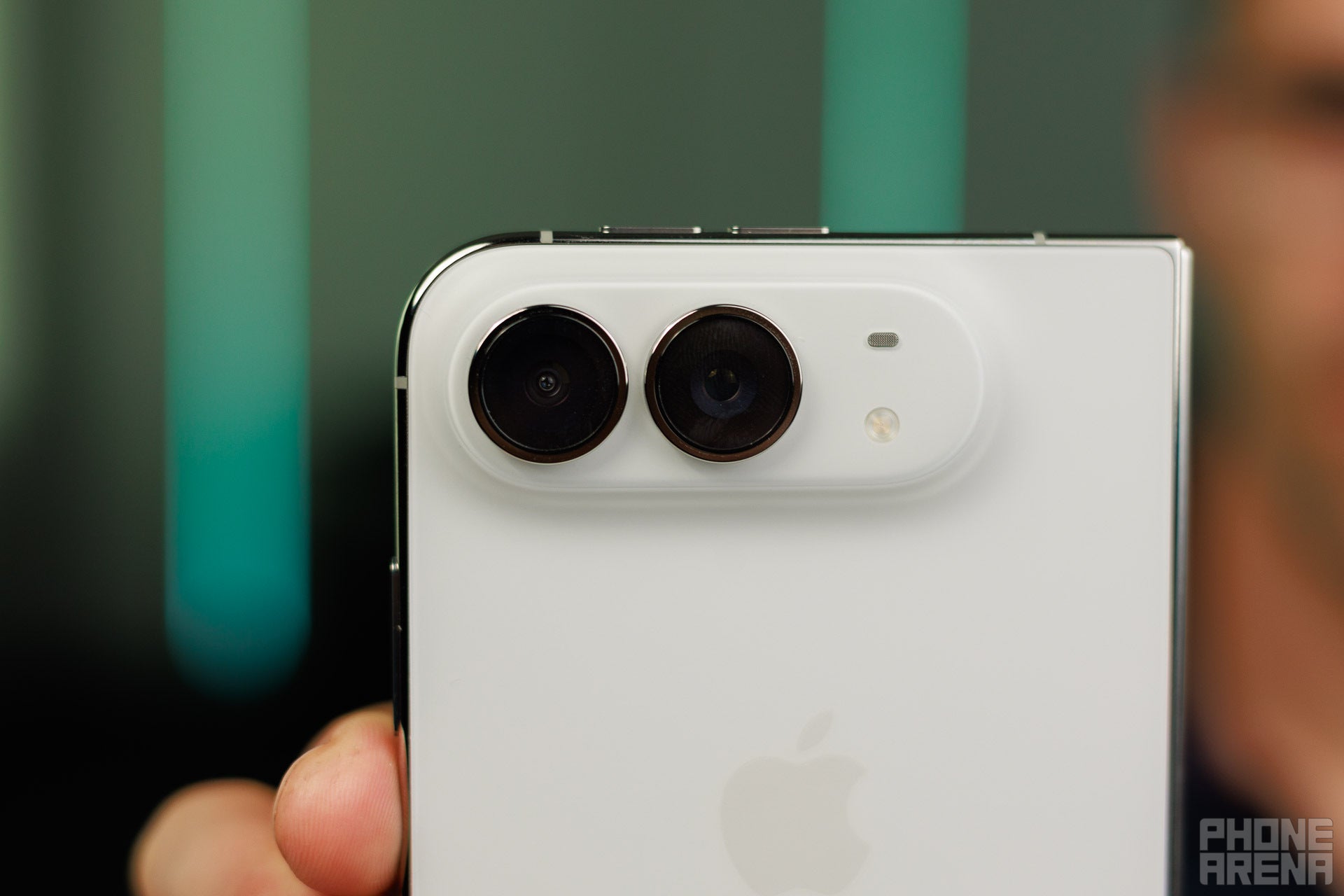
Image by PhoneArena
The iPhone Duo comes with just two cameras on its back: a wide and an ultrawide one, so you are missing a dedicated telephoto camera. For years, Apple has based the high price of its Pro series on them having a telephoto camera, and here you have an even pricier iPhone that... doesn't have a tele camera. For most camera enthusiasts, this is not something you can just overlook.
I took hundreds of photos with the iPhone Duo, and zoom quality is clearly a compromise. On the other hand, the other rival, Samsung's Fold 8, also lacks one.
Let's also give credit to Apple: it included the same 1/1.3-inch size main camera sensor in the iPhone Duo as in the Pros, while Samsung went with a smaller 1/1.6-inch main camera on the Fold 8. The ultra-wide camera as usual is a bit of an afterthought with a much smaller sensor than the main one.
Main camera




Zoom quality






Ultrawide camera




You get the familiar iPhone colors, and the iPhone Duo is clearly a very capable camera for most things except far-away zoom shots.
Selfies


You have three ways to take a selfie on the Duo: you can use the selfie camera on the cover screen, the hidden under-display selfie camera on the inner screen, or open the phone and use the rear cameras for a selfie.
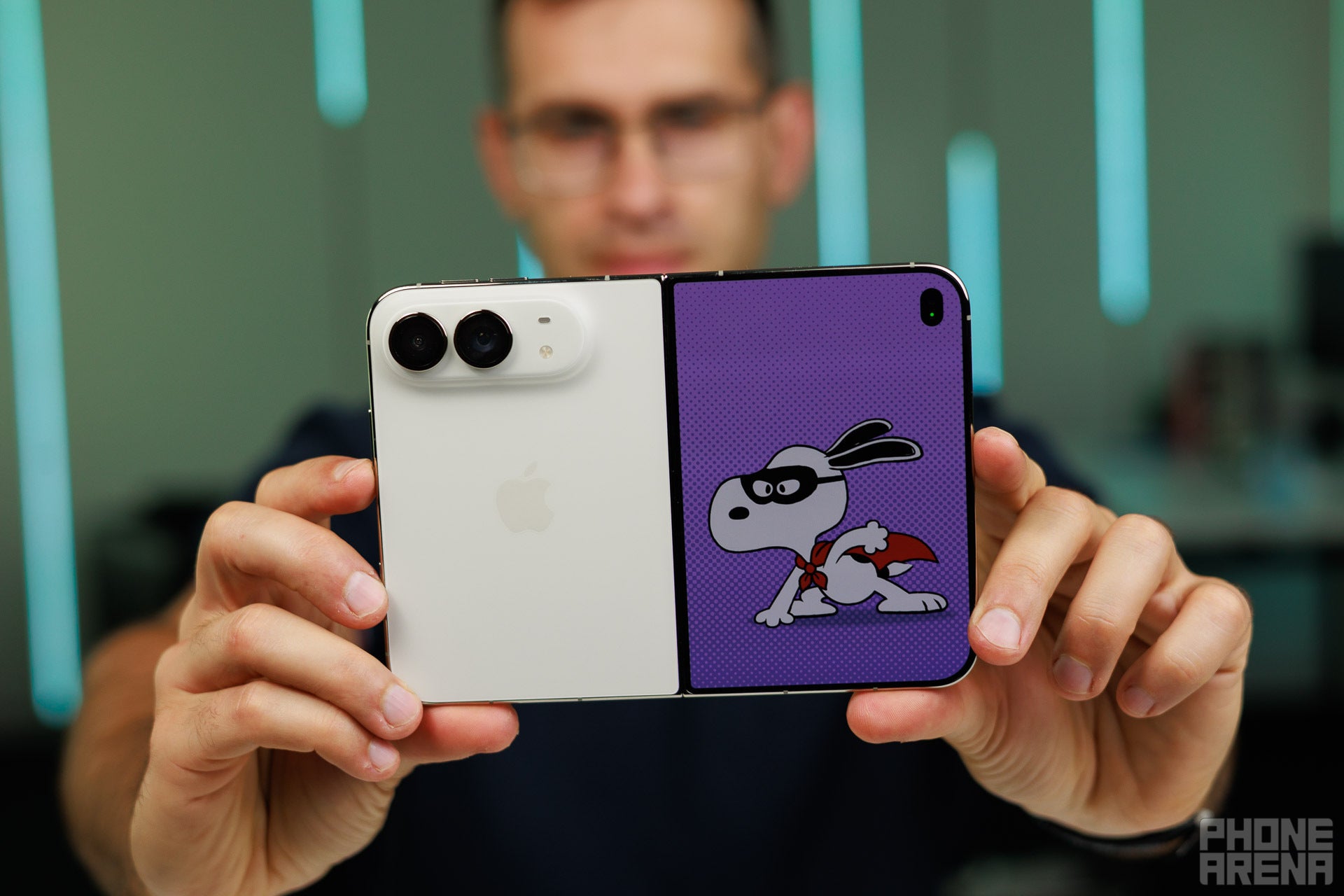
Kids Mode gives little ones something to catch their gaze | Image by PhoneArena
The last method gives you the best image quality, but try holding the phone comfortably this way — it's a struggle.
I already said earlier that the hidden selfie camera on the main screen is a good call. The image quality takes a hit, but most people never take a selfie photo with the open screen because it's just difficult to hold the phone this way. So for images, they'd still rely on the cover screen selfie camera, which gives you much better quality. Apple could have completely removed the camera from the inner screen, but I imagine people who FaceTime a lot, would love doing that on the main screen. So it's there, but the quality is a noticeable step down from the cover screen. I think that's a very reasonable way to go about this, and still have a beautiful, uninterrupted main screen.
Video quality on the iPhone Duo is again familiar: super clean detail and it is basically the same as on the iPhone 18 Pro.
Video Quality
Video quality on the iPhone Duo is again familiar: super clean detail and it is basically the same as on the iPhone 18 Pro.
The only real difference is that if you like to film concerts or something far away, well, then tough luck. The maximum zoom you can get on the Duo is 6X digital zoom, but even at 3X or 4X, the zoom quality does not look particularly good.
iPhone Duo Performance & Benchmarks
A20 Pro power
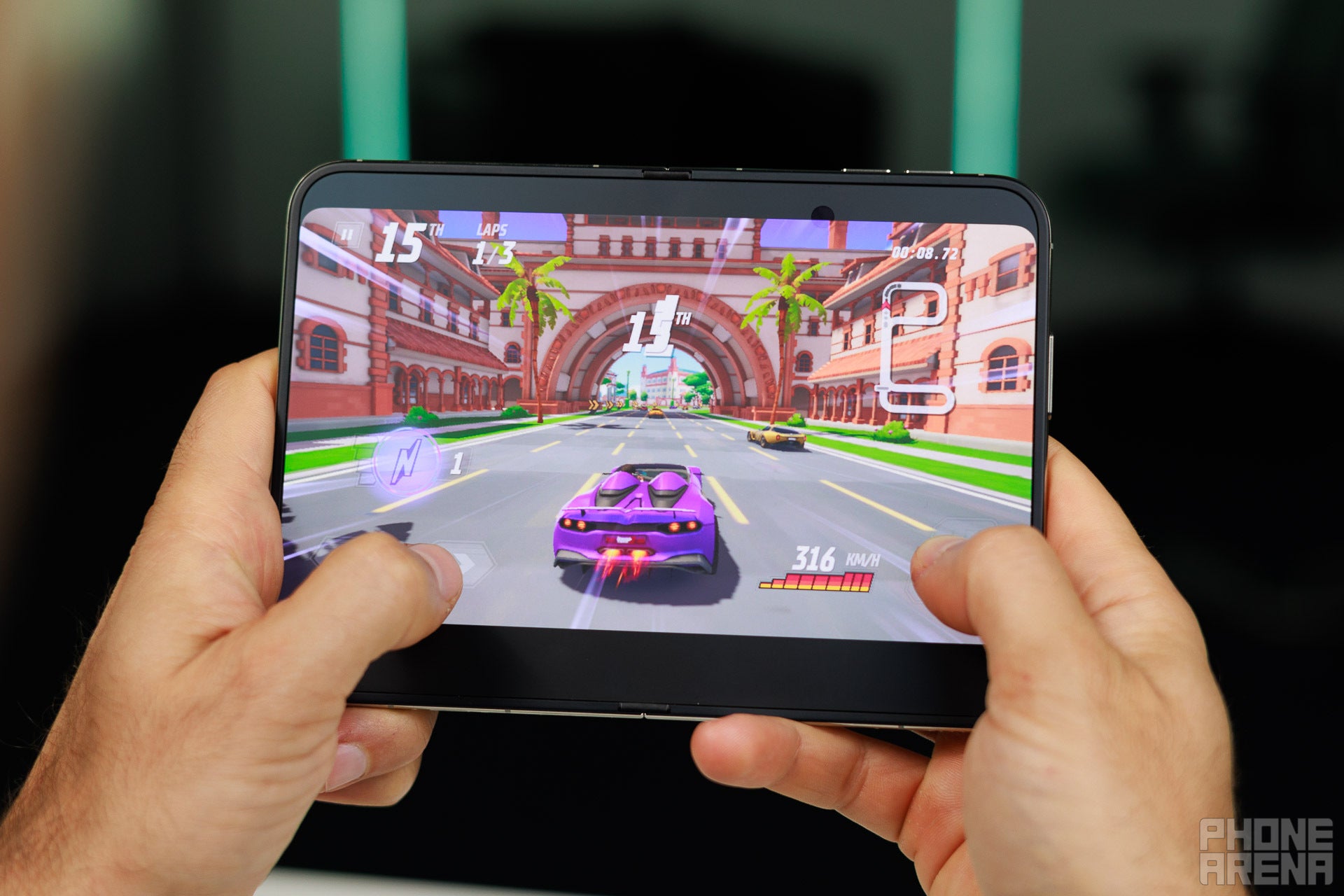
Image by PhoneArena
Apple's first 2nm chip, the A20 Pro, has been a huge success. It gives iPhones a huge boost in performance, both CPU and GPU-wise, and elevates them to the top of the charts. The Duo comes with 12GB of RAM on all storage tiers.
But it's about more than the chip. I was particularly frustrated with the often jittery experience on the Samsung Galaxy Fold 8, an issue stemming from One UI rather than the processor.
The iPhone Duo is smooth as butter, and the iOS software really shines here.
CPU Performance Benchmarks:
GPU Performance
Well, there is just one way to describe the numbers above: the iPhone Duo wipes the floor with the Galaxy Fold 8.
iPhone Duo Battery
Solid
The iPhone Duo ships with a 4,883mAh battery, just narrowly beating the Fold 8 and its 4,800mAh battery. But don't forget how much thinner and lighter the Fold 8 is.
What I can say about the iPhone Duo battery life is that it is... solid. It's not iPhone 18 Pro Max level of excellent, but it's solid.
Obviously, your actual battery life will vary a lot, depending on how much you use the inner and cover screens, and just what apps you use. But with regular use, the iPhone Duo will typically end a day with around 30% on the battery meter.
We are finishing our battery tests, so the final score will appear here tomorrow, but you can see that you get nearly 8 hours of video streaming, similar to the Fold 8.
Charging is also a zippy 60W with a compatible charger (look for AVS support, not just any USB-C PD charger). This is faster than the 45W speeds supported on archrival Samsung Fold 8.
Another advantage of the iPhone Duo is that it comes with built-in magnets, so you can use it with the vast MagSafe ecosystem without the need for a case. The Fold 8 skips the magnets, which I find disappointing.
iPhone Duo Audio Quality and Haptics
I tested the iPhone Duo speaker against the Samsung Galaxy Fold 8 and found that the iPhone has slightly deeper bass, but the Galaxy was a bit louder and cleaner in the highs.
Overall, the audio quality of these two phones is comparable, and I would say quite good, but it still falls a bit short of the best smartphone speakers out there.
Haptics are your familiar Taptic Engine experience, which is to say they are nice and sharp.

Popular stories

Latest News


Things that are NOT allowed:
To help keep our community safe and free from spam, we apply temporary limits to newly created accounts: