The Galaxy S26 is poised to be the world's first smartphone with a 2nm chipset inside: even high-end late 2025 flagships use 3nm chipsets.
See, less is more. A 2nm chip – I'm talking about the Exynos 2600 which is to drive the Galaxy S26 – can fit more transistors into the same area, which usually means better performance, lower power use, and less heat. In everyday use, that can translate into faster speeds, improved battery life, and more consistent performance compared to phones still using 3nm processors.
Sounds great, right? And yet, Samsung is still not going all in.
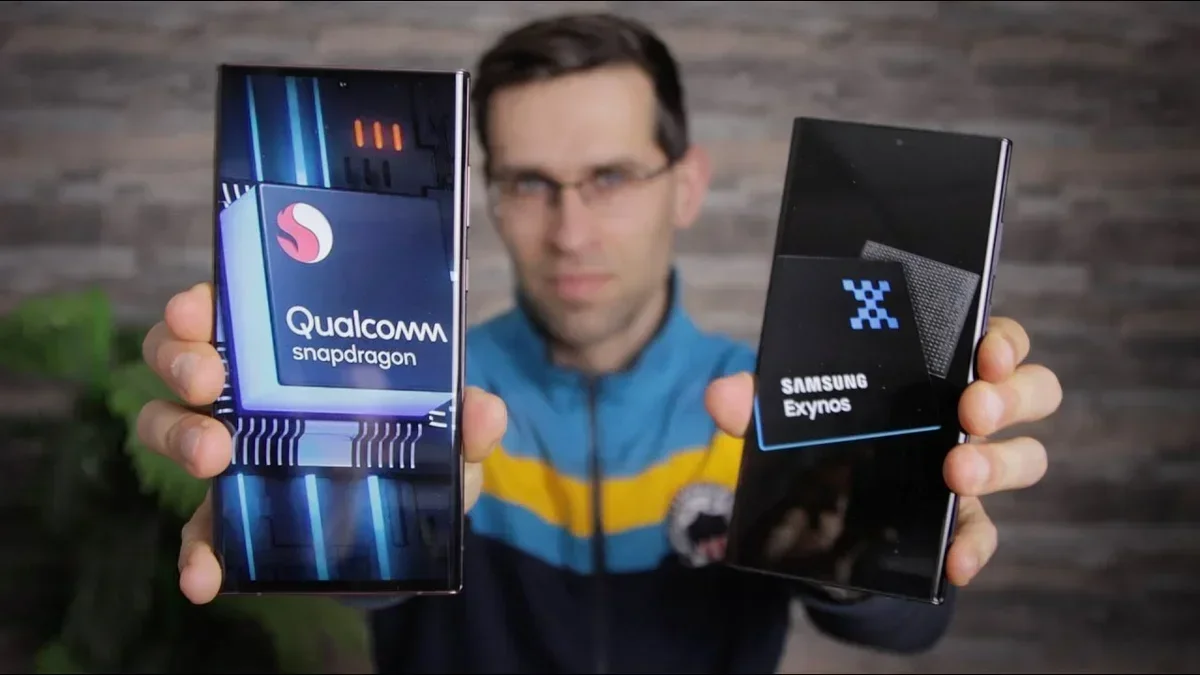
The Exynos vs Snapdragon debate
Image by Qualcomm
As you know, Samsung often uses different chips in the same phones based on the region they're sold in. By using its own Exynos chips in regions like Europe, the company reduces dependency on external suppliers and saves on licensing fees, while the US and Chinese markets typically receive Snapdragon chips.
Some phone series, like the Galaxy S25 family, feature a Snapdragon chip exclusively, but the Galaxy S26 will once again bring duality to the table.
As a rule of thumb, users prefer the Snapdragon chipset. That's because of Exynos' history. For years, Samsung in-house chips struggled with heat, throttling, and inconsistent performance compared to Snapdragon alternatives.
Recommended For You
That reputation did real damage, especially in Europe and other regions, where buyers felt they were paying flagship prices for second-tier performance.
But… the Exynos 2600 is claimed to be really different.
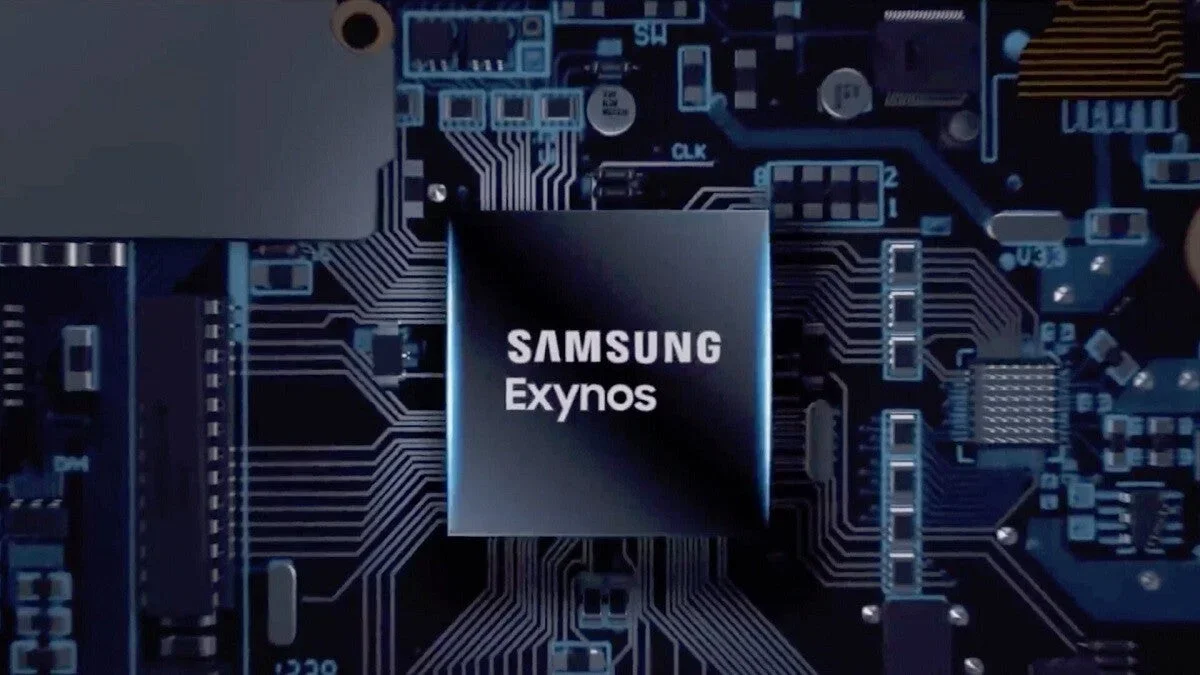
How good is it?
Image by Samsung
If the Exynos 2600 really is as good as early signs suggest, the obvious question is simple: why not use it everywhere? Why keep splitting markets between Exynos and Snapdragon, instead of fully committing to Samsung's own silicon and maybe reserving Qualcomm only for the Galaxy S26 Ultra?
The Exynos 2600 does look different. It is built on a 2nm process and is expected to be the first smartphone chip to use Gate-All-Around transistors at scale. Samsung has already experimented with GAA in wearables, but bringing it to a flagship phone is a much bigger statement.
Add to that the new Heat Pass Block packaging, which moves memory off the top of the chip and allows a copper heat sink to sit directly on the processor, and suddenly thermal performance is no longer the obvious weak point. Claims of around 30% better thermal behavior compared to earlier Exynos chips are exciting.
If these improvements work in everyday use, Samsung will finally have an Exynos chip that performs well without any caveats. Maintaining high performance for a long time without making the phone overheat is the main problem Exynos needed to solve.
Why not just go with Exynos 2600 on all Galaxy S26 units?
Image by PhoneArena
Samsung's mobile division cannot afford another mistake with its own chips, especially while user confidence in its flagship phones is already low. Many buyers feel recent upgrades have been too small compared to fast-moving Chinese competitors. In this climate, using a brand-new 2nm Exynos for the entire Galaxy S26 line would be a massive gamble.
There is also the challenge of production. New manufacturing methods are very hard to master. Even if the Exynos 2600 works well, making enough of them for every market is difficult. Qualcomm offers a stable, reliable supply and a performance level that people already trust. For markets like the US and China, where expectations are high, Samsung sees Snapdragon as the safer bet.
To many tech-savvy fans, Snapdragon means top-tier performance. By keeping these models in major markets, Samsung avoids the wave of complaints and bad press that often follows if an Exynos chip is merely good instead of great.
Using the Snapdragon 8 Elite Gen 5 chip only for the Galaxy S26 Ultra makes sense because it is the top-tier model that critics watch most closely. Giving it a consistent, high-end chip worldwide protects its reputation as a premium device while allowing Samsung to reintroduce Exynos in other models without as much risk.
Even if Exynos 2600 delivers, Samsung needs at least one full generation of consistent, drama-free performance before it can realistically expect buyers to stop caring about which chip is inside their phone. Until then, splitting markets may be the least bad option.
Free Galaxy A17 5G with Straight Talk
Get a free Galaxy A17 with Straight Talk. To claim this deal, you need to pair the phone with activation on a Silver Unlimited Plan or higher. This tier costs $45 per month. Offer valid through 01/10/27 while supplies last online.
Sebastian is one of PhoneArena’s senior opinionators. A veteran news writer with almost 20 years of experience in media and technology, he not only covers all the hot news about Galaxies and iPhones, but often provides hot takes on industry trends. He’s fascinated with camera-focused flagships from the likes of Oppo and Vivo, as well as foldable phones.
A discussion is a place, where people can voice their opinion, no matter if it
is positive, neutral or negative. However, when posting, one must stay true to the topic, and not just share some
random thoughts, which are not directly related to the matter.
Things that are NOT allowed:
Off-topic talk - you must stick to the subject of discussion
Offensive, hate speech - if you want to say something, say it politely
Spam/Advertisements - these posts are deleted
Multiple accounts - one person can have only one account
Impersonations and offensive nicknames - these accounts get banned
To help keep our community safe and free from spam, we apply temporary limits to newly created accounts:
New accounts created within the last 24 hours may experience restrictions on how frequently they can
post or comment.
These limits are in place as a precaution and will automatically lift.
Moderation is done by humans. We try to be as objective as possible and moderate with zero bias. If you think a
post should be moderated - please, report it.
Have a question about the rules or why you have been moderated/limited/banned? Please,
contact us.














Things that are NOT allowed:
To help keep our community safe and free from spam, we apply temporary limits to newly created accounts: