The Galaxy S26 is now two days old. The new kid on the block looks suspiciously similar to its predecessor, the Galaxy S25. But will the Galaxy S26 pass its genes down to future Galaxy phones?
Probably not, at least not when it comes to batteries, one of the most important features of both "dumb" and "smart" phones today, yesterday and tomorrow.
Word on the street is that Samsung is exploring silicon-carbon batteries.
No, we're not talking about silicon-carbon battery cells for electric vehicles – Samsung already does that – but proper silicon-carbon batteries for future Galaxy phones.
Bless my soul!
I hope this rumor turns out to be true, but I also can't help but feel sympathy for Samsung right now.
I can't imagine a worse time for Samsung to spill the beans on this secret than now.
The report I mentioned earlier has it that Samsung has "admitted" that its (Chinese) rivals are ahead in the battery game; that's why future Galaxy S-series phones would soon come with silicon-carbon batteries. Now, take that with a pinch of salt, as nothing is official yet. According to the leak, Samsung is testing a silicon-carbon cell in a phone and wants to make sure that everything is fine with it.
The Galaxy S26 Ultra: save up to $720
$579
99
$1299
99
$720 off (55%)
The Galaxy S26 Ultra has been announced, bringing a Privacy Screen feature, insanely fast processor, and multiple Galaxy AI enhancements. Right now, you can save up to $720 at the Samsung Store with eligible trade-ins. You also get 15% off select add-ons and an additional $100 Samsung Credit for accessories with your purchase.
The Galaxy S26+ is here, bringing improved software and a more powerful processor. The device can now be yours for up to $440 off with eligible device trade-ins. You also get an extra 15% off for accessories.
The Galaxy S26 is currently available at the Samsung Store with an exciting trade-in discount. Right now, you can buy the model with a $340 discount with eligible trade-ins. You'll also get an extra 15% off select accessories.
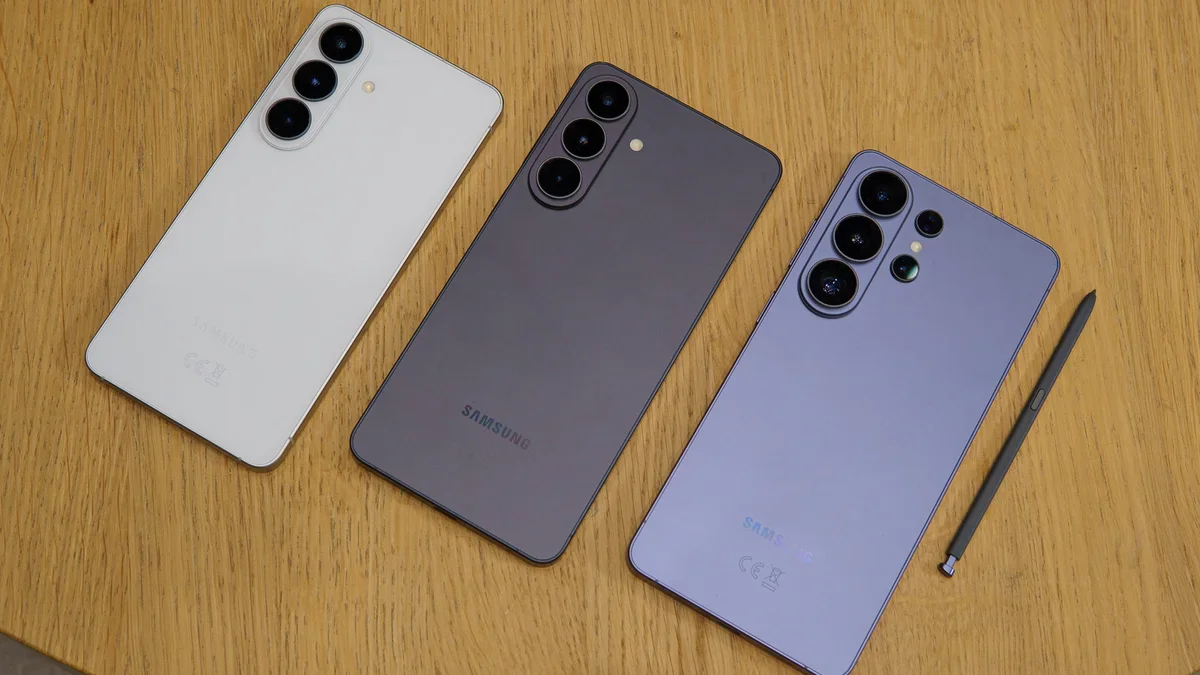
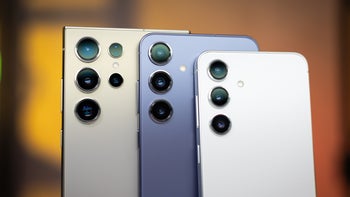
It's an interesting situation. | Image by PhoneArena
Recommended For You
My point is a basic one: why bother with any model of the Galaxy S26 family… if future generations will come with silicon-carbon batteries? In a nutshell, this is the technology that makes it possible for Chinese flagships (and mid-rangers) to arrive with 7,000—10,000 mAh batteries without looking like a VHS tape (Google that if you're born after 2000).
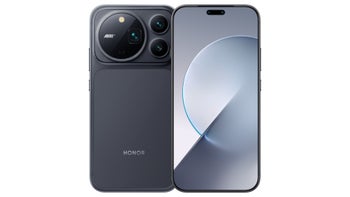
Quite the contrary, they're perfectly normal-looking phones. For example, the new Honor WIN is 8.3mm thick. You know what else is 8.3mm thick? Why, the iPhone 16 Pro, for example. See, I told you these behemoth batteries don't make phones extra thick.
So, will the new silicon-carbon rumor hurt the Galaxy S26?
Probably not, as not that many people keep a close eye on the tech world (now is the time to promote PhoneArena to all your friends, relatives and ex lovers).
But why risk it, Samsung? Why didn't you keep that silicon-carbon secret to yourself for another 3–4 months?!
Samsung will take its time
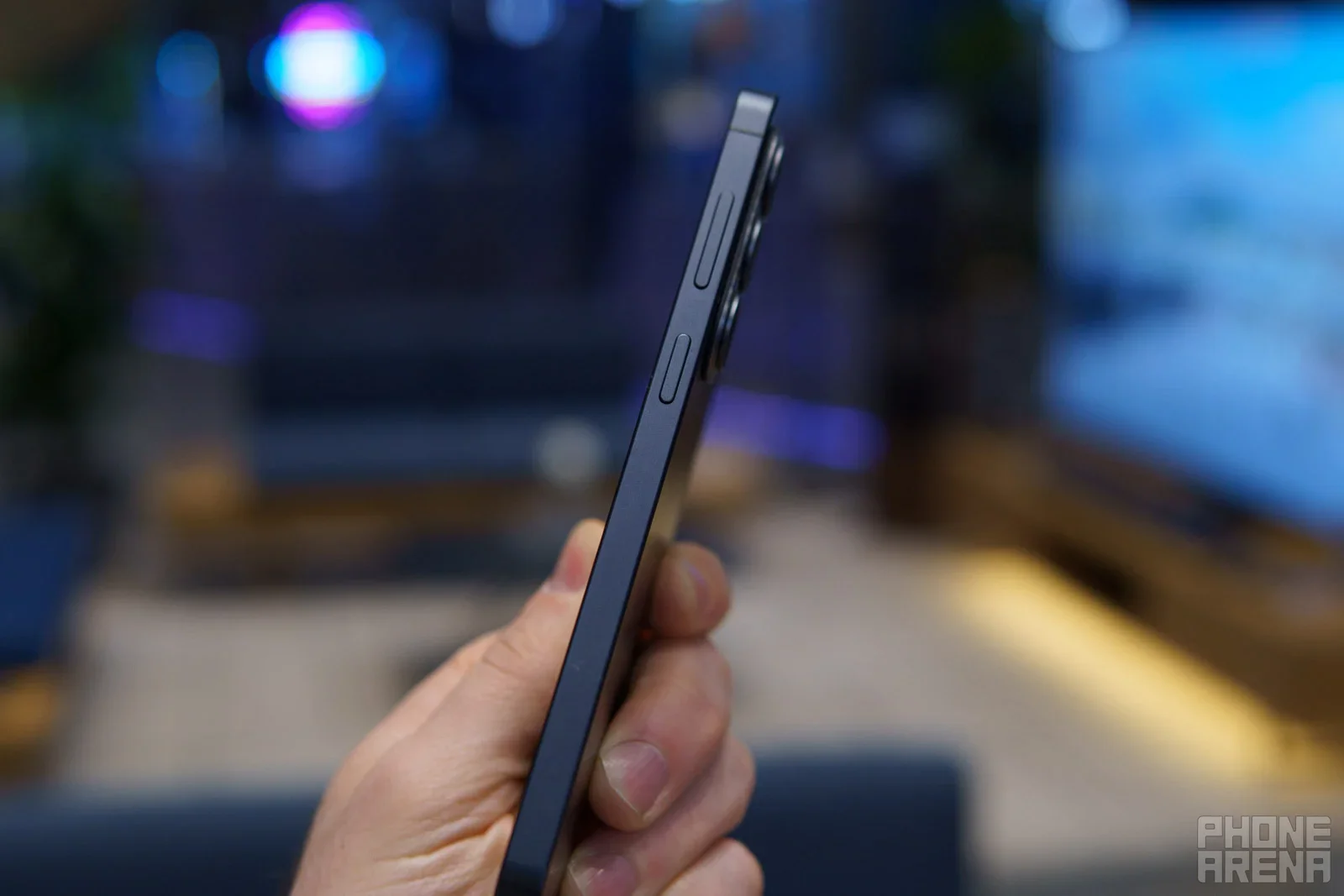
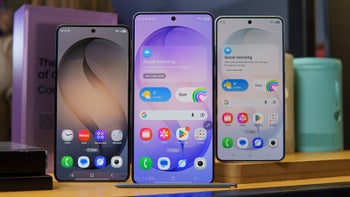
Everything has to be perfect. | Image by PhoneArena
Even if the aforementioned report is correct about it, I guess we won't see silicon-carbon batteries in Galaxy phones too soon. I'll be really surprised if Samsung manages to pull Si-C (that's short for "silicon-carbon") cells for the, say, Galaxy Z Fold 8 which is expected to arrive this summer.
I'm sure that Samsung will do all in its power to test, retest and carefully inspect every aspect of the new SiC batteries. We all remember the Galaxy battery scandal back in 2016.
Ten years ago, the Galaxy Note 7 was found to be a hazard – literally speaking. Shortly after its premiere, many reports surfaced and claimed that the device overheats, catches fire and in some cases even explodes. Investigations revealed that the problem was linked to defects in the lithium-ion batteries.
The issue quickly escalated into a global safety concern. Airlines banned the device from flights (the Note 7 is still referred to as a forbidden object by some) and regulators in several countries issued warnings.
Then, Samsung made the unprecedented decision to permanently discontinue the Galaxy Note 7. The company halted production and expanded the recall worldwide. The financial impact was estimated in the billions of dollars. Of course, Samsung also suffered a notable reputational damage, which will probably haunt them for years to come.
In early 2017, Samsung concluded that the root cause involved battery design and manufacturing flaws from two different suppliers. That's why the company implemented an 8-point battery safety check and stricter quality control processes for future devices. This system seems to work, but the new SiC batteries will be handled extra carefully, too. And that takes time.
The best news of the week?
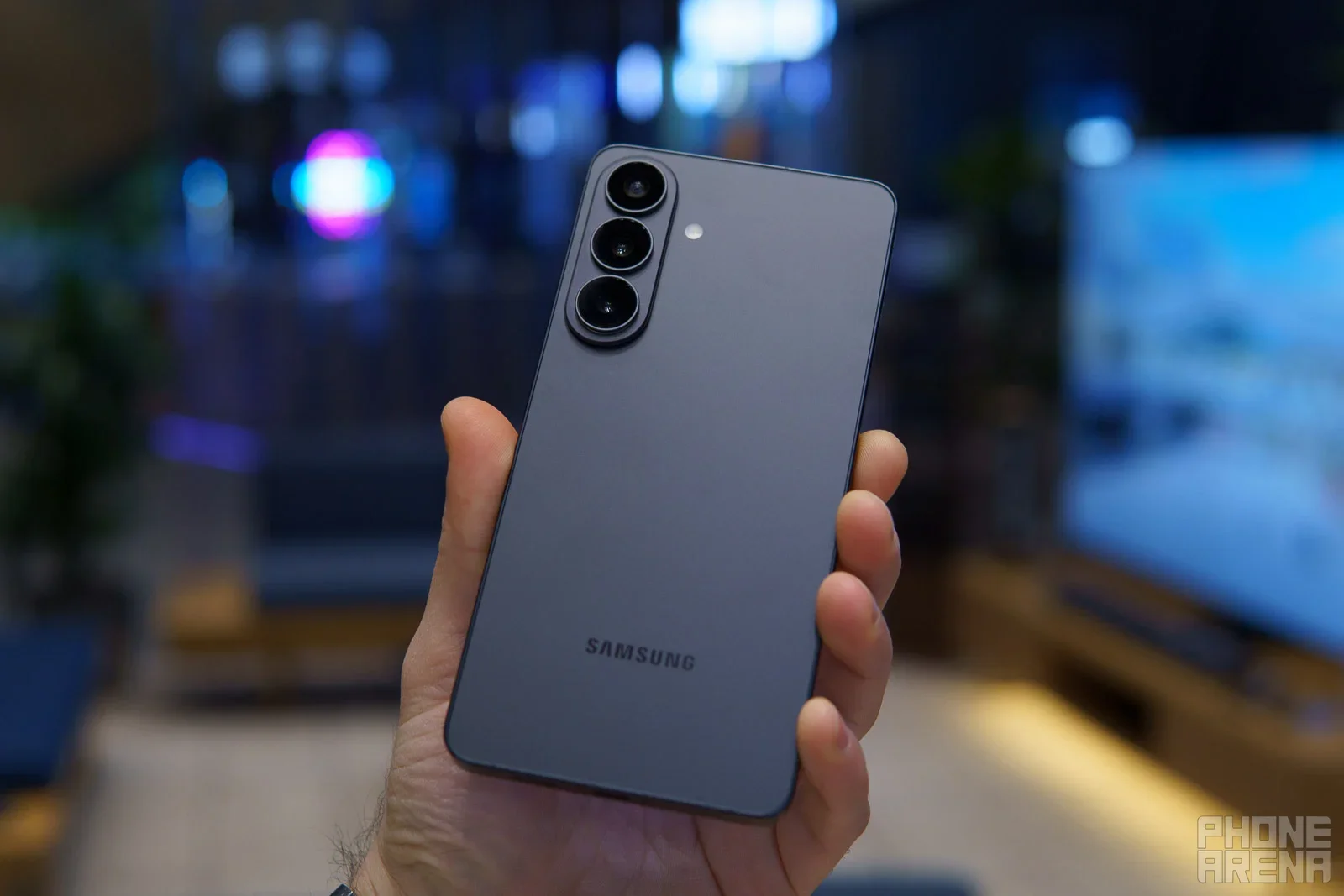
Fingers crossed. | Image by PhoneArena
Various PhoneArena authors, yours truly included, have been asking for silicon-carbon batteries on Samsung.
The end of the 7-year reign of the Galaxy S Ultra models' 5,000 mAh capacity battery calls for a celebration.
Of course, it's not advisable to get too hyped too early. First, the rumor might turn out to be false; second, Samsung might decide to stick with the same capacity numbers, but in slimmer battery designs. That, however, is a horror I simply don't want to envision right now. It's Friday, so enough with the dark stuff. Let's keep it positive.
Sebastian is one of PhoneArena’s senior opinionators. A veteran news writer with almost 20 years of experience in media and technology, he not only covers all the hot news about Galaxies and iPhones, but often provides hot takes on industry trends. He’s fascinated with camera-focused flagships from the likes of Oppo and Vivo, as well as foldable phones.
A discussion is a place, where people can voice their opinion, no matter if it
is positive, neutral or negative. However, when posting, one must stay true to the topic, and not just share some
random thoughts, which are not directly related to the matter.
Things that are NOT allowed:
Off-topic talk - you must stick to the subject of discussion
Offensive, hate speech - if you want to say something, say it politely
Spam/Advertisements - these posts are deleted
Multiple accounts - one person can have only one account
Impersonations and offensive nicknames - these accounts get banned
To help keep our community safe and free from spam, we apply temporary limits to newly created accounts:
New accounts created within the last 24 hours may experience restrictions on how frequently they can
post or comment.
These limits are in place as a precaution and will automatically lift.
Moderation is done by humans. We try to be as objective as possible and moderate with zero bias. If you think a
post should be moderated - please, report it.
Have a question about the rules or why you have been moderated/limited/banned? Please,
contact us.







![Another batch of Galaxy S26 series users in the US are getting a nice surprise today [UPDATED]](https://m-cdn.phonearena.com/images/article/183643-wide-two_350/Another-batch-of-Galaxy-S26-series-users-in-the-US-are-getting-a-nice-surprise-today-UPDATED.webp)
Things that are NOT allowed:
To help keep our community safe and free from spam, we apply temporary limits to newly created accounts: