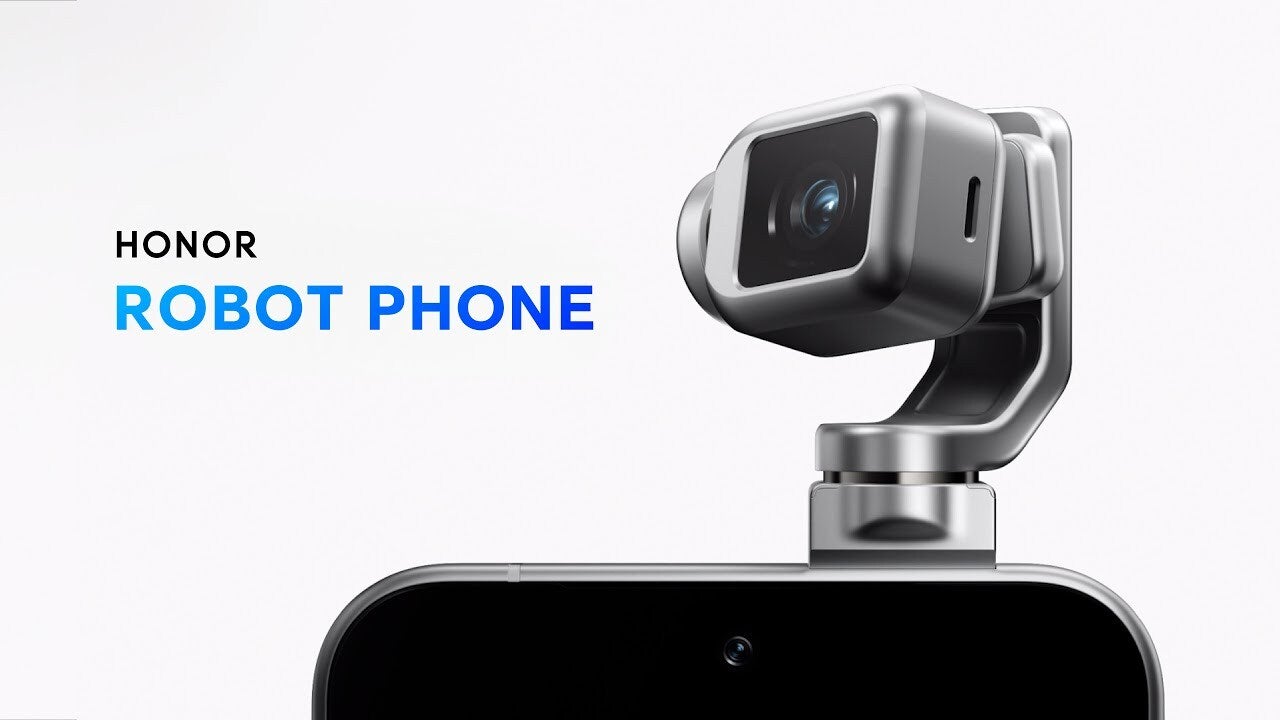
Do you need a physical AI assistant who can and will take photos of you at his own volition? Honor thinks the answer to this question is "yes." Enter the Robot Phone! The Chinese company teased this strange device back in October with a couple of pictures, showing a phone with a gimbal-like retractable camera.
When I first saw the marketing materials for the Robot Phone, I thought it reminded me of Wall-E, the lonely little robot that made so many people emotional. Whether or not the resemblance is a consciously sought one, I don't know.
Can you see a resemblance?
But there are big red flags surrounding this cool-looking phone. Before I delve into that, let's see what we know about this gadget.
What's the idea behind the Honor Robot Phone?
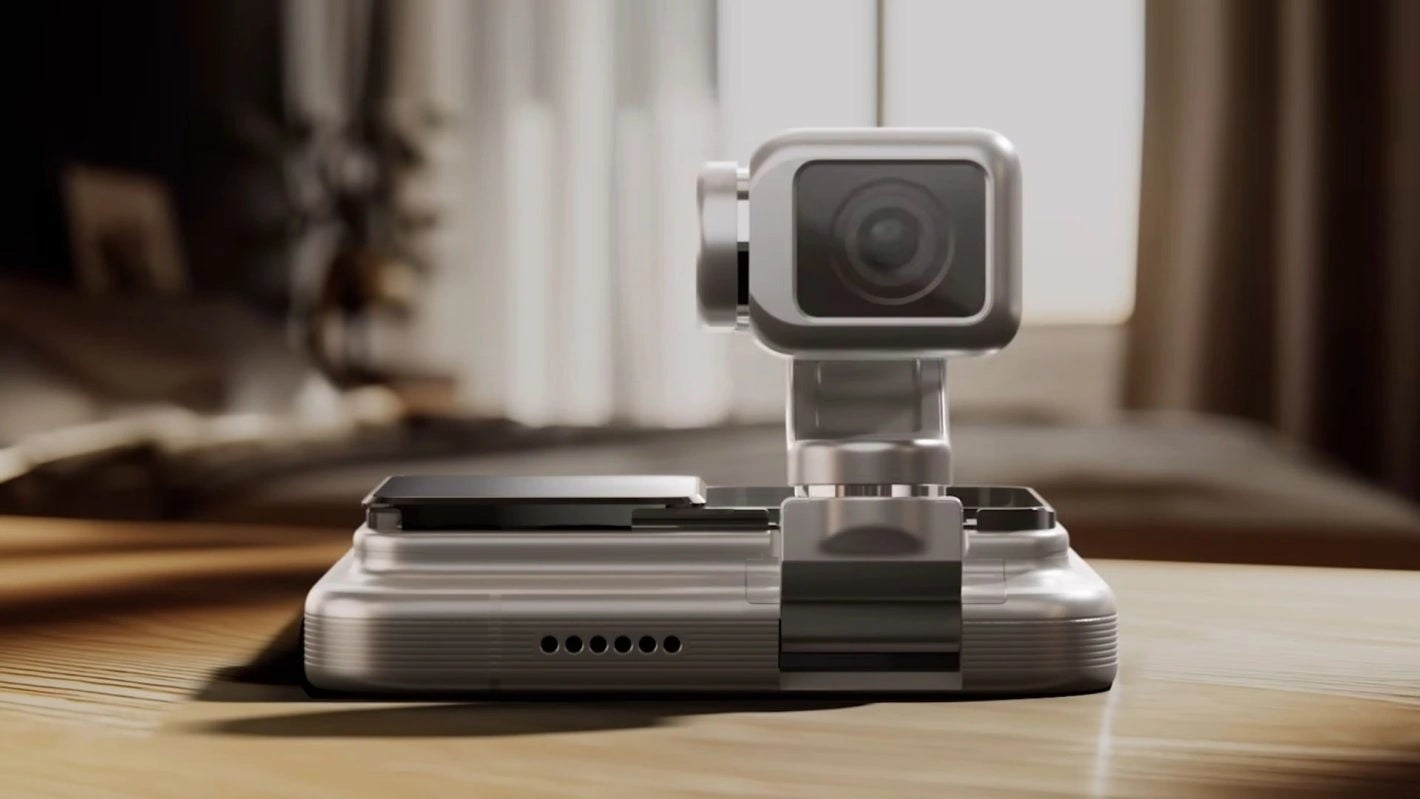
You personal AI photographer has arrived | Image by Honor
Honor hasn't shared much detail about the Robot Phone. The idea is to take the AI experience to a whole new level by giving a smartphone some additional physical freedom and autonomy. Honor’s concept relies heavily on AI features to track subjects and frame shots, taking the usual AI photo features you'd normally find in your app and letting the phone use them much more freely and autonomously.
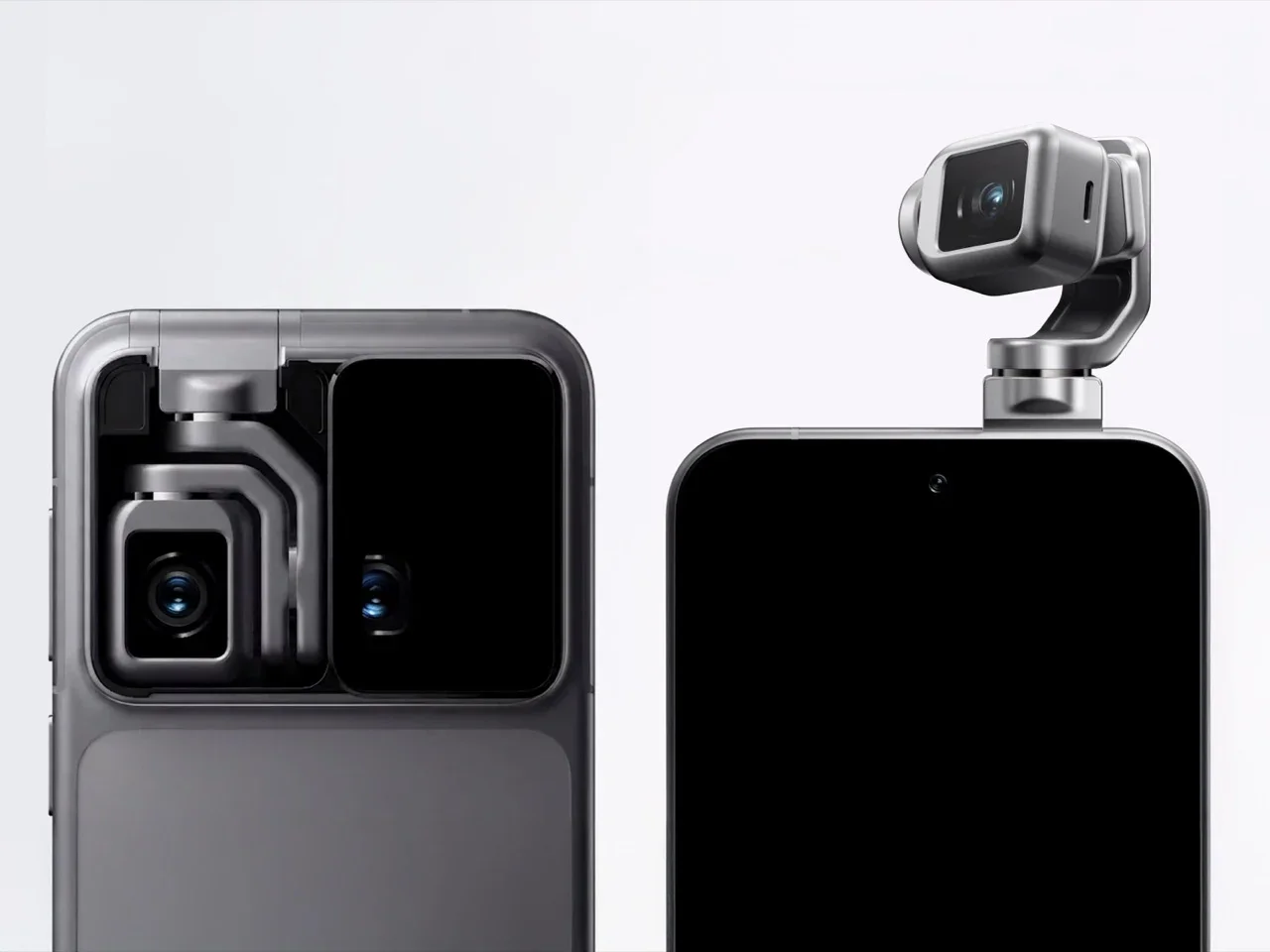
To do this, the company decided to use a gimbal-like camera on the back of the phone, because it gives the device some physical freedom—the phone can "look around." A fixed-camera phone needs to be handled and positioned a certain way to be able to take photos, even if there's an AI agent involved in the process.
Recommended For You
Practical issues
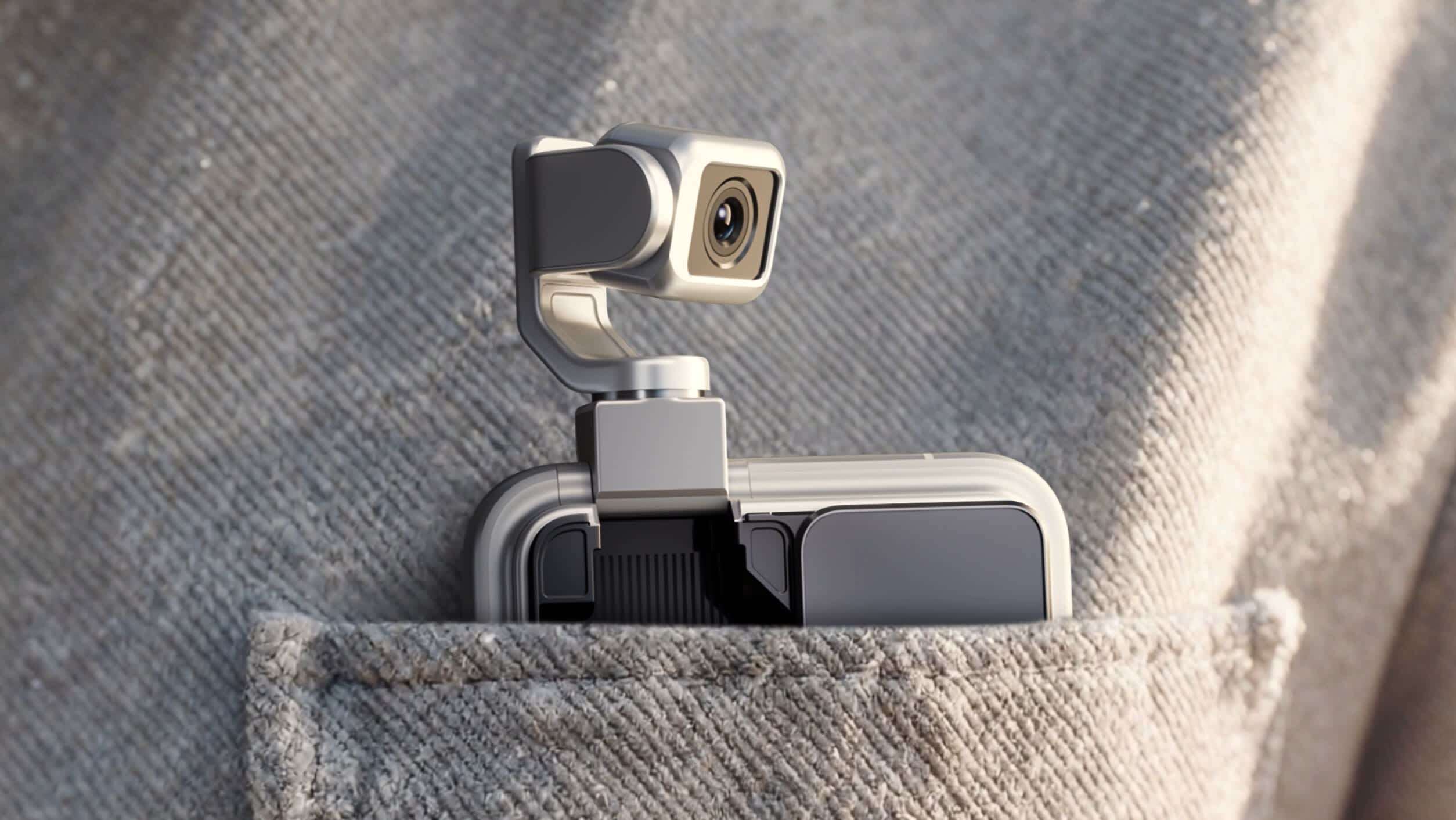
The Robot Phone will be big, heavy and expensive | Image by Honor
Before trying to assess whether people would want and use such a device, let's quickly glance over all the technical and practical issues around the Robot Phone. For starters, the phone is in a concept-prototype phase. Honor showed the device at CES a couple of days ago, but it was under a display glass and not functional.
There's a ton of work that needs to be done before the Robot Phone even enters mass production—certifications, assembly line changes, supply chain and distribution of components, etc.
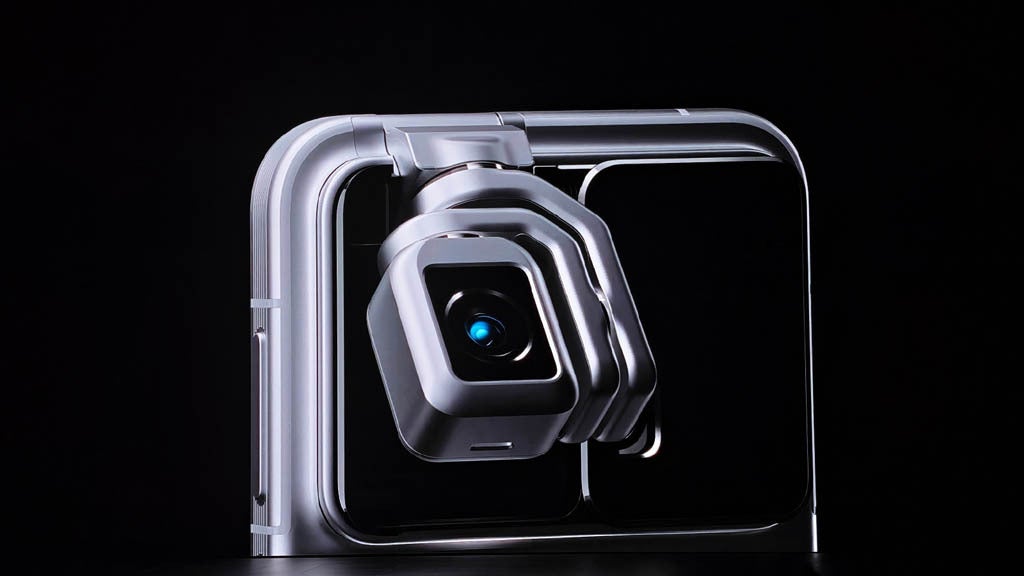
Then there's the technical side of things—slapping a big motorized gimbal camera on a phone comes with a lot of weight. Such a system could easily add 100 grams to a phone, making it extremely top-heavy and tough to handle.
Every moving part carries a risk | Image by Honor
The addition of a dedicated motor comes with a lot of durability concerns as well. How many operations would the phone be able to withstand? What if you drop it with the gimbal system active? Moving parts are also sensitive to dust and moisture, compromising the IP rating at a time when most phone companies are pushing the limits to offer better protection from the elements.
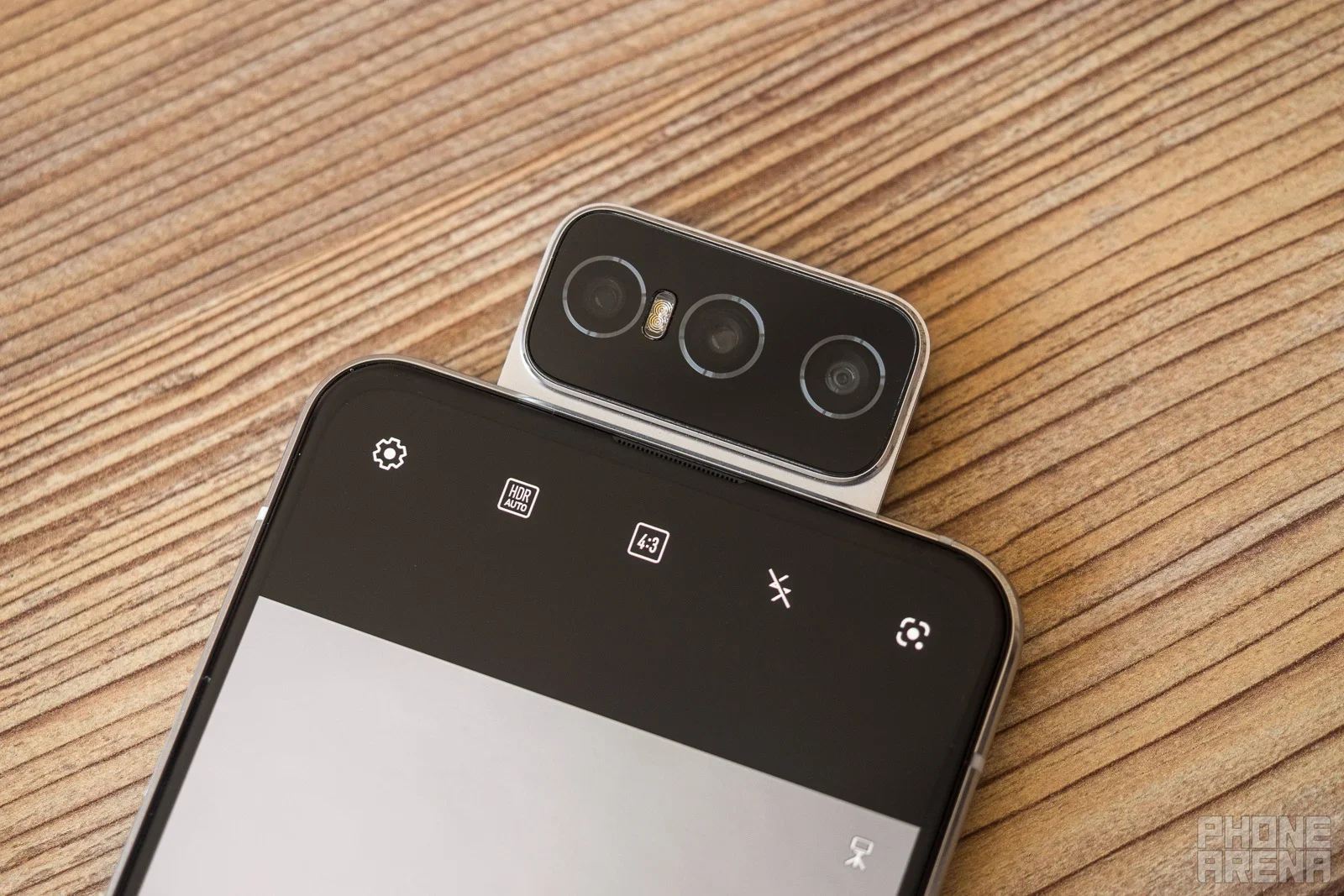
Having a motorized gimbal system also drains a lot of battery. Asus had a brief run of Zenfones, exploring the flip-up camera idea in order to solve the edge-to-edge display equation back in the day. The battery life was affected by how much you used the system, and it was just a flip camera, not a full-fledged, AI-infused gimbal.
The flip up camera of the Zenfone 7 Pro was an interesting solution to the edge-to-edge display problem | Image by PhoneArena
Last but not least, the price could be a major factor. All the R&D, production line changes, and manufacturing of specific components mean that the phone will most likely be very expensive. The tri-folding Huawei phone is such an example, and even though the Robot Phone probably won't cost $5000 at launch, it won't be $1000 either.
So, in the end, we'll be facing a phone that weighs 300+ grams, has a motorized camera system that sucks battery and can break, and probably costs a lot of money.
Privacy concerns
Many people might feel uneasy followed by a robotic camera | Image by Honor
The privacy subject isn't new, especially with the recent fast development of AI. Most of the computation is still done off device somewhere in the cloud, which means sending sensitive data to some place outside of your phone you know nothing about.
With the Robot Phone the issue is amplified by the fact that the phone can decide when to take a photo of you. I can't see many people being comfortable with a phone that physically moves the camera to track them around. The concept is concerning, even though the idea behind it is meant to make your life easier.
Let's say you order the Robot Phone to track your cooking endeavors for your blog and you mess it up in a monumental way, some crazy picture might be taken and also sent around the globe to distant data centers in China. That's the naive scenario—now imagine a model, or a beauty product influencer, or, if we want to go to extremes, an OnlyFans model.
It's one thing to consciously take a photo with a normal phone and let AI retouch it or do something with it, but it's a completely different matter to let a system track you around and take pictures whenever it decides to. Granted, it will follow algorithms and your "orders," but algorithms often do strange things and do not always produce the desired results, especially when we talk about AI.
The other side of the coin, or how should this be done
The Honor Robot Phone might still push the industry forward | Image by Honor
I don't want this article to become a hate piece meant to take down the Robot Phone. The idea has some merit behind it and should at least be applauded for how bold it is. Giving physical control to AI over your phone's camera is a bold move, even though it's a little crazy.
I often lament the stagnation in the smartphone market and the lack of innovation. The Robot Phone is an innovation, no doubt about it, and it could serve as a test of whether people really want more autonomous AI agents or they're fine using their phones in a more conventional way.
If there's a demand for such features, I can see a huge market of connected AI-operated accessories, rather than a radically new phone design. Launching an AI-powered remote gimbal camera that connects to your normal phone when needed makes much more sense, to me at least. It'd be much cheaper, you would be able to leave it behind when not needed, and it would work with many phone models.
In the end, the Robot Phone might turn out to be a terrible device that actually changed the smartphone world. Can't wait to see the real Robot Phone in action!
Mint Mobile's 6-month plans now cost $10/mo
$10
/mo
$35
$25 off (71%)
Mint Mobile is celebrating its 10-year anniversary with a special offer on its six-month subscription plans. For a limited time, you can get your preferred tier (6GB, 17GB, 23GB or unlimited) for just $10/mo. That saves you between 50% and 71% on the carrier's mobile plans, making it way easier to recommend.
Mariyan, a tech enthusiast with a background in Nuclear Physics and Journalism, brings a unique perspective to PhoneArena. His childhood curiosity for gadgets evolved into a professional passion for technology, leading him to the role of Editor-in-Chief at PCWorld Bulgaria before joining PhoneArena. Mariyan's interests range from mainstream Android and iPhone debates to fringe technologies like graphene batteries and nanotechnology. Off-duty, he enjoys playing his electric guitar, practicing Japanese, and revisiting his love for video games and Haruki Murakami's works.
A discussion is a place, where people can voice their opinion, no matter if it
is positive, neutral or negative. However, when posting, one must stay true to the topic, and not just share some
random thoughts, which are not directly related to the matter.
Things that are NOT allowed:
Off-topic talk - you must stick to the subject of discussion
Offensive, hate speech - if you want to say something, say it politely
Spam/Advertisements - these posts are deleted
Multiple accounts - one person can have only one account
Impersonations and offensive nicknames - these accounts get banned
To help keep our community safe and free from spam, we apply temporary limits to newly created accounts:
New accounts created within the last 24 hours may experience restrictions on how frequently they can
post or comment.
These limits are in place as a precaution and will automatically lift.
Moderation is done by humans. We try to be as objective as possible and moderate with zero bias. If you think a
post should be moderated - please, report it.
Have a question about the rules or why you have been moderated/limited/banned? Please,
contact us.










Things that are NOT allowed:
To help keep our community safe and free from spam, we apply temporary limits to newly created accounts: