Samsung announces the Galaxy Book 6 series aiming to solve the biggest problem with Windows laptops
The new hardware inside makes a promise that sounds almost too good to be true.
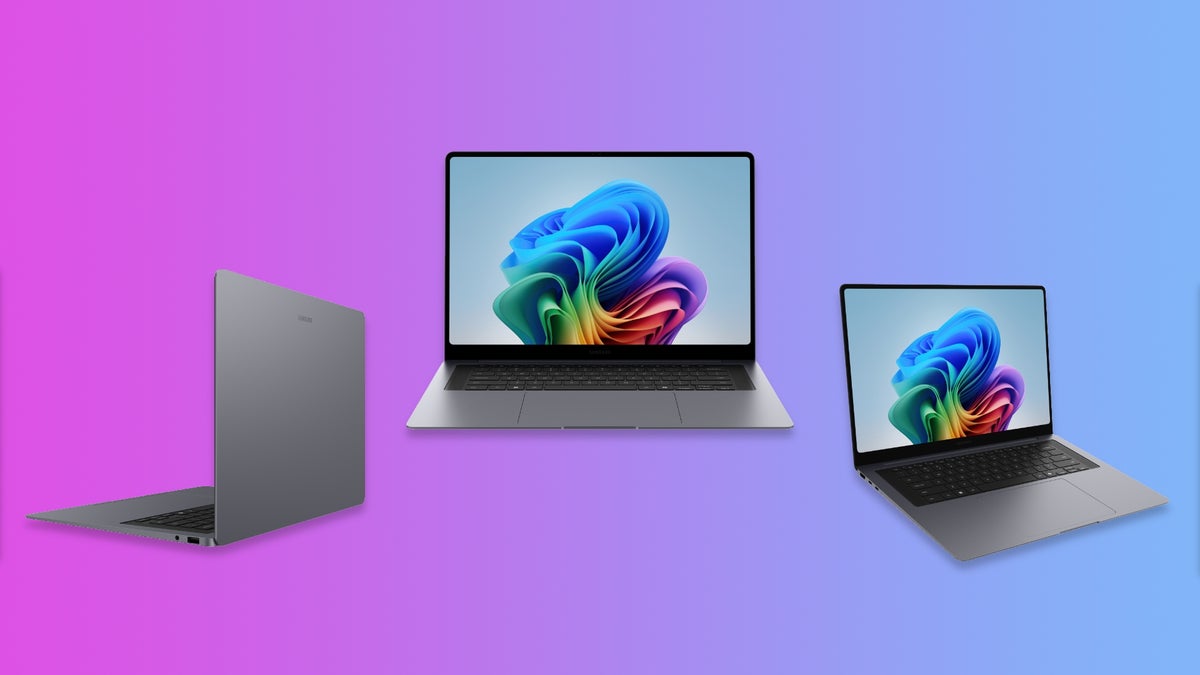
Samsung has refreshed its laptop lineup at CES 2026 with the announcement of the Galaxy Book 6 series, featuring Intel’s latest processors and updated cooling systems. The new range includes the high-end Ultra, the slim Pro, and the standard Galaxy Book 6, all scheduled for a U.S. release this spring.
Samsung officially unveiled its new laptop portfolio, headlined by the Galaxy Book 6 Ultra. The primary update across the board is the inclusion of Intel Core Ultra Series 3 processors, which are built on the new "Intel 18A" architecture. These chips are designed to handle on-device AI tasks more efficiently while managing power consumption.
To support the new internals, Samsung states it has redesigned the cooling system. The Ultra and Pro models now utilize a vapor chamber with improved fan efficiency, which the company claims improves cooling by 35% compared to previous generations.
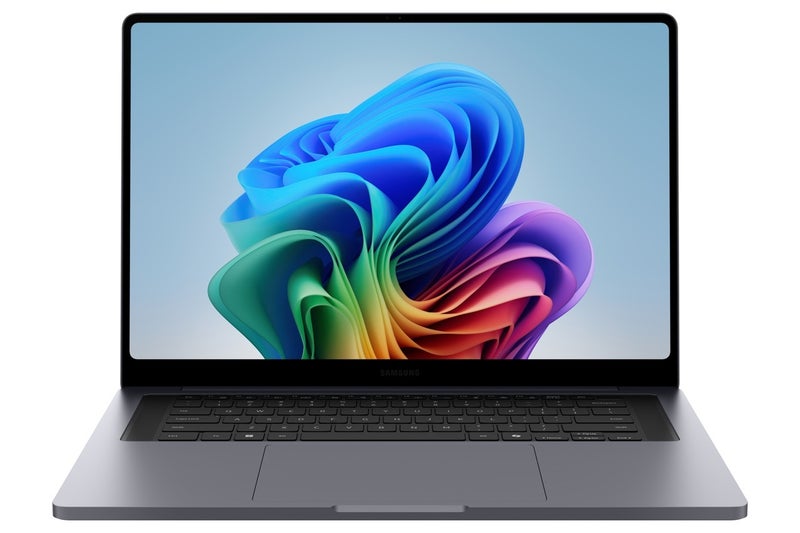
On paper, the Galaxy Book 6 series addresses several pain points from previous generations, specifically regarding thermal management and screen glare. The move to Corning Gorilla Glass with DXC is a practical update that should improve outdoor visibility, which is often a struggle for glossy AMOLED panels.
The 30-hour battery figure is the headline grabber, but that claim should be approached with a healthy dose of skepticism until reviews confirm them — particularly while handling actual workloads like web browsing and multitasking. It is also worth noting that the U.S. launch isn't until Spring 2026, leaving a gap between the announcement and availability. For now, official U.S. pricing is not available, but we'll likely get that closer to the spring launch.
Samsung reveals Galaxy Book 6 series at CES
Samsung officially unveiled its new laptop portfolio, headlined by the Galaxy Book 6 Ultra. The primary update across the board is the inclusion of Intel Core Ultra Series 3 processors, which are built on the new "Intel 18A" architecture. These chips are designed to handle on-device AI tasks more efficiently while managing power consumption.
Key specifications
Galaxy Book 6 Ultra
Galaxy Book 6 Pro (14" & 16")
Galaxy Book 6
- Display: 16-inch Dynamic AMOLED 2X touchscreen (1000 nits HDR brightness) with anti-reflective Corning Gorilla Glass with DXC.
- Performance: Intel Core Ultra Series 3 (up to 50 TOPS NPU) paired with optional NVIDIA GeForce RTX 5060 or 5070 Laptop GPUs.
- Battery: Samsung claims up to 30 hours of video playback and supports 140W charging (63% charge in 30 minutes).
- Audio: Quad-woofer and dual-tweeter setup with Dolby Atmos.
Galaxy Book 6 Pro (14" & 16")
- Build: The 14-inch model measures 11.6mm thin.
- Cooling: This marks the first time vapor chamber cooling is available in the Pro series.
- Connectivity: Supports Wi-Fi 7.
Galaxy Book 6
- Design: Available in 14-inch and 16-inch options with an IPS display.
- Ports: Includes legacy ports like RJ45 (Ethernet) alongside USB-C and HDMI.
The push for efficiency
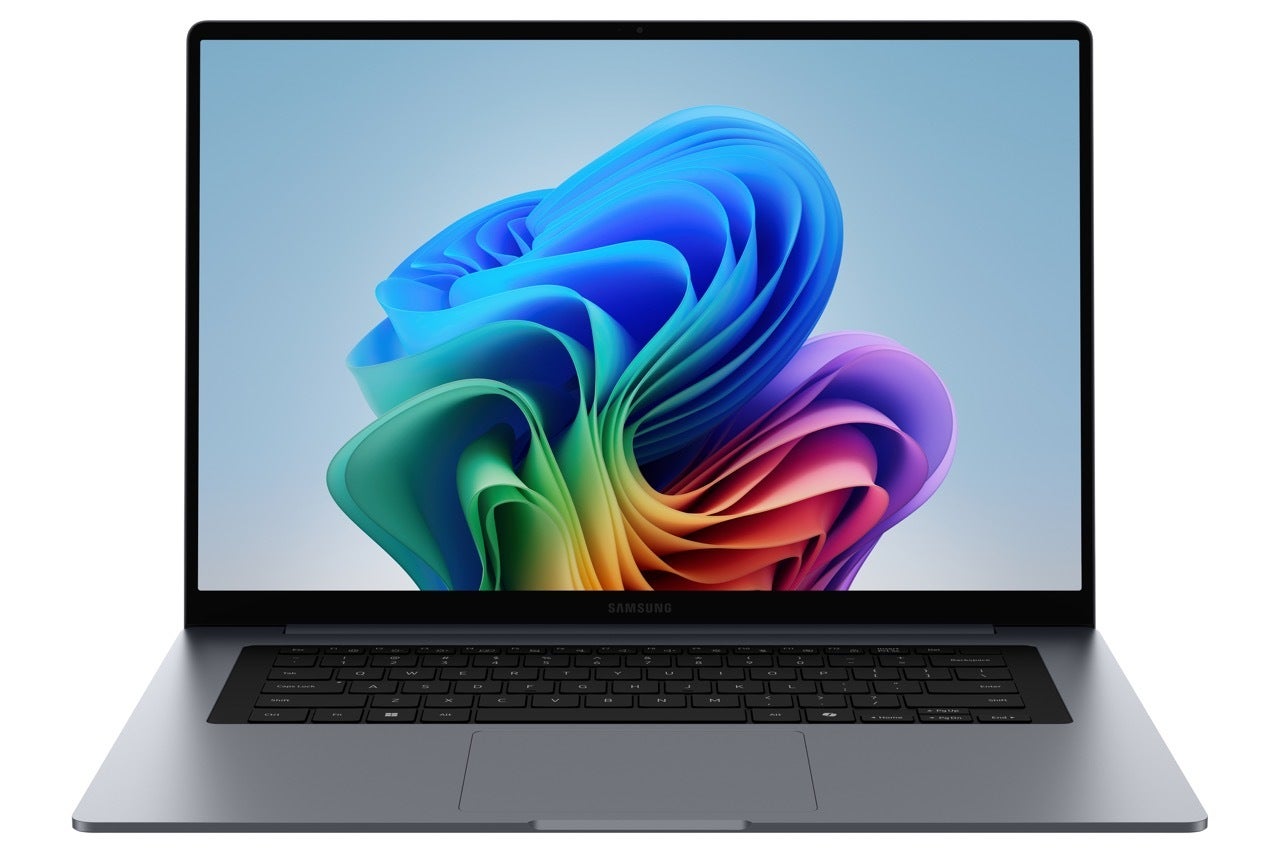
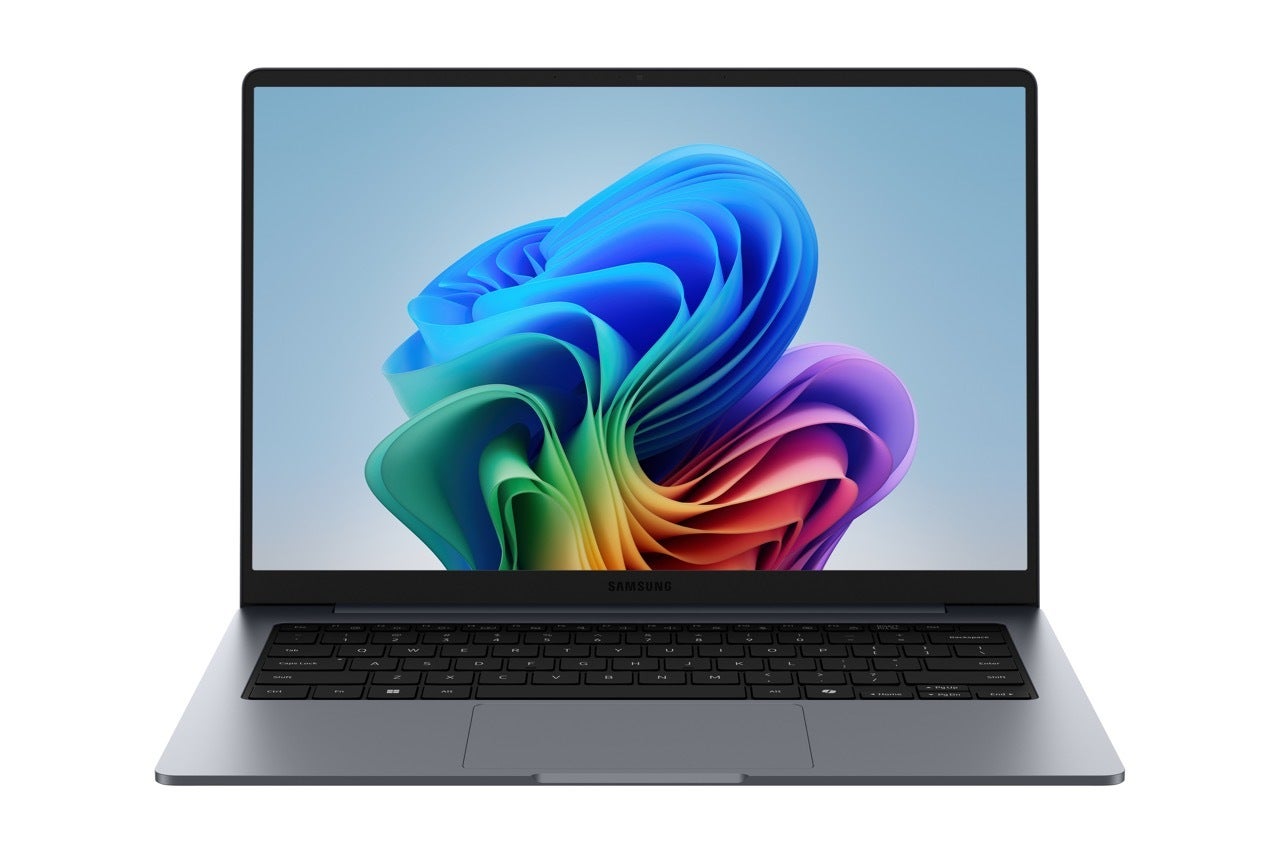
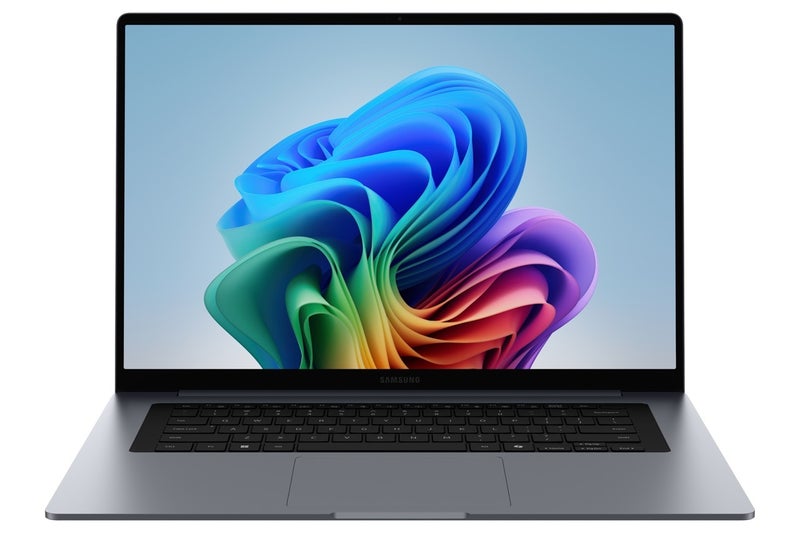
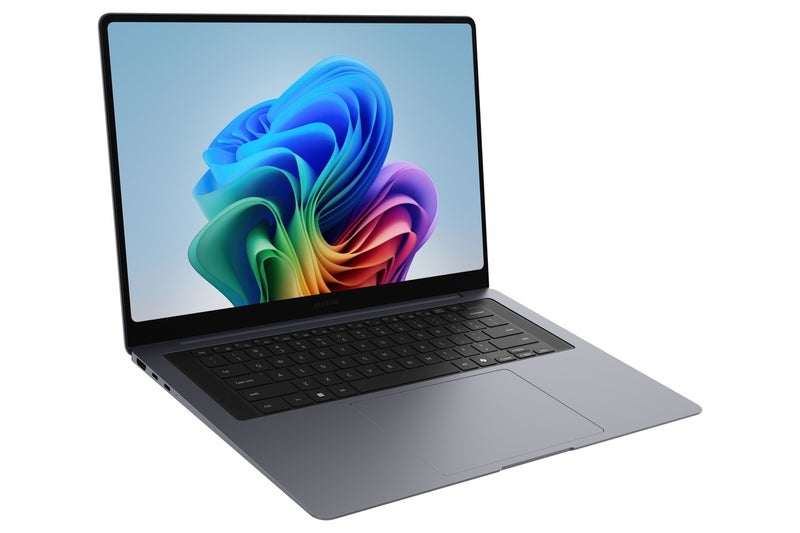
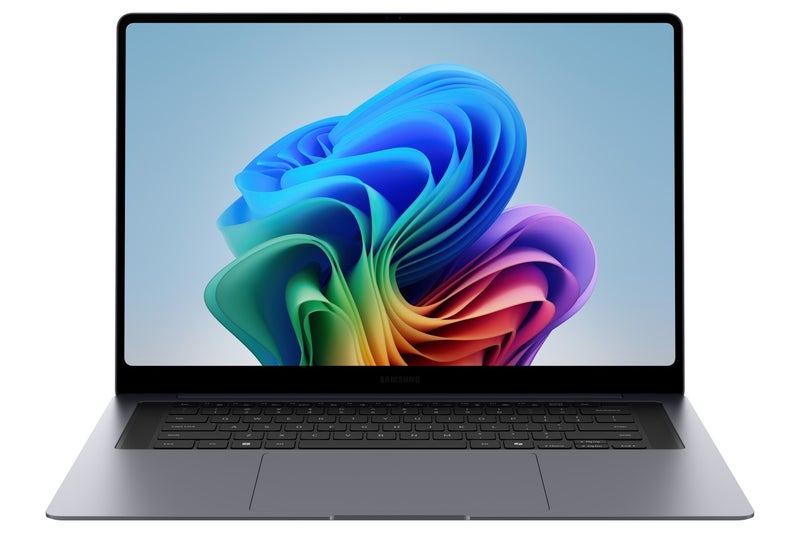
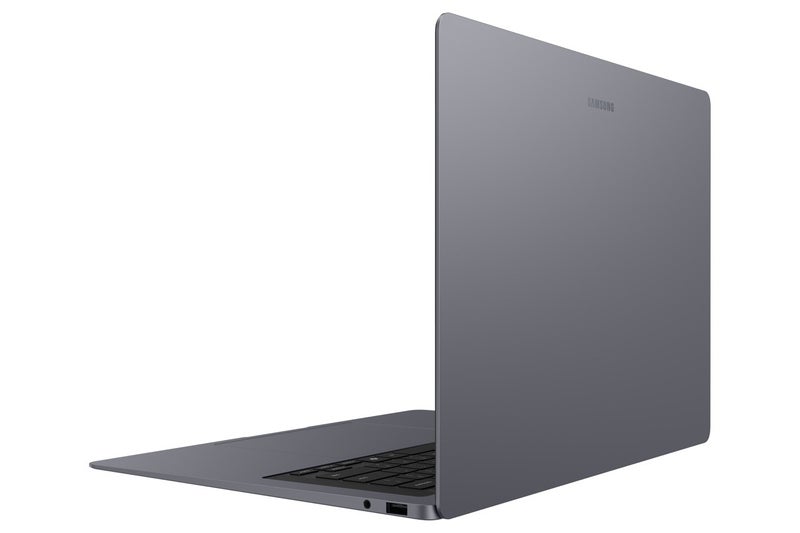
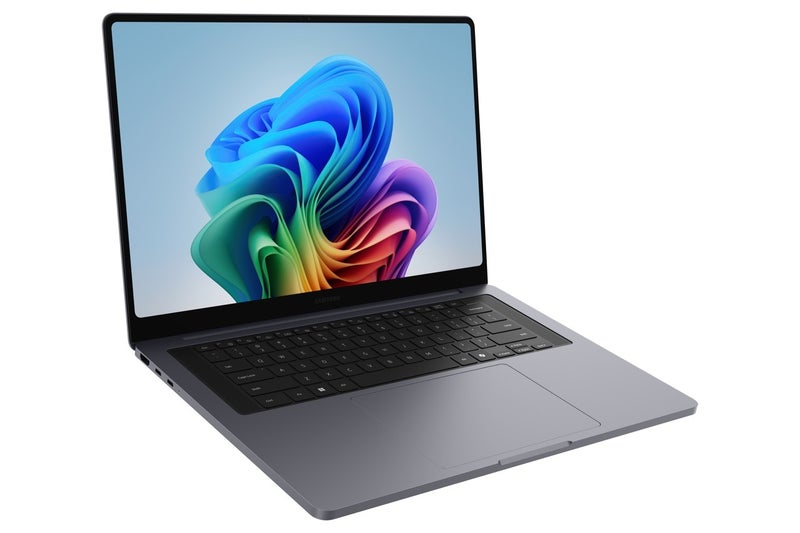
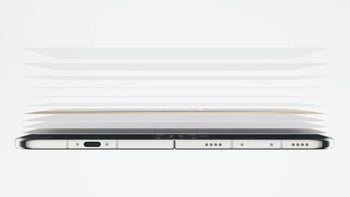
Galaxy Book 6 in 16" and 14" configurations. | Images credit — Samsung
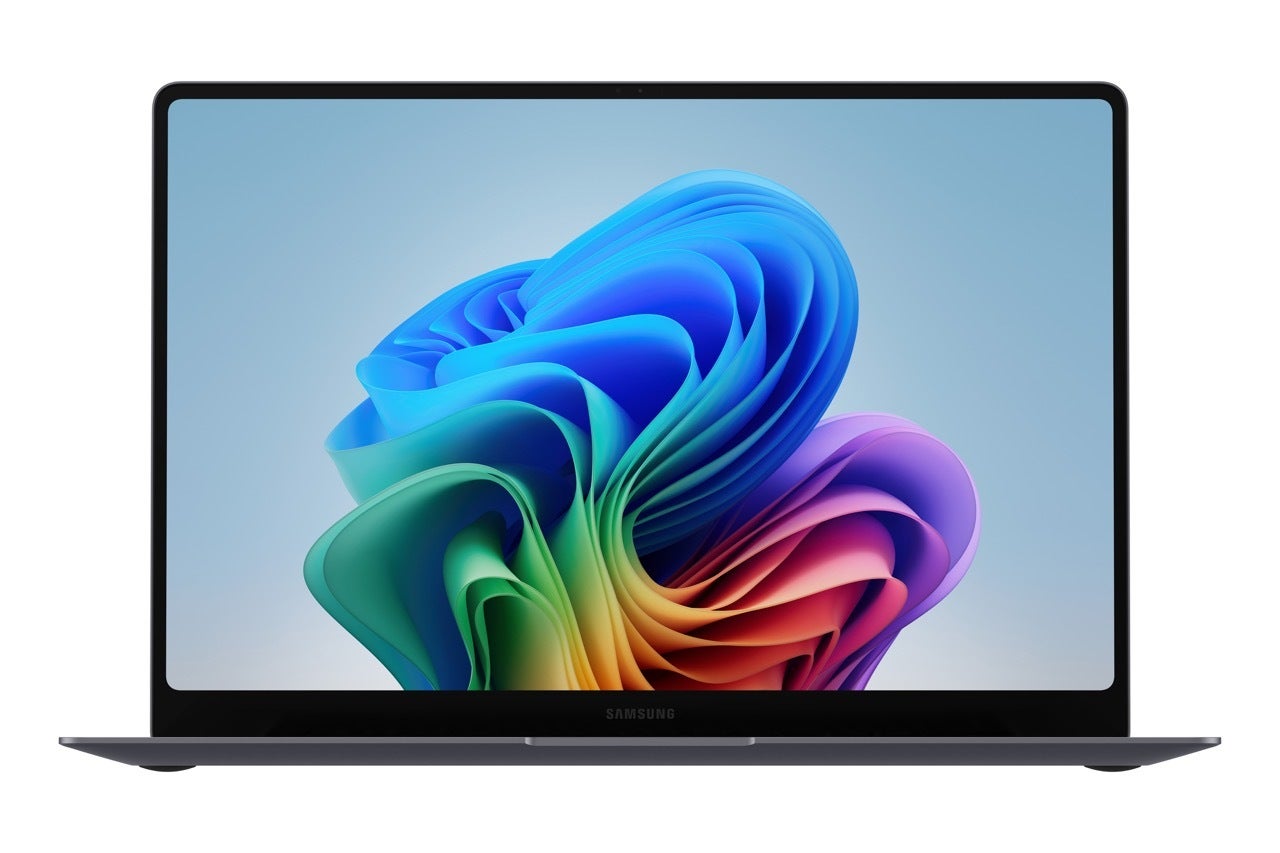
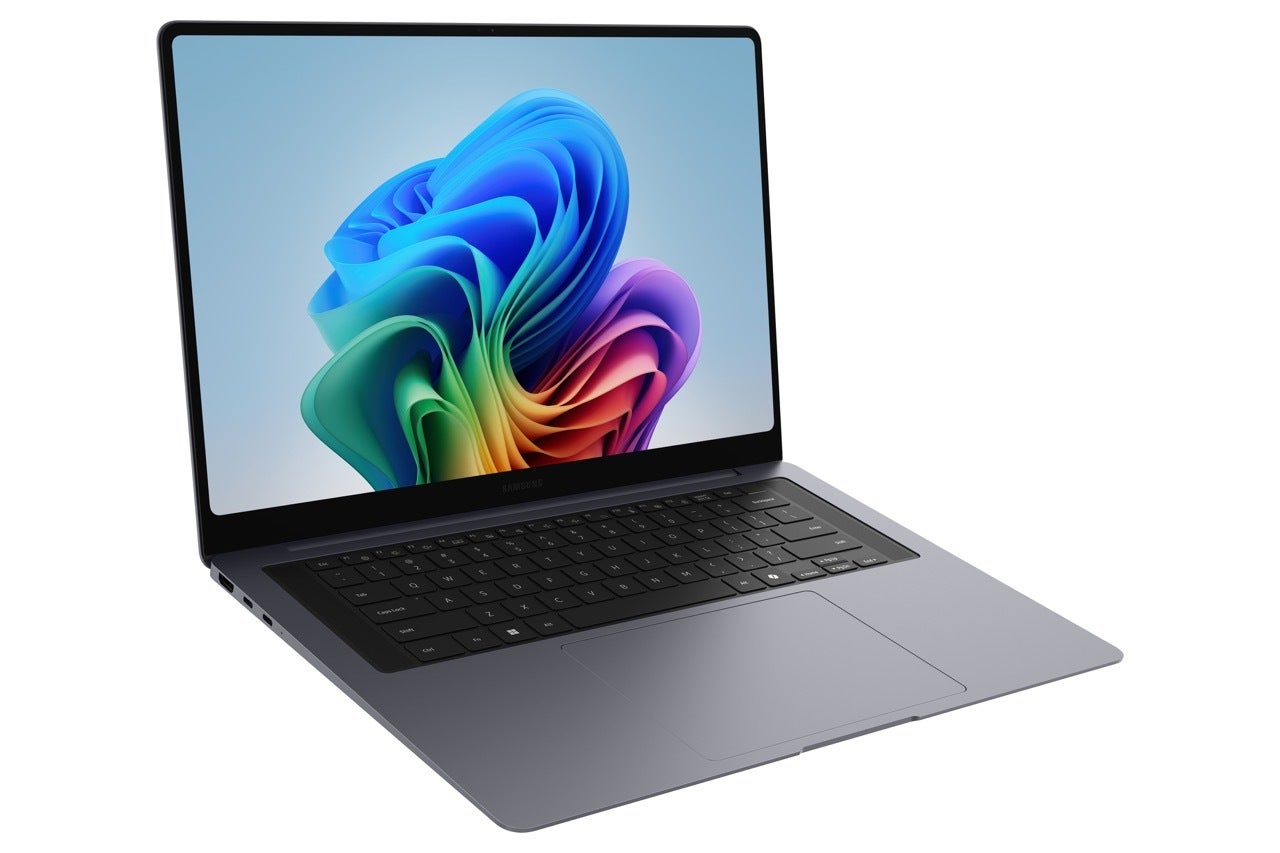
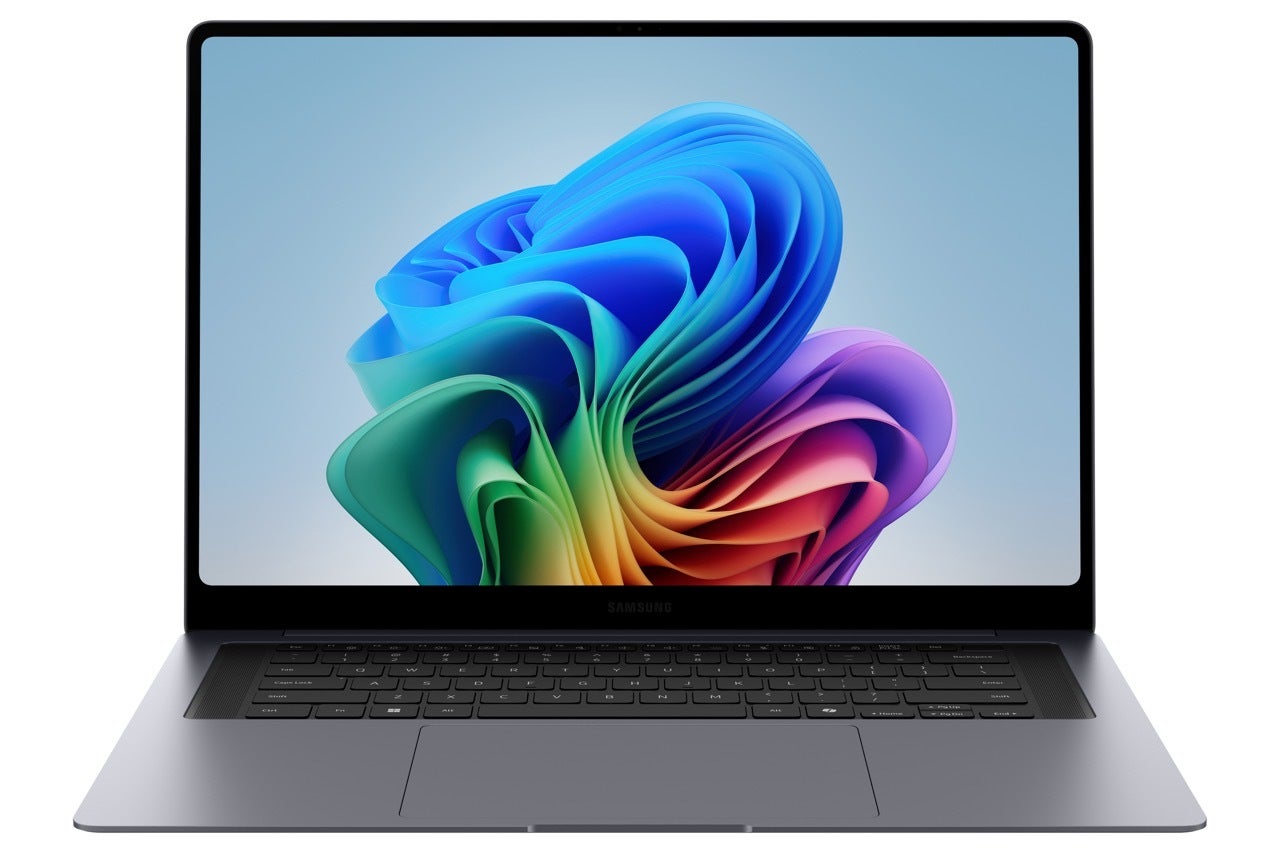
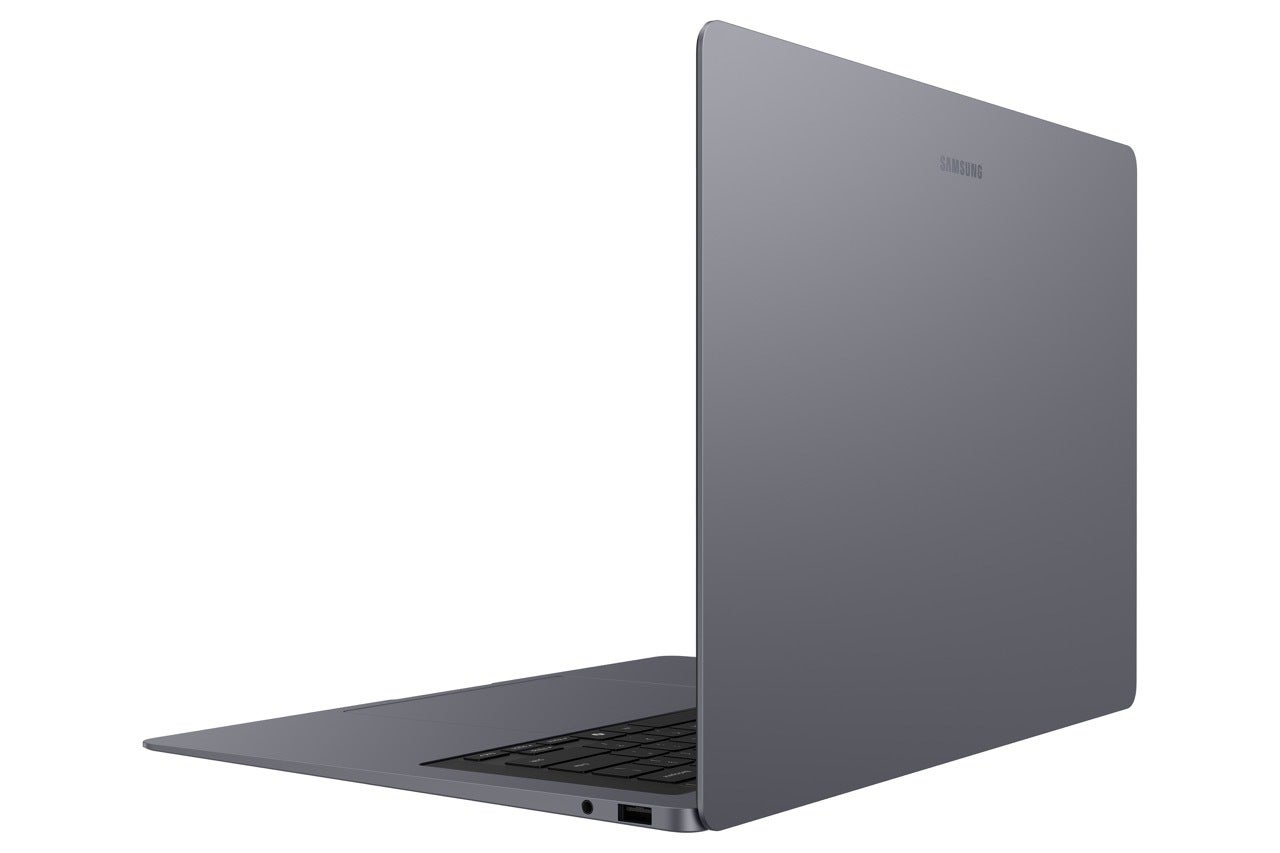
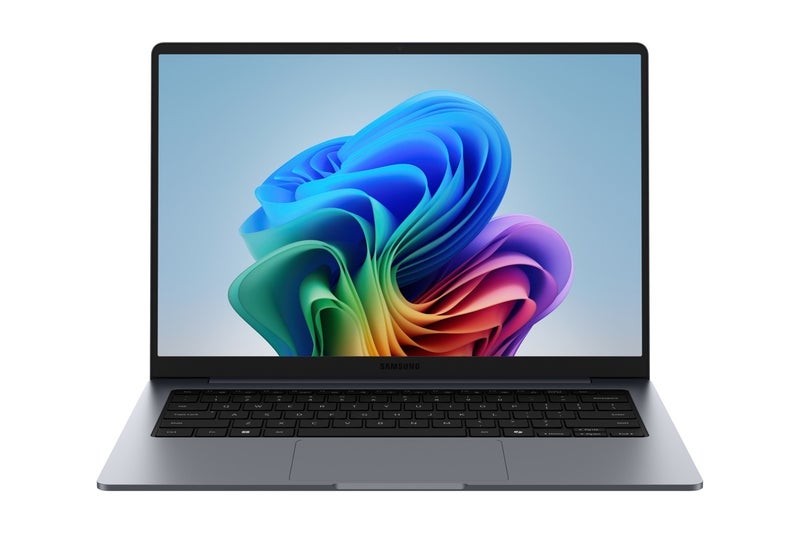
Galaxy Book 6 Pro 16". | Images credit — Samsung
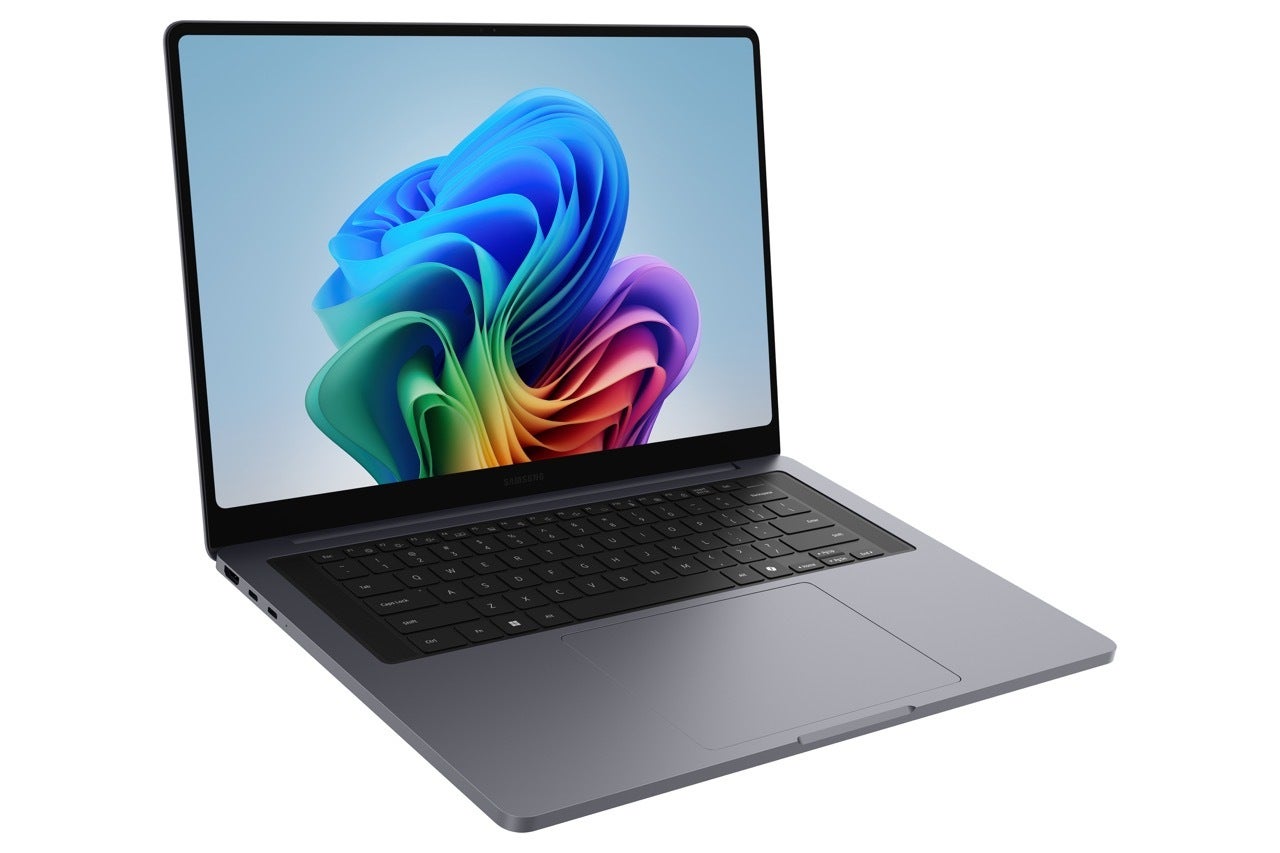
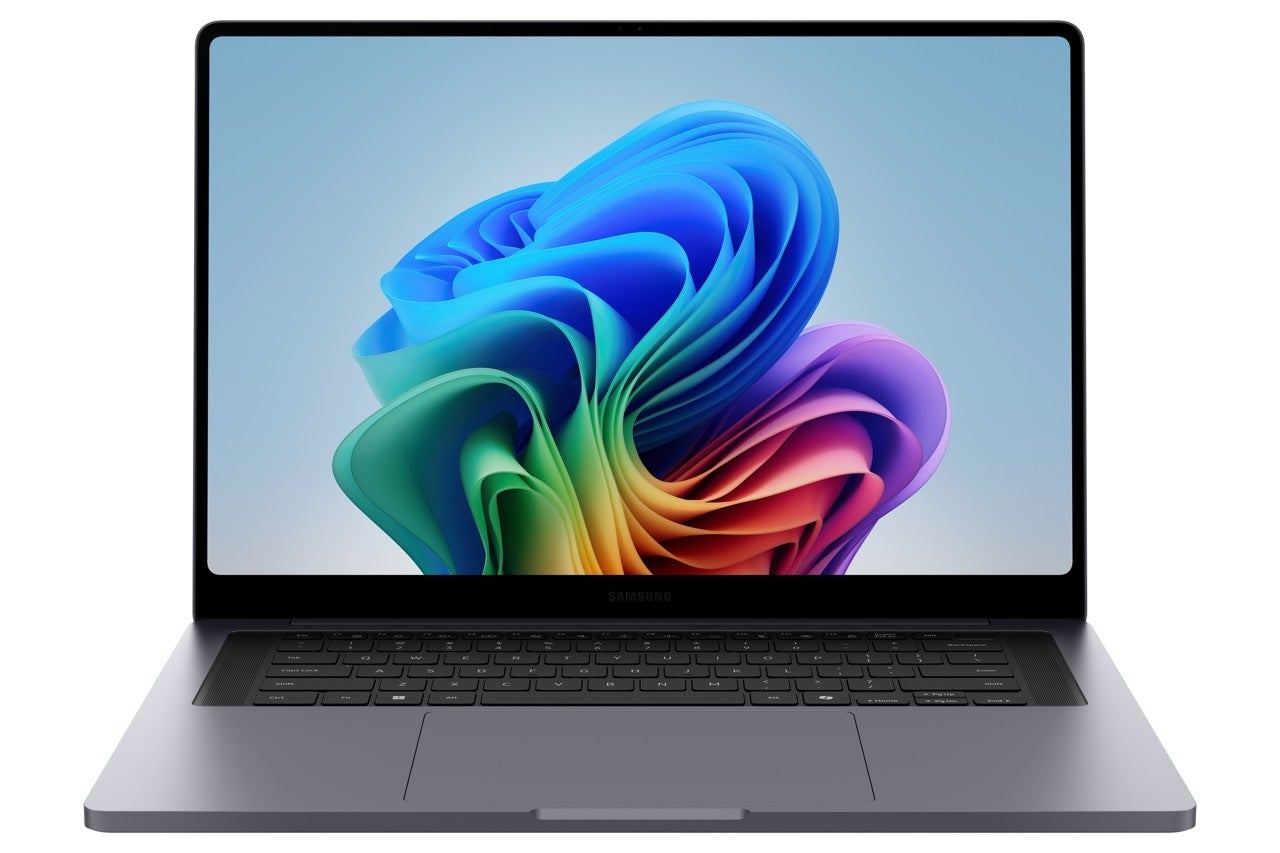
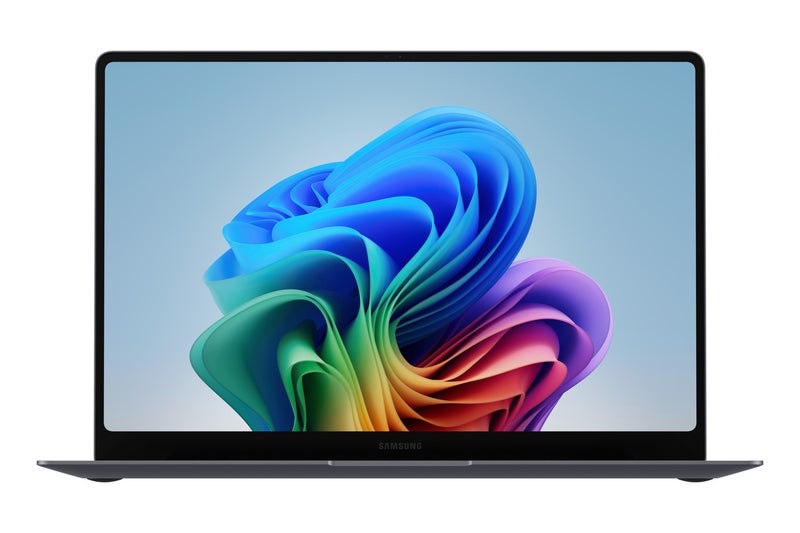
Galaxy Book 6 Ultra 16". | Images credit - Samsung
While the "AI PC" label is standard marketing for 2026, the significant metric here is the battery life claim. Windows laptops have historically struggled to match the power efficiency of Apple’s silicon, particularly in standby and media playback. Samsung’s claim of 30 hours for video playback on the Ultra model suggests Intel’s new architecture aims to narrow that gap, though "video playback" metrics often differ from mixed-use reality.
The series also doubles down on ecosystem lock-in. Features like "Multi Control" (using one keyboard/mouse across devices) and "Storage Share" are designed specifically for users who already own a Galaxy smartphone or tablet, incentivizing brand loyalty.
Which spec upgrade interests you the most?
103 Votes
The 30-hour video playback claim
41.75%
The anti-reflective Gorilla Glass display
13.59%
The NVIDIA RTX 50-series GPU
26.21%
The improved vapor chamber cooling
18.45%
Strong specs, but real-world testing is needed
On paper, the Galaxy Book 6 series addresses several pain points from previous generations, specifically regarding thermal management and screen glare. The move to Corning Gorilla Glass with DXC is a practical update that should improve outdoor visibility, which is often a struggle for glossy AMOLED panels.


Popular stories

Latest News



Things that are NOT allowed:
To help keep our community safe and free from spam, we apply temporary limits to newly created accounts: