Apple in line for huge multi-billion refund after Supreme Court ruling
Now that President Trump's reciprocal tariffs have been shot down by SCOTUS, Apple might get a huge refund.
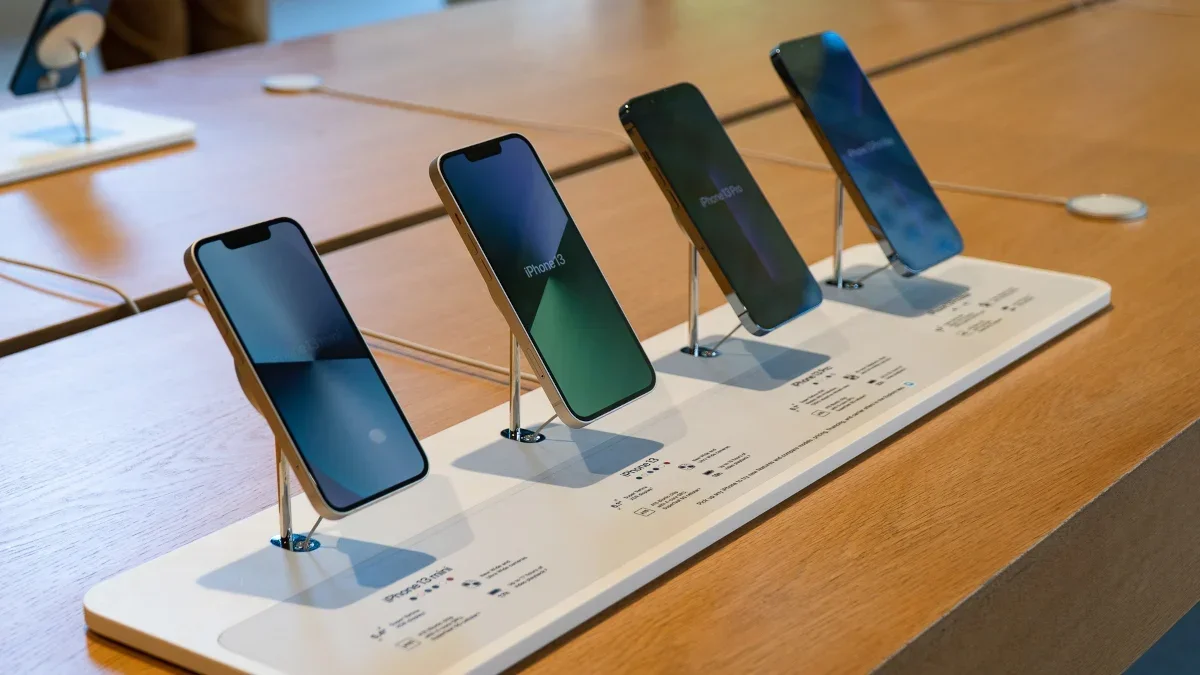
Supreme Court ruling could mean a big tariff refund for Apple. | Image by Apple
Apple could receive a refund of as much as $3.3 billion after the U.S. Supreme Court ruled that President Trump's reciprocal tariffs are illegal. | Image by Apple
Last week, the U.S. Supreme Court ruled that President Donald J. Trump did not have the authority to impose his reciprocal tariffs on almost every U.S. trading partner. While the power to "lay and collect Taxes and Duties" belongs exclusively to Congress, the president chose to work around Congress by invoking the International Emergency Economic Powers Act (IEEPA).
Why Apple is in line to score a huge refund
While IEEPA does give the president the authority to "regulate importation" during a national emergency, the Supreme Court, by a 6-3 tally, found that the Act did not give him the power to tax. In other words, the Court felt that the framers of the Constitution did not intend for the president to be able to use emergency regulatory power to raise revenue. The 6-3 ruling was followed by talk of possible refunds to companies that were forced to pay the tariffs, which are an import tax that U.S. corporations and consumers pay.
One company in line to possibly score a huge refund is Apple. Because the tech giant manufactures its products in countries like China that Trump placed high tariffs on, the company paid $3.3 billion in tariffs over the last three quarters. Apple and its CEO Tim Cook had tried to avoid high tariff bills by currying favor with the president. Last February, Apple said that it would invest $500 billion in the United States over four years and added another $100 billion in August.
Cook even resorted to praising Trump, a move that the executive used on the president in the past. He also promised to buy more American made semiconductors, and gifted Trump a one of a kind 24-karat Gold plaque.
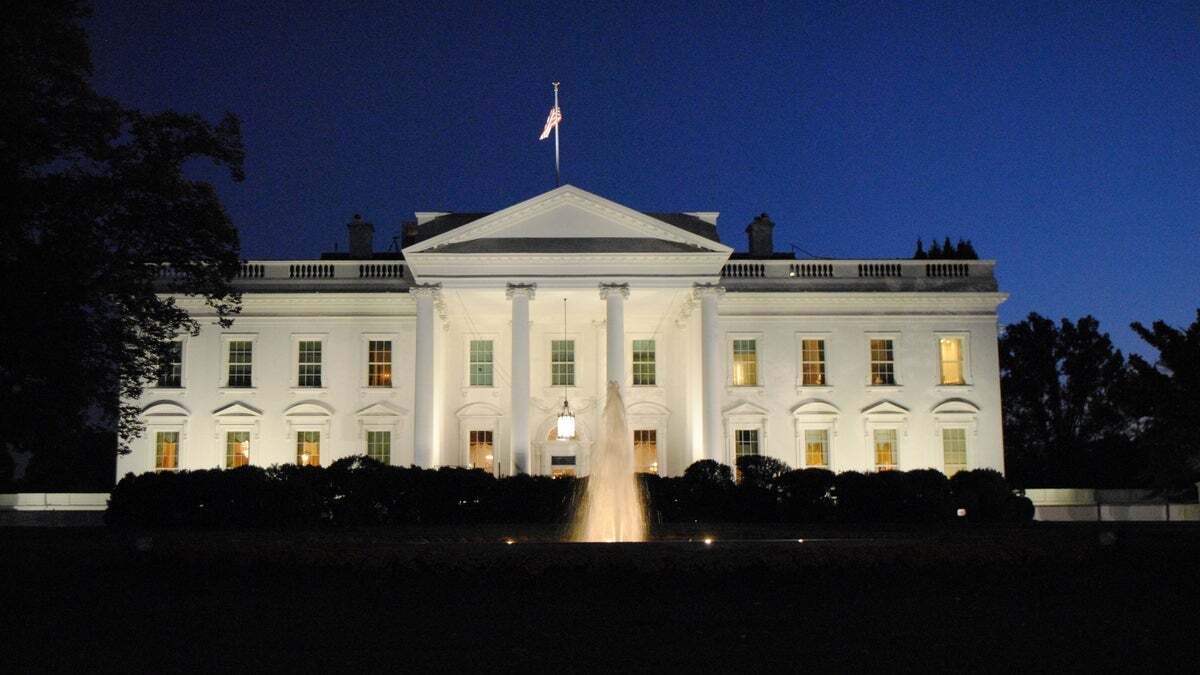
President Trump's reciprocal tariffs are illegal according to the U.S. Supreme Court. | Image by White House Historical Association
The New York Times asked an Apple spokesman if the company asked for a refund, and if not, whether it would request one. The spokesman refused to comment. President Trump did issue an executive order following the Supreme Court ruling that ended the previously announced tariffs. However, Trump also signed a Proclamation that raises the import duty on products shipped to the U.S. from all countries to 15% from the previously charged 10%.
The Trump Administration tries a new tactic to get around the SCOTUS ruling
Unlike the reciprocal tariffs that relied on the IEEPA, the new import tax is based on Section 122 of the Trade Act of 1974. This law allows the president to address "large and serious balance-of-payments deficits." However, the law also allows the import duty to be valid only for 150 days, which means that they expire on July 24, 2026, unless Congress approves an extension.
Apple has been slowly moving the production of key products like the iPhone out of China. Early this year, India became the primary country where iPhones headed for the U.S. are assembled. This move was done due to U.S. trade tensions with China and the uncertainty over what kind of trade restrictions or tariffs the current and future administrations might impose on the country.


Popular stories


Latest News



![Another batch of Galaxy S26 series users in the US are getting a nice surprise today [UPDATED]](https://m-cdn.phonearena.com/images/article/183643-wide-two_350/Another-batch-of-Galaxy-S26-series-users-in-the-US-are-getting-a-nice-surprise-today-UPDATED.webp)
Things that are NOT allowed:
To help keep our community safe and free from spam, we apply temporary limits to newly created accounts: