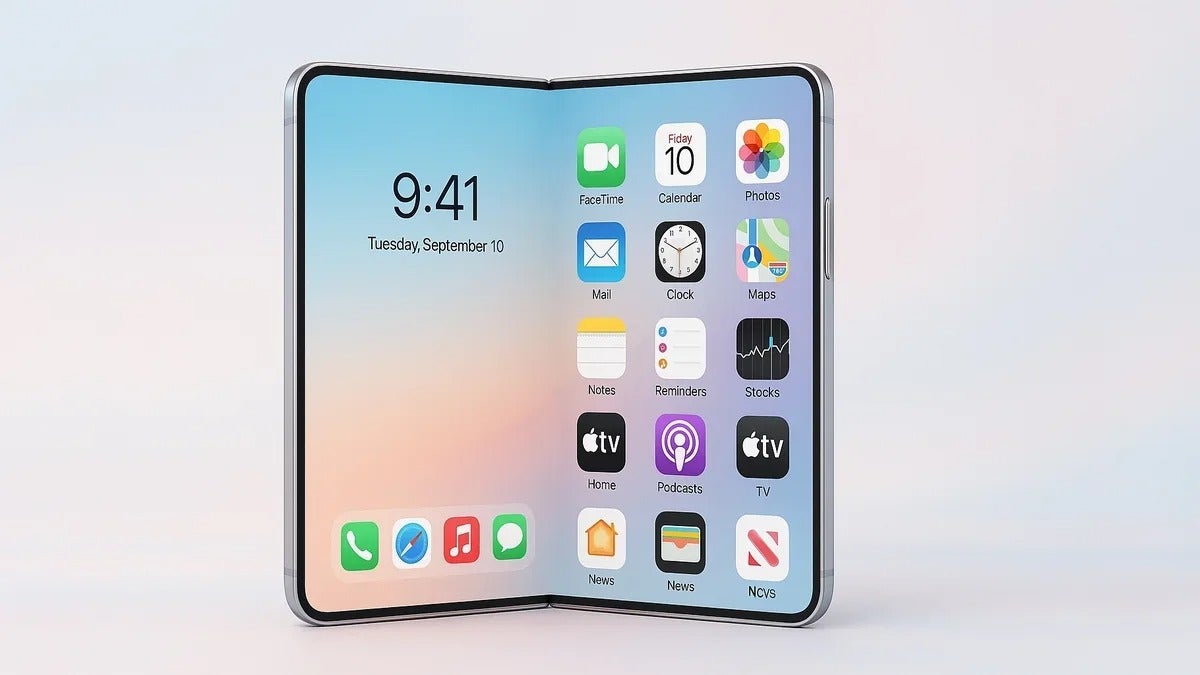
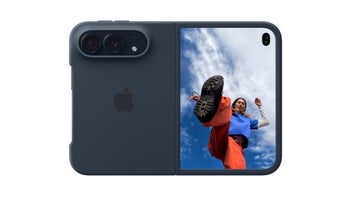
It’s happening — the foldable iPhone is coming. The leaks, the reports, the analysts are adamant. September 2026 is the month we will likely see the first iPhone Fold (or however Apple ends up calling it).
And I am expecting to be… underwhelmed.
No, not because it will be a bad device. On the contrary, I am pretty sure it will be amazing. But Apple Vision Pro type of amazing.
Let me explain.
The foldable problem and why we don’t have an iPhone Fold yet
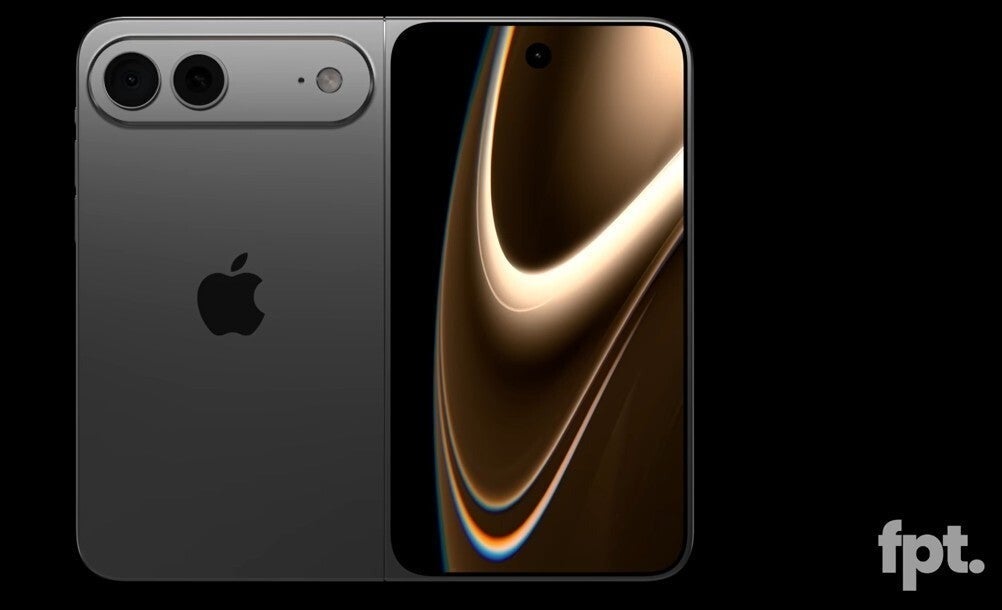
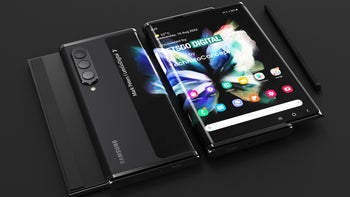
Render by Front Page Tech
Samsung, Google, Oppo, OnePlus, Xiaomi, Vivo, Huawei — these big brands have been in the foldable phone game for years now. Perfecting them with each iteration, making them thinner with bigger screens, adding special software features, developing bigger batteries for them.
And still, they are a niche device. Why?
The reasoning is complex, but can be boiled down to three points:
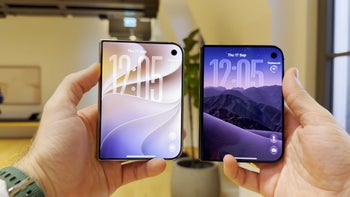
The unfolded experience is square-shaped: most foldables are better for multi-tasking, but not for multimedia consumption. A nice 6.9-inch chocobar phone is still more practical to the regular user than a heavier and clunkier foldable
The price is still up there: it’s the nature of foldables to be expensive. Dual displays and super-complex hinges drive the price up way beyond what a regular flagship will cost you. Hence why people revert to the “normal” phones referenced above
Hardware compromise: recent models have made huge strides in this area, but a conventional flagship will still have a better camera module and better battery life than a contemporary foldable
No iPhone Fold makes sense now
Apple is a company that historically jumps on tech trends when it makes sense. When the kinks have been ironed out, and the consumer demand is present. Then, Cupertino jumps in by adding its signature style of perfecting and simultaneously simplifying the new technology, making it desirable for the mass market.
Recommended For You
However, there are a couple of exceptions.
Waiting too long undermines “prestige”
Biding your time until the tech blossoms and blooms is generally a good strategy. However, when you are in the race of being a tech leader, you can’t just sit on your hands forever. It’s a matter of positive image, if you will.
For example, Apple took its time to join the smartwatch game. The Samsung Galaxy Gear released in 2013, the first Apple Watch came out in 2015. To be fair, since then, Apple has done quite a lot to innovate and shape what a smartwatch should be and do for you (back in the mid-2010s, they were glorified notification bracelets that used to overheat on your wrist).
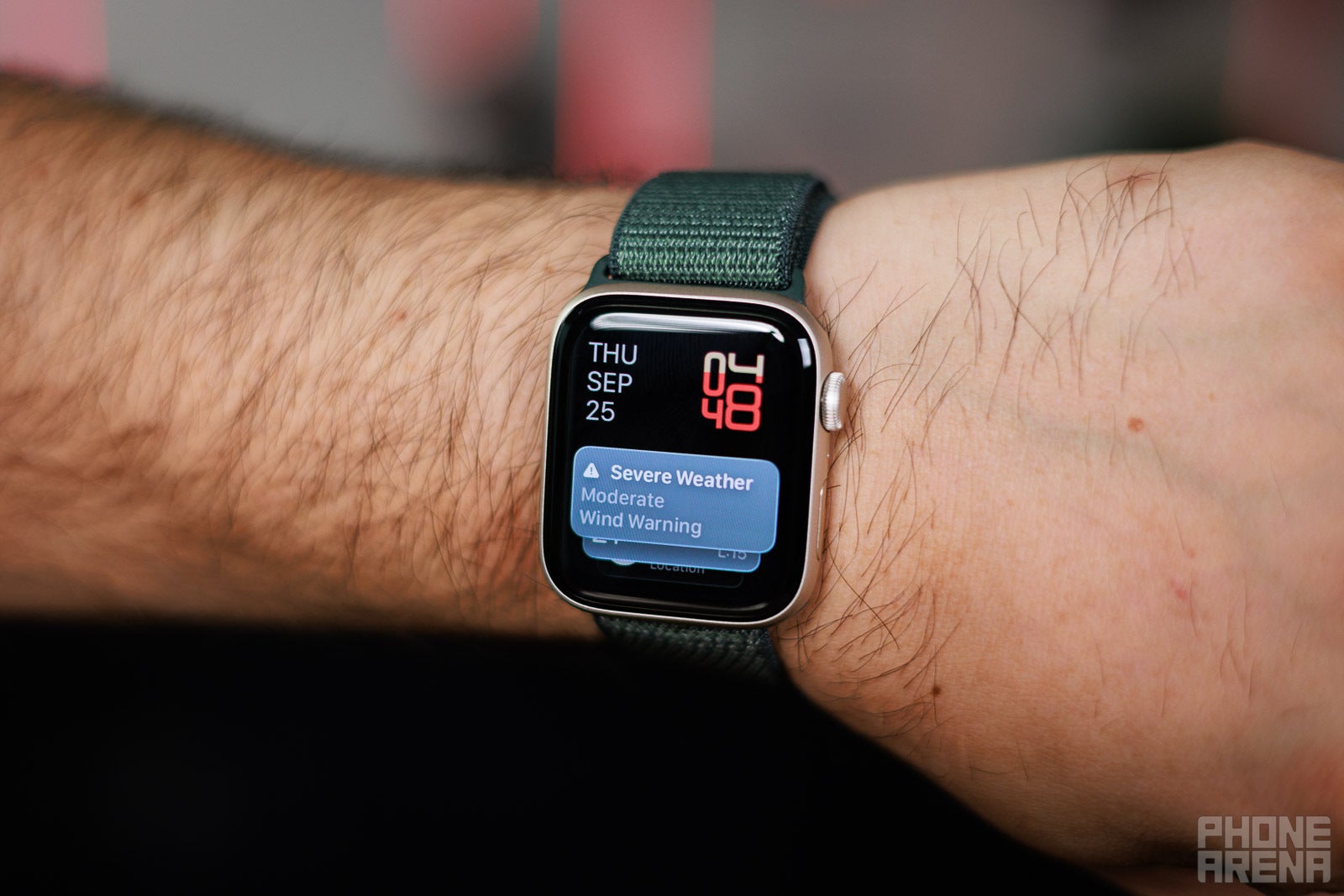
The Apple Watch - a timeless timepiece (Image credit - PhoneArena)
But that’s a “good” example of biding your time. What I want to look at today is a different device, which Apple delayed and only released for the prestige points:
The case with the Apple Vision Pro
We are living past the age when Virtual Reality was considered to be “the future”. Now, tech pundits agree that Augmented Reality glasses may be more suitable for everyday life.
That said, VR is still a high-tech niche that’s seeing some development and support from big companies. Which is why Apple couldn’t go on without at least dabbling in the field… right?
Out came the Apple Vision Pro — a good 8 years after the first Oculus Rift CV1 (the goggles considered to be the “first” modern, consumer-grade VR set).
However, since it’s a super-tiny niche that won’t generate a ton of sales anyway, Apple decided to go another way with the Vision Pro glasses. Instead of trying to make something that’s mass-market and accessible, Cupertino chose to flex its muscles with its VR glasses.
Technically it does offer Mixed Reality with its many sensors and external cameras, but for all intents and purposes, it’s a set of huge VR cans that weigh on your face and need you to carry a battery in your back pocket.
Incredible tech (Image credit - PhoneArena)
Super-powered processors, super high-res displays, multiple cameras for exceptional controls and dimensional orientation, the Apple Vision Pro was over-engineered to the brim. It scans your face, but it also feels like it can read your mind sometimes. And, of course, it’s exceptionally expensive.
“People barely buy VR glasses, let’s just make something that’s for the super-enthusiasts to show that we can”. That’s what I imagine the thinking was — I can’t testify to it being true, but definitely feels like it.
And, for a while, you couldn’t stop hearing about them. Reviews blew up first, but then even commentary or meme YouTube channels got to making Apple Vision Pro content. Because it’s so good, so expensive, and ultimately not very useful due to the nature of where VR is right now. That juxtaposition made them fascinating.
Therefore, there were a lot of reports about returns and refunds as well.
Let’s circle it all back to the iPhone Fold
The original Samsung Galaxy Fold launched in 2019 (kind of, there was a whole ordeal there, but that’ll run this article too long). If the iPhone Fold does indeed release in September 2026, that’ll make it about 7 years late to the party.
It’ll enter a niche that’s somewhat developed, and that users have already made up their minds about. These are expensive devices that don’t “do that much” different from normal smartphones, but are “nice to have” for super-enthusiasts.
That all sounds like it may just play out exactly the way it did with the Apple Vision Pro. An iPhone Fold will probably not be as appealing to mass market consumers as an iPhone Pro Max. And I bet that Apple knows this all too well.
So, I am fully expecting that instead of trying to make it somewhat sane and affordable, Cupertino will go into the foldable market all guns blazing. The iPhone Fold will be super-engineered, very impressive, and outrageously priced. It will be a device that we read about, watch on video, and clamor at on store shelves. But few of us will actually buy it.
Because foldables are… OK, but not $2,400 OK. And yes, initial reports point to at least $2,400 for an iPhone Fold. Makes sense.
It’ll be an even bigger slap in the face if it doesn’t have some iPadOS features
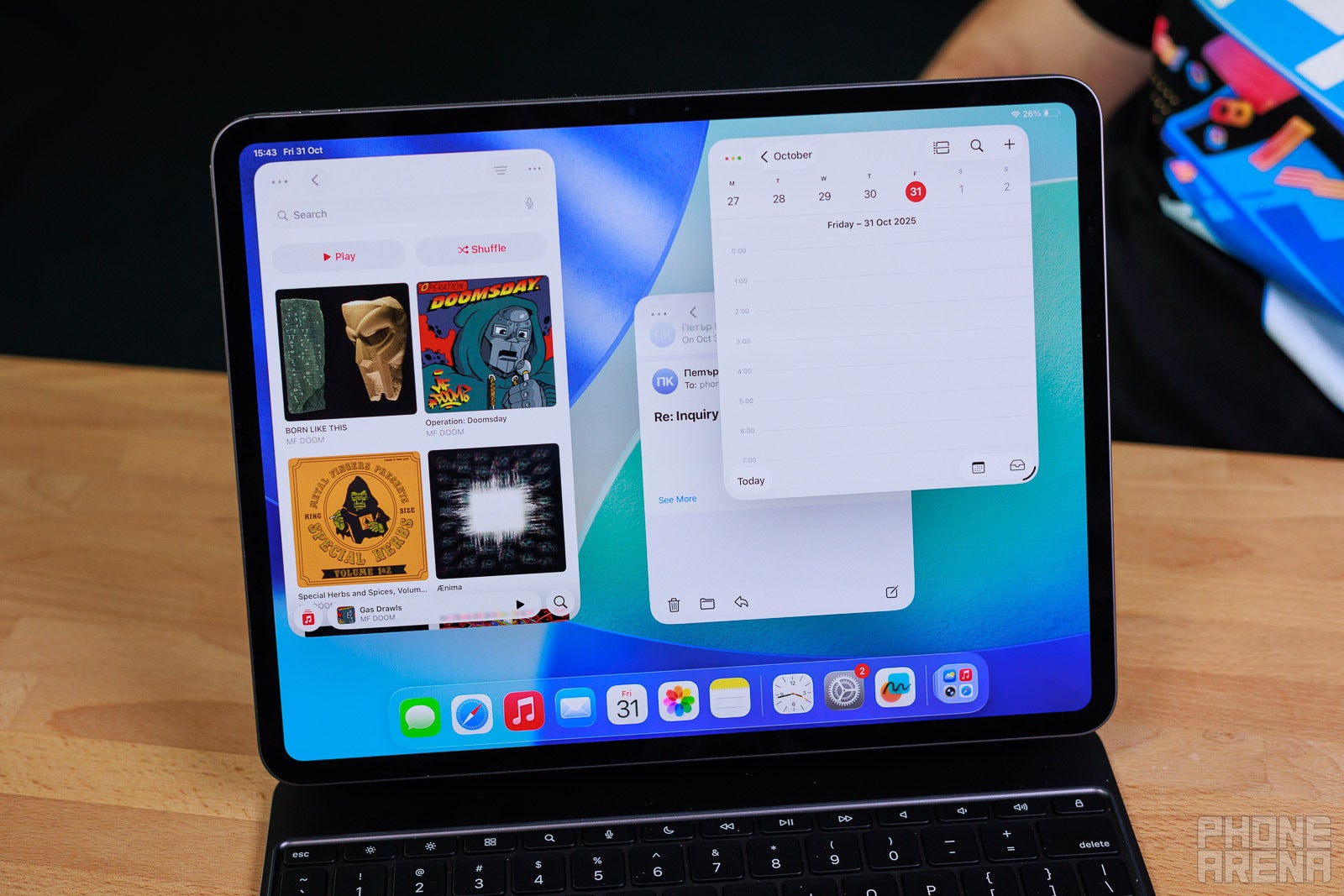
Multi-windows! In 2025! (Image credit - PhoneArena)
The iPad was ridiculed for years for being an “oversized iPod”. Even with the launch of the 12.9-inch iPad Pro, Apple’s tablets couldn’t… do much.
It took until 2022 for Apple to really dabble into multitasking and desktop-like experience with Stage Manager on iPadOS. And until 2025 for us to finally get actual floating and resizable windows and background tasking with iPadOS 26.
I just hope and pray that the iPhone Fold will borrow some of the latest iPadOS features instead of being “iPhone but square-shaped”. Samsung’s Galaxies have DeX mode, the iPads have a Mac-like mode when you hook them to an external monitor. The iPhone Fold should at least get that, right? Right?
I’m not even holding my breath for some sort of Apple Pencil support, but hey — one can dream.
What’s your stance on the iPhone Fold? Buy on release? Wait for reviews? Don’t care?
Trade in your old phone for cash at ecoATM!
Recycle your used phone and get instant cash. Find out how at ecoATM!
Preslav, a member of the PhoneArena team since 2014, is a mobile technology enthusiast with a penchant for integrating tech into his hobbies and work. Whether it's writing articles on an iPad Pro, recording band rehearsals with multiple phones, or exploring the potential of mobile gaming through services like GeForce Now and Steam Link, Preslav's approach is hands-on and innovative. His balanced perspective allows him to appreciate both Android and iOS ecosystems, focusing on performance, camera quality, and user experience over brand loyalty.
A discussion is a place, where people can voice their opinion, no matter if it
is positive, neutral or negative. However, when posting, one must stay true to the topic, and not just share some
random thoughts, which are not directly related to the matter.
Things that are NOT allowed:
Off-topic talk - you must stick to the subject of discussion
Offensive, hate speech - if you want to say something, say it politely
Spam/Advertisements - these posts are deleted
Multiple accounts - one person can have only one account
Impersonations and offensive nicknames - these accounts get banned
To help keep our community safe and free from spam, we apply temporary limits to newly created accounts:
New accounts created within the last 24 hours may experience restrictions on how frequently they can
post or comment.
These limits are in place as a precaution and will automatically lift.
Moderation is done by humans. We try to be as objective as possible and moderate with zero bias. If you think a
post should be moderated - please, report it.
Have a question about the rules or why you have been moderated/limited/banned? Please,
contact us.






Things that are NOT allowed:
To help keep our community safe and free from spam, we apply temporary limits to newly created accounts: