Editorials
The 5 things Google needs to do to keep demand for the Pixel series moving higher
Q3 US Pixel shipments doubled sequentially and it's up to Google to keep demand rising for the line.

This article may contain personal views and opinion from the author.
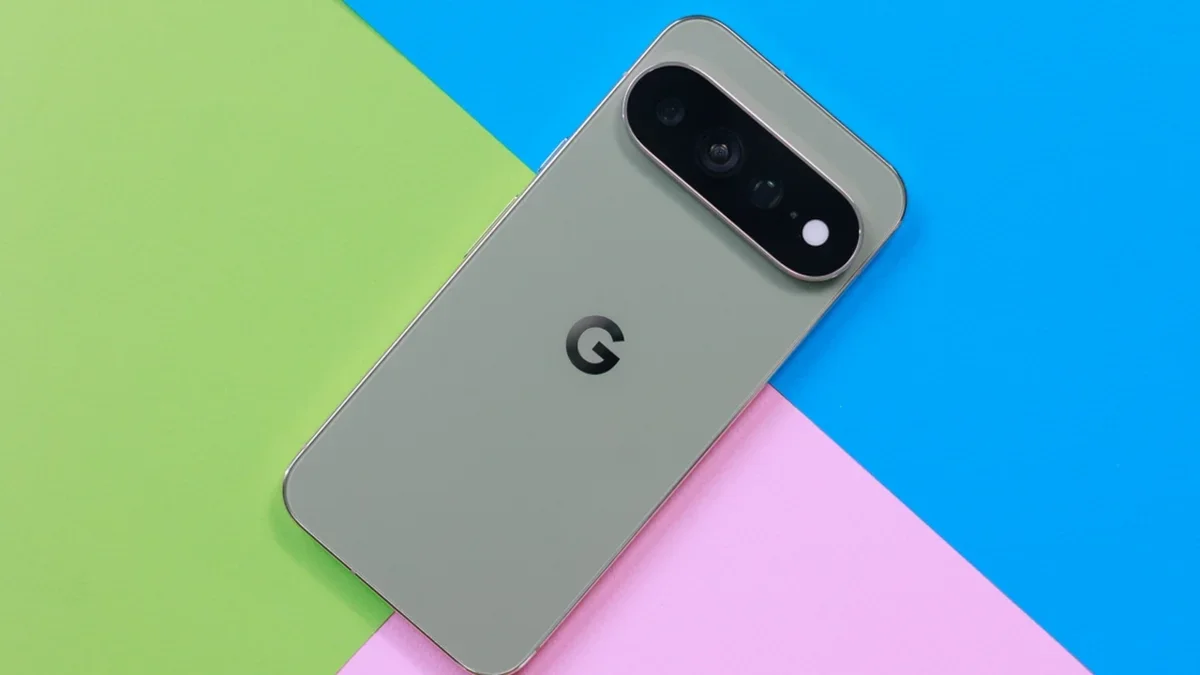
What Google needs to do to keep Pixel demand rising | Image by PhoneArena
Last week we told you that on a quarter-to-quarter basis, US shipments of Pixel phones doubled during the third quarter. If Google wants this trend to continue, we can tell you that the bar has been raised now that Motorola has a legit challenger in the US flagship market with the Signature 27 model.
Not being a gamer, my opinion about the Tensor SoC goes against popular opinion
This might go against popular opinion, but I don't think that the Tensor processor is an issue. The Pixel 11 Pro XL is snappy and with Google designing the silicon from scratch, it allows the Alphabet subsidiary to create special features for the phone. While many would like to see Google return to the days when a flagship Snapdragon chipset was under the hood, the last Pixel model to use such a chip was the Pixel 4 line, which was powered by the Snapdragon 855.
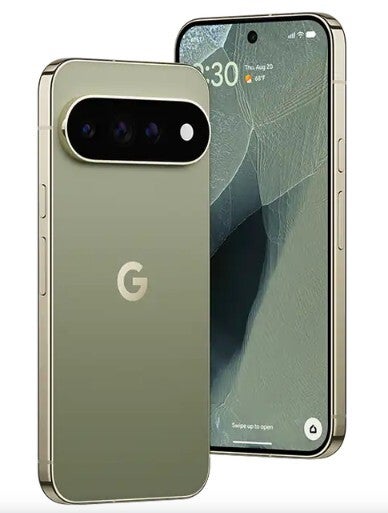
The Olive Pixel 11 Pro XL. | Image by AT&T
Google used a mid-range Snapdragon 765 SoC for the Pixel 5 and the next year the Tensor chip was unveiled with the Pixel 6 line. My humble opinion? There is nothing wrong with the Tensor G6 and I think that Google needs to continue designing its own chipset.
Google needs to copy Motorola when it comes to this component
Motorola is stuffing a 7,000 mAh battery into the Signature 27. This is a silicon carbon battery that has a thinner footprint than the lithium-ion batteries used on Pixel handsets.
Google needs to at least match the Signature 27 as soon as possible. While I feel that my Pixel 11 Pro XL is giving me good battery life, it is nowhere near the 30 hours that Google claims the Pixel Pro XL can deliver with mixed-use.
Charging speeds have picked up. Of course, my Pixel 6 Pro had charged wired and wirelessly at prehistoric speeds of up to 23W. That is nearly half of the 45W peak wired charging speed of the Pixel 11 Pro XL using a PPS (Programmable Power Supply) charger, like the Google 45W accessory. With a compatible Qi2 wireless charger, the new model charges at 25W wirelessly.
Considering that the Motorola Signature 27 charges at speeds that peak at twice the Pixel 11 Pro XL (90W wired, 50W wirelessly), this is another area where Motorola is setting the pace and where it would behoove the gang at Mountain View to play catch up.
Many Pixel fans cite the phone's computational photography and the stock version of Android installed on the device. Additionally, many Pixel users love to have the first shot at downloading Android updates. Google doesn't have to worry about Pixel fans upgrading to a new Pixel every one to two years. What it needs to do is figure out how to get iPhone and Galaxy users to switch and here are five steps it can take to make that happen:
- Continue to focus on AI features that help users by being proactive. These need to show up on screen more often and can help differentiate the Pixel line from the competition.
- While keeping the ultrasonic fingerprint scanner, Google should also improve Face Unlock by adding a flood illuminator that uses infrared light to work under low-light conditions. The Pixel 4 and Pixel 4 XL had a facial recognition system made almost exactly like Apple's Face ID.
- Improve the quality of video recorded on the phone.
- Develop more Pixel exclusive features designed to deliver quality of life improvements.
- Switch from lithium-ion batteries to silicon carbon cells to take battery life to the next level.
Here are some more articles you can check out right now:

Popular stories
Latest News

Things that are NOT allowed:
To help keep our community safe and free from spam, we apply temporary limits to newly created accounts: