Foldable iPhone, iPhone Air 2, and Galaxy S26 Ultra could all benefit from the same upgrade
Brighter and thinner OLED panels could be coming.
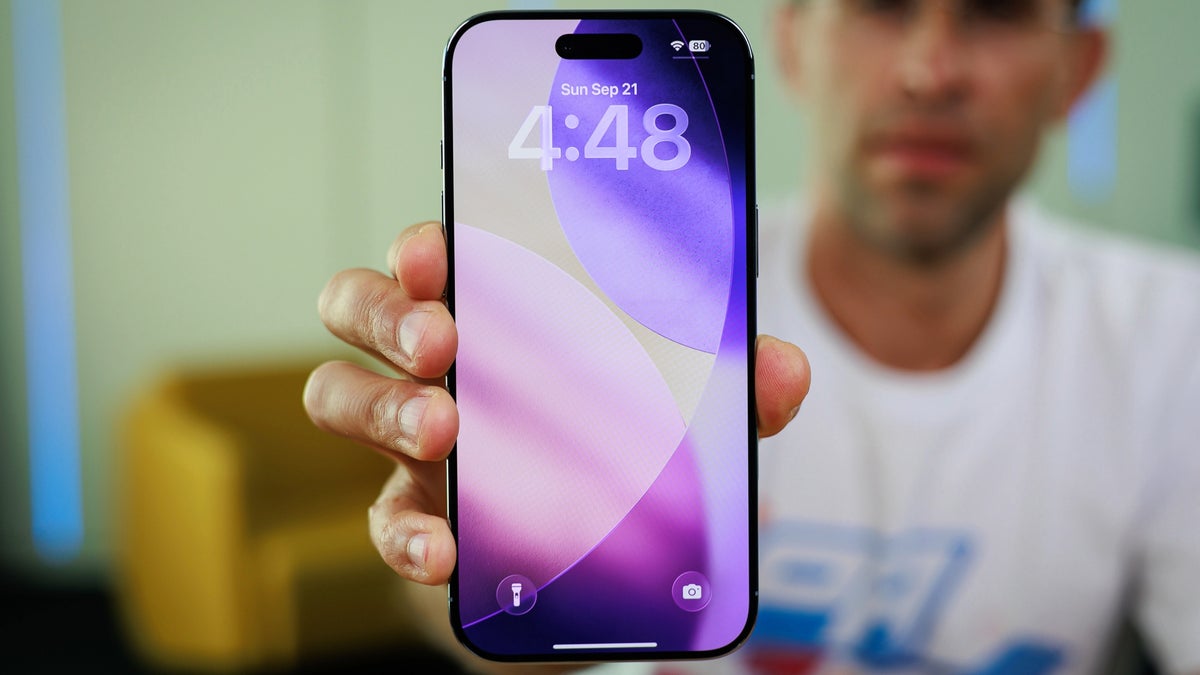
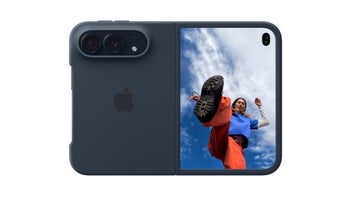
iPhone Air. | Image credit – PhoneArena
Samsung and LG are testing slimmer OLED panels
A fresh report from South Korea (translated source) says Samsung Display and LG Display are both looking into using CoE because of how much it helps slim down OLED panels.
The iPhone Fold, which is currently expected to launch in September this year, is tipped to be Apple’s first device with CoE. After that, the same tech could also appear in the iPhone Air 2, which is expected to arrive in 2027.
With this new OLED approach, the iPhone Air 2 would reportedly drop the polarizing layer that today’s displays still rely on. That change alone could make the screen brighter, reduce power usage, and help Apple shave even more thickness off the phone, which fits perfectly with its goal of making the Air line as slim as possible.
By doing that, the whole display stack becomes thinner and allows more light to pass through. You get higher brightness without needing more power, and you also get a slimmer panel. That’s exactly the kind of upgrade that would make sense for both a foldable iPhone and a super-thin iPhone Air 2.
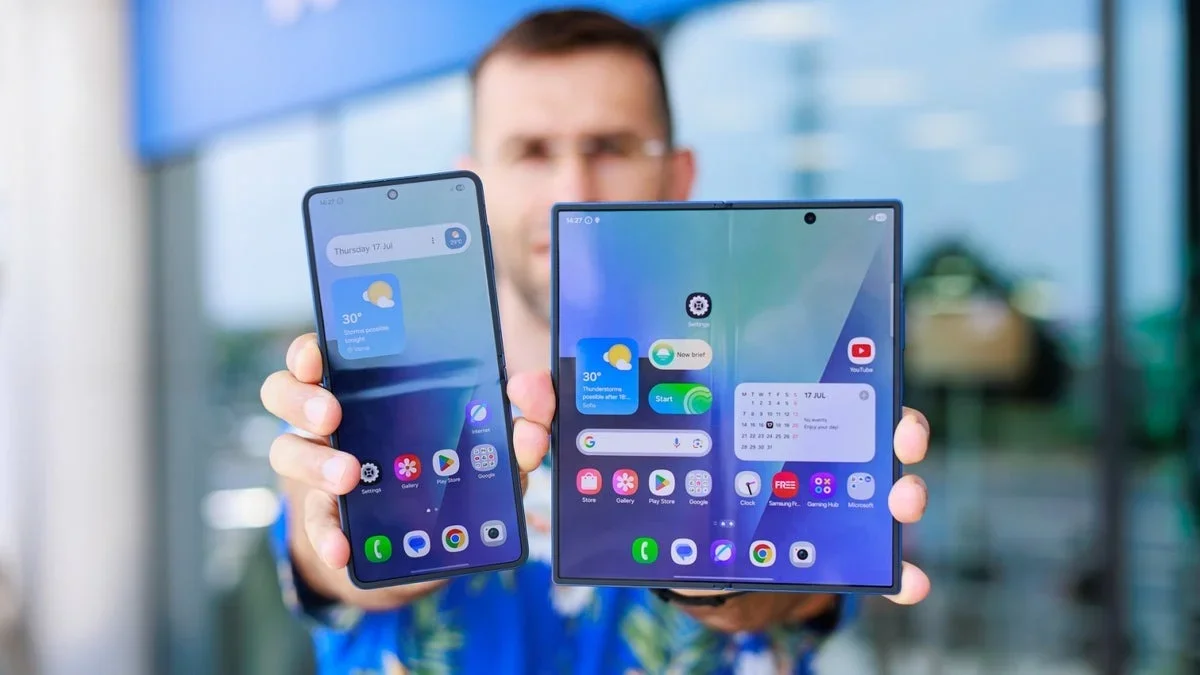
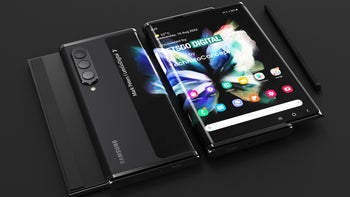
Samsung uses OCF in its foldables. | Image by Image credit – PhoneArena
However, as I mentioned above, the new tech is coming to the Galaxy S26 Ultra, too, as many reports have suggested. The Galaxy S26 series is expected to launch in February, likely on the 25th.
Why thinner displays matter
Display technologies like this give phone makers more freedom when it comes to design, especially when they want to push devices to be slimmer than ever. And that’s clearly been the direction over the past year, even if it hasn’t fully taken off with buyers yet. Both the thin iPhone Air and Samsung’s Galaxy S25 Edge were meant to show where the market is going, but neither one has exactly become a huge sales hit so far.
That doesn’t mean the idea is dead, though. If companies can keep making phones thinner while also managing to fit in larger batteries and brighter, more efficient screens, that mix could finally make ultra-slim phones more attractive. Right now, a lot of people are still worried that thin phones come with too many compromises, especially when it comes to battery life, so better display tech like this could help change that.
If this new display tech really boosts brightness and battery efficiency, would it change what phone you buy next?
43 Votes
Yes, that would matter a lot.
30.23%
Maybe, depending on price.
48.84%
Probably not.
20.93%
Nothing is locked in yet
Of course, none of this is guaranteed at this point. Everything we’re hearing comes from supply chain sources, and those plans can shift before mass production actually gets underway. Designs change, timelines slip, and parts get swapped out all the time.
Still, I really hope these reports end up being right. Better, brighter, and more efficient displays are something everyone can enjoy, whether your next phone ends up being a Samsung or an Apple.


Popular stories

Latest News

Things that are NOT allowed:
To help keep our community safe and free from spam, we apply temporary limits to newly created accounts: