Every product we review or recommend is thoroughly tested by our in-house experts in real-world conditions, following our
review methodology
and
ethics statement
to ensure honest, independent, and data-driven results.
We may earn a commission if you make a purchase from the links on this page.
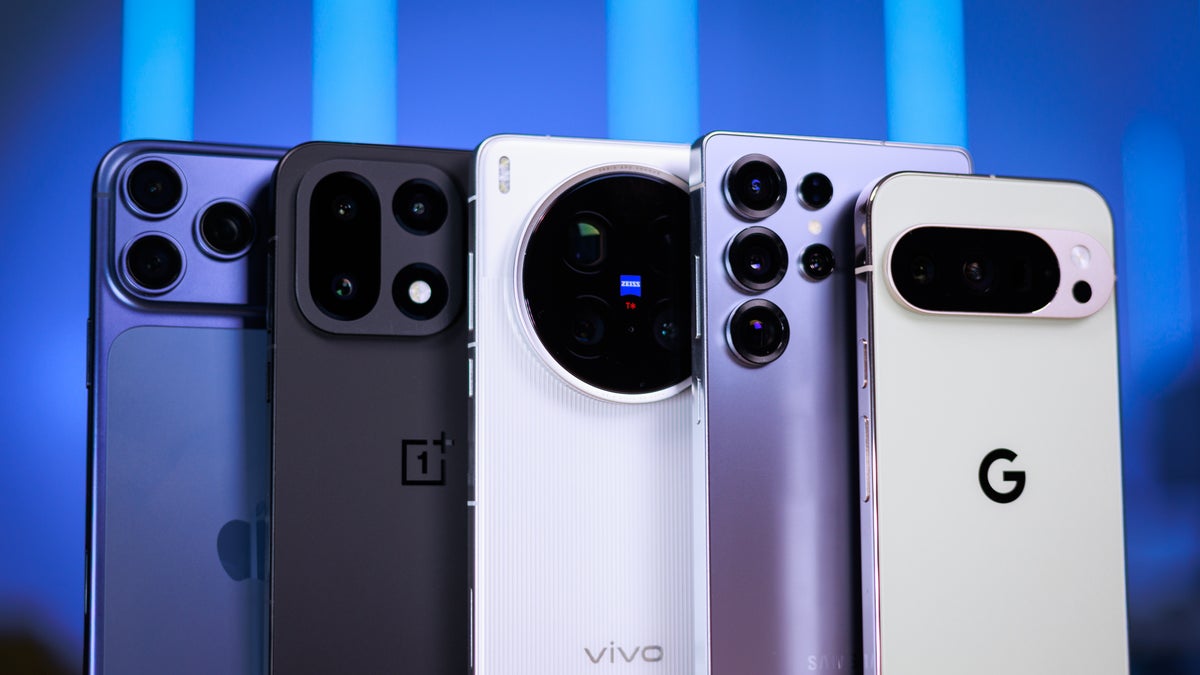
Which phone should you buy if you want to have the best camera in your pocket?
Should it be an iPhone, known for its ease of use and excellent video recording quality, or a Galaxy, which has more cameras? What are the pros and cons of those phone cameras? And are there other worthy options? In this list of the best camera phones, I will give you an objective ranking based on the results of PhoneArena's extensive camera testing, and I will explain the specific situation with each smartphone camera.
All of that is based on the PhoneArena Camera Score, a benchmarking test in which hundreds of pictures and videos have been captured to analyze the performance of every camera on a phone.
The results measure all the building blocks of a great camera: color accuracy, sharpness and detail, subject exposure, overall exposure, and tone, as well as quality-of-life features like having an intuitive camera app and many additional software and hardware features. I've done all of these tests both for still photography and video-recording quality.
So, let's see which phone comes out on top in the battle for the best phone camera available in 2026.
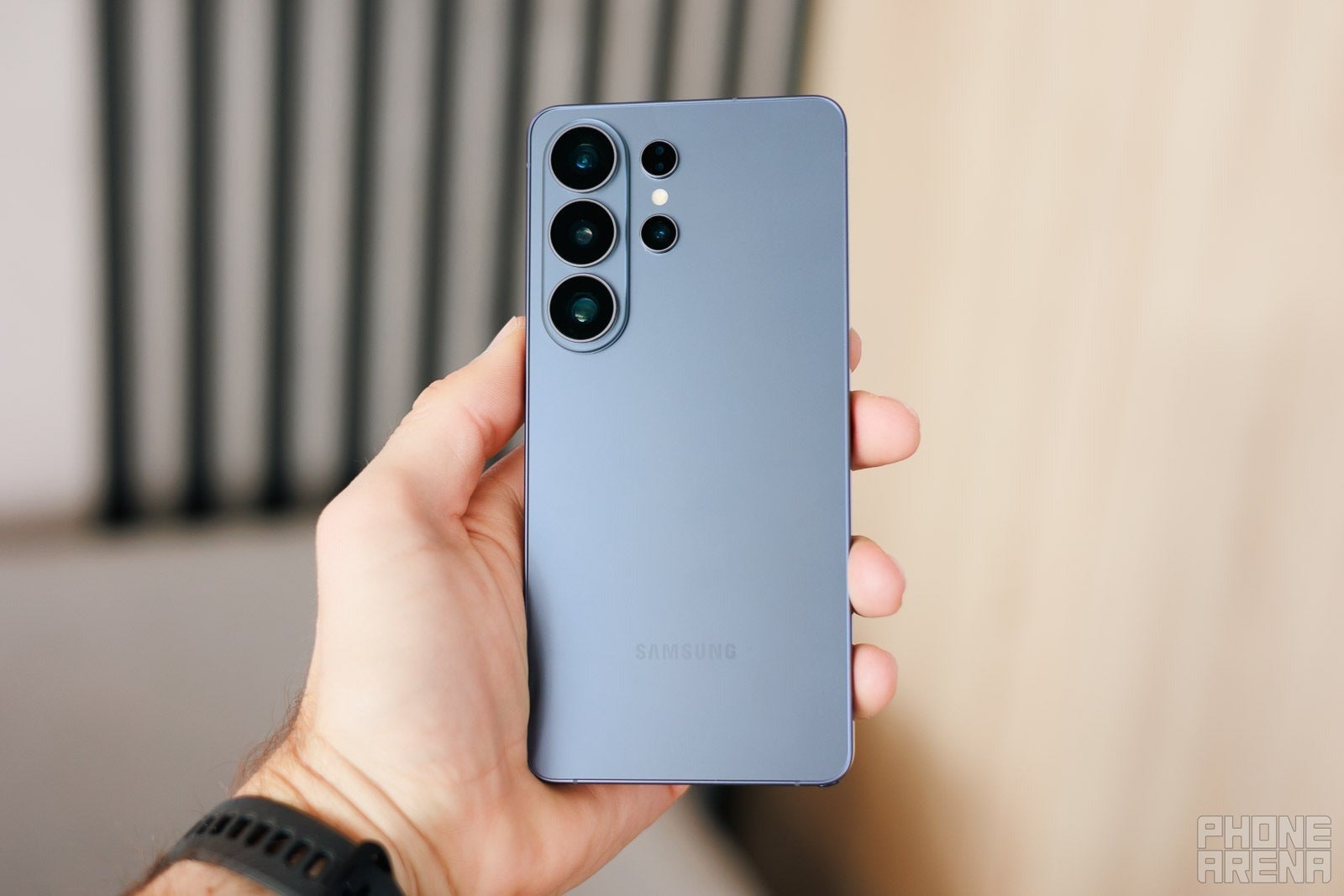
Just like its predecessor, the Galaxy S26 Ultra is the best phone for still photography as per our benchmark (matching the Xiaomi 15 Ultra and S25 Ultra). I picked it because it combines extreme versatility with superb image quality. Samsung did not radically change the camera hardware this year, but it refined the system in ways that matter, especially for exposure, night shots, and overall consistency.
The Galaxy S26 Ultra comes with a 200MP main camera, a 50MP periscope with 5X optical zoom, a 10MP 3X telephoto, and a 50MP ultrawide. On paper, that sounds very close to the previous model, but the main camera now has a brighter f/1.4 aperture, and that helps it gather more light in difficult conditions. Samsung also improved the selfie camera with a wider field of view, which is a nice quality-of-life upgrade.
Galaxy S26 Ultra camera samples. | Images by Images by PhoneArena
What really pushes the Galaxy S26 Ultra to the top is not a giant hardware leap, but the way the whole camera system behaves. In our testing, the phone scored 165 in PhoneArena’s photo benchmark, which is as high as it gets. Photos come out with brighter and more reliable exposure than before, while detail remains excellent and colors generally look natural. Samsung also continues to deliver one of the most versatile zoom systems on any phone, and the cleaner low-light processing is a welcome improvement over older Galaxy models.
Judging from all the photos and videos I’ve taken with the phone, it is once again the image processing and consistency that make the most significant difference. The Galaxy S26 Ultra captures polished, dependable stills across all of its cameras, and that is what gives it the edge.
Who is it for?
The Galaxy S26 Ultra easily has one of the best camera systems you can get on a phone right now, with arguably the best still photos out there. But the camera is just one major part of the package: the phone itself is an excellent flagship that can go head-to-head with any other device in both performance and overall software experience thanks to One UI.
Key specs
Samsung Galaxy S26 Ultra
Display
6.9-inch . 3120x1440px
Camera
Quad camera
Battery
5000 mAh
Storage
12GB . 256GB
Hardware
Snapdragon 8 Elite Gen 5 for Galaxy
OS
Android 16
Galaxy S26 Ultra: save up to $720 now
$579
99
$1299
99
$720 off (55%)
The Galaxy S26 Ultra has been announced, bringing a Privacy Screen feature, insanely fast processor, and multiple Galaxy AI enhancements. Right now, you can save up to $720 at the Samsung Store with eligible trade-ins. You also get 15% off the Buds 4 series with your purchase. Alternatively, you can get $150 credit for add-ons, no trade-in required.
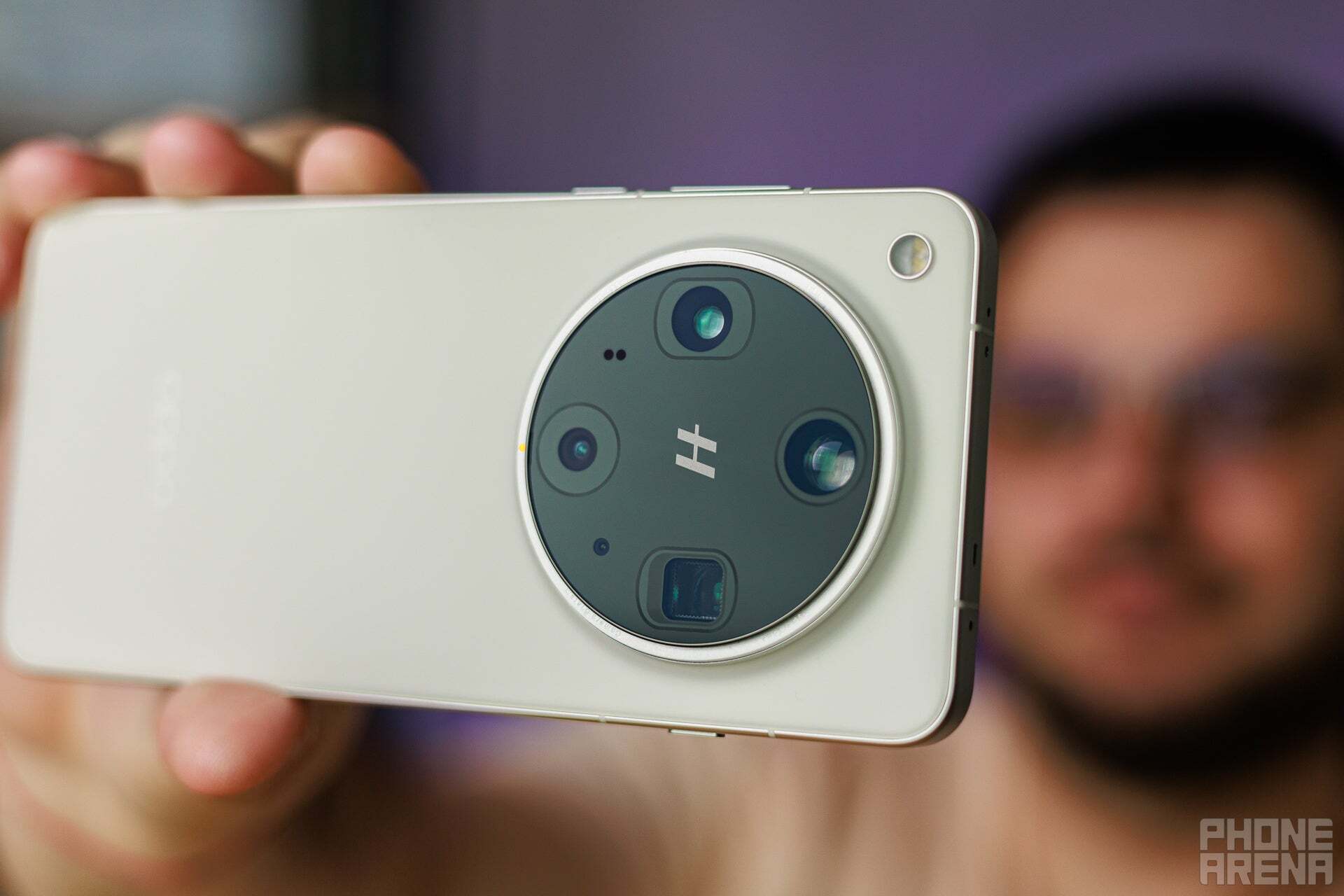
The top spot in our video test is occupied by one of China's hidden gems, the Oppo Find X8 Ultra. This device that's not openly available globally truly awed me with its 1-inch main camera sensor and superb video-recording capabilities, which trump most iPhones out there with super-detailed and pristine 4K video footage.
Just as its "Ultra" name hints, this one comes with the best camera package that Oppo has in store right now, and it's mostly tied with the Galaxy S25 Ultra and the Xiaomi 15 Ultra at the top of the rankings. However, I admit this one has the edge when it comes to video quality in comparison with those other two models.
Oppo Find X8 Ultra camera samples
Taking a closer look at the camera specs explains why. The main camera uses a large 1-inch sensor, has in-sensor 2X cropping, and an 8-element lens to minimize chromatic aberration artifacts. Oppo has taken zooming seriously: there is a short 3X telephoto and a longer 6X periscope, working in tandem to produce detailed and high-quality footage at up to 20X. It's rivaling some mid-range DSLRs, even.
Finally, Oppo has also outfitted its flagship with a True Chroma sensor, which is used to measure the ambient lighting and adjust the color temperature of the scene accordingly. I also love the fact that the Find X8 Ultra also comes with a dedicated iPhone-like capacitive camera button, enabling yet another way to control the camera.
Who is it for?
I doubt that the Find X8 Ultra is for everybody. It only comes with a Chinese ROM, so using it in the West is definitely challenging, even for simple things like getting your notifications working or on time at all. However, if you want to experience one of the hidden gems for video recording, then this one is the top choice.
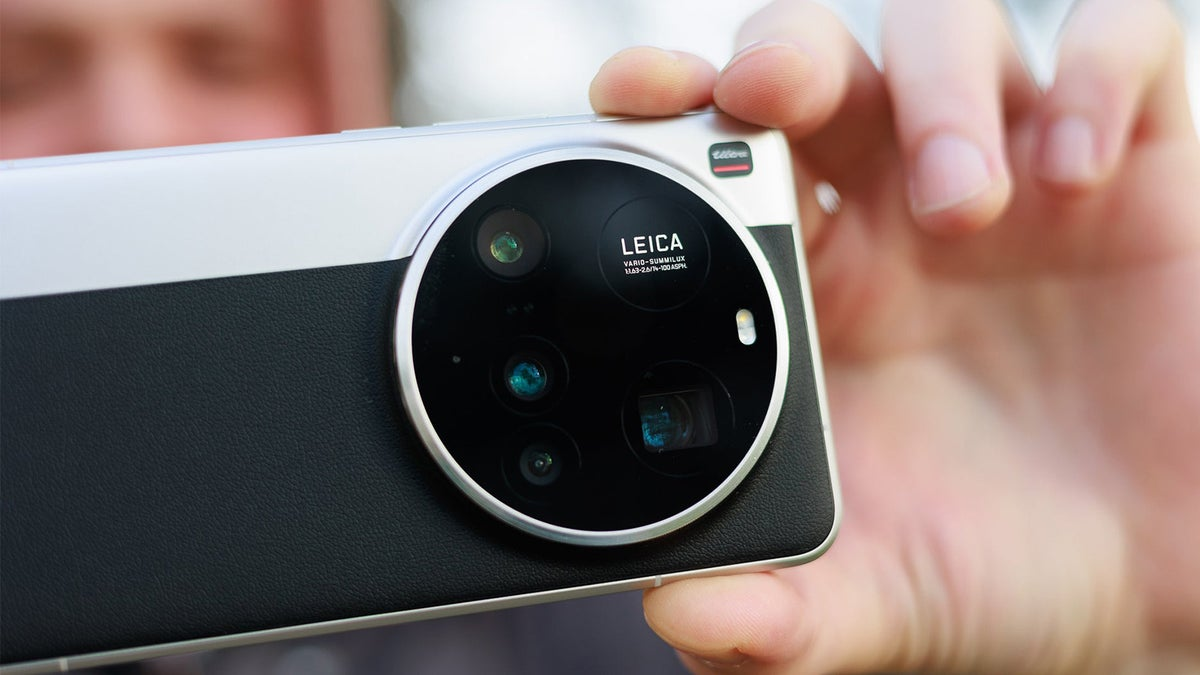
The Xiaomi 15 Ultra is one of my favorite camera powerhouses that's easily on par with the Samsung Galaxy S25 Ultra and every other cameraphone out there. It comes with a superb camera package. The key highlights for me here are the main camera with its large 1-inch sensor and the 200MP periscope that delivers excellent image quality when you zoom in. There's also a 50MP telephoto and another 50MP ultrawide camera, rounding out an extremely capable camera package that's even more impressive than anything Samsung or Apple have out there.
But it's not only the camera that makes this one such an impressive camera phone. To me, it's the optional camera grip accessory that turns things all the way up to eleven. Available as an optional purchase, this one turns the phone into a Leica camera lookalike and also doubles as a small power bank. There's also a load of different buttons and dials that mimic the feel and functionality of your standard point-and-shoot camera.
Xiaomi 15 Ultra camera samples
Overall, despite that it's a bit challenging to get this phone stateside, it's definitely among the best camera phones to consider getting, even in early 2026, and it remains among the best camera phones you can buy right now.
I love the image quality, which is totally exceptional, with minimal overprocessing and oversharpening, which helps the phone achieve an extremely natural and, at the same time, appealing and detailed look that stands out. Xiaomi has its own photo-processing style, with slightly stronger contrast and erring on the side of underexposing, and that's perfectly fine. Zoom quality is exceptional, with both images appearing wonderful at both the native 3X and 6X zoom levels, but you can surprisingly get usable results even if you zoom much further.
Who is it for?
This phone is a perfect match for anyone who enjoys the Android ecosystem and would love to have a device that absolutely doesn't skip the ball in either still photography or video recording.
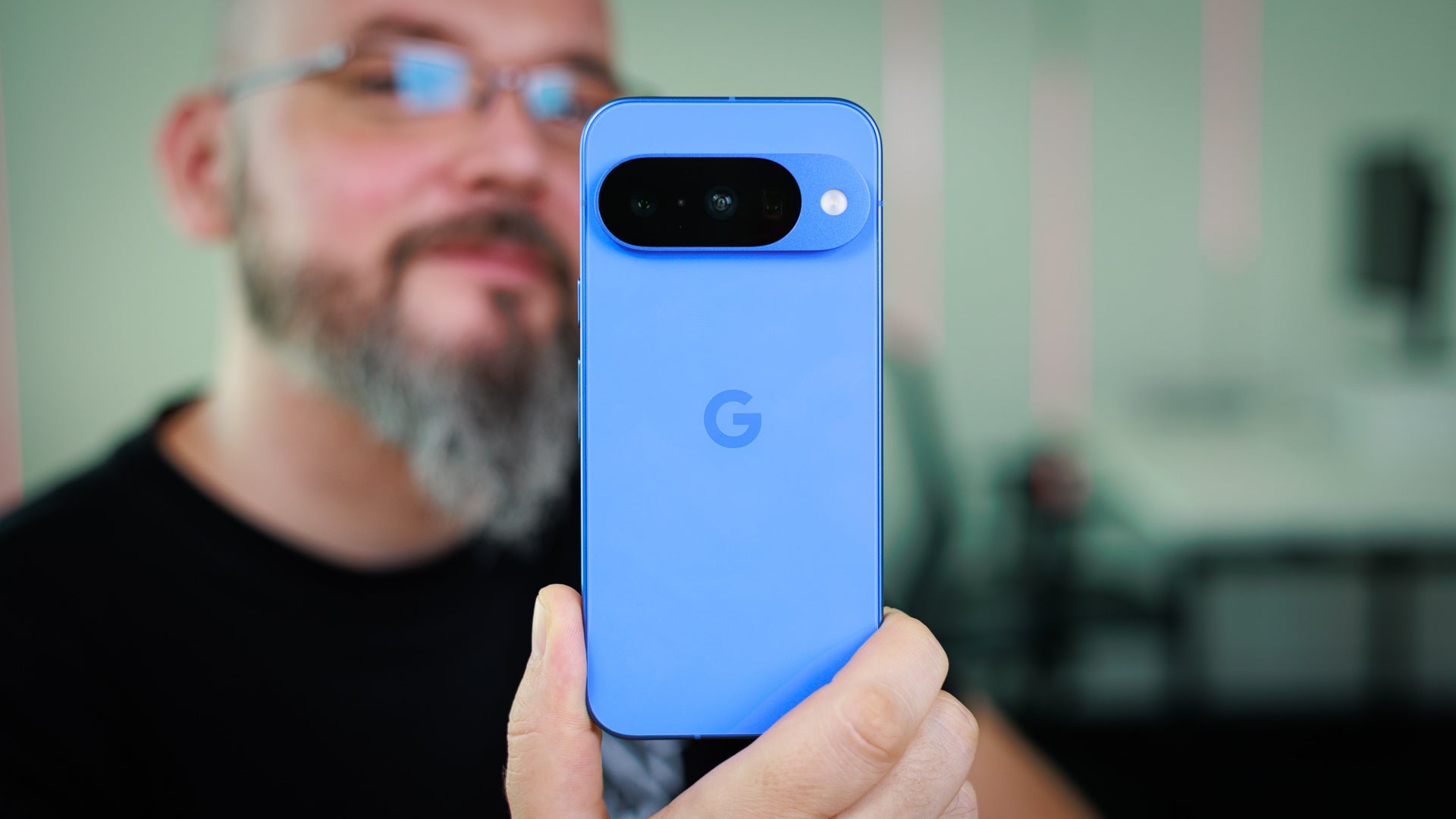
I picked the Pixel 10 here because it offers superb image quality at its price point and easily has one of the best cameras you can get on a tighter budget. A lovely compact Android phone that would perform great in most situations.
Among all fairly affordable flagship devices, the Pixel 10 is one of the better-equipped ones. It's one of the few value-oriented flagships that come with a proper triple-camera system.
The main camera is a 48MP one and has been used on many other high-profile Pixels to great results; the ultrawide is a sensible 13MP one, and finally, there's a real 5X telephoto on the Pixel 10, one that finally delivers decent zoom to the affordable Pixel line.
Google Pixel 10 sample photos
I absolutely love the Pixel imaging style, which is a bit more contrasty in comparison with the friendlier iPhone and Galaxy alternatives out there. Granted, it was a bit more extreme in a lovely way a few years ago, but now Google has toned down the signature Pixel style a bit.
Who is it for?
The Pixel 10 is for anyone who doesn't want to lug a large device around but still wants to get the best possible image quality from their compact device.
Key specs:
Google Pixel 10
Display
6.3-inch . 2424x1080px
Camera
Triple camera
Battery
4970 mAh
Storage
12GB . 128GB
Hardware
Google Tensor G5
OS
Android 16
Grab the Pixel 10 at Amazon
The Pixel 10 is the first "base" Pixel with a telephoto camera. It also comes with a Tensor G5 chip, paired with 12GB RAM, providing incredible AI features and a smooth performance. Grab yours at its full price on Amazon.
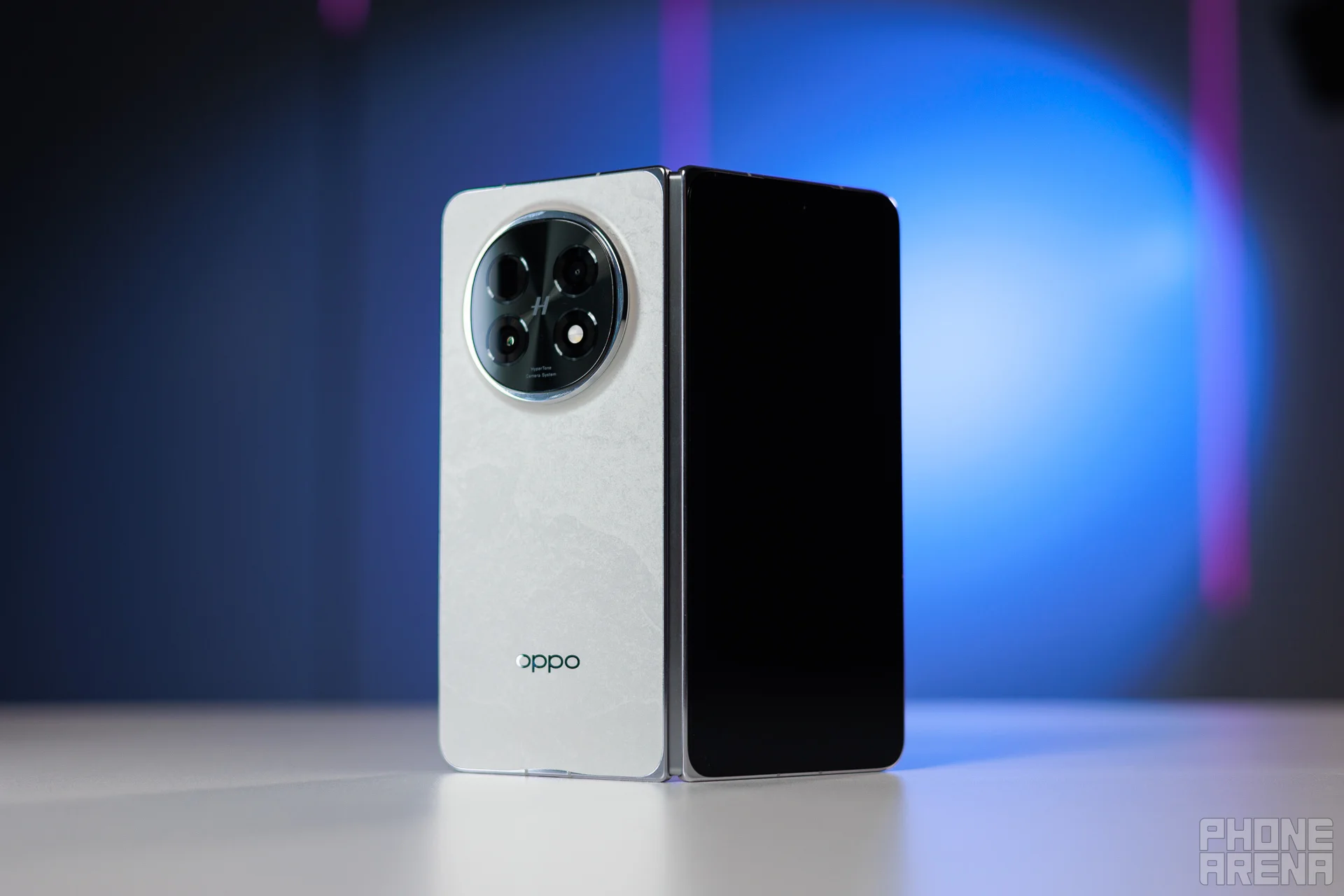
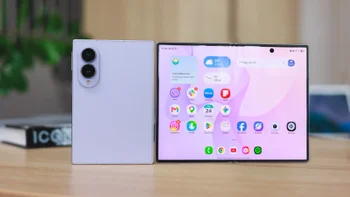
Among all the foldable phones out there, it's the Oppo Find N5 that has the best camera right now. With foldables, the inner space is quite cramped, so you can't really put in the best camera hardware available, but the Oppo Find N5 clearly stands as the most impressive one.
Oppo Find N5
The phone is equipped with a 50MP main camera, a 50MP telephoto with 3X optical zoom, and an 8MP ultrawide. I admit, this setup does not sound particularly exciting, just great, but I promise it's perfectly acceptable for a foldable phone, and Oppo does a lot of heavy lifting with its software. This allows the Oppo Find N5 to punch way above its weight and deliver image quality that's actually comparable with many proper candy bar flagships out there.
I also love the versatility its camera app provides.
Who is it for?
If you absolutely love the foldable form factor but can't really sacrifice the image or video quality, then the Oppo Find N5 is the phone you are looking for. Its camera performs better than the latest Galaxy Z Fold, and the rest of the phone is also superb as well.
Here's how these phones compare in PhoneArena's benchmark tests.
Photo
Video
Phone
Camera Score
Photo Score
Main (wide)
Ultra Wide
Selfie
Zoom
Xiaomi 15 Ultra
158
165
85
26
26
29
Samsung Galaxy S26 Ultra
157
165
86
23
28
28
OPPO Find X8 Ultra
157
160
82
23
28
27
Google Pixel 10
147
156
83
22
26
25
OPPO Find N5
146
152
79
23
24
27
Phone
Camera Score
Video Score
Main (wide)
Ultra Wide
Selfie
Zoom
Xiaomi 15 Ultra
158
150
78
21
25
26
Samsung Galaxy S26 Ultra
157
149
76
22
26
26
OPPO Find X8 Ultra
157
155
83
22
25
26
Google Pixel 10
147
138
76
18
25
19
OPPO Find N5
146
140
72
20
24
23
Find out more details about photo and video scores for all phones we have tested on our PhoneArena Camera Score page
What to consider when choosing the best cameraphone?
There are numerous things to consider when shopping for the best cameraphone.
Currently, the truly best-performing devices that deliver the best results in either still photography or video recording can be found on the Android side. Due to the more populated niche, Android manufacturers have to be a bit more creative and innovative to secure their fair share of the pie.
So, the high-end flagships all have to have the absolute best cameras out there. You can only get large 1-inch cameras, high-res periscope cameras with long optical zooms, and all the novel camera features on Android.
At the same time, while Apple's horde of iPhones isn't topping the charts, it's always very near the top spots, and if there was one word to describe iPhones, it would definitely be "consistent". While they don't have large 1-inch sensors or 200MP zoom cameras with switching apertures, you can always rely on an iPhone to deliver exceptional photos and videos. They will almost always have that super-consistent look to them that lets you fully rely on an iPhone.
And finally, remember that a great camera wouldn't suddenly make you a great photographer. If you are not good at taking photos, having the best cameraphone at hand would still deliver subpar results. Exercising a keen eye and a basic understanding of photography would allow you to take great photos even if your phone isn't the best one there.
FAQ
What actually makes a phone a great camera phone?
Although more isn't always better, the best camera phones out there have multiple cameras at the back, which allows them to cover a pretty wide range and deliver a consistent high image quality across it. A single camera simply doesn't cut it anymore; the best cameraphones out there all have at least three cameras at the back, and often more than that.
But it's not only hardware and the number of cameras that constitute a great camera phone: these days image processing is just as important, if not more. Software now plays an even more crucial role in how images and videos turn out.
Which phone camera is the best at night?
These days, almost all high-end flagship phones are pretty great at low-light conditions.
Manufacturers achieved that through a combination of hardware and software improvements: aside from having wider apertures that let in more light in dim conditions, phone cameras also rely on pixel-binning (bundling many adjacent pixels of the camera sensor together, which enables them to collect more light at the expense of a slightly lower resolution).
Software processing and AI advances also allow the current generation of phones to absolutely nail low-light photos, and the most crucial feature with pretty much all phones is long exposure. Modern phones automatically enable it when they detect less than favorable lighting conditions, and you only need to stand still for a couple of seconds before you get a decent low-light photo.
What's the difference between real cameras and phone cameras?
These days, the main difference is the physical size of it all. Mirrorless and DSLR cameras have superior optics and larger sensors, giving them an edge when it comes to image quality. Although the differences in quality might not always be that big, phone cameras still can't beat phone cameras in terms of overall quality output.
You also can't beat the upgradability and the control sets on real cameras.
However, most cameras are not as user-friendly as a phone camera. Using a DSLR properly has a higher learning curve than the point-and-shoot nature of most phone cameras out there.
With phone cameras, all the components are miniature, so the software plays a much bigger role in the photo and video output. As a result, it's much easier to reach the limits of your phone's camera and make it struggle in more extreme situations. There's no replacement for displacement, and phone cameras sadly live by this mantra.
Yet, you can't beat the portability of a phone camera as opposed to a DSLR camera with the lens attached. So, while the potential quality might be in the favor of a real-camera user, the compact size of a phone is a major strength in itself.
Which cameraphone features do you need?
For all the useful camera features phones have, there's a healthy amount of gimmicky ones that are just there for the sake of being there.
The most useful features you actually need are the standard photo/video shooting modes, portraits, pro controls, and long exposure modes available. Everything else that's available in your phone's camera app is a nice-to-have but not something you can't live without.
How important is zoom quality compared to main camera performance?
We often ooh and aah at those high-res 200MP telephoto cameras that the latest Android flagship phones come with, but the reality of the situation is this: if you aren't into zoom photography and aren't really concerned about image quality at longer zoom levels, then don't bother chasing the specs.
Having a decent main camera is more important in pretty much most cases you might think of. It's the one you'll use most often, so it's absolutely crucial to have a decent main camera. A great zoom camera is definitely a great thing to have, but it should be secondary to having a proper main camera.
How well do camera phones handle moving subjects like kids, pets, or sports?
Most phones still struggle with moving subjects, especially in less-than-ideal lighting conditions. Some phones fare better than others, and those with zero-shutter lag are the best ones, as they would snap a picture almost instantaneously as you press the shutter. Others would hesitate a bit, which often results in a blurry photo.
Most phones have an alternative to Apple's Live Photo feature these days, so even if you capture a blurry photo, you can try to save the day by using another frame from the resulting file.
Six-month unlimited plan is now 57% off
$90
$210
$120 off (57%)
Mint Mobile is now allowing you to get whichever plan you like for either three, six, or 12 months for just $15/mo. If you go for the six-month unlimited service, for instance, you'll now have to pay just $90 upfront instead of $210.
Peter is a skilled writer with over 13 years of experience at PhoneArena. He has published nearly 300 phone reviews and comparisons. This vast experience helps him navigate the mobile tech landscape with ease. He enjoys everything Android but relies on a MacBook Pro daily.
A discussion is a place, where people can voice their opinion, no matter if it
is positive, neutral or negative. However, when posting, one must stay true to the topic, and not just share some
random thoughts, which are not directly related to the matter.
Things that are NOT allowed:
Off-topic talk - you must stick to the subject of discussion
Offensive, hate speech - if you want to say something, say it politely
Spam/Advertisements - these posts are deleted
Multiple accounts - one person can have only one account
Impersonations and offensive nicknames - these accounts get banned
To help keep our community safe and free from spam, we apply temporary limits to newly created accounts:
New accounts created within the last 24 hours may experience restrictions on how frequently they can
post or comment.
These limits are in place as a precaution and will automatically lift.
Moderation is done by humans. We try to be as objective as possible and moderate with zero bias. If you think a
post should be moderated - please, report it.
Have a question about the rules or why you have been moderated/limited/banned? Please,
contact us.











Things that are NOT allowed:
To help keep our community safe and free from spam, we apply temporary limits to newly created accounts: