Every product we review or recommend is thoroughly tested by our in-house experts in real-world conditions, following our
review methodology
and
ethics statement
to ensure honest, independent, and data-driven results.
It's the golden age of modern smart and sports watches. And the biggest reason for that is that... Apple has not improved the battery life of its Apple Watch in the last eleven years! What an opportunity for a bunch of companies, right?
The Apple Watch Series 11 that I have used on and off in the past four months is a constant reminder how much I love the interface and fluidity of Apple's timepiece, but hate the daily charging ritual.
And despite its claims for a massive jump from an 18-hour battery life to a 24-hour battery span, I didn't really see that difference in my daily use of the Series 11. Let me explain.
Design, Performance and all the rest
Let's get all the rest out of the way first, though.
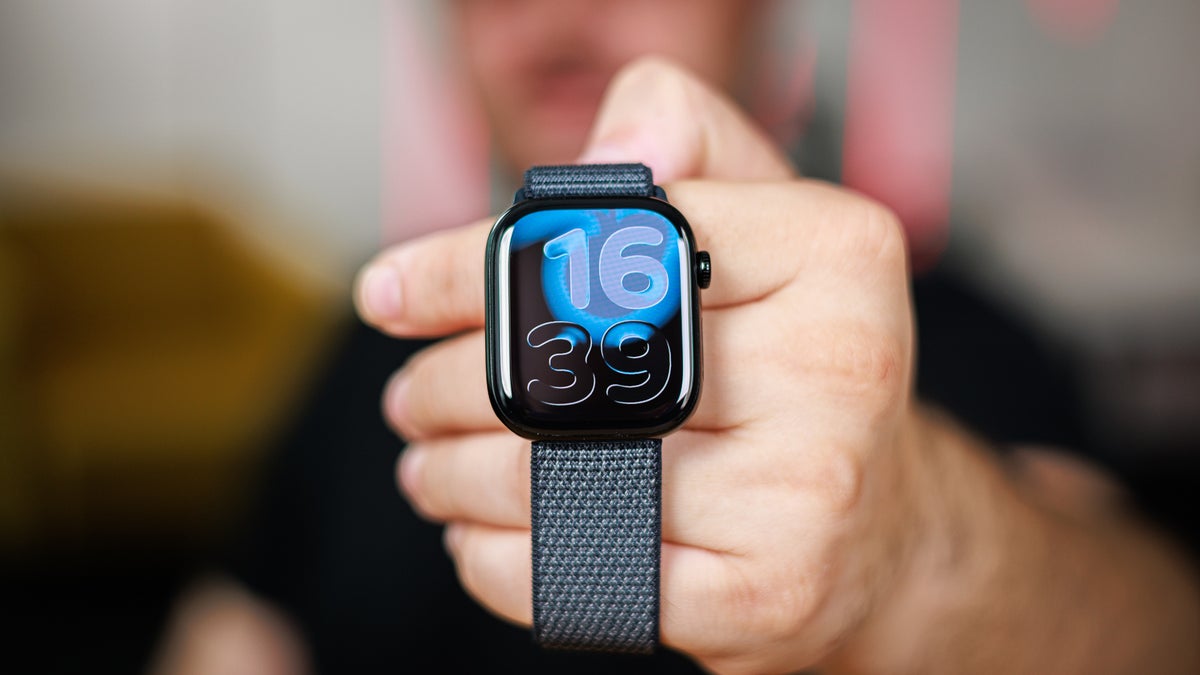
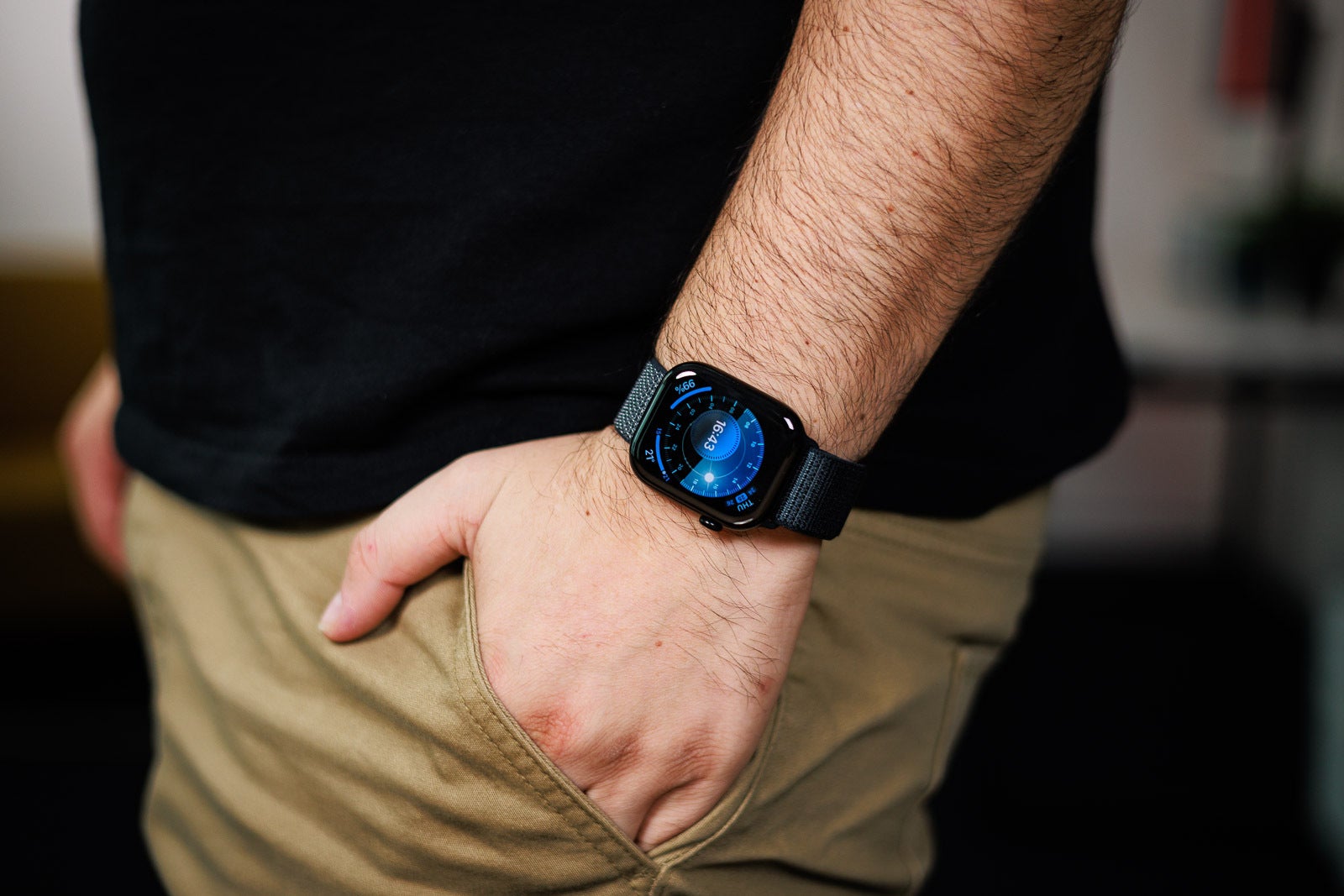
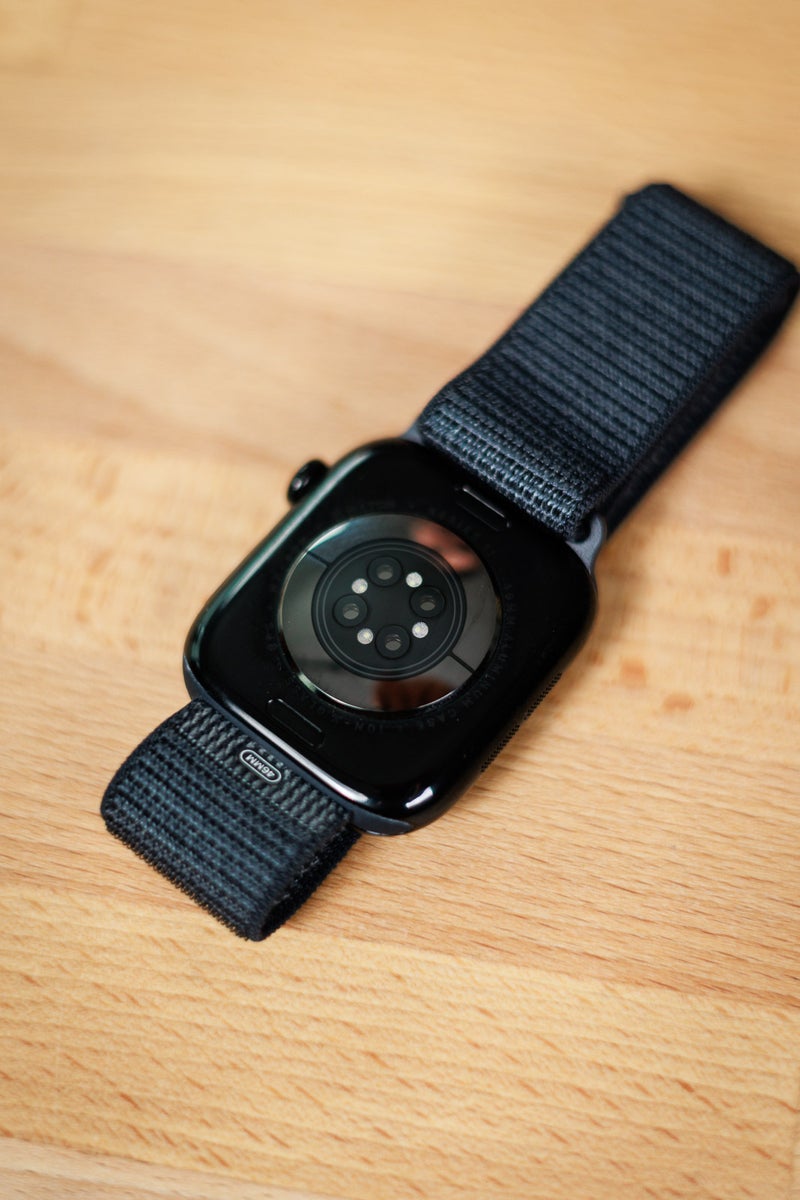
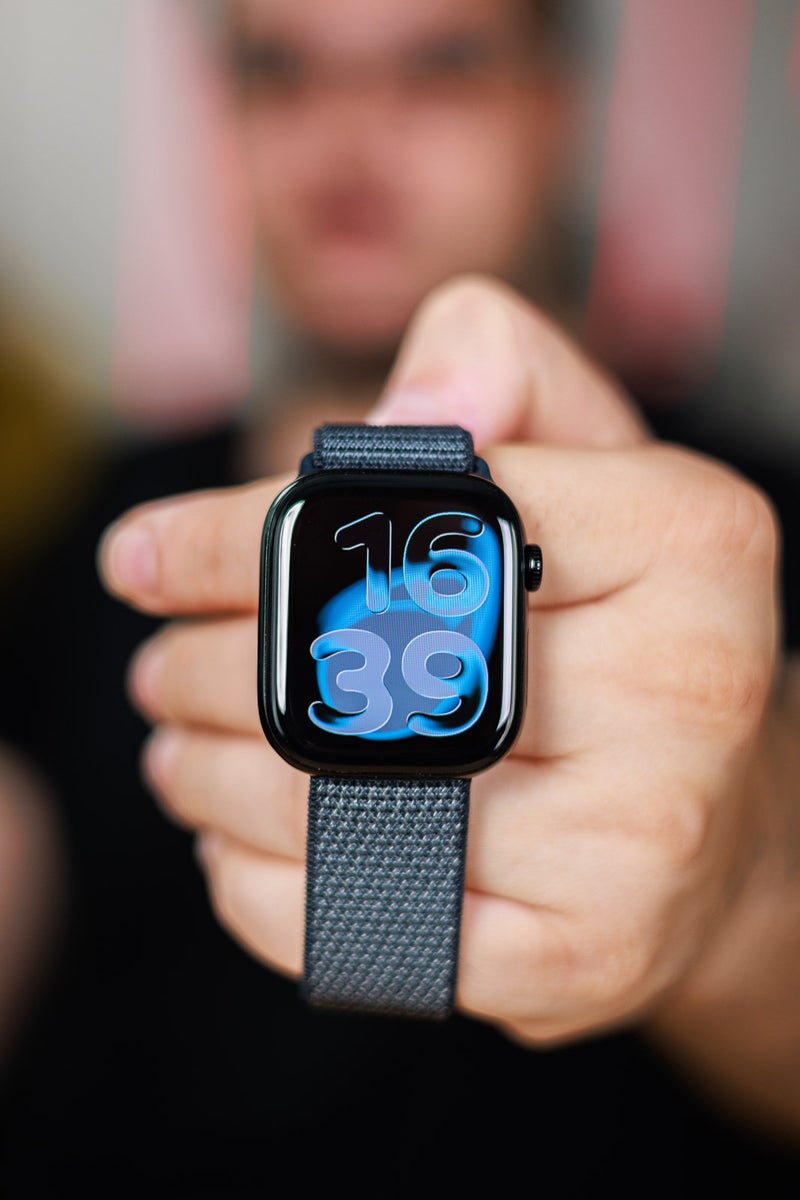
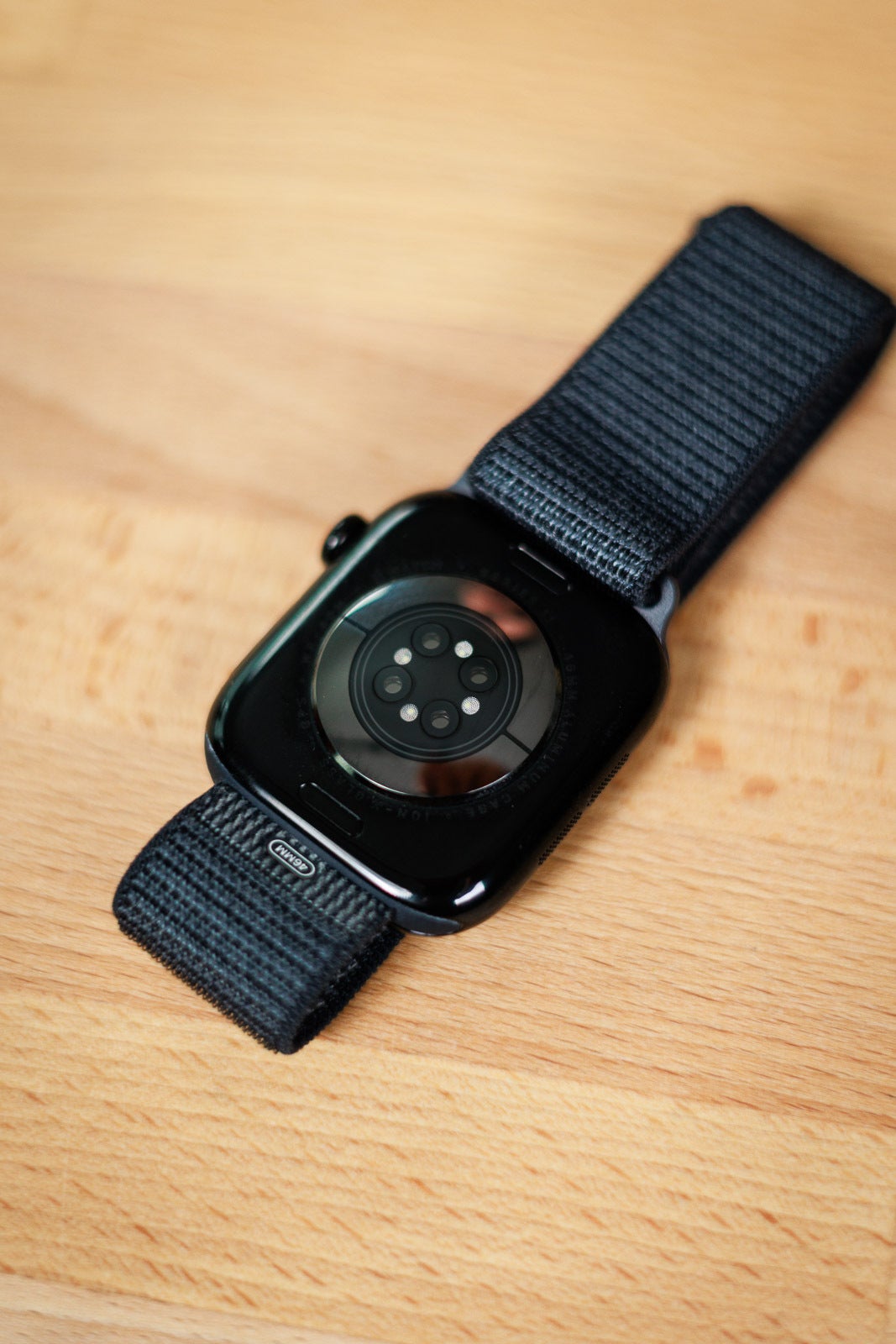
The Apple Watch Series 11 looks just like its predecessor, the Series 10. In that model, Apple slimmed down the body a bit, which I appreciate a lot for comfort, as the watch no longer dangles around on your wrist while you run (I used to have that sensation).
I also appreciate Apple having two sizes available: the smaller 42mm one is great for tiny wrists, while the 46mm one comes with a bigger screen and would fit medium sized wrists and larger ones.
For those unfamiliar, you get to pick between two finishes: the base $400 model comes with an aluminum body and Ion-X display, while those willing to part with $700 get the more durable polished titanium case with scratch-resistant sapphire glass screen. The titanium one also looks just a bit more elevated in style.
One important tweak here is the new generation Ion-X glass on the base model, which is now allegedly 2X more scratch resistant. I have been using that model, and indeed, it has no scratches in four months, which was usually not the case for previous Apple Watches I've used. Nice!
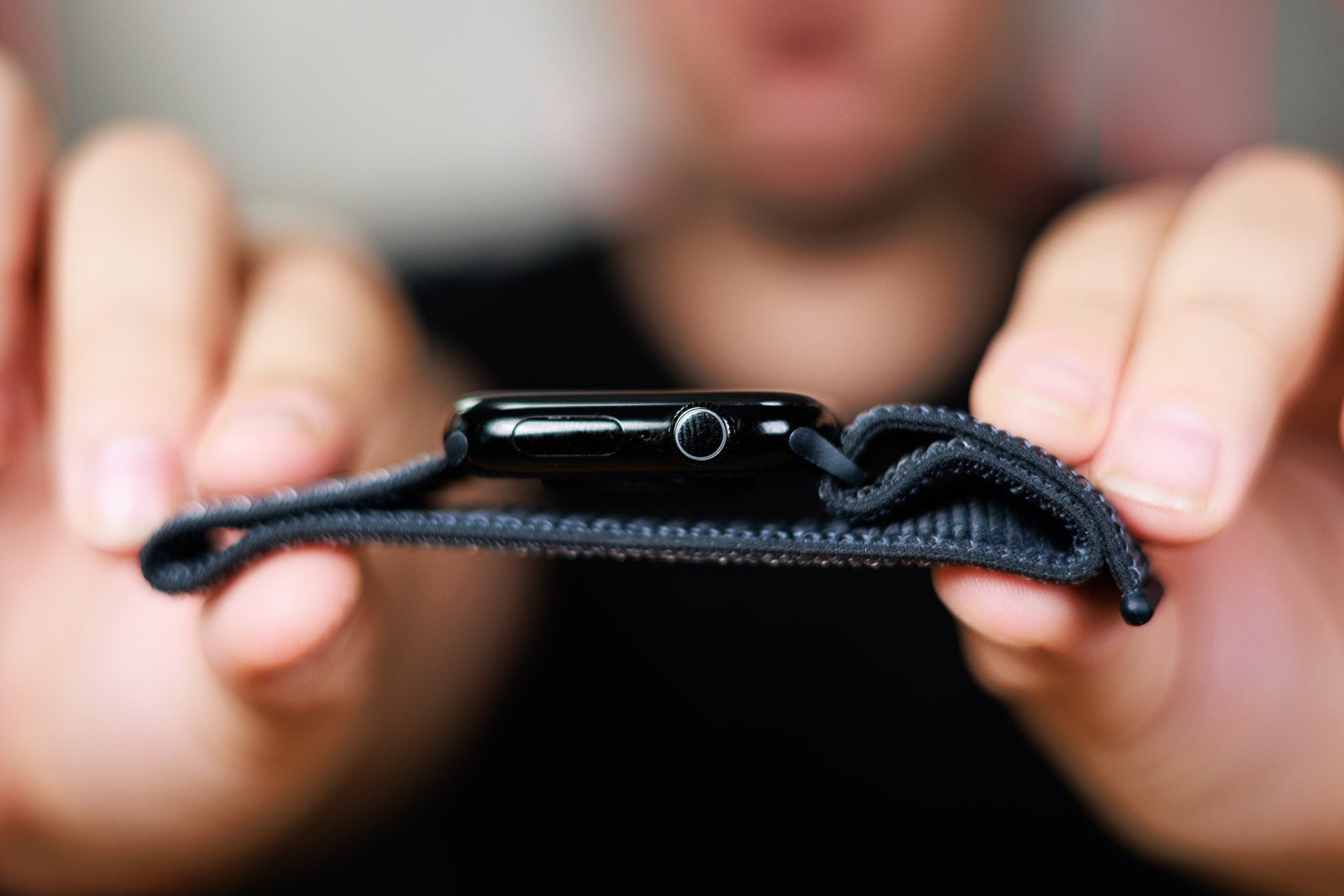
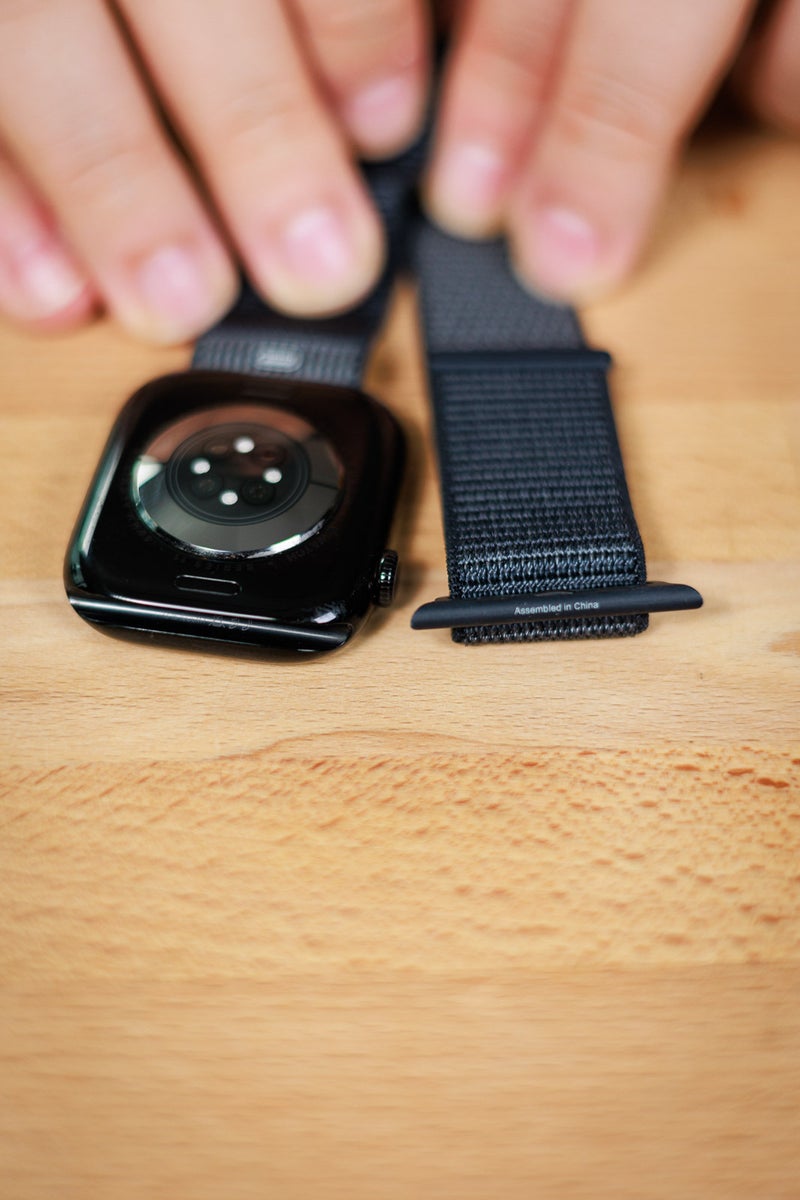
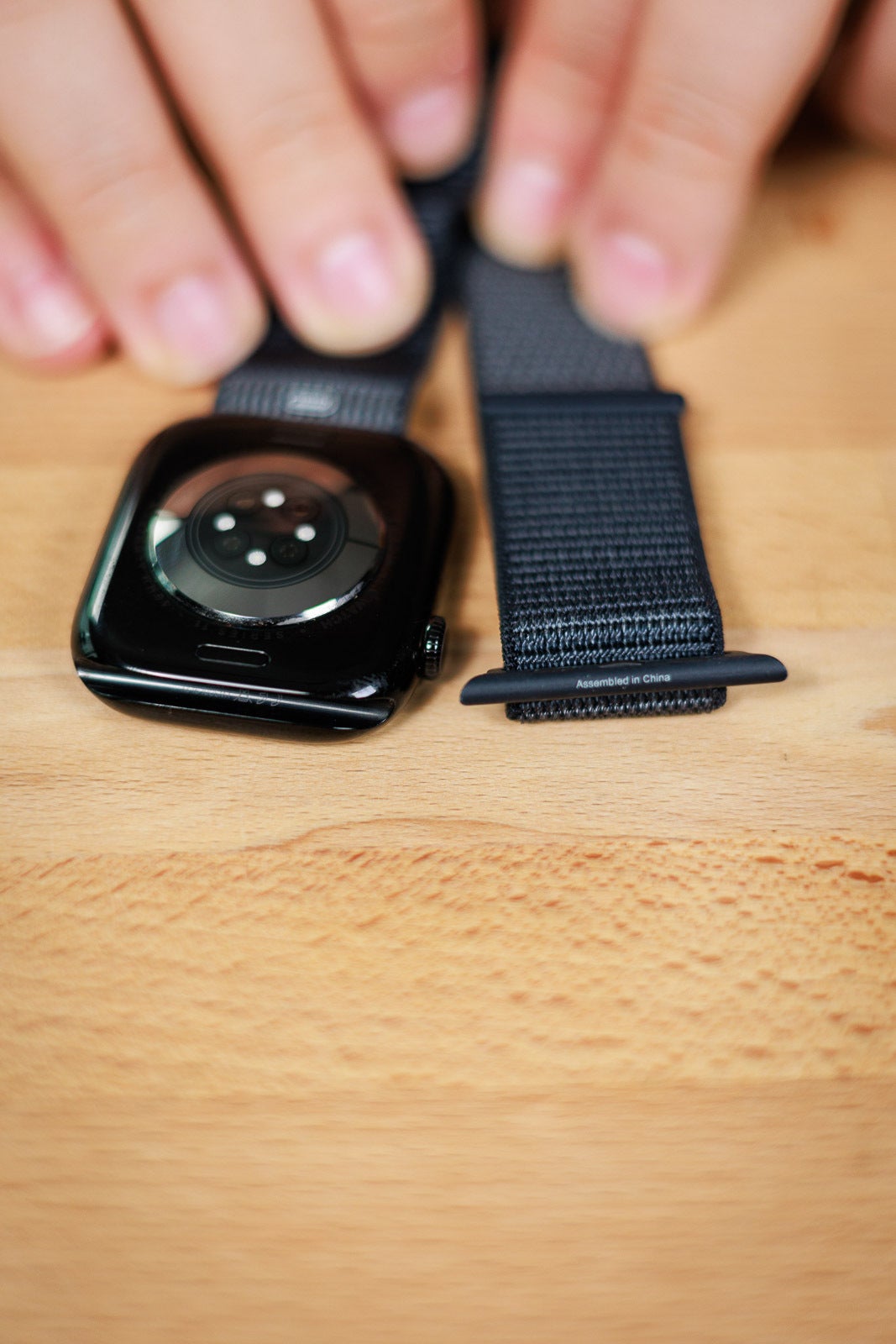
Bands use the same proprietary mechanism that makes swaps really easy, and you have a massive collection of third party bands and available, bigger than for any other watch out there.
Performance is also buttery smooth, which cannot be said about many other watches, where you can still see the occasional stutter. Apple has truly mastered that aspect.
Recommended For You
The visual advantage
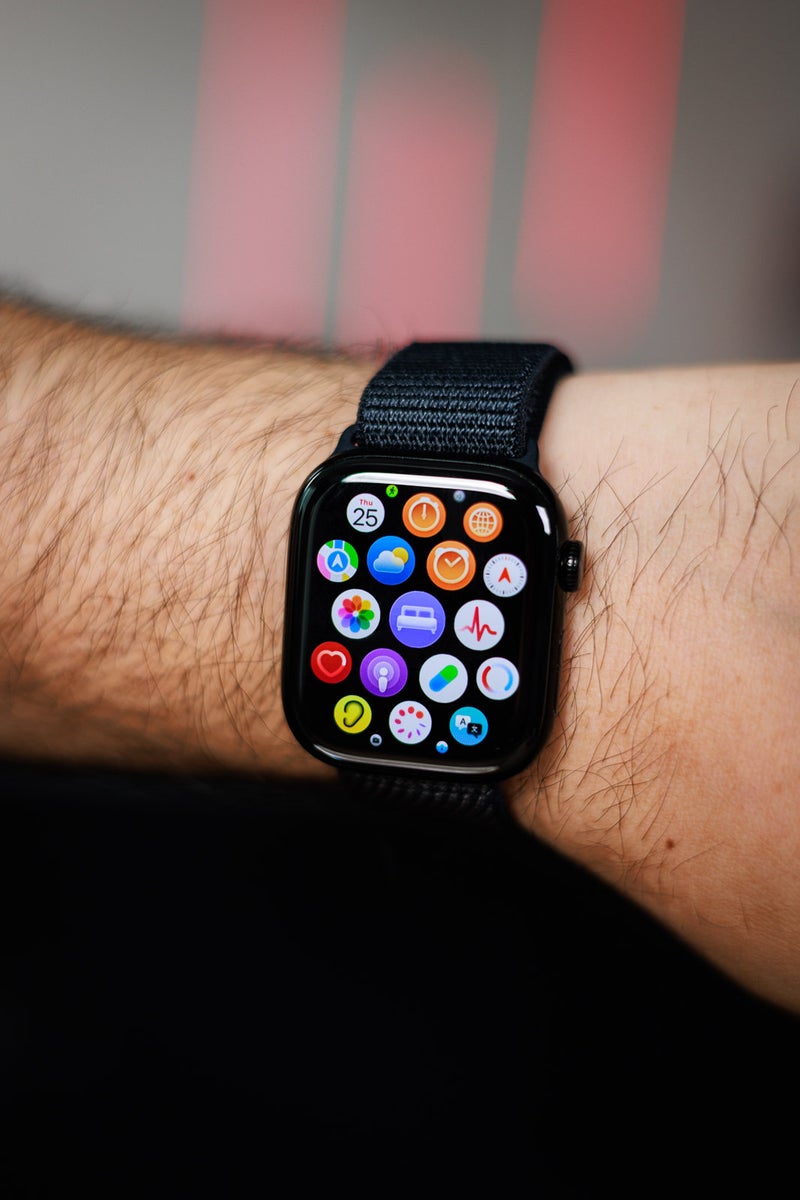
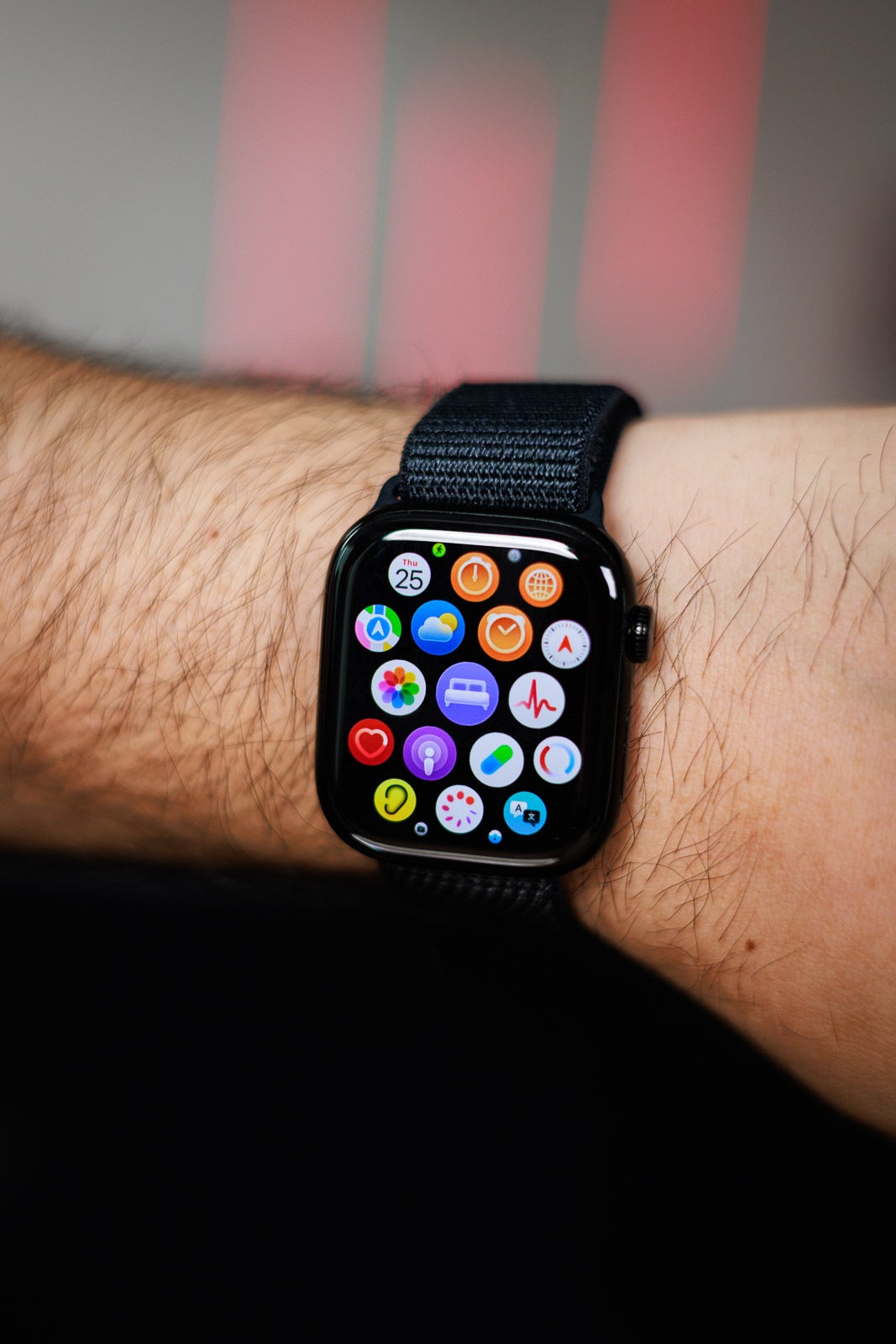
The biggest ace of the Apple Watch in my view is the easy of use of the interface.
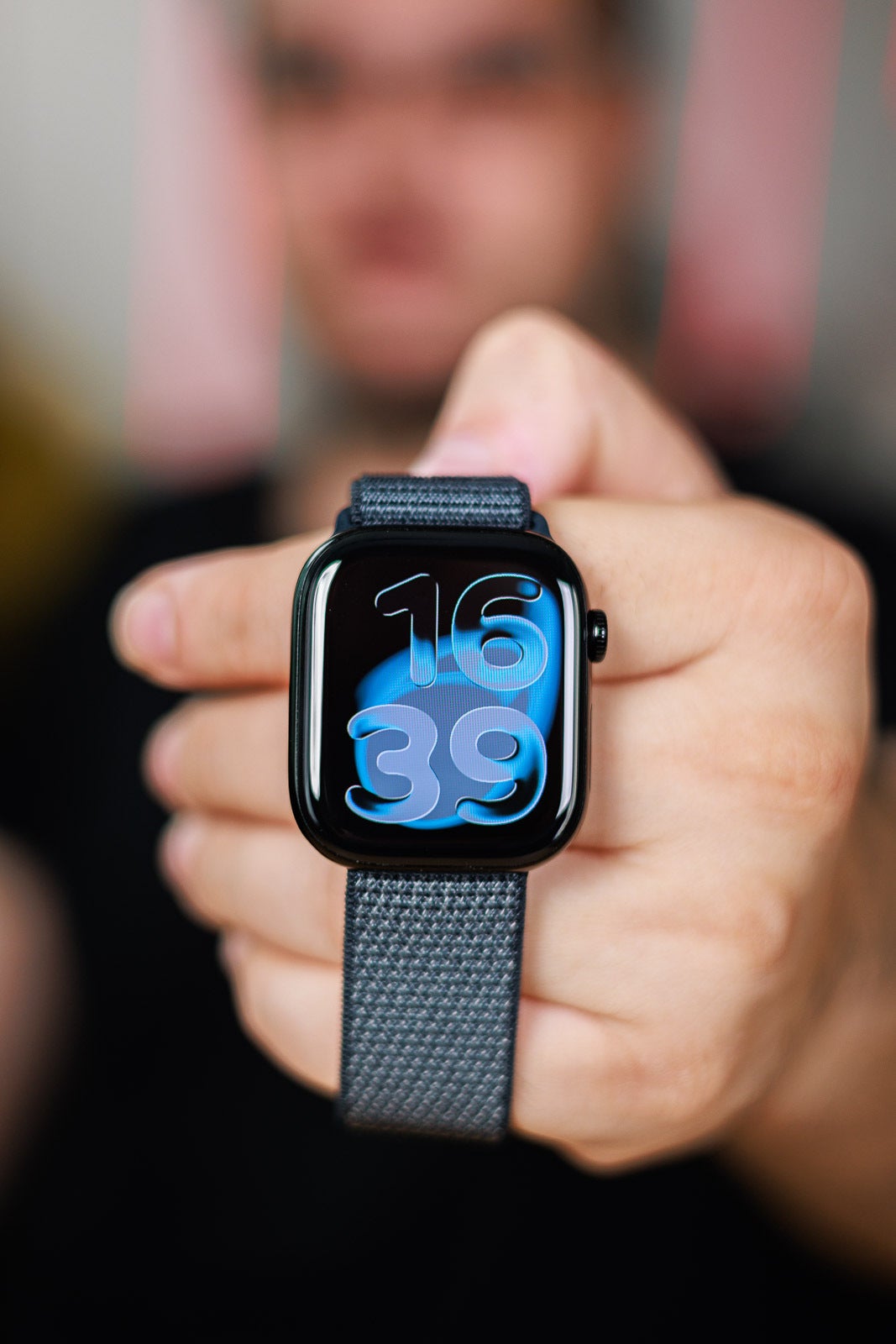
WatchOS is also just beautiful. You can swipe between watchfaces easily, each watchface has tons of customization options, and the extremely powerful native Apple weather app gives you a lot more glanceable data than any other smartwatch.
The most under-reported advantage of watchOS, however, is the quality of the wallpapers. I have been a loyal user of the "solar dial" watchface for years, and no other smartwatch offers quite the same watch face, with quite as many complications.
Raise to talk to Siri also works flawlessly, and even if Siri is not the smartest assistant around, I usually use it to set a timer or a reminder, and I have had no isssues with that. I say that as a distinct advantage in comparison to Garmin and Coros sports watches, which don't offer a similar option.
The accuracy advantage
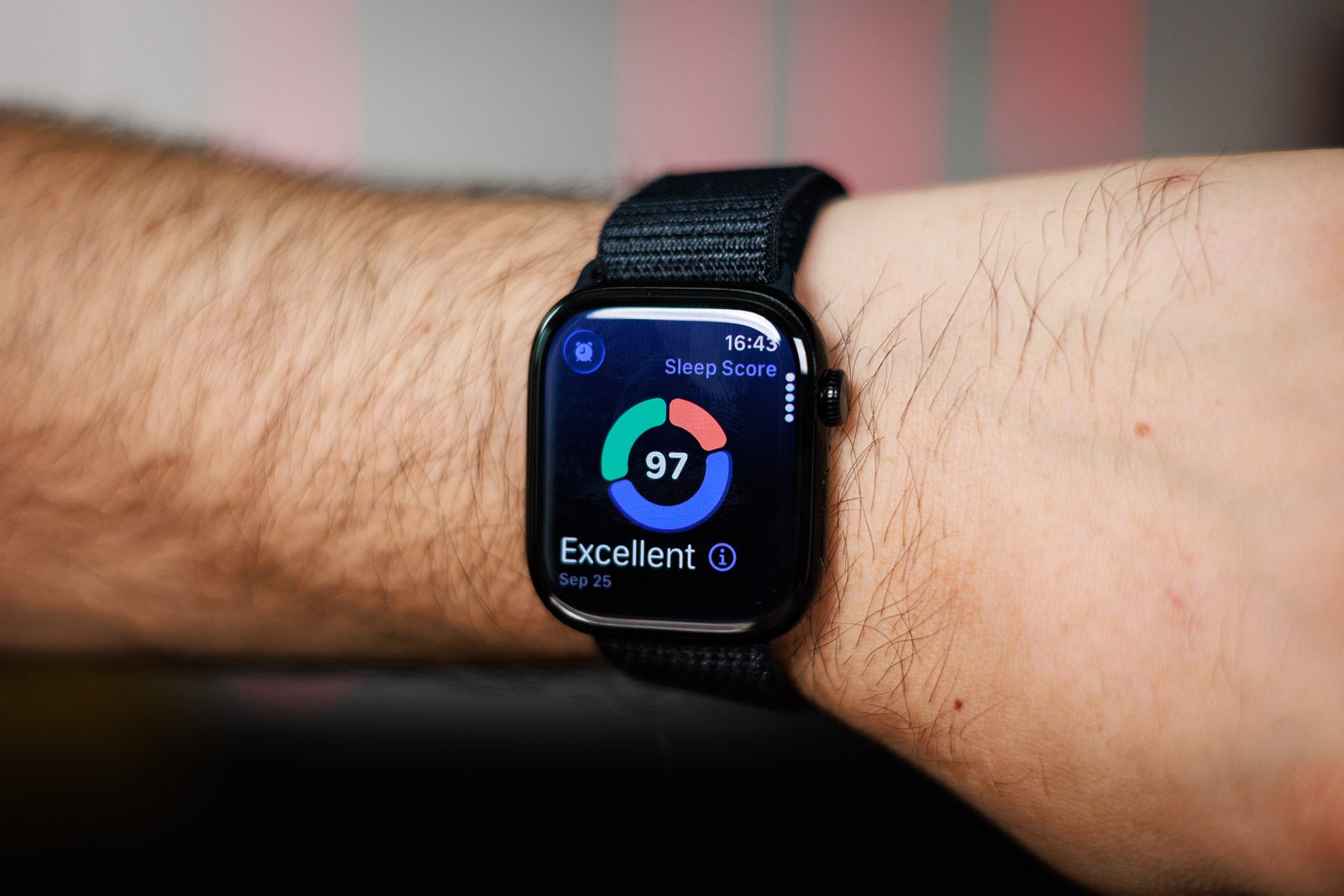
Those who care about accurate metrics should also definitely consider an Apple Watch. The Series 11 is not much better than the previous models, but those were already the best around when it comes to heart rate accuracy and sleep tracking.
Apple is also proud of its crash detection and walking steadiness features, which could be a literal life saver. Notifications about abnormal heart rates are also available, but the Apple Watch lacks the "loss of pulse" feature you see on the latest Pixel Watches.
Women should also know that the Apple Watches have a built-in thermometer, which is a great and quite reliable tool for monthly cycle and ovulation tracking.
But the battery life...
However, not much has changed in battery life experience.
Apple advertizes 24 hours between charges on the Series 11 vs 18 hours on all previous models, but if you ask me, it just feels like using all previous Apple Watches — daily charging or a dead watch. And don't forget that you need at least 30% of battery to track your sleep at night.
Recently, I stumbled upon a video on social media where an interviewer talked to multiple young athletes. All were wearing a dead Apple Watch, saying they haven't charged the thing in days, just using it as empty decoration. I don't know about you, but I don't really like the idea of a $400 watch that won't tell me the time and only function as a strange piece of jewellery.
Unfortunately, that's a common problem with smartwatches in general. Samsung's Galaxy Watch series is not any better, requiring daily top ups.
Google's latest Pixel Watch 4 is the only one that can comfortably last two days between charges, which is a big improvement in my book
However, most people I talked to say they prefer to charge their watch once a week (some even claimed they don't to worry about charging a watch at all). That's only achievable with some proprietary OS and not a true smartwatch. OnePlus offers one solution with its hybrid OS watches, running a proprietary OS to tell the time and only booting Wear OS when you start something more resource intensive.
Your other options are Huawei's proprietary platform where watches can last up to two weeks, or the numerous Garmin/Coros/Suunto sports watches that typically last a week, and some models stretch that to multiple weeks.
Final Words
At this point, it's clear that WatchOS has been a double-edged sword for Apple. Having these extremely information rich watchfaces, the fluidity, the apps, and the features of the platform are great, but they take a toll on battery life.
I, for once, have lost hope in an Apple Watch that would get much improved battery life and I continue my love-hate relationship with the Series 11 — an accurate tracker and great for reminders and comfortable wear, but annoyingly demanding with the daily charging ritual.
Read more:
Apple Watch SE 3 review: looks outdated, but it's the best upgrade this year
Honor Watch 5 Ultra Review: If the Cybertruck was a watch
Victor, a seasoned mobile technology expert, has spent over a decade at PhoneArena, exploring the depths of mobile photography and reviewing hundreds of smartphones across Android and iOS ecosystems. His passion for technology, coupled with his extensive knowledge of smartphone cameras and battery life, has positioned him as a leading voice in the mobile tech industry.
A discussion is a place, where people can voice their opinion, no matter if it
is positive, neutral or negative. However, when posting, one must stay true to the topic, and not just share some
random thoughts, which are not directly related to the matter.
Things that are NOT allowed:
Off-topic talk - you must stick to the subject of discussion
Offensive, hate speech - if you want to say something, say it politely
Spam/Advertisements - these posts are deleted
Multiple accounts - one person can have only one account
Impersonations and offensive nicknames - these accounts get banned
To help keep our community safe and free from spam, we apply temporary limits to newly created accounts:
New accounts created within the last 24 hours may experience restrictions on how frequently they can
post or comment.
These limits are in place as a precaution and will automatically lift.
Moderation is done by humans. We try to be as objective as possible and moderate with zero bias. If you think a
post should be moderated - please, report it.
Have a question about the rules or why you have been moderated/limited/banned? Please,
contact us.






Things that are NOT allowed:
To help keep our community safe and free from spam, we apply temporary limits to newly created accounts: