It’s been more than four years since Apple launched ProRes video support on iPhones. While most phones record video in highly compressed codes like H.264 or H.265 (HEVC), ProRes was uncompressed, lossless and much easier to edit.
At the same time, ProRes files remain huge. One minute of 4K ProRes video can take up nearly 6GB+ of space, compared to around 300MB for regular video. So while ProRes has never been a feature for everyone because of its size, it was undeniably useful for professionals who edit their videos.
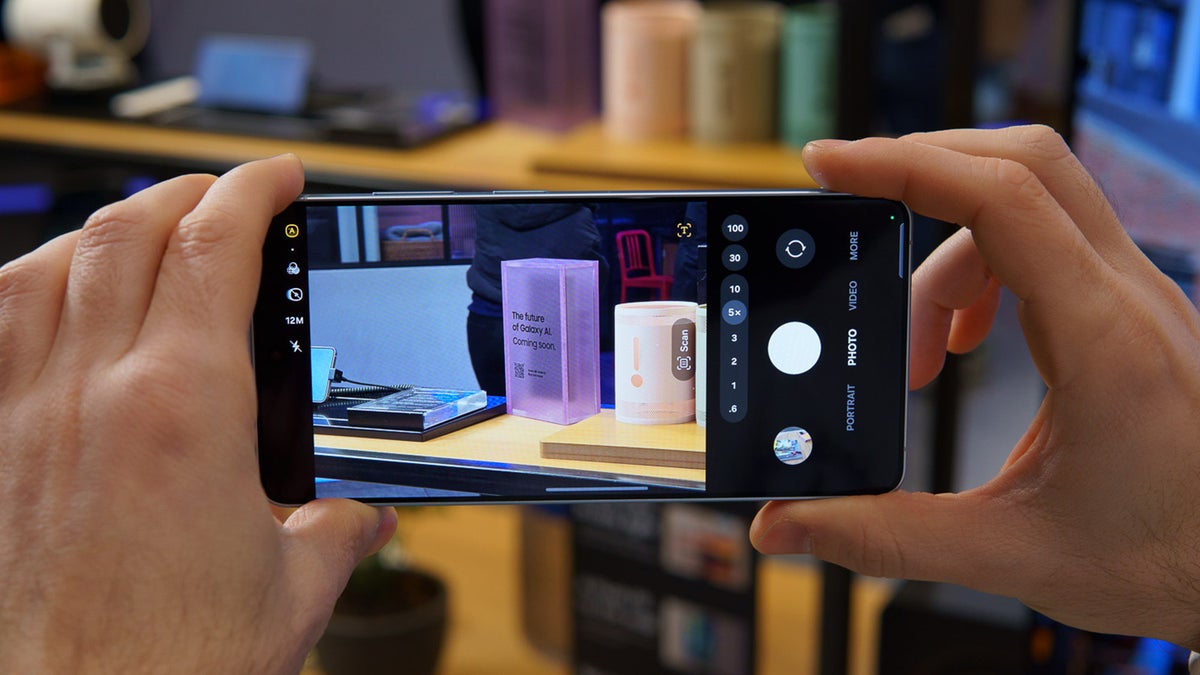
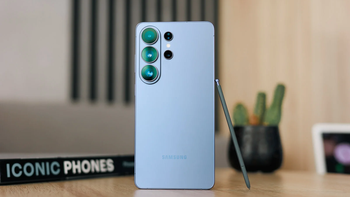
And now, Android finally has an answer. With the Galaxy S26 Ultra, Samsung adds support for the APV (Advanced Professional Video) codec, essentially the "Android and PC equivalent" to ProRes.
Galaxy S26 Ultra: save up to $720 now
$579
99
$1299
99
$720 off (55%)
The Galaxy S26 Ultra has been announced, bringing a Privacy Screen feature, insanely fast processor, and multiple Galaxy AI enhancements. Right now, you can save up to $720 at the Samsung Store with eligible trade-ins. You also get 15% off the Buds 4 series with your purchase. Alternatively, you can get $150 credit for add-ons, no trade-in required.
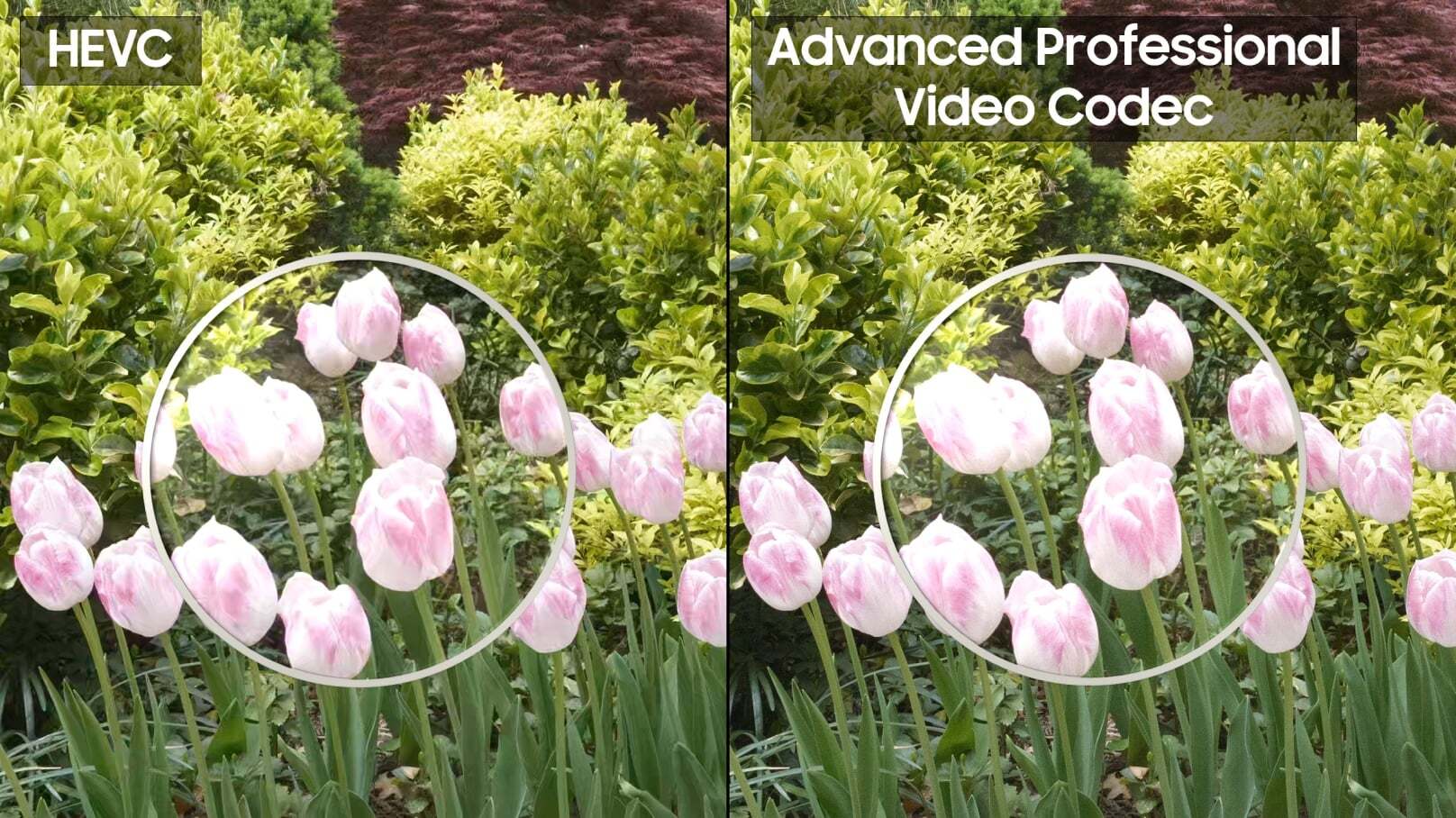
The difference between HEVC and APV | Image by Samsung
APV is an open and royalty-free standard (certfied IETF RFC 9924), and it is technically similar to ProRes because both are Intra-frame codecs, meaning they treat every single frame as a standalone high-quality image. Contrast this with Inter-frame codecs that predict motion between frames, which saves space but makes editing them much more taxing on the processor.
Scrubbing through a timeline with ProRes is usually instant and buttery smooth, while typical footage can result in slowdowns.
Recommended For You
APV vs ProRes
So how is APV different than ProRes? First, it has one important advantage, being roughly 20% more storage-efficient while supporting 12-bit color depth and 4:4:4 chroma subsampling (the particular implementation depends on the phone maker — its 422 on the Galaxy).
We tried recording a 1-minute 4K30 video on the Galaxy S26 Ultra and the file size was 6.75GB.
So, apart from the huge file sizes, are there any downsides to using APV? Well, the big trade-off is the classic "new standard" problem. The ProRes codec has a 15-year head start and universal support while APV is still just starting. APV is currently natively supported in DaVinci Resolve 20.2 and Android 16, but many older softwares may still require a special plug-in or transcoding.
Still, it’s an appreciated option for Android users, giving them high-bitrate video that is easy to edit and built on an open, non-proprietary platform.
How is APV different from Samsung LOG?
Samsung also introduced LOG recording recently, so you might be wondering whether you should record APV videos or regular videos with LOG. The main difference between the two is that Samsung LOG is a color profile, while APV is a compression codec.
On the Galaxy S25 Ultra, recording in "LOG" uses the standard HEVC (H.265) codec, which is compressed and "inter-frame" (meaning it does not have standalone frames but it predicts motion between frames). That’s why LOG files are small and storage-friendly, but they are still taxing on your computer's processor when editing.
In contrast, APV is Intra-frame, designed specifically to solve that editing lag.
Essentially, LOG on the Galaxy S25 is about capturing dynamic range in an efficient way, while APV on the Galaxy S26 is about stutter-free editing.
MacBook Pro (M1 series) flash sale! Limited time offer!
Save $40 on MacBook Pro (M1 series) from Back Market. Discount automatically applied at checkout. Offer ends 25 October 2026 at 23:59.
Victor, a seasoned mobile technology expert, has spent over a decade at PhoneArena, exploring the depths of mobile photography and reviewing hundreds of smartphones across Android and iOS ecosystems. His passion for technology, coupled with his extensive knowledge of smartphone cameras and battery life, has positioned him as a leading voice in the mobile tech industry.
A discussion is a place, where people can voice their opinion, no matter if it
is positive, neutral or negative. However, when posting, one must stay true to the topic, and not just share some
random thoughts, which are not directly related to the matter.
Things that are NOT allowed:
Off-topic talk - you must stick to the subject of discussion
Offensive, hate speech - if you want to say something, say it politely
Spam/Advertisements - these posts are deleted
Multiple accounts - one person can have only one account
Impersonations and offensive nicknames - these accounts get banned
To help keep our community safe and free from spam, we apply temporary limits to newly created accounts:
New accounts created within the last 24 hours may experience restrictions on how frequently they can
post or comment.
These limits are in place as a precaution and will automatically lift.
Moderation is done by humans. We try to be as objective as possible and moderate with zero bias. If you think a
post should be moderated - please, report it.
Have a question about the rules or why you have been moderated/limited/banned? Please,
contact us.









Things that are NOT allowed:
To help keep our community safe and free from spam, we apply temporary limits to newly created accounts: