This phone cares about your eyesight—Apple and Samsung should take notes
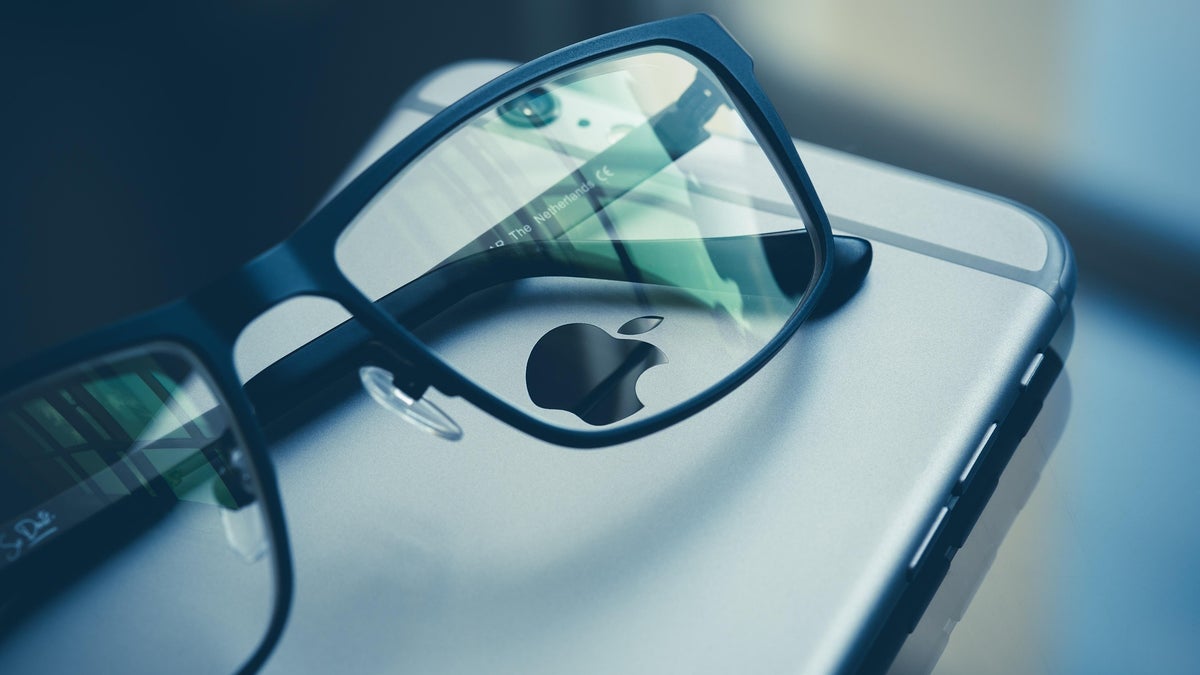
Numerous studies have shown the correlation between various eye health problems, such as myopia (nearsightedness), astigmatism, and dry eye, and smartphone use.
Numerous studies have shown the correlation between various eye health problems, such as myopia (nearsightedness), astigmatism, and dry eye, and smartphone use.
We receive 80% of all the information through our eyes. Eyesight is such a crucial sense, evolved over tens of thousands of years, that without it we're helpless. And yet, we carelessly throw our eyesight health through the window every day, staring at screens.
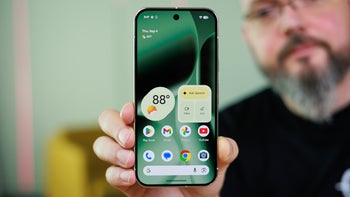
There's one smartphone brand that takes the risks of smartphone use seriously and implements a couple of very interesting features to help protect your eyes. I'm talking about Honor and the company's latest flagship device in particular, the Magic 8 Pro.
The company has been active on that front for a couple of Magic Pro generations, but with the latest model, Honor took eyesight protection to a different level.
Honor AI Eye Comfort Display
Honor tries to employ a holistic approach toward eyesight health in its smartphones, meaning there are several different features meant to protect your eyes when you doom scroll through Instagram reels.
Flickers everywhere!
4320Hz high-frequency PWM dimming
Difference between low and high frequency PWM dimming
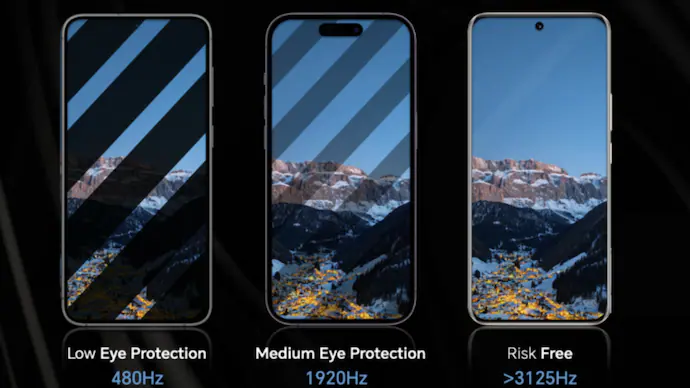
This feature is not exclusive to Honor phones, and many companies use it. However, Apple, for example, uses 480 Hz PWM dimming on iPhones, which can lead to fatigue, especially in people sensitive toward screen flickering.
Recommended For You
PWM dimming stands for Pulse Width Modulation, and basically means that in order to lower the brightness of a smartphone screen, the OLED diodes are switched on and off very fast. To the human eye this switching is perceived as a lower brightness.
In the iPhone case this is done 480 times per second, while Honor does it 4,320 times per second, almost ten times more. The higher the frequency, the less noticeable this flicker is and the less strain is put on your eyes.
There's also a quite interesting and fun feature on the Honor Magic 8 Pro that allows you to point the camera toward a light source and the phone will tell your the flicker rate and if it's a problem or not. Neat!
Dynamic Dimming Display
Having such a high PWM frequency is good, but Honor also controls it dynamically to simulate the natural variations we see in light intensity during the day. The effect might be subtle, but it helps the eye relax and feel much more comfortable than if constantly staring into a light source with a constant brightness.
Blue light is the enemy!
Exposure to light at the blue spectrum can block your melatonin production and cause sleep issues"
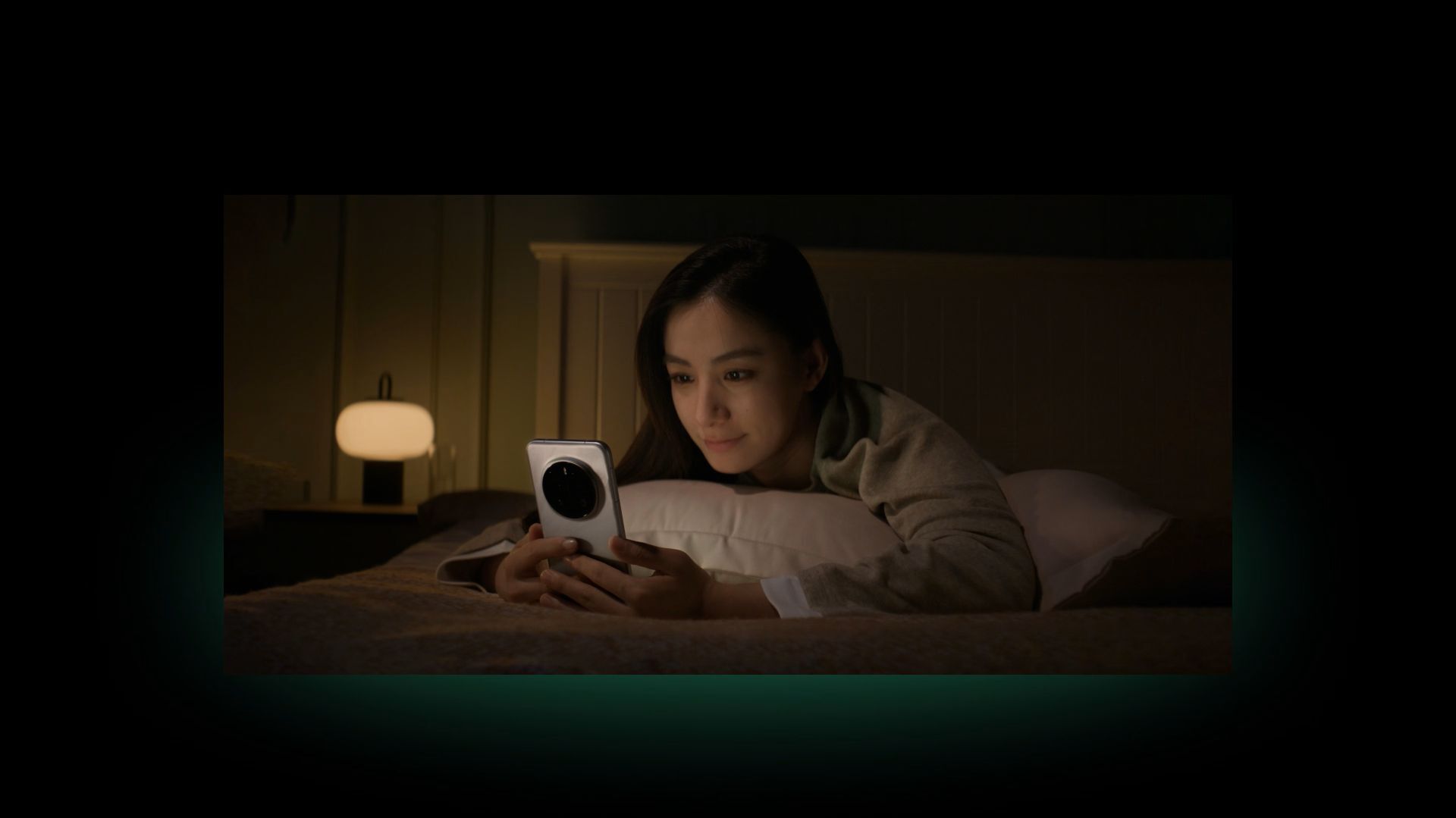
Blue light was identified as the enemy a long time ago. For those who still haven't heard about it, the light of the blue specter blocks the production and secretion of melatonin in the human body. It's an evolutionary mechanism to wake us up in the morning and help us sleep during the night.
Early morning sun is rich in blue light, while the setting sun shifts the spectrum away from blue light, giving us those romantic fiery sunsets. The trouble arises when we use artificial sources of blue light close to our bedtime—smartphones!
This can block the melatonin secretion and affect our sleep. Many companies now include display settings to limit the blue light exposure, especially during night hours, and the Magic 8 Pro is no exception, but the company uses a couple of interesting tools to do it.
AI Circadian Night Display
The phone adjusts various parameters depending on the surroundings and the time of day
This feature, for example, uses AI algorithms to intelligently recognize usage scenarios and adjust the color tone of the display. Let's say you're traveling to Iceland and suddenly the nights are three months long. The phone will recognize where you are and filter blue light constantly.
It's not just a simple schedule feature. According to Honor's own lab tests, this feature can increase the melatonin production by up to 20%, compared to a phone that doesn't have it on board.
Natural Tone Display
Another tool battling blue light is the natural tone display feature. It basically uses the camera to "see" the colors of your surroundings and adjust the display accordingly. If you're in a dark room with a lot of blue background, the tone of your display might turn much warmer, and vice versa.
Circular Polarized Display
Circular polarization reduces glare and reflections, and also mimics natural sunlight
This feature is very interesting. It's a polarizing filter applied to the screen, which creates circular polarization of the light wave. There are a lot of benefits in this type of polarization—it reduces glare and reflections, but most importantly, it mimics natural light polarization from the sun.
This type of light stimulates the retina of the eye uniformly and prevents directional stimulation, which can lead to eye fatigue. Some studies show that displays with circular polarization lead to fewer dry eye symptoms.
Stop looking at your phone all the time!
One of the key problems with electronic displays is the fixed focal length of your eye while you're staring at them. That's why your ophthalmologist tells you to look away and in the distance while working on a laptop or on your phone.
This way the muscles of your eye can relax. If you constantly keep your focus at one point, the muscles harden, and what happens is you develop nearsightedness.
AI Defocus Display (13° Average Improvement in Transient Myopia)
The Defocus technology simulates depth and helps your eyes relax
This one's a very cool concept, backed by science. Just as I described above, looking at a near object for a prolonged time can lead to something called transient myopia—this is reversible nearsightedness. Don't let the reversible part fool you; if you keep doing it, you'll become myopic, and if you already have the condition, it will worsen with smartphone use.
The AI Defocus Display basically simulates depth and different focal lengths while you're looking at your phone. The technology gently blurs the edges of the image, mimicking defocus glasses, and reduces eye strain and myopia progression.
AI Motion Sickness Relief
The blue dots act as anchors for your vision
Finally, there's a new tool called motion sickness relief. You know how you sometimes feel sick while staring at your phone in a moving vehicle? Honor places blue dots at the edges of the screen that act like "anchor points" for your vision.
It's quite strange, but it works; your eyes and brain can make the distinction between what moves and what doesn't much better. Hence, the dissonance between your vision and your inner ear (which senses motion) is far smaller, and you don't feel sick.
Is it a game changer?
We need all the eye protection we can get
Most of these tools sound like a lot of marketing talk and not much real-world value. And some of them are. But at the end of the day, it's better to have all the protection you can get, even the fringe technology, than none at all.
I can attest that using the Magic 8 Pro for about two weeks left me with less eye strain, and even though there might be some placebo effect to this, the end result was there.
And just like the blue light filter, these technologies should become a standard in smartphones. I wish to see the Galaxy S26 Ultra version of the Defocus Display, or the iPhone 17 circular polarization. The more companies invest in such eye-protection features, the better these features will become. And this will benefit our eyes.
Mint Mobile's 6-month plans now cost $10/mo
$10
/mo
$35
$25 off (71%)
Mint Mobile is celebrating its 10-year anniversary with a special offer on its six-month subscription plans. For a limited time, you can get your preferred tier (6GB, 17GB, 23GB or unlimited) for just $10/mo. That saves you between 50% and 71% on the carrier's mobile plans, making it way easier to recommend.
Mariyan, a tech enthusiast with a background in Nuclear Physics and Journalism, brings a unique perspective to PhoneArena. His childhood curiosity for gadgets evolved into a professional passion for technology, leading him to the role of Editor-in-Chief at PCWorld Bulgaria before joining PhoneArena. Mariyan's interests range from mainstream Android and iPhone debates to fringe technologies like graphene batteries and nanotechnology. Off-duty, he enjoys playing his electric guitar, practicing Japanese, and revisiting his love for video games and Haruki Murakami's works.
A discussion is a place, where people can voice their opinion, no matter if it
is positive, neutral or negative. However, when posting, one must stay true to the topic, and not just share some
random thoughts, which are not directly related to the matter.
Things that are NOT allowed:
Off-topic talk - you must stick to the subject of discussion
Offensive, hate speech - if you want to say something, say it politely
Spam/Advertisements - these posts are deleted
Multiple accounts - one person can have only one account
Impersonations and offensive nicknames - these accounts get banned
To help keep our community safe and free from spam, we apply temporary limits to newly created accounts:
New accounts created within the last 24 hours may experience restrictions on how frequently they can
post or comment.
These limits are in place as a precaution and will automatically lift.
Moderation is done by humans. We try to be as objective as possible and moderate with zero bias. If you think a
post should be moderated - please, report it.
Have a question about the rules or why you have been moderated/limited/banned? Please,
contact us.









Things that are NOT allowed:
To help keep our community safe and free from spam, we apply temporary limits to newly created accounts: