It's not the iPhone 18 Pro that's the hottest phone right now. Usually, when we're at the beginning of September, nothing else is being talked about: the iPhone Pro this, the iPhone Pro that.
Now, it's the iPhone Ultra, a.k.a. Apple's first-ever foldable iPhone that steals the show. Overall, 2026 is big for foldables. The Galaxy Z Fold 8 (the one that resembles a passport) is a smash hit for Samsung and everybody loves it. Hence, everyone expects miracles out of the iPhone Ultra and our detailed PhoneArena comparison review against the Z Fold 8 will be epic.
If we changed the channel for a brief moment, we'd stumble upon another wider-than-taller foldable, though. No, not the Huawei Pura X Max, although this one managed to arrive first.
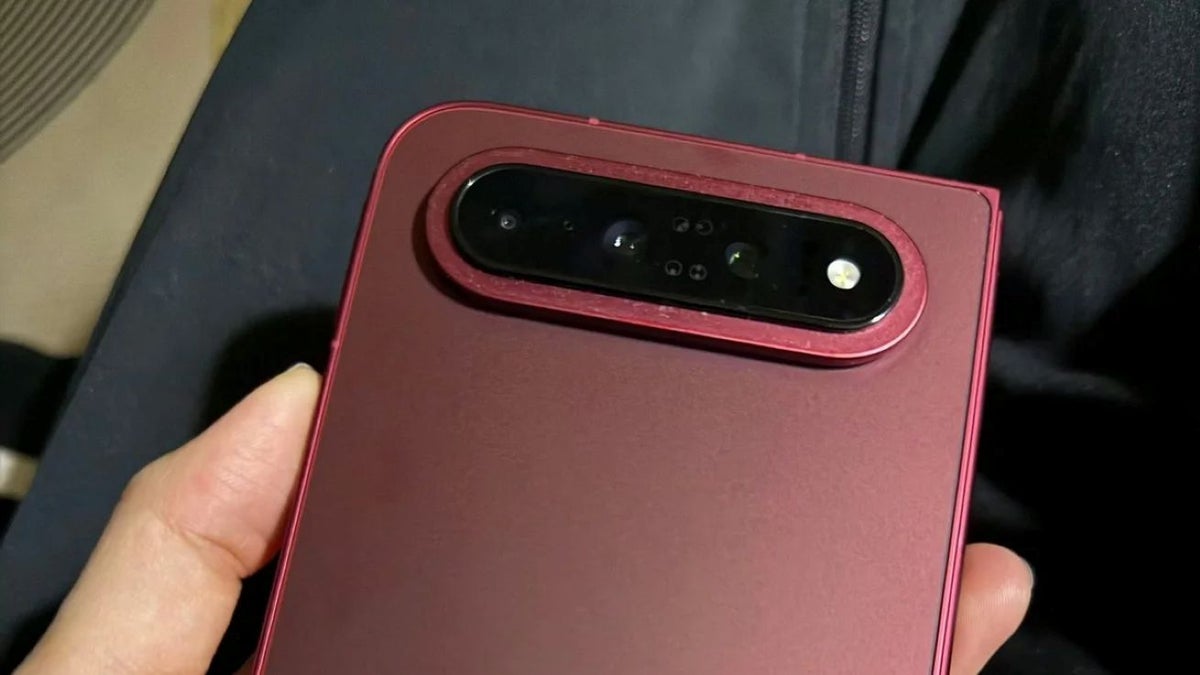
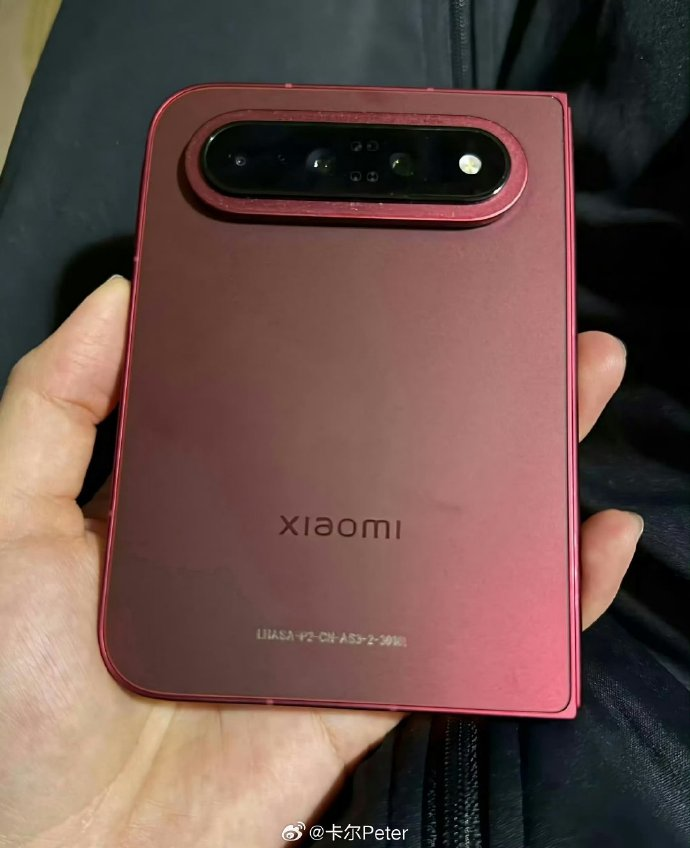
I'm referring to the Xiaomi 18 Fold, which is also due in September and will compete with the aforementioned Z Fold 8 and Apple's first-ever foldable.
CXMT DRAM for this one
It looks nice, but looks aren't nearly enough. | Image by Carl Peter
Per Reuters, the Xiaomi 18 Fold will get its Dynamic-Random-Access-Memory (DRAM) chips from CXMT. You may've heard about this company before. Although not as big as Korean rivals like Samsung and SK Hynix, CXMT is nevertheless China's top memory chipmaking company.
CXMT will provide its high-end, state-of-the-art LPDDR6 DRAM chips for the Xiaomi 18 Fold.
Oh, yes—LPDDR6 is the latest DRAM standard, designed to deliver substantially higher data-transfer rates than LPDDR5X while improving power efficiency. It uses a newer signaling architecture that can move more data per cycle, making it better suited to on-device AI and other memory-heavy workloads. LPDDR5X generally tops out around 8.5 Gbps, while LPDDR6 is expected to start around 10.667 Gbps and scale higher.
In other words, LPDDR6 means faster and more efficient phone RAM—and who wouldn't want that?
It's curious to note that CXMT is… suing the Pentagon.
ChangXin Memory Technologies (this is what hides behind the CXMT abbreviation) and the US Department of Defense got in a legal battle over allegations about CXMT aiding the Chinese military company.
CXMT says it has no ties to China's military and that its DRAM chips are designed and sold exclusively for civilian and commercial applications. The company argues that the Pentagon's decision was arbitrary, lacked sufficient evidence and caused significant commercial and reputational damage. CXMT is seeking to have the designation overturned and removed from the Pentagon's black list, which can lead to government contracting restrictions.
By the way, CXMT expands rapidly, with its revenue surging 874% in the first half of the year.
The chipset would be new, too
Like we told you recently, Xiaomi is also ready to unleash its own chipset—the Xring O3. Usually, Android flagships (except for Google and its Tensors) pack either the latest Qualcomm Snapdragon or MediaTek Dimensity.
The Xiaomi 18 Fold, though, could debut the in-house Xring O3. I'm eagerly awaiting the in-depth PhoneArena tests and comparisons. The more chipset players we have, the merrier.
And, who knows—maybe this will be your next foldable!
What's your chipset of choice?
208 Votes
I need the next best thing, so 2nm.
27.88%
3nm chips are pretty amazing, I won't upgrade for some time.
20.19%
I find 4nm chips capable enough even in 2026.
23.56%
I don't care that much about chipsets in the first place.
28.37%
Free Galaxy A17 5G with Straight Talk
Get a free Galaxy A17 with Straight Talk. To claim this deal, you need to pair the phone with activation on a Silver Unlimited Plan or higher. This tier costs $45 per month. Offer valid through 01/10/27 while supplies last online.
Sebastian is one of PhoneArena’s senior opinionators. A veteran news writer with almost 20 years of experience in media and technology, he not only covers all the hot news about Galaxies and iPhones, but often provides hot takes on industry trends. He’s fascinated with camera-focused flagships from the likes of Oppo and Vivo, as well as foldable phones.
A discussion is a place, where people can voice their opinion, no matter if it
is positive, neutral or negative. However, when posting, one must stay true to the topic, and not just share some
random thoughts, which are not directly related to the matter.
Things that are NOT allowed:
Off-topic talk - you must stick to the subject of discussion
Offensive, hate speech - if you want to say something, say it politely
Spam/Advertisements - these posts are deleted
Multiple accounts - one person can have only one account
Impersonations and offensive nicknames - these accounts get banned
To help keep our community safe and free from spam, we apply temporary limits to newly created accounts:
New accounts created within the last 24 hours may experience restrictions on how frequently they can
post or comment.
These limits are in place as a precaution and will automatically lift.
Moderation is done by humans. We try to be as objective as possible and moderate with zero bias. If you think a
post should be moderated - please, report it.
Have a question about the rules or why you have been moderated/limited/banned? Please,
contact us.












Things that are NOT allowed:
To help keep our community safe and free from spam, we apply temporary limits to newly created accounts: